
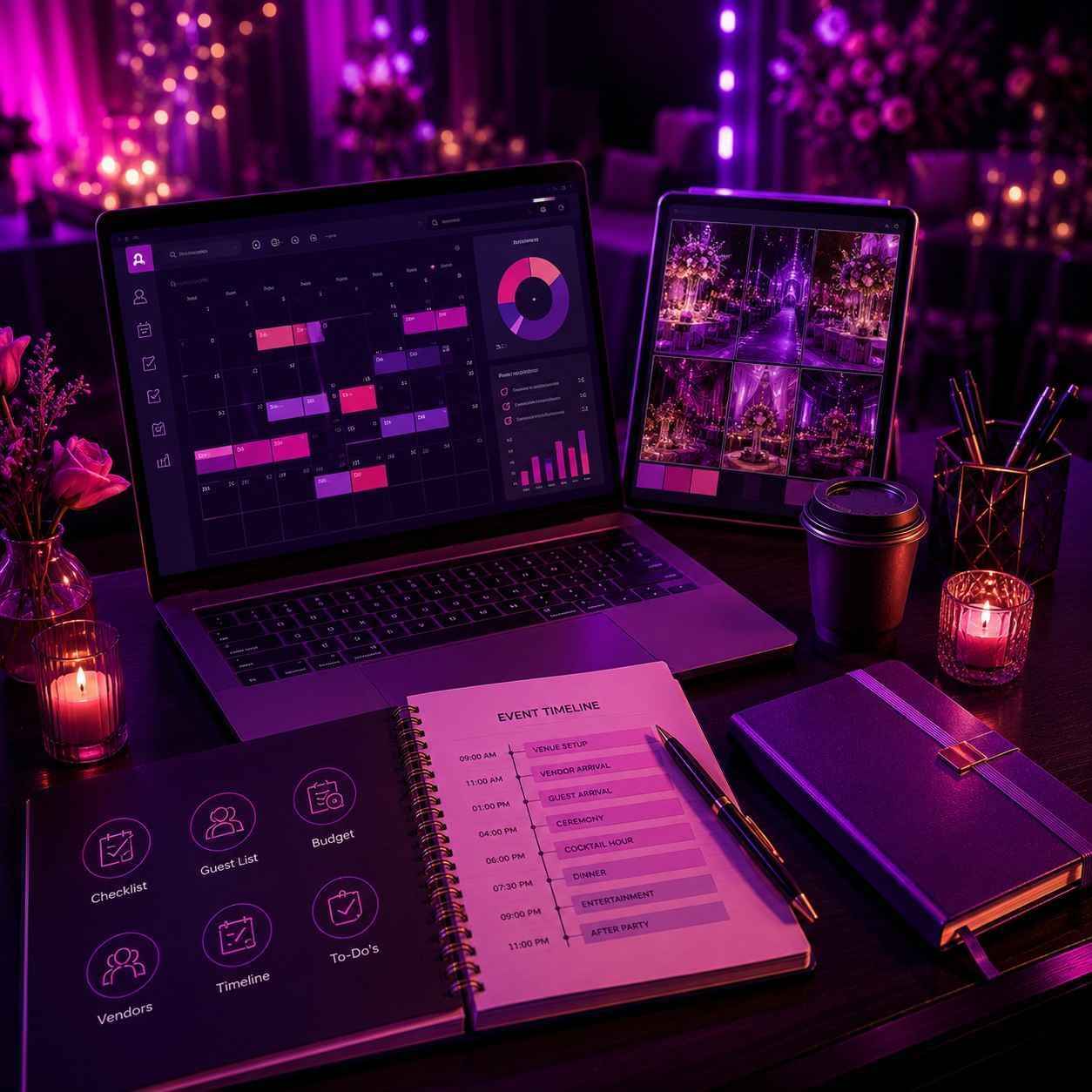
Explore All Planning Tools
Plan your wedding, party or special event with useful tools and resources that make organising every detail easier and more efficient.
Plan Better,
Celebrate with Happiffie
From organising your event details to managing budgets, guests, schedules and essential checklists, Happiffie brings useful planning tools together to make every celebration easier to plan and manage.
- Smart Planning ToolsOrganise important event details with easy-to-use planning tools
- Plan Your BudgetKeep track of event expenses and make informed planning decisions
- Ready-to-Use ChecklistsStay organised with practical checklists for every stage of your event






- 400+Curated Events
- 6Event Universes
- 1000+Verified Vendors
- 70+Locations
- 24/7Customer Support


Not sure which packages fits your celebration?
Let Hiya & Hanu help you find the perfect match!
Explore Celebration Packages- AI-Powered MatchingSmart suggestions for you
- Budget OptimizerGet the best experiences in your budget
- End-to-End SupportWe are with you at every step
Serving Celebrations across 75+ locations in India
Complete Smart Planning Toolkit for Better Celebration Organisation
◆Planning a celebration involves hundreds of small decisions. Choosing a venue is only the beginning. Hosts may also need to manage guest information, budgets, supplier arrangements, schedules, décor, catering, entertainment and transportation. When these details are scattered across messages, notes and separate documents, keeping everything under control becomes increasingly difficult.
A complete smart planning toolkit brings essential planning resources together within a more organised framework. It can help hosts understand priorities, monitor progress, manage information and make timely decisions throughout the preparation journey.
This approach works well for weddings, birthdays, anniversaries, engagement ceremonies, corporate functions, cultural occasions and family gatherings across Kerala. Different celebrations require different levels of planning, so a useful toolkit should remain flexible enough to accommodate both intimate occasions and larger functions.
Smart planning is not about adding unnecessary technology or complexity. It is about making important information easier to access, responsibilities easier to understand and decisions easier to make.
Understanding a Smart Planning Toolkit
A smart planning toolkit combines practical resources that support different stages of event preparation. Depending on the occasion, it may include budget management, guest tracking, venue comparisons, supplier records, scheduling tools, task management and planning checklists.
The purpose is to create a central structure for information that would otherwise be difficult to manage.
For a small birthday celebration, a simple planning system may be enough. A multi-day wedding can require significantly more detailed organisation because accommodation, transportation, ceremonies and multiple suppliers may all need to be considered.
The best toolkit is therefore one that matches the actual complexity of the occasion.
Starting With the Celebration Vision
Before using individual planning resources, organisers should establish what they want the celebration to achieve.
The occasion may be intimate and family-focused, or it may be a large social function with hundreds of attendees. Some hosts prioritise traditional ceremonies, while others focus on entertainment, décor, dining or guest interaction.
Defining these priorities early helps determine which planning resources are most important.
A clear vision also prevents unnecessary spending. Instead of adding services simply because they are available, hosts can focus their budget and attention on arrangements that genuinely contribute to the intended experience.
Smart Budget Organisation
Budget management is one of the most important components of celebration planning. Costs can accumulate quickly when several suppliers and services are involved.
A smart planning toolkit can help organise estimated costs, confirmed bookings, deposits, outstanding balances and additional expenses.
Common categories may include venue hire, catering, décor, photography, entertainment, transportation, accommodation and technical services.
Keeping these figures together provides a clearer understanding of the overall budget. It also helps identify areas where spending may be adjusted if priorities change.
A realistic financial plan should include a contingency amount for unexpected requirements rather than allocating every available resource in advance.
Guest Planning and Attendance Tracking
Guest information affects many other planning decisions. Catering quantities, seating arrangements, invitations, transportation and accommodation can all depend on attendance.
A guest planning resource can help organisers maintain an accurate record of invitees and responses. Additional information can be included where appropriate, such as dietary needs, accommodation requirements or accessibility considerations.
For weddings, the guest list may need to distinguish between different ceremonies and functions. Corporate occasions may require registration details and professional attendee information.
Keeping these records organised reduces uncertainty as the event approaches.
Venue Planning Resources
The venue influences the entire structure of a celebration. Capacity, accessibility, location, parking, facilities and available setup time all need to be considered.
A planning toolkit can help compare venues according to practical criteria rather than appearance alone.
Outdoor locations require additional consideration because weather can influence guest comfort and event continuity. Destination venues may also need accommodation and transport arrangements.
Understanding these factors before booking can prevent problems later.
Supplier Management
Celebrations often involve numerous service providers. Keeping their details organised is essential when multiple conversations are happening simultaneously.
A smart toolkit can record supplier contact information, responsibilities, agreed timings, costs and important requirements.
This is particularly useful when coordinating decorators, caterers, photographers, entertainers, transportation providers and technical teams.
Supplier dependencies should also be considered. A decorator may require venue access before another supplier can begin work, while entertainment teams may need technical preparation before guests arrive.
A structured supplier record helps make these relationships more visible.
Timeline and Schedule Planning
A detailed timeline gives the celebration an operational structure. It connects preparation with the guest-facing programme.
Activities may include supplier arrival, venue setup, guest reception, ceremonies, photography, dining, speeches, entertainment and closing arrangements.
A planning toolkit can help organisers arrange these activities in a logical sequence and identify overlapping responsibilities.
However, schedules should allow reasonable flexibility. Guests may arrive late, ceremonies may extend and speakers may require additional time.
Including transition periods helps the celebration remain adaptable without losing overall direction.
Wedding Planning Across Kerala
Kerala weddings can include several traditional ceremonies, family gatherings and contemporary event arrangements. Some celebrations also involve multiple venues or functions spread across several days.
A smart planning toolkit can help families keep these activities connected.
Guest accommodation, transport, ceremonial requirements, photography, catering and entertainment may all need to be considered alongside the main wedding schedule.
Destination weddings create additional planning requirements because guests may travel from different locations. Information about accommodation, transport and venue access becomes especially valuable.
By keeping these details organised, families can make decisions with greater clarity.
Birthday and Family Celebration Planning
Birthday celebrations may be simple or highly elaborate. A planning toolkit can be adapted according to the scale of the occasion.
Children’s parties may require games, entertainers, activity areas, themed décor and cake arrangements. Adult milestone celebrations may involve speeches, performances, video presentations and formal dining.
Planning tools can help assign responsibilities and establish timing for each activity.
When several family members are involved, shared planning can also prevent duplicated tasks and missed responsibilities.
Corporate Occasion Planning
Corporate celebrations often have more structured programmes and larger groups of stakeholders.
Annual functions, employee celebrations, award ceremonies, product launches and networking events may involve registration, presentations, speakers, technical equipment, catering and attendee management.
A smart toolkit can organise these components and help maintain visibility over deadlines and responsibilities.
It can also help teams respond to changes. If a presentation time changes, for example, the relevant schedule and supplier requirements can be updated accordingly.
Catering and Menu Planning
Catering decisions should consider guest numbers, dietary requirements, service style and programme timings.
A planning resource can help organise menu choices, estimated quantities, meal timings and special requirements.
Different formats create different operational needs. Buffet dining, plated service, live counters and refreshments all require suitable space and scheduling.
Dining arrangements should therefore be considered alongside venue layout and guest movement rather than treated as an isolated decision.
Décor and Setup Tracking
Décor can involve numerous individual elements. Entrance styling, stage décor, floral arrangements, seating, lighting and table details may all require separate preparation.
A planning toolkit can help organisers record what has been selected, who is responsible and when installation should take place.
Setup timing is especially important when the venue has a restricted access period. Multiple suppliers may need to use the same space, requiring a carefully planned sequence.
Tracking these details reduces the chance of unfinished arrangements becoming visible to guests.
Entertainment and Programme Management
Entertainment can define the personality of a celebration. Music, performances, speeches, games and presentations should all fit comfortably within the programme.
Smart planning resources can help organise participant timings, performance requirements and technical needs.
The programme should also retain enough open time for guests to interact naturally. Overloading the schedule can make an occasion feel rushed.
A balanced plan gives structure while preserving opportunities for conversation and spontaneous moments.
Transportation and Accommodation Planning
Travel arrangements become especially important for destination celebrations and large family functions.
A planning toolkit can help organise transportation schedules, pickup points, accommodation information and guest requirements.
For weddings, guests may arrive from different cities and require different travel arrangements. Corporate events can also involve organised transportation for attendees.
Keeping these details accessible allows hosts and support teams to respond more quickly when changes occur.
Task Allocation and Responsibility Tracking
Many celebration problems occur because everyone assumes somebody else is handling a particular task.
Task management resources can help assign clear responsibility to individuals or suppliers.
Family members may manage invitations, guest communication or accommodation, while professionals handle décor, catering or photography.
Clear ownership creates accountability without requiring one person to manage every detail.
Preparing for Last-Minute Changes
Smart planning becomes particularly useful when circumstances change. Guest numbers may increase, suppliers may face delays or weather may affect an outdoor arrangement.
When planning information is organised, hosts can identify which connected arrangements need adjustment.
For example, changing an outdoor venue plan may affect seating, décor, catering, entertainment and guest movement. Understanding these dependencies allows decisions to be made more systematically.
The goal is not to predict every possible problem. It is to make responses easier when something unexpected occurs.
Combining Smart Tools With Human Expertise
Planning utilities can organise information, but technology alone cannot replace practical judgement.
Professional coordinators and support teams can interpret changing situations, communicate with suppliers and manage real-world requirements on the day.
A smart planning toolkit works best as a foundation for that human expertise. It keeps information organised while experienced professionals handle decisions that require judgement and direct communication.
This combination can be particularly valuable for larger celebrations.
Choosing the Right Planning Toolkit
A useful toolkit should simplify planning rather than create additional administrative work.
Consider whether the resources are easy to understand, accessible to everyone involved and suitable for the event's size.
Small celebrations may need only basic guest, budget and schedule planning. Larger weddings and corporate functions may benefit from more detailed supplier, accommodation and programme management.
The best system is not necessarily the most advanced one. It is the one that helps organisers find information quickly and take action confidently.
Benefits for Hosts and Families
A complete planning structure can reduce the mental pressure associated with organising an important occasion.
Hosts can see what has been confirmed, what remains outstanding and which decisions require attention. Family members can understand their responsibilities without constantly asking for updates.
Suppliers also benefit from accurate information. Clear guest numbers, timings and requirements give them a stronger foundation for delivering their services.
This creates a more organised planning environment for everyone involved.
Creating Better Celebrations With Smart Preparation
A complete smart planning toolkit can bring structure to the many details involved in a celebration. From budgets and guest information to venues, suppliers, schedules and transportation, organised resources make preparation easier to manage.
For Kerala celebrations, this approach is particularly useful because events can combine traditional customs, family participation, modern services and destination requirements.
The toolkit should remain practical. Its purpose is to reduce confusion, not create more work.
When planning information is organised from the beginning, hosts can make decisions with greater confidence, suppliers can communicate more effectively and unexpected changes can be handled more calmly.
Ultimately, smart planning is about preparation that supports enjoyment. When the practical side of an occasion is clearly organised, hosts have more freedom to focus on their guests and the moments that make the celebration worthwhile.
Frequently Asked Questions
1. What is a complete smart planning toolkit?
A complete smart planning toolkit combines resources for managing celebration budgets, guests, venues, suppliers, schedules, tasks and other important event details.
2. Which celebrations can use a smart planning toolkit?
It can support weddings, birthdays, anniversaries, engagement ceremonies, family functions, corporate occasions, cultural events and private parties.
3. How can a planning toolkit help control celebration costs?
It can organise estimated expenses, confirmed bookings, deposits, outstanding balances and additional costs, giving hosts a clearer view of their overall budget.
4. Can the toolkit help manage wedding guests?
Yes. It can help organise invitations, attendance responses, accommodation information, dietary requirements and other relevant guest details.
5. Is a smart toolkit useful for destination weddings?
Yes. Destination weddings often involve accommodation, transportation, multiple venues and guests travelling from different locations, making organised information especially valuable.
6. Can several people share celebration planning responsibilities?
Yes. Task allocation and shared planning resources can help family members, organisers and suppliers understand their individual responsibilities.
7. Can planning tools help coordinate suppliers?
Yes. Supplier records can organise contact information, responsibilities, timings, costs and service requirements, making communication easier.
8. How does smart planning help with last-minute changes?
Organised information makes it easier to identify which arrangements are affected when guest numbers, suppliers, venues, schedules or weather conditions change.
9. Does a smart planning toolkit replace an event coordinator?
Not necessarily. Planning resources organise information, while professional coordinators provide practical judgement, communication and on-site assistance.