

Explore All Religious Ceremonies
Discover traditional rituals, wedding ceremonies, spiritual occasions and meaningful cultural celebrations in Chennai, with trusted services to honour every tradition.
Give Thoughtfully,
Celebrate with Happiffie
From personalised gifts and curated collections to thoughtful presents for every occasion, Happiffie helps you discover gifting options that make celebrations more meaningful and memorable.
- Thoughtful Gift DiscoveryFind gifting options suited to every celebration and occasion
- Personalised GiftingDiscover customised gifts made to create meaningful moments
- Trusted Gift ProvidersConnect with reliable gifting professionals and service providers
Popular Religious Ceremonies
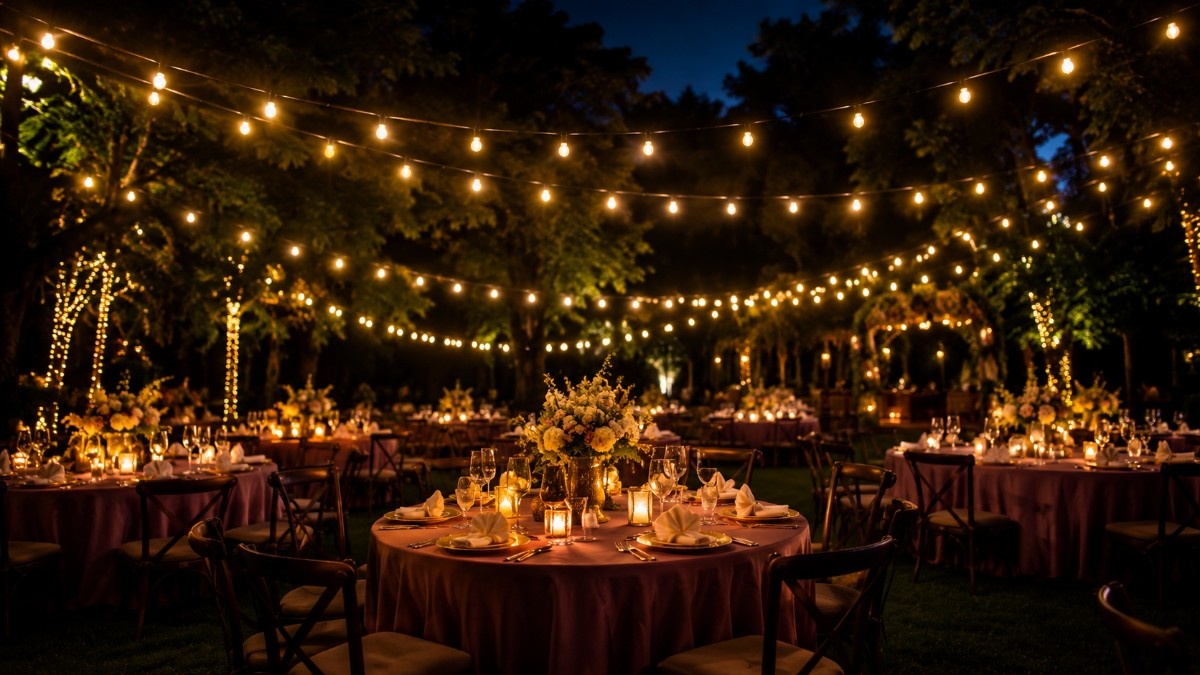 Engagement
 Mehendi
 Sangeet
 Haldi
Haldi Wedding
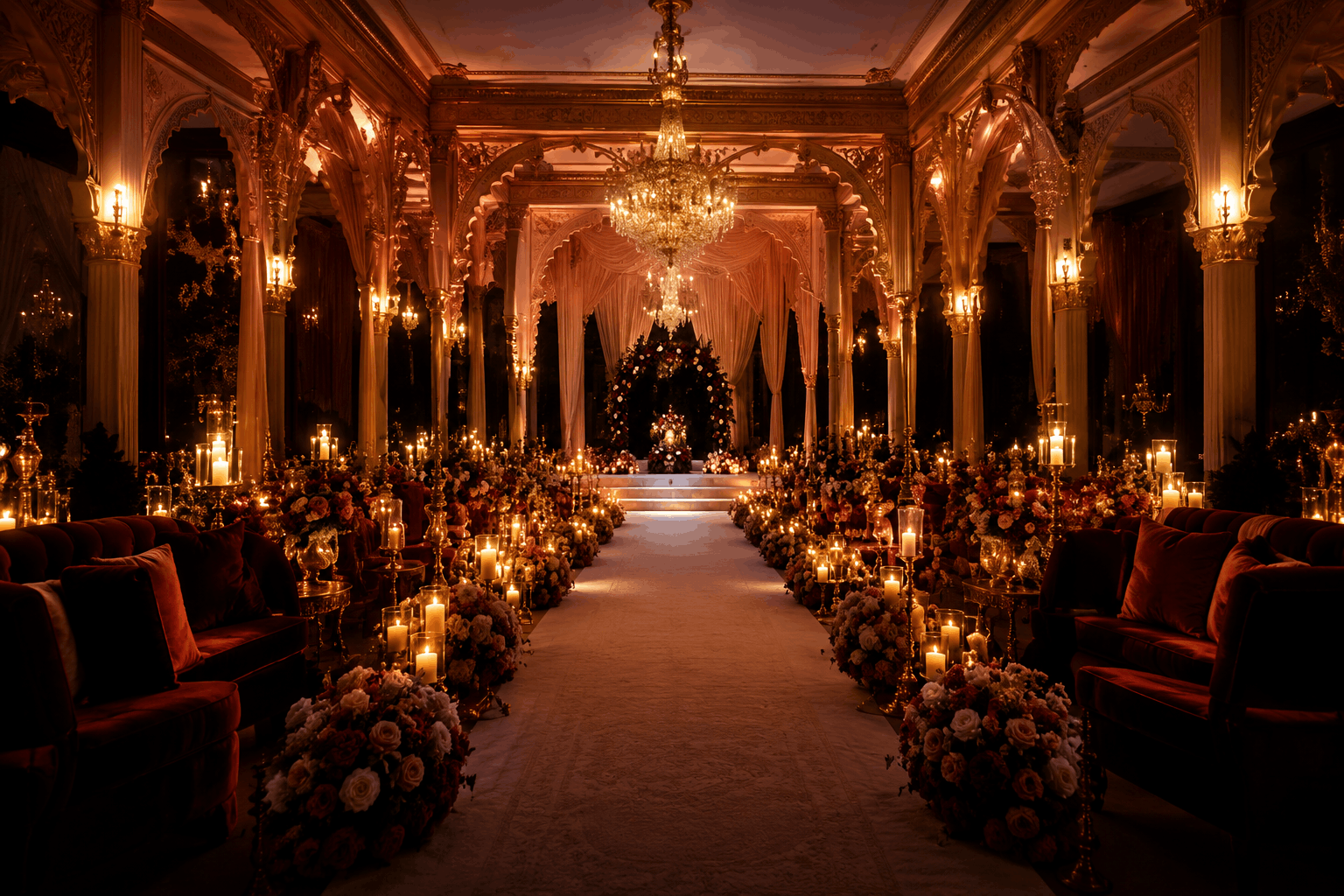 Reception
 Pre Wedding Shoot
 Save The Date Shoot
 Ring Ceremony
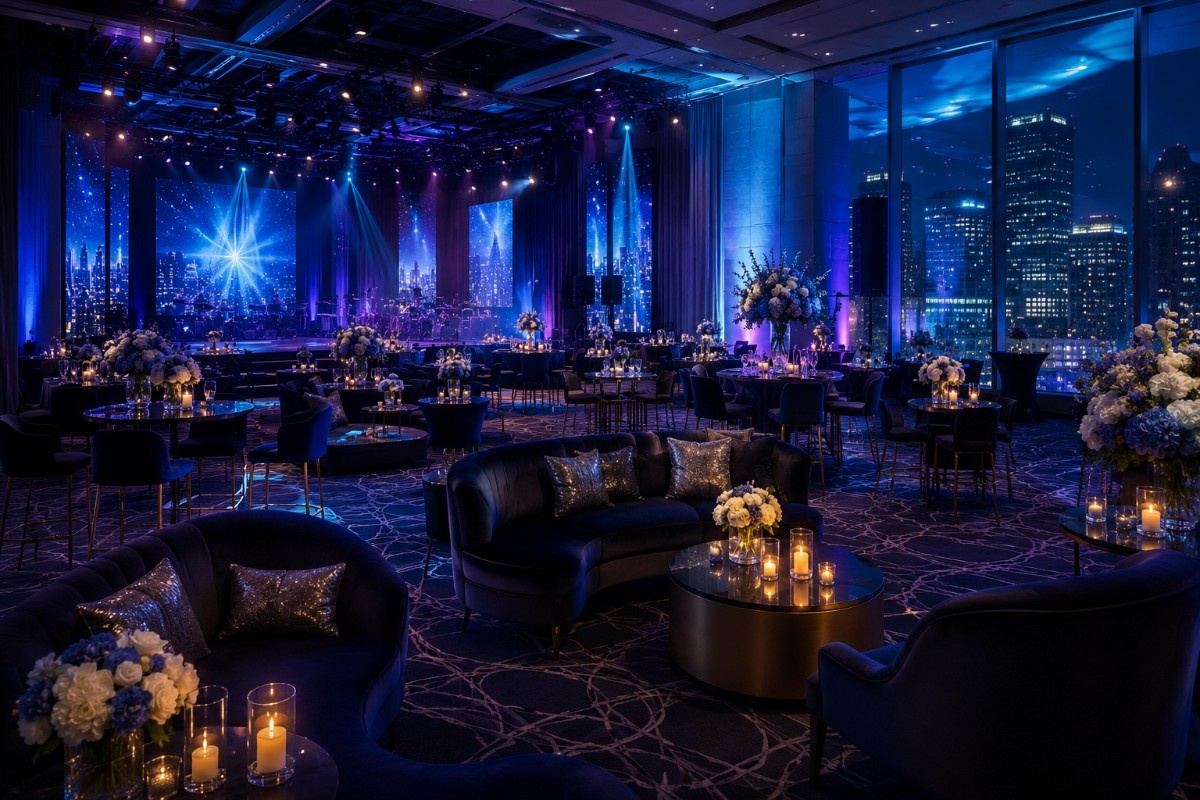 Destination Wedding
 Aviratham (Engagement)
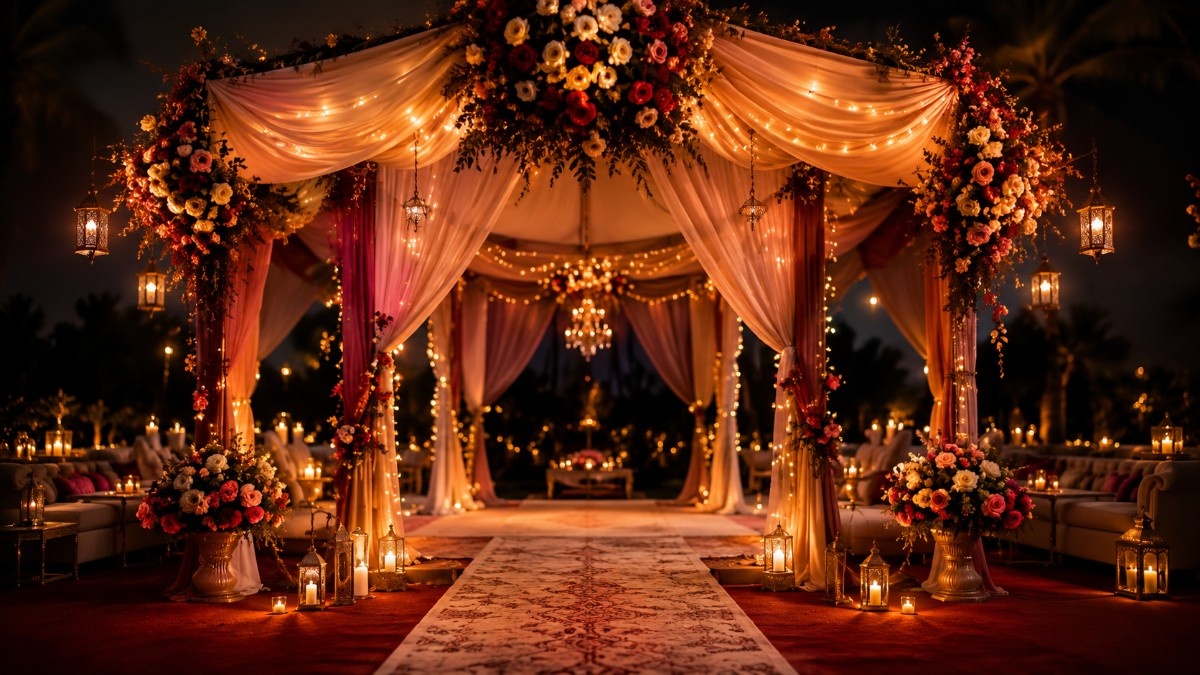 Guru Pooja
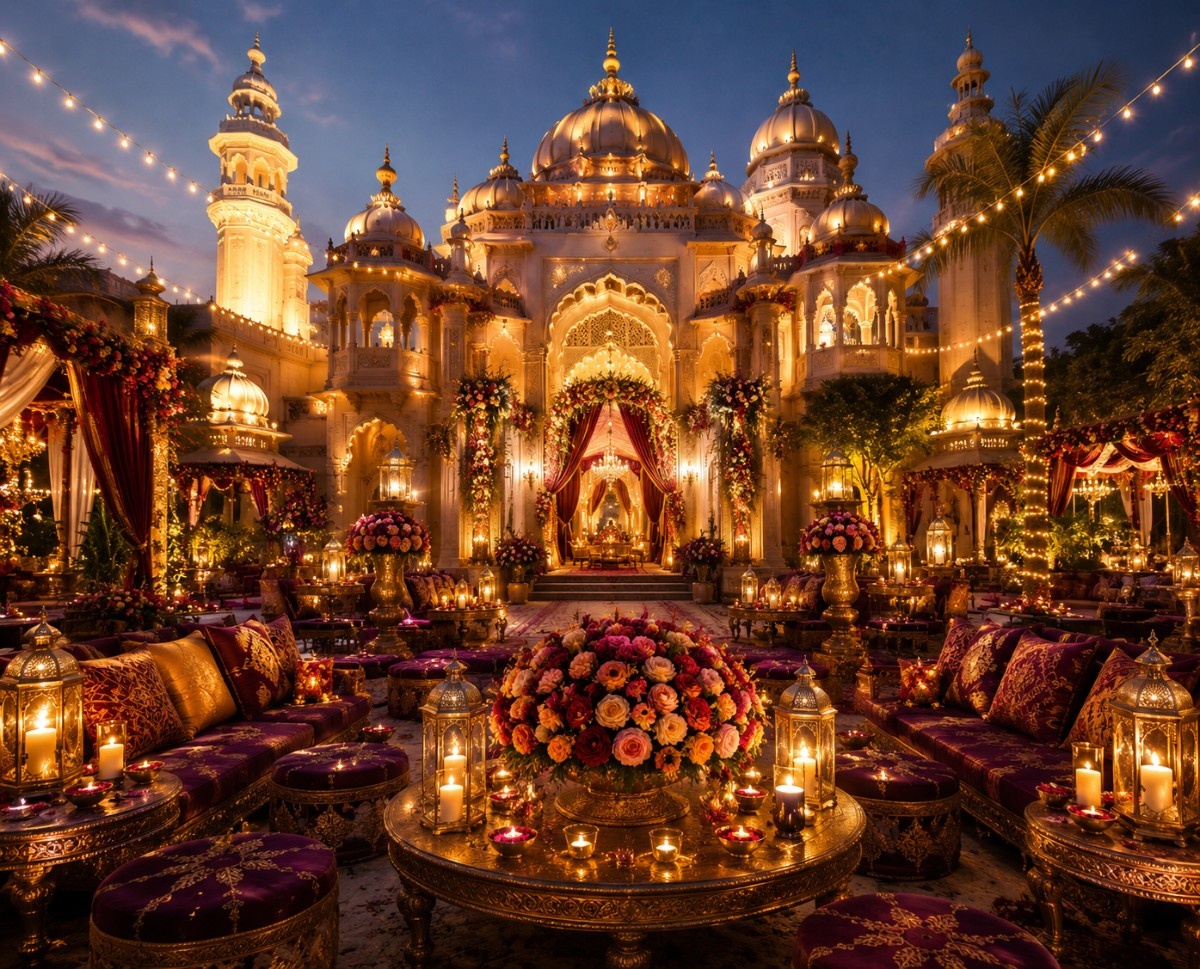 Kashi Yatra
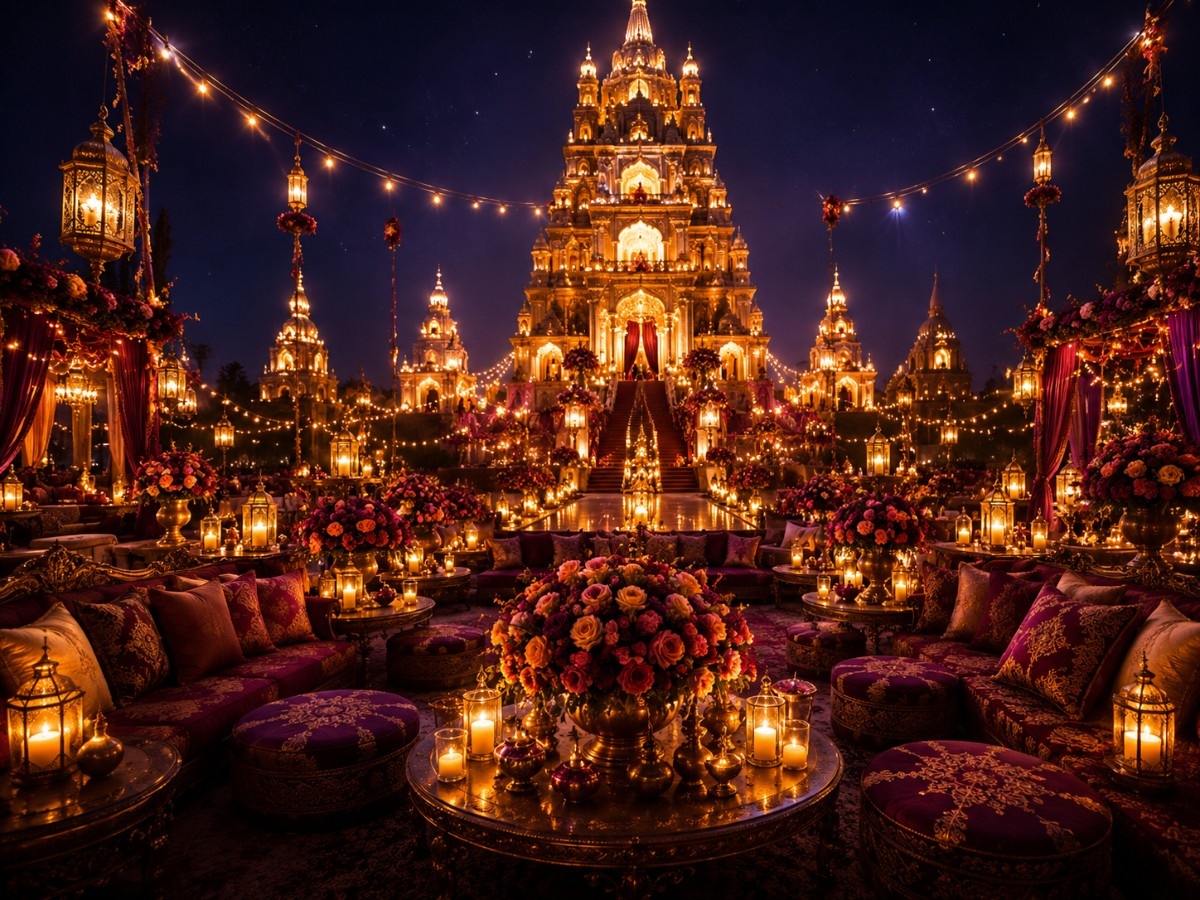 Oonjal Ceremony
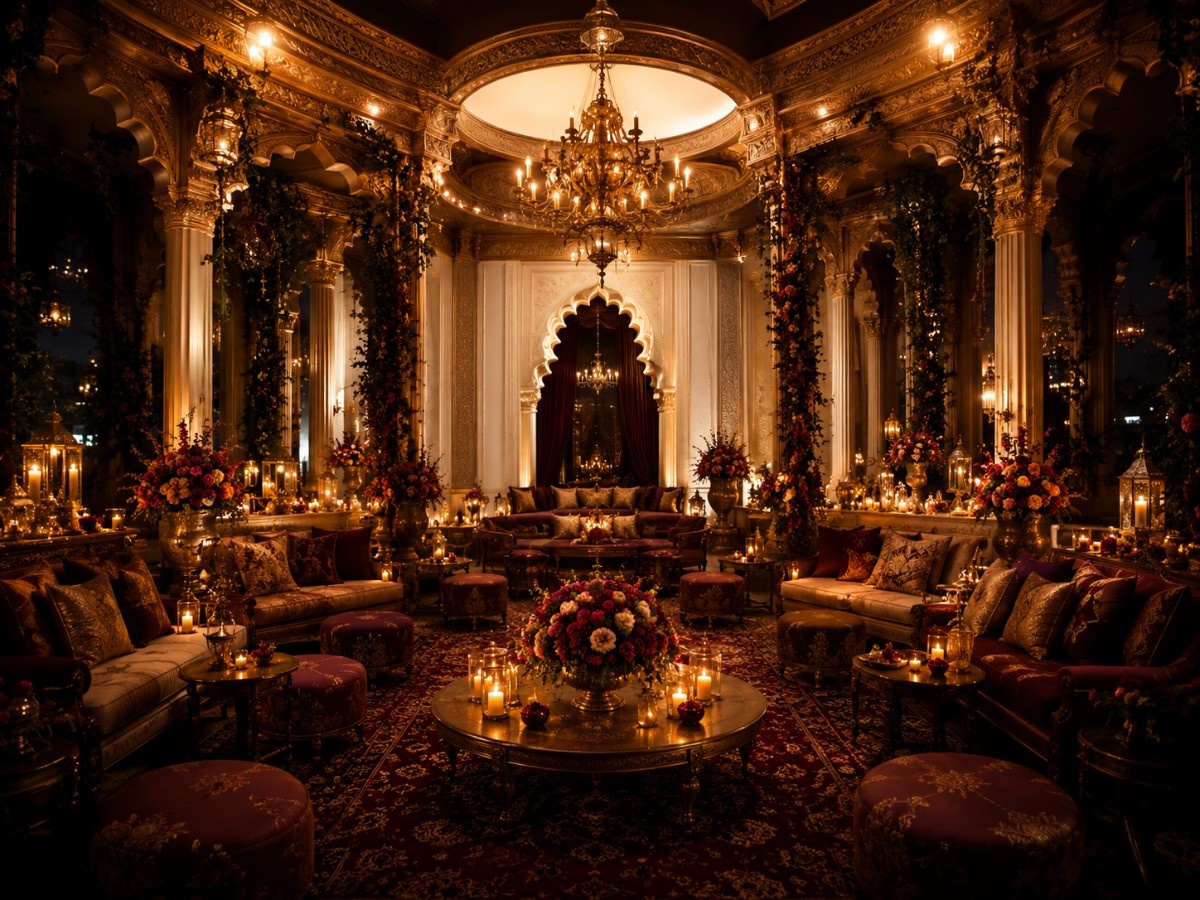 Muhurtham
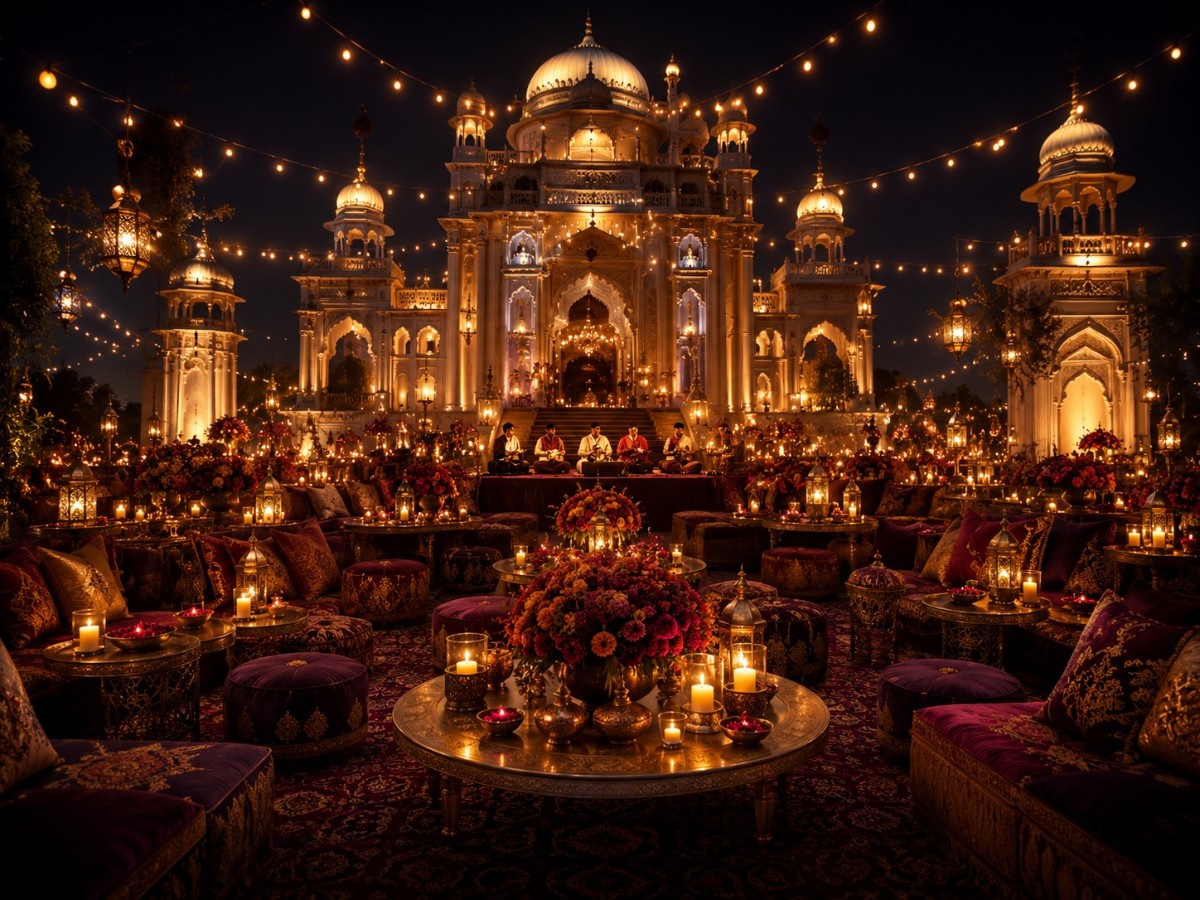 Vidaai
 Post Wedding Shoot
 Anniversary Celebration
 Vow Renewal
 Honeymoon Celebration
 Bridal Shower
 Bachelor Party
 Bachelorette Party
 Cocktail Party
 House Warming
 Griha Pravesh
 Satyanarayan Puja
 Naming Ceremony
 Thread Ceremony
 Upanayanam
- 400+Curated Events
- 6Event Universes
- 1000+Verified Vendors
- 70+Locations
- 24/7Customer Support


Not sure which packages fits your celebration?
Let Hiya & Hanu help you find the perfect match!
Explore Celebration Packages- AI-Powered MatchingSmart suggestions for you
- Budget OptimizerGet the best experiences in your budget
- End-to-End SupportWe are with you at every step
Serving Celebrations across 75+ locations in India
Curated Auspicious Ceremonies for Personalised and Meaningful Family Celebrations
◆Creating a Ceremony That Reflects Family Traditions
Auspicious occasions often carry deep emotional and cultural importance for families. Whether the gathering marks a new beginning, a religious milestone, a family celebration or an important traditional event, the ceremony deserves careful attention to its purpose and customs. Curated auspicious ceremonies offer a considered approach that brings together traditional practices, family preferences and practical event arrangements without making the occasion feel unnecessarily complicated.
A curated approach begins by understanding what matters most to the family. Some families may want to follow long-established customs, while others may prefer to combine traditional elements with a more contemporary setting. The goal is not to change the meaning of the ceremony but to organise each component thoughtfully so that the experience feels authentic, comfortable and well prepared.
Understanding the Purpose Before Planning
Every auspicious occasion has its own significance. Before arrangements begin, families should identify the purpose of the event, the people involved and the traditions that need to be observed. This helps create a clear foundation for the planning process.
Curated auspicious ceremonies can be structured around different family requirements, including religious observances, house-related ceremonies, family milestones, traditional blessings and other culturally meaningful occasions. Understanding the purpose helps determine the appropriate ritual format, venue requirements, timing and supporting arrangements.
Families should also discuss any customary practices that are particularly important to them. When these preferences are identified early, professional organisers can coordinate the ceremony around them rather than attempting to fit traditions into a pre-existing event format.
Preserving Traditional Practices With Thoughtful Organisation
Tradition remains at the heart of many auspicious occasions. Ritual sequences, customary offerings, prayers, sacred materials and participation by elders may all have an important role. Curated auspicious ceremonies give these elements appropriate attention while also making the overall event easier to manage.
A well-organised ceremony does not need to feel overly formal. Instead, each part should have a clear purpose and suitable preparation. Ritual materials can be arranged in advance, ceremonial spaces can be prepared according to requirements, and family members can be informed about the expected sequence.
This approach is particularly useful when several generations are participating. Older family members can help preserve customs and provide guidance, while younger participants can benefit from a clearly organised experience that explains the practical flow of the occasion.
Choosing a Suitable Venue and Sacred Setting
The venue has a direct influence on how comfortably an auspicious ceremony can take place. Depending on the occasion, families may choose a home, community hall, temple-associated space, event venue or another suitable location.
Curated auspicious ceremonies consider the practical needs of the chosen venue as part of the overall planning process. Space for the main ritual, seating for family members, guest movement, storage of ceremonial materials and access for service professionals should all be considered.
The sacred area should feel calm, clean and appropriate for the occasion. The arrangement does not necessarily need to be elaborate. A well-positioned ceremonial space, suitable seating and carefully selected decorative details can create an atmosphere that feels respectful while remaining comfortable for everyone attending.
Selecting Ritual Materials With Care
Ritual materials are an essential part of many traditional ceremonies. Depending on the occasion and family customs, requirements may include offerings, vessels, lamps, flowers, fruits, sacred items and other ceremonial necessities.
Curated auspicious ceremonies involve planning these requirements according to the specific ceremony rather than using a generic checklist. This helps prevent unnecessary purchases while reducing the possibility of important items being overlooked.
Material planning should ideally take place well before the event. Items that require sourcing, preparation or specific quantities can then be arranged in good time. Families can also confirm any special preferences with the relevant spiritual professional before purchasing materials.
Coordinating Priests and Spiritual Professionals
The involvement of a priest or other knowledgeable spiritual professional can be important for ceremonies that follow specific religious or cultural practices. Their guidance can help families understand the appropriate sequence, required materials and customary procedures.
Professional coordination can make this process easier by confirming availability, communicating ceremony requirements and aligning the schedule with the wider event plan. Families should have an opportunity to discuss their expectations beforehand, particularly when they have specific customs they wish to follow.
Curated auspicious ceremonies benefit from clear communication between the family, spiritual professional and event organiser. This reduces confusion and allows everyone involved to understand their role.
Creating a Beautiful Yet Respectful Decorative Environment
Decoration can enhance an auspicious ceremony when it supports rather than distracts from the traditional purpose of the occasion. Flowers, traditional motifs, lamps, fabric elements and carefully selected decorative features can create a welcoming environment.
Ceremonial flower arrangements may be used around the main ritual area, entrance or seating spaces. The choice of flowers can reflect family preferences and the nature of the occasion. Similarly, decoration can be kept simple for an intimate gathering or developed further for a larger family celebration.
The most effective approach is to create visual harmony. Colours, floral arrangements and decorative elements should complement the sacred setting and leave sufficient space for the ceremony itself.
Making the Occasion Comfortable for Family and Guests
An auspicious ceremony is often attended by people of different ages. Elderly relatives, children and guests travelling from other places may all have different needs. Good planning therefore extends beyond the central ritual.
Seating should be positioned so that important participants can comfortably view the proceedings. The venue should allow reasonable movement, and refreshments or hospitality arrangements should be considered where appropriate.
Clear communication also helps guests understand arrival times and the expected duration of the ceremony. This is particularly useful when several activities are scheduled around the main ritual.
Combining Personalisation With Traditional Values
One of the strengths of curated auspicious ceremonies is the ability to introduce personal details while preserving traditional meaning. Families may have preferences regarding flowers, decoration, seating, hospitality, photography areas or the overall presentation of the venue.
Personalisation should complement the ceremony rather than overshadow it. A family may choose a particular floral style, incorporate meaningful decorative elements or create a welcoming entrance while maintaining the traditional ritual area in an appropriate format.
This balance allows the event to feel personal without losing its cultural character. It also gives families greater flexibility when organising ceremonies for different generations.
Planning the Timeline Carefully
Timing is particularly important for auspicious occasions. Some ceremonies may need to follow a specific muhurtham or traditionally preferred period. Other activities, such as guest arrival, venue preparation, decoration and refreshments, need to be coordinated around the main ceremony.
A practical schedule should allow sufficient time for setup and unexpected delays. Ritual materials should ideally be ready before guests arrive, while spiritual professionals should have clear information about the venue and expected timings.
A well-prepared timeline gives families greater confidence on the day. Instead of managing individual tasks, they can focus on participating in the ceremony and spending time with relatives.
Managing the Budget Without Losing Meaning
A meaningful ceremony does not necessarily require excessive spending. Families can decide which elements are essential and which can be adjusted according to their budget.
Curated auspicious ceremonies can be planned around priorities such as ritual requirements, venue, spiritual professional coordination, flowers, decoration, hospitality and guest arrangements. Spending can then be allocated according to what has the greatest value for the family.
Transparent planning is especially useful when several services are involved. Families should understand what is included, what requires separate coordination and whether any additional arrangements may affect the overall cost.
Choosing Professional Ceremony Support
Professional assistance can be valuable when families have limited time or are managing several responsibilities at once. Experienced organisers can coordinate suppliers, venue preparation, decoration, ritual materials and scheduling while keeping the family's requirements at the centre of the process.
When selecting a provider, families should consider experience with traditional ceremonies, communication, attention to detail, flexibility and the ability to respect cultural preferences. It is also helpful to discuss the complete requirement before confirming arrangements.
Curated auspicious ceremonies work best when professional support is combined with clear family input. The organiser manages practical details while the family remains involved in the decisions that give the ceremony its meaning.
Making Different Family Occasions Feel Special
Auspicious ceremonies can be part of many important family moments. Some are intimate gatherings involving close relatives, while others may bring together extended family and a larger guest group.
The planning approach can be adapted accordingly. A small home ceremony may need simple decoration, focused ritual preparation and comfortable seating. A larger event may require venue coordination, guest management, additional ceremonial arrangements and more detailed scheduling.
The common factor is thoughtful preparation. Each occasion should reflect its purpose, the family's traditions and the people taking part.
Why Curated Planning Creates a Better Experience
The value of a curated approach lies in its attention to individual requirements. Instead of treating every ceremony in exactly the same way, the planning process considers the family's customs, preferred presentation, venue, guest expectations and practical priorities.
This can reduce last-minute pressure and make responsibilities easier to manage. Families can discuss their requirements in advance and allow professionals to coordinate the supporting services.
Most importantly, careful planning helps protect the meaning of the occasion. When practical details are handled properly, family members have more time to participate, observe traditions and enjoy the gathering together.
Plan a Meaningful Auspicious Occasion With Happiffie
Happiffie can support families looking for organised event services and professional assistance for culturally meaningful occasions. From ceremony coordination and venue arrangements to decoration, floral styling and supporting services, the right combination of professionals can make planning more manageable.
The best approach begins with a clear conversation about the ceremony's purpose, family traditions, preferred arrangements, guest requirements and budget. From there, each element can be coordinated around the occasion rather than added without purpose.
Curated auspicious ceremonies bring together tradition, personal expression and practical organisation. With thoughtful preparation and reliable professional support, families can create an occasion that feels respectful, comfortable and genuinely meaningful.
Frequently Asked Questions
1. What are curated auspicious ceremonies?
Curated auspicious ceremonies are traditionally meaningful occasions planned around a family's specific customs, preferences, venue requirements and practical needs. The approach combines traditional rituals with personalised arrangements and professional coordination.
2. What types of occasions can be planned as auspicious ceremonies?
Depending on family traditions, auspicious ceremonies can include religious observances, house-related ceremonies, family milestones, blessings, traditional celebrations and other culturally significant occasions.
3. Can the ceremony be personalised while maintaining traditional practices?
Yes. Personalisation can be introduced through venue styling, flowers, decoration, seating, hospitality and other supporting arrangements while keeping the central rituals and customary practices intact.
4. Is priest coordination included in ceremony planning?
Priest coordination can be arranged according to the family's requirements. Availability, ceremony format, timing and ritual material needs should be confirmed in advance with the relevant spiritual professional.
5. How should a venue be prepared for an auspicious ceremony?
The venue should provide sufficient space for the main ritual, participants and guests. The ceremonial area should be clean, organised and suitably decorated while allowing comfortable movement and seating.
6. What decorations are suitable for an auspicious occasion?
Flowers, traditional motifs, lamps, fabric elements and simple ceremonial décor can create an appropriate setting. The decoration should complement the ritual area rather than distract from the ceremony.
7. How early should an auspicious ceremony be planned?
Planning should begin as early as practical, particularly when a specific date or muhurtham, venue, priest, decoration team or special ritual materials are required. Early coordination provides more flexibility.
8. Can auspicious ceremony planning be suitable for a small family gathering?
Yes. A ceremony can be designed for a small gathering at home or another intimate venue. The arrangements can focus on essential rituals, comfortable seating, appropriate decoration and family participation.
9. How can families manage the cost of an auspicious ceremony?
Families can establish priorities before making arrangements. Essential ritual requirements, venue, spiritual coordination and important guest services can be prioritised, while decorative and supporting elements can be adjusted to suit the available budget.
10. Why choose professional support for an auspicious ceremony?
Professional support can help coordinate the venue, ritual materials, spiritual professionals, decoration, flowers, guest arrangements and timing. This allows families to participate in the occasion with less practical stress and greater confidence.