

Explore All Religious Ceremonies
Discover traditional rituals, wedding ceremonies, spiritual occasions and meaningful cultural celebrations in Chennai, with trusted services to honour every tradition.
Give Thoughtfully,
Celebrate with Happiffie
From personalised gifts and curated collections to thoughtful presents for every occasion, Happiffie helps you discover gifting options that make celebrations more meaningful and memorable.
- Thoughtful Gift DiscoveryFind gifting options suited to every celebration and occasion
- Personalised GiftingDiscover customised gifts made to create meaningful moments
- Trusted Gift ProvidersConnect with reliable gifting professionals and service providers
Popular Religious Ceremonies
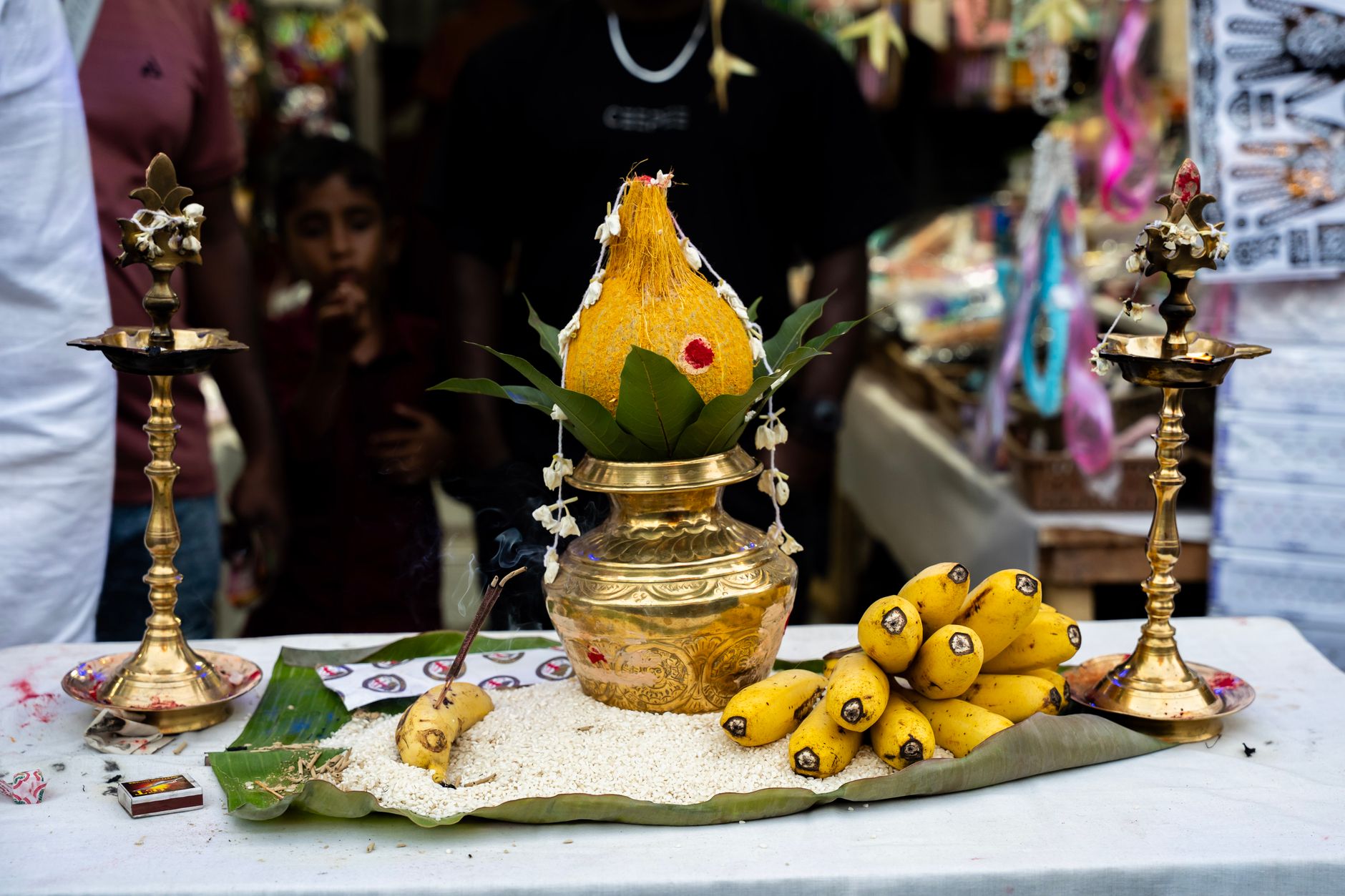 Addutera Ceremony Items
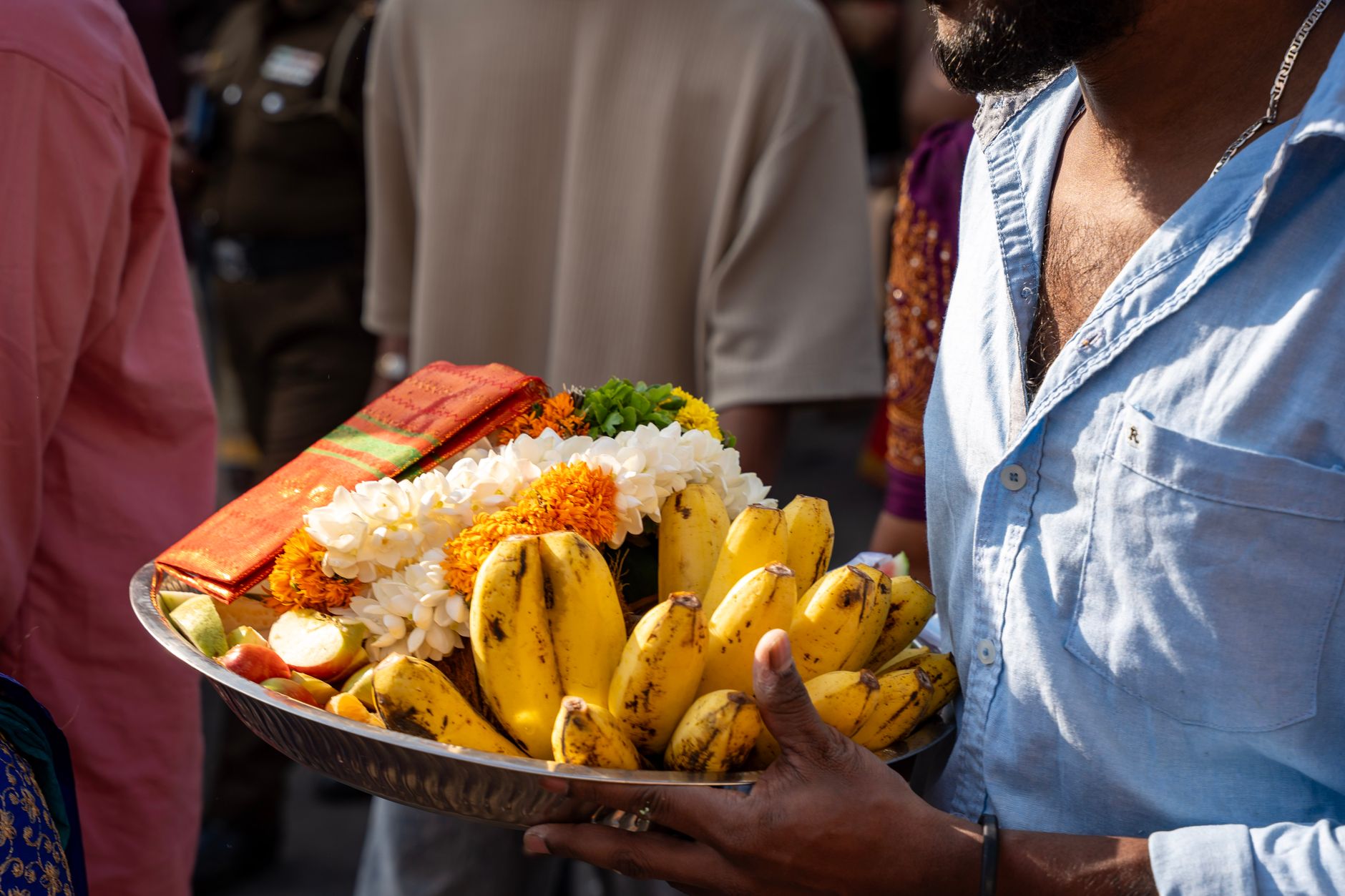 Brahmin Gift Presentation Trays
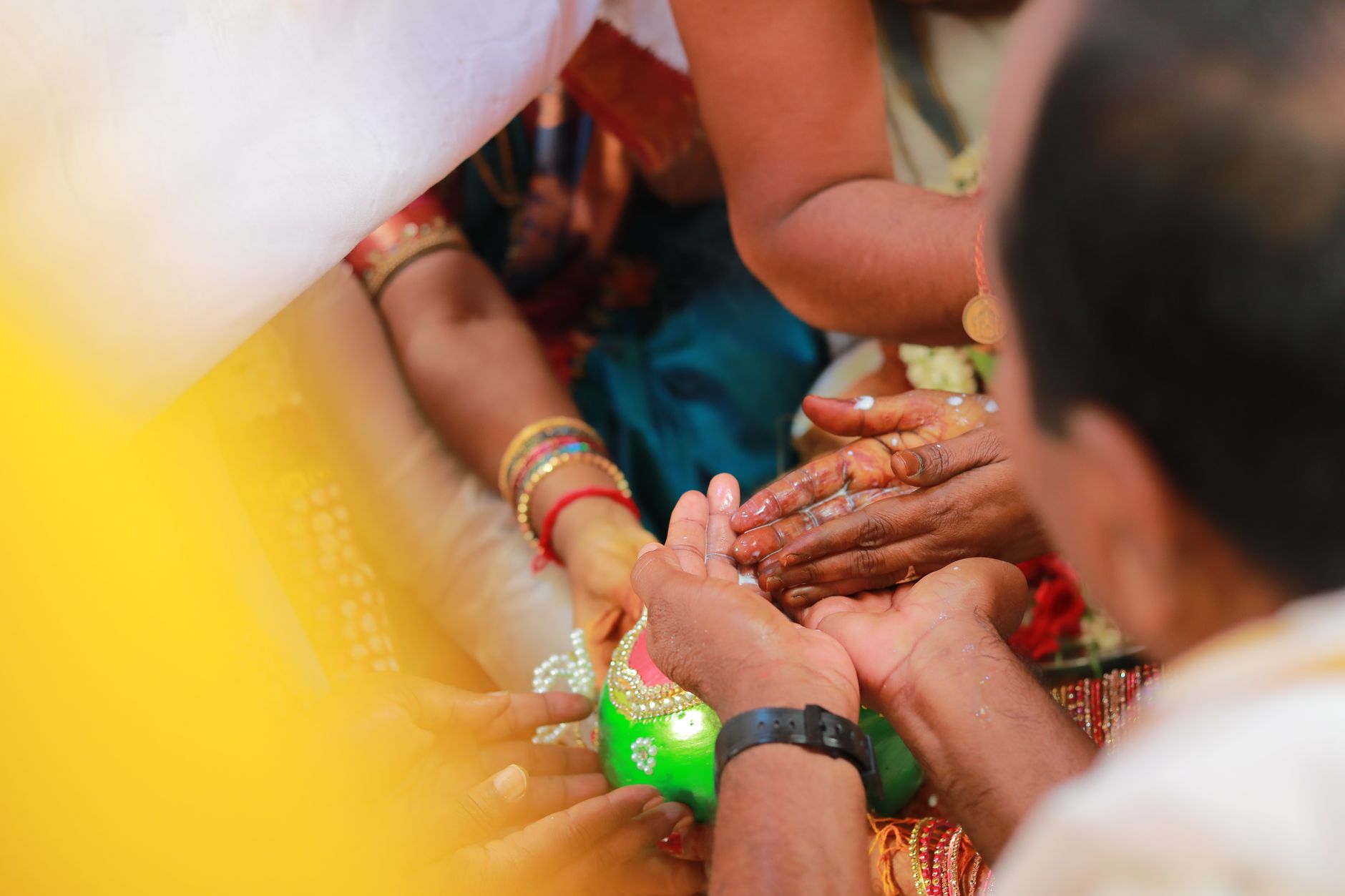 Brahmin Kashi Ritual Set
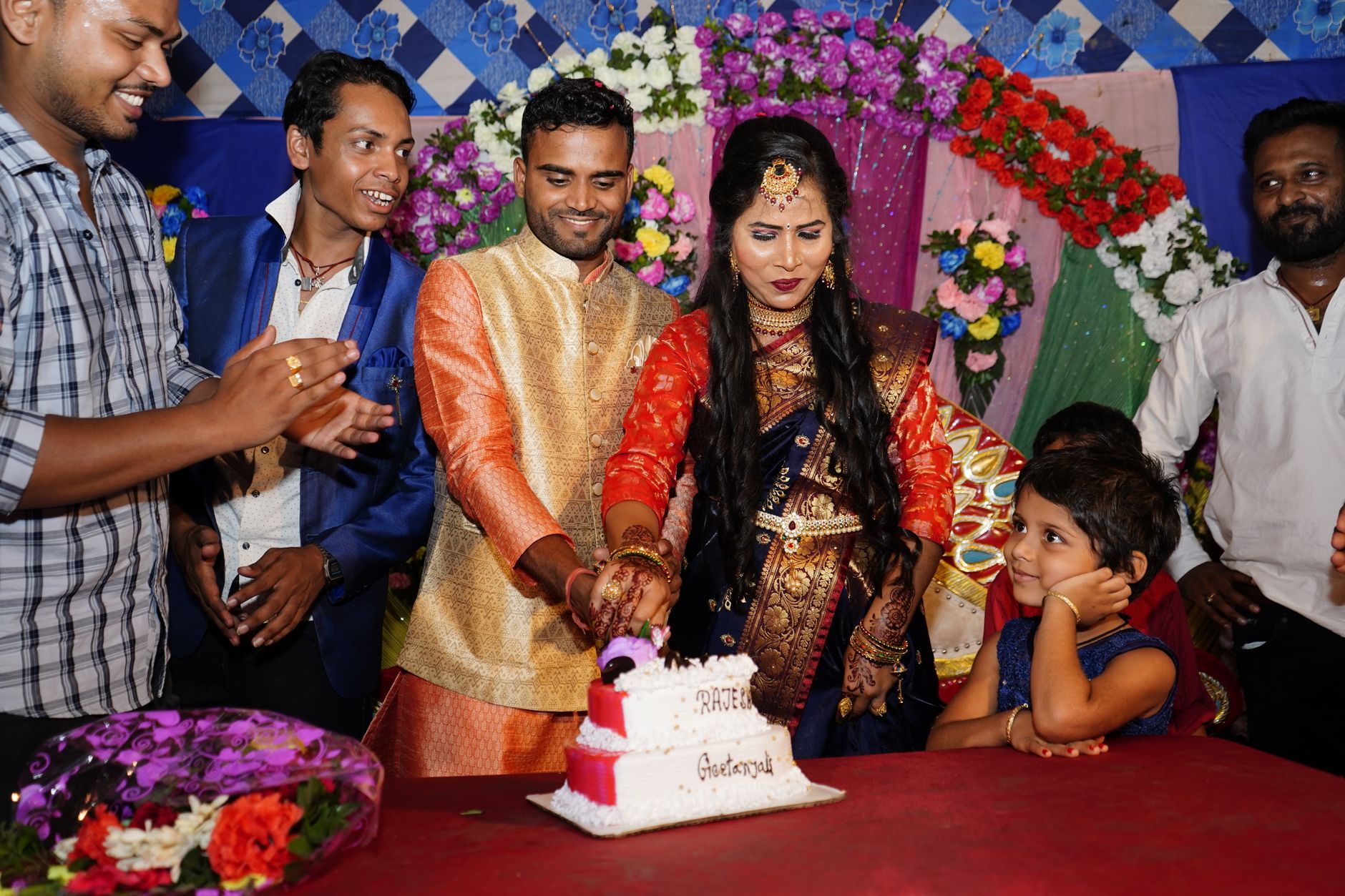 Celebration Cake Designs
 Celebration Sparkling Beverage
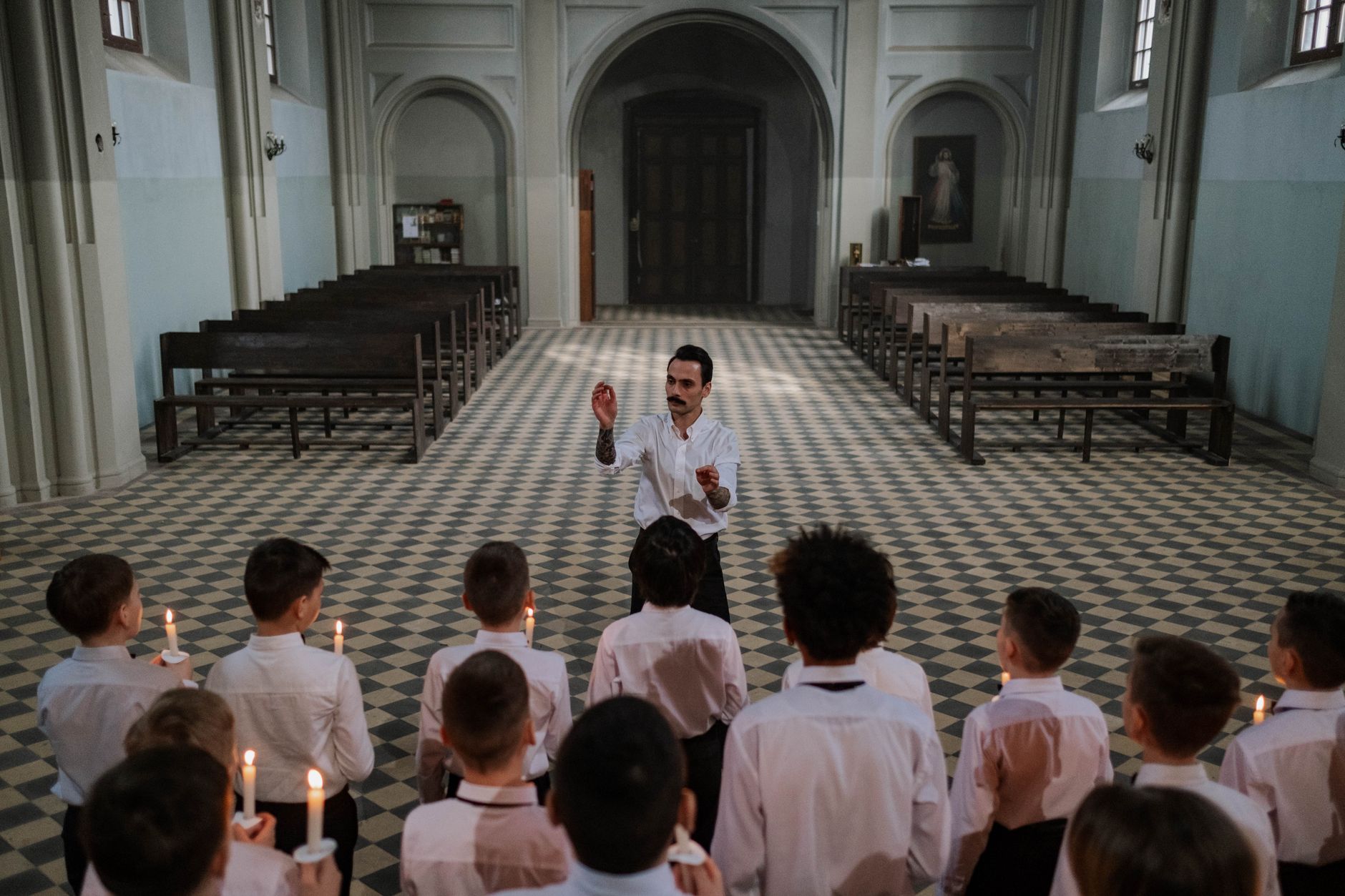 Ceremony Choir Performers
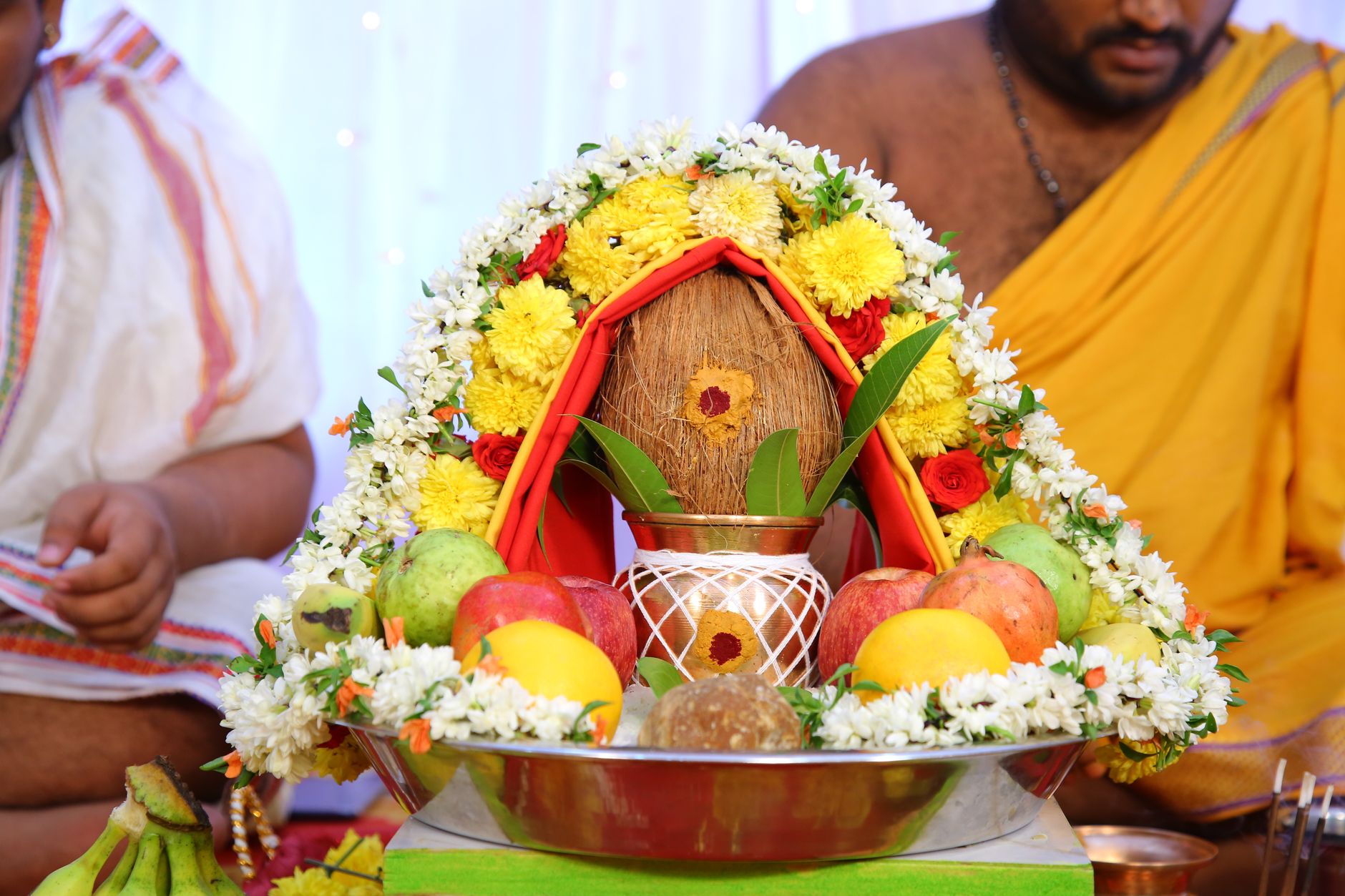 Coconut Ritual Arrangement for Telugu Wedding
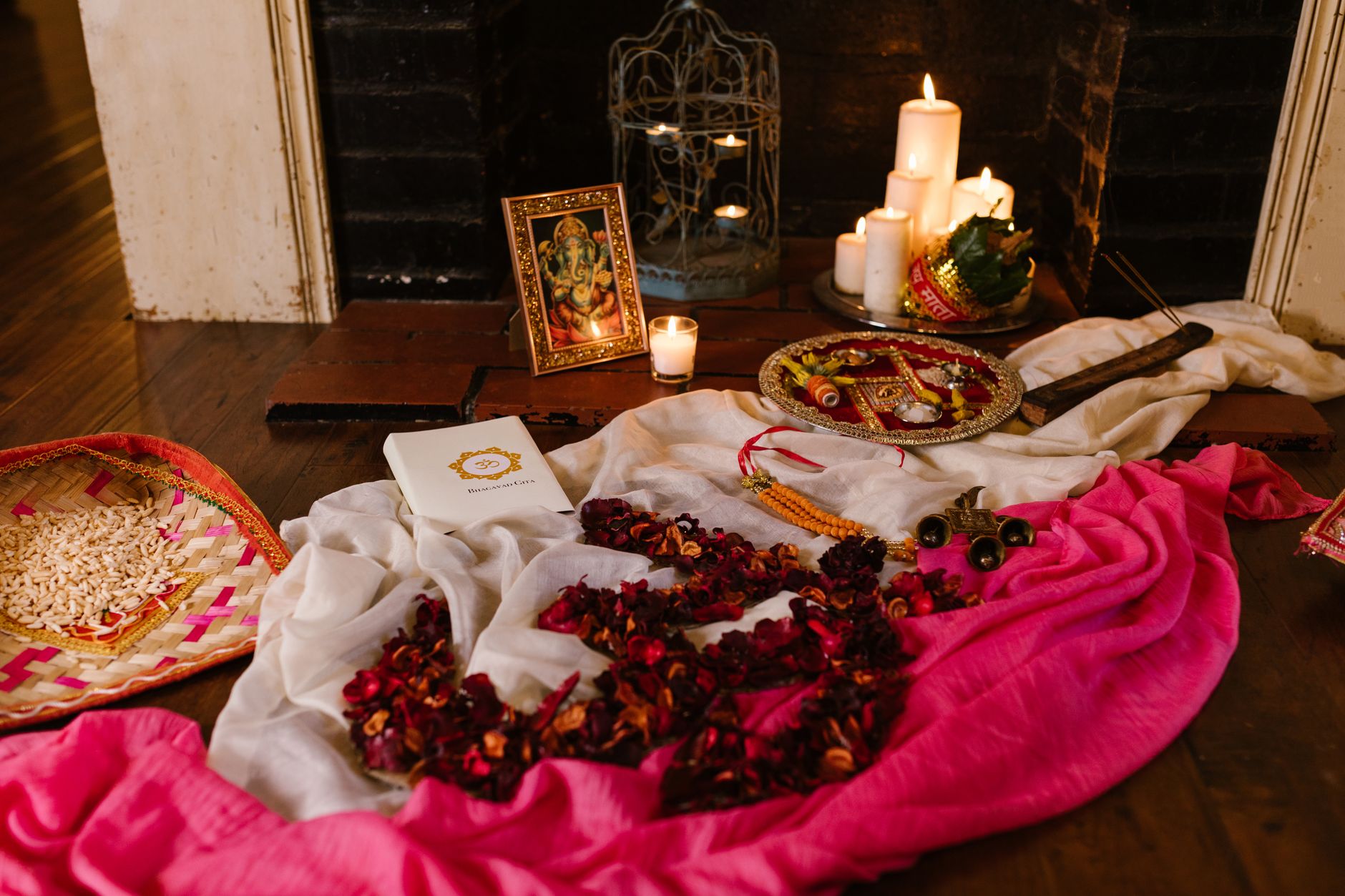 Complete Worship Kits
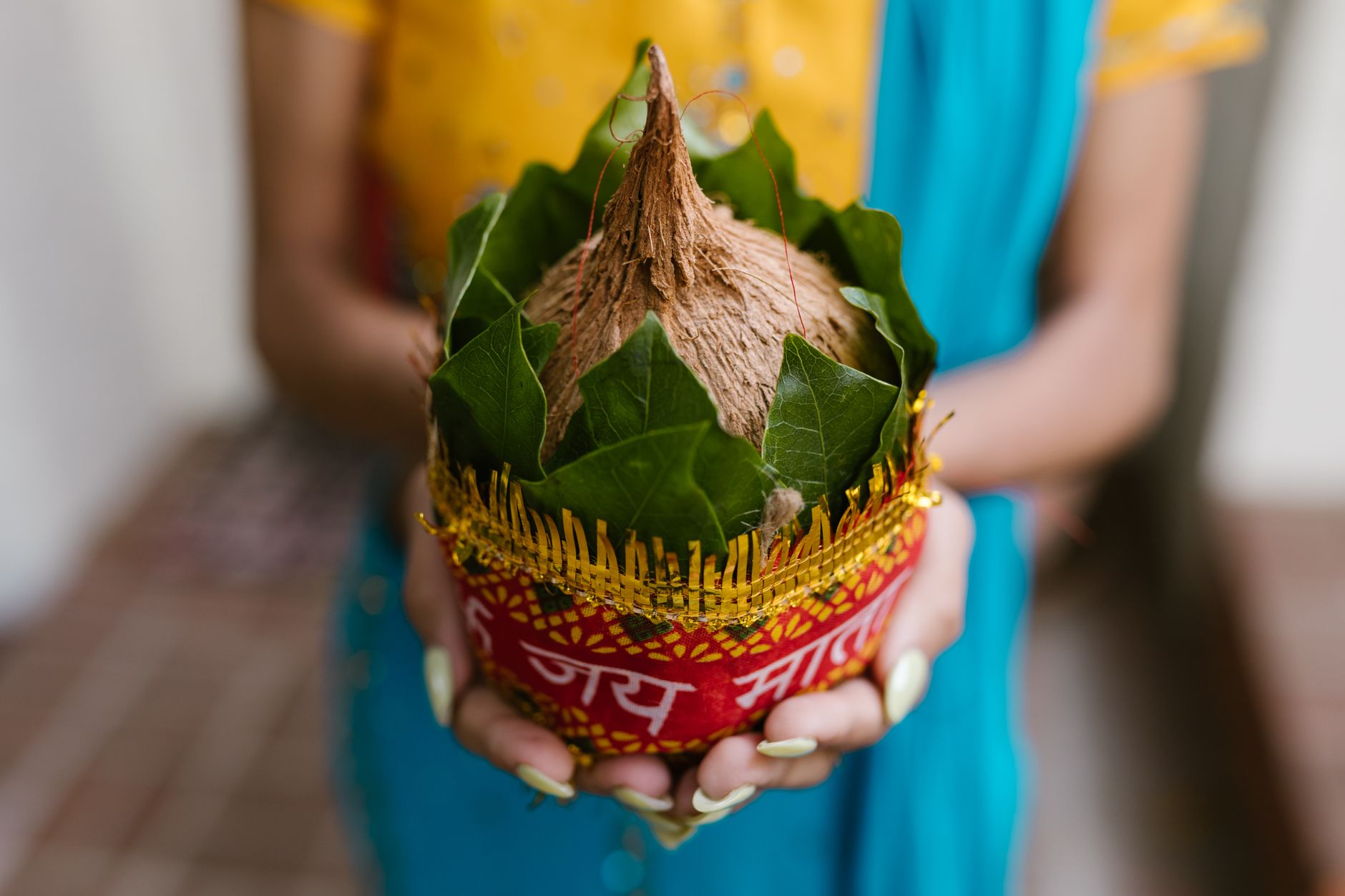 Decorative Coconut Arrangement
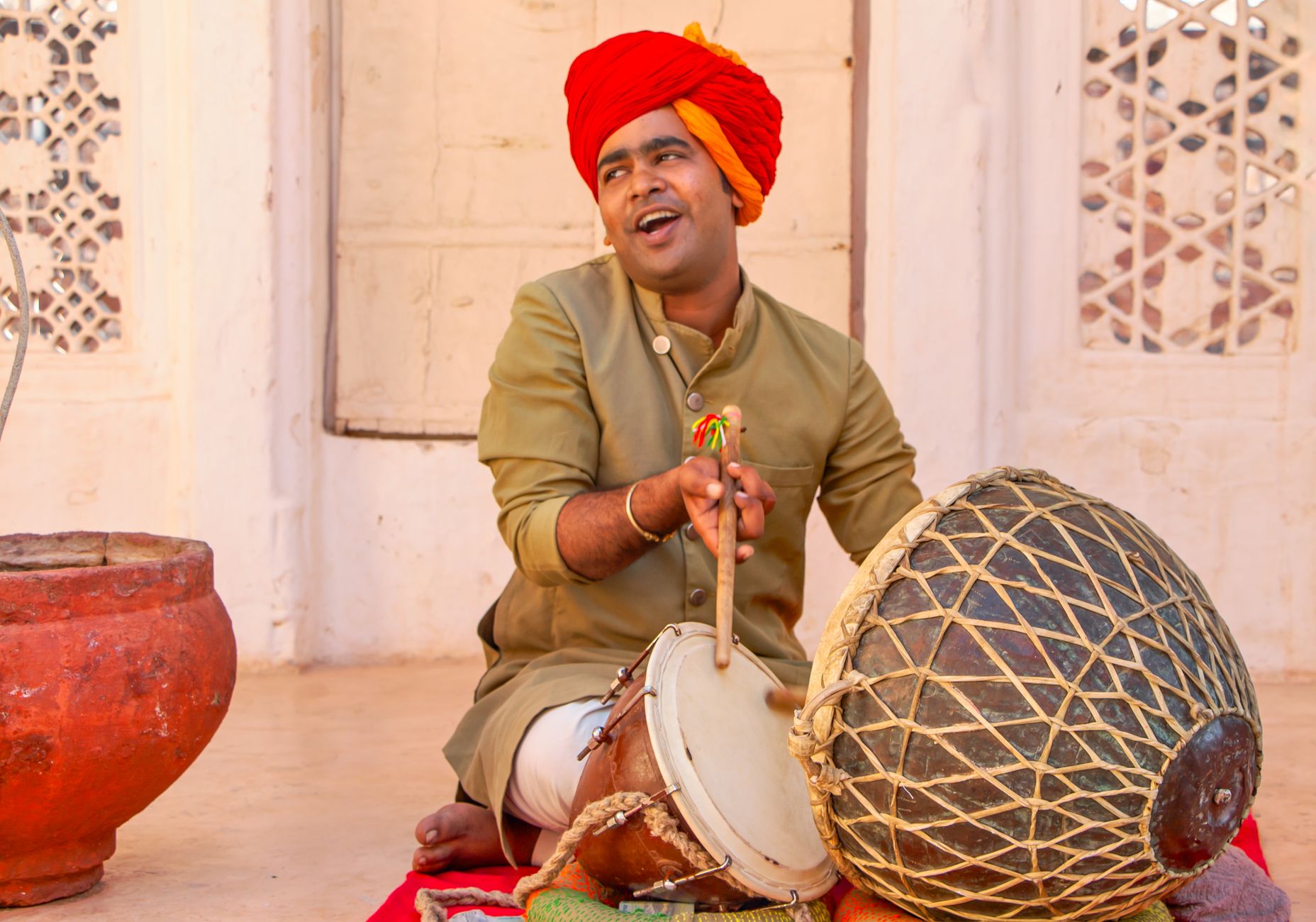 Devotional Singing Groups
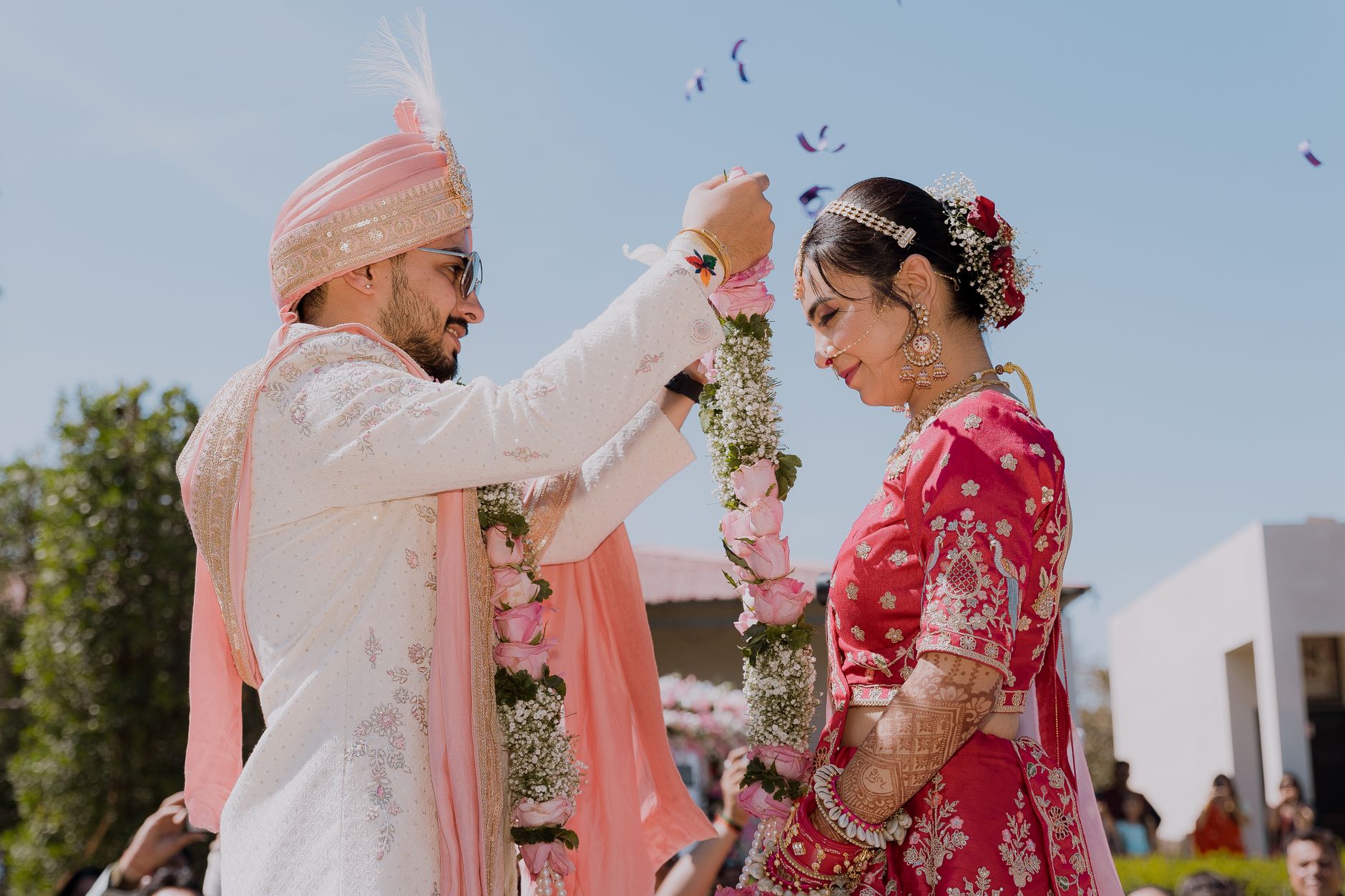
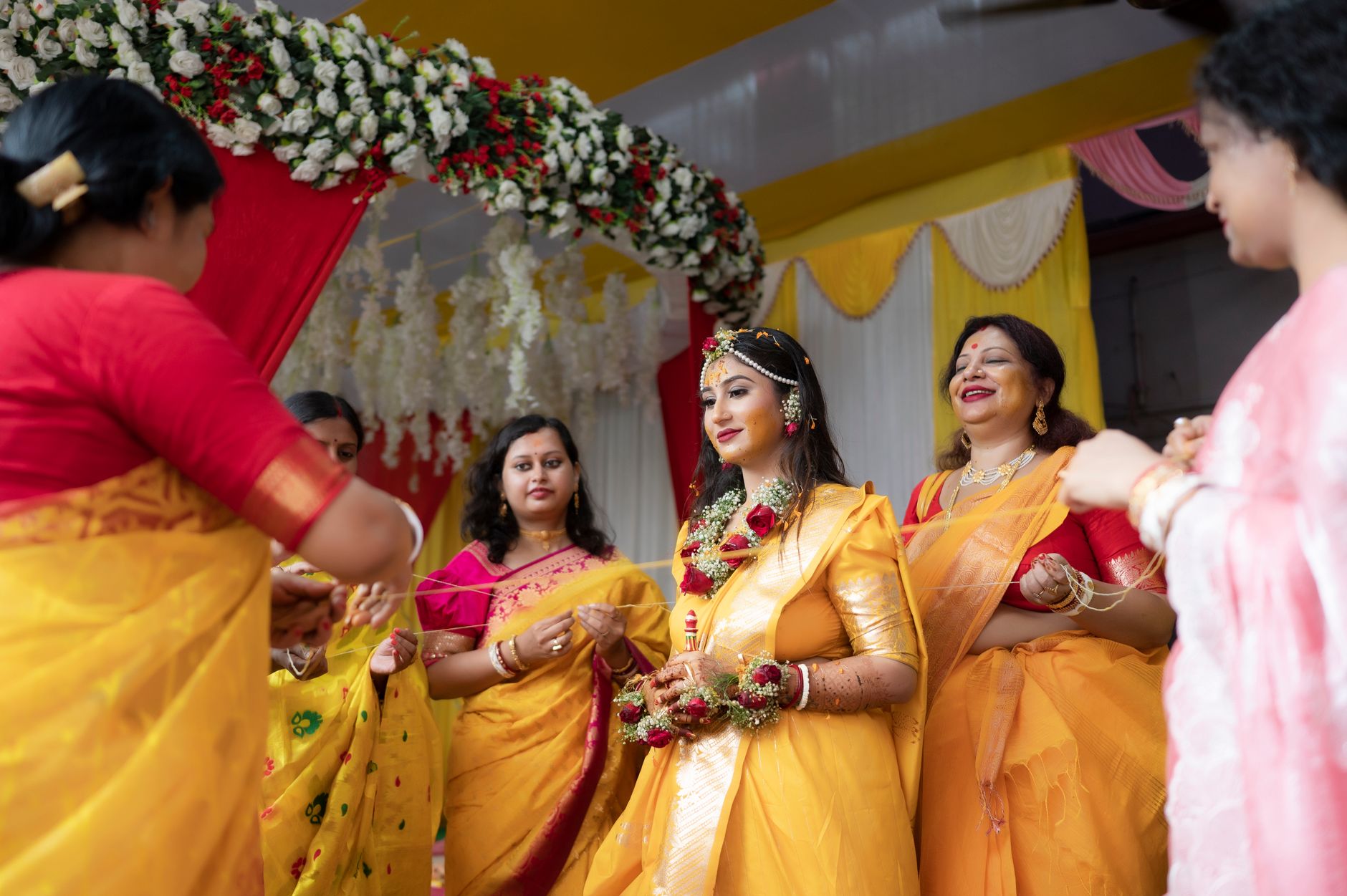 Floral Garland Exchange
 Groom Lapel Flowers
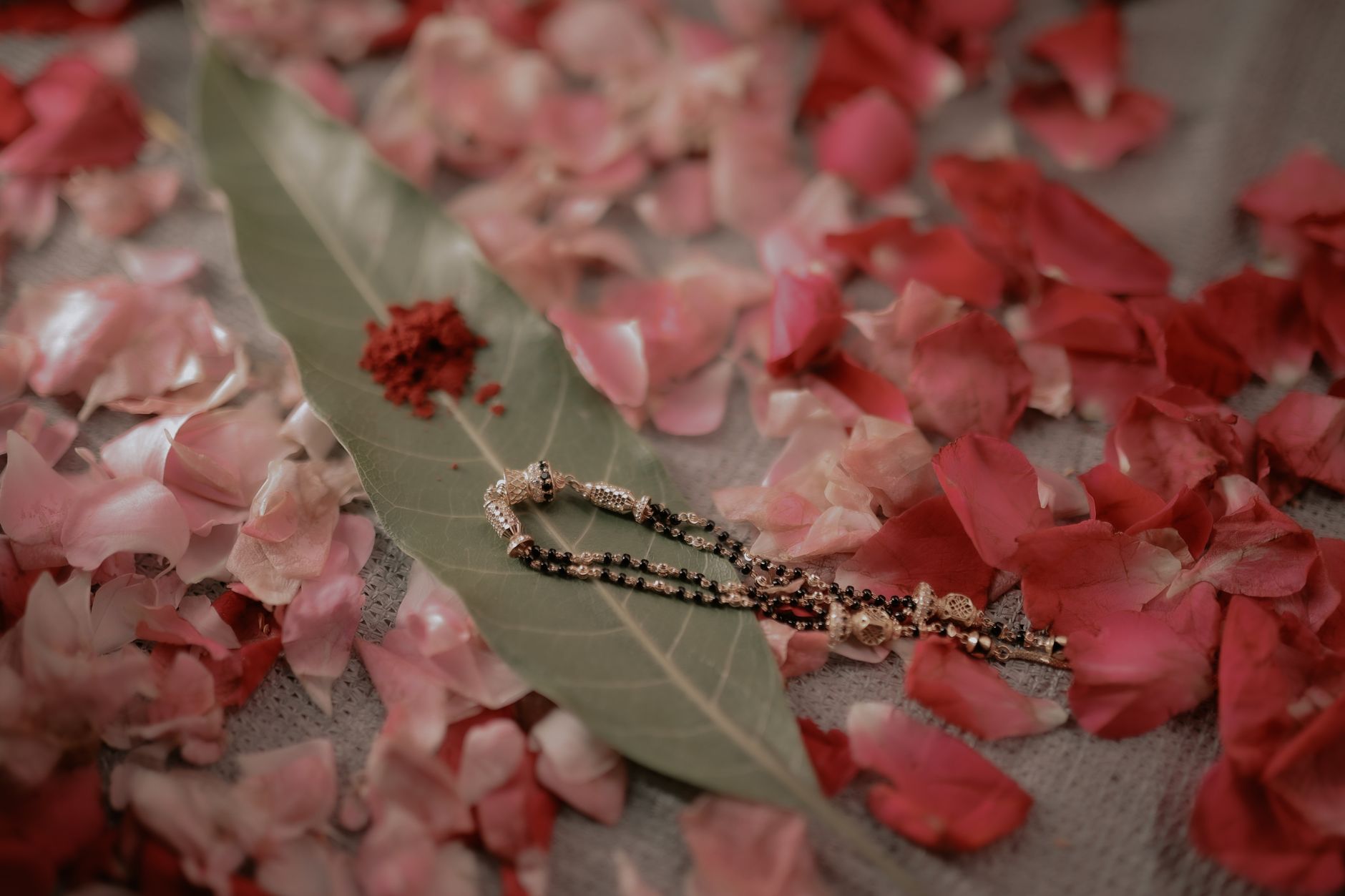 Guest Keepsake Gifts
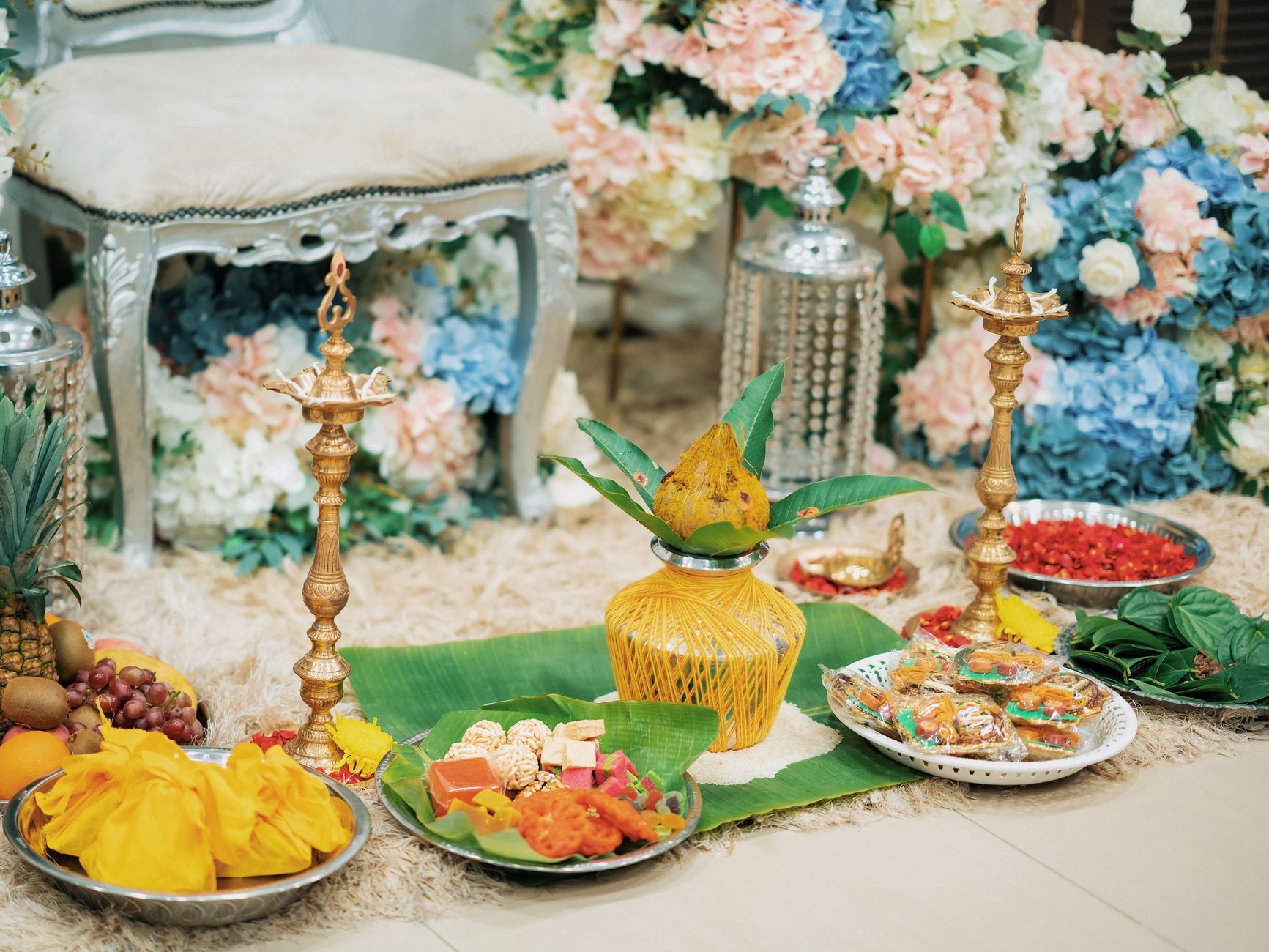 Gujarati Marriage Rite Supplies
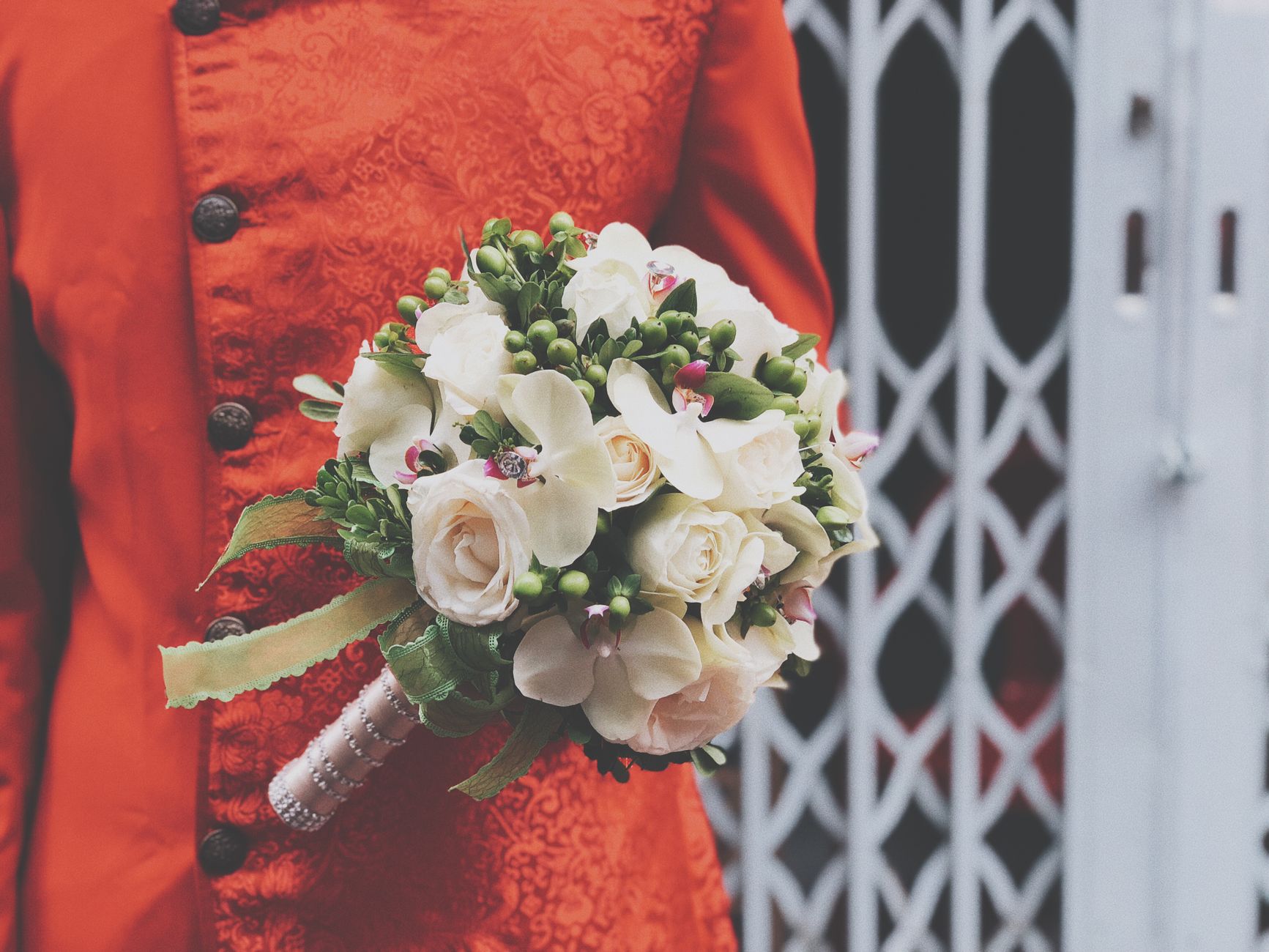 Handheld Flower Arrangements
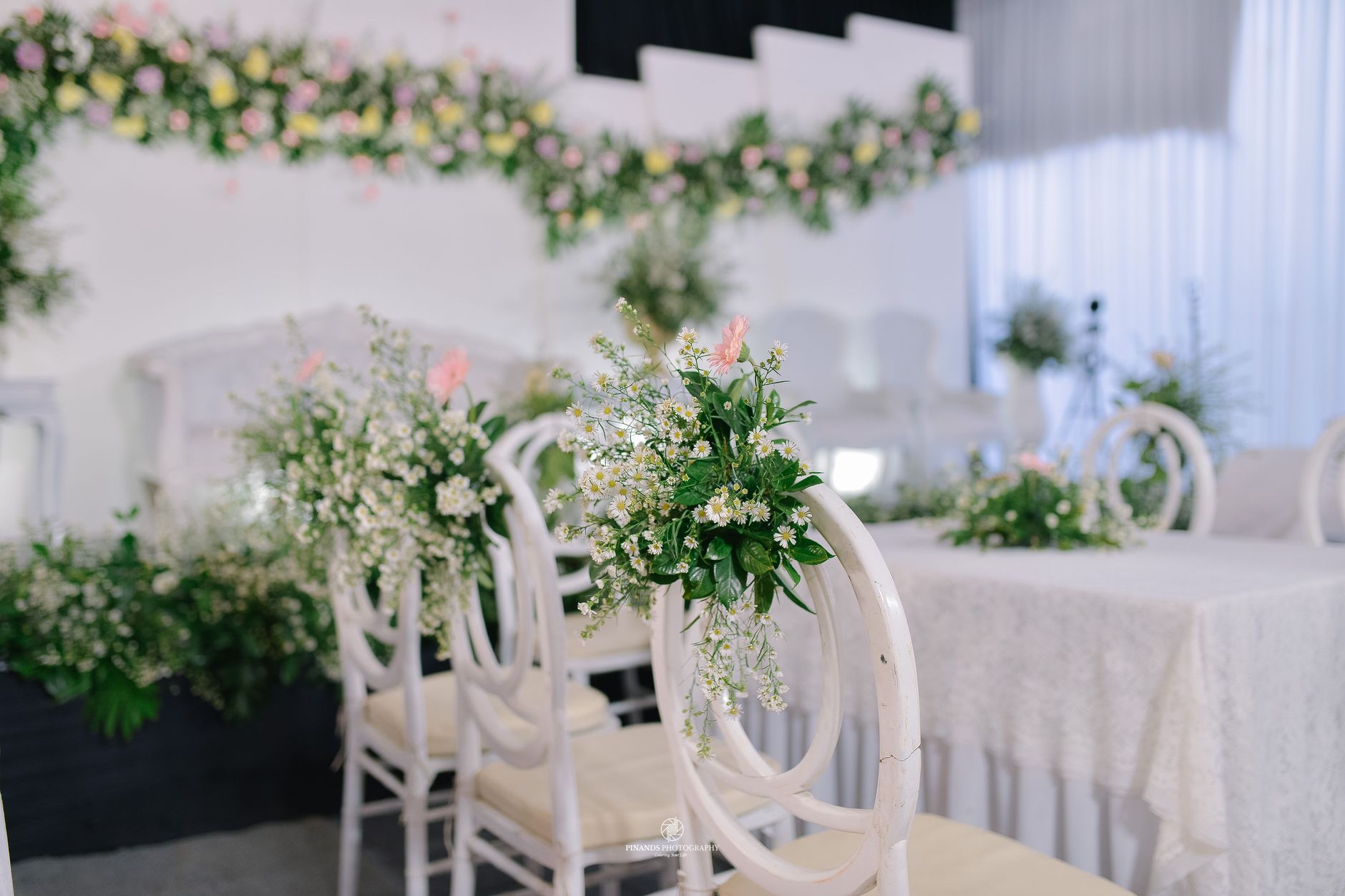 Islamic Wedding Ceremony Essentials
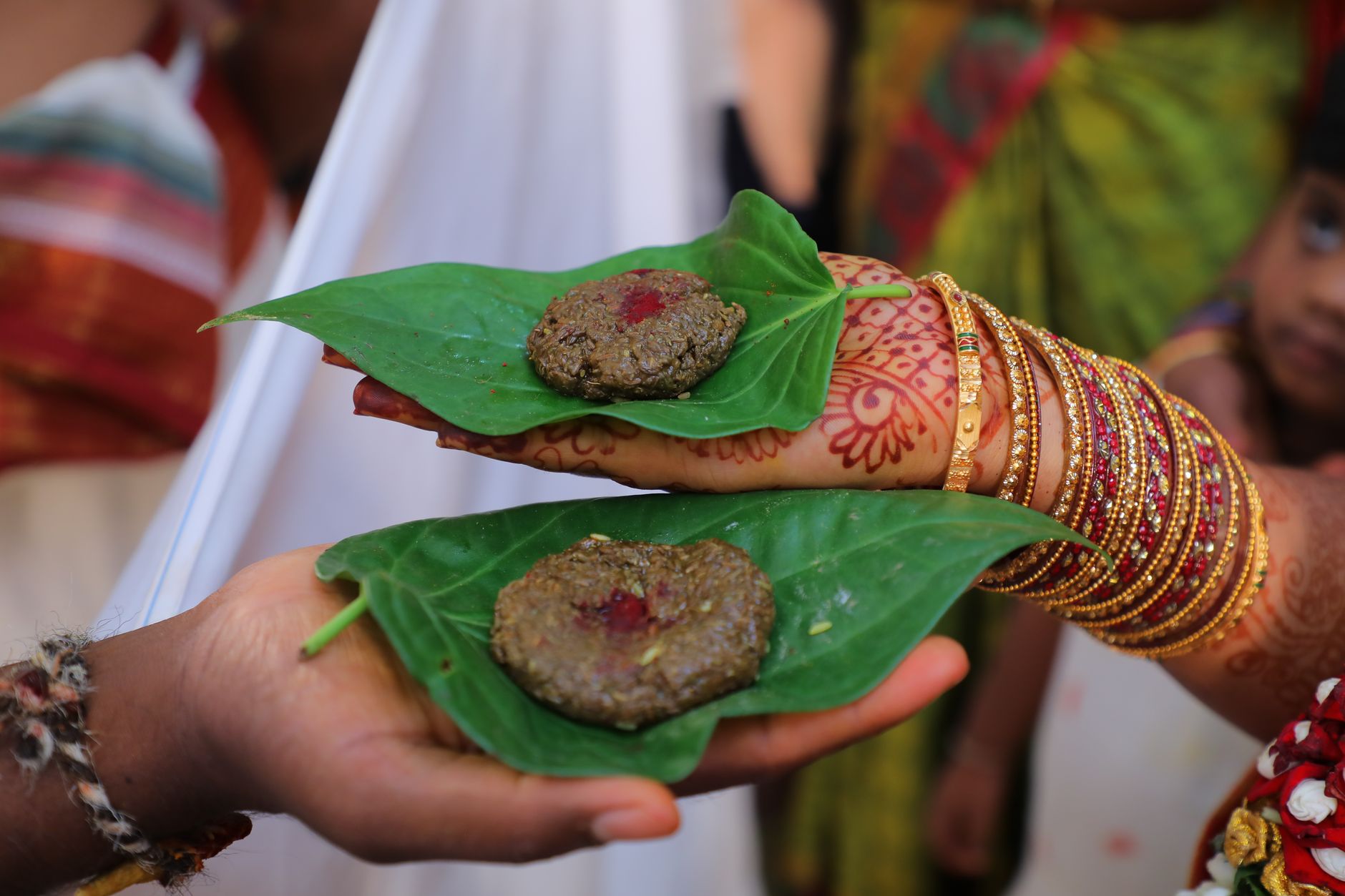 Jain Marriage Ceremony Ritual Elements
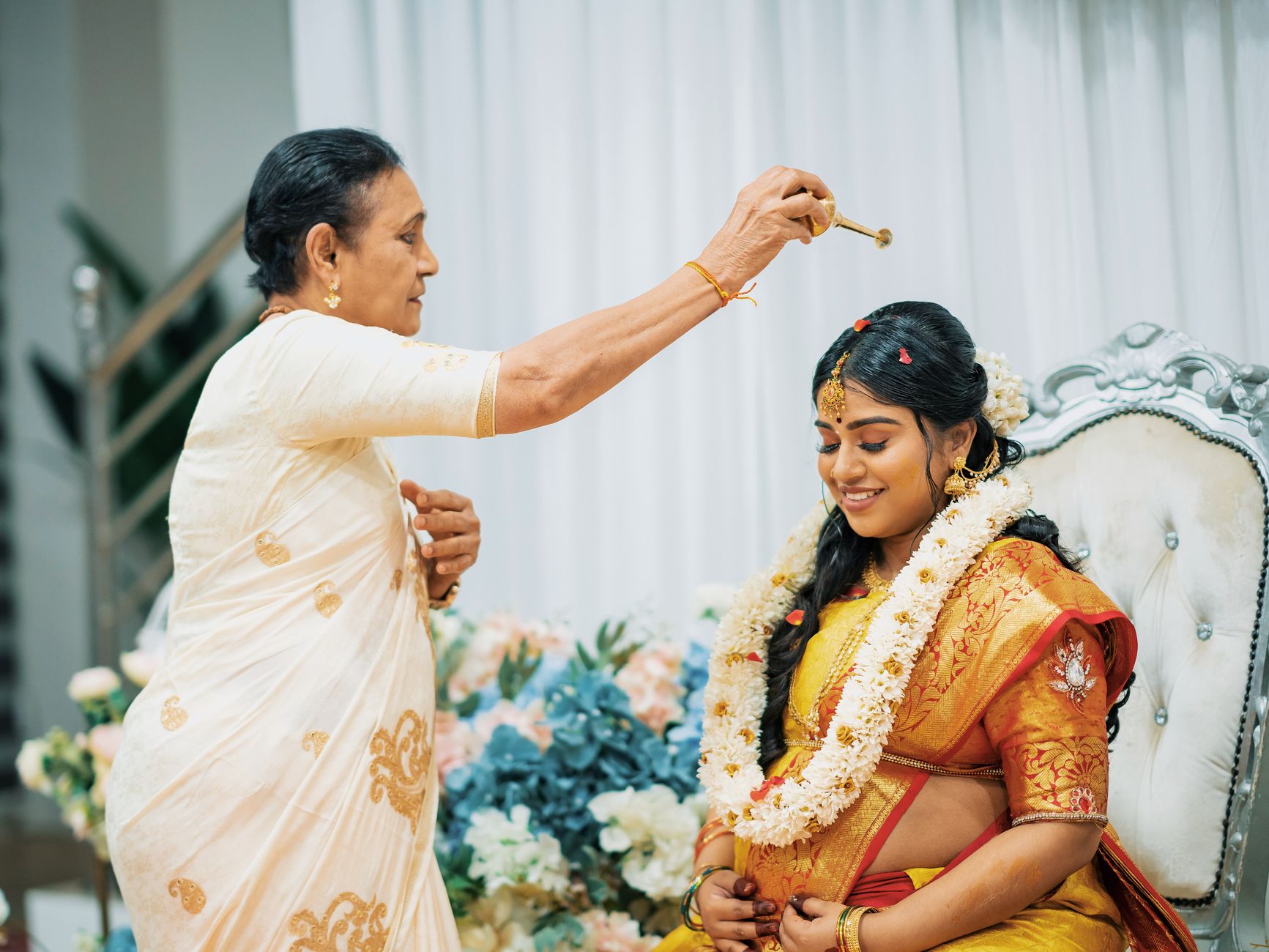 Kannada Marriage Rite Essentials
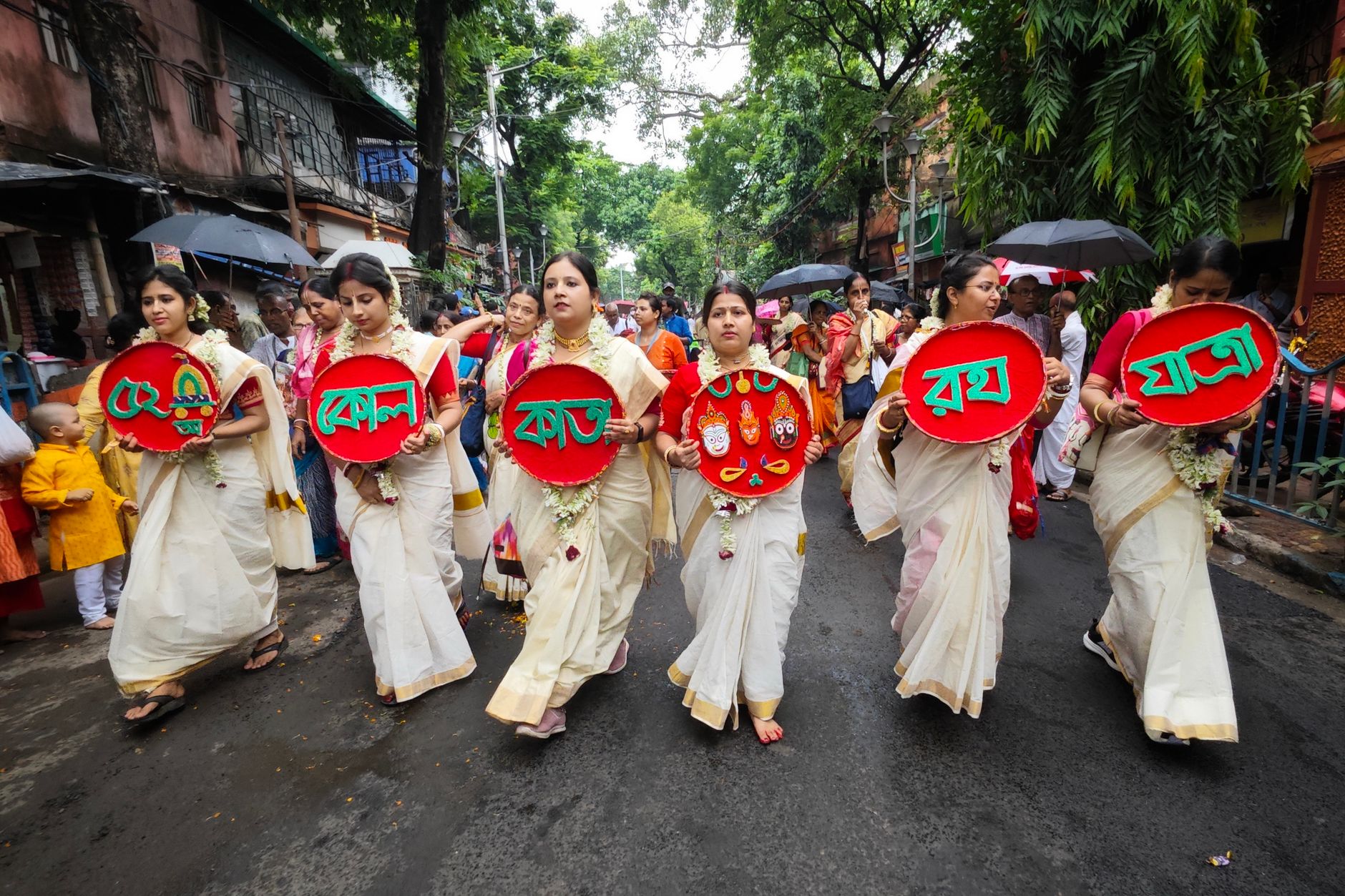 Kashi Yatra Ceremony Essentials
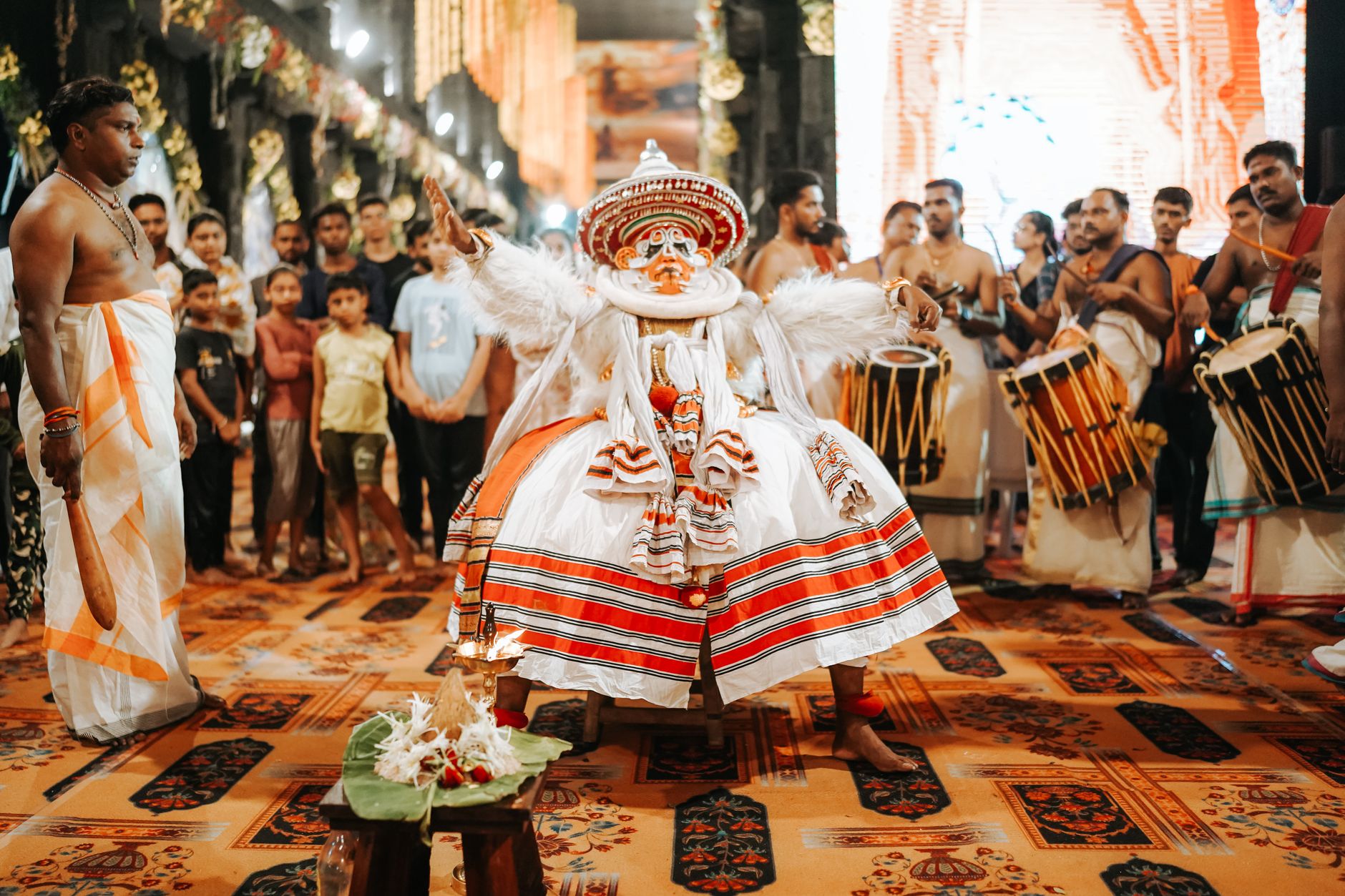 Kerala Ritual Thalam
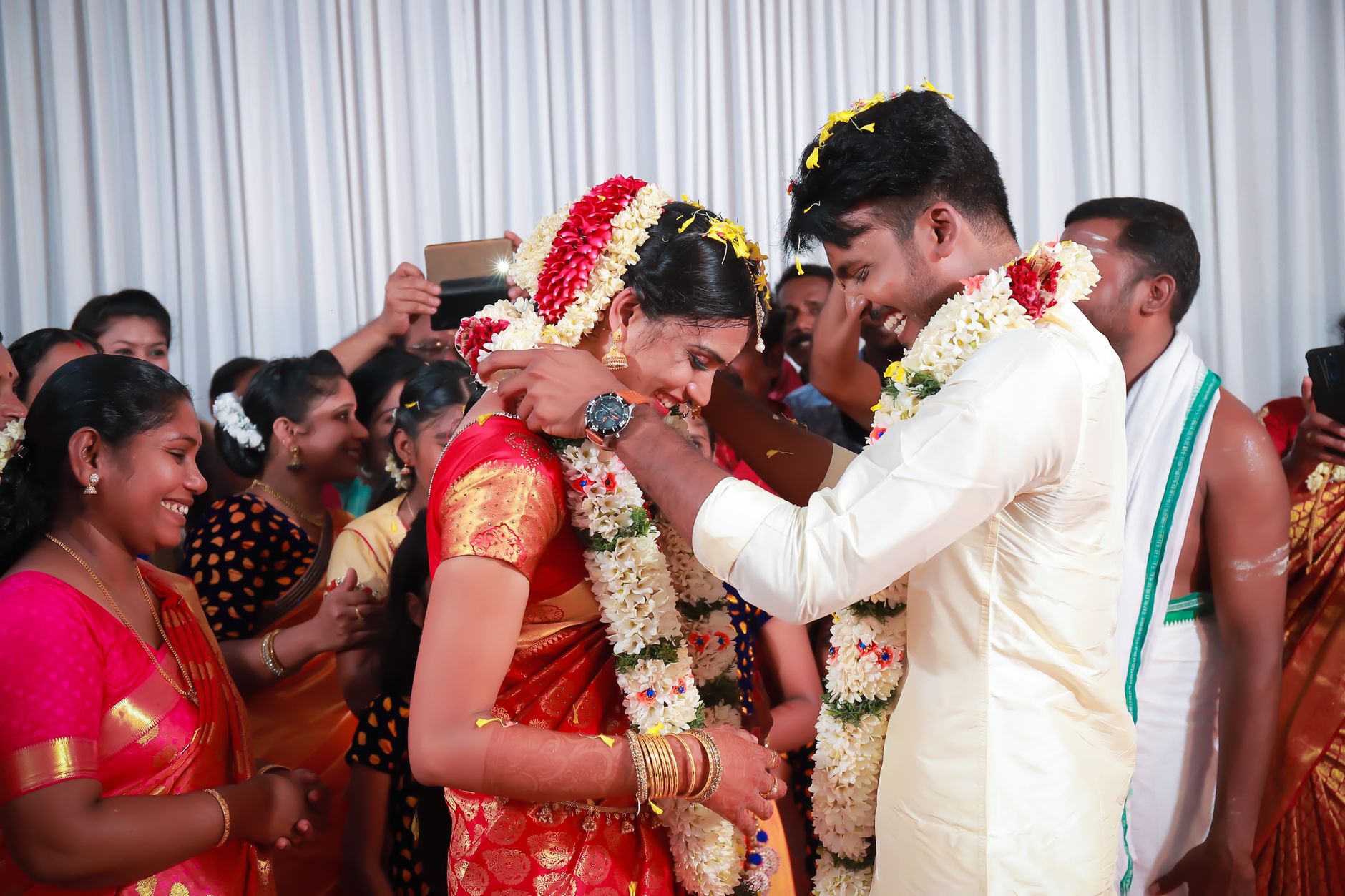 Malayali Marriage Ritual Kit
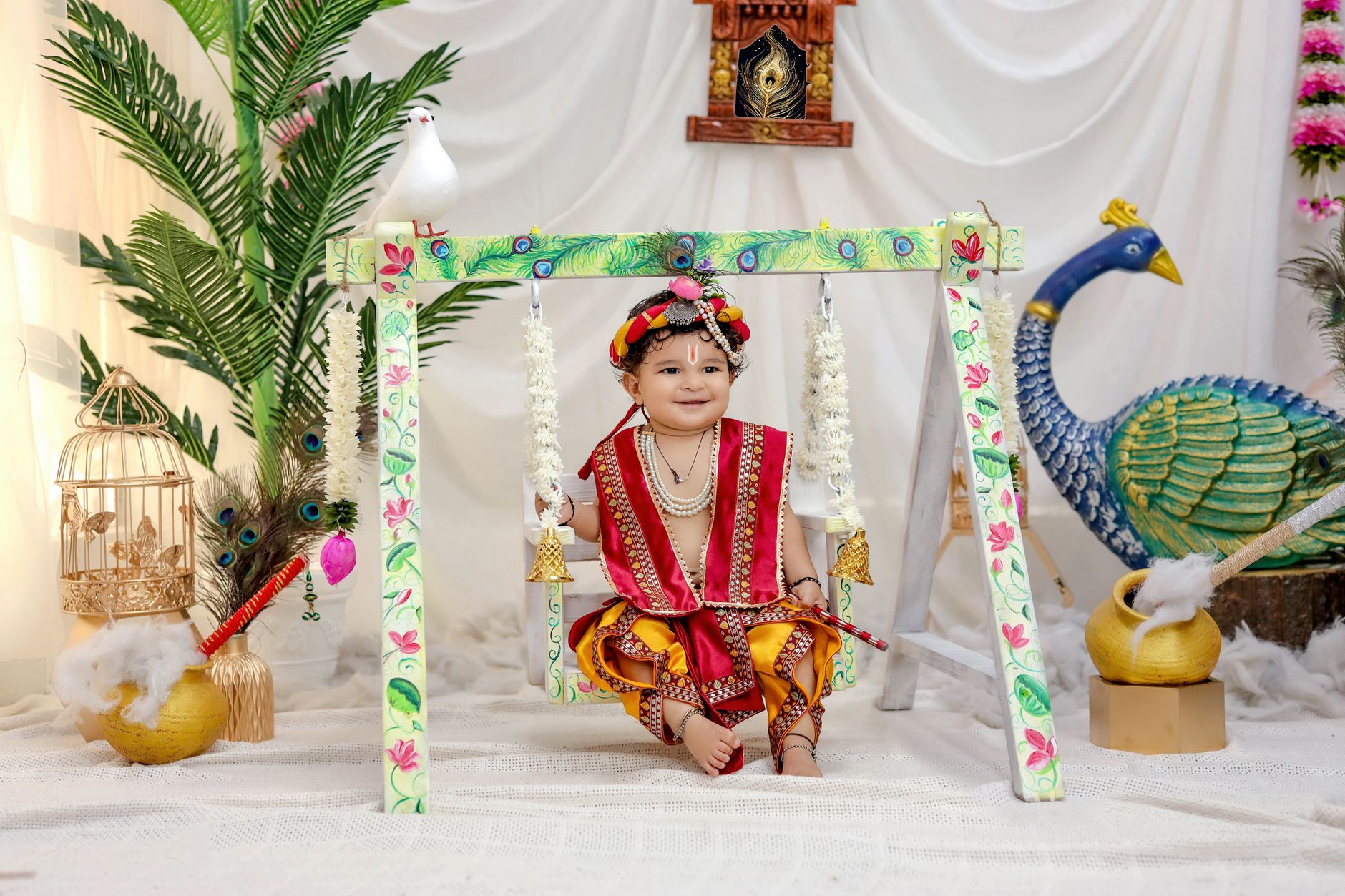 Newborn Naming Ceremony Swing
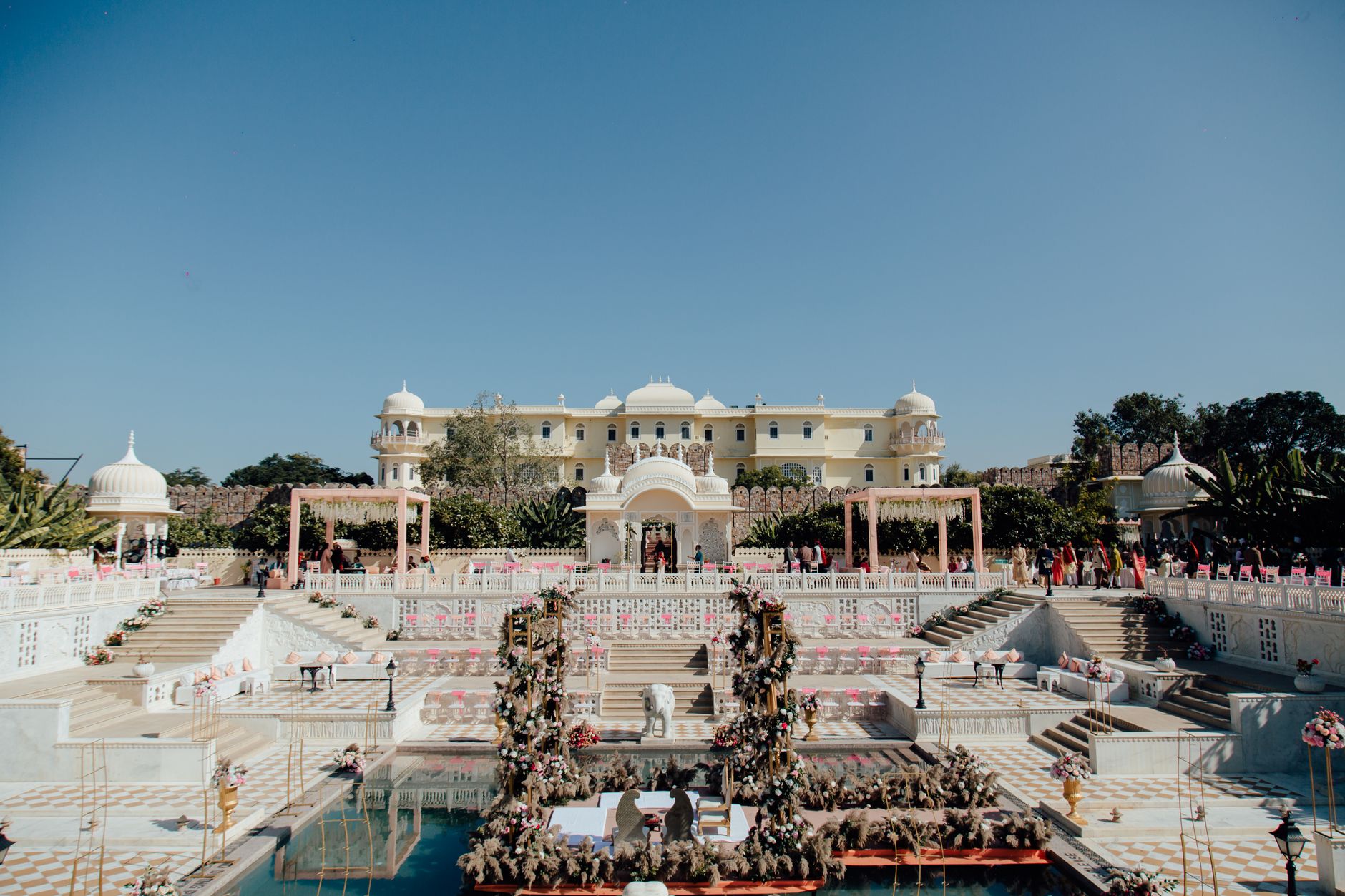 Pelli Ceremony Platform
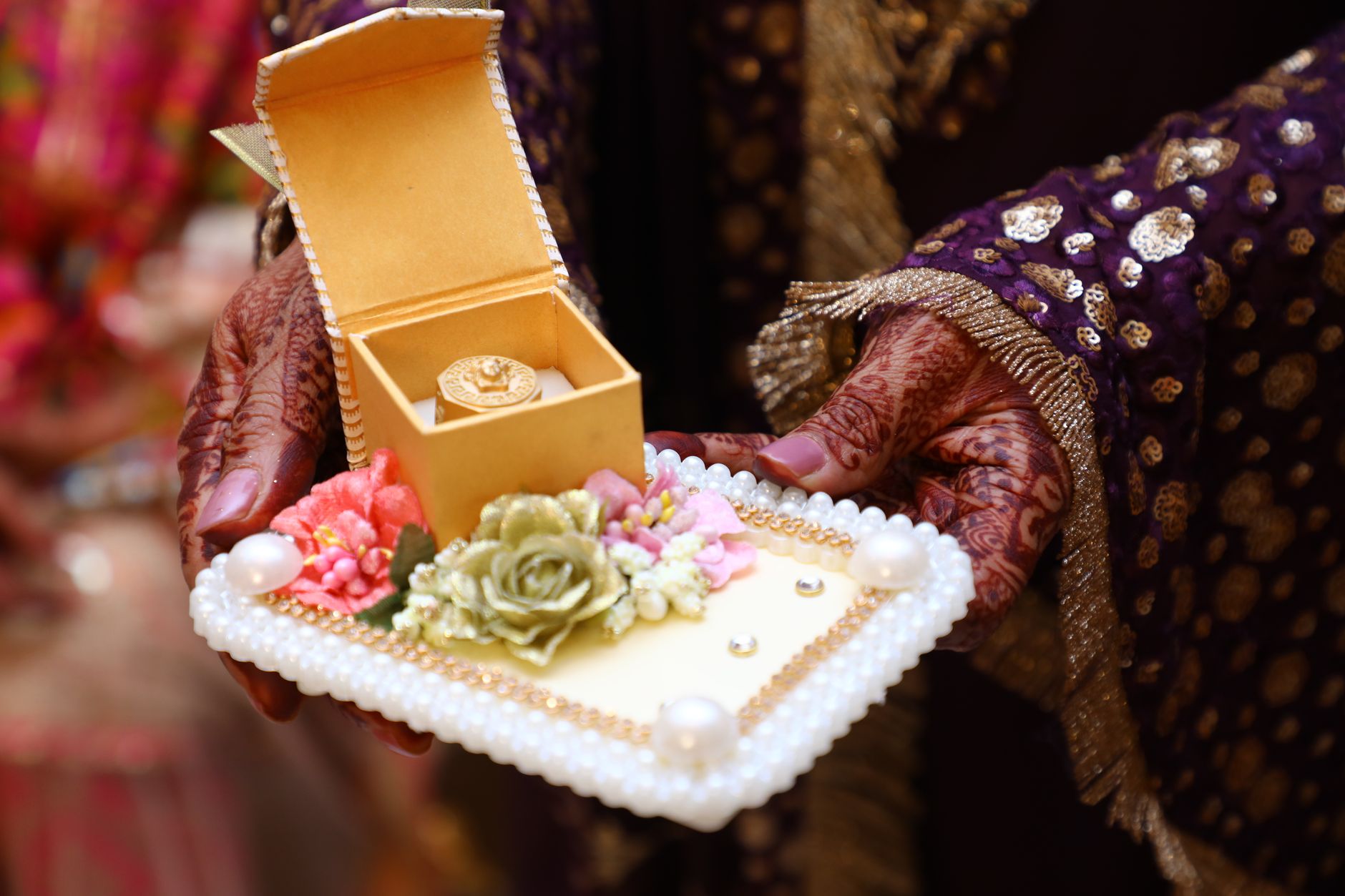 Pelli Gift Platters
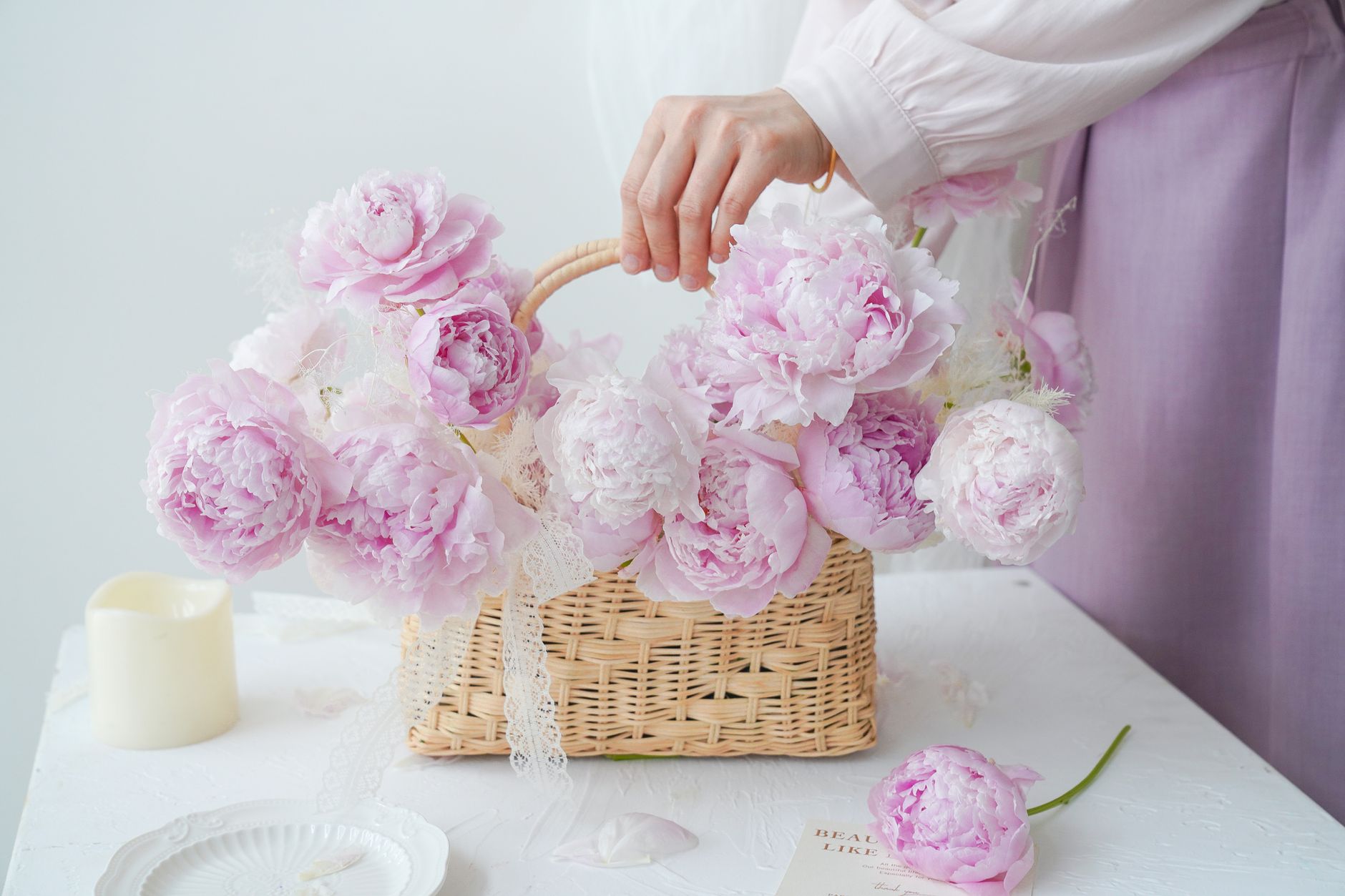 Petal Carrier Baskets
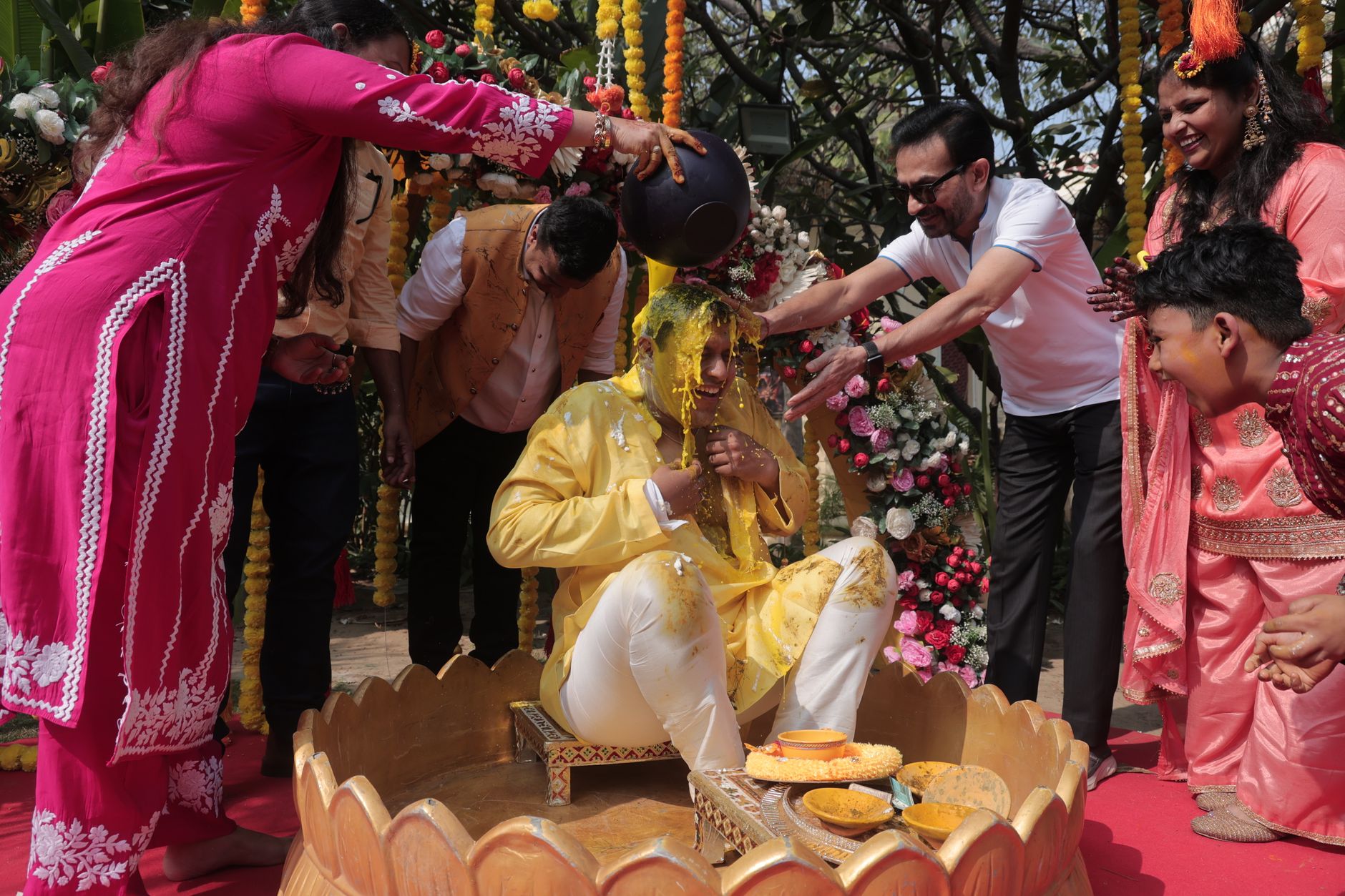 Pre-Wedding Ritual Articles for Mangalasnanam
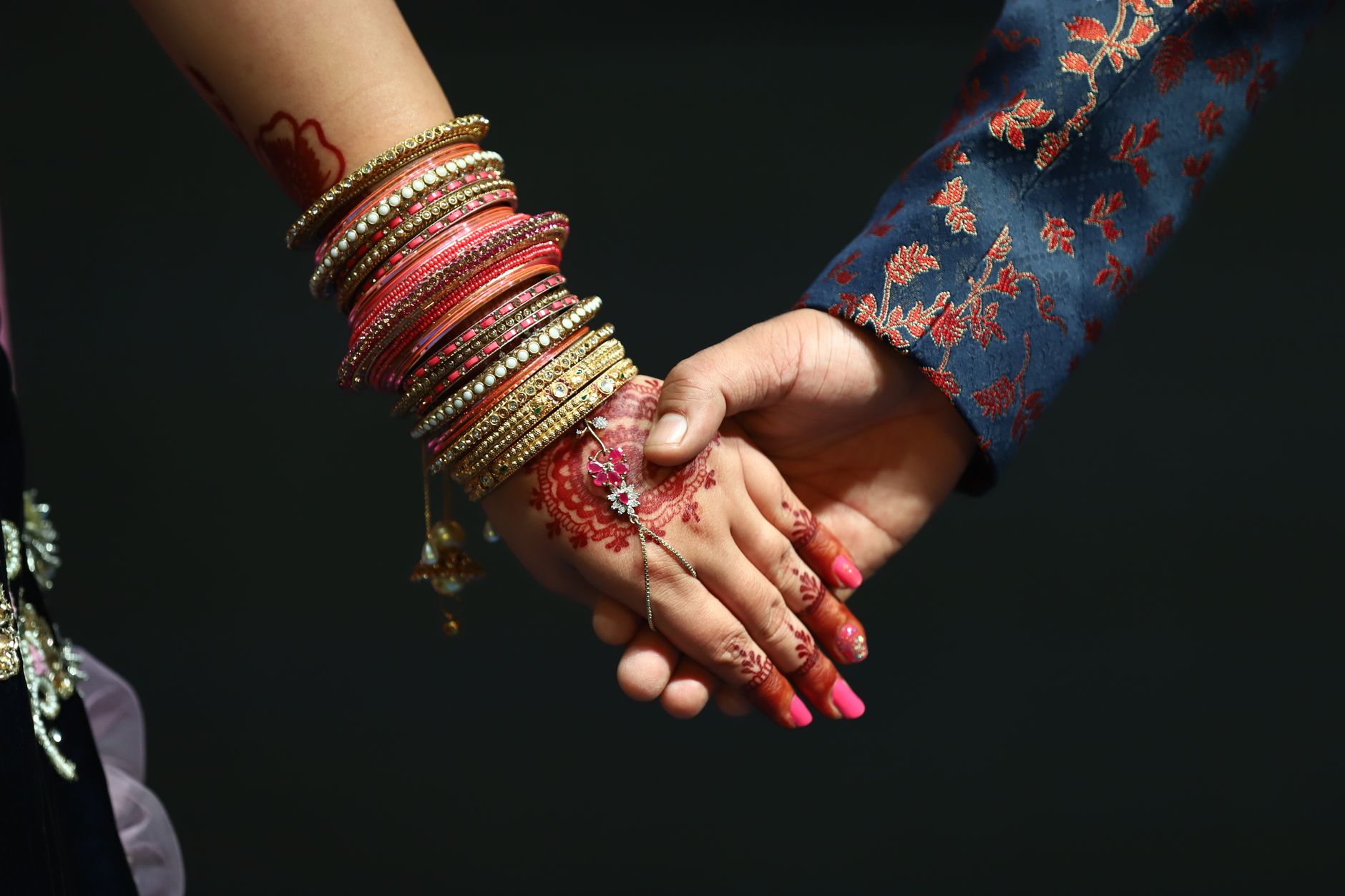 Rajasthani Marriage Ceremony Kit
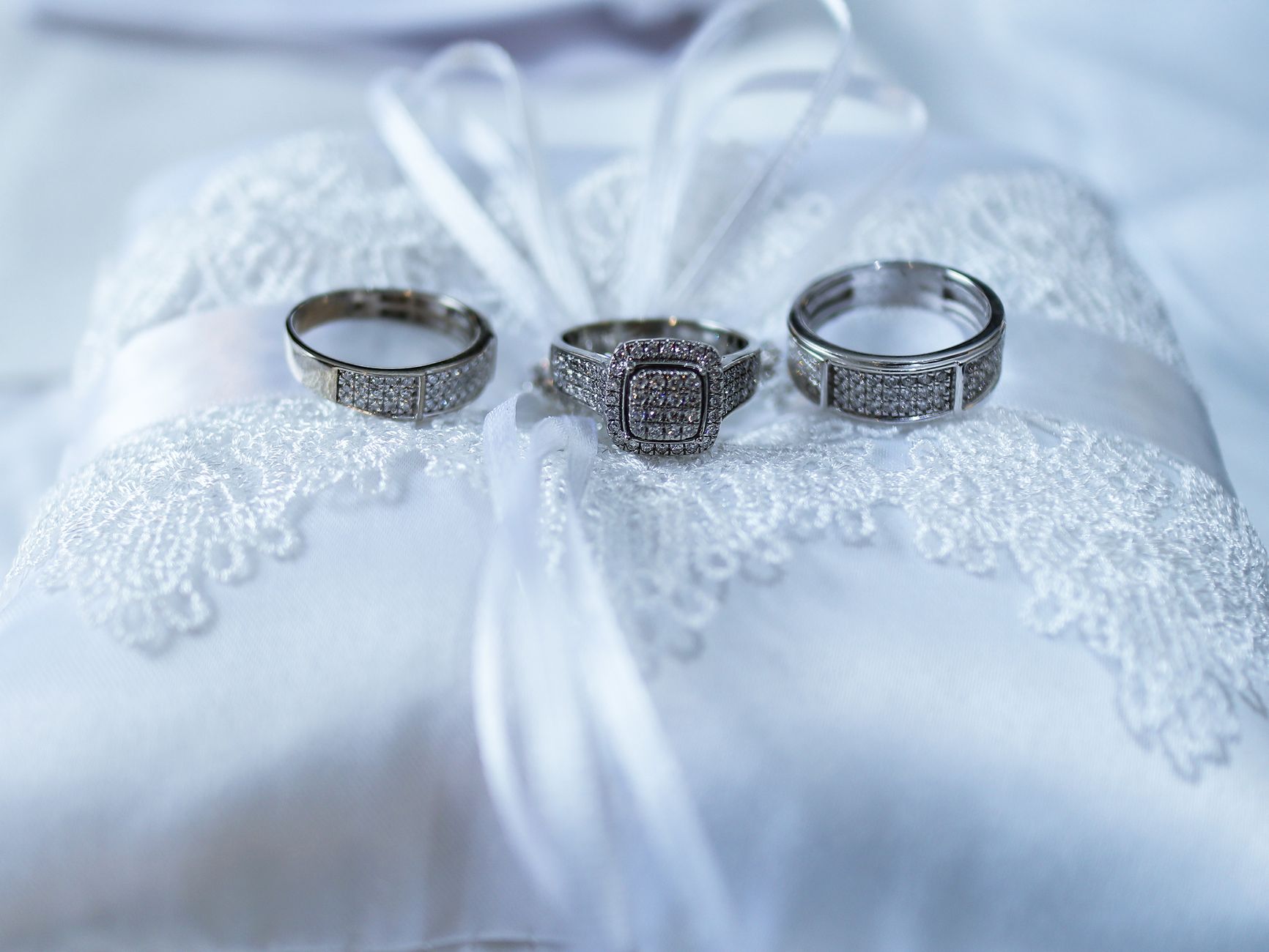 Ring Cushion Displays
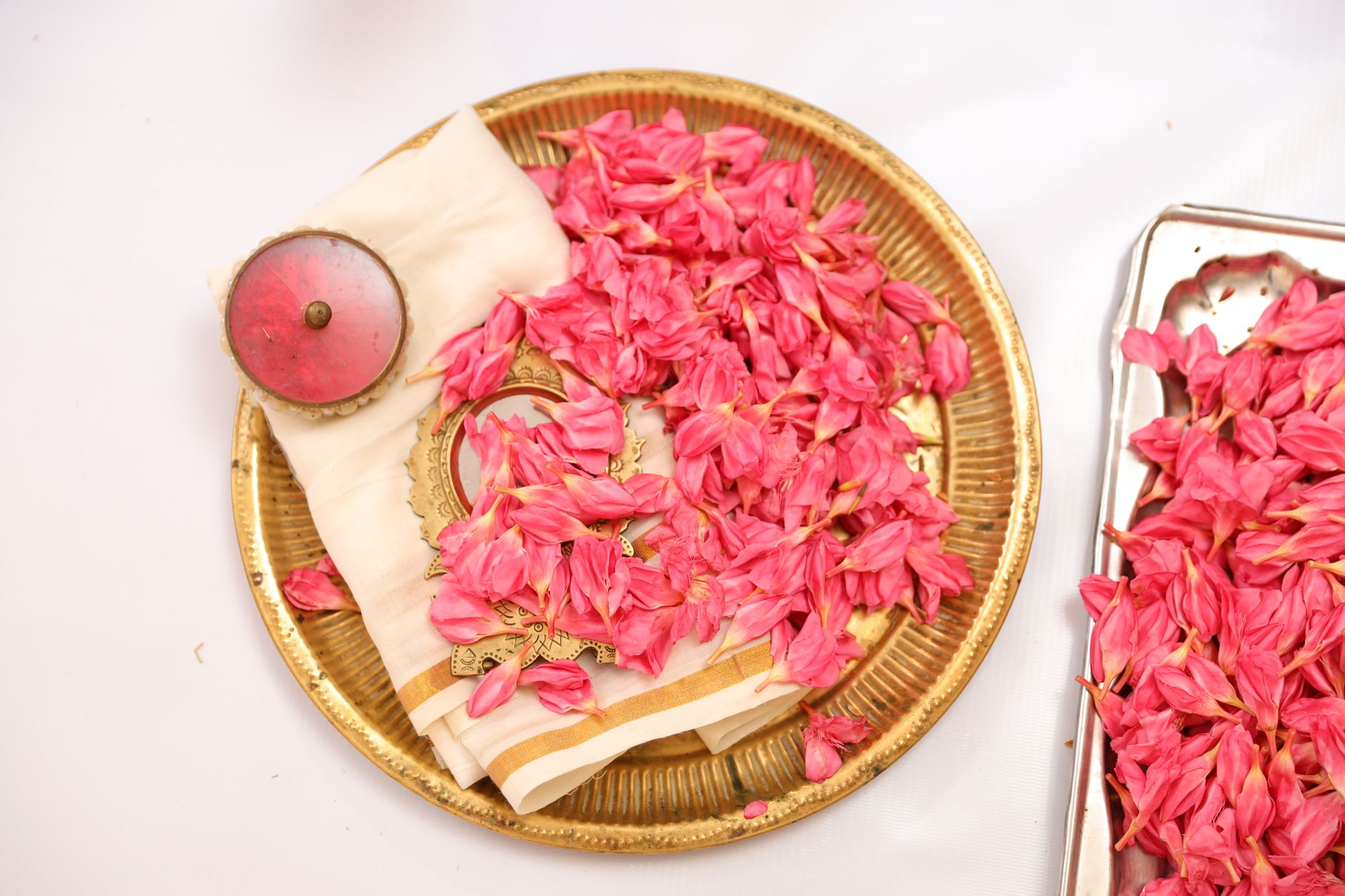 Ring Exchange Trays
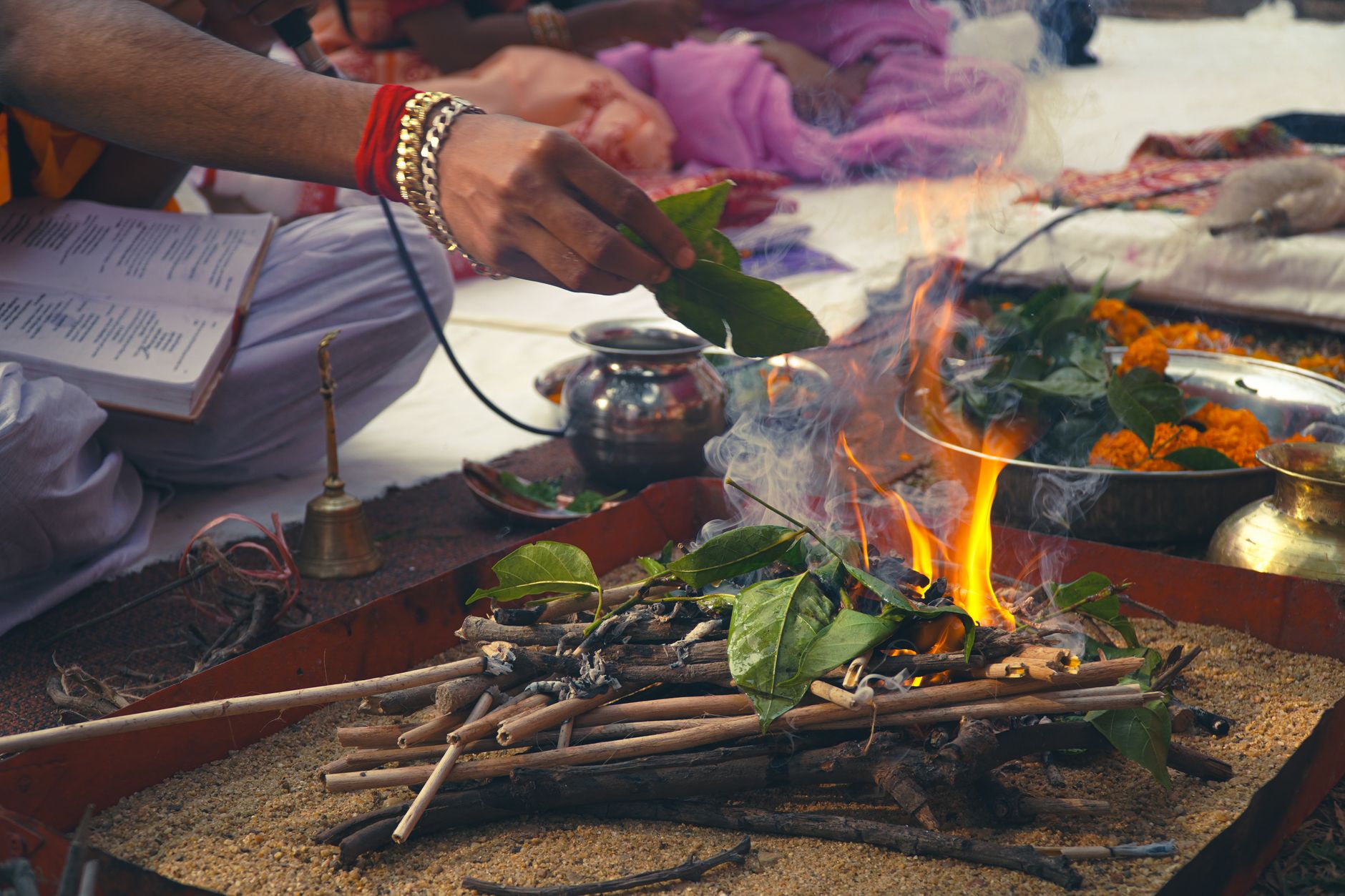 Ritual Ceremony Priest
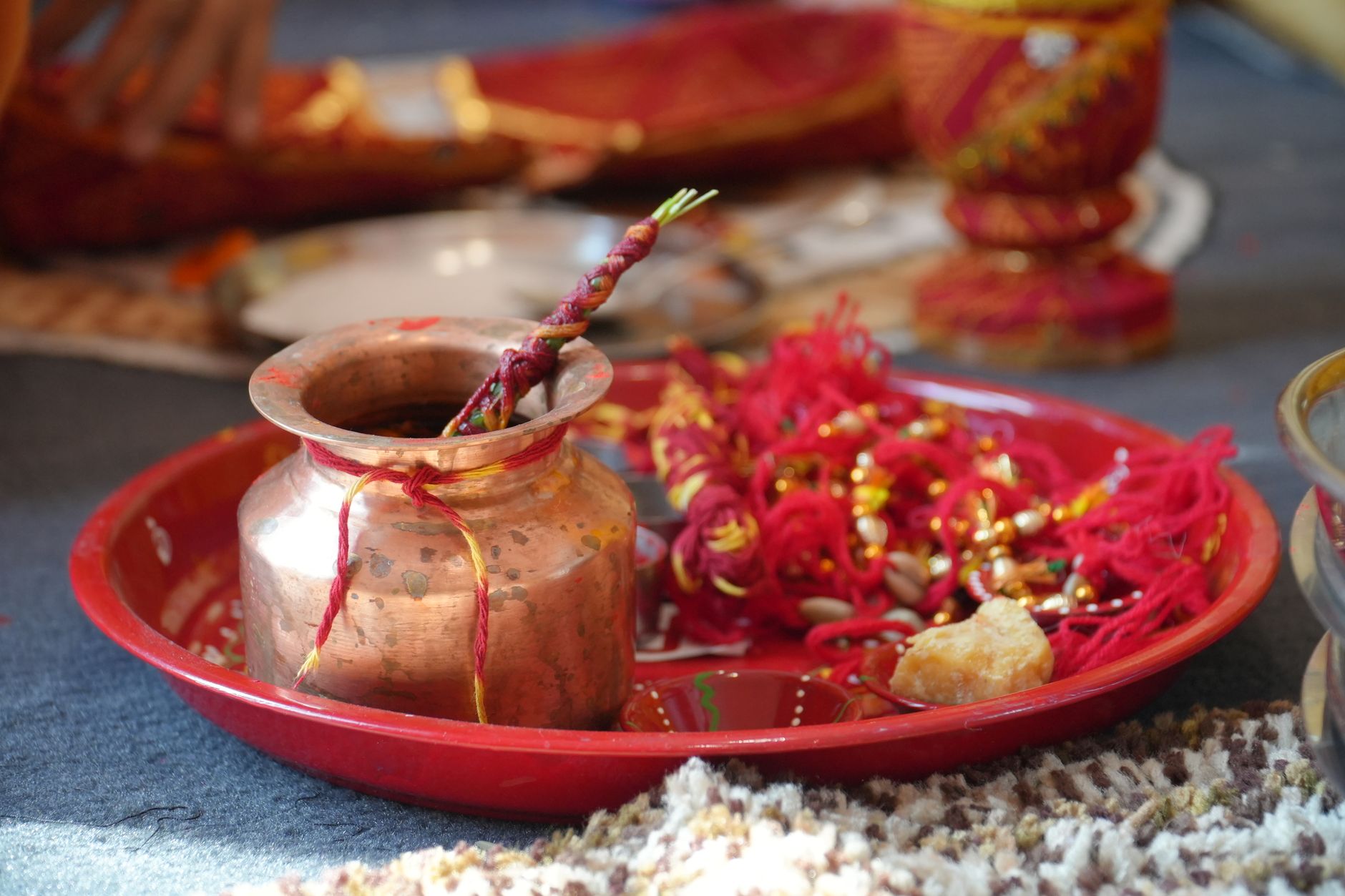 Sacred Aarti Trays
- 400+Curated Events
- 6Event Universes
- 1000+Verified Vendors
- 70+Locations
- 24/7Customer Support


Not sure which packages fits your celebration?
Let Hiya & Hanu help you find the perfect match!
Explore Celebration Packages- AI-Powered MatchingSmart suggestions for you
- Budget OptimizerGet the best experiences in your budget
- End-to-End SupportWe are with you at every step
Serving Celebrations across 75+ locations in India
Top Traditional Ceremonies for Celebrations With Meaningful Family Traditions
◆Traditional ceremonies bring families together around customs, values and experiences that have often been passed from one generation to another. Whether a celebration is connected to religion, culture, family milestones or an important life event, traditional practices can give the occasion a deeper sense of identity. Choosing the right services and planning the event carefully can help families preserve these customs while creating a comfortable experience for everyone attending.
The top traditional ceremonies for celebrations are not defined only by elaborate decoration or large guest lists. Their importance comes from the meaning behind the rituals, the participation of loved ones and the way familiar customs are brought into the occasion. Thoughtful planning can ensure that important traditions remain at the centre while venue arrangements, catering, décor, guest management and other practical details are handled efficiently.
Why Traditional Ceremonies Remain Important
Traditional ceremonies provide an opportunity for families to celebrate their heritage and maintain connections between generations. Older family members may remember customs from their childhood, while younger relatives can learn more about practices that form part of their cultural background.
For many families, these occasions are also an opportunity to bring relatives together after long periods apart. A well-organised ceremony creates space for formal traditions as well as conversations, shared meals and family photographs.
The top traditional ceremonies for celebrations often combine familiar rituals with carefully planned modern arrangements. This approach allows families to respect established practices without making the event unnecessarily difficult to organise.
Understanding the Meaning Behind the Ceremony
Before planning begins, families should understand what the ceremony represents. Some occasions may involve religious prayers, blessings or sacred rituals. Others may focus on cultural customs, family traditions or important milestones.
Understanding the purpose helps determine which arrangements are essential. It also prevents unnecessary additions from taking attention away from the central tradition.
Family members who have experience with the ceremony can provide useful guidance. Religious professionals, cultural advisers or experienced ceremony organisers may also help clarify the appropriate sequence of activities and any specific requirements.
Examples of Traditional Celebrations
Traditional ceremonies can take many forms depending on family background and cultural practices. Religious functions, naming ceremonies, coming-of-age occasions, family blessings, traditional milestone celebrations and community gatherings are examples of events where established customs may play an important role.
The exact practices can differ significantly between families, regions and communities. Therefore, ceremony planning should be based on the family's own traditions rather than assuming that every celebration follows the same format.
Traditional celebration services can help families identify the practical requirements for their chosen occasion while leaving the cultural decisions with the people who are observing the tradition.
Creating a Meaningful Traditional Ceremony Plan
A clear plan gives families a practical framework for managing the occasion. It should identify the ceremony date, venue, guest numbers, important rituals, service providers and expected timings.
A useful planning process can begin with a list of essential traditions. Once these have been identified, families can consider supporting arrangements such as seating, decoration, catering, photography and transportation.
Meaningful traditional event planning should allow sufficient time for each important ritual. A schedule that is too tightly packed can create unnecessary pressure, particularly when several family members need to participate.
Allowing some flexibility also makes it easier to respond to unexpected delays without affecting the overall experience.
Choosing a Suitable Venue
Venue selection should reflect both the purpose of the ceremony and the practical needs of the guests. Depending on the occasion, families may choose a private home, community hall, place of worship, hotel, dedicated function venue or another appropriate location.
The size of the venue should match the expected number of guests. There should also be enough space for ceremonial activities, family participation and comfortable movement.
When comparing traditional event venues, families should consider accessibility, parking, seating, cleanliness, facilities and preparation areas. If the ceremony involves specific rituals, it is important to confirm that the venue can accommodate them.
A suitable venue can make the ceremony feel organised without taking attention away from the traditions being observed.
Traditional Decorations With Cultural Character
Decoration can add warmth and visual character to a traditional celebration. Flowers, lamps, fabric, traditional motifs, entrance displays and other cultural elements can be incorporated according to the nature of the occasion.
Traditional ceremony decorations should complement the ceremony rather than compete with it. Sacred or important ceremonial areas should remain clear and accessible.
Families can also personalise the décor through colours, flowers and decorative details that have special significance to them. Simple arrangements can be just as meaningful as elaborate installations when they are thoughtfully selected.
Cultural event decoration should also take the venue into account. A decoration plan that works well in a large hall may need to be adapted for a smaller home or intimate family gathering.
Working With Religious and Cultural Professionals
Some traditional ceremonies require the involvement of a priest, officiant or other knowledgeable professional. Their role may include conducting prayers, guiding rituals or ensuring that the ceremony follows established practices.
Families should confirm availability well in advance, particularly for dates that are popular for traditional celebrations.
Priest and officiant services should be coordinated with the venue and event schedule. Everyone involved should understand the expected timings, required ceremonial items and any relevant arrangements.
Professional guidance can provide confidence to families, especially when younger relatives are unfamiliar with particular traditions.
Involving Different Generations
One of the strengths of a traditional ceremony is the opportunity to involve several generations of a family. Grandparents, parents, children and younger relatives can all have meaningful roles.
Older family members can help explain customs and their significance. Younger family members can participate in suitable ceremonial activities and learn more about their heritage.
Family traditional gatherings become more meaningful when participation is encouraged rather than limited to a small group. However, roles should always be appropriate to the nature of the ceremony and the family's traditions.
Planning Food and Catering
Food can be an important part of traditional celebrations. Families may prefer regional dishes, traditional recipes, vegetarian menus or specific ceremonial preparations.
Ceremonial catering services should understand the event's requirements before the menu is finalised. Guest numbers, dietary preferences, serving style and meal timings should all be considered.
For some occasions, particular foods may have cultural or religious significance. These requirements should be communicated clearly to the caterer so that preparation and serving are handled appropriately.
Good catering planning also helps ensure that meal service does not interrupt important ceremonial activities.
Creating Comfortable Guest Arrangements
Guest comfort should remain an important part of the planning process. Traditional ceremonies can sometimes involve long periods of sitting, standing or moving between different areas.
Seating should be arranged with elderly relatives and guests with accessibility needs in mind. Families with young children may also appreciate convenient access to facilities.
Clear directions and an organised reception area can make it easier for guests to understand where they need to go. If guests are travelling from other locations, information about timing, parking and nearby accommodation may also be useful.
The objective is to create an environment where guests can participate in the celebration without unnecessary inconvenience.
Preserving Traditional Memories Through Photography
Traditional celebrations often become important family memories. Professional photography can document the ceremony, family participation, décor and meaningful moments throughout the day.
Photography should be planned sensitively. Some religious or cultural ceremonies may have areas where photography is restricted or moments where movement should be limited.
Families should discuss their preferences with the photographer before the event. A combination of formal family photographs and natural celebration images can provide a balanced record of the occasion.
Photographs can also become valuable family records, helping future generations understand how traditions have been celebrated over time.
Managing Entertainment Appropriately
Entertainment can be included when it suits the nature of the celebration. Cultural performances, traditional music, live instrumental performances and family-friendly activities may complement certain occasions.
However, entertainment should not overshadow the ceremony itself. The timing and style should be appropriate to the event and respectful of its cultural or religious character.
Traditional celebration ideas can include performances connected to the family's heritage or simple activities that encourage guests to spend time together.
The best approach is to choose entertainment that adds enjoyment while maintaining the atmosphere of the occasion.
Coordinating Traditional Event Suppliers
A traditional ceremony may involve several different service providers. These can include decorators, caterers, photographers, venue teams, religious professionals, entertainers and transport providers.
Traditional event vendors should be selected based on their reliability, communication and ability to understand the requirements of the occasion.
Families should confirm what each supplier will provide, when setup will take place and who will manage the service on the day. Written confirmations can help prevent confusion.
A central coordinator can also make communication easier by acting as the main point of contact between suppliers and the family.
Balancing Tradition and Modern Convenience
Modern planning does not have to replace traditional practices. Technology and professional event management can simply make the practical side of the celebration easier.
Digital guest lists, schedules, supplier confirmations and event checklists can reduce the administrative workload. Families can also use online communication to coordinate relatives and service providers.
The key is to use modern convenience where it helps without changing the meaning of the ceremony. Traditional rituals should remain guided by the family's cultural and religious requirements.
Managing the Celebration Budget
A clear budget allows families to prioritise the elements that matter most. Essential costs may include the venue, ceremonial services, decoration, catering and required traditional items.
Optional services such as elaborate décor, additional photography or entertainment can be considered after essential requirements have been covered.
Traditional celebrations do not need to be expensive to feel meaningful. A carefully planned family gathering with authentic customs can create a memorable experience without excessive spending.
Families should compare service packages carefully and confirm whether setup, delivery, staffing and additional charges are included.
Creating a Personal and Memorable Experience
Personal details can make a traditional ceremony especially meaningful. Families may choose particular flowers, colours, traditional foods, photographs or decorative elements that connect with their history.
Meaningful family ceremonies often feel strongest when the celebration reflects the people attending rather than following a generic event template.
A professional planner can help organise these details while allowing the family to make the cultural decisions. This creates a balance between expert coordination and personal involvement.
Why Thoughtful Planning Makes a Difference
The success of a traditional ceremony depends on more than one supplier or service. It comes from how all the individual elements work together.
A well-planned schedule helps rituals happen smoothly. A suitable venue provides comfort. Appropriate decoration creates atmosphere. Reliable catering supports guests, while experienced professionals help maintain the correct flow of the occasion.
The top traditional ceremonies for celebrations therefore combine cultural meaning with practical organisation. Families can preserve the essence of their traditions while benefiting from reliable event support.
Planning Traditional Celebrations With Happiffie
Happiffie can help families explore suitable services and arrangements for traditional celebrations. From venues and decoration to catering, photography, entertainment and professional coordination, families can identify the services that match their event requirements.
Every family has its own interpretation of tradition. Planning should therefore begin with listening to the family's expectations and identifying the customs that are most important to them.
With thoughtful preparation, traditional ceremonies can remain deeply connected to family heritage while offering guests a comfortable and memorable experience.
The top traditional ceremonies for celebrations are ultimately those that bring people together with purpose and meaning. When traditions are respected and practical arrangements are carefully coordinated, the occasion can become a cherished family memory that continues to be valued across generations.
Frequently Asked Questions
1. What are the top traditional ceremonies for celebrations?
They can include religious functions, family milestone ceremonies, cultural gatherings, naming occasions, blessings and other traditional events that hold significance for a particular family or community.
2. Why are traditional ceremonies important for families?
Traditional ceremonies help families maintain cultural heritage, bring generations together and pass meaningful customs and values from one generation to another.
3. How should I start planning a traditional ceremony?
Begin by identifying the purpose of the ceremony, essential rituals, preferred date, guest numbers, venue requirements and professionals who need to be involved.
4. What should I consider when choosing a traditional event venue?
Consider capacity, accessibility, location, parking, seating, facilities, ceremonial requirements and whether the venue is suitable for the traditions being observed.
5. Can traditional ceremonies have modern decorations?
Yes. Modern decoration can be incorporated as long as it complements the occasion and respects important cultural or religious traditions.
6. Should a priest or officiant be arranged in advance?
Yes. If the ceremony requires a religious professional, it is advisable to confirm their availability and requirements well before the event date.
7. What food is suitable for a traditional celebration?
The menu should reflect the family's cultural or religious preferences. Traditional dishes, regional food, vegetarian options and ceremonial preparations can all be considered.
8. How can younger family members participate in traditional ceremonies?
Younger relatives can participate in suitable rituals, family activities or ceremonial responsibilities while older family members explain the meaning and history behind the traditions.
9. Is photography appropriate during a traditional ceremony?
Photography can preserve important memories, but it should always follow the rules and expectations of the specific ceremony. Photographers should be informed about any restrictions beforehand.
10. How can Happiffie help with traditional ceremony planning?
Happiffie can help families explore suitable venues, decoration, catering, photography, entertainment and professional event services for thoughtfully planned traditional celebrations.