
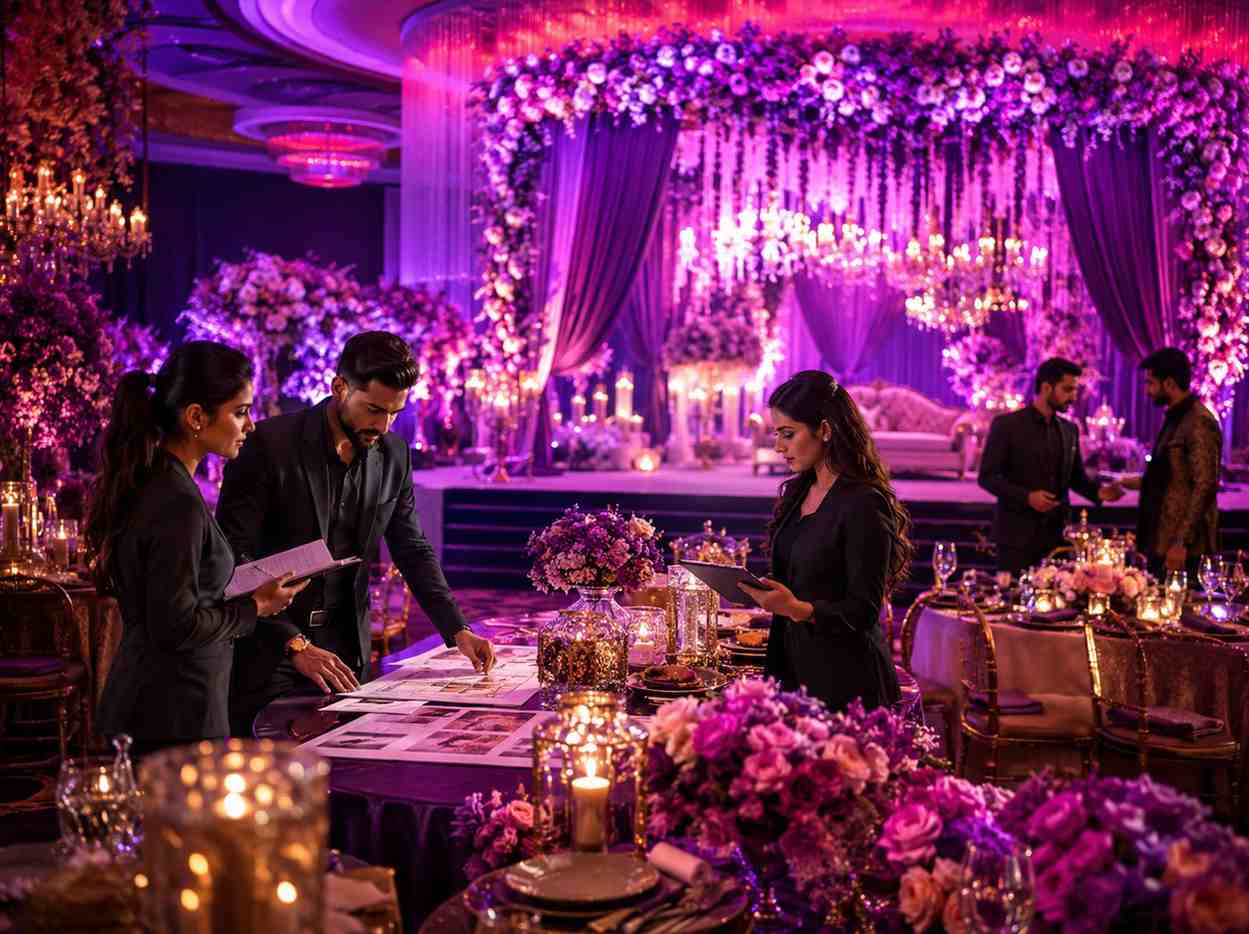
Explore All Event Support
Discover reliable event support services for smooth planning, on-site assistance, coordination and seamless celebrations.
Plan Smoothly,
Celebrate with Happiffie
From planning and coordination to on-site assistance and event support, Happiffie helps you discover reliable services that keep every celebration organised, seamless and stress-free.
- Smart Event Support DiscoveryFind support services suited to your event and celebration
- Seamless Event CoordinationGet the right assistance to keep your event organised and on track
- Trusted Venue NetworkConnect with verified event support professionals and service providers
Event Support Services
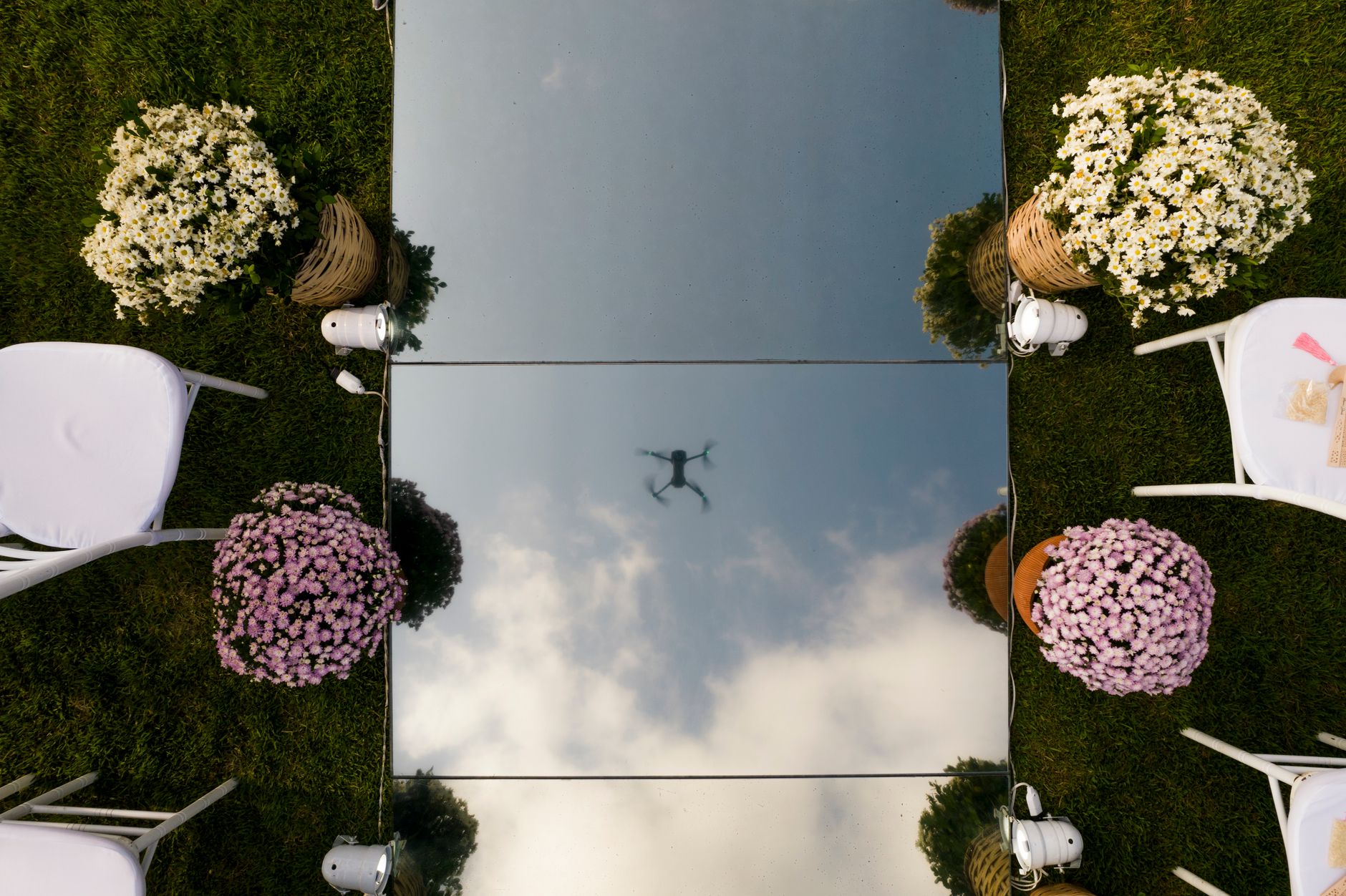 Aerial Filming Permit Service
 Backstage Garment Steaming
 Bar License Application Support
 Conference Fire Safety Crew
 Conference Radio Rental
 Dedicated Attendant service for Senior guests
 Exhibition Medical Support
 Full Day Babysitting
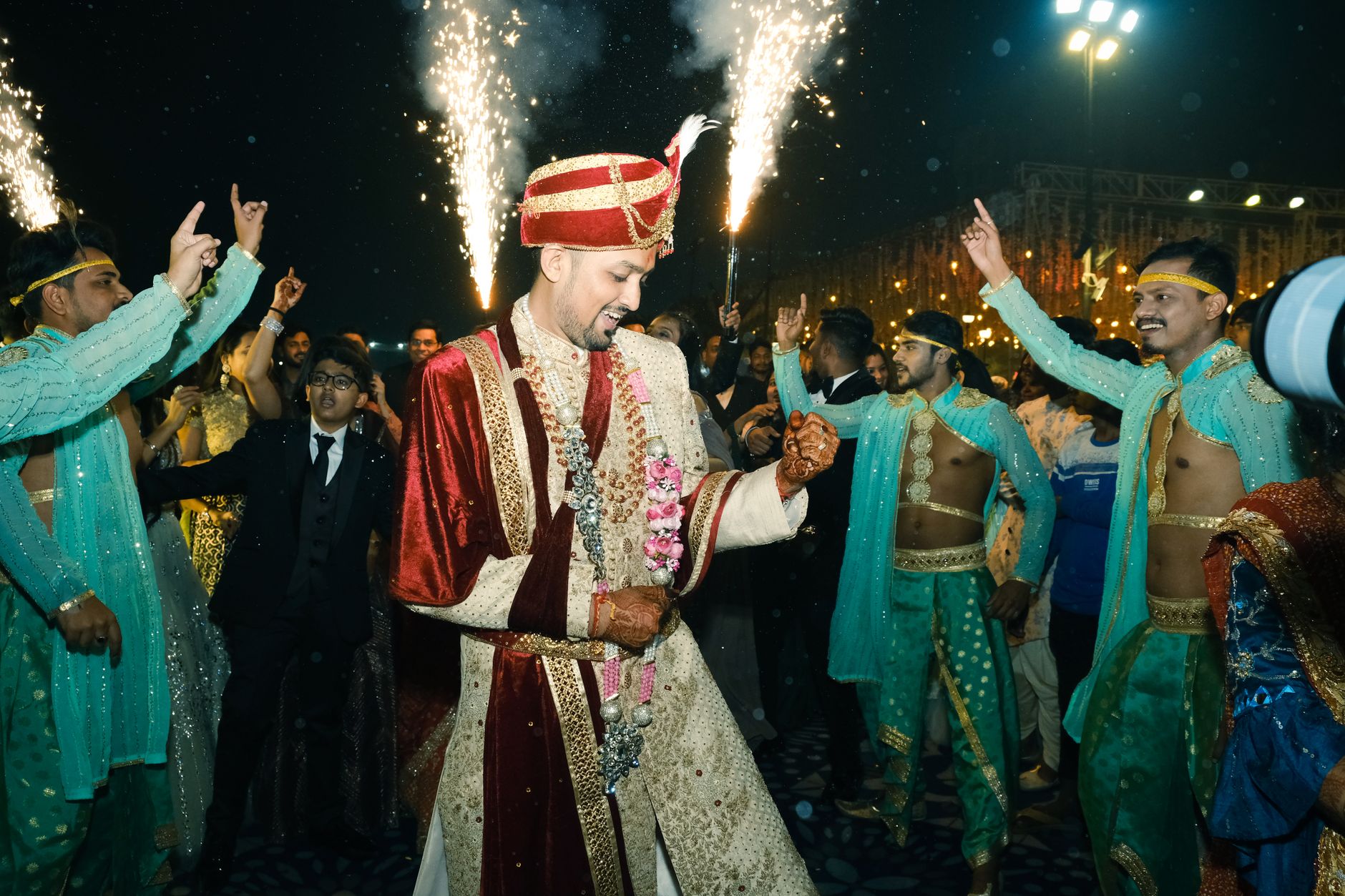 IPRS Private Function Music License
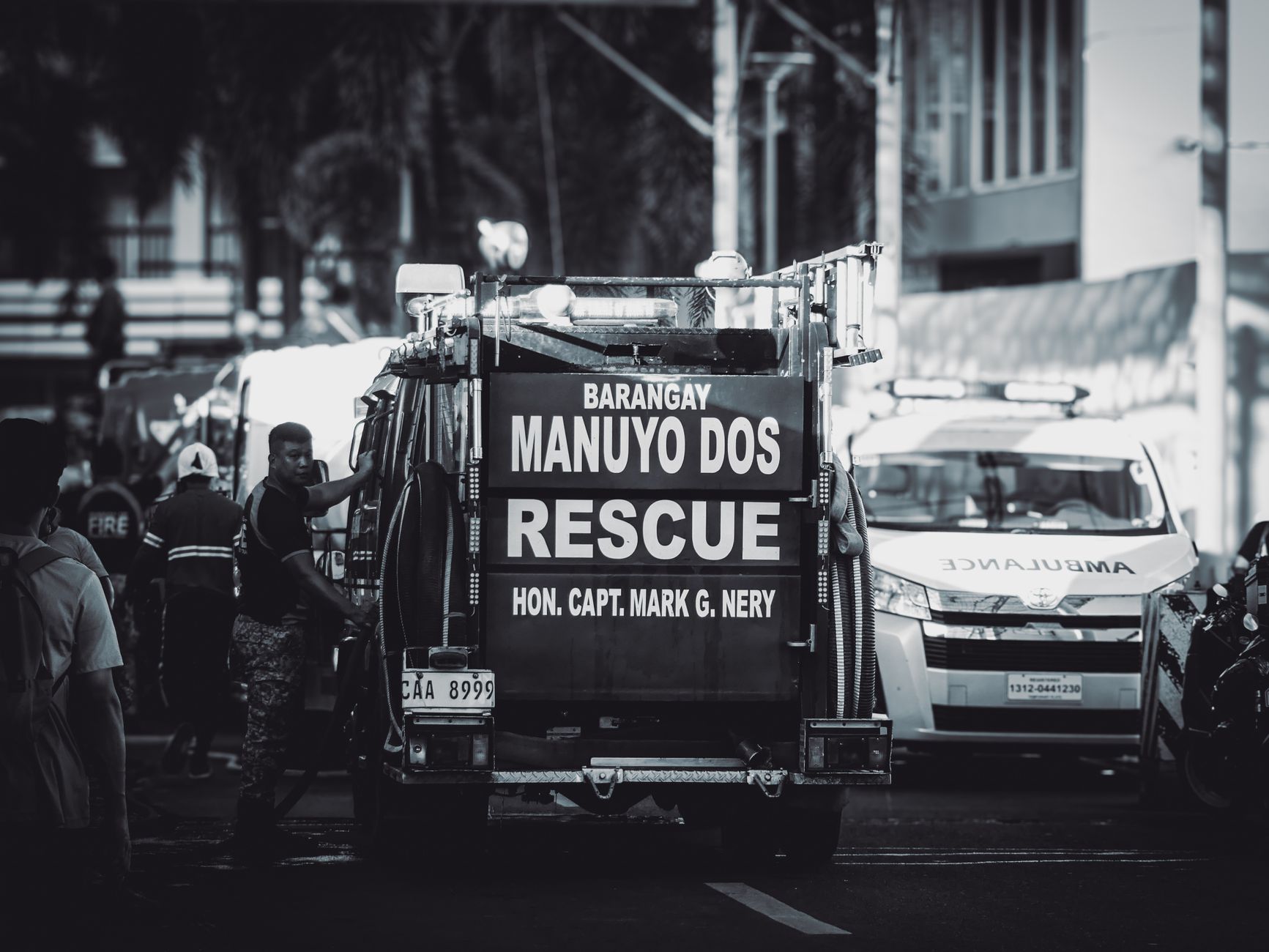 Large Gathering Ambulance
 Marriage Affidavit Assistance
 Novex Stage Playback License
 pet animal management in Events
 PPL Dance Floor Music License
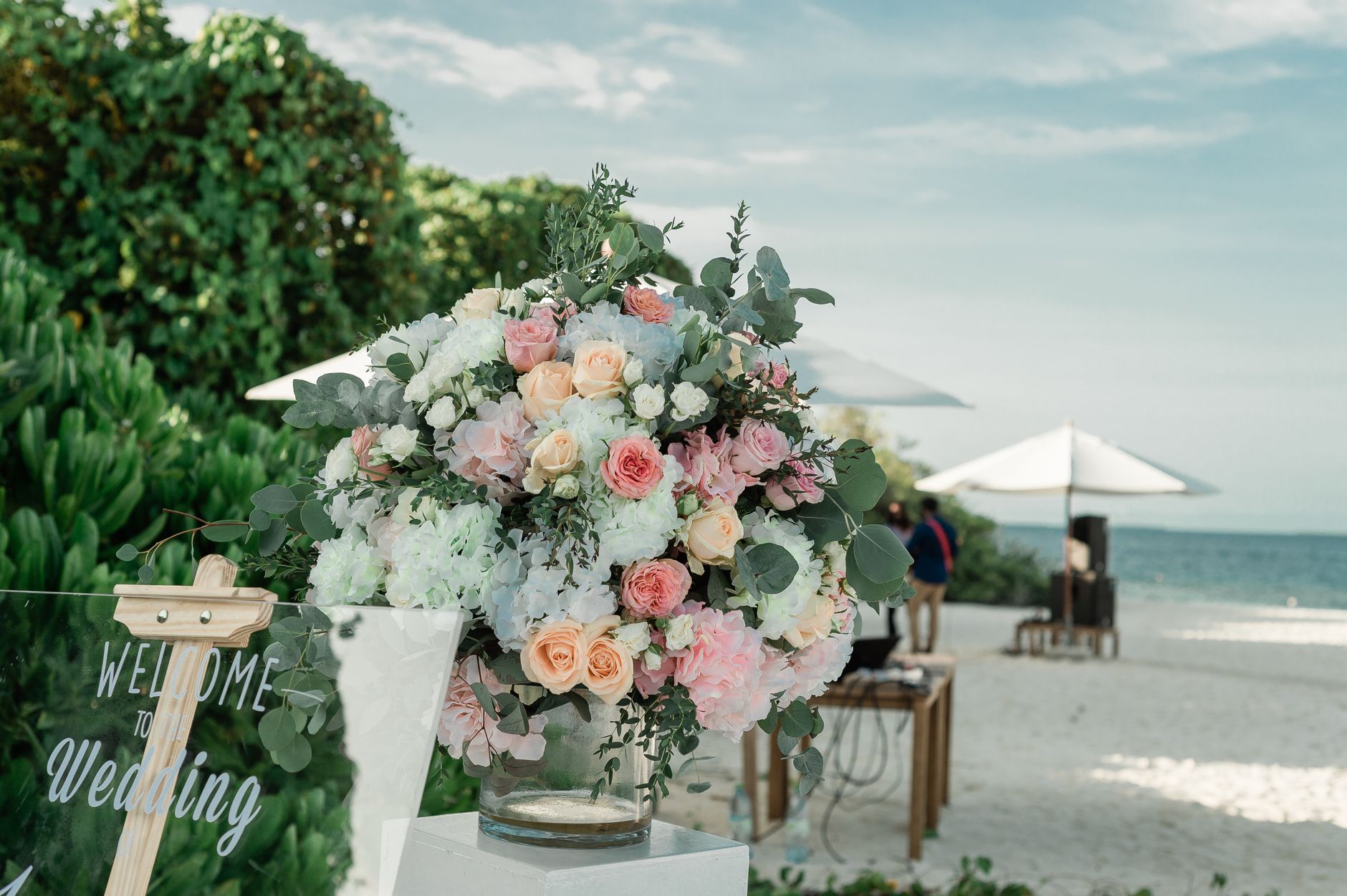 Resort Guest Assistance Desk
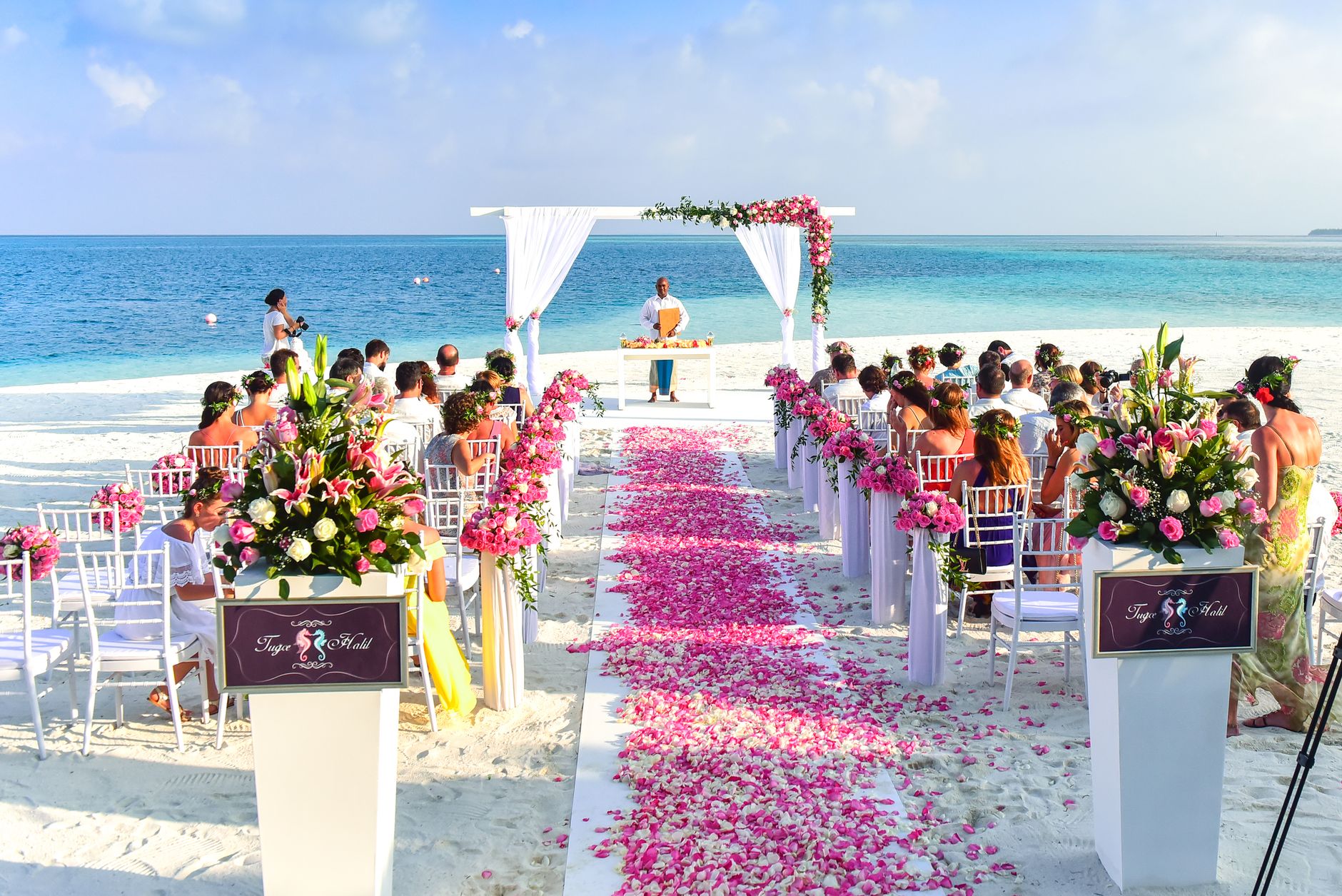 Resort Overflow Housekeeping
- 400+Curated Events
- 6Event Universes
- 1000+Verified Vendors
- 70+Locations
- 24/7Customer Support


Not sure which packages fits your celebration?
Let Hiya & Hanu help you find the perfect match!
Explore Celebration Packages- AI-Powered MatchingSmart suggestions for you
- Budget OptimizerGet the best experiences in your budget
- End-to-End SupportWe are with you at every step
Serving Celebrations across 75+ locations in India
Trusted Coordination Support for Celebrations with Reliable Event Management
◆A well-organised celebration requires confidence in every stage of its execution. Hosts may plan the venue, décor, catering and entertainment months in advance, yet the event still depends on many practical details coming together at the right moment. Reliable coordination can bring these moving parts under one structured approach.
Trusted coordination support for celebrations can assist with weddings, birthdays, anniversaries, corporate functions, private parties and social occasions across Kerala. It helps organisers manage suppliers, schedules, venue requirements and event-day responsibilities without carrying every operational task themselves.
Kerala provides an extensive range of celebration settings, from sophisticated hotels and banquet halls to resorts, private homes, beaches, backwater properties and hill destinations. Each location has different access conditions and operational requirements.
A dependable coordination approach takes these differences into account while keeping the celebration's priorities clearly in view.
What Celebration Coordination Support Means
Celebration coordination brings together the practical responsibilities involved in delivering an event. It can begin during early planning and continue through supplier arrival, venue preparation, guest entry, programme execution and post-event activities.
A typical celebration may involve decorators, caterers, photographers, entertainers, furniture suppliers, transport providers and technical specialists.
Each team performs a separate role, but their work is interconnected. Coordination helps ensure that their activities follow an agreed sequence.
This creates a more dependable operating structure and reduces the possibility of conflicting arrangements.
Why Trusted Coordination Matters
Trust is particularly important when organisers are handing over responsibilities connected with their celebration.
A dependable coordination team should communicate clearly, understand agreed responsibilities and remain attentive to important details.
Hosts need confidence that supplier timings, venue requirements and programme transitions are being monitored.
Reliable support also means responding sensibly when circumstances change. Events rarely follow every detail of the original plan, so practical judgement can be valuable during execution.
Wedding Coordination Support
Weddings often require extensive coordination because several functions may take place across different times or locations.
Ceremonies, receptions, meals, photography sessions and entertainment can each require different arrangements.
Coordination support can help suppliers understand when they need access and which areas require preparation first.
Wedding timelines should also consider guest arrivals and transitions between activities.
A reliable coordinator can help maintain continuity while allowing the couple and their families to focus on the celebration itself.
Birthday Celebration Coordination
Birthday events can range from intimate family gatherings to elaborate milestone occasions.
Children's parties may require entertainment, games, themed décor and flexible activity areas. Adult birthdays can involve dining, music, photography and formal hospitality.
Each format creates different coordination requirements.
Trusted support can help ensure that suppliers arrive at appropriate times and that activity areas are prepared before guests begin using them.
This allows hosts to spend more time with family and friends.
Corporate Event Coordination
Corporate celebrations require attention to timing, presentation and professional standards.
Conferences, award functions, product launches, networking occasions and office celebrations can involve several suppliers working according to strict schedules.
Registration areas must be prepared before attendees arrive. Technical teams may need sufficient setup and testing time.
Catering breaks and programme transitions also need to follow the planned agenda.
Reliable coordination helps bring these requirements together while maintaining a professional event environment.
Understanding Venue Requirements
Venue characteristics can significantly influence event coordination.
Hotels may have dedicated loading procedures, while private homes can have limited parking and restricted access.
Heritage venues may have specific installation conditions. Outdoor locations can require additional planning around weather and ground surfaces.
Backwater and hill properties may also involve longer movement routes for suppliers and equipment.
A trusted coordination team should understand these practical considerations before finalising the event schedule.
Supplier Communication
Clear supplier communication is central to dependable coordination.
Every service provider should understand their arrival time, setup area, responsibilities and relevant venue instructions.
For example, décor installation may need to happen before furniture placement. Catering may require early access, while entertainment teams may need technical preparation before the programme begins.
Coordinated communication keeps these dependencies visible.
It also reduces the risk of suppliers receiving different or outdated instructions.
Creating a Reliable Event Timeline
A practical timeline provides direction from the beginning of setup until the celebration concludes.
It can include venue access, deliveries, installations, technical checks, guest arrivals, ceremonies, meals, performances and closing procedures.
The schedule should include reasonable time allowances rather than relying on perfect conditions.
Traffic, loading delays or unexpected venue requirements can affect even carefully planned events.
Including contingency time makes the overall schedule more resilient.
Event-Day Supervision
Event-day supervision helps translate the plan into actual execution.
The coordination team can monitor supplier arrivals, setup progress and programme transitions.
If an issue arises, the relevant service provider can be contacted quickly.
This reduces the need for the host to become involved in routine operational matters.
For larger celebrations, on-site supervision can be particularly useful because several activities may occur simultaneously.
Coordinating Décor Teams
Décor installation can involve substantial material and labour. Floral arrangements, backdrops, structures, lighting features and decorative furniture may all require different preparation stages.
Coordination helps establish an appropriate sequence.
Large installations should be completed before final guest-facing arrangements are positioned.
Once the décor is finished, unnecessary movement should be limited to protect the completed work.
A coordinated installation process can therefore improve both efficiency and presentation.
Managing Catering Arrangements
Catering teams need sufficient time and access to prepare for service.
Food preparation, serving equipment, buffet stations and dining areas all need to be ready before guests begin eating.
Service routes should remain accessible throughout the event.
Coordination can help prevent other supplier activities from blocking catering access.
It can also ensure that dining arrangements align with the event programme.
Entertainment and Programme Coordination
Entertainment should be integrated into the wider event schedule.
DJs, live musicians, performers, hosts and activity providers may require different setup and sound-check periods.
These requirements should be completed before their scheduled appearance.
Coordination can also align performances with speeches, meals, ceremonies and other activities.
This helps reduce awkward gaps and supports smoother programme transitions.
Photography and Videography Requirements
Photography teams need access to important moments and suitable locations.
A coordinator can share the event timeline so photographers understand when ceremonies, family photographs, performances and other key moments will occur.
Portrait sessions should be planned around guest activities wherever possible.
This allows photographers to work efficiently without creating unnecessary disruption.
It also helps protect the event schedule when several photography requirements need to be completed.
Managing Guest Arrivals
The arrival experience can influence how guests perceive the event from the beginning.
Parking, drop-off points, registration areas and entrances should be easy to navigate.
Larger celebrations may require separate arrangements for different guest groups.
Coordination can help venue staff and event teams understand these movement patterns.
Clear arrival planning can reduce congestion and create a more welcoming first impression.
Supporting Guest Comfort
Coordination has an important relationship with guest comfort.
Seating, dining, entertainment and circulation areas need to work together without creating unnecessary obstacles.
Older guests may benefit from convenient access to seating. Families with children may need clearer movement routes.
Service activities should also remain separated from guest pathways wherever possible.
These practical details contribute to a more comfortable celebration environment.
Handling Event Equipment
Celebrations can involve substantial equipment, from sound systems and lighting fixtures to screens, cameras and staging components.
Equipment should reach the venue at appropriate times and be placed in suitable locations.
Technical teams need sufficient preparation time before guests arrive.
Coordination can help ensure that equipment movement does not conflict with décor installation or guest-facing activities.
This creates a safer and more orderly preparation process.
Supporting Outdoor Celebrations
Outdoor celebrations require additional flexibility.
Gardens, lawns, beaches and open-air resort venues may involve longer delivery routes and changing weather conditions.
Furniture and technical equipment may require protection from rain or excessive moisture.
Alternative arrangements may also need to be considered if weather affects the planned programme.
Trusted coordination can help these contingencies remain organised rather than becoming last-minute disruptions.
Destination Event Coordination
Destination celebrations involve requirements beyond the main venue.
Guests may travel from different cities, while suppliers can face longer transportation routes.
Accommodation schedules may also influence guest arrival times.
Kerala's coastal, backwater and hill destinations offer distinctive celebration settings, but each can introduce different operational considerations.
A coordinated plan can connect accommodation, transportation, supplier movement and venue preparation.
Managing Last-Minute Changes
Changes can occur even when an event has been planned carefully.
Guest numbers may change, suppliers can face delays and programme timings may need adjustment.
Reliable coordination provides a central point for communicating these changes.
Affected suppliers can be informed promptly, while the event schedule can be adjusted around the most important priorities.
The goal is to maintain continuity rather than expect every detail to remain unchanged.
Coordinating Multiple Services
The success of a celebration depends on how different services interact.
Decorators need clear installation areas. Furniture teams need access before guest arrival. Caterers require service routes, while entertainers need technical space.
Photographers need unobstructed movement, and transport teams need suitable access points.
Coordination connects these requirements into one operational picture.
This helps prevent one supplier's activities from unnecessarily interfering with another's work.
Budgeting for Coordination
Coordination should form part of the overall event budget from an early stage.
Costs may depend on event size, duration, number of suppliers and the level of support required.
Smaller occasions may need limited planning assistance, while large weddings can require coordination across multiple days.
Organisers should confirm the service scope and associated charges before booking.
Understanding what is included makes the budgeting process more transparent.
Choosing a Trusted Coordination Provider
A reliable provider should demonstrate clear communication and an understanding of practical event requirements.
Experience across different celebration formats can be useful because every occasion has its own priorities.
Organisers should discuss the venue, guest numbers, programme, supplier list and expected level of support.
This information helps establish whether the provider can meet the event's specific requirements.
Building a Shared Event Plan
A central event plan can bring together supplier contacts, venue instructions, delivery timings and programme milestones.
It gives the coordination team a consistent reference throughout preparation.
Important changes can be incorporated as they arise.
Sharing the latest version with relevant suppliers helps reduce misunderstandings and keeps everyone aligned with the current schedule.
Kerala-Specific Considerations
Kerala's varied geography creates different coordination challenges.
Urban venues may experience traffic and parking limitations. Coastal celebrations can require weather awareness, while hill destinations may involve longer travel times.
Backwater properties can have distinctive access arrangements. Private residences may have narrow entrances or limited loading areas.
A trusted local coordination approach should account for these differences rather than treating every venue identically.
Making Event Preparation More Efficient
Efficient preparation begins well before the event day.
Supplier responsibilities, venue access, delivery windows and programme timings should be established early.
When each team knows what it needs to accomplish and when, setup becomes easier to monitor.
The coordinator can then focus on progress, communication and adjustments rather than repeatedly clarifying basic information.
Reducing Pressure on the Host
A celebration should give hosts an opportunity to enjoy their guests and participate in meaningful moments.
Without coordination, hosts can become responsible for supplier questions, timing issues and venue instructions.
Trusted support can take many of these routine responsibilities away from the host.
This creates greater freedom to focus on family, friends, colleagues and the purpose of the occasion.
Creating Confidence Through Organisation
Reliable coordination is ultimately about creating confidence.
When suppliers know their responsibilities, venues are prepared and schedules are communicated clearly, the event has a stronger operational foundation.
Guests may never see the coordination work directly.
Instead, they experience an occasion where arrivals, activities, dining and entertainment appear to happen naturally.
That smooth experience is the result of preparation and consistent oversight.
Conclusion
Trusted coordination support for celebrations can provide the dependable structure needed to manage complex occasions with greater confidence. From supplier communication and venue preparation to guest arrivals and programme transitions, professional coordination helps connect the many responsibilities behind an event.
Kerala's diverse venues make this particularly important. Banquet halls, resorts, private homes, beaches, backwater properties and hill destinations all require different approaches to access, scheduling and event-day management.
Whether arranging a wedding, birthday, anniversary, corporate function or private party, dependable coordination can reduce operational pressure while supporting a smoother guest experience.
The strongest coordination remains largely behind the scenes. It allows hosts to enjoy their occasion while experienced support keeps the practical details moving in the right direction.
FAQs
1. What does trusted celebration coordination support provide?
It can provide planning assistance, supplier communication, venue coordination, timeline management and event-day supervision.
2. Can coordination support be used for weddings?
Yes. Wedding coordination can help manage ceremonies, suppliers, venue preparation, guest arrivals and programme transitions.
3. Is professional coordination useful for birthday parties?
Yes. It can assist with décor, entertainment, catering, furniture, guest movement and activity scheduling.
4. Can corporate functions use coordination services?
Yes. Corporate events can benefit from support with registration, technical setup, supplier schedules, catering and programme management.
5. How does coordination help multiple suppliers?
It provides a shared structure for communicating arrival times, responsibilities, venue access and setup requirements.
6. Does coordination include event-day supervision?
Many providers offer on-site supervision, although the exact responsibilities depend on the service package agreed with the organiser.
7. Can a coordinator manage unexpected changes?
Yes. Coordinators can communicate changes to suppliers and adjust schedules when circumstances require a different approach.
8. What venue information should be provided to a coordinator?
Useful information includes access points, parking, loading arrangements, venue timings, restrictions, layout and available preparation areas.
9. Is coordination suitable for destination celebrations?
Yes. Destination occasions can benefit from support with supplier movement, venue preparation, guest schedules and transportation requirements.
10. When should trusted coordination support be booked?
Early booking is advisable for large celebrations, multi-day weddings and events involving numerous suppliers or complex venue arrangements.