

Explore All Religious Ceremonies
Discover traditional rituals, wedding ceremonies, spiritual occasions and meaningful cultural celebrations in Chennai, with trusted services to honour every tradition.
Give Thoughtfully,
Celebrate with Happiffie
From personalised gifts and curated collections to thoughtful presents for every occasion, Happiffie helps you discover gifting options that make celebrations more meaningful and memorable.
- Thoughtful Gift DiscoveryFind gifting options suited to every celebration and occasion
- Personalised GiftingDiscover customised gifts made to create meaningful moments
- Trusted Gift ProvidersConnect with reliable gifting professionals and service providers
Popular Religious Ceremonies
 "Champagne Flute Service "
 Beach Marriage Celebrant
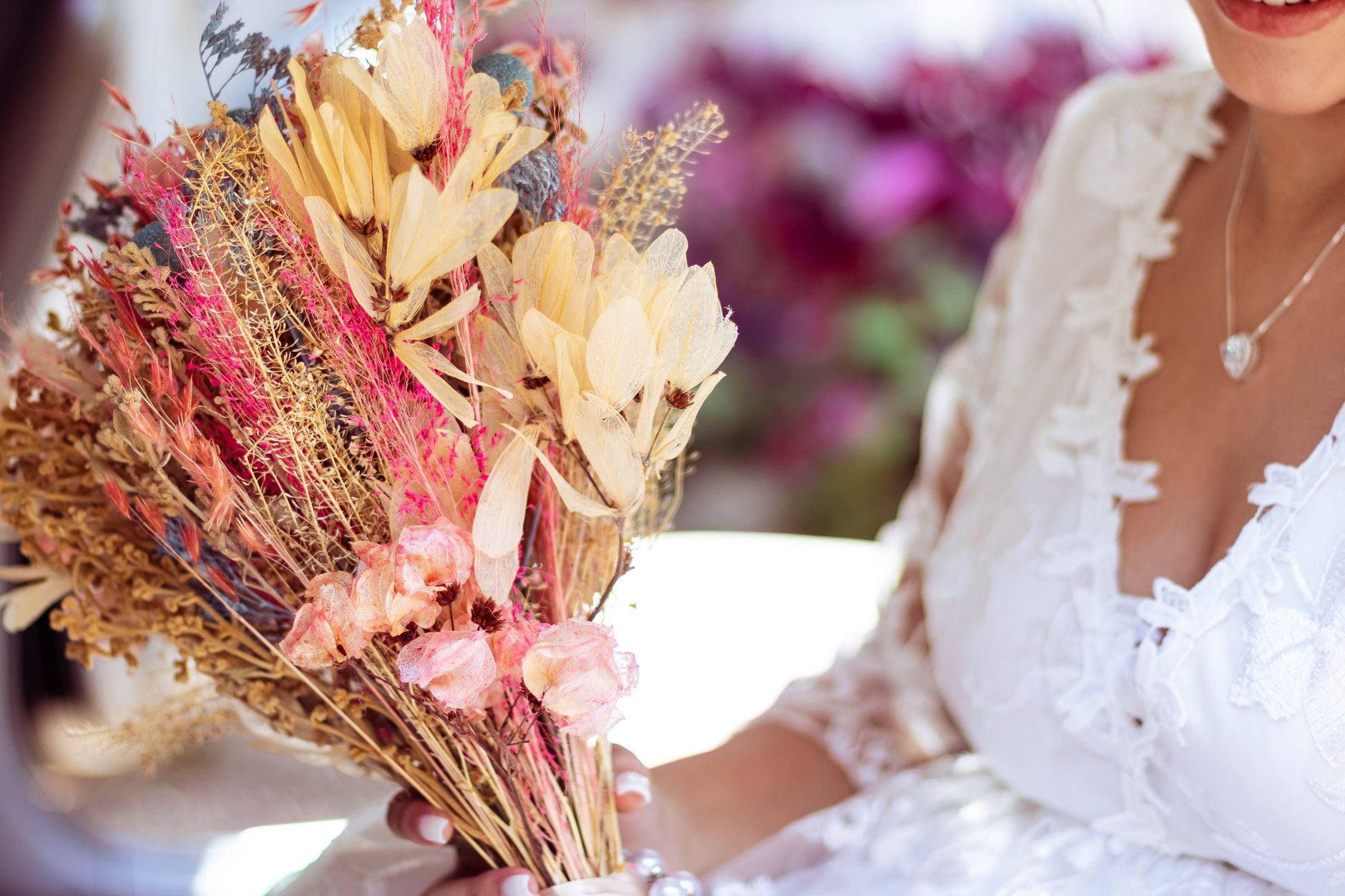 Boho Bouquets
 Boutonniere Sets
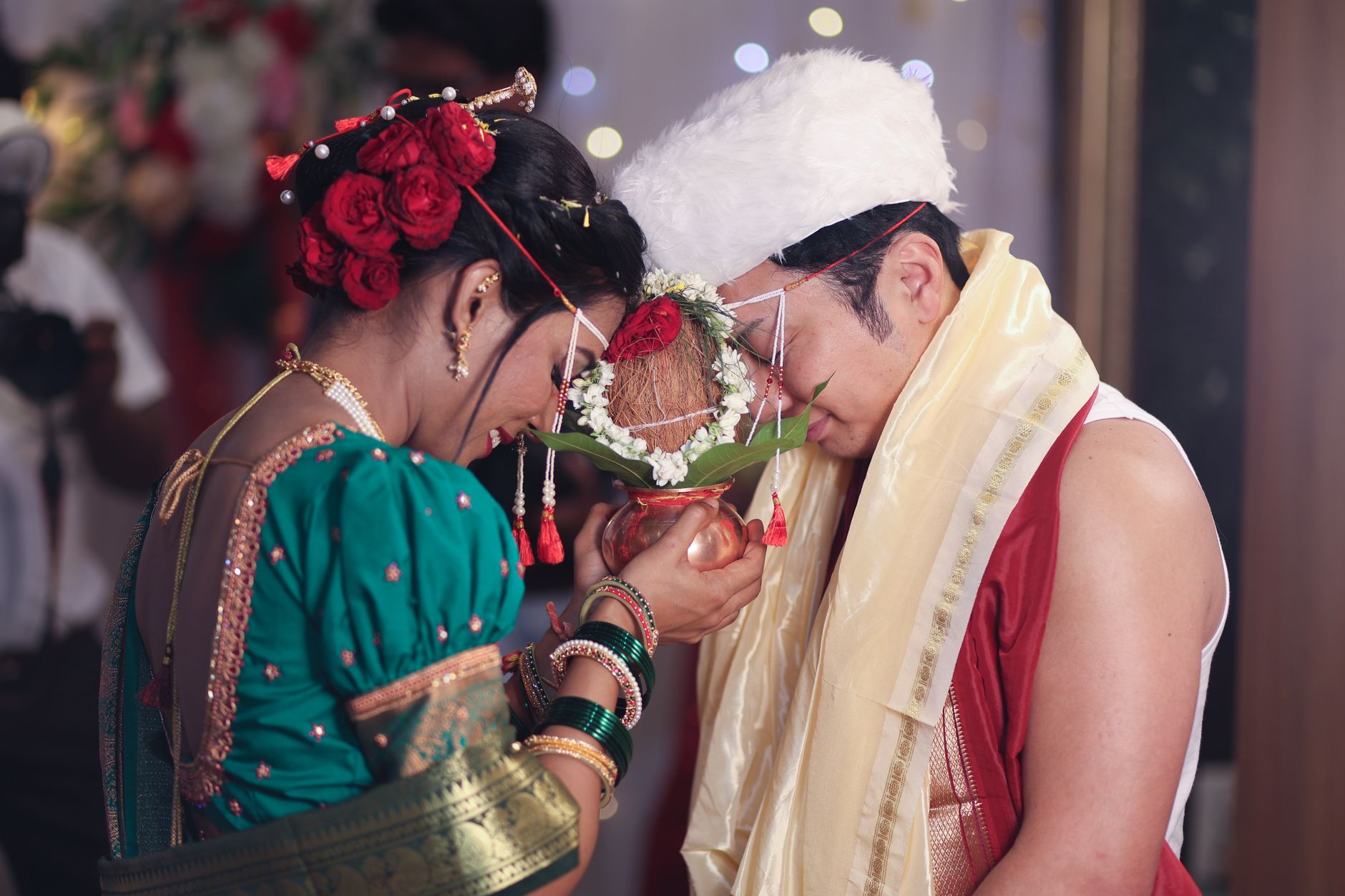 Brahmin Coconut Ritual Sets
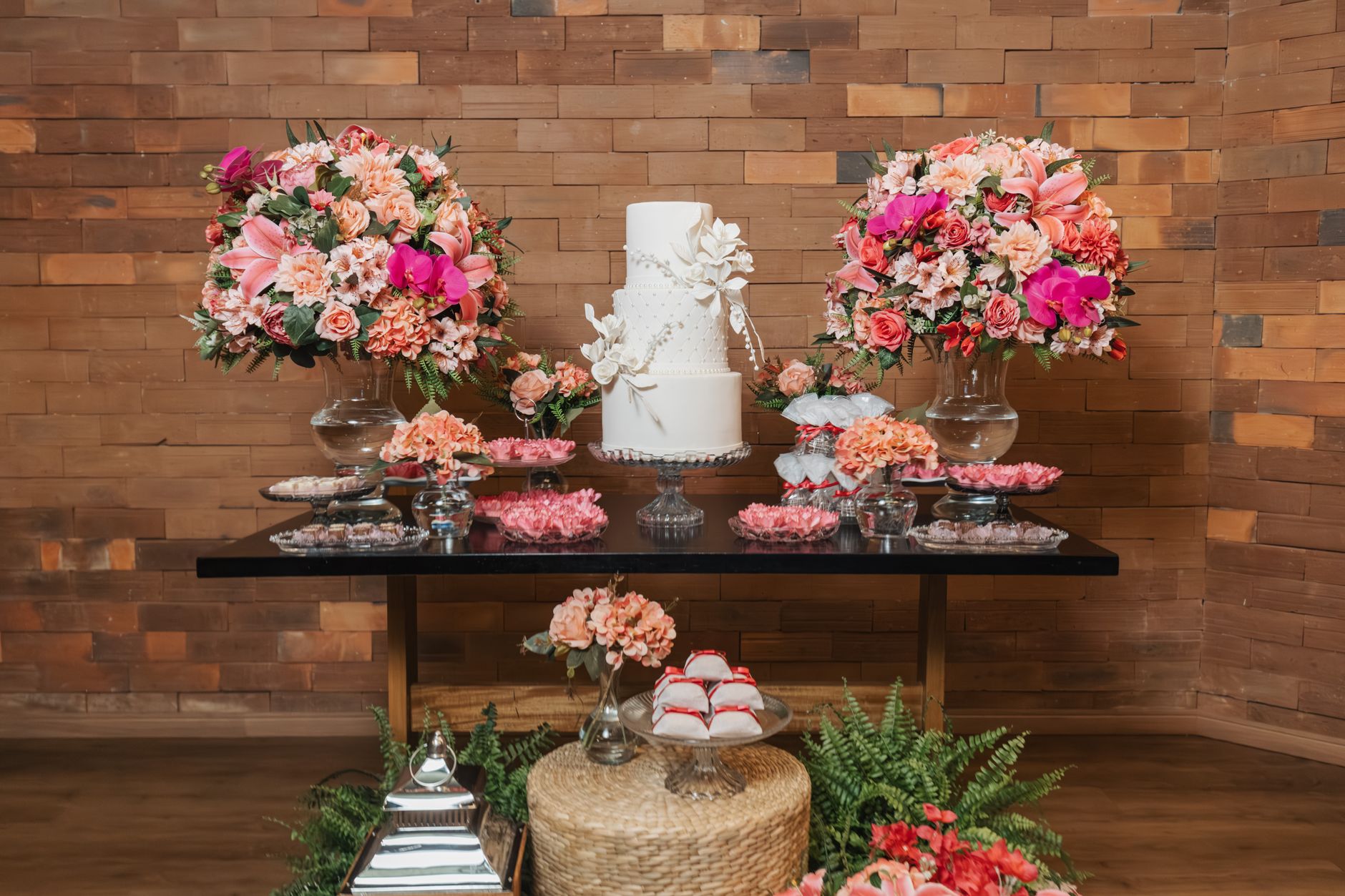 Church Motif Cakes
 Family Astrology Consultation
 Folk Devotional Group
 Groomsmen Boutonnieres
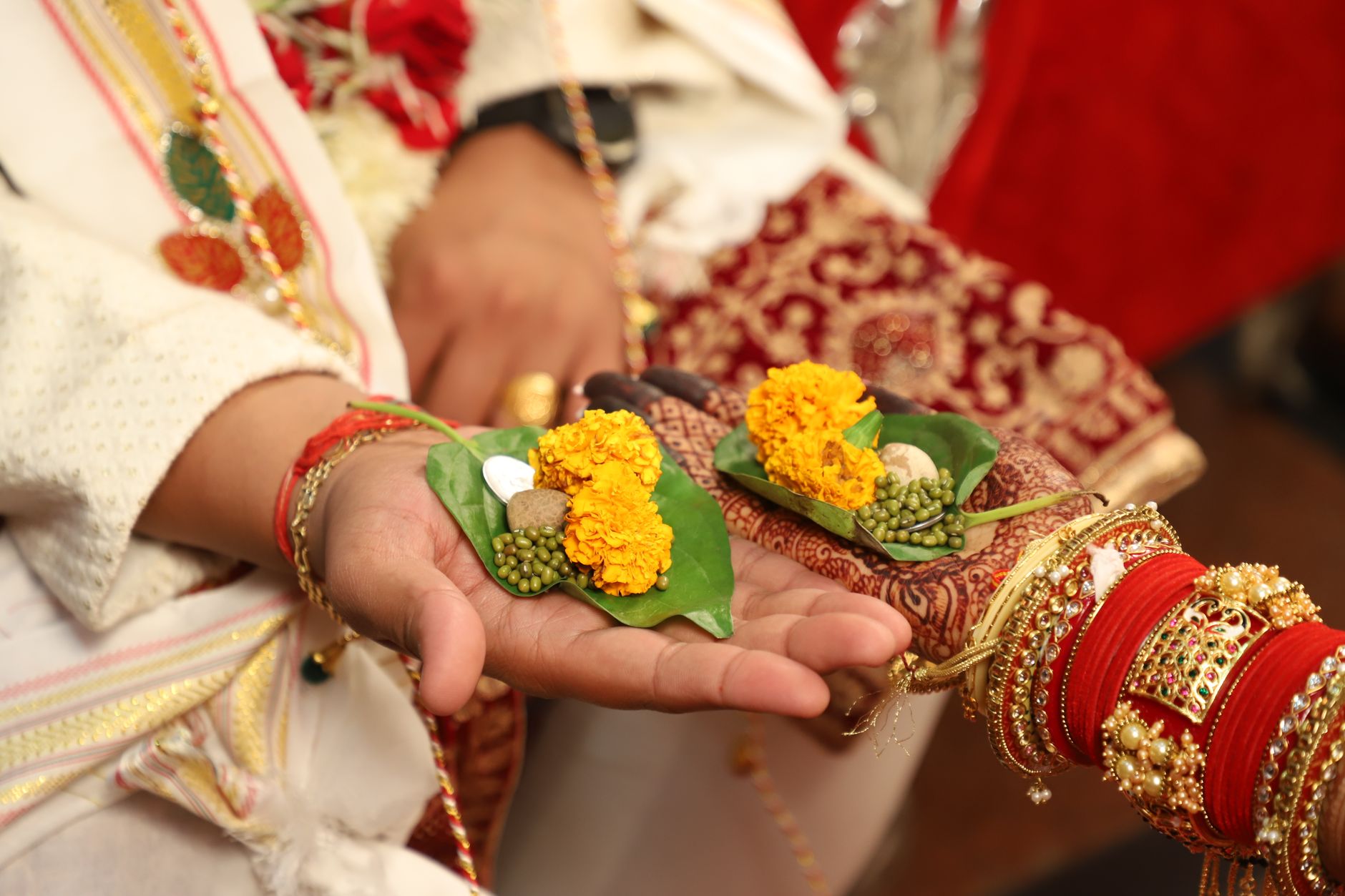 Gujarati Coconut Ritual Items
 Havan Pandit Service
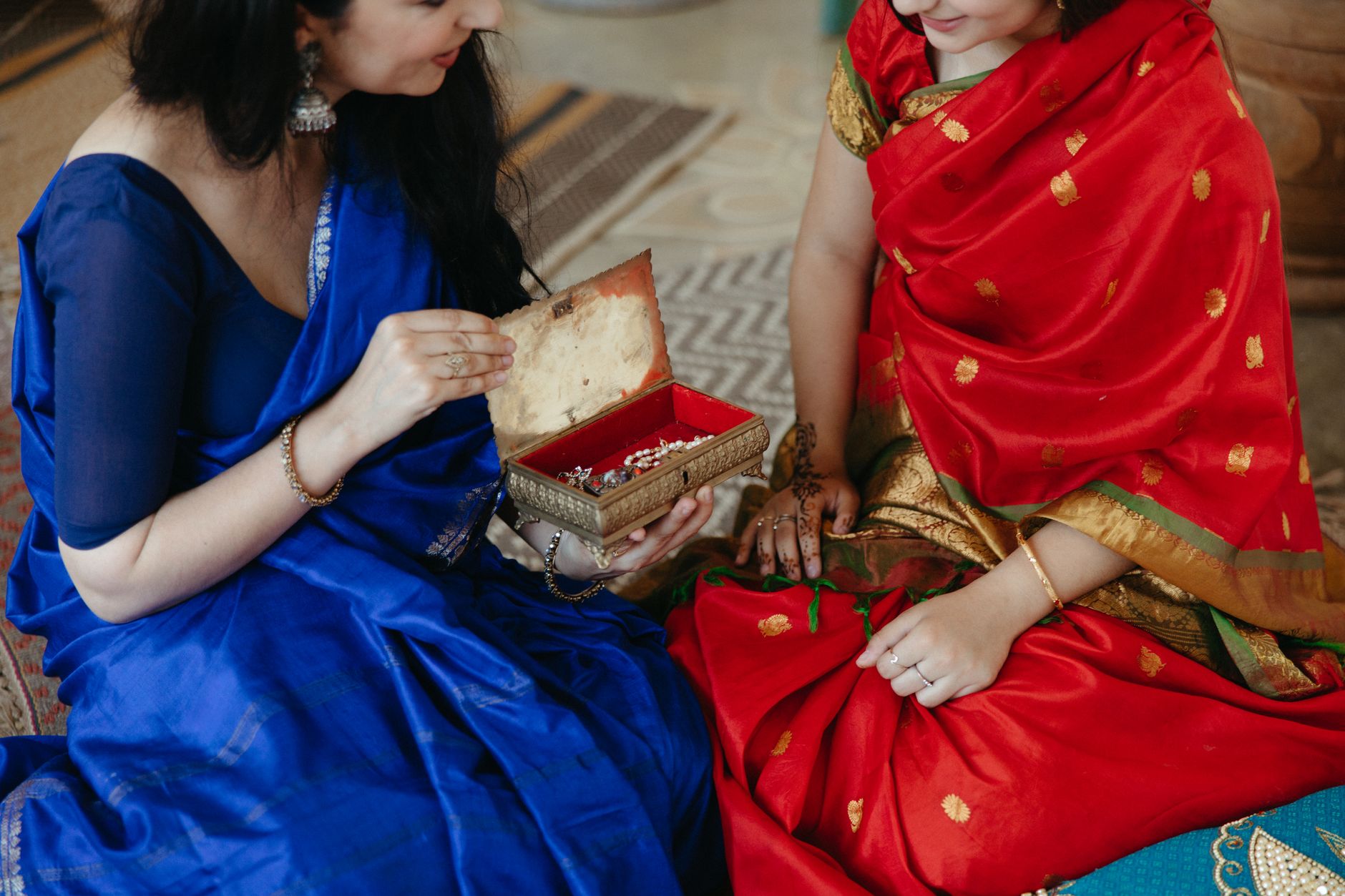 Jain Ceremony Favour Boxes
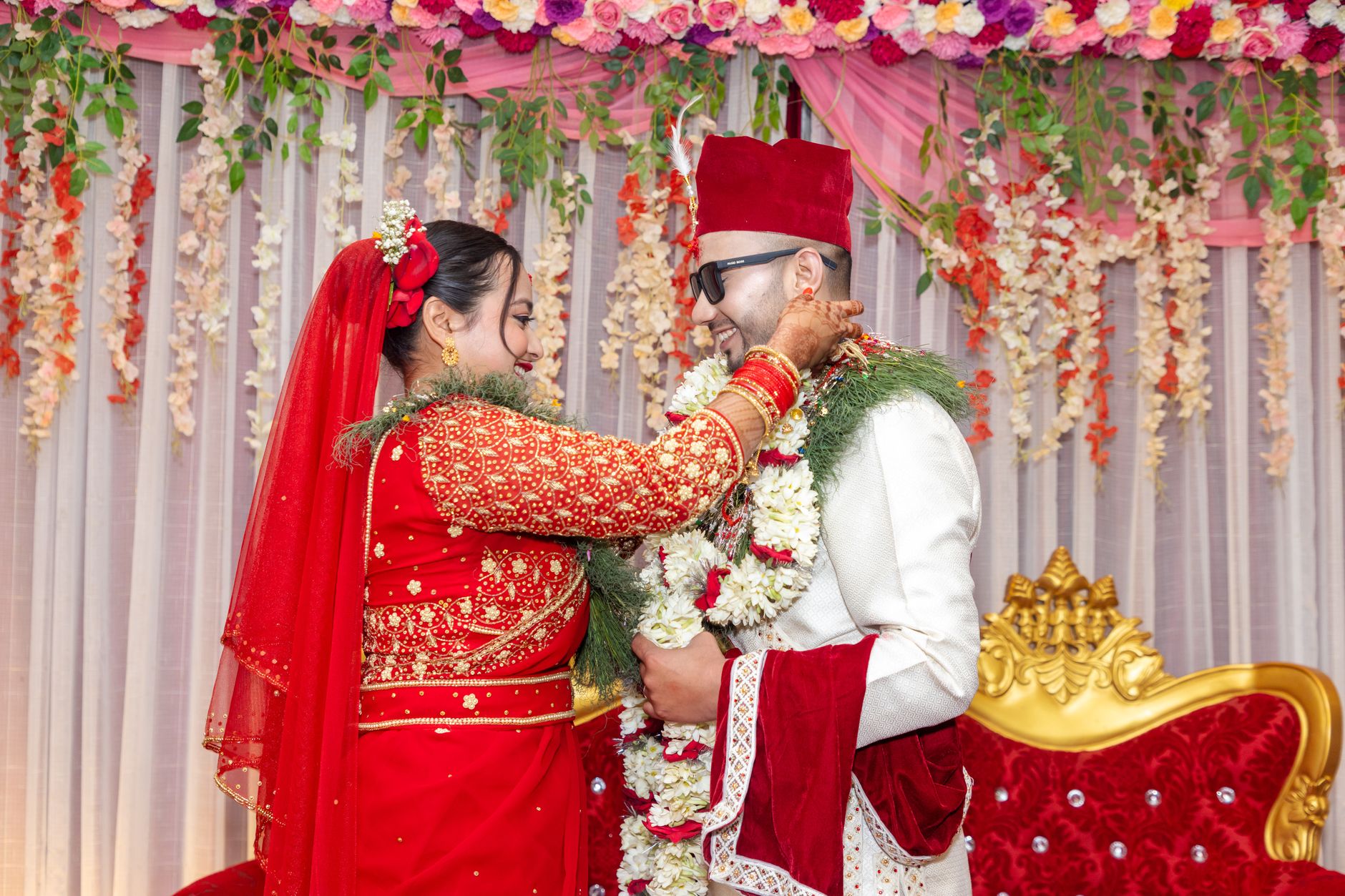 Jain Marrage Garlands
 Kannada Christian Choir
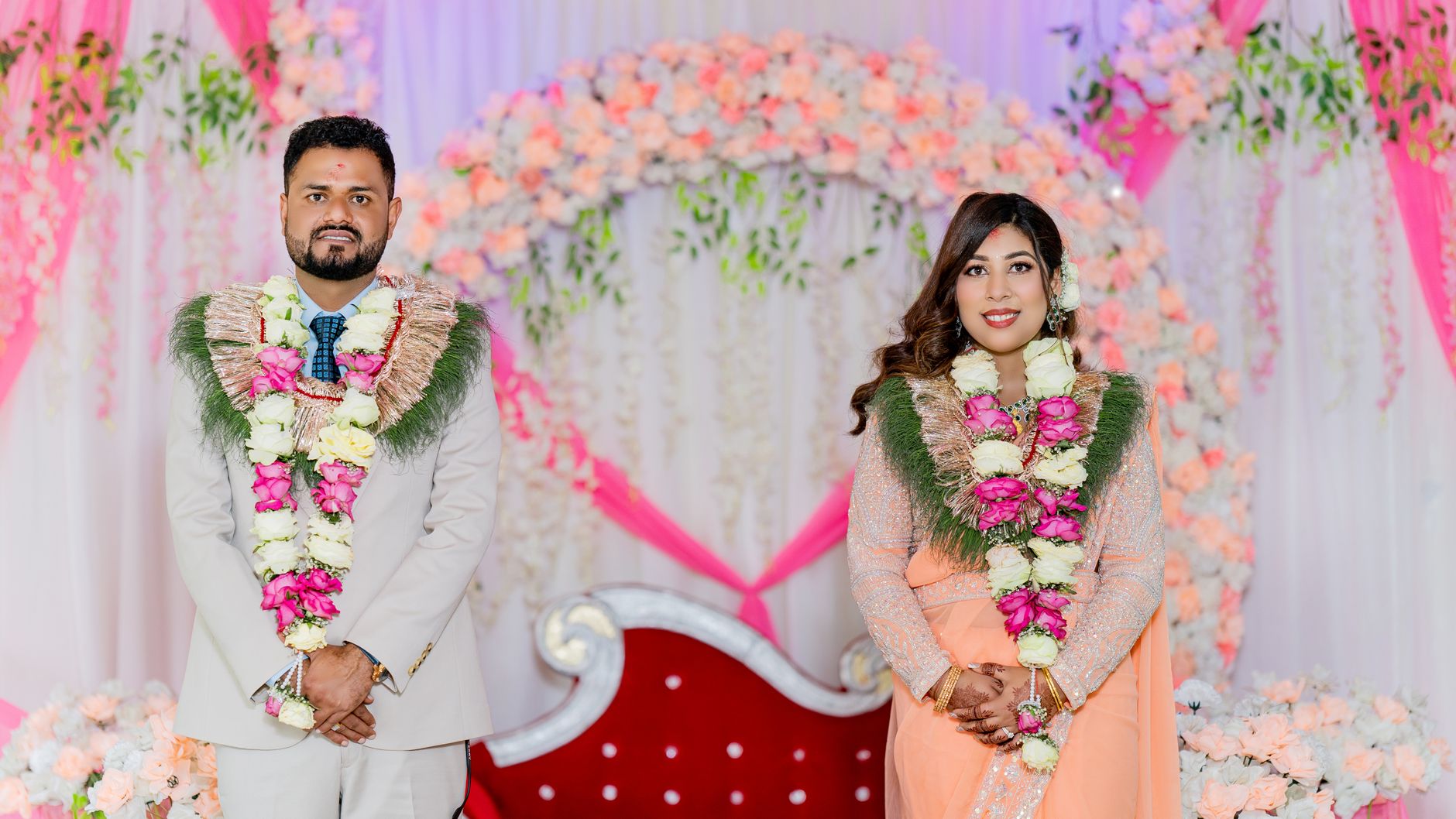 Kannada Garland Ceremony Supplies
 Kerala Traditional Return Gifts
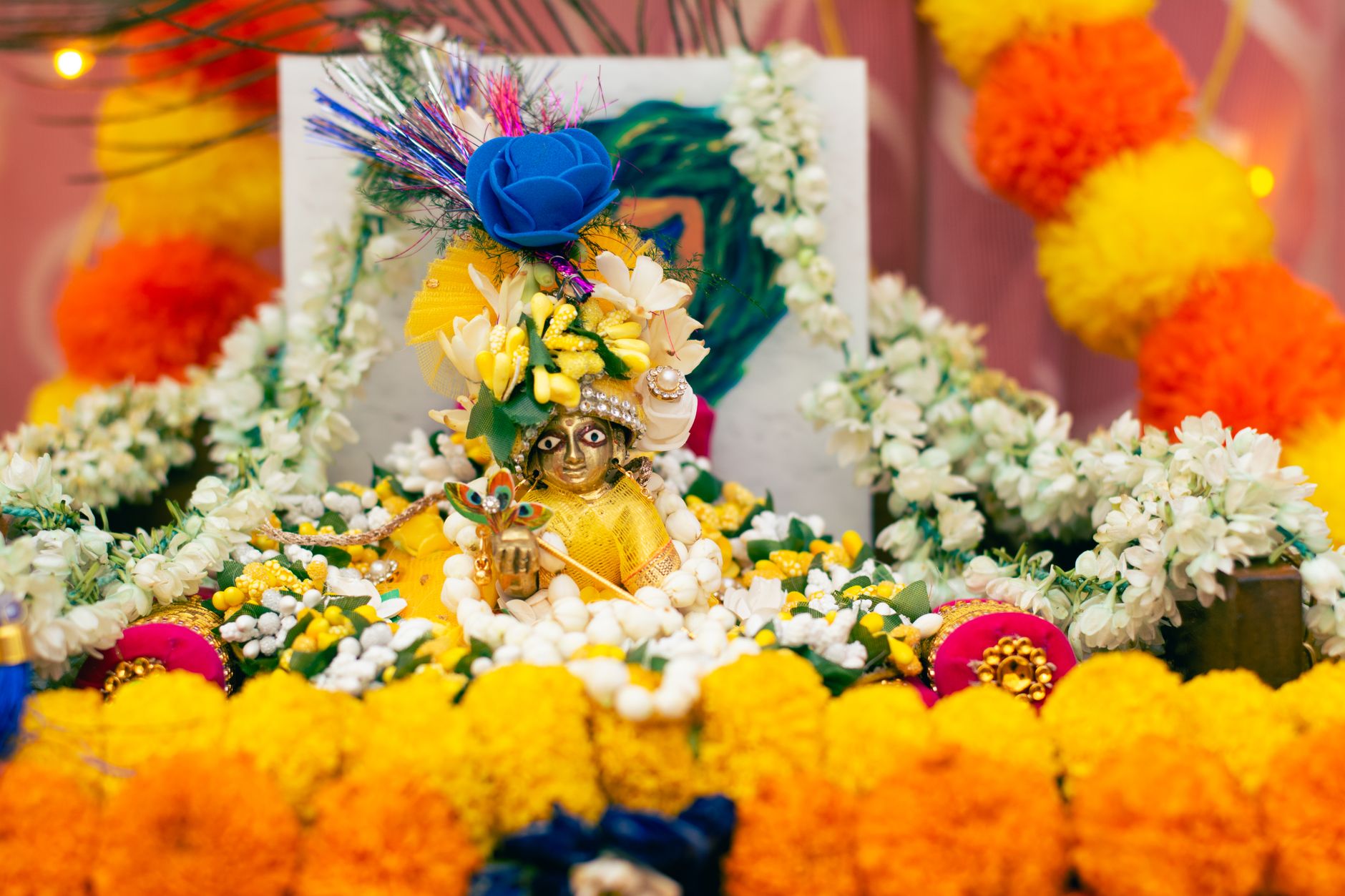 Luxury Petal Baskets
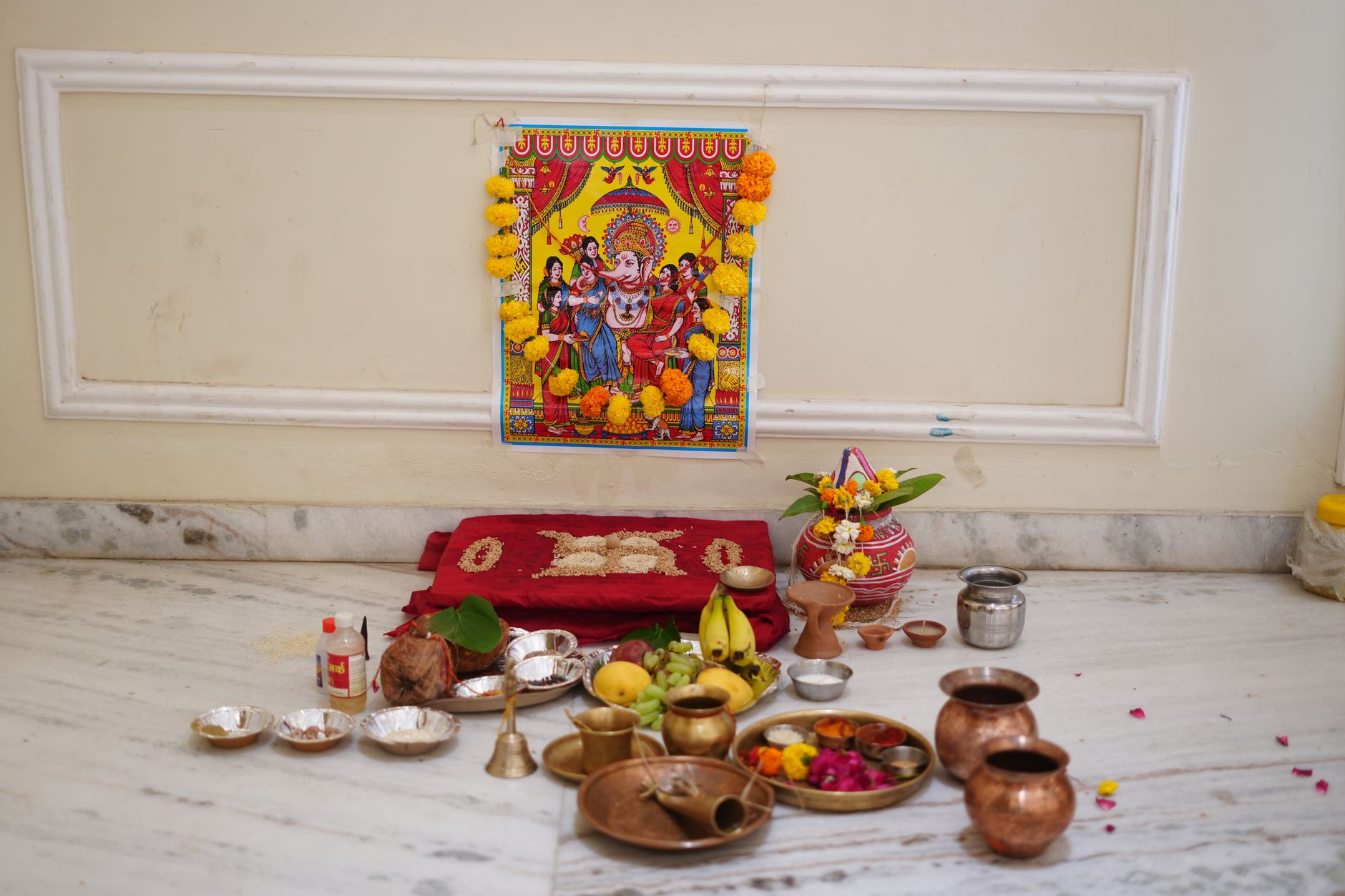 Marwari Silver Pooja Articles
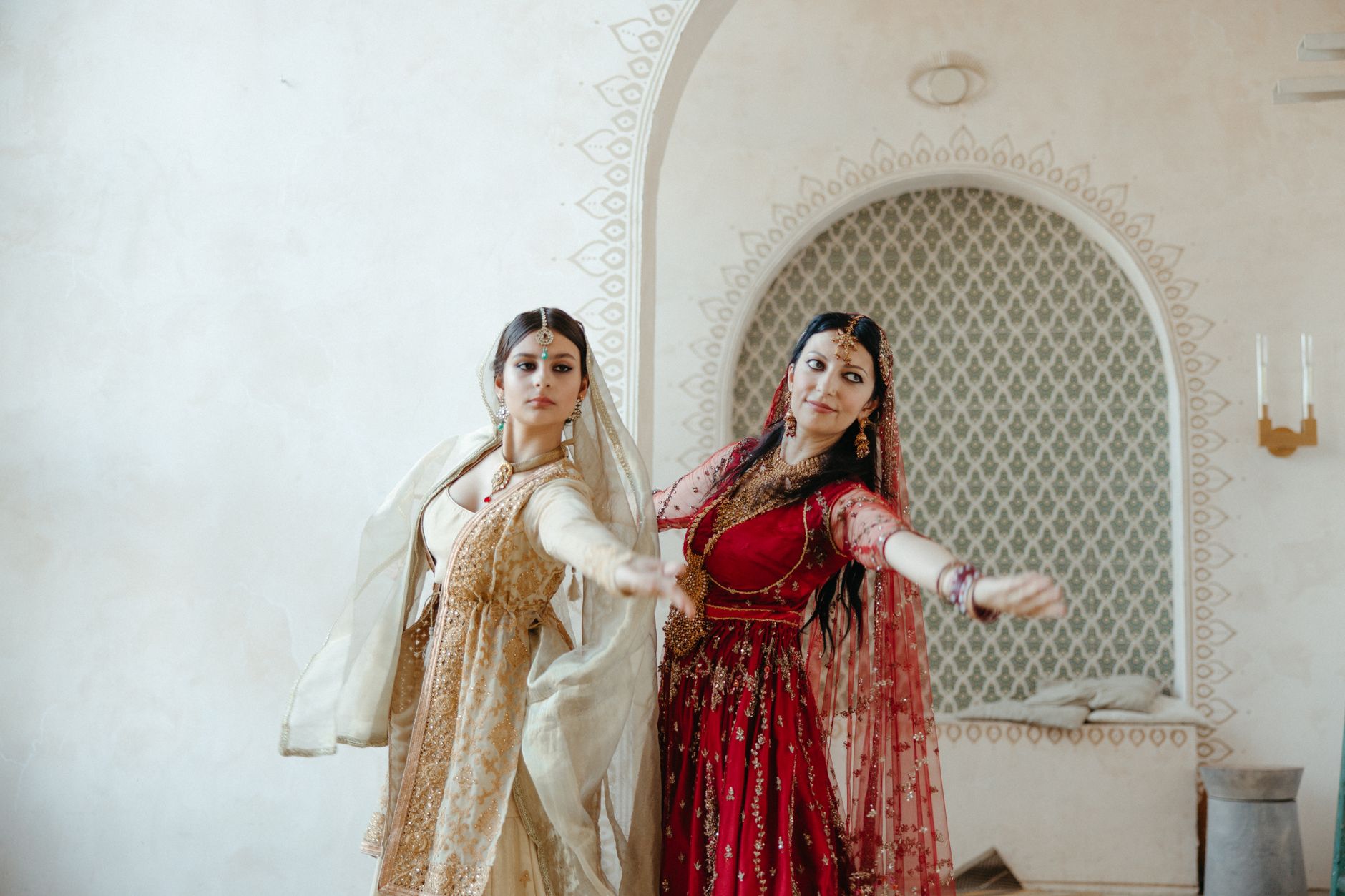 Password Protected Ceremony Streaming
 Personalized Car Decoration
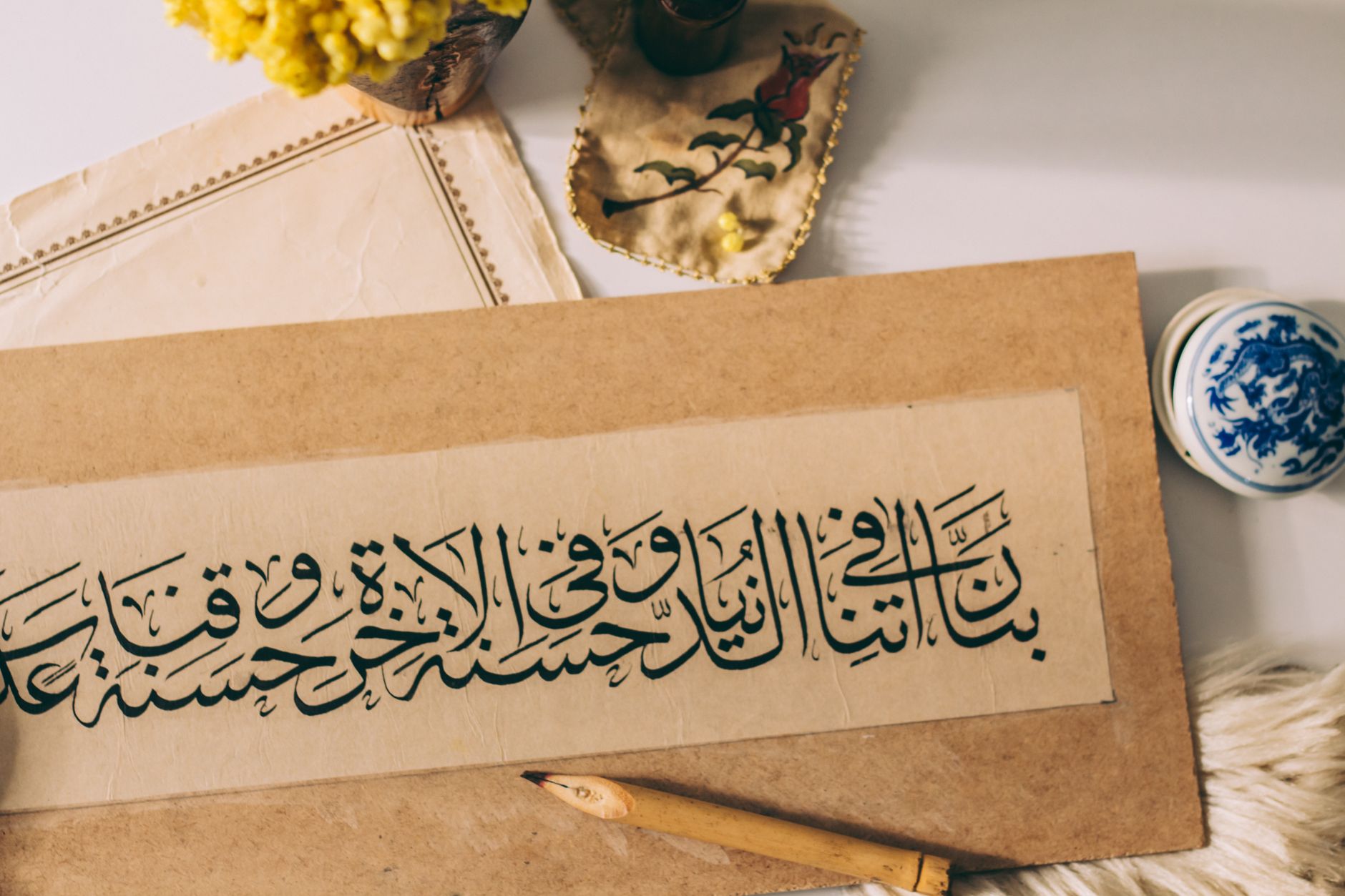 Personalized Nikah Pens
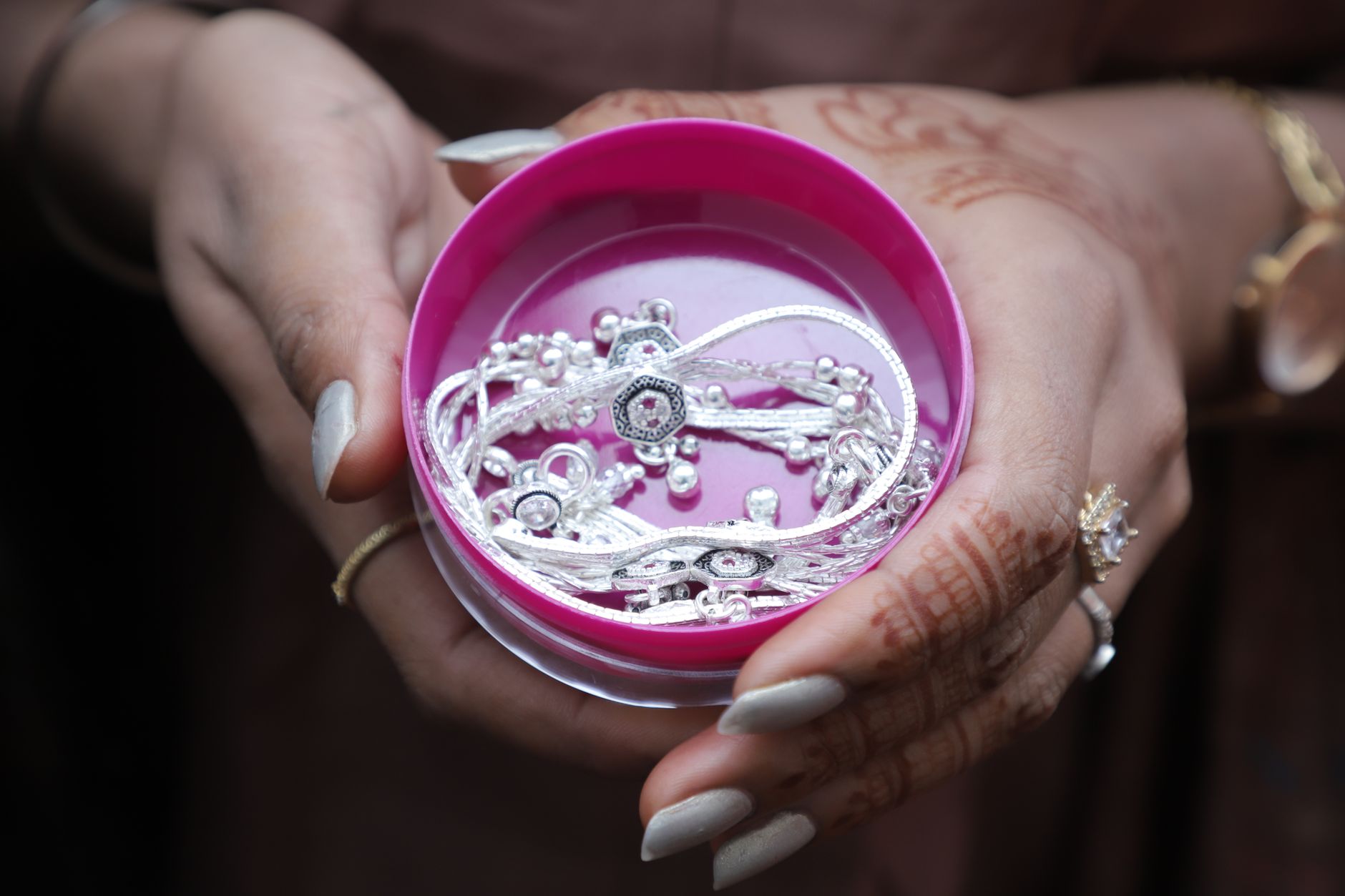 Silver Plated Guest Favours
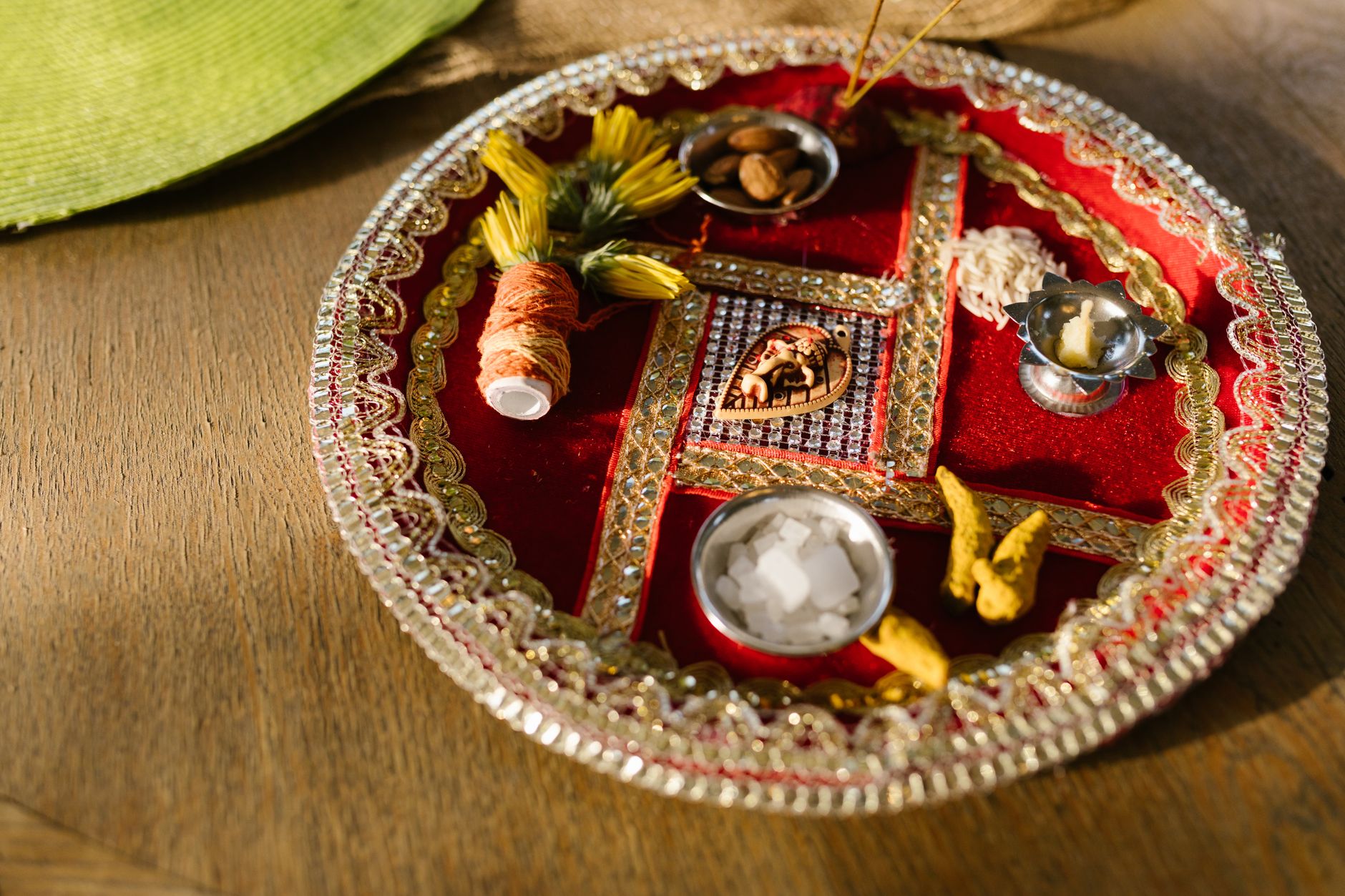 Sweet Return Gifts
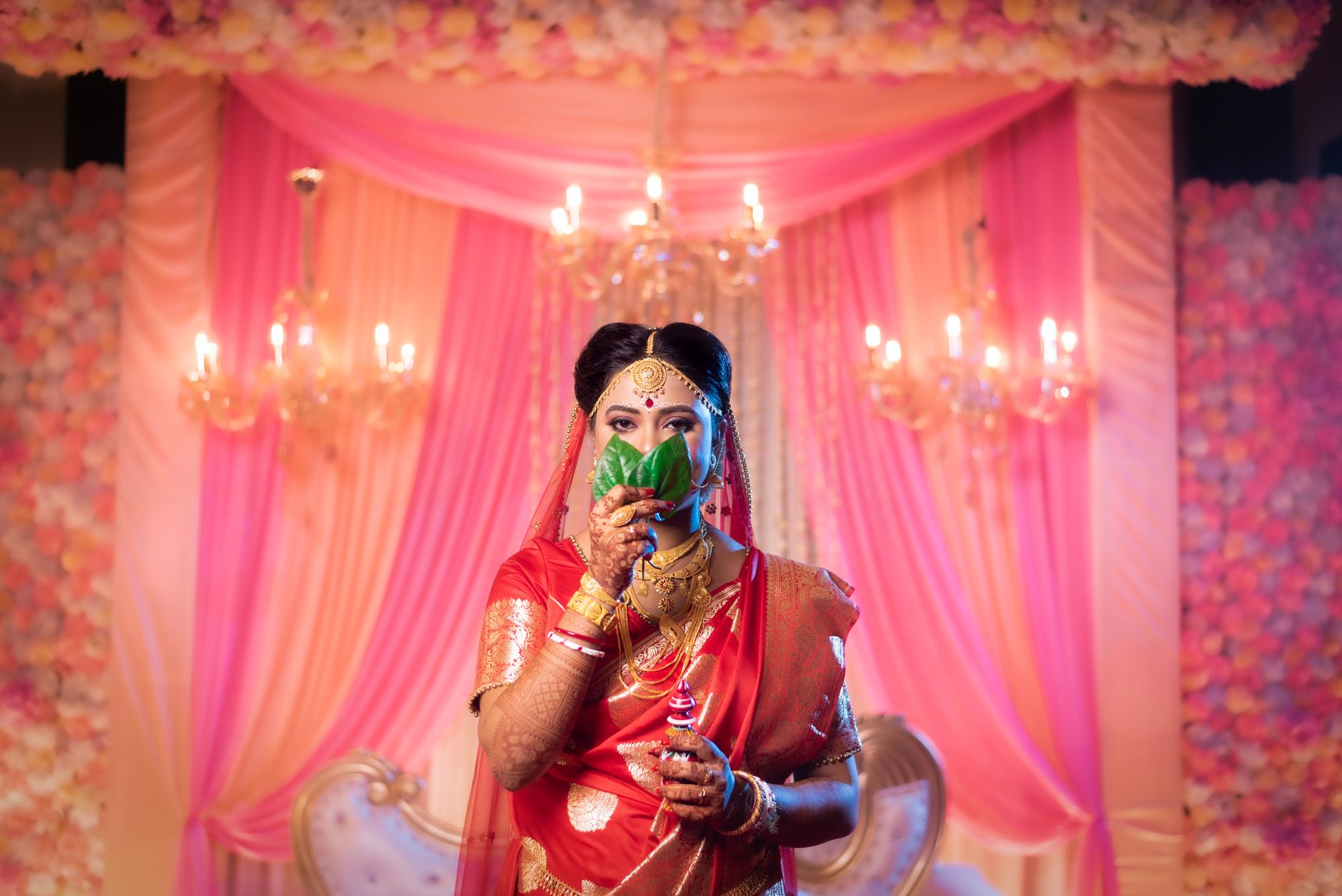 Tamil Marriage Pooja Kit
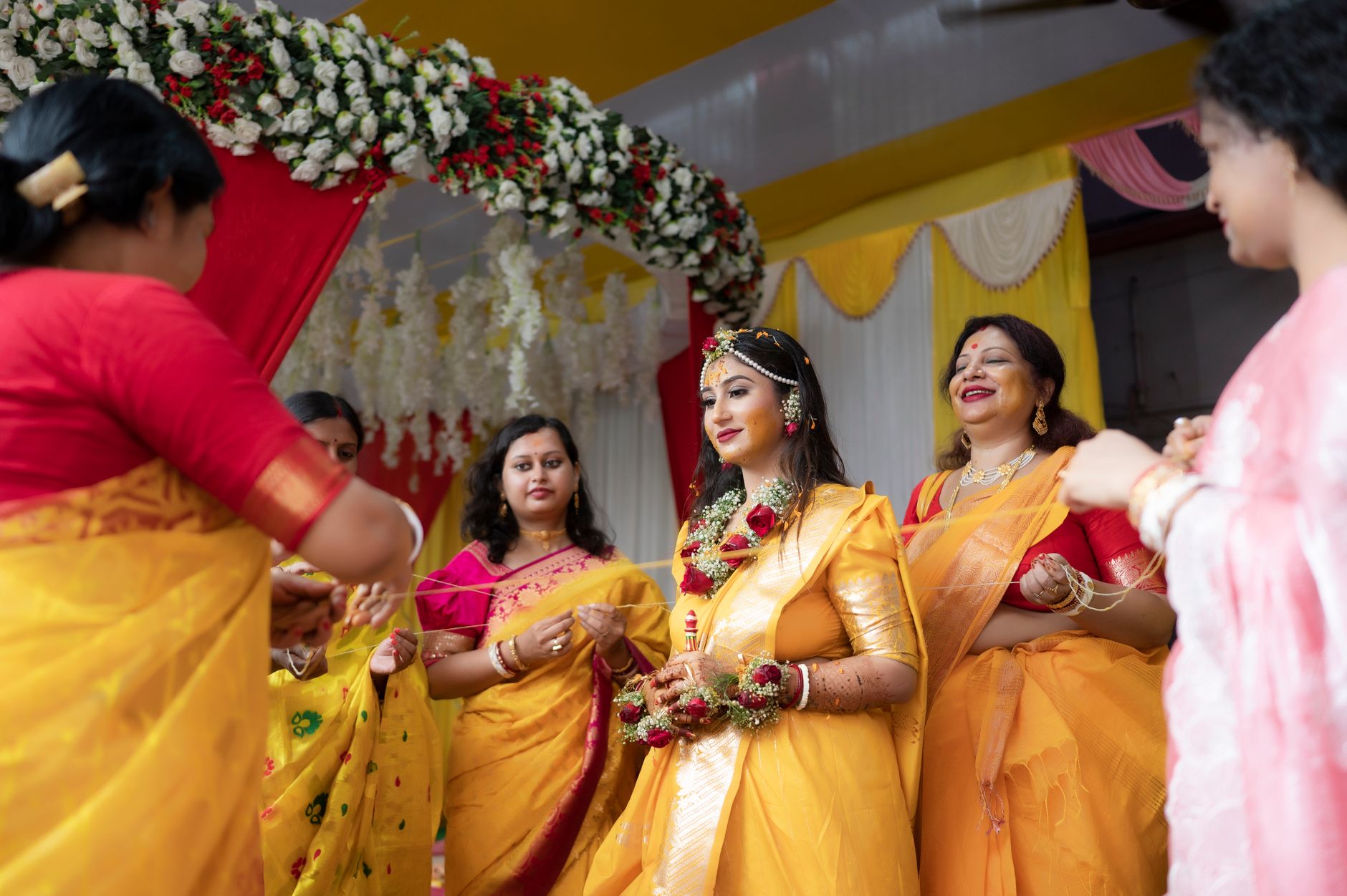 Telugu Wedding Garland Supplies
 Traditional Ring Platter
- 400+Curated Events
- 6Event Universes
- 1000+Verified Vendors
- 70+Locations
- 24/7Customer Support


Not sure which packages fits your celebration?
Let Hiya & Hanu help you find the perfect match!
Explore Celebration Packages- AI-Powered MatchingSmart suggestions for you
- Budget OptimizerGet the best experiences in your budget
- End-to-End SupportWe are with you at every step
Serving Celebrations across 75+ locations in India
Trusted Auspicious Ceremony Services for Meaningful and Well Coordinated Celebrations
◆Reliable Support for Important Family Ceremonies
Auspicious ceremonies often represent important moments in family life. They may be connected with a new beginning, a traditional milestone, a religious observance or a gathering that brings several generations together. Because these occasions carry cultural and personal importance, families naturally want the arrangements to be handled carefully.
Trusted auspicious ceremony services provide professional support for organising the practical elements of such occasions. From understanding traditional requirements and arranging the venue to coordinating ritual materials, flowers, decoration and spiritual professionals, reliable planning can make the entire experience more manageable.
Trust is particularly valuable when several details need to come together at the right time. A dependable service provider can help families prepare in advance, communicate clearly and keep the ceremony organised while allowing relatives to concentrate on participating in the occasion.
What Makes Ceremony Planning Reliable
Reliability begins with clear communication. Before arrangements are confirmed, families should be able to explain the purpose of the ceremony, preferred date, expected guest numbers and important traditions.
A dependable provider should understand these requirements before suggesting arrangements. This helps prevent misunderstandings and ensures that the services selected are appropriate for the occasion.
Reliable auspicious ceremony planning also involves preparation. Important materials, venue requirements and professional services should be confirmed early rather than left until the final day. A structured process gives families greater confidence that the essential arrangements have been considered.
Respecting Traditional Customs
Traditional customs form the foundation of many auspicious occasions. Families may follow specific rituals, timings, offerings and practices that have been passed down through generations.
The planning process should respect these customs rather than treating them as secondary details. Families can communicate their traditional expectations at the beginning so that the relevant requirements are incorporated into the event plan.
Traditional auspicious rituals can vary between families and communities. For this reason, appropriate spiritual guidance should be sought where the ceremony has specific customary requirements.
Selecting the Right Venue
The venue has an important role in determining how smoothly the ceremony can take place. A suitable location should provide enough space for the main ritual, participants, guests and supporting arrangements.
For smaller family gatherings, a well-prepared home may provide a comfortable setting. Larger occasions may benefit from a community hall or another suitable ceremonial venue.
Sacred venue preparation should consider cleanliness, accessibility, seating, lighting and the positioning of the main ritual area. Good planning ensures that the venue supports the ceremony without creating unnecessary movement or disruption.
Preparing the Sacred Space
The central ceremonial area deserves careful attention because it becomes the focus of the occasion. It should be arranged neatly so that participants and spiritual professionals can perform their responsibilities comfortably.
The layout can include appropriate seating, ritual items, traditional decorative features and suitable lighting. The space should also remain accessible to family members who need to participate.
Professional coordination can help ensure that the sacred area is prepared before guests arrive. This reduces last-minute work and allows the family to welcome relatives without worrying about unfinished arrangements.
Organising Ritual Materials
Ritual materials should be prepared according to the specific ceremony. Depending on the tradition, families may require flowers, fruits, lamps, vessels, offerings, leaves, grains and other ceremonial items.
A detailed checklist is useful for avoiding omissions. Each requirement can be confirmed ahead of time, with additional attention given to items that may be difficult to source at short notice.
Ritual material sourcing can also be coordinated with the ceremony schedule. Materials should arrive in sufficient time for checking and arranging before the main proceedings begin.
Coordinating Spiritual Professionals
The spiritual professional conducting the ceremony should be confirmed well in advance. Families should communicate the ceremony type, date, timing and any particular traditional requirements clearly.
Priest coordination services can make this part of the planning process easier. They may help families confirm availability and communicate the basic requirements needed for the ceremony.
Good coordination also ensures that the spiritual professional has a properly prepared ceremonial space and the necessary materials available when required.
Creating an Appropriate Decorative Setting
Decoration can enhance the atmosphere of an auspicious occasion when it is planned with sensitivity. The purpose should be to create a welcoming and respectful environment rather than allowing decoration to dominate the ceremony.
Auspicious ceremony decoration can include traditional fabrics, lamps, flowers and simple ceremonial elements. The choice of decoration can be adapted according to the venue, family preferences and nature of the occasion.
Ceremonial flower arrangements are another way to create a warm setting. Flowers can be used around the entrance, ritual area and selected spaces without making the overall design unnecessarily complicated.
Supporting Guests and Family Members
A well-organised ceremony should consider the comfort of everyone attending. Seating arrangements, access routes, ventilation and lighting can make a noticeable difference to the guest experience.
Elderly relatives may need seating close to the ceremonial area, while other participants may need convenient access when their roles begin. These details can be included in the planning process.
Family members should also know when they are expected to participate. Clear communication helps prevent confusion and allows everyone to enjoy the occasion.
Managing the Ceremony Schedule
Timing can be particularly important for traditional occasions. Families may need to organise the event around a specific auspicious period or established ceremonial sequence.
A clear schedule can cover venue preparation, material placement, arrival of the spiritual professional, guest arrival and the main ritual. Suppliers should also understand their expected setup times.
A professional coordinator can monitor these stages and communicate with the relevant people. This reduces pressure on family members and helps the ceremony proceed smoothly.
Combining Tradition With Practical Organisation
Modern event planning can support traditional celebrations without changing their cultural character. Checklists, schedules, supplier confirmations and clear communication can make traditional ceremonies easier to manage.
The important point is to use organisation as a support system. The ceremony should remain centred on its spiritual and cultural purpose while practical arrangements happen in the background.
Trusted auspicious ceremony services can help create this balance by coordinating the logistical side while respecting the family's established customs.
Planning Decoration According to the Occasion
Every ceremony has a different character, so decorative arrangements should be selected accordingly. A family may prefer a simple traditional appearance, while another may want a more refined ceremonial setting.
The provider should understand these preferences before finalising the design. Colour choices, flowers, backdrops and traditional elements can then be selected to complement the venue.
Thoughtful decoration can create a memorable atmosphere without requiring unnecessary additions. The best arrangements are those that support the purpose of the occasion and fit naturally into the ceremonial space.
Maintaining Transparency About Costs
Trust also depends on clear financial communication. Families should understand the services included in a package and identify any additional requirements before confirming arrangements.
Costs may relate to venue preparation, ritual materials, professional coordination, decoration, flowers and other supporting services. Separating essential and optional elements can make budgeting easier.
Transparent pricing allows families to make informed choices and reduces the possibility of unexpected expenses during the final stages of preparation.
Personalising the Ceremony
A trusted provider should be willing to understand the family's preferences rather than treating every ceremony as identical. Personal details can make the occasion feel more connected to the people celebrating it.
Families may have preferred flowers, traditional decorative elements or specific ways of arranging the ceremonial space. These preferences can be discussed during the planning stage.
Personalisation should complement the traditional purpose of the ceremony. Small meaningful details can often make a greater difference than adding numerous elaborate features.
Choosing a Dependable Service Provider
When comparing ceremony providers, families should look beyond promotional claims. Experience, communication, service coverage and reliability are important considerations.
A provider should be able to explain the planning process clearly and answer questions about venue arrangements, ritual materials, spiritual coordination and decoration.
Previous client feedback can also help families understand how a provider handles communication and event-day responsibilities. Clear service information makes it easier to select a suitable professional.
Why Professional Coordination Matters
Traditional ceremonies can involve numerous small tasks. Families may need to coordinate a venue, spiritual professional, flower supplier, decorator and material providers while also preparing themselves for the occasion.
Professional event coordination brings these responsibilities together. It can help track schedules, confirm suppliers and ensure that the required arrangements are ready on time.
This support is particularly valuable when family members are already responsible for welcoming guests and participating in the ceremony. Having a dedicated coordinator can reduce the logistical burden.
Planning for Different Types of Occasions
Auspicious ceremonies can range from intimate family gatherings to larger traditional celebrations. The scale of the event should determine the level of planning and support required.
A smaller ceremony may need a carefully prepared home setting, essential ritual materials and basic guest arrangements. A larger occasion may require additional venue coordination, decoration, seating and supplier management.
A flexible service can adapt to these differences rather than forcing families to select arrangements that do not match their actual needs.
Preparing in Advance
Early preparation is one of the simplest ways to improve reliability. Families can begin by confirming the ceremony date and traditional requirements before moving on to the venue and supporting services.
The next stage can include confirming spiritual professionals, sourcing materials, planning decoration and preparing the guest arrangements.
A final checklist shortly before the occasion can help identify any outstanding requirements. This allows corrections to be made before the ceremony rather than during the event itself.
Creating a Calm Ceremony Experience
The atmosphere of an auspicious ceremony should allow families to focus on its meaning. Excessive last-minute coordination can make an otherwise important occasion unnecessarily stressful.
Good planning creates a calmer experience by ensuring that responsibilities are clearly assigned and essential arrangements are completed beforehand.
Trusted auspicious ceremony services can provide this additional layer of confidence. Families can participate more fully when they know that the practical aspects are being monitored.
The Importance of Respectful Service
Professionalism is not only about completing tasks. It also involves understanding that a traditional ceremony may have deep personal significance for the family.
Service providers should communicate respectfully, listen to preferences and handle ceremonial arrangements with care. They should also recognise that different families may have different customs.
A respectful approach helps build confidence and contributes to a positive experience from the first planning conversation through to the completion of the event.
Planning With Happiffie
Happiffie can help families organise relevant services for traditional and auspicious occasions through a coordinated event planning approach. Depending on the requirements, families can consider venue arrangements, decoration, floral services, spiritual coordination and other supporting needs.
The planning process can begin with the ceremony's purpose and traditional requirements. Practical arrangements can then be developed around the guest list, venue, schedule and family preferences.
By bringing relevant services together, families can approach the occasion with greater clarity and confidence.
Making Tradition Easier to Celebrate
A meaningful auspicious ceremony deserves careful preparation. When traditional requirements, venue arrangements, ritual materials, spiritual coordination and guest needs are managed properly, the family can focus on the significance of the occasion.
Reliability comes from preparation, transparent communication and attention to detail. These qualities help ensure that important arrangements are ready when needed and that the event feels calm and organised.
For families who value dependable support while preserving their traditional customs, trusted auspicious ceremony services can provide a practical foundation for a respectful and memorable celebration.
Frequently Asked Questions
1. What are trusted auspicious ceremony services?
Trusted auspicious ceremony services provide professional support for planning and coordinating traditional ceremonies, including venue preparation, ritual materials, spiritual coordination and decoration.
2. Why is reliability important when organising an auspicious ceremony?
Reliability helps ensure that important rituals, materials, venue arrangements and professional services are prepared correctly and available when required.
3. What should be confirmed before booking a ceremony service?
Families should confirm the ceremony type, date, venue, service inclusions, ritual requirements, spiritual professional arrangements, decoration and pricing.
4. Can traditional customs be incorporated into professional ceremony planning?
Yes. Families can communicate their customary practices during the planning stage so that the supporting arrangements are organised around their traditions.
5. Can a trusted provider arrange ritual materials?
Depending on the service, providers may coordinate ritual material sourcing. Families should confirm the specific materials included before booking.
6. How can priest coordination be managed?
Priest coordination services can help confirm availability and communicate the ceremony date, timing and relevant requirements with the spiritual professional.
7. Can ceremony decoration be personalised?
Yes. Floral arrangements, traditional decorative elements, colours and the ceremonial setting can be adapted according to the family's preferences and venue.
8. Are these services suitable for small family ceremonies?
Yes. Ceremony planning can be adapted for intimate gatherings as well as larger occasions, depending on the venue, guest numbers and required services.
9. How early should an auspicious ceremony be planned?
Early planning is recommended, particularly when a specific auspicious date, venue or spiritual professional is required. It also provides more time to organise materials and decoration.
10. How can Happiffie support auspicious ceremony planning?
Happiffie can help families coordinate relevant event requirements such as venue support, decoration, flowers, spiritual coordination and other professional ceremony services.