
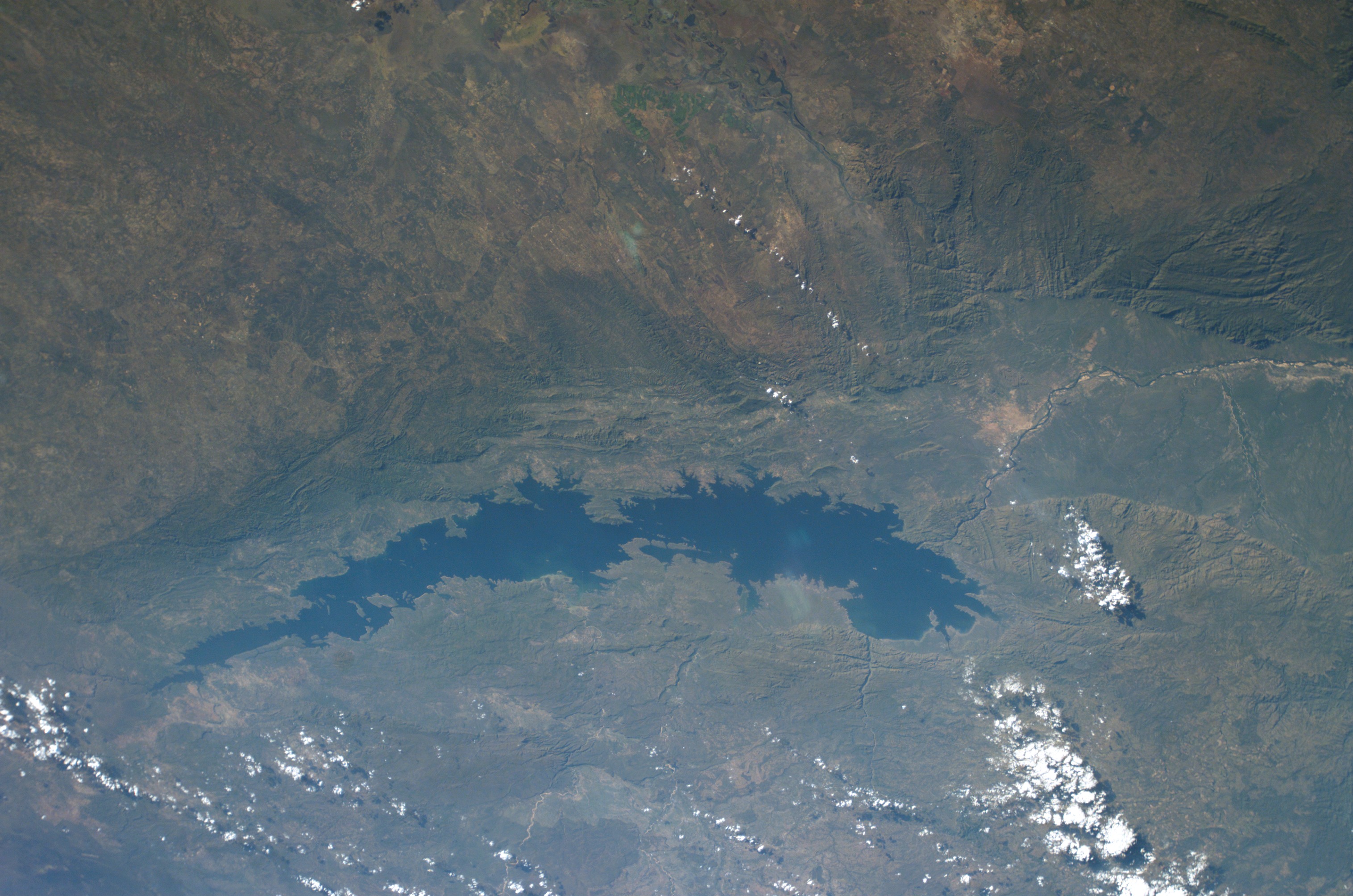
Why Lake Kariba is Perfect for Your Celebration
- One of the world's largest man-made lakes provides a dramatic, open-water backdrop found nowhere else in the world
- Resident elephant, buffalo, hippo, and birdlife create a living wildlife experience woven into every event
- Houseboat celebrations offer a completely unique floating venue option on the lake itself
- Dry season (May–October) delivers reliably clear skies, cool evenings, and superb sunset light over the water
- Extreme seclusion and privacy — ideal for intimate groups who want an exclusive, undisturbed celebration
- Accessible from both Zimbabwe (Kariba town) and Zambia (Siavonga), giving guests two international gateway options

Compare Lake Kariba with Other Top Destinations
Frequently Asked Questions
Is Lake Kariba a good destination for a small destination wedding?
Yes, particularly for intimate ceremonies of 20–80 guests. Lake Kariba's safari lodges and lakeside camps offer extraordinary natural scenery, genuine seclusion, and personalised hospitality that suits small, meaningful celebrations far better than large-scale productions. The wilderness setting — open water, resident wildlife, and dramatic African skies — creates an atmosphere that is genuinely difficult to replicate anywhere else.
What is the best time of year to hold an event at Lake Kariba?
The dry season, May through October, is the only reliably suitable window. Rainfall is negligible, evenings are comfortable for outdoor events, and wildlife is highly visible around the lake. June, July, and August are the most temperate months. September is dry but very hot. The wet season (November–April) brings heavy rain, flooding risk, and extreme heat that make outdoor events impractical.
How do guests typically get to Lake Kariba?
Most guests fly into Harare (Zimbabwe) and connect to Kariba Airport, which receives scheduled domestic flights. Alternatively, guests can fly into Lusaka (Zambia) and travel overland to Siavonga on the lake's northern shore. There is no railway access to the destination. Some remote lodge properties are only reachable by boat or light aircraft from Kariba town, so transfer logistics require careful coordination.
What is the maximum realistic guest count for an event at Lake Kariba?
Practically, events of up to 80–100 guests are the most manageable, given the accommodation and venue capacity of individual lodge and camp properties. Groups larger than this would need to book across multiple separate properties, which adds significant logistical complexity. Lake Kariba is genuinely best suited to intimate gatherings rather than large-scale weddings or conferences.
What kinds of venues are available for events at Lake Kariba?
The venue landscape is defined by safari lodges, tented camps, lakeside resorts, and houseboat charters — not conventional banquet halls. Outdoor decks, bush dining clearings, and floating houseboat platforms are the characteristic event spaces. Indoor backup options exist at the larger resort properties in Kariba town but are modest in scale. Houseboat celebrations are a particularly distinctive and unique format available here.
Can a houseboat be used as an event venue on Lake Kariba?
Yes. Lake Kariba has a well-established houseboat charter industry, and larger houseboats can accommodate small groups for multi-day floating celebrations, complete with sleeping cabins, a sundeck, and on-board catering. A sunset ceremony or dinner on the water, anchored in a quiet bay, is one of the most distinctive event formats available at this destination and is genuinely rare globally.
What is internet and mobile connectivity like at Lake Kariba for event guests?
Connectivity is limited. Kariba town has reasonable mobile coverage, but most remote lodges and island camps rely on satellite internet that is functional but slow. Guests and planners should set expectations accordingly — real-time streaming, large file transfers, and reliable video calls are generally not feasible at remote properties. This is widely considered part of the destination's appeal rather than a drawback.
Are there local wedding or event vendors based at Lake Kariba?
The local external vendor ecosystem is limited. Specialist suppliers — florists, large-scale AV, dedicated wedding planners — are not based in Kariba in significant numbers. Most event planners either work closely with the lodge's in-house team or source specialist vendors from Harare or Lusaka and transport them to the destination. Events that lean into the lodge's natural strengths tend to work best here.
Is Lake Kariba safe for event guests, including those unfamiliar with African wildlife?
Generally safe when managed properly. The established lodges and camps have experienced guides and clear safety protocols for guests in a wildlife environment — hippos, elephants, and crocodiles are present near the water and require genuine awareness. All events should be planned in close coordination with lodge management, who are well-practised at ensuring guest safety without diminishing the wildlife experience.
Is Lake Kariba suitable for a corporate retreat or leadership offsite?
Yes, it is a strong choice for senior leadership retreats and strategy offsites. The combination of genuine remoteness (no urban distractions), shared adventure through wildlife and water activities, and the focused intimacy of a private lodge creates conditions for deep engagement. Basic conferencing facilities exist at the larger resort properties; remote lodges offer a more informal but highly immersive setting.

Ready to explore venues in Lake Kariba?
Lake Kariba: Destination Wedding & Wilderness Event Venues
◆Lake Kariba is best suited to small, intimate celebrations — particularly weddings, elopements, milestone birthdays, and exclusive corporate retreats — where the primary draw is raw African wilderness, dramatic open-water scenery, and genuine seclusion. The destination's primary vibe is Nature & Wilderness: guests are surrounded by resident wildlife, vast lake horizons, and big African skies rather than urban infrastructure or heritage architecture. The dry season (May through October) is the only reliably comfortable and logistically practical window for events. Accessibility is limited — guests typically fly into Kariba Airport on the Zimbabwe side or travel overland from Harare or Lusaka — making this destination best suited to smaller, committed guest groups rather than large gatherings.
Lake Kariba at a Glance
| Category | Detail |
|---|---|
| Best For | Intimate Weddings, Elopements, Milestone Birthdays, Corporate Retreats |
| Primary Vibe | Nature & Wilderness |
| Other Vibes | Romantic, Adventurous, Exclusive |
| Best Season | Dry Season (May, Jun, Jul, Aug, Sep, Oct) |
Why Choose Lake Kariba?
- Unmatched natural spectacle: As one of the world's largest man-made lakes by volume, Kariba offers a scale of open water and sky that is genuinely rare — sunsets over the lake, with dead trees silhouetted against orange light, are among the most photographed scenes in southern Africa.
- Living wildlife backdrop: Elephant, buffalo, hippo, crocodile, and an extraordinary diversity of waterbirds are resident around the lake year-round, meaning wildlife encounters are woven naturally into any event experience rather than being a separate excursion.
- Houseboat venue option: Lake Kariba has a well-established houseboat charter culture, and a celebration held on the water itself — anchored in a quiet bay or drifting at sunset — is a genuinely unique format unavailable at most destinations in the world.
- Extreme privacy and exclusivity: The remoteness that makes Kariba logistically demanding also means that a group booking a lodge or camp effectively has the entire property — and often the surrounding wilderness — to themselves, with no passing tourists or shared public spaces.
- Dual-country access: The lake straddles Zimbabwe and Zambia, giving event planners the option of accessing the destination from Harare (Zimbabwe) or Lusaka (Zambia), and allowing guests from different countries to choose the more convenient gateway.
- Dry-season reliability: From May through October, rainfall is negligible, humidity drops significantly, and temperatures — while warm by day — become genuinely comfortable in the evenings, making outdoor ceremonies and dinners under the stars consistently achievable.
Which Celebrations Work Best in Lake Kariba?
- Intimate Destination Weddings: Kariba is particularly well-suited to couples who want a small, deeply personal ceremony in a setting that feels genuinely extraordinary. The lodge and camp properties around the lake typically accommodate between 20 and 80 guests, which naturally shapes the scale of weddings that work here — and that scale suits the destination's character perfectly.
- Elopements & Micro-Weddings: For couples wanting just a handful of witnesses, a private camp on Fothergill Island or a remote bay on the lake offers a level of seclusion and romance that is difficult to replicate anywhere. The wilderness setting does the heavy lifting in terms of atmosphere.
- Milestone Birthday Celebrations: A significant birthday — a 40th, 50th, or 60th — celebrated on a houseboat or at a lakeside lodge, with game drives and sundowners built into the programme, creates a multi-day experience that guests remember for years. The format suits groups of 15–50 particularly well.
- Corporate Retreats & Leadership Offsites: The combination of genuine remoteness (no city distractions), shared adventure (wildlife, water activities), and the focused intimacy of a private lodge makes Kariba a strong choice for senior leadership retreats, strategy sessions, and team-building events where the goal is deep engagement rather than conventional conference-room productivity.
- Anniversary & Honeymoon Extensions: While not a traditional event format, Kariba is frequently used as a honeymoon or anniversary destination immediately following a wedding held elsewhere — the lake's romance and seclusion make it a natural fit for couples wanting to extend a celebration into a private wilderness experience.
Venues & Event Spaces
The venue landscape around Lake Kariba is defined by safari lodges, tented camps, and lakeside resorts rather than conventional banquet halls or urban hotels. On the Zimbabwe side, properties range from established lakeside resorts in Kariba town — which offer more conventional event infrastructure including outdoor lawns, dining terraces, and basic conferencing facilities — to remote, exclusive-use safari lodges and island camps that provide an entirely immersive wilderness experience with limited but carefully curated event spaces.
Outdoor settings dominate: open-air decks overlooking the lake, bush dining clearings, and floating houseboat platforms are the characteristic event spaces here. Indoor backup options exist at the larger resort properties but are generally modest in scale. The most memorable event formats at Kariba tend to embrace the outdoors fully — sunset ceremonies on a rocky promontory above the water, candlelit dinners on a lodge deck with hippos calling in the distance, or a floating cocktail hour as the sun drops behind the Matusadona hills.
Houseboat charters represent a genuinely distinctive venue category: larger houseboats on the lake can accommodate small groups for multi-day floating celebrations, with sleeping cabins, a sundeck, and catering provided by the charter operator. This format is unique to Kariba and a few other large African lakes, and it is one of the destination's strongest differentiators for event planners seeking something truly original.
Guest accommodation capacity across the destination is relatively limited compared to major urban event destinations — most lodge and camp properties accommodate between 20 and 80 guests in total, which naturally caps the practical size of events held here. Groups larger than this typically need to book across multiple properties, which adds logistical complexity.
Best Time to Celebrate
The dry season, running from May through October, is the only genuinely recommended window for events at Lake Kariba, and for good reason. During these months, rainfall is rare to absent, the bush thins out as vegetation dries, and wildlife concentrates around the lake's water sources — making game viewing from lodge decks and during game drives particularly rewarding. Temperatures are warm to hot by day (typically in the high 20s to mid-30s Celsius) but drop to genuinely pleasant levels in the evenings, making outdoor dinners and ceremonies comfortable without the oppressive humidity of the wet season.
June, July, and August represent the peak of the dry season and are generally considered the most comfortable months: cooler nights, the lowest humidity of the year, and the clearest skies. May and October are excellent shoulder months — slightly warmer than mid-winter but still dry and very manageable, and often less busy at lodges.
September is worth noting separately: it is typically the hottest month of the dry season, with daytime temperatures regularly exceeding 38°C in the Kariba basin. Events planned for September should account for this heat — shaded venues, early-morning or late-afternoon ceremonies, and strong hydration planning are important considerations.
The wet season (November through April) brings significant challenges for events. November and December see temperatures climb sharply before the rains arrive, creating uncomfortable heat and humidity. From January through April, heavy rainfall — sometimes accompanied by flooding — makes road access unreliable, outdoor events impractical, and the lake itself rougher and less navigable for houseboats. Wildlife disperses widely across the now-green landscape, reducing the concentrated game-viewing that is one of Kariba's key draws. Lodges and camps often reduce operations or close entirely during the peak wet months.
Getting There & Local Connectivity
Lake Kariba is a genuinely remote destination, and guest travel logistics require careful planning. On the Zimbabwe side, Kariba Airport (KAB) receives scheduled flights from Harare, making it the most practical air access point for most international guests — who will typically route through Harare's Robert Gabriel Mugabe International Airport before connecting to Kariba. The Kariba Airport is small, with limited flight frequency, so early booking and flexible scheduling are important.
On the Zambia side, the town of Siavonga on the lake's northern shore is accessible by road from Lusaka (approximately 180–200 km), making it a viable option for guests arriving via Kenneth Kaunda International Airport in Lusaka. There is no commercial airport serving Siavonga directly, so road transfer is the standard approach from the Zambian gateway.
There is no railway access to Kariba or Siavonga — rail is not a practical option for guests travelling to this destination. Road access from Harare to Kariba town is approximately 350 km on a generally paved route, making it a long but feasible drive for guests who prefer overland travel or for whom the flight connection does not work.
Once at the destination, local movement is primarily by boat and lodge vehicle. The lake itself is the main highway between properties — transfers between lodges, to houseboat departure points, and to remote camps are typically done by motorboat. Road infrastructure within the Kariba area is limited, and some lodge properties are only accessible by water or light aircraft. Event planners should factor in boat transfer times and coordinate guest arrivals carefully, particularly for properties on islands or remote shorelines.
Mobile connectivity and internet access are limited across most of the destination. Kariba town has reasonable mobile coverage, but remote lodges and island camps typically offer satellite-based connectivity that is functional but not fast. Guests and planners should set expectations accordingly — this is, in many ways, part of the destination's appeal.
Local Vendor & Hospitality Ecosystem
The hospitality ecosystem at Lake Kariba is well-established within its niche — the lodges and camps that operate here have decades of experience hosting guests in a remote wilderness environment, and their staff are typically skilled at delivering high-quality, personalised service under logistically challenging conditions. The best properties have in-house catering teams capable of producing excellent food in remote settings, and many have experience coordinating small celebrations and special occasions.
However, the external vendor ecosystem is limited compared to major urban event destinations. Specialist wedding florists, large-scale catering companies, professional event lighting and AV suppliers, and dedicated wedding planners are not based in Kariba town in significant numbers. Most event planners working at Kariba either bring specialist vendors from Harare or Lusaka (factoring in travel and accommodation costs for those suppliers) or work closely with the lodge's own in-house team to deliver the event within the property's existing capabilities.
This dynamic means that events at Kariba tend to be most successful when they lean into the destination's natural strengths — the scenery, the wildlife, the food and beverage quality of the lodge — rather than attempting to replicate the elaborate production values of a large urban wedding. Couples and planners who embrace a more organic, nature-led aesthetic typically find the local ecosystem more than adequate; those requiring complex technical production may find the logistics and costs of importing everything from a distant city challenging.
Catering quality at the established lodges is generally strong, with a focus on fresh, locally sourced ingredients and southern African cuisine. Wine and beverage selections are curated but not as extensive as a large city hotel. For events requiring specific international catering styles or very large quantities of specialist supplies, advance planning and importation from Harare or Lusaka is typically necessary.
Pros & Things to Consider
Why Lake Kariba Works Well
- Genuinely extraordinary natural setting — open water, wildlife, and African skies create an atmosphere no constructed venue can replicate
- High degree of privacy and exclusivity — remote lodge bookings effectively give a group the entire property
- Houseboat celebrations are a unique, world-class event format available here that is rare globally
- Dry-season weather (May–October) is reliable, with minimal rain risk and beautiful evening temperatures for outdoor events
- Dual-country access (Zimbabwe and Zambia) gives guests flexibility in choosing their international gateway
- Lodge hospitality is experienced, personalised, and well-adapted to delivering special occasions in a remote setting
Things to Consider
- Remote location means multi-leg travel for most guests — typically an international flight to Harare or Lusaka, then a connecting flight or long road transfer; this is a significant commitment for a large guest list
- Venue capacity is inherently limited — most properties accommodate 20–80 guests, making Kariba unsuitable for large weddings or events requiring 150+ attendees
- External vendor ecosystem is thin — specialist suppliers (florists, AV, large-scale catering) typically need to be sourced from Harare or Lusaka and transported to the destination, adding logistical complexity
- September heat can be extreme (regularly above 38°C), requiring careful event scheduling and venue selection even within the recommended dry season
- Internet and mobile connectivity is limited at most lodge properties — guests and planners should plan for reduced digital access
- Wildlife proximity, while a major draw, requires genuine safety awareness — events must be planned in coordination with lodge management to ensure guest safety around hippos, elephants, and crocodiles near the water
When Lake Kariba May Not Be the Right Fit
- Large guest lists (150+ attendees): The lodge and camp inventory around the lake simply does not support large-scale events — if your guest list exceeds 80–100 people, you will likely find the available venue capacity and accommodation insufficient without booking across multiple separate properties, which adds significant logistical complexity.
- Guests with limited travel flexibility or mobility challenges: The multi-leg journey to Kariba — international flight, connecting flight or long road transfer, then often a boat transfer to a remote lodge — is demanding. Guests with mobility limitations, young children requiring specific facilities, or very tight travel schedules may find the journey disproportionately difficult relative to the event itself.
- Events requiring complex technical production: If your event vision involves elaborate lighting rigs, large AV setups, specialist décor requiring significant logistics, or catering at a scale and style that goes well beyond what a remote lodge kitchen can produce, Kariba's thin external vendor ecosystem and remote location will make delivery genuinely difficult and expensive.
- Wet-season event dates (November–April): Planning an event during the rainy season at Kariba carries real risk — road access can become unreliable, outdoor events are frequently disrupted, and the heat and humidity in November–December are uncomfortable. If your dates fall in this window, a different destination is strongly advisable.