
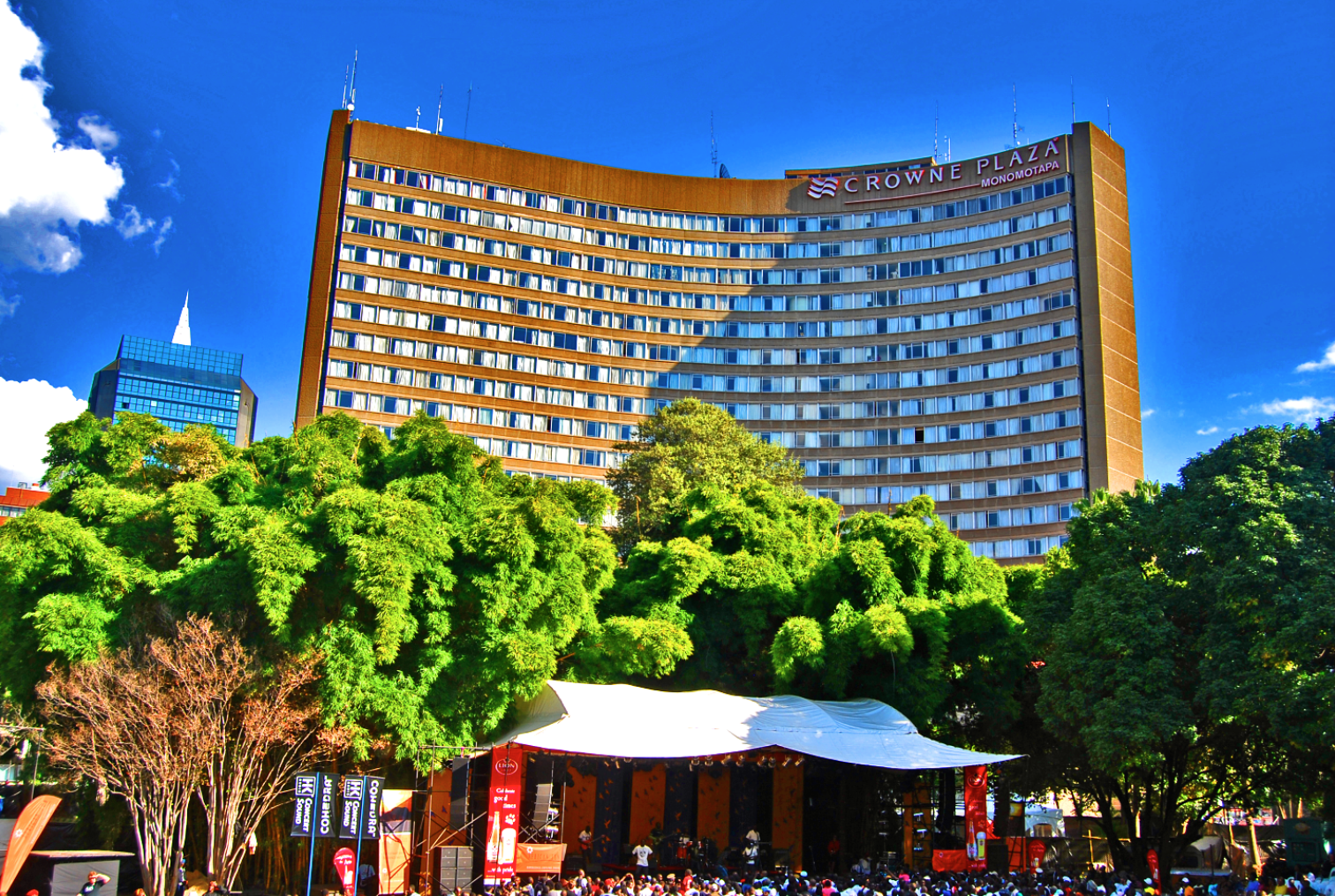
Why Harare is Perfect for Your Celebration
- Lush botanical gardens and manicured private estates offer stunning natural backdrops unique to Harare's 'Garden City' character
- Dry season (May–October) delivers reliably clear, sunny days with low humidity — ideal for outdoor ceremonies and receptions
- Established international hotel brands alongside independent heritage properties provide genuine venue diversity across the city
- Warm, renowned Zimbabwean hospitality creates a naturally welcoming atmosphere for guests from across Africa and beyond
- Proximity to wildlife conservancies and safari lodges within a short drive allows for memorable pre- or post-event experiences
- A maturing local events and catering industry with experienced planners, florists, and entertainment vendors familiar with large-scale celebrations

Compare Harare with Other Top Destinations
Frequently Asked Questions
Is Harare a good destination for a wedding celebration?
Yes. Harare is particularly well-suited to destination weddings that prioritise an elegant African setting with reliable urban infrastructure. The city's garden estates, heritage hotels, and outdoor lawns provide a distinctive backdrop, and the dry season (May–October) offers reliably clear weather for outdoor ceremonies. Zimbabwean hospitality is widely regarded as warm and attentive, which meaningfully enhances the guest experience.
What is the best time of year to hold an event in Harare?
The dry season — May through October — is the strongly recommended window. During these months, the afternoon thunderstorms that characterise the rainy season are essentially absent, making outdoor planning genuinely reliable. Temperatures are mild and comfortable, humidity is low, and the clear light during this period is particularly good for photography. November through March brings heavy, unpredictable afternoon rains that make outdoor events high-risk.
How do guests typically travel to Harare for an event?
Most guests arrive via Robert Gabriel Mugabe International Airport, approximately 15 km from the city centre. Direct regional connections serve major African hubs including Johannesburg, Nairobi, and Addis Ababa. Intercontinental guests from Europe, Asia, or the Americas will typically connect through Johannesburg. Airport-to-city transfers are straightforward, and private group transfers can be arranged for arriving guest parties.
What kinds of event venues are available in Harare?
Harare offers genuine venue diversity: grand heritage hotels with formal ballrooms and courtyard gardens in the city centre; contemporary conference hotels with flexible, purpose-built event spaces; intimate garden estates in the northern suburbs (such as Borrowdale and Highlands); and resort-style properties on the city's outskirts that combine accommodation and event facilities on a single campus. Outdoor garden spaces are a particular strength during the dry season.
How large a guest list can Harare venues realistically accommodate?
Most established Harare event properties comfortably handle guest lists in the 100–400 range. Some larger conference and hotel venues can accommodate up to 500–600 guests for banquet-style events. For very large celebrations above that threshold requiring a single integrated venue campus, the local inventory is more limited, and planners should confirm capacity with specific properties early in the planning process.
Is Harare suitable for corporate events and conferences?
Yes. Harare is a practical choice for regional corporate events, conferences, and incentive travel programmes. The city's established conference hotels offer dedicated event wings, modern AV infrastructure, and large accommodation blocks. As a regional business hub, it is accessible to corporate guests from across southern and eastern Africa, and English as the primary business language simplifies logistics for international clients.
What is the local vendor and catering ecosystem like for events?
Harare has a well-developed local events industry. Experienced caterers, florists, décor specialists, photographers, and entertainment providers — including live bands and traditional cultural performers — are available locally. Established hotel properties maintain in-house catering teams capable of large-scale banquets. For highly specialised or niche requirements, some planners supplement with vendors from Johannesburg, which is logistically feasible given the air connection.
Can guests easily get around Harare once they arrive?
Yes, with planning. Harare is primarily a road-based city for event logistics. Private transfers, hired minibuses, and coaches are the practical means of moving guest groups between the airport, accommodation, and venues. For events where guests are accommodated at a single property, internal logistics are simple. For multi-venue events across different suburbs, a coordinated transport plan arranged in advance is advisable.
Are there unique experiences near Harare that can be incorporated into a multi-day event programme?
Yes. Several wildlife conservancies and game lodges lie within a short drive of the city, making it genuinely practical to incorporate safari experiences, bush dinners, or guided nature excursions into a multi-day celebration programme. This is a distinctive offering that sets Harare apart from most urban event destinations and is particularly popular with international guests seeking an authentically African experience alongside the formal celebration.
What language is used for event planning and communication in Harare?
English is the primary business and event-planning language in Harare, which significantly simplifies communication for international planners and guests. Shona and Ndebele are widely spoken locally, but all established hotels, event venues, and professional vendors operate fluently in English, meaning international clients rarely encounter a language barrier in the planning or execution of events.
Is Harare generally safe for international guests attending an event?
Harare is generally considered safe for visitors exercising normal urban awareness. The established hotel districts and event venue areas are well-maintained and routinely host international guests. As with any city, guests are advised to use reputable transport, avoid unfamiliar areas at night, and follow guidance from their hotel or event planner. Most international event groups report no significant safety concerns when staying within the city's established hospitality zones.

Ready to explore venues in Harare?
Harare: Destination Wedding & Event Venues in Zimbabwe's Garden City
◆Harare is Zimbabwe's capital and its most cosmopolitan city, offering a chic, garden-city setting for weddings, corporate events, and social celebrations. Its primary strength lies in a combination of well-established hotel infrastructure, lush private estates and botanical gardens, and a warm, service-oriented local hospitality culture. The dry season — May through October — delivers reliably clear, low-humidity conditions that are particularly well-suited to outdoor ceremonies and receptions. Guests travelling from within Africa generally find Harare accessible via direct regional flights, while intercontinental guests typically require a connection. The city suits mid-to-large celebrations where an authentically African yet polished urban atmosphere is the priority.
Harare at a Glance
| Attribute | Detail |
|---|---|
| Best For | Destination Weddings, Corporate Events, Social Celebrations, Pre/Post-Safari Gatherings |
| Primary Vibe | Chic & Cosmopolitan |
| Other Vibes | Garden City Elegance, Heritage Warmth, African Sophistication |
| Best Season | Dry Season (May, Jun, Jul, Aug, Sep, Oct) |
Why Choose Harare?
- The 'Garden City' difference: Harare's reputation as one of Africa's greenest capitals is not merely a nickname — the city's wide, jacaranda-lined avenues, manicured private gardens, and accessible botanical spaces provide a naturally photogenic backdrop that few African capitals can match for outdoor event aesthetics.
- Venue diversity across a compact city: From grand colonial-era heritage hotels in the city centre to contemporary conference facilities, intimate garden estates in the northern suburbs, and resort-style properties on the city's outskirts, Harare offers a genuine range of event spaces within a relatively compact urban footprint.
- Reliable dry-season weather: The May–October dry season is among the most dependable event-planning windows in southern Africa — clear skies, mild temperatures, and very low rainfall probability make outdoor planning genuinely low-risk during these months.
- Zimbabwean hospitality culture: Zimbabwe has a well-documented reputation for exceptionally warm, attentive service, and this is particularly evident in Harare's established hotel and catering sector — a meaningful advantage for events where guest experience is paramount.
- Safari and nature proximity: Several wildlife conservancies and game lodges lie within a short drive of the city, allowing event planners to incorporate safari experiences, bush dinners, or nature excursions as part of a multi-day celebration programme — a distinctive offering not available in most urban event destinations.
- A maturing events industry: Harare has a growing ecosystem of experienced local event planners, florists, caterers, photographers, and entertainment providers who are accustomed to working with both local and international clients on large-scale celebrations.
Which Celebrations Work Best in Harare?
- Destination Weddings: Harare suits couples seeking an elegant African setting with genuine urban infrastructure — reliable accommodation, experienced vendors, and a variety of ceremony and reception spaces. The dry season's clear light and garden backdrops are particularly well-suited to outdoor ceremonies.
- Corporate Events & Conferences: The city's established conference hotels, with dedicated event wings and professional AV infrastructure, make Harare a practical choice for regional corporate gatherings, product launches, and incentive travel programmes. The city's role as a regional business hub means corporate guests from across southern and eastern Africa can typically reach it with relative ease.
- Social Celebrations (Milestone Birthdays, Anniversaries, Reunions): Harare's combination of intimate garden venues, heritage properties, and cosmopolitan dining makes it well-suited to private social events where atmosphere and personalisation matter as much as scale.
- Pre- or Post-Safari Gatherings: For groups combining a wildlife experience with a formal celebration, Harare functions as an excellent base — guests can arrive, celebrate, and then depart for nearby conservancies, or vice versa, without the logistical complexity of a remote bush-only event.
Venues & Event Spaces
Harare's event venue landscape spans several distinct categories. Heritage city-centre hotels — some dating to the colonial era — offer grand ballrooms, formal dining rooms, and manicured courtyard gardens that suit traditional wedding receptions and formal corporate dinners. Contemporary conference hotels provide purpose-built event wings with flexible floor plans, modern AV infrastructure, and large guest accommodation blocks, making them practical for multi-day corporate programmes or large wedding weekends. Garden estates and private venues in Harare's leafy northern suburbs (areas such as Borrowdale, Highlands, and Borrowdale Brooke) offer a more intimate, residential-garden atmosphere — popular for outdoor ceremonies, cocktail receptions, and smaller private celebrations. Resort-style properties on the city's periphery combine accommodation, outdoor lawns, and event facilities in a single campus, reducing the logistical complexity of moving guests between ceremony and reception venues. Outdoor spaces — including botanical gardens and private estate lawns — are a genuine strength of the Harare event scene, particularly during the dry season when weather risk is minimal.
Best Time to Celebrate
The dry season (May through October) is the strongly preferred window for events in Harare, and for concrete reasons beyond simply 'good weather.' During these months, afternoon thunderstorms — a near-daily occurrence during the rainy season — are essentially absent, making outdoor ceremony and reception planning genuinely reliable rather than weather-dependent. Temperatures are mild and comfortable: June and July, the coolest months, bring daytime highs typically in the low-to-mid 20s°C with cool evenings, while May, August, September, and October are warmer and sunnier. The dry air also means lower humidity, which is practically significant for guests in formal attire and for floral arrangements, décor, and outdoor setups that can be affected by moisture.
November through March is Harare's rainy season, characterised by heavy afternoon and evening thunderstorms that can be intense and unpredictable. While mornings are often clear, the afternoon storm risk makes outdoor event planning genuinely problematic — not merely inconvenient. Indoor-only events are more manageable during this period, but the logistical uncertainty is a real consideration. April is a transitional month: the rains are typically tapering off, but residual showers remain possible, making it a less reliable choice than the confirmed dry months. For any event with a significant outdoor component, May through October is the only genuinely low-risk planning window.
Getting There & Local Connectivity
Harare is served by Robert Gabriel Mugabe International Airport, located approximately 15 km from the city centre. The airport handles direct regional connections to major southern and eastern African hubs, including Johannesburg, Nairobi, Addis Ababa, and several other African capitals. Intercontinental guests from Europe, Asia, or the Americas will generally connect through Johannesburg or another major African hub, which adds a leg to the journey but is a standard routing for Zimbabwe-bound travellers. The airport-to-city transfer is straightforward and manageable for arriving guest groups.
Within the city, Harare is primarily a road-based destination for event logistics. Private transfers, minibuses, and hired coaches are the practical means of moving guest groups between the airport, accommodation, and event venues. The city's road network is generally navigable, though traffic in the central business district during peak hours can be slow. For multi-day events where guests are accommodated at a single property, internal logistics are typically simple. For events spread across multiple venues or suburbs, a coordinated transport plan is advisable. The railway network, while present, is not a practical guest-travel option for event purposes given its limited frequency and intercity focus.
Local Vendor & Hospitality Ecosystem
Harare has a well-developed hospitality sector relative to its regional peers, underpinned by decades of hotel operation, a strong local catering tradition, and a growing community of specialist event vendors. Local caterers are experienced with both traditional Zimbabwean cuisine and international menus, and the city's established hotels maintain in-house catering teams capable of handling large-scale banquets. Florists, décor specialists, photographers, and entertainment providers — including live bands, DJs, and traditional cultural performers — are available locally, reducing the need to import vendors from outside Zimbabwe for most event types.
That said, for very large or highly specialised events (bespoke international cuisine, niche technical production, or very large-scale floral installations), some planners choose to supplement local vendors with specialists from Johannesburg or other regional centres, which is logistically feasible given the air connection. The local events industry is generally responsive and experienced with international client expectations, particularly at the established hotel properties. English is the primary business language, which simplifies communication for international planners and guests.
Pros & Things to Consider
Why Harare Works Well
- Genuinely distinctive 'Garden City' aesthetic — lush, green, and photogenic in a way that sets it apart from more arid African capitals
- Reliable, low-risk dry-season weather window (May–October) for outdoor events
- Warm, well-regarded Zimbabwean hospitality culture that consistently enhances guest experience
- Venue diversity — from grand heritage hotels to intimate garden estates — within a compact, navigable city
- English as the primary business language simplifies planning for international clients
- Safari and wildlife proximity adds a distinctive experiential dimension to multi-day event programmes
- A maturing local vendor ecosystem reduces reliance on importing specialists for most event types
Things to Consider
- Intercontinental guests will almost always require a connecting flight, typically through Johannesburg — this adds travel time and complexity for guests coming from Europe, Asia, or the Americas
- The rainy season (November–March) makes outdoor event planning genuinely unreliable, not just marginally riskier — indoor-only events are more manageable but the seasonal constraint is real
- Zimbabwe's broader economic context means that some infrastructure (roads, utilities) can be less consistent than in more developed event destinations — experienced local planners and established hotel properties typically mitigate this, but it is worth factoring into contingency planning
- The local venue inventory, while diverse, is not as large in absolute terms as major international event cities — very large events (500+ guests requiring a single integrated venue campus) may find options more limited
- Currency and payment logistics require advance planning — USD is the primary transactional currency, and international payment arrangements with local vendors should be confirmed early
When Harare May Not Be the Right Fit
- Outdoor events planned for November through March: If an outdoor ceremony or reception is non-negotiable and the date falls in the rainy season, Harare's afternoon thunderstorm pattern makes this a genuinely high-risk choice — a destination with a more year-round stable climate would serve better.
- Very large guest lists requiring a single integrated venue campus: For events expecting 600 or more guests who need to be accommodated, dined, and celebrated in a single seamlessly integrated property, Harare's current venue inventory may not comfortably support the scale — a larger regional event city would be a more practical fit.
- Guests with very limited international travel flexibility: For a predominantly intercontinental guest list (e.g. mostly European or North American guests) where minimising travel complexity is a priority, the near-universal requirement for a connecting flight adds a layer of logistical friction that a more directly connected destination would avoid.
- Planners requiring the deepest possible specialist vendor bench: For highly technical or niche event production requirements — very large-scale pyrotechnics, specialist international cuisine, or complex stage production — Harare's local vendor ecosystem, while capable for most events, may require supplementing from outside Zimbabwe, adding lead time and coordination complexity.