
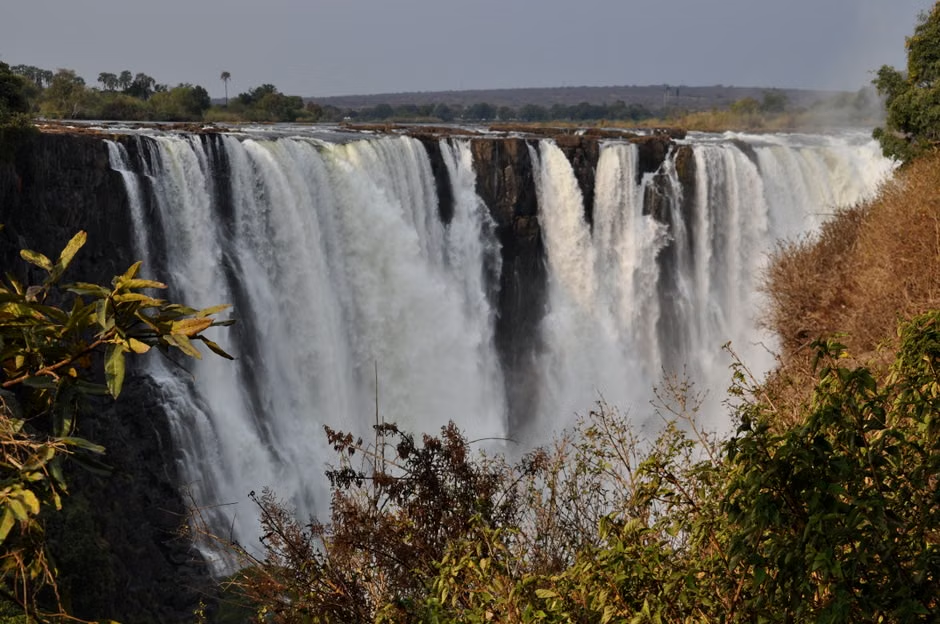
Why Great Zimbabwe / Masvingo is Perfect for Your Celebration
- Ceremonies set against the 900-year-old Great Zimbabwe stone ruins — a UNESCO World Heritage Site unlike any other African venue
- Lake Mutirikwi (Kyle) provides scenic lakeside settings for outdoor receptions and sundowner events
- Dry season (May–October) delivers reliably clear skies, low humidity, and comfortable evening temperatures ideal for outdoor celebrations
- Intimate scale of the destination naturally suits smaller, exclusive guest lists seeking privacy and authenticity
- Rich Shona cultural traditions — music, dance, and craft — can be woven into ceremonies for a genuinely local experience
- Proximity to wildlife conservancies around Lake Mutirikwi adds a safari dimension for multi-day celebration itineraries

Top Venues in Great Zimbabwe / Masvingo
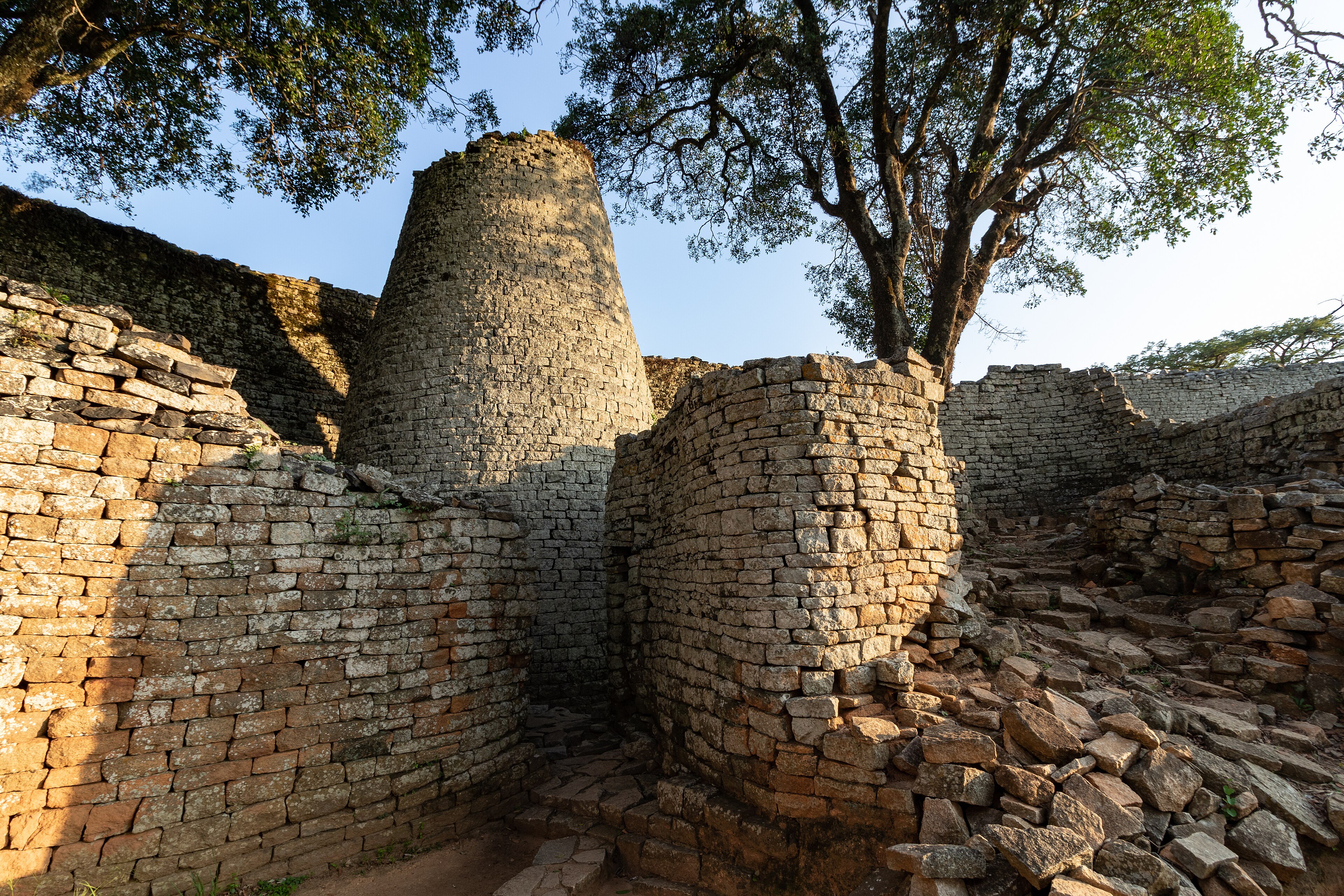
Great Zimbabwe Hotel
Compare Great Zimbabwe / Masvingo with Other Top Destinations
Frequently Asked Questions
Is Great Zimbabwe / Masvingo a good destination for a wedding?
Yes, particularly for intimate destination weddings. Great Zimbabwe suits couples seeking a culturally meaningful, visually dramatic setting rather than a large-scale luxury resort experience. The UNESCO World Heritage ruins and Lake Mutirikwi provide genuinely distinctive ceremony and reception backdrops. It works best for guest lists under 150, where the destination's intimate scale becomes an asset rather than a constraint.
What is the best time of year to hold an event at Great Zimbabwe / Masvingo?
The dry season — May through October — is strongly recommended. Rainfall is negligible, skies are clear, and daytime temperatures are warm and comfortable. June and July are the coolest months, with cold nights, while May, September, and October offer warmer conditions. The rainy season (November–April) brings afternoon thunderstorms that make outdoor events unreliable and can affect road access.
How do guests travel to Great Zimbabwe / Masvingo?
Most guests fly into Harare Robert Gabriel Mugabe International Airport and travel onward to Masvingo by road — approximately 290 kilometres, typically three to four hours. Masvingo Airport (MVZ) offers limited scheduled regional services from Harare, and charter flights are a practical option for groups. Bulawayo is an alternative gateway for guests arriving from southern Africa.
What size guest group can Great Zimbabwe / Masvingo realistically accommodate?
The destination is best suited to events of roughly 30 to 150 guests. The local accommodation inventory is modest, and properties in the area are designed for intimate gatherings rather than large-format events. Groups larger than 150 will likely need to spread accommodation across multiple properties at some distance from each other, adding transport logistics.
What kinds of event venues are available in the Great Zimbabwe / Masvingo area?
The area offers heritage lodges and lakeside resort properties with outdoor lawns, terraces, and garden spaces suited to al fresco ceremonies and receptions. Indoor event spaces are modest in capacity. Some properties can facilitate events in proximity to the Great Zimbabwe ruins themselves, subject to heritage authority permissions — a rare and memorable option for ceremonies.
Can Shona cultural traditions be incorporated into a wedding or celebration here?
Yes, and this is one of the destination's genuine strengths. Local marimba musicians, mbira players, traditional dancers, and craft artisans are accessible in the Masvingo area and can be engaged to provide authentic cultural programming. Heritage guides associated with the Great Zimbabwe monument are also available for guest experiences during multi-day celebration itineraries.
What should event planners know about local vendor availability in Masvingo?
Local caterers, coordinators, and cultural performers are available and experienced with the destination's properties. However, specialist vendors for elaborate floral design, large-scale technical production, or international cuisine are limited locally. It is common practice to source key specialist suppliers from Harare and arrange for them to travel to Masvingo — planners should factor this into lead times and logistics.
Is transport within the Great Zimbabwe / Masvingo area easy to arrange for a guest group?
There is no ride-hailing infrastructure locally, so dedicated vehicle hire — minibuses or 4x4 transfers — must be arranged in advance for moving guests between accommodation, the ruins, and event venues. Distances between key locations are generally 5–15 kilometres. Organised group transport is essential and should be built into the event plan from the outset.
What makes Great Zimbabwe / Masvingo distinctive compared to other African event destinations?
The Great Zimbabwe ruins — the largest ancient stone structure in sub-Saharan Africa and a UNESCO World Heritage Site — provide a ceremony setting that is historically and visually unique on the continent. Combined with Lake Mutirikwi's wildlife conservancy and authentic Shona cultural traditions, the destination offers a narrative depth and sense of place that is genuinely difficult to replicate elsewhere.
Are there wildlife or safari experiences available for guests during a multi-day celebration?
Yes. Lake Mutirikwi Recreational Park, adjacent to the ruins, supports wildlife including white rhino, zebra, giraffe, and various antelope species. Game drives and lake-based activities can be incorporated into a multi-day celebration itinerary, giving guests a safari dimension alongside the cultural and heritage programming that defines the destination.
What connectivity should guests expect in the Great Zimbabwe / Masvingo area?
Mobile and internet connectivity in the area is limited compared to Zimbabwe's urban centres. Coverage exists in Masvingo town and at established properties, but it is not consistently reliable for high-bandwidth use. Guests and planners should treat connectivity as a supplementary rather than primary resource, and event coordination should not depend on real-time digital infrastructure being available on-site.

Ready to explore venues in Great Zimbabwe / Masvingo?
Great Zimbabwe / Masvingo: Destination Wedding & Cultural Event Venues
◆Great Zimbabwe and Masvingo are best suited to intimate, culturally immersive celebrations — particularly weddings, social gatherings, and heritage-themed festivals — where the setting itself is the centrepiece. The destination's primary vibe is Cultural & Timeless, anchored by the UNESCO World Heritage ruins of Great Zimbabwe and the scenic Lake Mutirikwi. The dry season (May through October) is the reliable window for outdoor events, with clear skies and comfortable temperatures. Accessibility is limited — most guests travel via Harare or Bulawayo — making this a destination that rewards careful advance planning. The hospitality inventory is modest in scale, making it most appropriate for smaller, exclusive guest lists rather than large-format weddings.
Great Zimbabwe / Masvingo at a Glance
| Category | Detail |
|---|---|
| Best For | Intimate Weddings, Cultural Celebrations, Social Gatherings, Heritage Festivals |
| Primary Vibe | Cultural & Timeless |
| Other Vibes | Wilderness, Lakeside, Authentic |
| Best Season | Dry Season (May, Jun, Jul, Aug, Sep, Oct) |
Why Choose Great Zimbabwe / Masvingo?
- A genuinely singular backdrop: The Great Zimbabwe ruins — the largest ancient stone structure in sub-Saharan Africa and a UNESCO World Heritage Site — provide a ceremony setting that is historically and visually unlike anything else on the continent. No other destination in southern Africa offers this specific combination of ancient grandeur and open landscape.
- Lake Mutirikwi's natural scenery: The reservoir and its surrounding conservancy add a lakeside and wildlife dimension to the destination, enabling sundowner receptions, boat experiences, and game-viewing excursions that extend a celebration across multiple days.
- Authentic Shona cultural integration: Local musicians, traditional dancers, craft artisans, and ceremonial practitioners are genuinely accessible here, allowing couples to incorporate Zimbabwean cultural elements into their event in a way that feels organic rather than staged.
- Intimate scale and exclusivity: The limited accommodation inventory, while a logistical consideration, also means that a group booking effectively takes over the available properties — creating a private, resort-style atmosphere that larger, more commercialised destinations cannot replicate.
- Dry season reliability: From May through October, rainfall is negligible, humidity is low, and daytime temperatures are warm without being oppressive. Evening temperatures cool pleasantly, making outdoor dinners and ceremonies comfortable without the need for heavy infrastructure.
- Off-the-beaten-path distinction: For guests and couples who value a destination that tells a story — one rooted in African history and landscape rather than generic luxury — Great Zimbabwe offers a narrative that guests will genuinely remember and discuss long after the event.
Which Celebrations Work Best in Great Zimbabwe / Masvingo?
- Intimate destination weddings: The ruins and lakeside settings are particularly well-suited to smaller ceremonies — typically under 150 guests — where the landscape and cultural context are allowed to speak. The destination rewards couples who want meaning and atmosphere over scale and spectacle.
- Cultural and heritage festivals: Masvingo's deep connection to Shona history and the Great Zimbabwe monument makes it a natural host for events that celebrate African heritage, traditional music, or cultural exchange. The physical setting lends these gatherings an authenticity that is difficult to manufacture elsewhere.
- Social gatherings and milestone celebrations: Significant birthdays, anniversaries, and family reunions benefit from the destination's sense of occasion and its ability to offer a multi-day itinerary — combining a formal event with game drives, lake activities, and guided heritage tours.
- Pre-wedding and post-wedding experiences: The surrounding Lake Mutirikwi Recreational Park and nearby wildlife areas make Great Zimbabwe an excellent base for a multi-day celebration itinerary, with the event itself as the centrepiece and safari or nature experiences as supporting programming.
Venues & Event Spaces
The venue landscape in and around Great Zimbabwe is characterised by heritage lodges and lakeside resorts rather than large convention-style banquet facilities. Properties in the area typically offer outdoor lawns and terraces with views of the ruins or the lake, making them well-suited to al fresco ceremonies and receptions during the dry season. Indoor event spaces tend to be modest in capacity, reflecting the intimate character of the destination. Some properties can arrange for events to be held in proximity to the ruins themselves, subject to heritage authority permissions — a genuinely rare and memorable option. The surrounding Lake Mutirikwi area adds resort-style settings with water views, bush surroundings, and the possibility of incorporating wildlife conservancy experiences into the event programme. Planners should expect to work with properties that are experienced in hosting small to medium-scale private events rather than large-format weddings requiring extensive technical infrastructure.
Best Time to Celebrate
The dry season — running from May through October — is the strongly preferred window for events at Great Zimbabwe and Masvingo. During these months, rainfall is rare, the sky is typically clear, and daytime temperatures range from the low twenties to the upper twenties Celsius. Evenings cool noticeably, which is comfortable for outdoor dining and ceremonies but does mean guests should be prepared with a layer for after-dark events, particularly in June and July when nights can be genuinely cold at altitude.
May and October represent the shoulder months of the dry season — temperatures are warmer than mid-winter and the landscape retains some greenery from the preceding rains, making them visually attractive months for photography. June, July, and August are the coolest and driest months, with the most reliable weather for outdoor events but the coldest overnight temperatures. September and early October see temperatures rising again ahead of the rains, with warm afternoons and still-dry conditions.
The rainy season (November through April) brings significant challenges for outdoor events. Afternoon and evening thunderstorms are common and can be heavy, making open-air ceremonies unreliable without substantial covered infrastructure. Access roads to some properties and to the ruins themselves can become difficult after sustained rain. The landscape is lush and green during this period, which has photographic appeal, but the logistical risks for event planning are real and should not be underestimated. November and March–April are particularly prone to heavy rainfall, while December and January represent the peak of the wet season.
Getting There & Local Connectivity
Masvingo is served by a small regional airport (Masvingo Airport, IATA: MVZ) located close to the town centre, with limited scheduled services primarily connecting to Harare. Most international guests will arrive into Harare Robert Gabriel Mugabe International Airport and travel onward to Masvingo by road — a journey of approximately 290 kilometres that typically takes three to four hours by road. Bulawayo is also a feasible gateway for guests arriving from southern Africa, at a comparable road distance. Charter flight options to Masvingo Airport are available and are worth considering for groups, given the limited scheduled frequency.
Once in the Masvingo area, local transport for a guest group requires advance arrangement. There is no established ride-hailing infrastructure, and public transport options are not suited to event logistics. Planners should budget for dedicated vehicle hire — minibuses or 4x4 transfers — to move guests between accommodation, the ruins, and event venues. The distances between the town centre, the Great Zimbabwe monument, and the Lake Mutirikwi properties are manageable (typically 5–15 kilometres) but require organised transport rather than independent movement. Road conditions in the area are generally acceptable on main routes during the dry season, though some lodge access tracks benefit from higher-clearance vehicles.
Local Vendor & Hospitality Ecosystem
The vendor ecosystem in Masvingo is genuine but modest in scale. Local caterers, florists, and event coordinators are available and experienced in working with the destination's heritage properties, though the range of specialist suppliers — particularly for large-scale technical production, elaborate floral design, or international cuisine — is more limited than in Zimbabwe's larger urban centres. Couples and planners who require highly specific or elaborate vendor services are generally advised to source key suppliers from Harare and arrange for them to travel to Masvingo, which is a well-established practice for events in this region.
Shona cultural performers — traditional marimba musicians, mbira players, dancers, and craft demonstrators — are genuinely accessible locally and represent one of the destination's strongest vendor assets. Incorporating these elements into an event programme is straightforward and adds authentic cultural value that is specific to this place. Local guides and heritage interpreters associated with the Great Zimbabwe monument are also available for guest experiences, adding an educational and experiential dimension to multi-day celebrations. The hospitality staff at the area's established properties are experienced in hosting private events and generally provide warm, attentive service consistent with Zimbabwe's broader reputation for genuine hospitality.
Pros & Things to Consider
Why Great Zimbabwe / Masvingo Works Well
- Genuinely unique UNESCO World Heritage setting that no other destination in southern Africa can replicate
- Dry season (May–October) delivers highly reliable outdoor event conditions with minimal weather risk
- Intimate scale creates a naturally exclusive, private atmosphere for small to medium guest groups
- Rich Shona cultural traditions provide authentic, locally-rooted event programming options
- Lake Mutirikwi and surrounding wildlife areas enable multi-day celebration itineraries with diverse guest experiences
- Relatively uncrowded and uncommercialized compared to more established African safari destinations, giving events a sense of discovery
Things to Consider
- Accessibility is genuinely limited — most guests require a connecting journey from Harare or Bulawayo, adding travel time and logistical complexity
- Accommodation inventory is small; large guest lists (150+) will find it difficult to house everyone within the immediate area
- Specialist vendor availability is limited locally; key suppliers for elaborate events typically need to be sourced from Harare
- Infrastructure for large-scale technical event production (lighting rigs, large sound systems, elaborate staging) is not readily available on the ground and must be brought in
- Internet and mobile connectivity in the area is limited, which affects both event coordination logistics and guest expectations around digital access
- Cold winter nights (June–July) require planning for guest comfort at outdoor evening events
When Great Zimbabwe / Masvingo May Not Be the Right Fit
- Large guest lists: If your event requires accommodating more than 150 guests within a single venue or a compact cluster of properties, the local inventory will not comfortably support this without significant logistical compromise. A destination with a larger hotel base would serve this need better.
- Guests with limited travel flexibility: International guests or elderly guests who find long connecting journeys difficult may find the multi-leg travel to Masvingo — typically involving an international flight to Harare plus a further road or charter journey — more demanding than a destination with direct international connectivity.
- Events planned during the rainy season (November–April): If your preferred dates fall within the wet season and your event concept is primarily outdoor, the afternoon storm risk is a genuine concern. Without substantial covered infrastructure, outdoor ceremonies and receptions during this period carry real weather uncertainty.
- Events requiring extensive specialist vendor infrastructure: Couples or planners who require a deep local ecosystem of specialist florists, international caterers, large-scale AV production companies, or luxury styling vendors will find the local supply limited and will need to manage significant logistics to bring suppliers from Harare — adding complexity and lead time to the planning process.