
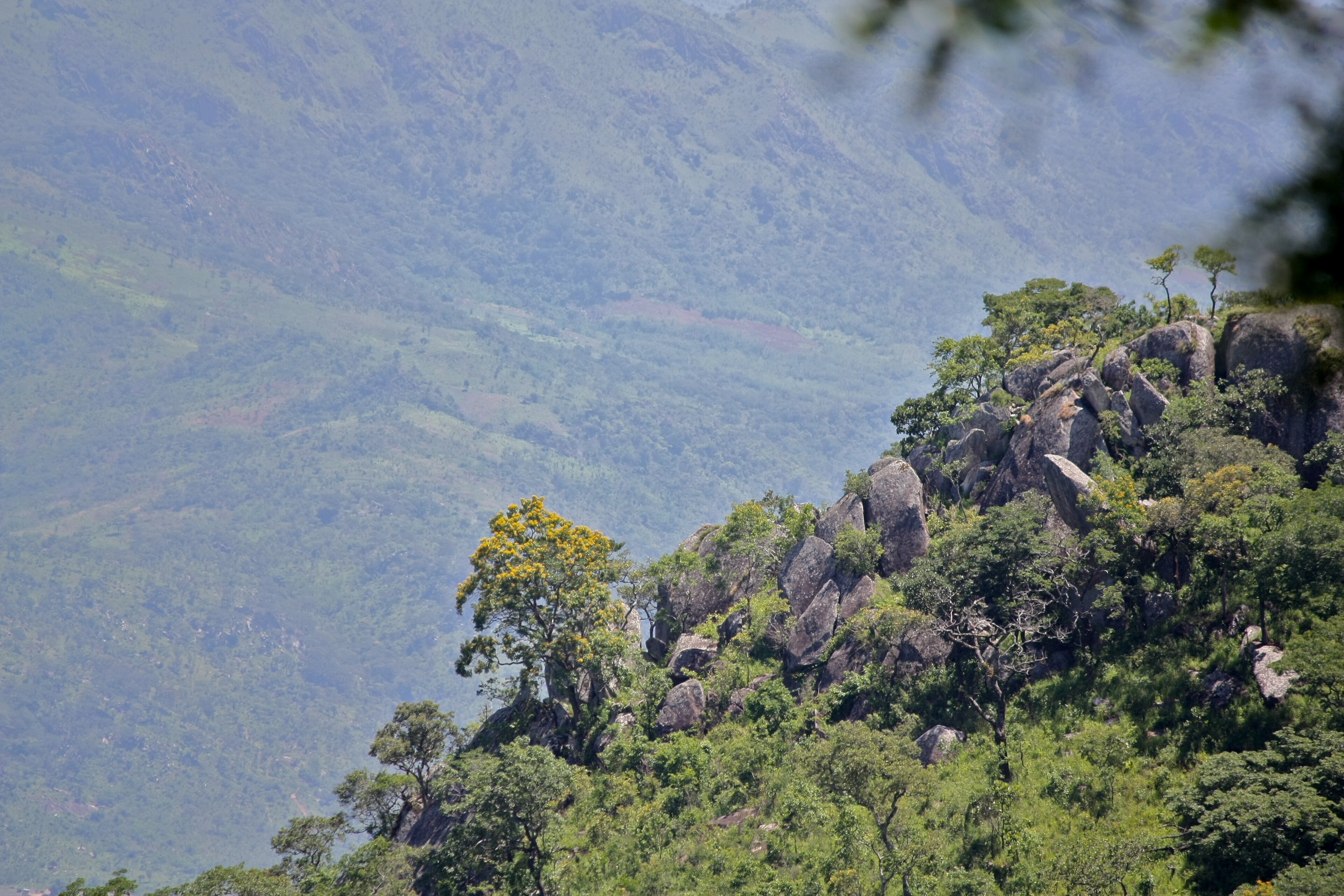
Why Bvumba is Perfect for Your Celebration
- Dramatic misty escarpment scenery creates a naturally cinematic backdrop for ceremonies
- Intimate lodge and garden estate venues suit small, exclusive guest lists perfectly
- Cool highland climate during the dry season (May–Oct) is genuinely comfortable for outdoor events
- High degree of privacy and seclusion — ideal for couples wanting a retreat-style celebration
- Lush botanical gardens and forest walks offer unique pre- and post-event guest experiences
- Proximity to Mutare provides a practical base for guest overflow accommodation and logistics

Compare Bvumba with Other Top Destinations
Frequently Asked Questions
Is Bvumba a good destination for a small, intimate wedding?
Yes. Bvumba is particularly well-suited to intimate weddings, typically in the range of 20 to 150 guests. The highland lodge-style venues, botanical garden settings, and misty escarpment scenery create a cohesive, private atmosphere that is genuinely difficult to replicate at larger, more urban venues. Couples who prioritise seclusion, natural beauty, and a personal experience over scale will find Bvumba a strong fit.
What is the best time of year to hold a wedding or event in Bvumba?
The dry season — May through October — is the recommended window. During these months, highland roads are reliably passable, outdoor spaces can be used with confidence, and temperatures are comfortably mild. August through October is often the most balanced period. The wet season (November–April) brings frequent rain, persistent mist, and road access challenges that can complicate outdoor events and vendor logistics.
How do guests typically get to Bvumba for a destination event?
Most guests travel by road. The nearest city, Mutare, is approximately 25–35 km away and serves as the practical gateway. Guests arriving from Harare face a road journey of roughly 3–4 hours. International guests typically route through Harare's international airport before connecting to Mutare. Coordinated group road transfers from Mutare into the highlands are strongly recommended for event groups.
What kinds of venues and event spaces are available in Bvumba?
Bvumba's venues are primarily highland lodge-style resorts and garden estate properties. Typical event spaces include outdoor ceremony lawns, terraced garden areas with escarpment views, and intimate indoor reception rooms. The emphasis is on atmosphere and natural setting rather than large banquet capacity. These spaces work best for events where the environment is a central part of the guest experience.
How many guests can Bvumba realistically accommodate for a destination event?
Realistically, Bvumba suits events with guest lists up to approximately 150–200 people across the available highland properties. Beyond this scale, the combined venue and accommodation capacity in the immediate area becomes a genuine constraint. Planners with larger guest lists should consider using Mutare for overflow accommodation, with guests transported up to Bvumba for the event itself.
Is Bvumba suitable for corporate retreats and private group events, not just weddings?
Yes. The combination of comfortable lodge accommodation, meeting-capable spaces, and a restorative natural environment makes Bvumba a credible option for senior leadership retreats, strategy offsites, and incentive travel groups. The seclusion and distinctive highland setting are genuine assets for groups that want an environment that encourages focus and connection away from urban distractions.
What should I know about local vendors and event suppliers in Bvumba?
The established highland properties have experience hosting events and typically work with trusted local and Mutare-based suppliers for catering, floristry, and basic event support. For more specialist requirements — professional AV, large-scale catering, or dedicated coordination teams — planners should expect to source from Mutare or Harare, allowing extra lead time for logistics and vendor access to the highland location.
How reliable is mobile and internet connectivity in Bvumba during an event?
Connectivity in Bvumba can be patchy. Mobile network coverage varies by location and provider, and internet access at highland properties is generally available but should not be assumed to be high-speed or consistently reliable. Planners should confirm connectivity at their specific venue in advance and communicate clearly to guests that the area is intentionally remote — this is part of the destination's character.
What makes Bvumba different from a conventional hotel or urban event venue?
Bvumba offers a genuinely immersive natural environment — misty indigenous forest, botanical gardens, and dramatic escarpment views — that a conventional hotel ballroom or urban venue cannot replicate. The seclusion means guests are fully present in the experience rather than in a shared commercial space. This sense of place is Bvumba's defining advantage, and it suits couples and planners who want the destination itself to be part of the celebration.
Are there situations where Bvumba would not be the right choice for my event?
Yes. Bvumba is not well-suited to large events requiring space for several hundred guests, events with a significant proportion of guests who have limited travel flexibility, or outdoor events planned during the wet season (November–April). If your event requires extensive specialist production infrastructure or a high volume of vendors working simultaneously, the remote highland location adds meaningful logistics complexity compared to an urban venue.

Ready to explore venues in Bvumba?
Bvumba: Destination Wedding & Intimate Event Venues in Zimbabwe's Eastern Highlands
◆Bvumba is a highland destination in eastern Zimbabwe, best suited to small, intimate weddings, private retreats, anniversary celebrations, and exclusive corporate events. Its primary character is peaceful and secluded — defined by mist-draped forests, botanical gardens, and escarpment views rather than large-scale infrastructure. The dry season (May through October) is the reliable window for outdoor events, offering clear skies and comfortable temperatures. Accessibility is limited: most guests travel by road from Mutare (roughly 25–35 km away) or by longer road transfer from Harare. Bvumba is not a high-volume, multi-vendor event hub — it suits couples and planners who specifically want seclusion, natural beauty, and an intimate scale over logistical convenience or large guest capacity.
Bvumba at a Glance
| Attribute | Detail |
|---|---|
| Best For | Intimate Weddings, Private Retreats, Anniversary Celebrations, Small Corporate Gatherings |
| Primary Vibe | Peaceful & Secluded |
| Other Vibes | Romantic, Garden-Rich, Misty & Atmospheric, Highland Escape |
| Best Season | Dry Season (May, Jun, Jul, Aug, Sep, Oct) |
Why Choose Bvumba?
- Genuinely rare natural scenery: The Bvumba escarpment offers dramatic views across the Mozambique lowlands, with mist rolling through indigenous forest — a backdrop that is visually distinctive and difficult to replicate at more conventional venues.
- Privacy by geography: The mountain location itself acts as a natural filter — only guests who are specifically invited and transported will arrive, making uninvited intrusions or crowded surroundings essentially a non-issue.
- Botanical garden settings: The Vumba Botanical Gardens and the landscaped grounds of established highland properties provide lush, manicured outdoor ceremony and reception spaces that require minimal additional decoration.
- Cool, comfortable highland climate in the dry season: Unlike Zimbabwe's lowland destinations, Bvumba's altitude keeps temperatures genuinely mild during May through October — typically between 15°C and 22°C — making outdoor daytime events comfortable without the heat management challenges of lower-altitude venues.
- Intimate scale as a feature, not a limitation: For couples who want a celebration that feels personal rather than production-scale, Bvumba's lodge-style venues and small guest capacities are a deliberate advantage rather than a compromise.
- Proximity to Mutare for guest logistics: The city of Mutare, Zimbabwe's fourth-largest, sits within roughly 25–35 km and provides additional accommodation, services, and a practical arrival hub for guests flying or travelling by road.
Which Celebrations Work Best in Bvumba?
- Intimate destination weddings: Bvumba is particularly well-suited to weddings with guest lists in the range of 20–150 people. The highland setting, garden venues, and lodge-style hospitality create a cohesive, immersive experience that larger, more urban venues rarely achieve. Couples seeking a ceremony that feels genuinely private and scenically memorable will find Bvumba a strong fit.
- Anniversary and milestone retreats: The seclusion and natural beauty make Bvumba an excellent choice for milestone anniversary celebrations, vow renewals, or private family gatherings where the experience of the place itself is central to the occasion.
- Small corporate retreats and team events: The combination of comfortable lodge accommodation, meeting-capable spaces, and a genuinely restorative natural environment makes Bvumba a credible option for senior leadership retreats, strategy offsites, and incentive travel groups that value environment over conference-centre scale.
- Pre- or post-wedding guest experiences: Even for couples whose main wedding is held elsewhere in Zimbabwe, Bvumba can serve as a memorable pre-wedding retreat or honeymoon destination, given its accessibility from Mutare and its distinctly different character from lowland Zimbabwe.
Venues & Event Spaces
Bvumba's venue landscape is characterised by highland lodge-style resorts and garden estate properties rather than large convention centres or purpose-built banquet halls. The typical event space here is an outdoor lawn or terrace with escarpment or forest views, often integrated into the grounds of a residential-scale lodge or hotel. Indoor reception rooms tend to be intimate in scale — suited to seated dinners and smaller receptions rather than large banquets. Some properties feature dedicated ceremony lawns, garden pavilions, and terraced outdoor areas that take full advantage of the highland scenery.
Couples and planners should expect venues that prioritise atmosphere and natural setting over raw capacity. The available spaces generally work best for events where the environment is a central part of the guest experience — ceremonies under open highland skies, receptions on mist-edged terraces, and dinners in characterful lodge dining rooms. For events requiring large, flat, covered banquet space for several hundred guests, Bvumba's current venue inventory is not the right fit, and planners should factor this honestly into their decision.
Best Time to Celebrate
The dry season — running from May through October — is the clear, curated best window for events in Bvumba, and the reasons go beyond simply "the weather is nicer." During these months, the highland roads that access Bvumba's properties are reliably passable, which matters practically for guest transport, catering deliveries, and vendor logistics. Outdoor ceremony and reception spaces can be used with genuine confidence: rainfall is rare, and the mist that defines Bvumba's character tends to lift by mid-morning, leaving clear skies and soft highland light for afternoon and evening events.
Temperatures during the dry season are genuinely comfortable — cool enough in the evenings to warrant a light layer, but warm enough during the day for outdoor ceremonies without heat stress. June and July are the coolest months, with overnight temperatures occasionally dropping toward 10°C, so planners should factor in heating or fire pits for evening receptions during the heart of winter. August through October warms gradually and is often considered the most balanced window — dry, clear, and mild.
The wet season (November through April) brings the challenges that make it less suitable for events: heavy and sometimes prolonged rainfall, persistent low cloud and mist that can reduce visibility and dampen outdoor spaces, and road conditions that can become genuinely difficult for vehicles carrying guests or equipment. The landscape is at its most dramatically green during this period, which has aesthetic appeal, but the logistical risks for outdoor events are real and should not be underestimated. Planners who must use the wet season should build in covered contingency spaces and allow extra time for all logistics.
Getting There & Local Connectivity
Bvumba is accessed primarily by road. The nearest city, Mutare, serves as the practical gateway — guests arriving by air typically land at Mutare Airport, which handles limited scheduled domestic services, or travel overland from Harare (approximately 260–270 km by road, typically a 3–4 hour drive). Guests travelling internationally will generally route through Robert Gabriel Mugabe International Airport in Harare before connecting onward to Mutare by road or domestic flight.
From Mutare, the drive into the Bvumba highlands takes approximately 30–45 minutes depending on the specific property, along mountain roads that are scenic but require careful driving — particularly after rain. For event groups, coordinated road transfers from Mutare are the standard and most practical approach. Self-drive is feasible for guests comfortable with highland road conditions, but group shuttle arrangements are strongly recommended for larger guest lists to manage timing and reduce the risk of guests arriving late or getting lost on unfamiliar mountain roads.
Local connectivity within Bvumba itself is limited — there is no public transport network serving the highlands, and mobile network coverage can be patchy depending on the specific location and provider. Planners should confirm connectivity at their chosen venue in advance and communicate clearly to guests that the area is intentionally remote. This is part of Bvumba's appeal, but it requires proactive logistics management.
Local Vendor & Hospitality Ecosystem
Bvumba's vendor ecosystem is modest in scale, reflecting the destination's size and its position as a niche, low-volume event location. The established highland properties have experience hosting weddings and private events and typically work with a network of trusted local and Mutare-based suppliers for catering, floristry, and basic event support. For couples planning events at these venues, the in-house or venue-recommended vendor relationships are generally the most reliable starting point.
For more specialised requirements — large-scale catering operations, professional audio-visual production, elaborate floral installations, or dedicated wedding coordination teams — planners should expect to source vendors from Mutare or, for the most specialist needs, from Harare. This is a normal and manageable aspect of planning in a remote highland destination, but it does require earlier lead times, more detailed logistics coordination, and clear communication with vendors about access and setup requirements at highland venues.
Hospitality standards at the established Bvumba properties are generally warm and attentive, with a character that reflects the intimate, lodge-style nature of the destination. Guests should expect personalised service rather than the anonymity of a large hotel — which is typically exactly what couples choosing Bvumba are looking for. Food and beverage quality at the main properties is generally solid, with menus that draw on Zimbabwean produce and hospitality traditions.
Pros & Things to Consider
Why Bvumba Works Well
- Genuinely distinctive natural scenery — misty escarpment, indigenous forest, and botanical gardens create a memorable visual backdrop
- High degree of privacy and seclusion — the geography itself ensures an exclusive, contained event environment
- Cool, comfortable dry-season climate that makes outdoor events genuinely pleasant without heat management challenges
- Intimate venue scale suits small, meaningful guest lists where personal experience matters more than headcount
- Proximity to Mutare provides a practical logistics base without compromising the highland seclusion of the event itself
- Strong sense of place — guests experience something genuinely different from a conventional hotel ballroom or urban venue
Things to Consider
- Guest travel requires significant planning — most guests will need coordinated road transfers, and international guests face a multi-leg journey
- Venue capacity is limited — Bvumba is not suited to large weddings or events requiring several hundred guests in a single space
- Specialist vendors (AV, large-scale catering, professional photography teams) may need to be sourced from Mutare or Harare, adding logistics complexity
- Mobile and internet connectivity can be unreliable — not ideal for events where real-time digital communication or live streaming is important
- Wet season (November–April) brings genuine logistical risks for outdoor events, including road access challenges
- The destination's remoteness means contingency planning (weather, transport delays, vendor access) needs to be more thorough than at a well-connected urban venue
When Bvumba May Not Be the Right Fit
- Large guest lists: If your event requires comfortable accommodation and event space for more than 150–200 guests in a single location, Bvumba's current venue inventory will not comfortably support it — a larger city venue would serve better.
- Guests with limited travel flexibility: If a significant portion of your guest list includes elderly guests, guests with mobility challenges, or international guests with tight travel windows, the multi-leg journey and mountain road access may create genuine difficulties that a more accessible destination would avoid.
- Wet season outdoor events: Couples with a fixed date falling between November and April who are committed to an outdoor ceremony should seriously consider whether Bvumba's wet-season conditions — persistent rain, mist, and road access challenges — are compatible with their plans.
- Events requiring extensive specialist production: If your event vision involves large-scale AV production, elaborate staging, or a high volume of specialist vendors working simultaneously, the logistics of getting equipment and teams to a remote highland location will add meaningful complexity and lead time compared to an urban venue with established event infrastructure.