
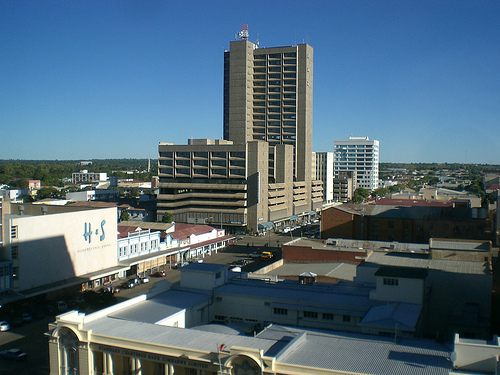
Why Bulawayo is Perfect for Your Celebration
- Rich Ndebele cultural heritage adds authentic, memorable character to celebrations
- Spacious parks and botanical gardens offer beautiful natural outdoor event settings
- Colonial-era architecture and heritage buildings provide unique, photogenic backdrops
- Dry season (May–Oct) delivers reliably clear skies and mild temperatures for outdoor events
- Relaxed city pace and wide, tree-lined streets make group logistics manageable
- Proximity to Matobo National Park and Khami Ruins adds extraordinary excursion options for guests

Top Venues in Bulawayo
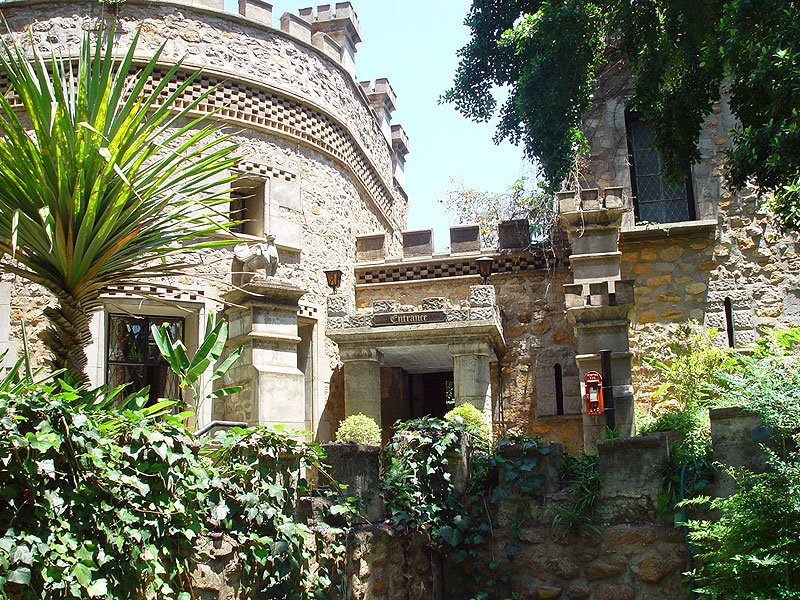
Nesbitt Castle

Bulawayo Club
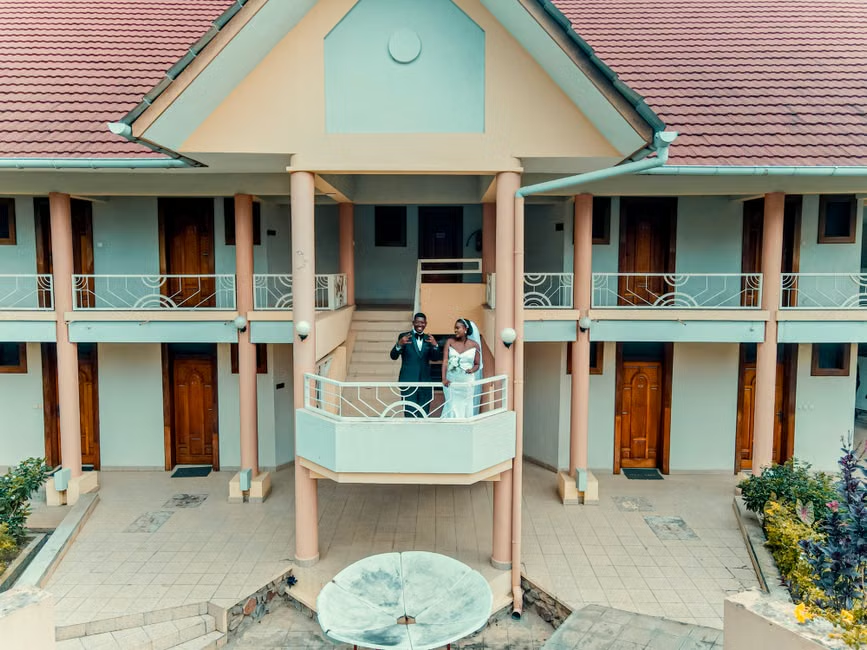
Cresta Churchill Hotel
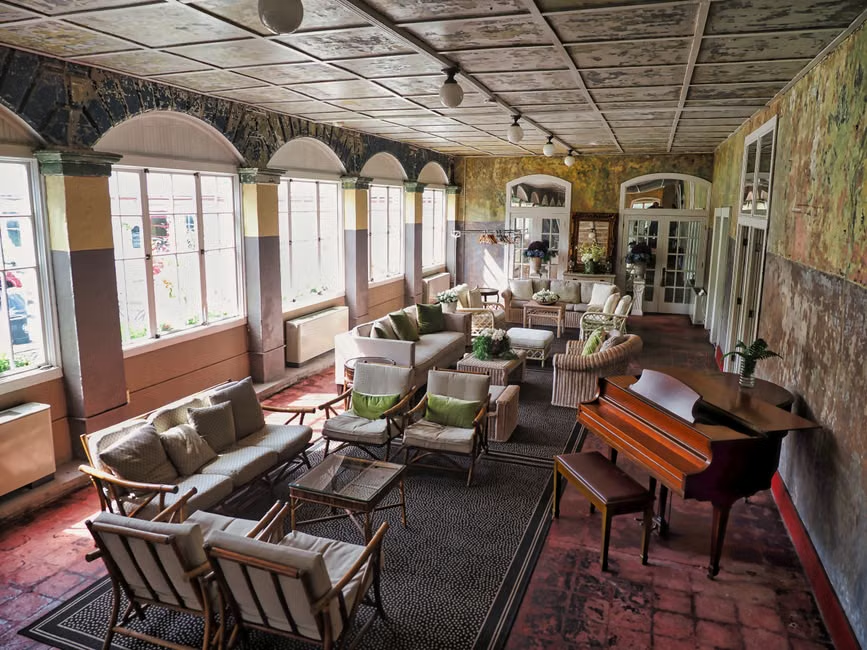
Holiday Inn Bulawayo
Compare Bulawayo with Other Top Destinations
Frequently Asked Questions
Is Bulawayo a good destination for a wedding?
Yes, particularly for intimate and culturally meaningful weddings. Bulawayo suits couples who want authentic Ndebele cultural elements, heritage venue settings, and a distinctive sense of place. It works best for guest lists in the 50–250 range. The dry season from May through October provides reliable outdoor event conditions, and the city's relaxed pace makes multi-day wedding programmes manageable for guests.
What guest group sizes can Bulawayo venues realistically support?
Most venues in Bulawayo are well configured for events in the 50–300 guest range. Heritage properties and garden estates typically suit more intimate gatherings, while city-centre hotel banquet facilities can handle mid-scale events. Very large events requiring 400 or more guests under a single roof would generally need marquee or tented solutions to supplement existing venue capacity.
Which airport do guests use to reach Bulawayo?
Guests arrive at Joshua Mqabuko Nkomo International Airport, located approximately 24 km from the city centre. The airport handles scheduled regional services, with the most reliable international connections routing through Johannesburg, South Africa, or Harare, Zimbabwe. International guests should plan for at least one connecting flight and build a buffer into their travel schedule.
What is the best time of year to hold an event in Bulawayo?
The dry season from May through October is the optimal window. Rainfall is minimal, humidity is low, and temperatures are comfortable — ideal for outdoor ceremonies and evening receptions. June and July are the coolest months; August through October are warmer but still dry. The rainy season (November–March) brings afternoon thunderstorms that make outdoor events genuinely risky.
What kinds of venues are available for events in Bulawayo?
Bulawayo offers heritage manor houses, colonial-era club properties, city-centre hotel banquet halls, landscaped garden estates, and lodge-style properties on the city's outskirts. The most distinctive options are heritage buildings with strong architectural character. The city's botanical gardens and parks can also be engaged for private outdoor functions during the dry season.
How do guests get around Bulawayo once they arrive?
Bulawayo's compact, well-planned street grid makes local movement straightforward. For event groups, coordinating minibus or coach transfers between accommodation and venues is practical and commonly done. Car hire is available at the airport and city centre for guests preferring independent travel. Roads to key excursion sites such as Matobo National Park are generally accessible by standard vehicles.
Is the local vendor and catering ecosystem in Bulawayo capable of handling a destination event?
Yes, though early engagement is important. Bulawayo has an established local ecosystem covering catering, event coordination, floral design, photography, and entertainment — including traditional Ndebele performers and marimba ensembles. The ecosystem is relationship-driven and capable, but smaller than major regional hubs, so specialist services should be booked well in advance rather than sourced last-minute.
Can Bulawayo accommodate a large guest group across multiple nights?
Yes, for mid-scale groups. The city has a range of accommodation options from heritage hotels to guesthouses. Groups needing 300 or more rooms in close proximity will typically need to coordinate room blocks across multiple properties, which is standard practice for events here. Early room block reservations are advisable, particularly during the peak dry-season event window.
What makes Bulawayo distinctive compared to a typical resort event destination?
Bulawayo offers genuine cultural and historical depth — rooted in Ndebele heritage, colonial-era architecture, and proximity to UNESCO-listed sites like Matobo National Park and the Khami Ruins. This gives celebrations here a meaningful sense of place that purpose-built resort destinations rarely replicate. It suits couples and planners who want an event that feels rooted in a real, living culture rather than a constructed hospitality environment.
Are there good excursion options for guests attending a multi-day event in Bulawayo?
Yes. Matobo National Park, a UNESCO World Heritage Site roughly 35 km south of the city, offers game viewing, ancient San rock art, and dramatic granite landscapes. The Khami Ruins, a pre-colonial archaeological site, are also nearby. These options make Bulawayo particularly well suited to multi-day celebration programmes where guests benefit from a broader experience beyond the event itself.
Is Bulawayo suitable for corporate retreats and team events?
Yes. The combination of functional conference facilities in city-centre hotels, a relaxed and unhurried environment, and access to extraordinary natural surroundings makes Bulawayo a strong choice for corporate groups. It works particularly well for retreats that balance structured work sessions with meaningful shared experiences — excursions to Matobo or cultural programming can be integrated naturally into a corporate programme.

Ready to explore venues in Bulawayo?
Bulawayo: Destination Wedding & Event Venues in Zimbabwe
◆Bulawayo is Zimbabwe's second-largest city and its cultural heartland, best suited to intimate weddings, cultural celebrations, social gatherings, and mid-scale corporate events. Its primary vibe is Cultural & Timeless — shaped by Ndebele heritage, wide colonial-era boulevards, and proximity to UNESCO-listed natural and archaeological sites. The dry season (May through October) is the clear window for outdoor events, offering reliably clear skies and mild temperatures. Accessibility requires planning — international guests typically connect through Johannesburg or Harare — but the city's relaxed pace, genuine hospitality, and distinctive character reward the effort for groups seeking something meaningfully different.
Bulawayo at a Glance
| Category | Detail |
|---|---|
| Best For | Cultural Weddings, Social Celebrations, Corporate Retreats, Heritage Events |
| Primary Vibe | Cultural & Timeless |
| Other Vibes | Heritage, Relaxed, Natural |
| Best Season | Dry Season (May, Jun, Jul, Aug, Sep, Oct) |
Why Choose Bulawayo?
- Authentic Ndebele cultural heritage: Bulawayo is the historic seat of the Ndebele kingdom, and that cultural depth permeates the city's music, cuisine, craft traditions, and ceremonial life — giving celebrations here a genuine, rooted character that purpose-built resort destinations rarely replicate.
- Distinctive colonial-era architecture: The city centre retains an unusually intact collection of early 20th-century buildings — wide streets, arcaded facades, and heritage properties — that provide photogenic, characterful backdrops for events and photography without requiring elaborate decoration.
- Proximity to extraordinary natural and archaeological sites: Matobo National Park, a UNESCO World Heritage Site roughly 35 km south of the city, and the Khami Ruins offer guests genuinely memorable excursion options that elevate a multi-day celebration into a broader experience.
- Reliable dry-season event conditions: From May through October, Bulawayo receives minimal rainfall, low humidity, and clear skies — conditions that make outdoor ceremonies, garden receptions, and evening events consistently viable without the weather anxiety common in wetter climates.
- Manageable city scale for group logistics: Bulawayo's compact, well-planned layout means that guests accommodated across different properties can reach event venues without complex transport arrangements, and the city's unhurried pace reduces the friction that larger, more congested cities create for group movements.
- Genuine local hospitality: The city has a well-established tradition of warm, attentive service, and local vendors — caterers, florists, musicians, and event coordinators — bring a personal investment in events that reflects community pride rather than high-volume transactional service.
Which Celebrations Work Best in Bulawayo?
- Cultural & Traditional Weddings: Bulawayo is particularly well suited to celebrations that want to incorporate Ndebele or broader Zimbabwean cultural elements — lobola ceremonies, traditional attire, marimba music, and local cuisine can all be woven into an event here with genuine authenticity rather than as a staged add-on.
- Intimate Destination Weddings: The city's heritage venues and garden properties are best configured for guest lists in the 50–250 range, making Bulawayo a strong fit for couples who want a meaningful destination experience without the logistical complexity of a very large wedding.
- Corporate Retreats & Team Events: The combination of functional city-centre hotel conference facilities, a relaxed environment, and access to extraordinary natural surroundings (Matobo, Hwange day trips) makes Bulawayo a compelling choice for corporate groups seeking a retreat that balances work sessions with genuine experience.
- Social Celebrations & Milestone Events: Significant birthdays, anniversaries, and family reunions benefit from Bulawayo's ability to offer a full multi-day programme — city heritage tours, park excursions, cultural performances, and formal dinners — within a single, manageable destination.
- Heritage & Cultural Events: Organisations or families wanting to mark occasions with a strong sense of place — historical significance, cultural programming, or community connection — will find Bulawayo's depth of heritage assets genuinely useful rather than merely decorative.
Venues & Event Spaces
Bulawayo's event venue landscape is characterised by heritage properties and garden estates rather than large-scale purpose-built convention centres. The most distinctive spaces are historic buildings — castle-style manor houses, colonial-era clubs, and established hotel properties — that offer intimate, atmospheric settings with strong visual character. Several properties feature landscaped gardens suitable for outdoor ceremonies and receptions, particularly valuable during the dry season when weather conditions are reliably favourable.
City-centre hotels provide conventional banquet and conference facilities capable of handling mid-scale corporate and social events, with in-house catering and accommodation under one roof. For larger outdoor events, the city's parks and botanical gardens — among the finest in the region — can be engaged for private functions, offering expansive green settings with mature trees and well-maintained grounds. Lodges and smaller boutique properties on the city's outskirts provide more private, exclusive-use options for groups wanting full buyout of a venue for a multi-day celebration. The overall inventory is best suited to events in the 50–300 guest range; very large-scale events requiring 500+ guests under a single roof would need to consider marquee or tented solutions supplementing existing venue capacity.
Best Time to Celebrate
The dry season from May through October is the clear optimal window for events in Bulawayo. During this period, rainfall is minimal to absent, humidity is low, and daytime temperatures are comfortable — typically ranging from the mid-teens at night to the high twenties during the day. June and July are the coolest months, which can make evening outdoor events require light layers but also means the heat never becomes oppressive. August through October sees temperatures rise gradually, with October being the warmest and driest month before the rains arrive — still excellent for events but worth noting for afternoon outdoor ceremonies.
The rainy season runs from approximately November through March, with the peak of rainfall in January and February. Afternoon and evening thunderstorms are common during this period, making outdoor events genuinely risky without substantial covered contingency. The rains also bring high humidity and reduced visibility, which affects both guest comfort and event photography. April is a transitional month — the rains are tapering but not reliably finished, and humidity can linger — making it a less predictable choice compared to the confirmed dry months. For any event with significant outdoor components, May through October is the only season that can be planned with real confidence.
Getting There & Local Connectivity
Bulawayo is served by Joshua Mqabuko Nkomo International Airport, located approximately 24 km from the city centre. The airport handles scheduled regional services, with the most reliable international connections routing through Johannesburg (South Africa) and Harare (Zimbabwe's capital). Guests travelling from outside southern Africa should plan for at least one connection, and it is worth building a buffer day into multi-day event programmes to absorb any travel delays.
The Bulawayo Railway Station, centrally located in the city, connects to Harare, Victoria Falls, and cross-border services into South Africa. Rail travel is an option for guests coming from within Zimbabwe or from South Africa, though journey times are long and schedules can be variable — it is more relevant as a scenic option for guests extending their trip than as a primary arrival mode for a large event group.
Within the city, road transport is the primary mode of movement. Bulawayo's wide, well-planned street grid makes navigation straightforward, and the city's compact scale means that most event venues, accommodation properties, and points of interest are within a manageable driving distance of one another. For event groups, coordinating minibus or coach transfers between accommodation and venues is both practical and commonly done. Car hire is available at the airport and in the city centre for guests who prefer independent movement. Roads to key excursion sites such as Matobo National Park are generally in reasonable condition and accessible by standard vehicles.
Local Vendor & Hospitality Ecosystem
Bulawayo has a genuine, established local hospitality and events ecosystem that, while smaller in scale than major regional hubs, is well practised in delivering quality events. Local caterers are experienced with both traditional Zimbabwean cuisine and international menus, and the city's food culture — rooted in Ndebele culinary traditions as well as broader Zimbabwean and southern African influences — gives event menus a distinctive, authentic character.
Event coordination, floral design, photography, and entertainment (including traditional Ndebele performers, marimba ensembles, and contemporary musicians) are all available locally, with vendors who have experience working on destination events for both domestic and international clients. The ecosystem is more relationship-driven than transactional, which generally means attentive service but also means that early engagement and clear communication with vendors is important — last-minute sourcing of specialist services is less reliable here than in a larger city.
Accommodation capacity across the city can comfortably support mid-scale events, with a range of properties from heritage hotels to guesthouses available for guest room blocks. For very large events requiring 300+ rooms in close proximity, a combination of properties will typically be needed, and coordinating room blocks across multiple venues is a standard part of event planning in Bulawayo.
Pros & Things to Consider
Why Bulawayo Works Well
- Authentic cultural and heritage character that is genuinely distinctive and difficult to replicate elsewhere
- Reliable dry-season weather window (May–October) with minimal rain risk and comfortable temperatures
- Compact, manageable city layout that simplifies group logistics and transfers
- Access to world-class natural and archaeological excursion sites (Matobo, Khami Ruins) that enrich multi-day programmes
- Warm, community-rooted local hospitality that tends to make guests feel genuinely welcomed rather than processed
- Heritage venue options with strong visual character that reduce the need for heavy decorative investment
Things to Consider
- International connectivity requires planning — most guests will need a connection through Johannesburg or Harare, adding travel time and potential for delays
- Venue capacity for very large events (300+ guests under one roof) is limited; large gatherings may require marquee solutions or multi-venue arrangements
- The local vendor ecosystem, while capable, is smaller than in major regional event hubs — early booking and clear briefs are essential, particularly for specialist services
- Internet and mobile connectivity, while improving, can be variable — guests and planners relying on consistent high-speed connectivity should verify this with specific properties in advance
- Currency and payment logistics in Zimbabwe require some advance planning, as the monetary environment has historically been complex; USD is widely accepted but confirming payment arrangements with all vendors ahead of time is advisable
When Bulawayo May Not Be the Right Fit
- Large-scale events requiring 400+ guests under one roof: The existing venue inventory is best suited to mid-scale events; groups needing very large single-space capacity will find options limited without significant marquee infrastructure.
- Events planned during the rainy season (November–March): If outdoor elements are central to the event concept and dates cannot be moved to the dry season, the afternoon thunderstorm pattern during these months creates genuine risk that is difficult to fully mitigate.
- Guest groups with very limited travel flexibility: International guests who cannot accommodate a connecting flight or who have tight travel windows may find the journey to Bulawayo more demanding than destinations with direct long-haul access.
- Events requiring a very large, concentrated accommodation block: Groups needing 300+ rooms within walking distance of a single venue will need to work across multiple properties, which adds coordination complexity compared to a large integrated resort destination.