

Why Hue is Perfect for Your Celebration
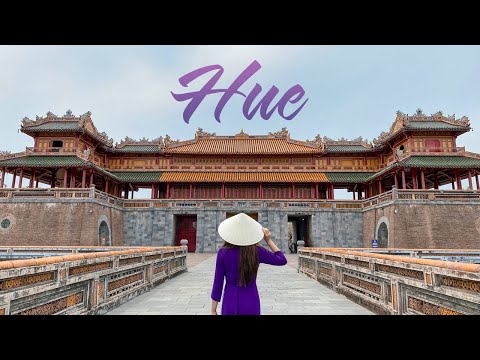
- UNESCO World Heritage-listed Imperial Citadel and royal tombs provide unmatched ceremonial backdrops
- The Perfume River offers scenic riverside venues and boat-based event experiences unique to Hue
- Deep-rooted Vietnamese imperial court traditions lend authentic cultural gravitas to ceremonies
- Dry season (Feb–Aug) delivers reliably clear weather for outdoor celebrations
- Intimate city scale suits smaller, curated guest lists seeking exclusivity over mass-market venues
- Traditional Hue royal cuisine (Hue royal court food) adds a distinctive, memorable culinary dimension to events
Compare Hue with Other Top Destinations
Frequently Asked Questions
Is Hue a good destination for a wedding?
Yes. Hue is particularly well-suited to intimate and mid-sized destination weddings, typically in the range of 50–250 guests. Its UNESCO-listed imperial heritage, Perfume River settings, and traditional Vietnamese ceremony culture create a genuinely distinctive backdrop. It suits couples who prioritise cultural depth and visual grandeur over beach or nightlife settings.
What is the best time of year to hold a wedding or event in Hue?
The dry season from February through August is the strongly recommended window. February to April offers the most comfortable temperatures and clear skies. July and August are warmer but still reliable. September through January brings heavy monsoon rainfall, typhoon risk, and periodic flooding — this period is generally unsuitable for outdoor events and carries travel disruption risk.
How do international guests get to Hue?
Most international guests fly into Hanoi or Ho Chi Minh City and connect to Phu Bai International Airport, approximately 15 km from Hue city center, on a domestic flight of roughly one hour. Da Nang International Airport, about 100 km south, is a larger hub and a viable alternative with a road transfer of approximately 1.5–2 hours. Hue is also on Vietnam's main North-South railway line.
Can guests travel to Hue by train?
Yes. Hue Railway Station is centrally located and sits on Vietnam's Reunification Express line, connecting the city to both Hanoi (approximately 13–14 hours by express train) and Da Nang (approximately 2.5 hours). The coastal rail route from Da Nang through the Hai Van Pass is considered one of the most scenic train journeys in Southeast Asia and can be a memorable part of the guest experience.
What kinds of event venues are available in Hue?
Hue's venue landscape is defined by boutique heritage hotels, riverside resorts, and traditional Vietnamese garden properties. Typical spaces include garden lawns, open-air riverside terraces, colonial-era ballrooms, and pavilion-style courtyards. The city also has access to restored royal garden settings within its heritage precinct. The inventory suits curated, quality-focused events rather than very large-scale productions.
How many guests can Hue realistically accommodate for a destination event?
Hue comfortably suits events in the 50–300 guest range. Several properties can accommodate seated dinners and ceremonies for up to around 250–300 guests. Very large events requiring 400 or more guests in a single venue precinct may find the local supply constrained, and planners should verify capacity early when working with larger guest lists.
What makes Hue's food and catering distinctive for events?
Hue is widely regarded as Vietnam's culinary capital, with a royal court cuisine tradition dating to the Nguyen dynasty. Local caterers and hotel kitchens are experienced in producing elaborate, multi-course banquets in this style — featuring intricate presentation and regionally specific dishes — which serves as a genuine event highlight rather than a generic catering backdrop.
Is there authentic cultural entertainment available for events in Hue?
Yes. Hue is home to Nha Nhac, Vietnamese imperial court music recognised by UNESCO as an Intangible Cultural Heritage. Traditional court musicians, royal ceremony re-enactors, and classical Vietnamese dancers are genuinely available for private event programming. This cultural layer is specific to Hue and adds an authenticity that is difficult to replicate at other Vietnamese destinations.
How easy is it for guests to move around Hue during a multi-day event?
Hue is compact and relatively easy to navigate. Most heritage sites, hotels, and event venues are within short taxi or private vehicle transfers of one another. Private minibus or coach hire for groups is readily available. The city is not heavily congested by regional standards, making multi-venue event days logistically manageable with standard coordination.
Is Hue safe for international wedding guests?
Yes. Hue is generally considered very safe for international visitors. The city has a calm, welcoming character and a long history of receiving cultural tourists. Standard travel precautions apply, but the destination does not present unusual safety concerns for event guests or wedding parties.
What should planners know about the local vendor ecosystem in Hue?
Hue has a growing but mid-sized events vendor ecosystem. Local florists, decorators, photographers, and ceremony coordinators are increasingly experienced with destination clients. Catering is a particular strength. For highly specific international vendor requirements, some specialists may need to be sourced from Hanoi or Da Nang. Working with a local coordinator who has established vendor relationships is strongly advisable.
Can Hue's imperial heritage sites be used as event backdrops?
The imperial heritage precinct — including the Citadel, royal tombs, and historic gardens — provides extraordinary photographic and ceremonial backdrops. Some restored royal garden spaces can be engaged for private events through appropriate cultural channels. Even without exclusive access, the proximity of these sites to event venues means guests experience the heritage setting as an integral part of the celebration.

Ready to explore venues in Hue?
Hue: Destination Wedding & Cultural Event Venues in Vietnam's Imperial City
◆Hue is Vietnam's former imperial capital and one of Southeast Asia's most culturally distinctive destinations for weddings, milestone celebrations, and curated cultural events. Its primary strength lies in heritage and ceremony — UNESCO-listed citadels, royal tombs, and the scenic Perfume River create a setting that is genuinely difficult to replicate elsewhere. The destination suits intimate to mid-sized gatherings particularly well, with a dry season running from February through August that provides reliable outdoor conditions. International guests typically connect through Hanoi or Da Nang, making it accessible but requiring some travel planning. The overall character is refined, culturally immersive, and historically grounded rather than resort-beach or nightlife-oriented.
Hue at a Glance
| Category | Detail |
|---|---|
| Best For | Destination Weddings, Cultural Celebrations, Milestone Anniversaries, Heritage Events |
| Primary Vibe | Cultural & Timeless |
| Other Vibes | Imperial, Romantic, Riverside, Intimate |
| Best Season | Dry Season (Feb, Mar, Apr, May, Jun, Jul, Aug) |
Why Choose Hue?
- UNESCO World Heritage status: The Imperial Citadel, royal tombs, and historic monuments of Hue are among the most significant heritage sites in Southeast Asia, providing a ceremonial backdrop with genuine historical weight that few destinations can match.
- The Perfume River: This iconic waterway runs through the heart of the city and enables riverside event settings, sunset boat experiences, and scenic outdoor ceremonies that are unique to Hue and deeply tied to its cultural identity.
- Imperial court culinary tradition: Hue is widely regarded as the culinary capital of Vietnam, with a royal court cuisine tradition that translates directly into distinctive, memorable banquet and dining experiences for event guests.
- Intimate city scale: Unlike larger Vietnamese cities, Hue's compact, walkable character means guests can move between ceremony, reception, and cultural experiences without long transfers — a practical advantage for multi-day celebrations.
- Genuine cultural immersion: Traditional music (Nha Nhac, a UNESCO-recognised art form), royal ceremony re-enactments, and artisan craft traditions give event planners access to authentic cultural programming that enriches the guest experience beyond the venue itself.
- Growing hospitality infrastructure: A range of boutique resorts, heritage hotels, and riverside properties has developed steadily, offering event planners meaningful choice across different styles and scales without the overcrowding of more mass-market destinations.
Which Celebrations Work Best in Hue?
- Destination Weddings: Hue is particularly well-suited to couples seeking a ceremony with deep cultural resonance and visual grandeur. The combination of heritage architecture, riverside settings, and traditional Vietnamese ceremony elements makes it a compelling choice for intimate to mid-sized weddings of roughly 50–250 guests.
- Cultural & Heritage Celebrations: Milestone anniversaries, family reunions, and cultural festivals find a natural home in Hue, where the city's own calendar of royal festivals and traditional events can be woven into a private celebration's programme.
- Corporate Retreats with Cultural Programming: Hue's combination of quality resort accommodation, distinctive dining, and access to heritage experiences makes it a strong option for smaller corporate groups seeking something more culturally substantive than a standard beach resort.
- Pre-Wedding & Engagement Events: The photogenic quality of Hue's citadels, gardens, and river at dawn or dusk makes it a favoured location for pre-wedding photography sessions and intimate engagement celebrations, often combined with a broader Vietnam itinerary.
Venues & Event Spaces
Hue's event venue landscape is defined by its heritage character. The most distinctive spaces are boutique heritage hotels and riverside resorts that have been developed within or adjacent to the city's historic fabric, offering garden lawns, colonial-era ballrooms, and open-air terraces overlooking the Perfume River. Several properties feature traditional Vietnamese garden architecture — pavilions, lotus ponds, and landscaped courtyards — that lend themselves naturally to ceremonial use.
Beyond hotel-based venues, the city's broader heritage precinct includes restored royal gardens and historic grounds that can be engaged for private events through appropriate cultural and governmental channels, offering a level of ceremonial setting that is genuinely rare. Outdoor lawn spaces at resort properties on the city's outskirts provide capacity for larger gatherings, while the more central riverside hotels suit intimate ceremonies and receptions where atmosphere takes priority over scale. Banquet halls within the city's established hotels can accommodate seated dinners for groups ranging from around 80 to 300 guests depending on the property. The overall venue inventory is best suited to curated, quality-focused events rather than very large-scale productions requiring multiple simultaneous spaces.
Best Time to Celebrate
The dry season running from February through August is the strongly preferred window for events in Hue, and for concrete reasons beyond simply "good weather." During this period, rainfall is minimal, humidity is manageable (particularly February through April), and outdoor ceremonies on riverside lawns or heritage garden terraces can be planned with reasonable confidence. February and March are especially pleasant — temperatures are mild (typically in the low-to-mid 20s Celsius), skies are clear, and the city is often animated by the lead-up to or aftermath of Tet celebrations, which adds cultural vibrancy.
April through June sees temperatures rise toward the low-to-mid 30s Celsius, which remains workable for outdoor events with appropriate shading and timing (early morning or late afternoon ceremonies are advisable). July and August are the warmest months of the dry season but remain far preferable to the alternative.
The period from September through January presents genuine challenges. Hue sits in a geographic position that makes it one of the wettest cities in Vietnam during the autumn and early winter months. September through November in particular brings heavy, sustained rainfall, a meaningful typhoon risk, and periodic flooding — conditions that make outdoor events unreliable and can disrupt guest travel. December and January see reduced but still significant rainfall and cooler, overcast conditions. Event planners should treat this window as genuinely unsuitable for outdoor celebrations and approach indoor-only events during this period with contingency planning in mind.
Getting There & Local Connectivity
Hue is served by Phu Bai International Airport, located approximately 15 km from the city center, which operates domestic routes and a limited number of regional international connections. Most international guests will connect through Hanoi (Noi Bai) or Ho Chi Minh City (Tan Son Nhat), with onward domestic flights to Hue taking roughly one hour. Da Nang International Airport, approximately 100 km to the south, is a larger hub with broader international connectivity and is a viable alternative arrival point for guests who are comfortable with a road transfer of roughly 1.5–2 hours.
Hue is also well-served by Vietnam's North-South Reunification Express railway, with Hue Railway Station sitting centrally in the city. Train services connect Hue to both Hanoi (approximately 13–14 hours by express train) and Da Nang (approximately 2.5 hours), making rail a practical option for guests travelling within Vietnam. The scenic coastal rail route between Da Nang and Hue, passing through the Hai Van Pass, is considered one of the most beautiful train journeys in Southeast Asia and can itself become part of the guest experience for a destination event.
Within the city, movement is straightforward for event groups. Hue is compact enough that most heritage sites, hotels, and event venues are within a short taxi or private vehicle transfer of one another. For larger groups, private coach or minibus hire is readily available and practical. The city is not heavily congested by regional standards, and logistics for multi-venue event days are generally manageable with standard coordination.
Local Vendor & Hospitality Ecosystem
Hue has a well-established hospitality culture rooted in its imperial history — the city has been hosting formal ceremonies, royal banquets, and cultural events for centuries, and that tradition informs the quality and attentiveness of local service. Catering is a particular strength: Hue's culinary identity is among the most distinctive in Vietnam, and local caterers and hotel kitchens are experienced in producing royal court-style banquets that serve as a genuine event highlight rather than a generic backdrop.
The wedding and events vendor ecosystem has grown meaningfully over the past decade, with local florists, decorators, photographers, and ceremony coordinators increasingly experienced in working with destination clients. That said, the ecosystem is smaller and less internationally standardised than in major Vietnamese cities like Hanoi or Ho Chi Minh City — planners working with very specific international vendor requirements may need to bring some specialists from outside the city. Traditional cultural performers — Nha Nhac court musicians, traditional dancers, and artisan demonstrators — are genuinely available and add authentic programming value that is specific to Hue and not easily replicated elsewhere.
English-language communication among vendors has improved substantially with the growth of tourism, though working with a local event coordinator who has established vendor relationships remains advisable for smooth execution, particularly for multi-day events.
Pros & Things to Consider
Why Hue Works Well
- Genuinely unique heritage setting — UNESCO-listed monuments and imperial architecture provide a ceremonial backdrop with real historical depth
- The Perfume River and traditional garden venues offer outdoor event settings that are visually distinctive and culturally resonant
- Hue royal court cuisine is a standout event feature — banquet dining here is a genuine experience, not a generic hotel menu
- Compact city scale makes multi-venue, multi-day event logistics manageable for guests
- Traditional cultural programming (Nha Nhac music, royal ceremony elements) is authentically available and enriches the guest experience
- Dry season (Feb–Aug) is long and reliable, giving planners a wide booking window
- Generally very safe for international guests, with a welcoming local culture
Things to Consider
- International guests require connecting flights — there are no direct long-haul routes into Phu Bai Airport, which adds a travel leg for overseas attendees
- The venue inventory, while high in quality, is limited in scale — very large events (400+ guests) may find the local supply of suitable spaces constrained
- The monsoon and typhoon season (Sep–Jan) is a genuine operational risk, not just a comfort issue — flooding has historically affected parts of the city
- The international vendor ecosystem is smaller than in Hanoi or Ho Chi Minh City; highly specific international vendor requirements may need to be sourced externally
- Hue's character is cultural and heritage-focused — guests or couples seeking a beach, nightlife, or contemporary urban event experience will find the city's offering less aligned with those expectations
When Hue May Not Be the Right Fit
- Events planned for September through January: The typhoon and monsoon season brings a genuine risk of heavy rain, flooding, and travel disruption that makes outdoor events unreliable and can affect guest arrivals — a different destination with a more forgiving year-round climate would be a safer choice for this window.
- Very large guest lists (400+ guests): Hue's venue inventory is strong in quality but limited in scale. Couples or planners needing multiple large simultaneous spaces, or accommodation blocks for several hundred guests in a single precinct, may find the local supply insufficient without significant logistical complexity.
- Guests with limited international travel experience or tight connection tolerances: The requirement for a domestic connecting flight (or a long road transfer from Da Nang) adds a travel layer that can be challenging for older guests or those unfamiliar with multi-leg journeys — a destination with a major international hub airport would reduce this friction.
- Couples seeking a beach, resort-island, or contemporary urban celebration: Hue's identity is imperial, cultural, and riverside — it does not offer a beach setting or a modern cosmopolitan event scene. Those priorities are better served by other Vietnamese or regional destinations.