
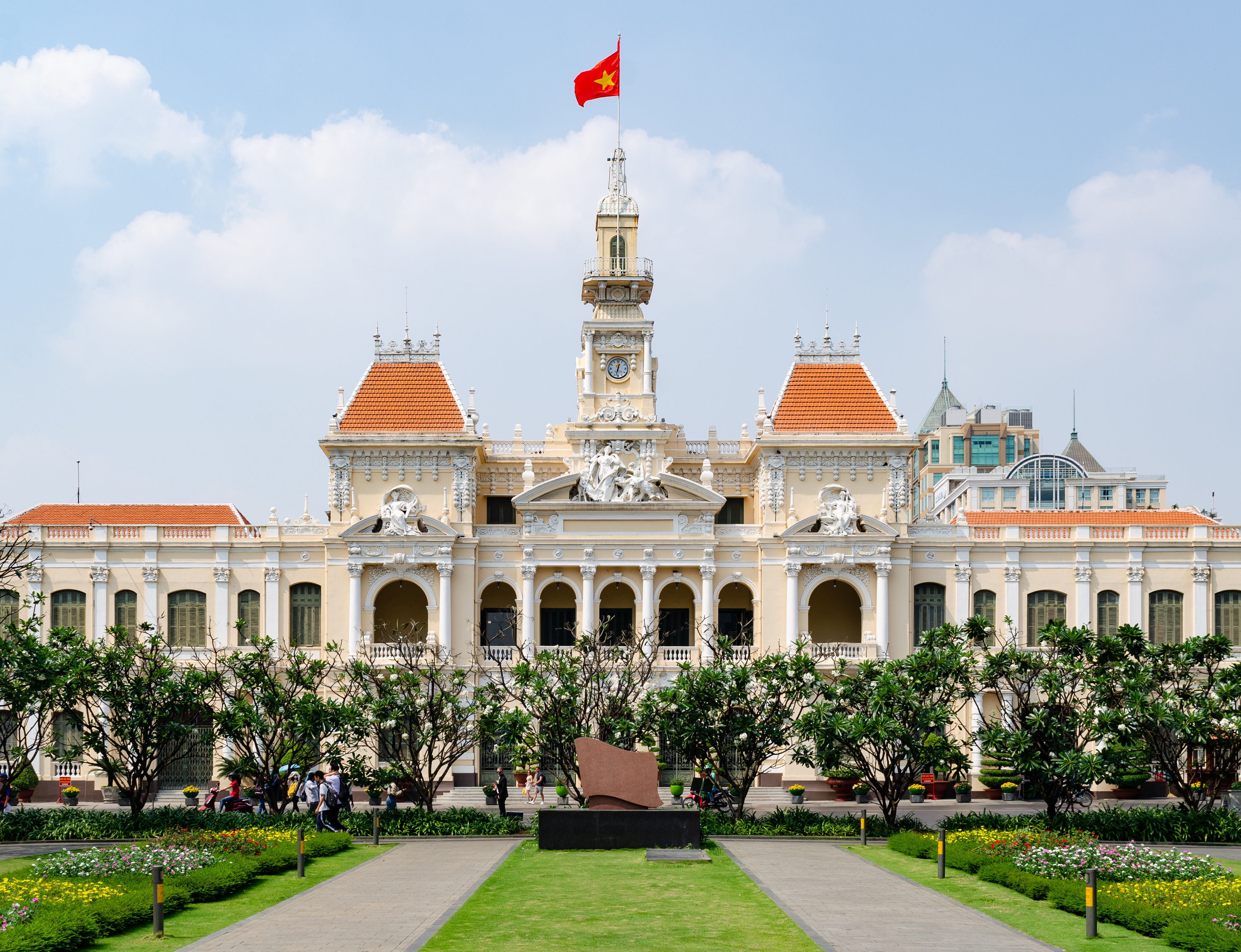
Why Ho Chi Minh City is Perfect for Your Celebration
- One of Southeast Asia's best-connected cities — Tan Son Nhat Airport receives direct flights from major hubs across Asia, Europe, and the Middle East
- Diverse venue portfolio spanning luxury high-rise ballrooms, French colonial mansions, riverside terraces, and rooftop event spaces
- Mature, internationally experienced hospitality ecosystem with global hotel brands and professional local event vendors
- Dry season (Jan–Apr, Dec) delivers reliably clear weather — ideal for outdoor ceremonies and evening receptions
- Vibrant urban backdrop with iconic Saigon skyline, colonial-era landmarks, and a thriving food and entertainment scene for guest experiences
- Strong infrastructure for large-scale corporate events, product launches, and gala dinners alongside intimate weddings
Compare Ho Chi Minh City with Other Top Destinations
Frequently Asked Questions
Is Ho Chi Minh City a good destination for a wedding?
Yes, particularly for couples seeking a cosmopolitan, internationally flavored celebration. The city offers luxury hotel ballrooms, rooftop terraces, and riverside venues with a sophisticated urban backdrop. Its strong international flight connectivity makes it practical for guests traveling from multiple countries, and the local wedding vendor ecosystem is mature and experienced with international clients.
What is the best time of year to hold an event in Ho Chi Minh City?
The dry season — January, February, March, April, and December — is the optimal window. These months bring minimal rainfall, relatively lower humidity, and clear skies suitable for outdoor and semi-outdoor events. December and January are especially popular. Planners should avoid scheduling around the Tết (Lunar New Year) holiday, when vendor availability is reduced.
How easy is it for international guests to reach Ho Chi Minh City?
Very easy by Southeast Asian standards. Tan Son Nhat International Airport, located roughly 7–8 km from the city center, receives direct flights from major hubs across Asia, Europe, and the Middle East. Most international guests can reach the city with a single flight or one connection, making it one of the more accessible destination event cities in the region.
What kinds of venues are available for events in Ho Chi Minh City?
The city offers a wide range: large hotel ballrooms in internationally branded luxury properties, rooftop event spaces with panoramic skyline views, riverside terraces, restored French colonial-era buildings, and poolside or garden settings within hotel grounds. The majority of high-capacity venues are concentrated in District 1, the city's commercial and historic core.
How large a guest list can Ho Chi Minh City venues realistically accommodate?
The city's major hotel ballrooms can comfortably accommodate events ranging from intimate gatherings of under 100 guests to large receptions of 400–600 or more. For very large-scale events exceeding 600 guests, planners should confirm specific ballroom capacities early, as the largest single-room capacities vary by property.
Is Ho Chi Minh City well-suited for corporate events and gala dinners?
Yes — it is arguably the strongest corporate event destination in Vietnam. The city regularly hosts major international conferences, incentive travel programs, product launches, and gala dinners. Convention-capable hotel ballrooms, professional AV and production vendors, and a business-district concentration of venues make it a practical and polished choice for corporate planners.
What is the local hospitality and vendor ecosystem like for events?
Well-developed and internationally oriented. Ho Chi Minh City has a mature network of professional event planners, wedding coordinators, caterers, florists, AV specialists, and entertainment agencies — many experienced with international clients and multilingual briefs. Major hotel brands maintain dedicated in-house events teams, and independent agencies are generally capable of managing complex multi-day programs.
What should planners know about traffic and local transport for guest groups?
Traffic congestion in Districts 1 and 3 — where most event venues are concentrated — can be significant during peak hours. Private coach transfers and Grab (ride-hailing) are the most practical options for moving guest groups. Planners should build buffer time into all transfer schedules, particularly for airport arrivals and departures around the event.
Do international guests need a visa to attend an event in Ho Chi Minh City?
It depends on nationality. Vietnam offers visa-free entry to citizens of a number of countries, and an e-visa option is available for many others. However, some nationalities require advance visa arrangements. Event planners should communicate visa requirements clearly to all international guests well ahead of the event date to avoid last-minute complications.
Can outdoor events be held in Ho Chi Minh City, and when?
Yes, but only reliably during the dry season (January–April and December). Outside this window, the wet season brings heavy daily rainfall and high humidity that make outdoor events operationally risky. During the dry season, rooftop terraces, poolside settings, and riverside outdoor spaces are all viable and popular choices for ceremonies and receptions.
What makes Ho Chi Minh City distinctive as an event destination compared to a resort or heritage setting?
Ho Chi Minh City's strength is cosmopolitan urban sophistication — rooftop skylines, French colonial architecture, world-class dining, and vibrant nightlife — rather than natural scenery or heritage palace grandeur. It suits couples and planners whose vision is a chic, internationally flavored celebration in a dynamic city, with rich guest experiences built around the urban environment itself.

Ready to explore venues in Ho Chi Minh City?
Ho Chi Minh City: Destination Wedding & Event Venues in Vietnam
◆Ho Chi Minh City — historically known as Saigon — is Vietnam's largest city and its most internationally connected event destination. It suits corporate events, gala dinners, destination weddings, and social parties particularly well, thanks to a mature hospitality ecosystem, a wide range of luxury and mid-range venues, and direct international flight access. The city's primary vibe is chic and cosmopolitan: think rooftop skylines, French colonial architecture, and world-class hotel ballrooms. The dry season (January through April, and December) is the clear window for outdoor and semi-outdoor celebrations. Guests from across Asia and beyond can reach the city with relative ease, and the local vendor and catering industry is well-developed by Southeast Asian standards.
Ho Chi Minh City at a Glance
| Category | Detail |
|---|---|
| Best For | Destination Weddings, Corporate Events, Gala Dinners, Social Parties |
| Primary Vibe | Chic & Cosmopolitan |
| Other Vibes | Colonial Heritage, Urban Energy, Riverside Elegance |
| Best Season | Dry Season (Jan, Feb, Mar, Apr, Dec) |
Why Choose Ho Chi Minh City?
- Exceptional international connectivity: Tan Son Nhat International Airport is one of Southeast Asia's busiest airports, with direct routes from major cities across Asia, Europe, and the Middle East — making it genuinely accessible for international guest lists.
- Diverse, high-quality venue landscape: The city offers everything from grand hotel ballrooms and rooftop terraces with panoramic skyline views to French colonial-era buildings and riverside event spaces — a range that few Southeast Asian cities can match in a single urban footprint.
- Mature hospitality and events industry: Ho Chi Minh City hosts major international conferences, product launches, and high-profile weddings regularly. The local ecosystem of event planners, caterers, florists, AV specialists, and entertainment vendors is experienced and internationally oriented.
- Reliable dry-season weather window: The five-month dry season (January–April and December) provides consistently clear skies and manageable humidity — a genuine operational advantage for outdoor ceremonies, rooftop receptions, and multi-day event programs.
- Rich cultural backdrop for guest experiences: Beyond the event itself, guests can explore the city's colonial-era landmarks, vibrant street food culture, world-class restaurants, and dynamic nightlife — making Ho Chi Minh City a destination that rewards guests who arrive early or stay on after the celebration.
- Strong accommodation inventory across tiers: The city has a substantial supply of internationally branded luxury hotels concentrated in Districts 1 and 3, ensuring that even large guest groups can be accommodated within a short distance of central event venues.
Which Celebrations Work Best in Ho Chi Minh City?
- Destination Weddings: Couples seeking a cosmopolitan, internationally flavored wedding — rather than a traditional heritage or nature-based setting — will find Ho Chi Minh City particularly compelling. Luxury hotel ballrooms, rooftop terraces, and riverside venues provide a sophisticated urban backdrop, and the city's international connectivity makes it practical for guests flying in from multiple countries.
- Corporate Events & Conferences: Ho Chi Minh City is arguably the strongest corporate event destination in Vietnam. Its convention-capable hotel ballrooms, professional AV and production vendors, and business-district concentration make it well-suited for product launches, leadership summits, incentive travel programs, and large-scale gala dinners.
- Social Parties & Milestone Celebrations: The city's rooftop bars, private dining rooms, and boutique event spaces make it an excellent setting for milestone birthdays, anniversary parties, and reunion gatherings — especially for groups that want a vibrant urban atmosphere rather than a resort retreat.
- Pre-Wedding & Engagement Events: The photogenic mix of colonial architecture, riverside promenades, and modern skyline makes Ho Chi Minh City a popular choice for pre-wedding shoots and engagement parties, often combined with a broader celebration program across multiple days.
Venues & Event Spaces
Ho Chi Minh City's venue landscape is dominated by large-format hotel ballrooms in internationally branded luxury properties, concentrated primarily in District 1 — the city's historic and commercial core. These ballrooms typically accommodate guest lists ranging from intimate gatherings of under 100 to large receptions of several hundred, with full in-house catering, AV infrastructure, and dedicated events teams.
Beyond hotel ballrooms, the city offers a growing number of rooftop event spaces that leverage the dramatic Saigon skyline as a backdrop — particularly popular for cocktail receptions, corporate dinners, and engagement parties. Riverside venues along the Saigon River provide a more atmospheric, open-air setting, while a handful of restored French colonial-era buildings in the city center offer a heritage character that contrasts with the modern high-rise majority.
District 7's Phu My Hung area and the broader southern districts offer additional mid-range event venues and hotel properties that suit smaller, more private gatherings. For groups wanting a garden or semi-outdoor setting, some hotel properties include landscaped outdoor terraces and poolside event areas that work well during the dry season months.
Best Time to Celebrate
The dry season — spanning January, February, March, April, and December — is the clear optimal window for events in Ho Chi Minh City. During these months, rainfall is minimal, humidity is relatively lower (though still tropical by temperate standards), and temperatures are warm but generally manageable, typically ranging from the mid-20s to low 30s Celsius. Outdoor ceremonies, rooftop receptions, and multi-day event programs are all operationally viable during this period.
January and February are particularly popular, coinciding with the post-Christmas/New Year period and the lead-up to Tết (Vietnamese Lunar New Year). Planners should note that the Tết holiday period itself — typically falling in late January or February — sees significant local business closures and reduced vendor availability, so events should be scheduled either well before or after the Tết window.
December is another strong month: the city takes on a festive atmosphere, temperatures are among the most comfortable of the year, and international guests traveling during the holiday season find the timing convenient.
The wet season (May through November) brings daily rainfall — often heavy and sudden — high humidity, and occasional flooding in low-lying areas of the city. Outdoor events during this period carry meaningful operational risk: ceremonies can be disrupted, outdoor setups require robust contingency planning, and the general atmosphere is significantly less comfortable for guests. While indoor events in fully air-conditioned ballrooms remain viable year-round, the wet season is generally not recommended for events with any outdoor component.
Getting There & Local Connectivity
Ho Chi Minh City is served by Tan Son Nhat International Airport, located approximately 7–8 km from the city center — one of the closest major international airports to a Southeast Asian city center. The airport handles a high volume of international traffic, with direct connections from cities across Asia (including Singapore, Bangkok, Kuala Lumpur, Tokyo, Seoul, Hong Kong, and Taipei), as well as long-haul routes to Europe and the Middle East. For international guest groups, this is a genuine logistical advantage: most guests can reach the city with a single flight or at most one connection.
Domestic guests traveling from Hanoi, Da Nang, or other Vietnamese cities can reach Ho Chi Minh City by frequent domestic flights (typically 1–2 hours) or by the Reunification Express train from Saigon Railway Station, which connects the city to Hanoi and major stops along Vietnam's coast — though train journeys are long and primarily suited to guests with flexible schedules.
Within the city, large guest groups typically rely on private coach transfers and ride-hailing services (Grab is widely used and reliable). The city's traffic congestion — particularly in Districts 1 and 3 during peak hours — is a genuine logistical consideration for event planners scheduling transfers between venues, hotels, and the airport. Building buffer time into transfer schedules is strongly advisable. The metro system (Line 1) is under development and not yet a primary option for group event logistics as of the time of writing.
Local Vendor & Hospitality Ecosystem
Ho Chi Minh City has one of the most developed event vendor ecosystems in Southeast Asia outside of Singapore and Bangkok. The city's long history of hosting international corporate events, luxury weddings, and large-scale conferences has produced a mature network of professional event planners, wedding coordinators, florists, catering specialists, AV and production companies, entertainment agencies, and décor vendors — many of whom are experienced working with international clients and multilingual briefs.
The major international hotel brands operating in the city maintain in-house events teams with strong operational experience, and many have dedicated wedding packages and corporate event menus. Independent event planning agencies in the city are generally well-regarded and capable of managing complex, multi-day programs.
Vietnamese cuisine — both traditional and contemporary fusion — is a genuine asset for event catering: the local food culture is sophisticated, and the city's restaurant and catering scene can support everything from traditional Vietnamese banquets to international multi-course menus. Beverage and bar service is similarly well-developed, with a strong cocktail and wine culture in the city's hospitality sector.
One practical note: for events with very specific international décor requirements or niche vendor needs (e.g. particular floral varieties, specialist entertainment acts), lead times for sourcing and import can be longer than in larger global event hubs — early planning and clear vendor briefings are advisable.
Pros & Things to Consider
Why Ho Chi Minh City Works Well
- Outstanding international flight connectivity — genuinely accessible for multi-country guest lists
- Wide range of luxury hotel venues with large ballroom capacity and professional in-house events teams
- Reliable, operationally comfortable dry season from January through April and in December
- Mature, internationally experienced local vendor and hospitality ecosystem
- Vibrant city backdrop — colonial architecture, rooftop skylines, riverside settings — that enriches the guest experience beyond the event itself
- Strong accommodation supply in the city center, keeping large guest groups close to event venues
Things to Consider
- Wet season risk: Events planned outside the dry season window face meaningful disruption risk from heavy rainfall and high humidity — outdoor components require robust contingency planning or should be avoided entirely.
- Traffic congestion: District 1 and surrounding areas experience significant traffic during peak hours; transfer logistics for large groups require careful scheduling and buffer time.
- Tết holiday window: Events scheduled around the Lunar New Year period face reduced vendor availability and potential business closures — this window requires particularly early planning and confirmed vendor commitments.
- Urban rather than nature-based setting: Couples or planners seeking a lush resort, beachfront, or heritage-palace setting will find Ho Chi Minh City's primarily urban venue landscape less suited to that aesthetic — the city's strength is cosmopolitan sophistication, not natural scenery.
- Visa requirements: International guests from some countries require a visa to enter Vietnam — while the e-visa process is generally straightforward, planners should communicate this clearly to guests well in advance of the event date.
When Ho Chi Minh City May Not Be the Right Fit
- Outdoor-focused events during the wet season (May–November): If the event date is fixed in the monsoon months and outdoor elements are non-negotiable, the daily rainfall and flooding risk make Ho Chi Minh City a difficult operational environment — a covered or fully indoor venue, or a different destination, would be more appropriate.
- Couples seeking a heritage palace, beachfront, or nature-immersive setting: Ho Chi Minh City is fundamentally an urban destination. Those whose vision centers on a lakeside palace, a tropical beach resort, or a jungle retreat will find the city's venue landscape does not match that aesthetic — other Vietnamese or regional destinations would be a stronger fit.
- Very small, intimate gatherings prioritizing seclusion and privacy: The city's scale and urban energy are assets for larger, more social celebrations, but couples seeking a quiet, private, secluded experience may find the metropolitan environment less suited to that mood.
- Guest groups with very limited international travel experience or visa complexity: While the city is well-connected, the visa requirement for some nationalities and the general complexity of international travel to Vietnam may add friction for guest groups that are less experienced with overseas travel — a destination with simpler entry requirements might reduce logistical burden for those specific groups.