
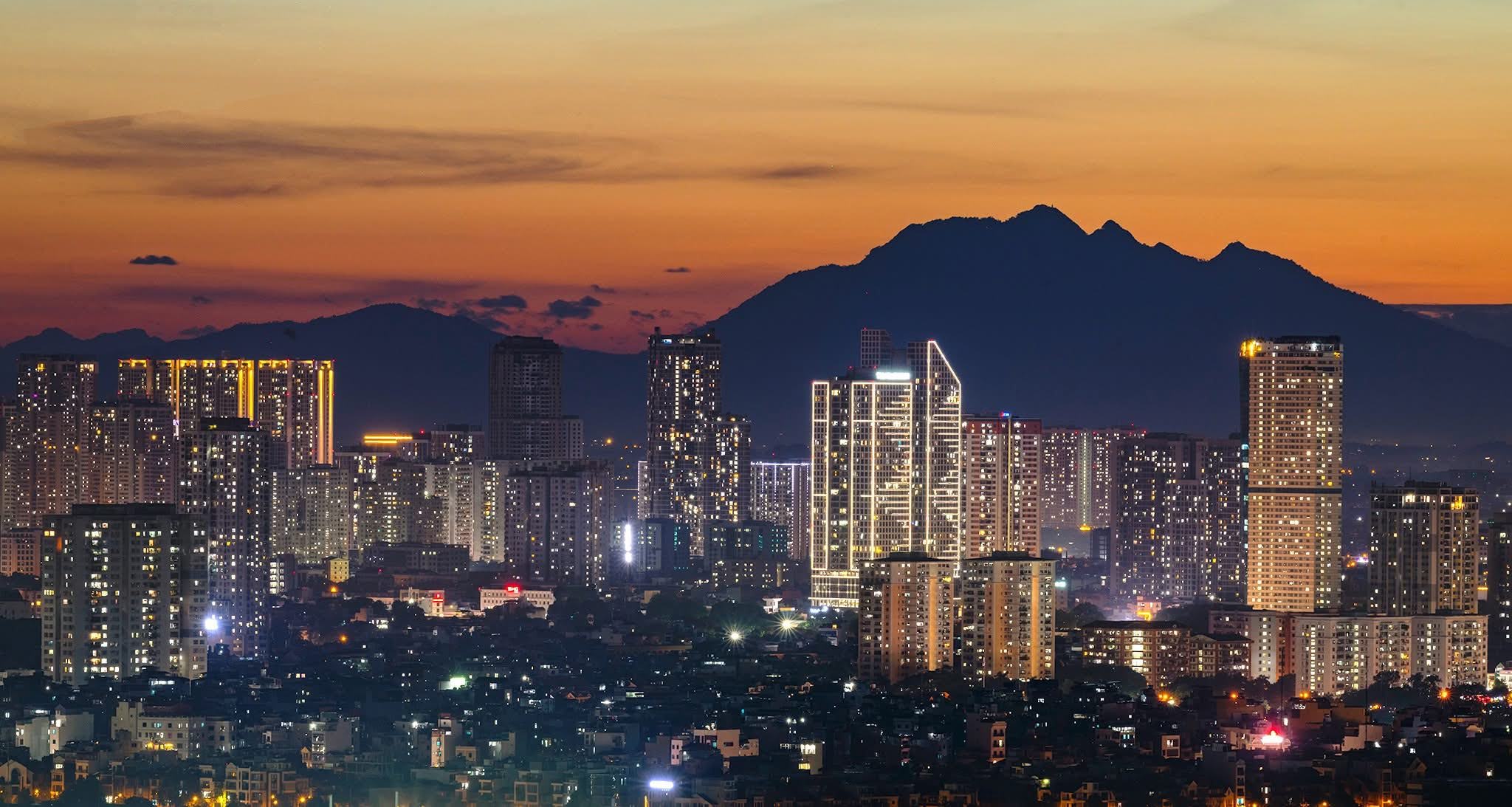
Why Hanoi is Perfect for Your Celebration
- Unique blend of Vietnamese heritage, French colonial architecture, and lakeside scenery for visually distinctive event backdrops
- Growing inventory of internationally branded luxury hotels with dedicated ballrooms and event facilities
- Excellent international air connectivity via Noi Bai International Airport, with direct routes from major Asian hubs
- Mature local vendor ecosystem — experienced caterers, florists, AV specialists, and event planners familiar with international standards
- Cool, dry weather in March–April and October–November makes outdoor ceremonies and garden receptions genuinely comfortable
- Rich cultural programming — traditional water puppet shows, lantern ceremonies, and Old Quarter tours — adds memorable guest experiences around the main event
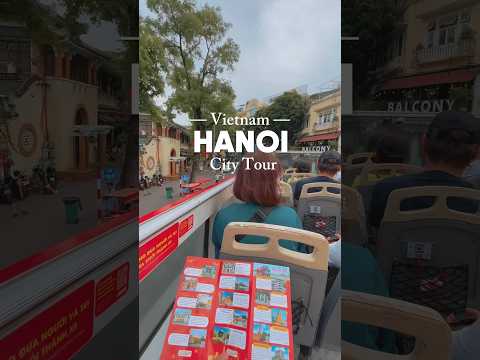
Top Venues in Hanoi
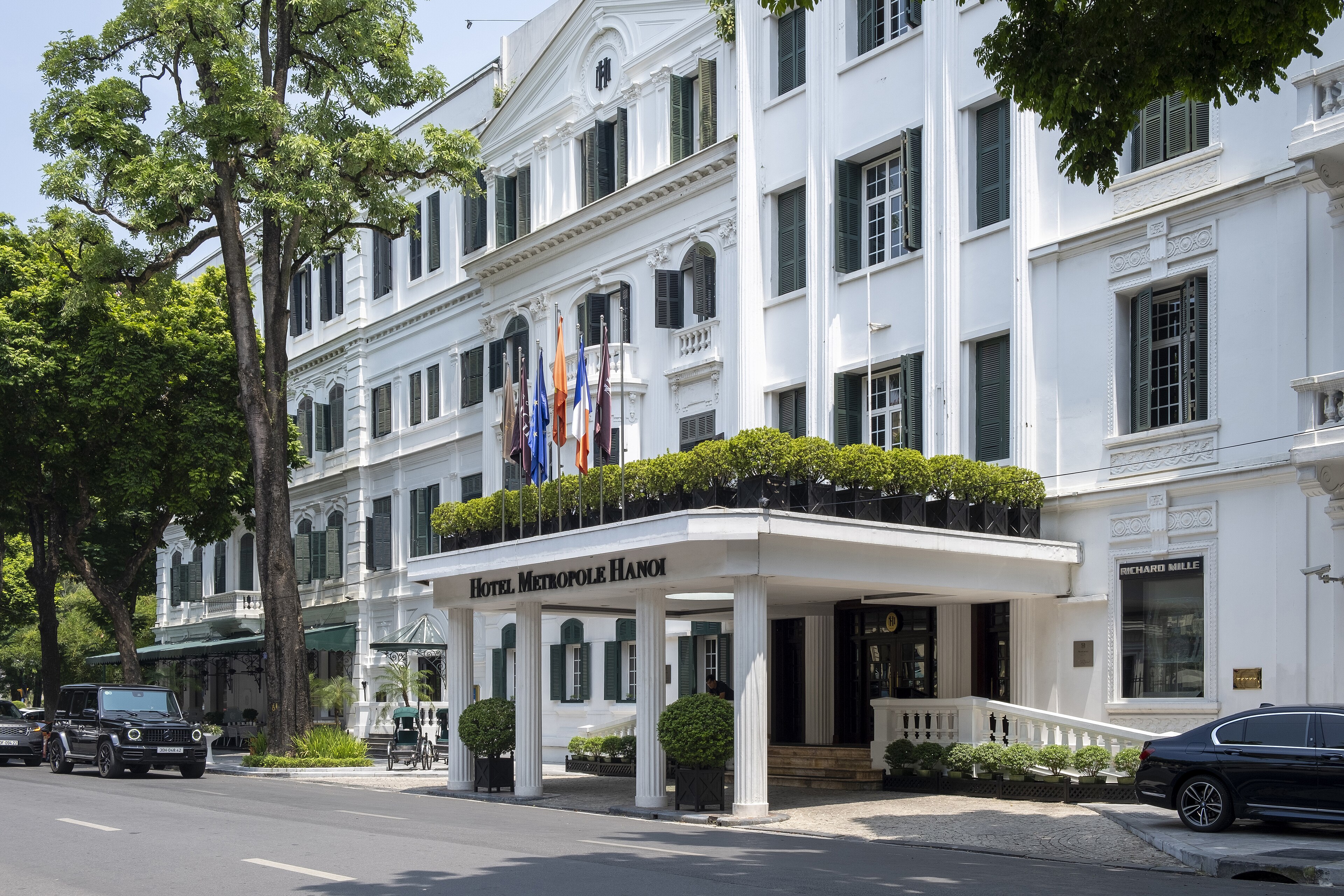
Sofitel Legend Metropole Hanoi
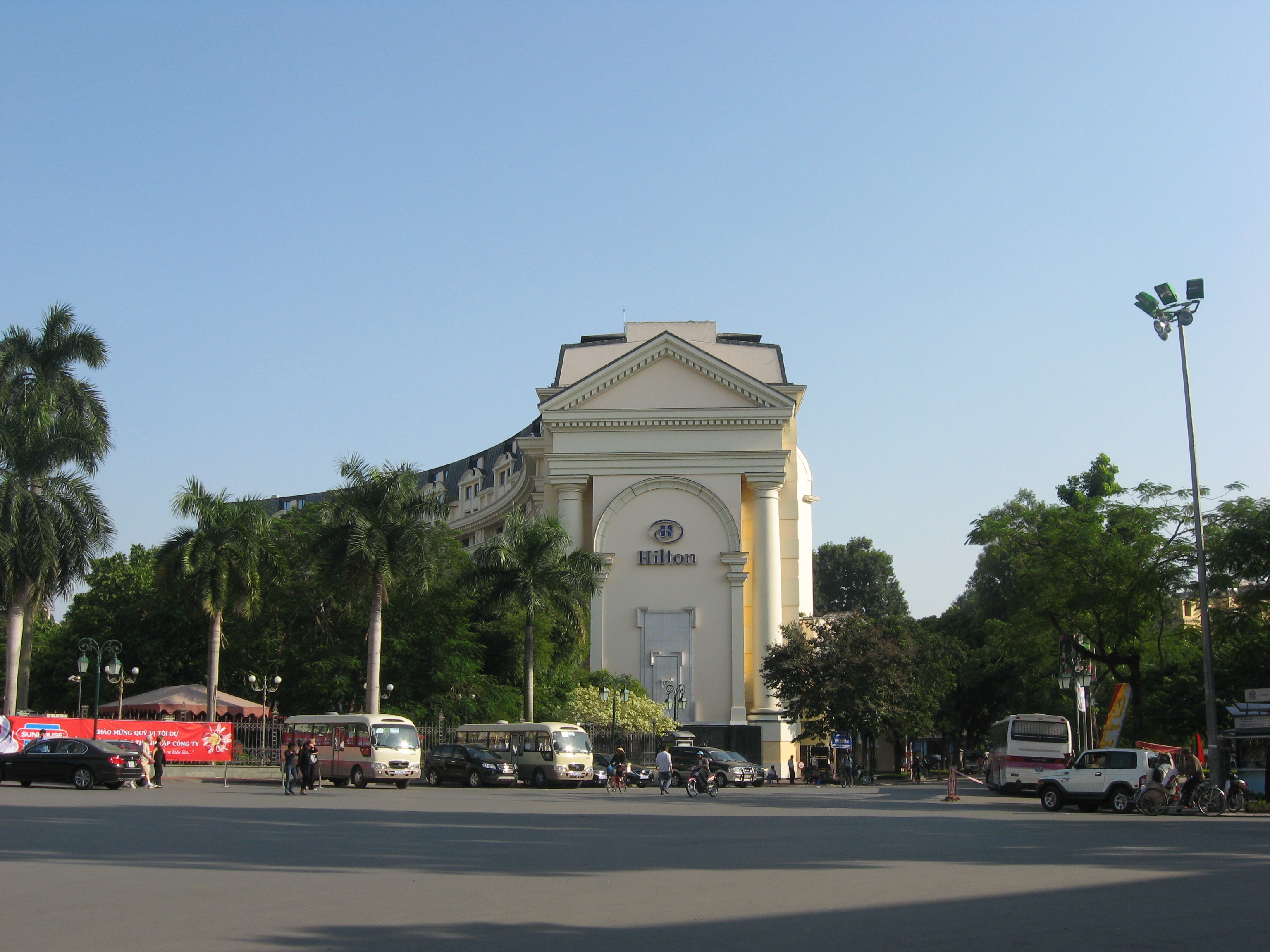
Hilton Hanoi Opera
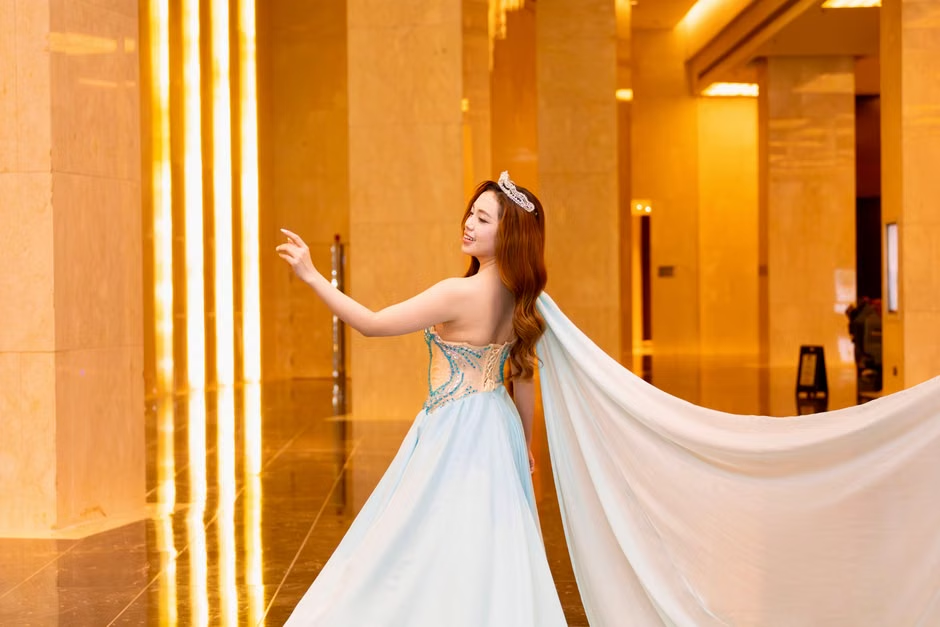
InterContinental Hanoi Landmark72
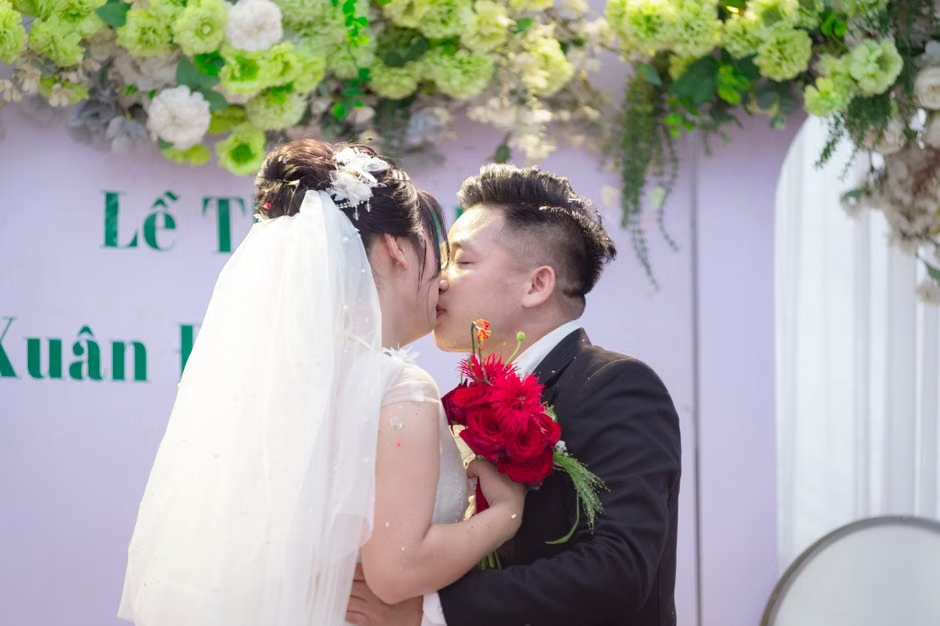
Pan Pacific Hanoi
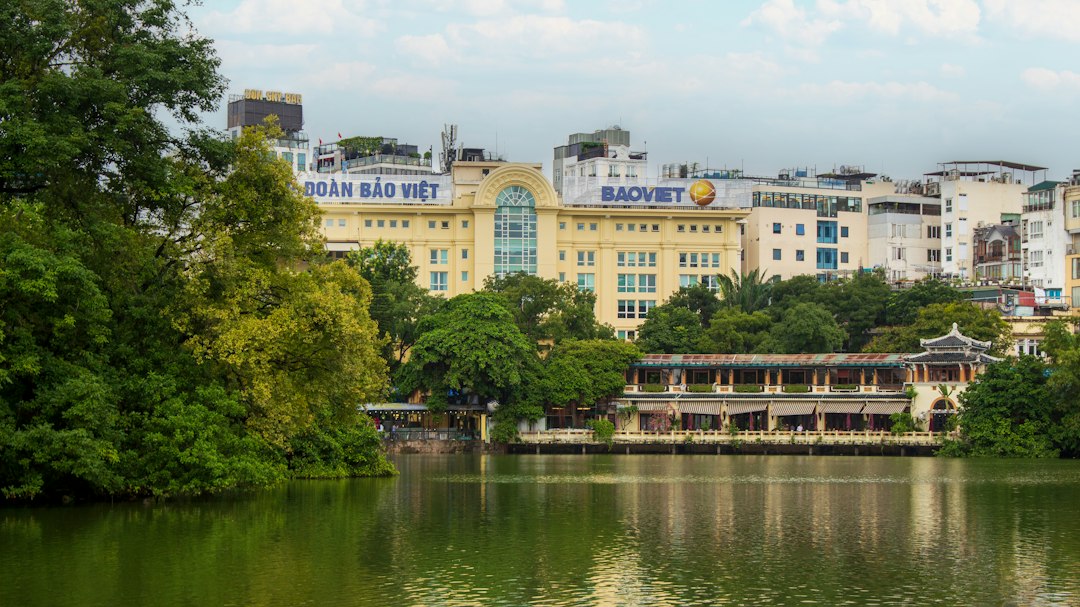
Hanoi La Siesta Hotel & Spa (Trendy)
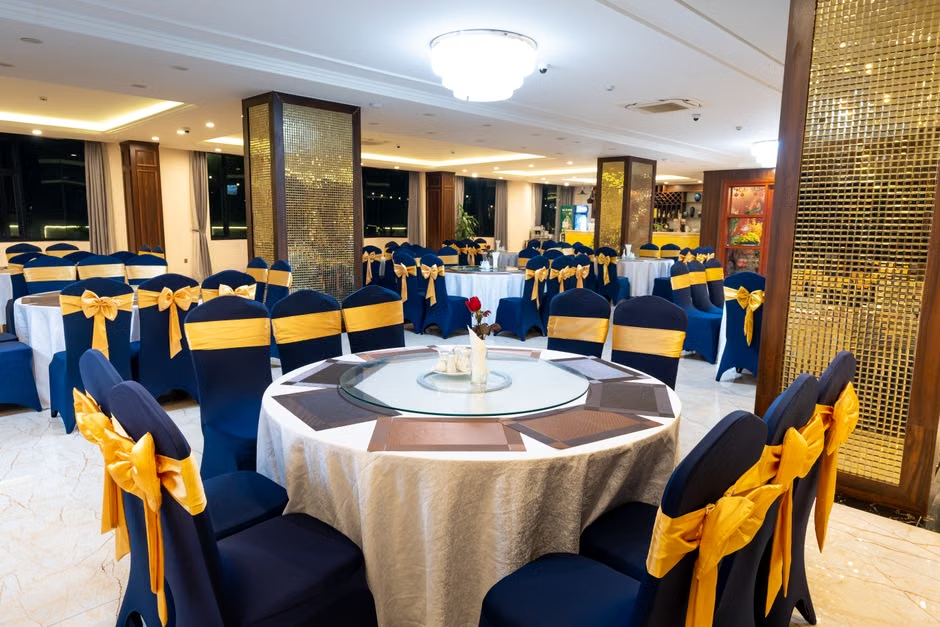
Golden Lotus Luxury Hotel
Compare Hanoi with Other Top Destinations
Frequently Asked Questions
Is Hanoi a good destination for a wedding celebration?
Yes. Hanoi is particularly well-suited to destination weddings that prioritize cultural richness, heritage architecture, and a distinctive atmosphere over a conventional beach or resort setting. The city offers lakeside venues, French colonial interiors, and rooftop spaces with city views, supported by an experienced local event planning ecosystem capable of managing international-standard celebrations.
What is the best time of year to hold an event in Hanoi?
March–April and October–November are the best windows. These months bring cool, dry, and comfortable conditions — ideal for both outdoor ceremonies and indoor receptions. October and November are especially reliable. Avoid May–September (monsoon and heat) and December–February (cold, damp, and Tết congestion in late January–February).
How do international guests typically get to Hanoi?
Most international guests arrive via Noi Bai International Airport (HAN), approximately 35 km from the city center. The airport has direct connections to major Asian hubs including Singapore, Bangkok, Hong Kong, Seoul, and Kuala Lumpur, as well as select European and Middle Eastern routes. The airport-to-city transfer takes roughly 45–60 minutes by private vehicle.
What kinds of event venues are available in Hanoi?
Hanoi offers a broad range — large hotel ballrooms in internationally branded luxury properties, intimate lakeside terraces at West Lake, rooftop venues overlooking Hoan Kiem Lake, heritage boutique properties in the Old Quarter, and standalone banquet halls. This range suits everything from large gala dinners to small, atmospheric ceremonies.
How large a guest group can Hanoi realistically accommodate for an event?
Hanoi's larger hotel venues can comfortably host events for 300–700 guests in a single ballroom, with some properties capable of larger configurations. For very large groups (500+), accommodation may need to be split across multiple nearby hotels, which is manageable with good coordination but requires early planning.
Is Hanoi suitable for corporate retreats and conferences?
Yes. Hanoi is a strong corporate events destination — major international hotels have purpose-built conference facilities, reliable high-speed connectivity, and professional event coordination teams experienced with multinational clients. The city's cultural richness also makes team-building and guest programming easy to design around the main event.
What is local transport like for a large guest group in Hanoi?
Hanoi's city traffic is dense and motorbike-heavy, so large groups should use pre-arranged private coaches or minibuses rather than relying on individual taxis or ride-hailing. Grab (the dominant ride-hailing app) works well for smaller sub-groups. The main event districts — Hoan Kiem, Ba Dinh, and Tay Ho — are reasonably compact, reducing the frequency of long transfers.
How experienced are Hanoi's local event vendors and planners?
Hanoi has a mature event services ecosystem. Several independent agencies specialize in destination weddings and corporate retreats for international clients, offering end-to-end coordination. Major hotels maintain in-house event teams with established vendor networks. Catering, floristry, AV production, and décor vendors are generally experienced with international-standard events.
Can traditional Vietnamese cultural elements be incorporated into an event in Hanoi?
Yes, and authentically so. Hanoi is Vietnam's cultural capital — traditional elements such as silk lanterns, lotus motifs, ao dai dress codes, water puppet performances, and traditional music are all readily available and can be incorporated meaningfully into event programming and décor, adding genuine cultural specificity rather than a generic 'Asian' aesthetic.
Are there good guest experience activities available around a Hanoi event?
Yes. Hanoi offers rich programming for accompanying guests — Old Quarter walking tours, Hoan Kiem Lake sunrise visits, traditional water puppet theatre, Vietnamese cooking classes, and day trips to nearby UNESCO World Heritage sites. This makes multi-day celebration itineraries genuinely engaging rather than requiring guests to fill time independently.
Do international guests need a visa to attend an event in Hanoi?
Visa requirements vary significantly by nationality. Vietnam offers visa-free entry to citizens of a number of countries (including several ASEAN nations and select European countries), and an e-visa option is available for many others. However, some nationalities require advance visa arrangements. Event planners should advise all guests to verify their specific requirements well ahead of travel.
What makes Hanoi different from other Southeast Asian event destinations?
Hanoi's distinguishing quality is its cultural and historical depth — a thousand years as Vietnam's capital has produced a layered urban landscape of ancient temples, French colonial architecture, and serene lakes that most Southeast Asian cities cannot match. This gives events held here a genuinely distinctive character, particularly for couples or organizations seeking something beyond a conventional resort or beach setting.

Ready to explore venues in Hanoi?
Hanoi: Destination Wedding & Cultural Event Venues in Northern Vietnam
◆Hanoi is Vietnam's capital and one of Southeast Asia's most culturally layered event destinations, best suited to weddings, corporate retreats, festivals, and milestone celebrations that benefit from a rich heritage backdrop. Its primary vibe is Cultural & Timeless — shaped by ancient temples, French colonial boulevards, serene lakeside settings, and a vibrant Old Quarter. The best seasons to plan are March–April and October–November, when the weather is cool, dry, and genuinely comfortable for both indoor and outdoor events. Hanoi is well-connected internationally via Noi Bai International Airport, and its hospitality infrastructure spans internationally branded luxury hotels to intimate heritage boutique properties, making it accessible across a range of group sizes and event formats.
Hanoi at a Glance
| Attribute | Detail |
|---|---|
| Best For | Destination Weddings, Corporate Retreats, Cultural Festivals, Milestone Celebrations |
| Primary Vibe | Cultural & Timeless |
| Other Vibes | Heritage, Lakeside, Urban Sophistication |
| Best Season | Cool / Mild Season (Mar, Apr, Oct, Nov) |
Why Choose Hanoi?
- Unmatched cultural depth: Hanoi's thousand-year history as Vietnam's capital means event backdrops range from ancient communal houses and pagodas to grand French colonial facades — a visual richness that is genuinely difficult to replicate elsewhere in the region.
- Diverse venue inventory: The city offers a broad spectrum of event spaces — internationally branded luxury hotel ballrooms capable of hosting several hundred guests, intimate lakeside terraces at West Lake, rooftop venues overlooking Hoan Kiem Lake, and heritage properties within the Old Quarter.
- Strong international air connectivity: Noi Bai International Airport (HAN) operates direct routes to major hubs across Asia, the Middle East, and Europe, making it relatively straightforward for international guests to reach the city without complex multi-leg journeys.
- Mature event vendor ecosystem: Hanoi has a well-developed network of professional event planners, florists, caterers, AV and lighting specialists, and décor vendors experienced in handling international-standard weddings and corporate events.
- Rich guest programming: Beyond the main event, Hanoi offers genuinely memorable guest experiences — traditional water puppet theatre, Old Quarter walking tours, Hoan Kiem Lake sunrise visits, and day trips to nearby UNESCO sites — that elevate a multi-day celebration itinerary.
- Comfortable cool-season weather: During March–April and October–November, temperatures are mild and humidity is manageable, making outdoor ceremonies, garden receptions, and lakeside dinners genuinely pleasant rather than aspirational.
Which Celebrations Work Best in Hanoi?
- Destination Weddings: Hanoi suits couples seeking a culturally immersive, visually distinctive wedding — particularly those drawn to heritage architecture, lakeside settings, or the romance of French colonial interiors. The city's hotel ballrooms and boutique heritage properties can accommodate both intimate ceremonies and larger multi-day celebrations.
- Corporate Retreats & Conferences: Hanoi is a natural fit for corporate events — it has purpose-built conference facilities within major international hotels, reliable high-speed connectivity, and a professional hospitality workforce accustomed to multinational clients. Its cultural richness also makes team-building programming easy to design.
- Cultural Festivals & Themed Celebrations: The city's own festival calendar — including Tết (Lunar New Year), Mid-Autumn Festival, and various temple festivals — provides a ready-made cultural context for themed events. Groups can incorporate traditional Vietnamese elements (lanterns, ao dai dress codes, traditional music) authentically rather than artificially.
- Milestone Celebrations (Anniversaries, Reunions): Hanoi's combination of intimate boutique venues, lakeside dining, and rich cultural programming makes it well-suited to smaller milestone gatherings where experience and atmosphere matter more than sheer scale.
- Pre-Wedding & Post-Wedding Events: The Old Quarter's narrow streets, Hoan Kiem Lake's reflective beauty, and the city's photogenic French colonial architecture make Hanoi an excellent location for pre-wedding shoots, welcome dinners, and farewell brunches that frame a larger celebration.
Venues & Event Spaces
Hanoi's event venue landscape is genuinely varied. At the upper end, internationally branded luxury hotels in the Ba Dinh, Tu Liem, and Tay Ho districts offer large, purpose-designed ballrooms with professional event coordination teams, in-house catering, and accommodation blocks that can house substantial guest groups under one roof. These properties typically feature both indoor ballrooms and outdoor terrace or garden spaces, giving planners flexibility across weather conditions.
West Lake (Tay Ho) is a particularly popular event corridor — several lakeside hotels and resorts here offer open-air terraces and pavilions with water views, creating a naturally romantic setting for evening receptions and sundowner events. The reflective quality of the lake at dusk is a genuine visual asset for photography and ambiance.
Within and around the Old Quarter and Hoan Kiem District, heritage boutique properties offer a more intimate scale — typically suited to smaller guest lists of under 150 — but with a character and architectural authenticity that larger modern hotels cannot replicate. These spaces work particularly well for welcome dinners, rehearsal events, or smaller ceremonies where atmosphere is the priority.
Rooftop venues are increasingly popular in Hanoi, with several hotels and standalone rooftop bars offering panoramic city views — particularly over Hoan Kiem Lake — that make for memorable cocktail receptions and evening events. Standalone banquet halls and dedicated event centres also exist across the city for groups whose accommodation and event venue needs are managed separately.
Best Time to Celebrate
The curated best seasons for events in Hanoi are March–April and October–November, and both windows have distinct practical advantages.
March and April mark the transition from Hanoi's cool, dry winter into warmer spring conditions. Temperatures are typically in the low-to-mid 20s Celsius, humidity is relatively low, and rainfall is minimal. This makes outdoor ceremonies and garden receptions genuinely comfortable, and the city's parks and lakeside areas are at their most pleasant. April can see the beginning of warmer, slightly more humid conditions toward month's end, so earlier in the month is generally preferable for outdoor-heavy events.
October and November are widely considered Hanoi's most reliably pleasant months. The monsoon season has typically wound down by October, temperatures cool progressively through November, and the city takes on a particularly atmospheric quality — clear skies, lower humidity, and the golden light of early autumn. November in particular is often cited by local event planners as the single best month for outdoor celebrations.
The months May through September bring Hanoi's hot and humid summer, compounded by the monsoon season (heaviest typically in July and August). Outdoor events during this period carry real risk of disruption from heavy rainfall, and the heat and humidity make outdoor ceremonies uncomfortable. Indoor events with strong air conditioning are manageable, but the season is generally not recommended for outdoor-dependent celebrations.
December through February brings Hanoi's cool, damp winter — temperatures can drop to the low teens Celsius, and persistent drizzle and overcast skies are common, particularly in January and February. While not as severe as a northern European winter, this period is genuinely cold by Vietnamese standards and can feel grey and damp. Tết (Lunar New Year, typically in late January or February) also brings significant city-wide closures and travel congestion, which complicates event logistics considerably.
Getting There & Local Connectivity
Hanoi is served by Noi Bai International Airport (HAN), located approximately 35 km north of the city center. The airport handles a substantial volume of international traffic, with direct connections to major Asian hubs including Singapore, Bangkok, Hong Kong, Seoul, Tokyo, Kuala Lumpur, and Guangzhou, as well as select European and Middle Eastern routes. For guests traveling from South Asia or the Indian subcontinent, connections are typically available via Bangkok, Singapore, or Kuala Lumpur with relatively short layovers.
The journey from the airport to the city center takes approximately 45–60 minutes by taxi or private transfer under normal traffic conditions, though peak-hour traffic on the main expressway can extend this. Pre-arranged group transfers are strongly recommended for large guest parties to ensure coordination and avoid the variability of individual taxi arrangements.
Within the city, Hanoi's traffic is characteristically dense and motorbike-heavy, which can make large-group ground logistics more complex than in cities with wider roads or metro systems. However, the city does have a growing urban rail network (the Cat Linh–Ha Dong metro line and the Nhon–Hanoi Station line), and private coach and minibus hire is widely available and the standard approach for moving event groups between venues, hotels, and airports. For smaller groups, ride-hailing apps (Grab is dominant) work reliably and are straightforward for international visitors to use.
Hanoi's main event districts — Hoan Kiem, Ba Dinh, and Tay Ho — are reasonably compact and navigable, and many luxury hotels are clustered in areas where guests can walk between the hotel and nearby lakeside or Old Quarter attractions, reducing the need for constant vehicle coordination during leisure time.
Local Vendor & Hospitality Ecosystem
Hanoi has a well-developed hospitality and event services ecosystem, shaped by decades of international tourism and a growing corporate events market. The city's major international hotels maintain in-house event coordination teams with experience managing weddings, conferences, and gala dinners for multinational guest groups, and many have established relationships with preferred external vendors for floristry, entertainment, photography, and décor.
Independent event planning agencies in Hanoi have grown significantly in sophistication over the past decade, with several firms specializing specifically in destination weddings and corporate retreats for international clients. These agencies typically offer end-to-end coordination — from vendor sourcing and venue negotiation to guest logistics and cultural programming — and are generally accustomed to working with clients based overseas.
Vietnamese cuisine is a genuine asset for event catering — Hanoi's culinary tradition is distinct and highly regarded, and local catering teams can deliver both authentic Vietnamese banquet menus and international cuisine to a high standard. The city also has a growing wine and beverage import market, meaning international beverage preferences can generally be accommodated at larger venues.
Floristry, lighting, and AV production vendors in Hanoi are competent and experienced with large-scale event setups. Traditional Vietnamese decorative elements — silk lanterns, lotus motifs, lacquerware — are readily available and can be incorporated authentically into event décor, adding a layer of cultural specificity that guests typically find memorable.
Pros & Things to Consider
Why Hanoi Works Well
- Genuinely distinctive cultural and architectural backdrop — not a generic luxury resort setting
- Strong international air connectivity makes it accessible for guests from across Asia and beyond
- Broad venue range — from large luxury hotel ballrooms to intimate lakeside terraces and heritage boutique properties
- Experienced, internationally-oriented event vendor ecosystem with end-to-end planning capability
- Rich guest programming options (cultural tours, culinary experiences, day trips) that elevate multi-day celebrations
- Cool, dry weather in March–April and October–November is genuinely reliable for outdoor events
- Vietnamese hospitality culture is warm, attentive, and well-regarded by international visitors
Things to Consider
- City traffic is dense and motorbike-heavy — large-group ground logistics require careful pre-planning and dedicated transport coordination
- The monsoon season (May–September) makes outdoor events genuinely risky and is best avoided for outdoor-dependent celebrations
- Tết (Lunar New Year, typically late January–February) brings significant city-wide closures, price surges, and travel congestion — events during this window require very early planning and realistic expectations about vendor and venue availability
- Language can be a practical barrier outside major hotels — while English is widely spoken in the hospitality sector, general city navigation and vendor communication may require a local coordinator or guide
- Visa requirements vary by nationality — international guests should verify entry requirements well in advance, as this can affect travel planning timelines for some guest groups
- The airport-to-city transfer (approximately 35 km) adds a logistical step that requires coordination, particularly for large arriving groups with varied flight schedules
When Hanoi May Not Be the Right Fit
- Outdoor-heavy events planned for May–September: If the celebration design relies heavily on outdoor ceremonies, garden receptions, or open-air dinners, the monsoon season and summer heat make this period genuinely unsuitable — a different season or a destination with more reliable year-round outdoor weather would serve better.
- Very large guest lists (500+) requiring single-venue accommodation: While Hanoi has large hotel ballrooms, the city's venue inventory for truly large-scale events (500+ guests all accommodated and celebrated under one roof) is more limited than purpose-built resort destinations — groups at this scale may need to split accommodation across multiple properties.
- Guests with very limited international travel experience or complex visa situations: For guest groups where a significant proportion face difficult visa processes or have limited experience navigating international airports and unfamiliar cities, a destination with simpler entry requirements and more straightforward logistics may reduce stress and attrition.
- Celebrations requiring a beach or tropical resort setting: Hanoi is an inland city — it has lakes and rivers, but no beach. Groups specifically seeking a coastal or tropical resort atmosphere would be better served by a different Vietnamese destination or a coastal Southeast Asian city.