
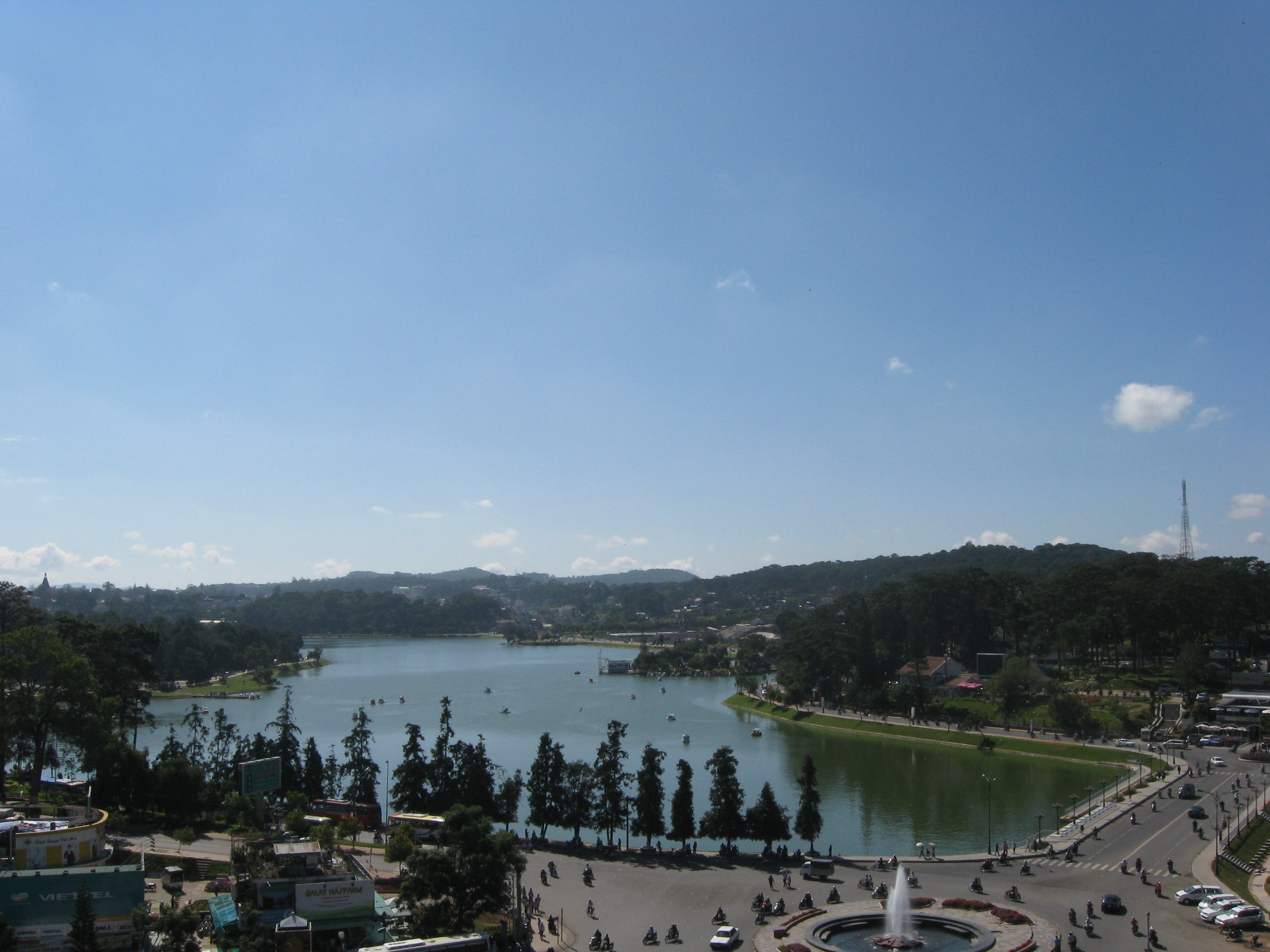
Why Da Lat is Perfect for Your Celebration
- Unique cool highland climate — rare in Vietnam — keeps outdoor celebrations comfortable year-round
- French colonial villas and garden estates create naturally photogenic, intimate wedding backdrops
- Abundant flower farms and local floristry make elaborate floral décor both accessible and affordable
- Xuan Huong Lake and surrounding pine hills offer dramatic, scenic ceremony settings unlike any coastal venue
- A well-established domestic tourism infrastructure supports boutique resorts and event-capable properties
- Relatively uncrowded compared to Vietnam's beach destinations, lending events a sense of privacy and exclusivity
Compare Da Lat with Other Top Destinations
Frequently Asked Questions
Is Da Lat a good destination for a wedding?
Yes. Da Lat is particularly well-suited to romantic, intimate weddings. Its cool highland climate, French colonial architecture, flower gardens, and pine-forested scenery create a naturally distinctive setting. The destination works best for small-to-medium guest groups, and its mature domestic wedding tourism industry means local vendors — especially florists and photographers — are experienced and well-equipped.
What guest group sizes do Da Lat venues realistically support?
Most event-capable properties in Da Lat comfortably accommodate groups of around 80 to 250 guests. Some larger resort venues can stretch to around 300. For very large events requiring 300 or more guests in close proximity, the local accommodation and venue inventory may require guests to be spread across multiple properties, which adds logistical complexity.
What is the nearest airport to Da Lat, and how do guests typically get there?
Lien Khuong International Airport (DLI) serves Da Lat, located approximately 30 kilometres from the city centre. Domestic flights connect from Ho Chi Minh City (under one hour), Hanoi, and Da Nang. International guests typically connect through Ho Chi Minh City or Hanoi. Airport transfers to the city take roughly 45 minutes to an hour by road.
What is the best time of year to hold a wedding or event in Da Lat?
March, April, October, and November are the recommended months. These periods offer the most stable, clear weather with low rainfall risk — important for outdoor ceremonies and garden receptions. March and April see abundant flower blooms; October and November offer lush post-rainy-season scenery with increasingly clear skies. The June–September rainy season carries a meaningful risk of afternoon downpours disrupting outdoor plans.
Does Da Lat have a railway connection for guests travelling from other cities?
No practical long-distance railway connection exists. Da Lat's historic railway station operates only a short scenic tourist route and is not a viable arrival option for event guests. Most guests arrive by domestic flight to Lien Khuong Airport or, for those coming from Ho Chi Minh City, by road — a journey of approximately six to seven hours.
What kinds of venues are available for events in Da Lat?
Da Lat offers heritage colonial villas, garden and lawn ceremony spaces, lakeside resort settings, boutique hotel ballrooms, and privately rentable estate properties. The overall character skews toward intimate, scenic, and boutique rather than large-scale convention or banquet hall formats. Garden and outdoor spaces are a particular strength given the city's flower culture and temperate climate.
How do guests get around Da Lat once they arrive?
Da Lat's hilly terrain means most guests rely on taxis, Grab (ride-hailing), or hotel-arranged transfers rather than walking. For event groups, pre-arranged minibus or van transfers between accommodation and venues are strongly recommended. The winding roads and limited parking at some heritage properties can make self-navigation challenging for guests unfamiliar with the city.
Is Da Lat's local vendor ecosystem well-equipped for destination events?
Yes, particularly for floristry and photography. As Vietnam's primary flower-growing region, Da Lat has an exceptionally strong local floristry industry with direct access to fresh-cut flowers. The city also has a large community of wedding photographers specialising in its highland aesthetic. Catering, event coordination, and accommodation are all well-developed relative to the city's scale, driven by decades of domestic honeymoon tourism.
Can Da Lat support a multi-day wedding weekend programme?
Yes. The city's range of scenic and cultural attractions — pine forests, waterfalls, flower valleys, a historic rack railway, local markets, and wine and coffee culture — makes it well-suited to multi-day celebration itineraries. Guests generally find there is enough to explore between events to make a two-to-three-day stay genuinely engaging rather than just a backdrop.
Is Da Lat safe for international wedding guests?
Yes. Da Lat is generally considered very safe for visitors. The city has a relaxed, welcoming atmosphere, low crime rates relative to Vietnam's larger urban centres, and a well-established tourism infrastructure that international guests navigate comfortably. Standard travel precautions apply, but safety is not typically a concern raised by event planners working in this destination.
What makes Da Lat distinctive compared to other Vietnamese event destinations?
Da Lat's defining distinction is its cool highland climate — genuinely unusual in Southeast Asia — combined with French colonial architecture and a flower-growing culture that directly supports event floristry. This combination produces a visual and atmospheric character that is specific to Da Lat and not easily replicated elsewhere in Vietnam, making it a strong choice for couples prioritising a unique, romantic setting over scale or urban convenience.

Ready to explore venues in Da Lat?
Da Lat: Destination Wedding & Event Venues in Vietnam's Highland City
◆Da Lat is Vietnam's premier highland destination for romantic weddings, intimate social celebrations, and pre-wedding shoots. Situated at roughly 1,500 metres above sea level in Lâm Đồng Province, it offers a genuinely cool, temperate climate — unusual in Southeast Asia — combined with French colonial architecture, pine-forested hills, flower gardens, and lakeside scenery. The destination suits small-to-medium guest groups particularly well, with a hospitality ecosystem built around boutique resorts and heritage properties rather than large convention-scale venues. Accessibility requires a domestic flight connection for most guests, but the overall travel experience is manageable and well-trodden for Vietnamese and regional visitors alike.
Da Lat at a Glance
| Category | Detail |
|---|---|
| Best For | Romantic Weddings, Pre-Wedding Shoots, Intimate Social Celebrations, Anniversary Events |
| Primary Vibe | Romantic & Dreamy |
| Other Vibes | Colonial Charm, Garden Elegance, Highland Serenity |
| Best Season | Cool / Mild Season (Mar, Apr, Oct, Nov) |
Why Choose Da Lat?
- A climate unlike anywhere else in Vietnam: Da Lat's highland elevation keeps temperatures between roughly 15°C and 24°C year-round, making outdoor ceremonies and garden receptions genuinely comfortable — a significant advantage over Vietnam's coastal and lowland cities, which can be intensely hot or humid during event season.
- Distinctive French colonial aesthetic: Decades of French-era architecture — villas, manor houses, and heritage hotels — give Da Lat a visual character that is immediately recognisable and highly photogenic. Couples seeking a European-influenced backdrop without leaving Vietnam consistently find Da Lat the strongest domestic option.
- Exceptional floristry and garden culture: Da Lat supplies a significant proportion of Vietnam's cut flowers. Local flower farms, hydrangea-lined lanes, and well-maintained public and private gardens mean that floral décor for events is both abundant and of high quality, with shorter supply chains than any other Vietnamese city.
- Intimate scale and privacy: The destination's topography — hills, valleys, and winding roads — naturally separates properties from one another, giving events a sense of seclusion that is harder to achieve in flat, densely built urban centres.
- Established domestic tourism infrastructure: Da Lat has been a popular Vietnamese honeymoon and leisure destination for decades, which means its hospitality sector — accommodation, catering, transport, and event support — is more mature than its relatively modest international profile might suggest.
- Scenic variety for multi-day programmes: Beyond the ceremony itself, guests can experience pine forests, waterfalls, a historic rack railway, local markets, and wine and coffee culture — making Da Lat well-suited to multi-day wedding weekends or celebration itineraries.
Which Celebrations Work Best in Da Lat?
- Romantic Weddings: Da Lat is arguably Vietnam's most naturally romantic wedding setting. The combination of cool air, misty mornings, flower-filled gardens, and heritage architecture creates a ceremony atmosphere that requires minimal artificial decoration to feel special. It suits couples who prioritise scenery and intimacy over large-scale production.
- Pre-Wedding Shoots & Engagement Sessions: The destination has become one of Vietnam's most popular pre-wedding photography locations. Pine forests, French villas, flower valleys, and the lakeside promenade around Xuan Huong Lake all provide varied, visually rich backdrops within a compact area.
- Intimate Social Celebrations: Birthday milestones, anniversary dinners, and small family gatherings translate well to Da Lat's boutique resort and villa setting, where personalised service and scenic surroundings elevate even modest-scale events.
- Corporate Retreats with a Social Component: The city's relative seclusion, cool climate, and range of mid-to-upper-tier accommodation make it a workable choice for small corporate groups combining a retreat with a celebratory dinner or team event — particularly for Ho Chi Minh City-based companies for whom Da Lat is a short flight away.
Venues & Event Spaces
Da Lat's event venue landscape is defined by heritage properties and resort-style settings rather than purpose-built convention centres. The most characteristic spaces include:
- Heritage villas and colonial manor hotels: Several of Da Lat's most celebrated properties occupy restored French-era buildings with manicured gardens, period interiors, and terraced lawns suitable for outdoor ceremonies and cocktail receptions.
- Garden and lawn venues: Given the city's flower culture and temperate climate, many resorts and boutique hotels offer dedicated garden ceremony spaces — often with pine tree backdrops, rose arches, or hydrangea borders — that are genuinely distinctive rather than generic hotel lawns.
- Lakeside and hillside resort settings: Properties positioned around Xuan Huong Lake or on the surrounding hillsides offer panoramic views that serve as natural ceremony backdrops, particularly effective for late-afternoon or golden-hour events.
- Boutique resort ballrooms and indoor banquet spaces: For larger receptions or events requiring weather-proofing, several mid-to-upper-tier resorts offer indoor banquet halls with capacities typically ranging from around 100 to 300 guests — appropriate for the intimate-to-medium scale that suits Da Lat best.
- Private villa rentals: A growing number of privately managed villas and estate properties in and around Da Lat can be hired exclusively for events, offering a fully private setting for couples who want complete control over their venue environment.
Best Time to Celebrate
March, April, October, and November represent Da Lat's curated best season for events, and the reasoning is specific to the city's highland climate rather than generic seasonal advice.
March and April fall at the tail end of Da Lat's dry season. Rainfall is low, skies are generally clear, and daytime temperatures are comfortably mild — typically in the upper teens to low twenties Celsius. Mornings can be crisp, which adds to the romantic atmosphere without being uncomfortably cold. Flower blooms are often at their most abundant in this period, making garden and outdoor settings particularly striking.
October and November mark the transition out of the rainy season. By October, heavy daily rainfall begins to ease, and November typically offers some of the clearest, most stable weather of the year. The landscape is lush and green from the preceding wet months, which enhances the visual quality of outdoor photography and garden settings.
Why other months are less ideal: June through September is Da Lat's peak rainy season. While the city rarely experiences the kind of sustained all-day rain seen in lowland Vietnam, heavy afternoon and evening downpours are frequent and can disrupt outdoor ceremony timings, damage floral arrangements, and complicate logistics for guests moving between venues. December through February is drier but noticeably cooler — temperatures can drop to around 10°C–12°C at night, which is manageable with planning but can be uncomfortable for guests expecting a warm tropical destination, and morning fog can reduce visibility for photography. May is a transitional month — generally acceptable but with increasing rainfall risk as the wet season approaches.
Getting There & Local Connectivity
Da Lat is served by Lien Khuong International Airport, located approximately 30 kilometres south of the city centre. The airport handles domestic routes from Ho Chi Minh City, Hanoi, Da Nang, and several other Vietnamese cities, with flight times from Ho Chi Minh City of under an hour. International guests will typically connect through Ho Chi Minh City (Tan Son Nhat) or Hanoi (Noi Bai), both of which have strong international connectivity. The overall journey is manageable but does require a domestic connection for most overseas guests — this is worth factoring into multi-day event planning.
Da Lat has no functional long-distance railway connection. The city's historic rack railway is a tourist attraction rather than a practical transport link, running only a short scenic route. Road access from Ho Chi Minh City takes approximately six to seven hours by car or coach — a viable option for smaller guest groups or for transporting equipment and supplies, but not practical as the primary arrival route for a large wedding party.
Within the city, Da Lat's hilly terrain means that guests generally rely on taxis, ride-hailing apps (Grab operates here), or hotel-arranged transfers rather than walking between venues. For event groups, pre-arranged minibus or van transfers between accommodation and event venues are strongly recommended, as the winding roads and limited parking at some heritage properties can make self-navigation challenging for unfamiliar guests.
Local Vendor & Hospitality Ecosystem
Da Lat's vendor ecosystem is well-developed relative to its size, driven by decades of domestic honeymoon and wedding tourism. Key strengths include:
- Floristry: As Vietnam's primary flower-growing region, Da Lat has an exceptionally strong local floristry industry. Event florists here have direct access to fresh-cut flowers at volumes and variety that would be logistically complex to replicate in other Vietnamese cities.
- Photography and videography: The city has a large and competitive community of wedding and pre-wedding photographers, many of whom specialise specifically in Da Lat's highland and colonial aesthetic. Quality and experience levels are generally high for a city of this scale.
- Catering: Da Lat's restaurant and catering scene draws on both Vietnamese highland cuisine and a French-influenced culinary tradition. Most event-capable properties handle in-house catering competently; external catering specialists are also available for villa or private-venue events.
- Event planning and coordination: A number of local wedding planning agencies operate in Da Lat, with experience managing both domestic and international client events. For overseas couples, working with a planner who has established local supplier relationships is particularly advisable given the logistics of a destination event.
- Accommodation capacity: Da Lat's accommodation stock is broad but skews toward boutique and mid-scale properties. For very large guest groups requiring 200+ rooms in close proximity, the city's inventory may require guests to be distributed across multiple properties — a logistical consideration worth planning for early.
Pros & Things to Consider
Why Da Lat Works Well
- Genuinely cool, temperate climate makes outdoor events comfortable in a way that is rare in Southeast Asia
- French colonial architecture and flower garden settings create a naturally romantic, photogenic environment
- Strong local floristry industry supports elaborate, high-quality floral event design
- Intimate scale of the destination lends events a sense of privacy and exclusivity
- Mature domestic tourism infrastructure means hospitality standards are reliable across mid-to-upper-tier properties
- Multi-day event programmes are well-supported by the city's scenic and cultural attractions
- Generally very safe for guests, with a relaxed, welcoming local atmosphere
Things to Consider
- International guests require a domestic flight connection, adding a leg to the journey that some guests may find inconvenient
- Venue capacity is generally suited to small-to-medium events; very large weddings (300+ guests) may strain the local accommodation and venue inventory
- The rainy season (June–September) brings frequent afternoon downpours that can significantly disrupt outdoor event plans — weather contingency planning is essential if booking outside the recommended season
- Da Lat's hilly terrain and winding roads mean that group logistics require more active coordination than a flat, centrally-laid-out city
- Some heritage properties have physical constraints (narrow access roads, limited parking, protected building interiors) that restrict the scale or style of event setup possible
- Evening temperatures in the cooler months (December–February) can be unexpectedly cold for guests expecting a tropical climate — communication about dress code and venue heating is important
When Da Lat May Not Be the Right Fit
- Very large guest lists: If your event requires 300 or more guests accommodated in close proximity, Da Lat's boutique-oriented accommodation stock may not comfortably support the group without significant logistical complexity. A larger city with convention-scale hotel inventory would serve this need better.
- Guests with limited travel flexibility: International guests who cannot easily manage a domestic connection — particularly elderly guests or those with mobility considerations — may find the multi-leg journey to Da Lat more demanding than a destination served by direct international flights.
- Outdoor events planned during the rainy season: Couples committed to a fully outdoor ceremony or reception between June and September face a meaningful risk of disruption from afternoon downpours. If outdoor settings are non-negotiable and the date cannot be moved to the recommended season, a destination with a more reliably dry event window would be a safer choice.
- Events requiring a large-scale production or convention infrastructure: Da Lat does not have purpose-built convention centres or large ballrooms capable of hosting events at the scale of Vietnam's major urban centres. If the event concept requires extensive technical production, very large stage setups, or conference-scale facilities, Ho Chi Minh City or Hanoi would be more appropriate.