
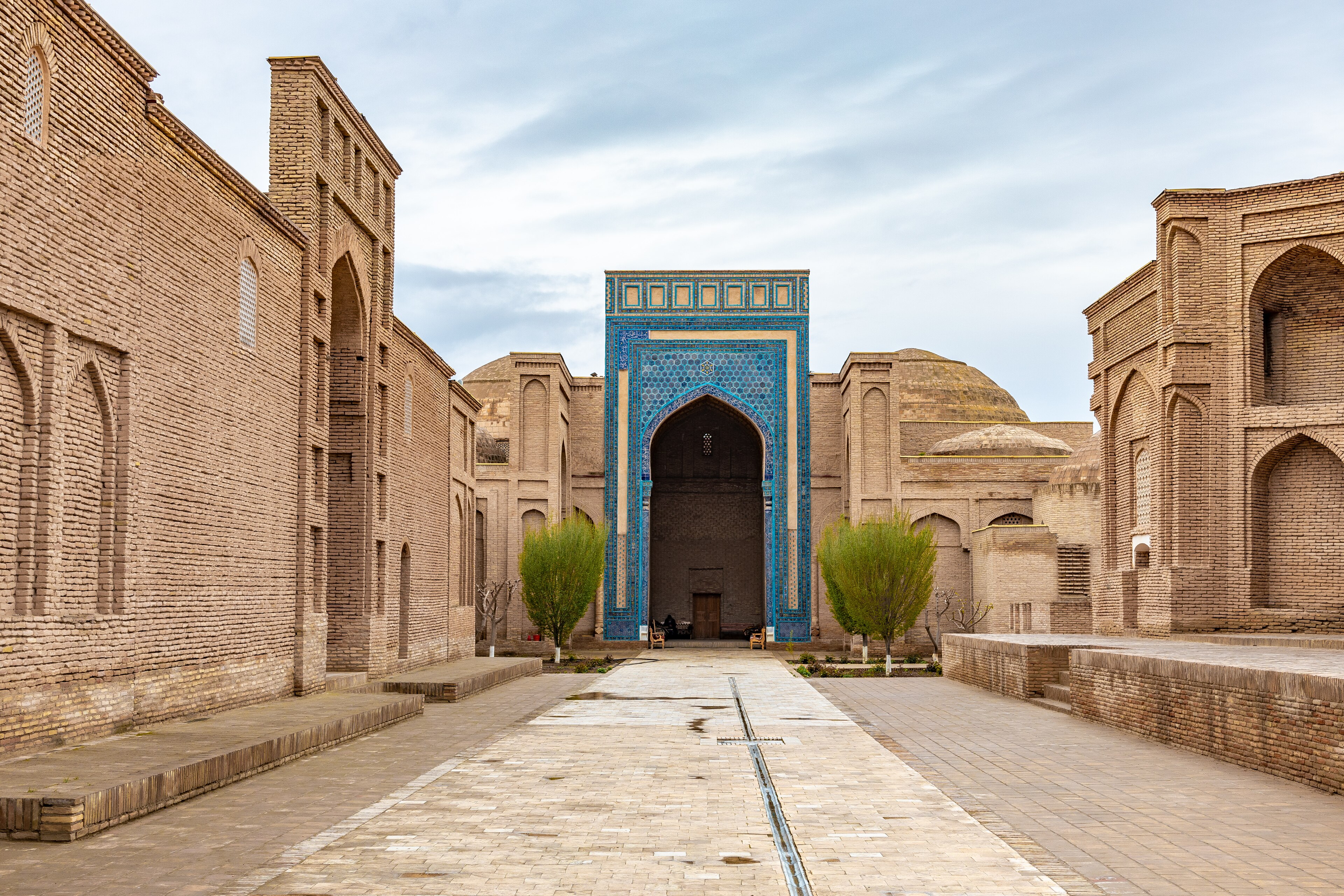
Why Termez is Perfect for Your Celebration
- One of Central Asia's oldest continuously inhabited cities, offering unmatched historical depth as an event backdrop
- Unique Silk Road and Buddhist heritage sites (Fayaz Tepe, Kampyr Tepe) create extraordinary photo and ceremony settings
- Riverside Amu Darya setting provides a serene, naturally scenic environment rarely found at other event destinations
- Spring and early autumn seasons deliver genuinely pleasant, dry weather ideal for outdoor ceremonies and gatherings
- Intimate scale of the city suits smaller, exclusive celebrations where privacy and authenticity are priorities
- Uzbek hospitality traditions — generous hosting, rich local cuisine, and cultural performances — add genuine warmth to any celebration

Compare Termez with Other Top Destinations
Frequently Asked Questions
Is Termez a good destination for a wedding celebration?
Yes, for the right couple. Termez is particularly well-suited to intimate, culturally immersive weddings for smaller guest groups — typically up to 100–150 people. Its Silk Road heritage, riverside setting, and authentic Uzbek hospitality create a genuinely distinctive atmosphere. It is not suited to large-scale, high-production weddings that require extensive specialist vendor infrastructure.
What is the best time of year to hold an event in Termez?
Spring (March, April, May) and early autumn (September, October) are the best periods. Temperatures are mild and comfortable, skies are generally clear, and outdoor settings are at their most pleasant. Summer (June–August) should be avoided due to extreme heat regularly exceeding 40°C, and winter months bring cold temperatures and short daylight hours.
How do guests travel to Termez for a destination event?
Most guests will fly into Tashkent's international airport and then take a domestic connecting flight to Termez Airport (TMJ), which takes approximately one to one and a half hours. Train connections from Tashkent also exist but involve significantly longer journey times. Pre-arranging group transport from the airport to venues and accommodation is strongly recommended.
What size of guest group can Termez realistically accommodate?
Termez comfortably suits intimate celebrations of up to around 100–150 guests. The city's hotel stock is primarily mid-range and the total number of quality rooms is limited, so larger groups will need to be distributed across multiple properties. For events above 150 guests, logistical complexity increases considerably and a larger Uzbek city may be more practical.
What kinds of venues and event spaces are available in Termez?
Termez offers hotel banquet halls, courtyard spaces, and outdoor riverside settings as the primary event environments. Heritage and archaeological sites in and around the city can also serve as extraordinary ceremony backdrops, subject to local authority permissions. Venues are generally functional and mid-range in standard, with strong potential for cultural styling using local textiles and traditional décor.
Do international guests need a visa to attend an event in Termez?
Most international visitors to Uzbekistan can obtain an e-visa through Uzbekistan's online portal, which has been significantly expanded in recent years. However, visa requirements vary by nationality, and the process should be confirmed and initiated well in advance of the event date — ideally at least two to three months ahead — to avoid complications for arriving guests.
What local catering and cultural experiences can be incorporated into a Termez celebration?
Uzbek culinary traditions are a genuine highlight — plov (the national rice dish), samsa, kebabs, and an array of seasonal dishes are all locally available and authentically prepared. Traditional Uzbek music, dance performances, and craft elements can also be arranged through local cultural contacts, adding a layer of genuine regional character that distinguishes a Termez celebration from events held in more generic destinations.
Do I need to bring event vendors from outside Termez?
For celebrations drawing on Uzbek cultural traditions, local caterers and musicians are capable and authentic. However, for internationally-styled events requiring specialist floral design, Western catering, or sophisticated audio-visual production, vendors will typically need to be sourced from Tashkent or Samarkand. A Tashkent-based event management company with regional reach is often the most practical coordination approach.
What makes Termez culturally distinctive as an event destination?
Termez is one of Central Asia's oldest cities, with documented history spanning over two millennia. It sits on the ancient Silk Road and preserves Buddhist ruins, Hellenistic-era remains, and Islamic heritage architecture within a compact area. This layered historical identity gives any celebration held here a depth and authenticity that is genuinely rare among event destinations globally.
Is it easy to move around Termez with a large guest group?
Local public transport is limited to taxis and shared minibuses, which are not practical for coordinating large groups. Pre-arranging private minibuses or coaches through a local operator is strongly recommended for any event with more than 20–30 guests. A local ground logistics coordinator who speaks both Uzbek and a language your guests understand will significantly simplify group movement.

Ready to explore venues in Termez?
Termez: Destination Wedding & Cultural Event Venues on the Silk Road
◆Termez is Uzbekistan's southernmost city and one of Central Asia's oldest continuously inhabited settlements, positioned on the Amu Darya river at the border with Afghanistan. Its primary strength is cultural and historical depth — Silk Road monuments, Buddhist ruins, and Islamic heritage architecture — making it best suited to intimate, heritage-themed weddings, cultural gatherings, and small private celebrations. The destination suits guests who prioritise authenticity and uniqueness over large-scale infrastructure. Spring (March through May) and early autumn (September and October) offer the most comfortable conditions. Accessibility is limited, with a small domestic airport and rail connections primarily within Uzbekistan, so advance planning for guest travel is essential.
Termez at a Glance
| Category | Detail |
|---|---|
| Best For | Intimate weddings, cultural celebrations, heritage gatherings, private social events |
| Primary Vibe | Cultural & Timeless |
| Other Vibes | Riverside, Ancient, Serene, Authentic |
| Best Season | Spring (Mar, Apr, May, Sep, Oct) |
Why Choose Termez?
- Unmatched historical depth: Termez is among the oldest cities in Central Asia, with layers of Hellenistic, Buddhist, Kushan, and Islamic history visible in its monuments and ruins — a backdrop that no mainstream wedding destination can replicate.
- Silk Road authenticity: The city sits on the ancient Silk Road trade route, and that heritage permeates its architecture, cuisine, and local culture, giving any celebration held here a genuinely distinctive character.
- Riverside natural setting: The Amu Darya river provides a calm, scenic natural environment that suits outdoor ceremonies, evening gatherings, and photography in a way that feels organic rather than staged.
- Intimate scale: Termez is a smaller city, which means celebrations here tend to be private, unhurried, and personal — well-suited to couples or hosts who want exclusivity rather than a busy, commercialised event circuit.
- Uzbek hospitality traditions: Local hospitality culture is genuinely generous — elaborate spreads of plov, samsa, and seasonal dishes, combined with a tradition of honouring guests, make the hosting experience warm and memorable.
- Emerging tourism infrastructure: Uzbekistan's broader tourism investment in recent years has begun to reach Termez, with improving accommodation standards and growing local service capacity for organised group visits.
Which Celebrations Work Best in Termez?
- Intimate destination weddings: Termez suits couples seeking a deeply personal, culturally immersive ceremony rather than a large-scale production. The city's heritage sites and riverside setting create a naturally atmospheric environment for small wedding parties of up to 100–150 guests.
- Cultural and heritage gatherings: Academic, diplomatic, or cultural group events tied to Silk Road history, Buddhist heritage, or Central Asian studies find Termez a genuinely relevant and resonant host city.
- Private social celebrations: Milestone birthdays, anniversary dinners, and family reunions that prioritise a unique experience over logistical convenience are well served by Termez's intimate atmosphere and local hospitality traditions.
- Photography and creative retreats: The combination of ancient ruins, riverside landscapes, and traditional Uzbek streetscapes makes Termez an exceptional setting for creative events, pre-wedding shoots, and artistic gatherings where visual environment is a priority.
Venues & Event Spaces
Termez's event venue landscape is modest in scale but genuine in character. The city's hotels — primarily mid-range properties in the central area — typically offer banquet halls and courtyard spaces suitable for gatherings of up to 150 guests. These spaces are generally functional rather than opulent, but can be dressed and styled to reflect the city's rich cultural heritage through local textiles, traditional décor, and Uzbek craft elements.
Beyond hotel venues, Termez's archaeological and heritage sites — including areas around the ancient city ruins and the Amu Darya riverbank — offer extraordinary outdoor settings for ceremonies and photography, subject to appropriate permissions from local authorities. Open-air events in the spring and early autumn seasons particularly benefit from the city's clear skies and mild temperatures. Local guesthouses and smaller boutique properties also exist and can accommodate intimate gatherings in a more residential, culturally immersive setting. Event planners should expect to work closely with local contacts to arrange permissions, catering, and logistics, as the formal event-planning industry here is less developed than in larger Uzbek cities such as Tashkent or Samarkand.
Best Time to Celebrate
The curated best season for Termez is Spring (March, April, May) and early Autumn (September, October), and this recommendation is grounded in the city's strongly continental climate rather than a generic preference.
During March through May, daytime temperatures typically range from around 15°C to 28°C — warm enough for comfortable outdoor events but without the punishing heat of summer. Spring also brings a brief greening of the landscape along the Amu Darya, which enhances the visual quality of outdoor ceremonies and photography. April and May are particularly reliable months, with low rainfall and long daylight hours.
September and October offer similar conditions on the other side of the summer peak. Temperatures begin to ease from the summer extremes, settling into a comfortable 20°C–30°C range by September and cooling further through October. The light in early autumn is often particularly warm and golden, which suits outdoor photography and evening events.
June through August should be avoided for outdoor events. Termez is one of Uzbekistan's hottest cities, and summer temperatures regularly exceed 40°C, making outdoor ceremonies genuinely uncomfortable and potentially unsafe for guests. Indoor venues with air conditioning can mitigate this, but the overall experience is significantly diminished.
November through February brings cold conditions, with temperatures sometimes dropping to near or below freezing at night. While not extreme by Central Asian standards, the short daylight hours, occasional frost, and generally grey winter atmosphere make this a poor season for celebrations that rely on outdoor settings or natural light.
Getting There & Local Connectivity
Termez is served by its own domestic airport (TMJ), which operates flights primarily to and from Tashkent. This makes Tashkent the natural gateway for international guests — those arriving from outside Uzbekistan will typically fly into Tashkent's international airport and then connect onward to Termez by domestic flight or, for those with more time, by train. The domestic flight from Tashkent to Termez takes approximately one to one and a half hours, making it the most practical option for guest groups.
Rail connections also exist between Termez and Tashkent, but journey times are considerably longer — typically overnight — and while the experience can be interesting for guests who enjoy train travel, it is not practical for large groups on a tight event schedule. Local transport within Termez itself is limited to taxis and shared minibuses (marshrutkas); there is no formal ride-hailing infrastructure comparable to larger cities. For event groups, pre-arranging private minibuses or coaches through a local operator is strongly recommended to ensure reliable movement between accommodation, venues, and heritage sites.
Guests should also be aware that Uzbekistan requires a visa for many nationalities, though the country has expanded its e-visa programme significantly in recent years, simplifying the process for most international visitors. Confirming visa requirements well in advance of the event date is an important part of guest logistics planning for a Termez celebration.
Local Vendor & Hospitality Ecosystem
Termez's vendor ecosystem for events is developing rather than mature. The city has a genuine tradition of large-scale local celebrations — Uzbek weddings (to'y) are culturally significant events, and local caterers, musicians, and decorators are experienced in producing them. This means that for celebrations drawing on Uzbek cultural traditions — plov feasts, traditional music, local craft décor — the local supply is authentic and capable.
However, for internationally-styled events requiring specific floral arrangements, Western catering styles, multilingual coordination, or sophisticated audio-visual production, the local vendor base is more limited. Event planners organising a destination celebration in Termez for an international guest group will typically need to either bring specialist vendors from Tashkent or Samarkand, or work with a Tashkent-based event management company that has regional reach. This adds a layer of logistical complexity but is entirely manageable with sufficient lead time — generally a minimum of four to six months for a well-organised event.
Accommodation capacity is the most significant practical constraint. The city's hotel stock is primarily in the mid-range tier, and the total number of quality rooms available for a large guest group is limited. For events with more than 80–100 overnight guests, planners should expect to spread accommodation across multiple properties and arrange coordinated transport between them.
Pros & Things to Consider
Why Termez Works Well
- Genuinely unique historical and cultural setting that no mainstream destination can replicate
- Authentic Uzbek hospitality traditions create a naturally warm and generous hosting environment
- Intimate city scale suits private, exclusive celebrations without the noise of a busy tourist circuit
- Spring and early autumn seasons deliver reliable, pleasant weather for outdoor events
- Extraordinary visual backdrops — ancient ruins, riverside landscapes, traditional architecture — for photography and ceremony
- Growing tourism infrastructure means improving (if still modest) standards of accommodation and local services
Things to Consider
- Limited international flight connectivity means most guests will need to transit through Tashkent, adding travel time and complexity
- Hotel accommodation capacity is modest — large guest groups will need to be distributed across multiple properties
- The formal event-planning industry is less developed than in Tashkent or Samarkand; specialist vendors may need to be sourced from elsewhere in Uzbekistan
- Summer heat (June–August) is extreme and makes outdoor events impractical without significant mitigation
- Visa requirements for international guests add an administrative step that must be planned well in advance
- English-language communication with local vendors and venues may require translation support
When Termez May Not Be the Right Fit
- Large guest lists (200+): The city's current accommodation and venue capacity makes it genuinely difficult to host very large celebrations comfortably — a destination with more developed hotel infrastructure would serve large groups better.
- Guests with limited travel flexibility: The requirement to transit through Tashkent and the absence of direct international flights to Termez means guests who cannot manage multi-leg journeys or extended travel times will find this destination challenging.
- Events planned for June, July, or August: The extreme summer heat makes outdoor celebrations impractical and significantly limits the overall experience; a different season or a different destination would be more appropriate.
- Hosts expecting a fully-serviced, plug-and-play event industry: Termez rewards hosts who are willing to invest in advance planning and work with local partners creatively; those expecting the same level of ready-made event infrastructure as a major international wedding destination will find the local ecosystem underdeveloped by comparison.