
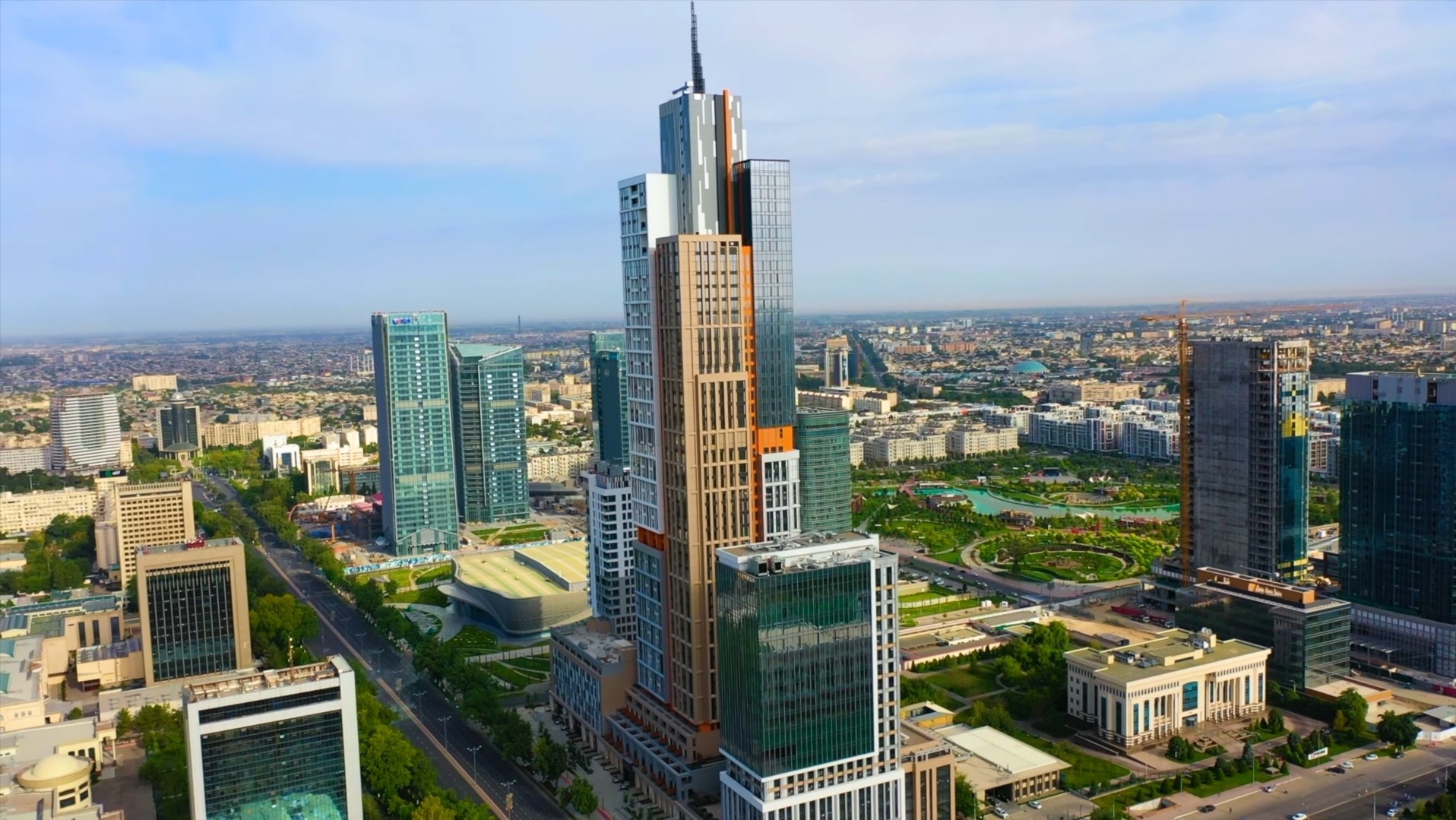
Why Tashkent is Perfect for Your Celebration
- Unique Silk Road cultural backdrop unlike any South Asian or European destination
- Growing inventory of internationally branded luxury hotels with large banquet capacities
- Spring and early autumn offer reliably pleasant weather for outdoor ceremonies and receptions
- Tashkent International Airport (TAS) has direct flights from major South Asian and Middle Eastern hubs
- Rich local cuisine, traditional Uzbek music, and craft traditions add authentic cultural layers to events
- High-speed rail connections allow guests to combine Tashkent celebrations with excursions to Samarkand or Bukhara

Top Venues in Tashkent
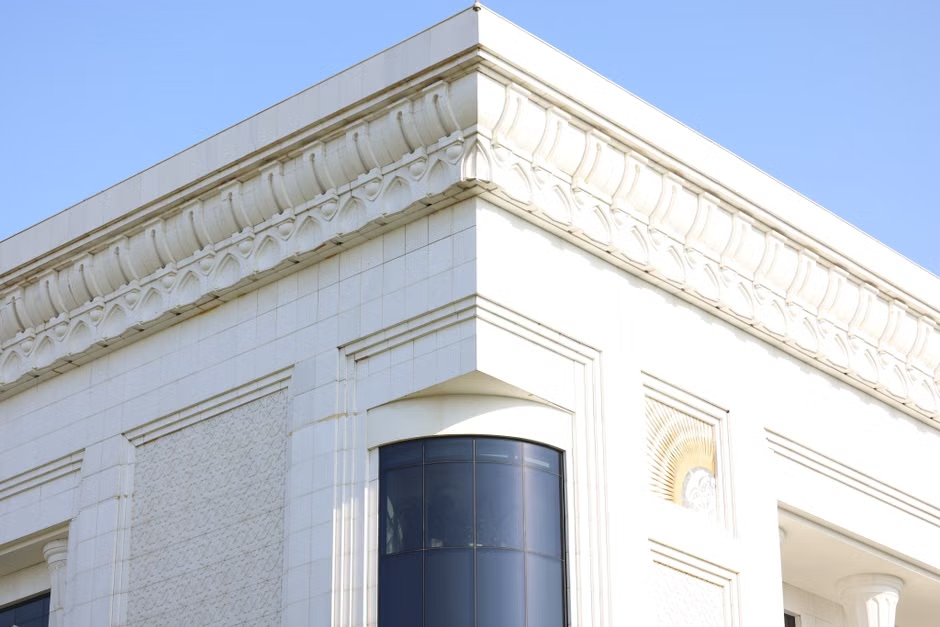
Hyatt Regency Tashkent
Lotte City Hotel Tashkent Palace
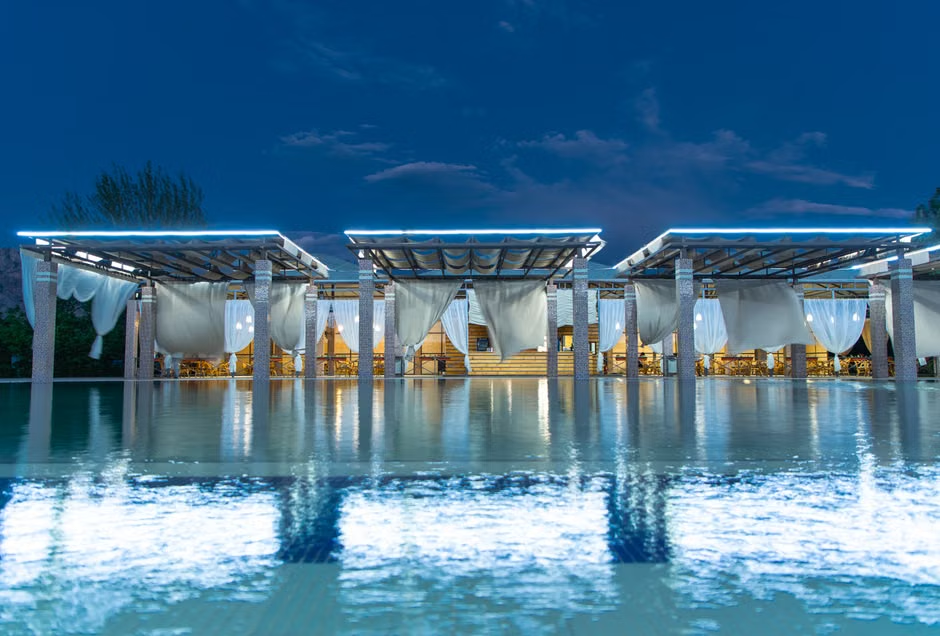
Ramada by Wyndham Tashkent
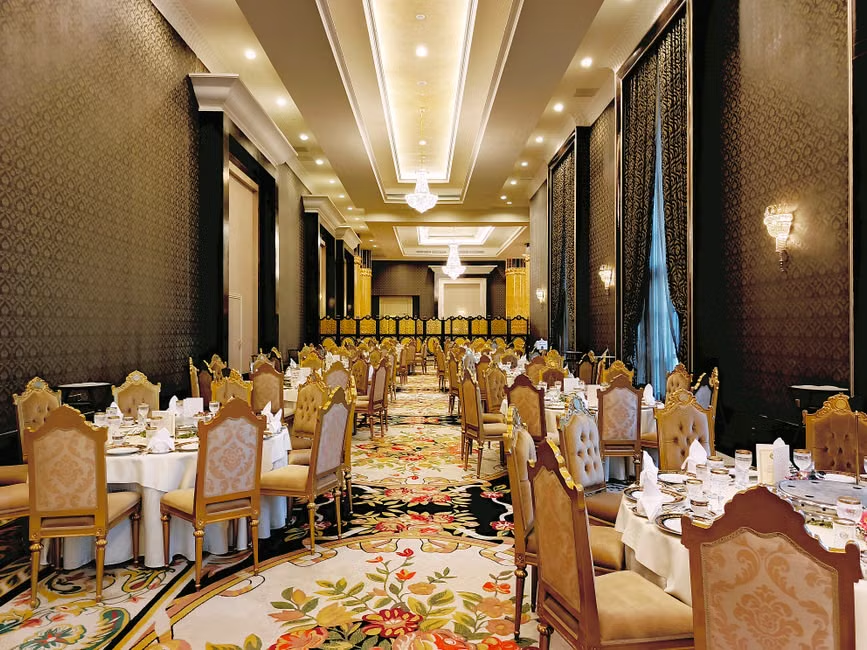
Grand Mir Hotel

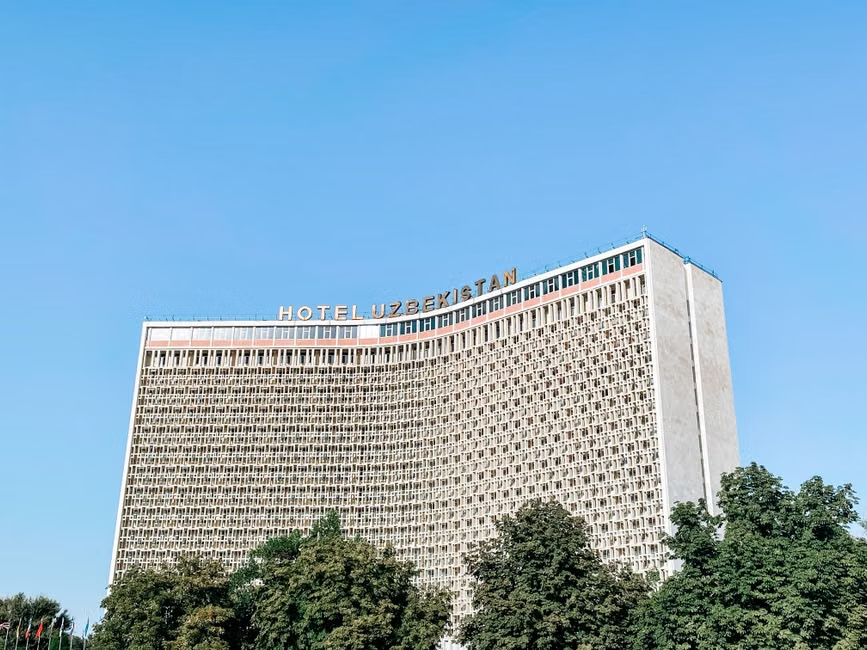
Hotel Uzbekistan
Compare Tashkent with Other Top Destinations
Frequently Asked Questions
Is Tashkent a good destination for a wedding celebration?
Yes, particularly for couples seeking a culturally distinctive, internationally accessible setting. Tashkent offers luxury hotel banqueting infrastructure, a rich Silk Road cultural backdrop, and reliable spring and autumn weather windows. It suits destination weddings where the journey and cultural experience are as important as the venue itself, and works especially well for internationally dispersed guest lists with good access to Tashkent International Airport.
What guest group sizes can Tashkent venues realistically support?
Tashkent can comfortably support events ranging from intimate gatherings of 50–100 guests up to large celebrations of 400–600 guests. The city's internationally branded luxury hotels have large ballrooms suited to mid-to-large groups, while purpose-built Uzbek banquet complexes — a deeply embedded local tradition — can accommodate very substantial guest counts, making Tashkent genuinely scalable across a wide range of event sizes.
What is the nearest airport to Tashkent and how well connected is it?
Tashkent International Airport (TAS) is the primary gateway, located approximately 12 km from the city centre. It operates direct international routes from major South Asian cities including Delhi and Mumbai, Gulf hubs such as Dubai and Abu Dhabi, and several European capitals. Connectivity is solid for a Central Asian destination, though guests from smaller cities may require one connection via a major hub.
What is the best time of year to plan an event in Tashkent?
Spring (March through May) and early autumn (September and October) are the best periods. Temperatures are mild — typically 18°C to 28°C — skies are generally clear, and the city's parks and gardens are at their most attractive. September and October are often the most reliable months overall, as the summer heat has fully passed and the harvest season enhances local catering quality. Summer (June–August) should be avoided for outdoor events due to extreme heat.
What kinds of event venues are available in Tashkent?
Tashkent offers a range of venue types: large ballrooms and banquet halls within internationally branded luxury hotels, purpose-built Uzbek banquet complexes suited to very large celebrations, boutique heritage properties with courtyard settings for more intimate events, and outdoor garden and terrace spaces that are particularly attractive during spring and autumn. The city's venue landscape spans both modern international and traditionally Uzbek formats.
How easy is it for a large guest group to get around Tashkent once they arrive?
Tashkent is a manageable city for group logistics. Private coach and minibus transfers are the standard approach for moving event guests between the airport, hotels, and venues, and local transport companies are experienced in handling large groups. The city also has a metro system and ride-hailing services for smaller movements. For multi-day itineraries, high-speed rail to Samarkand and Bukhara is a practical and popular option.
Do guests need a visa to travel to Tashkent for an event?
Uzbekistan offers visa-on-arrival or e-visa access for citizens of many countries, including India, which simplifies travel planning for South Asian guest lists. The e-visa process is generally straightforward and can be completed online in advance. Event planners should verify current visa requirements for their specific guest nationalities well ahead of the event date, as policies can be updated.
What makes the local hospitality and catering ecosystem in Tashkent suited to events?
Uzbek hospitality culture places great emphasis on large, generous celebratory feasts, and the quality and scale of food service at major events is generally high. Internationally branded hotels bring professional event management and in-house catering teams. Traditional Uzbek cuisine — plov, shashlik, fresh produce — is a genuine strength, and local cultural programming options including traditional music and dance add authentic layers that are difficult to replicate elsewhere.
Can guests combine a Tashkent event with visits to other Uzbek cities?
Yes, and this is one of Tashkent's genuine advantages as an event destination. High-speed rail connects Tashkent to Samarkand in approximately two hours and to Bukhara in approximately three and a half hours, making pre- or post-event excursions to these UNESCO-listed Silk Road cities very practical. Many event planners build multi-city itineraries around a central Tashkent celebration, which significantly enhances the overall guest experience.
Is Tashkent suitable for corporate events and conferences?
Yes. Tashkent is Uzbekistan's business and administrative capital and regularly hosts international summits, trade events, and regional conferences. Its luxury hotels offer convention-capable facilities with modern AV infrastructure, and the city's central location within the CIS and Central Asian region makes it a practical choice for regional corporate gatherings, incentive trips, and leadership retreats for companies with operations across the region.
What language and communication considerations should event planners be aware of?
Uzbek is the official language and Russian is widely spoken, particularly in business and hospitality contexts. English proficiency among hotel event teams at internationally branded properties is generally adequate for professional event planning, but may be more limited among local vendors and service staff outside major hotels. Planners coordinating with local suppliers should factor in potential language barriers and consider working with a local event management partner who is fluent in both English and Russian or Uzbek.

Ready to explore venues in Tashkent?
Tashkent: Destination Wedding & Corporate Event Venues in Uzbekistan
◆Tashkent is Uzbekistan's capital and Central Asia's largest city — a cosmopolitan, historically layered destination that suits destination weddings, corporate retreats, and milestone celebrations for groups seeking something genuinely different. Its primary vibe is chic and cosmopolitan, combining Silk Road cultural depth with modern luxury hotel infrastructure. The best seasons are spring (March–May) and early autumn (September–October), when temperatures are mild and outdoor events are comfortable. International air connectivity via Tashkent International Airport (TAS) is solid, with direct routes from South Asia, the Middle East, and Europe, making guest travel manageable for internationally dispersed groups.
Tashkent at a Glance
| Attribute | Detail |
|---|---|
| Best For | Destination Weddings, Corporate Events, Milestone Celebrations, Cultural Gatherings |
| Primary Vibe | Chic & Cosmopolitan |
| Other Vibes | Silk Road Heritage, Modern & Urban, Culturally Rich |
| Best Season | Spring (Mar, Apr, May, Sep, Oct) |
Why Choose Tashkent?
- Genuinely unique cultural backdrop: Tashkent's blend of ancient Silk Road heritage, Soviet-era monumental architecture, and rapidly modernising urban fabric creates a visual and experiential setting that is unlike any South Asian, European, or Southeast Asian destination — giving events a distinctive, memorable character.
- Growing luxury hotel inventory: Internationally branded five-star properties with large ballrooms and professional banqueting teams have established themselves in the city, providing the infrastructure needed for weddings and corporate events of several hundred guests.
- Reliable spring and autumn windows: March through May and September through October offer consistently mild, dry weather — ideal for outdoor ceremonies, garden receptions, and rooftop dinners — without the extreme heat of summer or the cold of winter.
- Accessible international air connectivity: Tashkent International Airport (TAS) operates direct flights to and from major South Asian cities, Gulf hubs, and several European capitals, making it a realistic destination for internationally dispersed guest lists.
- Rich local hospitality traditions: Uzbek cuisine — plov, shashlik, samsa, and an abundance of fresh produce — combined with traditional music and craft traditions, gives event planners authentic cultural programming options that feel genuinely rooted rather than staged.
- High-speed rail for multi-city itineraries: Tashkent's high-speed rail network connects the city to Samarkand and Bukhara in under two hours, allowing event organisers to build pre- or post-wedding excursions into the programme without requiring additional flights.
Which Celebrations Work Best in Tashkent?
- Destination Weddings: Tashkent suits couples who want a culturally rich, internationally accessible setting that feels genuinely exotic without being logistically remote. The city's luxury hotels offer full-service banqueting, and the Silk Road aesthetic — ornate tilework, grand boulevards, lush parks — provides a naturally photogenic backdrop for ceremonies and receptions.
- Corporate Events & Conferences: Tashkent is Uzbekistan's business capital and hosts international summits and trade events regularly. Its convention-capable hotels, improving business infrastructure, and central location within the CIS and Central Asian region make it a practical choice for regional corporate gatherings, incentive trips, and leadership retreats.
- Milestone Celebrations (Anniversaries, Milestone Birthdays): For a group seeking a meaningful, travel-worthy occasion, Tashkent's combination of cultural immersion, comfortable luxury accommodation, and manageable travel logistics makes it well-suited to landmark personal celebrations where the journey itself is part of the experience.
- Cultural & Heritage Gatherings: Groups with an interest in Islamic architecture, Central Asian history, or Silk Road culture will find Tashkent's mosques, madrasas, bazaars, and museums provide a rich programme of cultural activities that can be woven naturally into a multi-day event itinerary.
Venues & Event Spaces
Tashkent's event venue landscape spans several distinct categories. At the upper end, internationally branded luxury hotels provide large, climate-controlled ballrooms and banquet halls capable of hosting several hundred guests, with in-house catering, AV infrastructure, and dedicated event coordination teams. These properties typically also offer outdoor garden or terrace spaces that are particularly attractive during the spring and autumn seasons.
Beyond the major hotels, the city has a number of standalone banquet complexes — a format that is deeply embedded in Uzbek wedding culture — which are purpose-built for large celebrations and can accommodate very substantial guest counts. These venues often feature traditional Uzbek decorative elements, making them a culturally authentic alternative to international hotel ballrooms.
For smaller, more intimate gatherings, boutique hotels and restored heritage properties in the older parts of the city offer characterful spaces with courtyard settings and traditional architectural detail. Outdoor event spaces in Tashkent's parks and botanical gardens are also used for daytime events and pre-wedding functions during the spring season, when the city's tree-lined avenues and flowering gardens are at their most attractive.
Best Time to Celebrate
The curated best season for Tashkent events is spring (March, April, May) and early autumn (September, October). During these months, daytime temperatures are typically in the comfortable 18°C–28°C range, skies are generally clear, and the city's parks and gardens are at their most visually appealing — particularly in April and May when trees are in blossom. Evening temperatures remain pleasant enough for outdoor receptions without requiring heating or cooling infrastructure.
June through August brings intense heat, with temperatures regularly exceeding 35°C and occasionally reaching 40°C. While indoor, air-conditioned venues remain functional, outdoor ceremonies and garden receptions become genuinely uncomfortable for guests, and the logistical demands of managing large groups in extreme heat add complexity to event planning. This period is generally not recommended for outdoor-heavy event formats.
November through February brings cold continental winter conditions, with temperatures frequently dropping below freezing and occasional snowfall. While the city has a certain atmospheric quality in winter, outdoor event elements are largely impractical, and the cold can complicate guest travel and logistics. March can still carry some late-winter chill in its early weeks, so late March through May is typically the stronger spring window.
September and October are often considered the most reliable months overall — the summer heat has passed, the light is warm and golden, and the harvest season means local produce is at its peak, which benefits catering quality.
Getting There & Local Connectivity
Tashkent International Airport (TAS) is the primary gateway, located approximately 12 km from the city centre. It operates direct international routes to and from major South Asian cities including Delhi and Mumbai, Gulf hubs such as Dubai and Abu Dhabi, and several European capitals. For guests travelling from within the CIS region, connectivity is particularly strong. The airport is modern and has been significantly upgraded in recent years, though it is not yet at the scale of the largest regional hub airports.
Within the city, Tashkent has a functioning metro system — one of the most famous in Central Asia for its ornate Soviet-era station design — as well as taxis and ride-hailing services that are practical for moving smaller groups. For event groups, private coach or minibus transfers are the standard approach for moving guests between the airport, hotels, and event venues, and local transport companies are experienced in handling this for large gatherings.
For guests wishing to extend their trip, Tashkent's high-speed rail connections to Samarkand (approximately 2 hours) and Bukhara (approximately 3.5 hours) are a genuine logistical asset, allowing multi-city itineraries without additional flights. This is a meaningful differentiator for event planners building a broader travel experience around a central celebration.
Local Vendor & Hospitality Ecosystem
Tashkent has a well-developed local hospitality ecosystem by Central Asian standards. The city's internationally branded hotels bring with them professional event management teams, experienced in-house catering operations, and established relationships with local suppliers. Uzbek catering culture is strong — large celebratory feasts are deeply embedded in local tradition, and the quality and scale of food service at major events is generally high.
Local wedding and event vendors — decorators, florists, photographers, and entertainment providers — are increasingly experienced in working with international clients, particularly as Tashkent has grown as a destination for diaspora weddings and regional corporate events. However, the vendor ecosystem is not yet as mature or as internationally diverse as that of established South Asian or European destination wedding markets, and event planners bringing specific international requirements (particular floral styles, specialist AV, international entertainment acts) may need to source some elements from outside Uzbekistan.
Traditional Uzbek music and dance performance is a genuine local strength and adds authentic cultural programming that is difficult to replicate elsewhere. Local craft traditions — silk weaving, ceramic work, embroidery — also provide distinctive gifting and décor options that are genuinely rooted in the destination.
Pros & Things to Consider
Why Tashkent Works Well
- Genuinely distinctive Silk Road cultural setting that gives events a memorable, internationally unique character
- Solid luxury hotel infrastructure with large banquet capacities and professional event teams
- Reliable, comfortable weather windows in spring and early autumn for outdoor event elements
- Good international air connectivity from South Asia, the Middle East, and Europe via TAS
- Rich local cuisine and cultural programming traditions that enhance multi-day event itineraries
- High-speed rail access to Samarkand and Bukhara enables compelling pre- or post-event excursions
- Visa-on-arrival or e-visa availability for many nationalities simplifies guest travel logistics
Things to Consider
- The local event vendor ecosystem, while growing, is less internationally mature than established destination wedding markets — some specialist requirements may need to be sourced externally
- Summer heat (June–August) is genuinely extreme and limits outdoor event formats significantly during those months
- Language can be a practical barrier — Uzbek and Russian are the primary languages, and English proficiency among local vendors and service staff, while improving, is not yet universal
- Currency and banking logistics (Uzbekistani Som, limited international card acceptance in some contexts) may require advance planning for event budgeting and on-the-ground payments
- For guests from some countries, Tashkent requires a longer or less direct journey than more established destination wedding locations, which may affect guest attendance rates
When Tashkent May Not Be the Right Fit
- Outdoor-heavy events in summer: If your event format relies heavily on outdoor ceremonies, garden receptions, or open-air dining and your preferred dates fall between June and August, Tashkent's extreme summer heat makes this a genuinely difficult environment to manage comfortably for guests.
- Guests with very limited international travel experience: For a guest list that is largely unfamiliar with international travel, visa processes, currency exchange, and navigating a destination where English is not widely spoken, Tashkent's logistical demands may create friction that a more familiar destination would avoid.
- Very large-scale events requiring extensive specialist vendor diversity: If your event requires a very wide range of internationally specialist vendors — particular entertainment acts, highly specific floral or décor styles, specialist technical production — the local vendor market may not yet have the depth to fulfil all requirements locally, adding complexity and cost to sourcing.
- Guests requiring very high frequency of direct flight options: While TAS has solid connectivity from key hubs, guests travelling from smaller cities or less-connected regions may face one or more connections, which can be a deterrent for older guests or those with limited travel flexibility.