
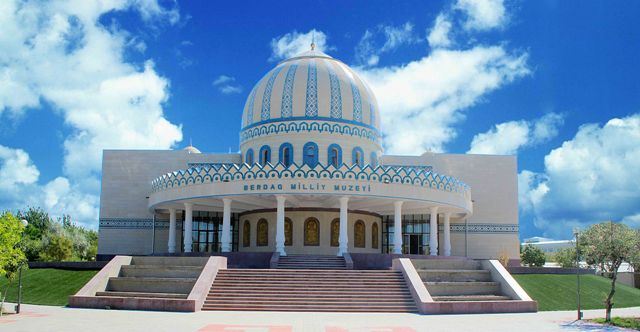
Why Nukus is Perfect for Your Celebration
- Home to the Savitsky Museum — one of the world's most remarkable avant-garde art collections, offering a unique cultural backdrop for events
- Proximity to dramatic desert landscapes and the historic Aral Sea region, creating unforgettable visual settings for photography and outdoor gatherings
- Authentic Karakalpak cultural traditions — local music, crafts, and cuisine add genuine regional character to celebrations
- Relatively uncrowded and private — ideal for intimate gatherings where exclusivity and a sense of discovery matter
- Spring and early autumn seasons deliver genuinely pleasant, dry weather with clear skies suited to outdoor ceremonies
- A true Silk Road destination with ancient fortresses (Elliq Qala) within day-trip distance, enriching the guest experience beyond the event itself

Compare Nukus with Other Top Destinations
Frequently Asked Questions
Is Nukus a good destination for an intimate wedding?
Yes, particularly for couples seeking a genuinely distinctive, culturally rich setting. Nukus suits small, intimate weddings where the experience of discovery, authentic Karakalpak traditions, and dramatic desert and heritage landscapes matter more than large-scale resort amenities. It is not well suited to large weddings requiring extensive luxury infrastructure, but for intimate celebrations it offers a setting that is genuinely rare.
What is the best time of year to hold an event in Nukus?
March through May and September through October are the best months. During these periods, temperatures are mild and skies are reliably clear — ideal for outdoor ceremonies and excursions. Summer (June–August) brings extreme desert heat regularly exceeding 38°C, and winter (November–February) brings harsh cold and frost, making both seasons genuinely unsuitable for most event formats.
How do guests travel to Nukus for a destination event?
Nukus has its own airport (NCU) close to the city centre, which is a genuine convenience on arrival. However, most international guests will need to connect through Tashkent, Uzbekistan's capital, which has broader international links. A long-distance railway also connects Nukus to Tashkent, though journey times by rail are very long. Advance itinerary planning for guests is strongly recommended.
What kinds of venues are available for events in Nukus?
Nukus offers hotel banquet halls and meeting rooms suitable for small to medium gatherings, along with hotel courtyards and garden spaces for outdoor ceremonies during the spring and autumn seasons. The broader region also offers more unconventional settings — desert camp experiences, yurt-style hospitality, and heritage site backdrops near the Elliq Qala fortresses — for planners willing to coordinate more complex logistics.
How large a guest group can Nukus realistically accommodate?
Nukus is best suited to small to medium guest groups — typically up to around 150 guests for a single event. Accommodation capacity across the city's hotels is sufficient for this scale, though advance booking is essential during the spring and autumn seasons. Very large guest lists may face accommodation constraints and should be discussed carefully with a local coordinator.
What makes the local hospitality and vendor ecosystem in Nukus distinctive?
The strongest local asset is authentic Karakalpak and Uzbek cuisine — genuinely excellent and a highlight for most guests. Local cultural performers, including traditional music ensembles and folk dance groups, are accessible and add real character to events. The specialist vendor market (florists, lighting designers, etc.) is narrower than in larger cities, and some elements may need to be sourced from Tashkent.
Is Nukus suitable for corporate retreats or off-site meetings?
Yes. Nukus's remoteness and cultural richness make it a genuinely stimulating choice for leadership retreats or team-building programmes where a sense of shared discovery is valuable. The Savitsky Museum, desert landscapes, and Silk Road heritage sites provide strong contextual programming. Planners should account for the limited specialist AV and technical vendor market locally.
Do guests need a visa to travel to Nukus, Uzbekistan?
Uzbekistan has expanded its visa-free and e-visa access significantly in recent years, and many nationalities can now obtain an e-visa relatively straightforwardly. However, requirements vary by nationality and can change, so all guests should verify their specific visa situation well in advance of travel. Building extra lead time into the planning timeline for international guests is advisable.
What is the internet and communications connectivity like in Nukus for event coordination?
Connectivity in Nukus is functional but limited compared to major urban centres. Mobile data and hotel Wi-Fi are available but may not support high-bandwidth real-time coordination reliably. Event planners should factor this into their communication strategy — particularly for live-streaming, real-time vendor coordination, or guests who need consistent connectivity throughout a multi-day programme.
Are there meaningful cultural or heritage experiences near Nukus that can enrich a multi-day event programme?
Yes. The Elliq Qala (Fifty Fortresses) archaeological zone — a collection of ancient Khorezmian fortresses — lies within day-trip distance and is a genuinely extraordinary heritage experience. The Savitsky Museum in the city itself is world-class. The Aral Sea region, while a sobering environmental story, is also a visually dramatic and thought-provoking excursion that many guests find deeply memorable.

Ready to explore venues in Nukus?
Nukus: Destination Wedding & Cultural Event Venues in Karakalpakstan
◆Nukus is the capital of Karakalpakstan, an autonomous republic in western Uzbekistan, and is best suited to small, intimate celebrations and cultural or social events that benefit from a genuinely off-the-beaten-path Central Asian setting. Its primary vibe is Cultural & Timeless — shaped by Silk Road heritage, Karakalpak traditions, the world-renowned Savitsky avant-garde art museum, and proximity to dramatic desert and Aral Sea landscapes. The destination suits intimate weddings, cultural gatherings, and corporate retreats seeking exclusivity and authenticity. Spring (March–May) and early autumn (September–October) offer the most comfortable conditions. Accessibility is limited — guests typically require connecting flights through Tashkent — making advance planning essential.
Nukus at a Glance
| Category | Detail |
|---|---|
| Best For | Intimate Weddings, Cultural Celebrations, Social Gatherings, Corporate Retreats |
| Primary Vibe | Cultural & Timeless |
| Other Vibes | Desert & Remote, Heritage & Silk Road, Intimate & Exclusive |
| Best Season | Spring (Mar, Apr, May, Sep, Oct) |
Why Choose Nukus?
- The Savitsky Museum as a cultural anchor: Nukus is home to one of the world's most extraordinary collections of Russian avant-garde and Karakalpak folk art. This museum is a genuine cultural landmark that gives any event held here an intellectual and artistic dimension few destinations can match.
- Dramatic, photogenic desert landscapes: The surrounding Kyzylkum Desert and the haunting remnants of the Aral Sea create a landscape unlike almost anywhere else on earth — stark, vast, and visually arresting. For couples who prioritise distinctive event photography, this setting is genuinely rare.
- Ancient fortress heritage within reach: The Elliq Qala (Fifty Fortresses) archaeological zone lies within day-trip distance of Nukus, offering ancient Khorezmian ruins that can enrich a multi-day celebration itinerary with historical depth.
- Authentic Karakalpak cultural traditions: Local music, handcrafted textiles, traditional cuisine, and folk performance traditions are genuinely embedded in the region's culture — not staged for tourists — giving celebrations here an authenticity that is increasingly rare in more commercialised destinations.
- Exclusivity and privacy by default: Nukus receives relatively few international visitors compared to Uzbekistan's more famous cities. This means events here are naturally private, unhurried, and free from the crowds that can affect celebrations in more popular destinations.
- Favourable spring and autumn conditions: During the curated best season, temperatures are genuinely mild and skies reliably clear — conditions that suit outdoor ceremonies, desert excursions, and multi-day event programmes without the logistical complications of extreme heat or cold.
Which Celebrations Work Best in Nukus?
- Intimate destination weddings: Nukus suits couples who want a small, meaningful ceremony in a setting that feels genuinely discovered rather than packaged. The cultural richness, desert scenery, and local traditions create a wedding experience that guests are unlikely to forget or replicate elsewhere.
- Cultural and arts-themed celebrations: Given the presence of the Savitsky Museum and the region's deep artistic heritage, events with a cultural or creative theme — anniversary celebrations, milestone gatherings, arts-focused retreats — find a natural home here.
- Corporate retreats and off-site meetings: Organisations seeking an unusual, conversation-starting location for leadership retreats or team-building programmes will find Nukus's remoteness and cultural richness genuinely stimulating. The sense of shared discovery among a group can be a powerful team dynamic.
- Social gatherings and milestone celebrations: Significant birthdays, family reunions, or anniversary events for guests who share an interest in travel, history, or culture are well served by Nukus's distinctive character. The destination rewards curious, adventurous guests.
Venues & Event Spaces
Nukus's event venue landscape is modest in scale but genuine in character. The city's hotels — primarily mid-range independent properties in the city centre — typically offer banquet halls and meeting rooms suitable for small to medium gatherings. Outdoor spaces, including hotel courtyards and garden areas, can be arranged for ceremonies and receptions during the spring and autumn seasons when weather is reliably pleasant.
Beyond conventional hotel venues, the broader region offers more unconventional options: desert camp settings near the Aral Sea, yurt-style hospitality experiences in the surrounding steppe, and heritage sites in the Elliq Qala zone that can serve as dramatic backdrops for photography or informal outdoor gatherings. These require more logistical coordination but deliver an experience that no conventional banquet hall can replicate.
Event planners should note that Nukus does not currently have large-scale luxury resort infrastructure. The destination is best matched to events where intimacy, cultural authenticity, and setting are prioritised over the amenity breadth of a five-star resort complex. Groups requiring extensive in-house catering, spa facilities, or large ballroom capacity will need to plan carefully and work with local coordinators who understand the regional supply chain.
Best Time to Celebrate
The curated best season for Nukus — March, April, May, September, and October — reflects the genuine climate reality of this continental, arid region. During these months, daytime temperatures are typically comfortable for outdoor events, ranging from roughly 15°C to 28°C, with low humidity and reliably clear skies. Spring brings a brief but genuine greening of the landscape, while September and October offer warm days that cool pleasantly in the evenings — ideal for outdoor dinners and ceremonies.
Why other seasons are less suitable:
- June through August brings intense desert heat, with temperatures regularly exceeding 38°C and occasionally reaching higher. Outdoor events become genuinely uncomfortable and potentially unsafe during peak afternoon hours. Air conditioning capacity in local venues is limited compared to purpose-built resort destinations, making this period a significant logistical challenge.
- November through February brings the opposite extreme: harsh continental cold, frost, and strong winds that make outdoor events impractical. Heating infrastructure in the region is functional but not always reliable at the level international guests may expect. Travel disruptions due to winter weather are also a realistic consideration for guests arriving via connecting flights.
For event planners, April and October are generally the most reliable single months within the best season — temperatures are settled, daylight hours are generous, and the risk of late-season cold snaps or early-season heat is lowest.
Getting There & Local Connectivity
Nukus is served by its own airport (Nukus Airport, IATA: NCU), located just a few kilometres from the city centre — a genuine convenience once guests have arrived in the country. However, international connectivity to Nukus is limited: most guests travelling from outside Uzbekistan will need to connect through Tashkent, Uzbekistan's capital, which has significantly broader international flight links. The Tashkent–Nukus sector is served by domestic Uzbek carriers, making the overall journey manageable but requiring careful itinerary planning, particularly for guests travelling from Europe, South Asia, or East Asia.
Nukus also has a railway station with long-distance connections to Tashkent and other Uzbek cities, though journey times by rail are considerably longer than by air — typically 20+ hours from Tashkent — making rail a secondary option for most event guests rather than a primary one.
Within the city, local transport options are functional but limited compared to larger Central Asian cities. Taxis and hired vehicles are the most practical means of moving a guest group between the airport, hotels, and event venues. For excursions to the Elliq Qala fortresses or the Aral Sea region, dedicated vehicle hire with local drivers is strongly recommended. Event planners should budget time and coordination effort for local ground logistics, as the infrastructure for large group movements is less developed than in more established event destinations.
Local Vendor & Hospitality Ecosystem
Nukus has a functioning local hospitality ecosystem, but it is scaled to the city's current visitor volume — which is modest by international standards. Local caterers can provide authentic Karakalpak and Uzbek cuisine, which is genuinely excellent and a highlight for many guests: dishes such as plov, shashlik, and regional bread traditions are prepared with local ingredients and real culinary knowledge. For events that lean into local food culture, this is a genuine strength.
Event coordination services, floral decoration, and basic audio-visual equipment are available locally, though the range and sophistication of specialist vendors is narrower than in Uzbekistan's larger cities. Event planners organising celebrations in Nukus typically work with a combination of local coordinators (who understand regional logistics, supplier relationships, and cultural protocols) and specialists brought in from Tashkent or internationally for elements requiring higher technical specification.
Local musicians and cultural performers — including traditional Karakalpak music ensembles and folk dance groups — are a genuine and accessible resource that can add authentic cultural programming to an event. This is one area where Nukus's local ecosystem is genuinely strong and distinctive.
Accommodation capacity across the city is sufficient for small to medium guest groups, but planners should book well in advance, particularly during the spring and autumn seasons when the city sees its highest visitor numbers. For very large guest lists, accommodation may need to be distributed across multiple properties.
Pros & Things to Consider
Why Nukus Works Well
- Genuinely unique cultural and landscape setting that creates memorable, distinctive events
- Authentic Karakalpak traditions — music, cuisine, crafts — add real local character that cannot be replicated in more generic destinations
- Natural exclusivity and privacy: low visitor volumes mean events here feel genuinely special and unhurried
- Airport located close to the city centre, reducing transfer time once guests have arrived
- Spring and autumn seasons deliver reliable, pleasant weather well suited to outdoor ceremonies and excursions
- Proximity to extraordinary heritage sites (Elliq Qala, Aral Sea) that enrich multi-day event programmes
Things to Consider
- International accessibility is genuinely limited — most guests will require a connecting flight through Tashkent, adding travel time and complexity
- Luxury resort infrastructure is absent; the destination suits intimate, culturally-oriented events rather than large-scale celebrations requiring extensive in-house amenities
- The local vendor ecosystem, while genuine, is narrower in specialist capacity than in larger event destinations — some elements may need to be sourced from Tashkent
- Summer heat and winter cold are both extreme and genuinely restrict the usable event calendar to two relatively short seasonal windows
- Internet and telecommunications connectivity is limited compared to major urban centres, which can affect real-time event coordination and guest communication
- Visa and entry logistics for international guests require advance planning, as Uzbekistan's visa processes, while improving, add an administrative layer not present in all destinations
When Nukus May Not Be the Right Fit
- Large guest lists requiring luxury resort amenities: If your event requires a large ballroom, multiple five-star accommodation options, or extensive in-house spa and leisure facilities for guests, Nukus's current hospitality infrastructure will not comfortably meet that brief.
- Guests with limited travel flexibility: If a significant portion of your guest list has difficulty with long-haul or multi-leg journeys, the connecting flight requirement through Tashkent may make attendance genuinely difficult for some guests.
- Events planned for June through August or November through February: The extreme heat of the Central Asian summer and the harsh cold of winter make these months genuinely unsuitable for outdoor events and logistically challenging even for indoor ones.
- Events requiring a large, mature specialist vendor market: Couples or planners who need a wide choice of specialist photographers, florists, lighting designers, and entertainment vendors available locally will find Nukus's ecosystem more limited than established event cities — and will need to factor in the cost and logistics of bringing specialists from elsewhere.