
Why Khiva is Perfect for Your Celebration
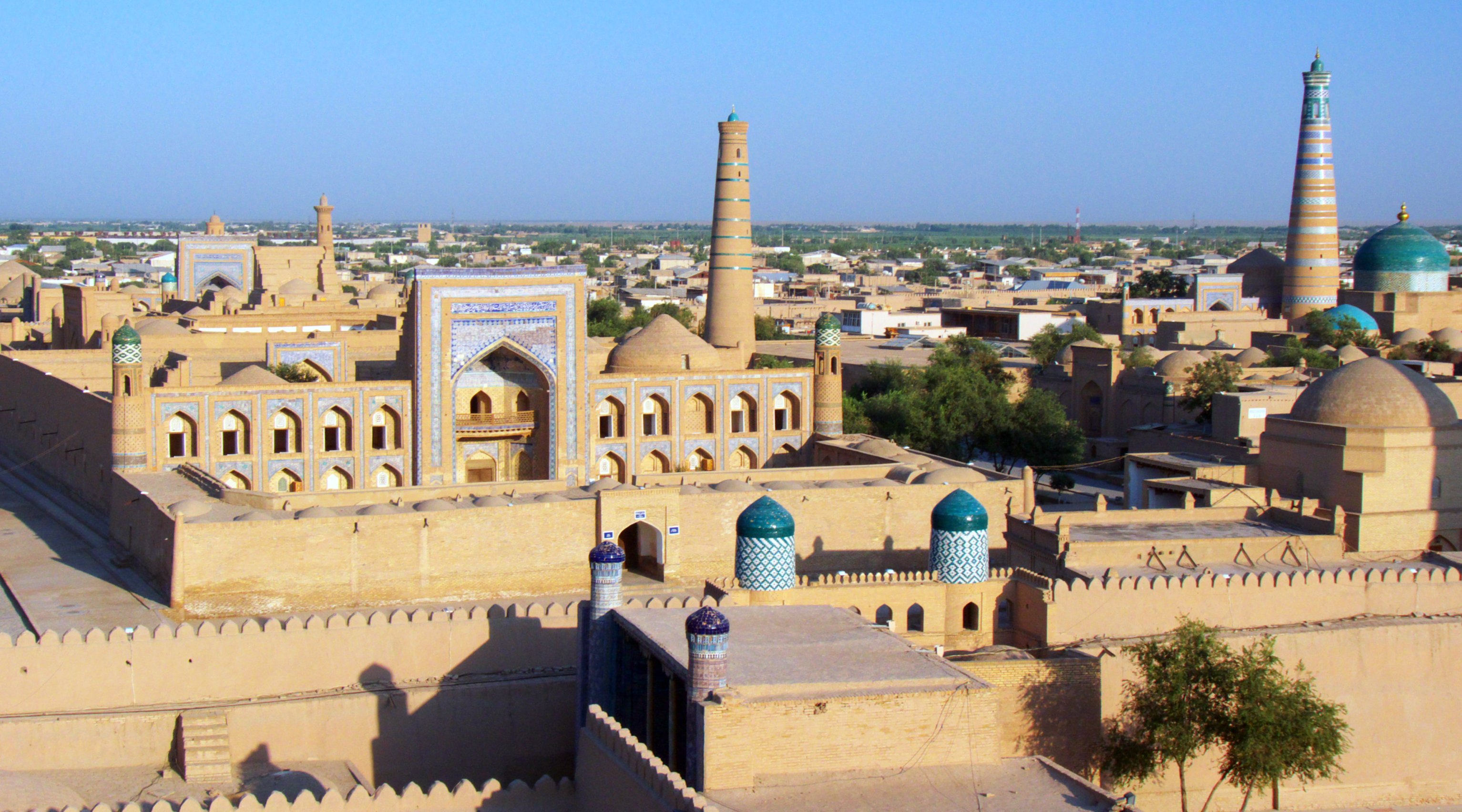
- Itchan Kala's UNESCO-listed walled city provides a living, breathing ancient backdrop found nowhere else
- Intimate scale of the old city suits small, exclusive celebrations with a deeply personal atmosphere
- Spring and early autumn offer genuinely pleasant outdoor conditions within the historic courtyards and terraces
- Authentic Uzbek craftsmanship — hand-painted ceramics, silk ikat textiles, woodcarving — enriches décor and gifting
- Minimal commercial tourism infrastructure means events feel private and exclusive rather than mass-market
- Rich local culinary tradition (plov, samsa, shashlik) offers a genuinely distinctive catering experience for guests

Compare Khiva with Other Top Destinations
Frequently Asked Questions
Is Khiva a good destination for a wedding celebration?
Yes, for the right couple. Khiva is particularly well-suited to small, intimate weddings — typically under 100–150 guests — where the priority is an extraordinary, culturally rich setting rather than large-scale infrastructure. The UNESCO-listed walled city of Itchan Kala provides a ceremony and reception backdrop that is genuinely unlike any conventional wedding destination, making it an exceptional choice for couples who value authenticity and atmosphere above all.
What is the best time of year to hold an event in Khiva?
Spring (March to May) and early autumn (September to October) are the optimal windows. Temperatures during these months are typically comfortable — ranging from around 15°C to 28°C — skies are reliably clear, and the light on the ancient architecture is particularly beautiful. Summer (June–August) brings extreme heat exceeding 40°C, making outdoor events impractical, while winter months are cold and see reduced hospitality operations.
How do guests travel to Khiva from abroad?
Most international guests fly into Urgench International Airport, approximately 35 km from Khiva, typically routing through Tashkent, which connects to Istanbul, Dubai, Moscow, and several European cities. An alternative is the overnight train from Tashkent to Urgench Railway Station, also around 35 km from the city. Total journey times from most international origins are a full day or more, so advance planning and guest briefing are important.
How many guests can Khiva's venues realistically accommodate?
Khiva's heritage properties — converted caravanserais, courtyard houses, and traditional guesthouses — typically accommodate between 30 and 150 guests depending on configuration. There are no large-scale banquet halls or convention centres within the old city. For events requiring more than 150 guests in a single space, Khiva's local venue inventory will be a limiting factor and a different destination should be considered.
What kinds of event spaces are available in Khiva?
The dominant venue type is the heritage courtyard property — traditional Uzbek merchant houses and caravanserais converted into guesthouses and small hotels, featuring open central courtyards, rooftop terraces with views over the old city's minarets, and intimate interior halls with carved plasterwork and painted ceilings. These spaces are atmospheric and distinctive but are not large-scale or purpose-built for events in the conventional sense.
Can I find specialist wedding vendors locally in Khiva?
The local specialist event vendor ecosystem is limited. Heritage properties can handle traditional Uzbek catering and basic event logistics, and local cultural performers — musicians, folk dancers, craftspeople — are genuinely available and add real value. However, specialist vendors such as professional wedding photographers, floral designers, and lighting specialists are largely absent locally and should be sourced from Tashkent or brought internationally.
Is accommodation sufficient for a group of guests staying in Khiva?
For groups up to around 80–100 guests, accommodation within or immediately adjacent to the walled old city is generally manageable across several heritage properties. Larger groups may need to place some guests in Urgench, approximately 35 km away, which has a broader accommodation base. Planners should book well in advance during the spring and autumn peak seasons, as the total room inventory within Khiva itself is relatively small.
What makes Khiva's cultural programming distinctive for a celebration?
Khiva has a living tradition of Uzbek craftsmanship and performing arts that can be authentically integrated into events. Traditional musicians playing instruments such as the dutar, local folk dancers, calligraphers, and artisans producing silk ikat textiles and hand-carved woodwork can all be engaged for cultural programming. This is genuinely place-specific content — not staged for tourists — and gives celebrations in Khiva a depth of cultural identity that is difficult to replicate elsewhere.
Do guests need a visa to visit Uzbekistan for an event in Khiva?
Uzbekistan has significantly simplified its visa regime in recent years, and citizens of many countries — including much of Europe, the Gulf states, and several Asian nations — can enter visa-free or obtain an e-visa online. However, requirements vary by nationality, and for a multi-national guest group, planners should verify each guest's visa status well in advance and allow sufficient lead time for any applications required.
What is local transport like for a guest group once they arrive in Khiva?
Within the walled old city (Itchan Kala), everything is walkable — most heritage properties and event spaces are within a 10–15 minute walk of each other. For guests staying outside the old city or arriving from Urgench, private transfer vehicles are the practical solution; there is no formal public transit suited to group movement. Planners should arrange dedicated vehicles for the duration of the event rather than relying on ad-hoc taxi availability.
Is Khiva safe for international guests attending a celebration?
Yes, Khiva is generally considered safe for international visitors. Uzbekistan has invested significantly in tourism infrastructure and security in recent years, and Khiva's old city is a well-established cultural tourism destination. Standard travel precautions apply, and guests should be briefed on local customs — particularly around dress codes in and near religious sites — but there are no specific safety concerns that would make Khiva unsuitable for an international guest group.

Ready to explore venues in Khiva?
Khiva: Destination Wedding & Cultural Event Venues in Uzbekistan
◆Khiva is a UNESCO World Heritage walled city in Uzbekistan's Xorazm Region, best suited to small, intimate weddings, cultural celebrations, and heritage-themed private events. Its primary vibe is Cultural & Timeless — defined by one of the world's most intact medieval Islamic urban ensembles. The ideal seasons are spring (March–May) and early autumn (September–October), when temperatures are genuinely comfortable for outdoor gatherings. Accessibility is limited: guests typically fly via Urgench International Airport, which has restricted international connections, making Khiva a destination that rewards careful advance planning. It is not suited to large-scale events or guests expecting mainstream luxury infrastructure, but for those seeking an extraordinary, once-in-a-lifetime setting, it is genuinely unmatched in Central Asia.
Khiva at a Glance
| Attribute | Detail |
|---|---|
| Best For | Intimate weddings, cultural celebrations, heritage-themed private events, elopements |
| Primary Vibe | Cultural & Timeless |
| Other Vibes | Historic, Intimate, Artisanal, Romantic |
| Best Season | Spring (Mar, Apr, May, Sep, Oct) |
Why Choose Khiva?
- A living UNESCO monument as your backdrop: Itchan Kala's walled inner city — with its turquoise-tiled minarets, ancient madrassas, and mud-brick caravanserais — is not a reconstructed theme park but a genuinely inhabited historic city, giving events an authenticity that purpose-built resort destinations simply cannot replicate.
- Unmatched intimacy and exclusivity: Khiva's small scale means events here feel genuinely private. The old city's courtyards, rooftop terraces, and heritage guesthouses can be arranged for exclusive use in ways that larger, more commercialised destinations rarely allow.
- Rich Uzbek artisanal culture: Local craftspeople produce hand-carved wooden screens, silk ikat textiles, hand-painted ceramics, and intricate tilework — all of which can be woven into event décor, guest gifting, and ceremony design in ways that are deeply place-specific rather than generic.
- Distinctive culinary tradition: Uzbek cuisine — plov (slow-cooked rice with lamb and carrots), shashlik, samsa, and an array of dried fruits and nuts — offers a genuinely memorable catering experience that guests are unlikely to have encountered before, making the food itself part of the event's story.
- Mild and photogenic spring and autumn conditions: During the curated best seasons, daytime temperatures typically range from around 18°C to 28°C, skies are reliably clear, and the warm golden light on ancient terracotta and tilework creates extraordinary photographic conditions for ceremonies and portraits.
- Genuinely off-the-beaten-path character: For couples or hosts who want their celebration to stand apart from the standard palace-hotel or beach-resort circuit, Khiva offers a setting that most guests will never have visited and are unlikely to forget.
Which Celebrations Work Best in Khiva?
- Intimate destination weddings: Khiva is particularly well-suited to small weddings — typically under 100 guests — where the emphasis is on atmosphere, cultural richness, and a deeply personal experience rather than scale or spectacle. Heritage courtyards and rooftop terraces within the old city walls provide ceremony and reception settings of extraordinary character.
- Cultural and heritage-themed celebrations: Anniversaries, milestone birthdays, or family gatherings with a strong interest in history, architecture, and travel find Khiva a natural fit. The city itself becomes the event — guests explore the old city between functions, and the destination's identity is inseparable from the celebration.
- Elopements and micro-weddings: For couples seeking a deeply romantic, private ceremony with minimal logistical complexity, Khiva's compact old city and small heritage properties make it one of the more practical choices in Central Asia for a very small group.
- Corporate cultural retreats: Small executive groups or creative teams seeking an inspiring, non-standard retreat environment — combining workshops with cultural immersion — can find Khiva's heritage properties and unique setting genuinely stimulating in ways that conventional conference hotels are not.
Venues & Event Spaces
Khiva's event venue landscape is defined almost entirely by heritage properties — converted caravanserais, historic merchant houses, and traditional Uzbek courtyard residences within or immediately adjacent to the walled city. These properties typically feature open central courtyards suitable for seated dinners and ceremonies, rooftop terraces with panoramic views over the old city's minarets and domes, and intimate interior halls decorated with traditional carved plasterwork and painted ceilings.
There are no large-scale purpose-built banquet halls or convention centres within Khiva itself. The available event spaces are characteristically small to medium in capacity — most comfortably accommodating between 30 and 150 guests depending on the configuration. Outdoor lawns in the Western sense are limited; instead, the signature outdoor spaces are courtyard gardens and rooftop platforms, which are particularly atmospheric during the spring and autumn seasons when temperatures are comfortable after sunset.
For groups requiring larger capacity or more conventional event infrastructure, the nearest city with broader options is Urgench, approximately 35 km away, though it lacks Khiva's heritage character. Planners should assess venue capacity requirements carefully before committing to Khiva as a destination, as the local inventory genuinely does not scale to large guest lists.
Best Time to Celebrate
The curated best seasons — March through May and September through October — are the clear optimal windows for events in Khiva, and the reasoning is concrete rather than merely general.
In spring (March–May), daytime temperatures typically range from around 15°C to 28°C, rising gradually through May. Skies are predominantly clear, the desert landscape around the city takes on a brief green flush, and the light on the ancient architecture is particularly warm and photogenic. Evening temperatures remain comfortable for outdoor dining and ceremonies without requiring heating or cooling equipment.
In early autumn (September–October), the brutal summer heat has subsided — temperatures typically fall from the high 30s in August to a comfortable 20–28°C range by September and 12–22°C by October. The air is dry and clear, and the lower sun angle again produces excellent photographic light. October can begin to feel cool in the evenings, so outdoor evening events late in the month may benefit from light heating provision.
Summer (June–August) is genuinely unsuitable for outdoor events: temperatures regularly exceed 38–42°C in the Khorezm oasis, and the combination of intense heat and low humidity makes prolonged outdoor exposure uncomfortable and potentially unsafe for guests. Indoor spaces in heritage properties are not always equipped with modern air conditioning to the standard guests from cooler climates would expect.
Winter (November–February) brings the opposite extreme: temperatures can drop well below freezing, frost is common, and a number of smaller heritage guesthouses reduce operations or close partially during the low season. Travel connections to Urgench also thin out in winter, compounding logistical challenges.
Getting There & Local Connectivity
The primary gateway for guests travelling to Khiva is Urgench International Airport, located approximately 35 km from the old city. Urgench has scheduled connections to Tashkent (Uzbekistan's capital), and Tashkent in turn connects to a range of international hubs including Moscow, Istanbul, Dubai, and several European cities. Guests travelling from South Asia, Europe, or the Gulf will typically route through Tashkent, making the total journey time from most international origins a full day or more.
An alternative entry point is Urgench Railway Station, which is served by overnight trains from Tashkent. The train journey takes approximately 14–16 hours but is a comfortable and scenic option for guests already in Uzbekistan or travelling from neighbouring countries. The station is roughly the same distance from Khiva as the airport.
Once in Khiva, local movement is straightforward given the city's compact scale. The walled old city (Itchan Kala) is entirely walkable — most heritage properties, ceremony spaces, and points of interest are within a 10–15 minute walk of each other. For guests staying in the outer city (Dichan Kala) or in Urgench, taxis and private transfers are the practical mode of transport; there is no formal public transit system suited to group movement. Planners organising events for groups of 30 or more should arrange dedicated private transfer vehicles for the duration of the event, as ad-hoc taxi availability can be inconsistent.
Local Vendor & Hospitality Ecosystem
Khiva has a small but genuine hospitality ecosystem built around cultural tourism rather than large-scale event management. Local heritage properties have experience hosting private dinners, small receptions, and cultural evenings for international visitors, and their staff are generally accustomed to working with guests from diverse backgrounds.
However, the specialist event vendor ecosystem — florists, lighting designers, professional wedding photographers, dedicated event caterers, and entertainment coordinators — is limited compared to more established destination wedding cities. Planners should expect to bring key creative vendors (photographers, décor specialists, entertainment) from Tashkent or internationally, and to work with local properties primarily for catering, venue logistics, and cultural programming.
Uzbek hospitality is genuinely warm and guest-oriented, and local craftspeople and cultural performers (musicians playing traditional instruments such as the dutar and doira, folk dancers, calligraphers) can be engaged to provide authentic cultural programming that significantly enriches the guest experience. This is one area where Khiva's local ecosystem genuinely excels — the cultural content available is real, not staged for tourists, and adds meaningful depth to celebrations.
Food and beverage quality at heritage properties is generally good for traditional Uzbek cuisine, though the range of international cuisine options is limited. Wine and spirits are available but the selection is narrower than in major international hotel destinations; planners with specific beverage requirements should discuss this with properties well in advance.
Pros & Things to Consider
Why Khiva Works Well
- Genuinely unique UNESCO World Heritage setting that no other destination can replicate
- Intimate scale naturally suits small, exclusive celebrations without feeling underpopulated
- Authentic cultural programming — traditional music, crafts, cuisine — is readily available and deeply place-specific
- Spring and autumn seasons offer reliably comfortable outdoor conditions with excellent natural light
- Low commercial tourism density during shoulder periods means events feel private and unhurried
- Heritage properties within the old city walls offer ceremony and reception settings of extraordinary visual character
Things to Consider
- Guest travel is genuinely complex: most international visitors require at least one connection through Tashkent, and total journey times from major origins are long
- Venue capacity is limited — Khiva is not suited to guest lists above approximately 150 people without significant logistical compromise
- Specialist event vendors (photographers, florists, lighting designers) are largely absent locally and must be sourced from Tashkent or abroad
- Summer heat is extreme and genuinely prohibitive for outdoor events; the usable event season is relatively narrow
- Internet and mobile connectivity within the old city can be inconsistent, which may affect real-time coordination during events
- Visa requirements for Uzbekistan, while simplified in recent years for many nationalities, still require advance planning for international guest groups
When Khiva May Not Be the Right Fit
- Large guest lists: If your celebration involves more than 120–150 guests, Khiva's heritage venue inventory will struggle to accommodate the group comfortably in a single space. A destination with larger-scale banquet and resort infrastructure would serve you better.
- Guests with limited travel flexibility: Elderly guests, families with very young children, or guests who find long multi-leg journeys difficult may find the travel to Khiva genuinely taxing. If guest comfort in transit is a primary concern, a more directly accessible destination is worth considering.
- Summer event dates: If your preferred dates fall between June and August, Khiva's extreme heat makes outdoor events impractical and indoor comfort cannot be guaranteed to modern air-conditioned standards in all heritage properties.
- Guests expecting mainstream luxury amenities: Khiva does not currently have a five-star international chain hotel. Guests whose comfort expectations include a full-service luxury resort with spa, pool, and international dining will find the local accommodation offering more limited than they may be accustomed to at other destination wedding locations.