
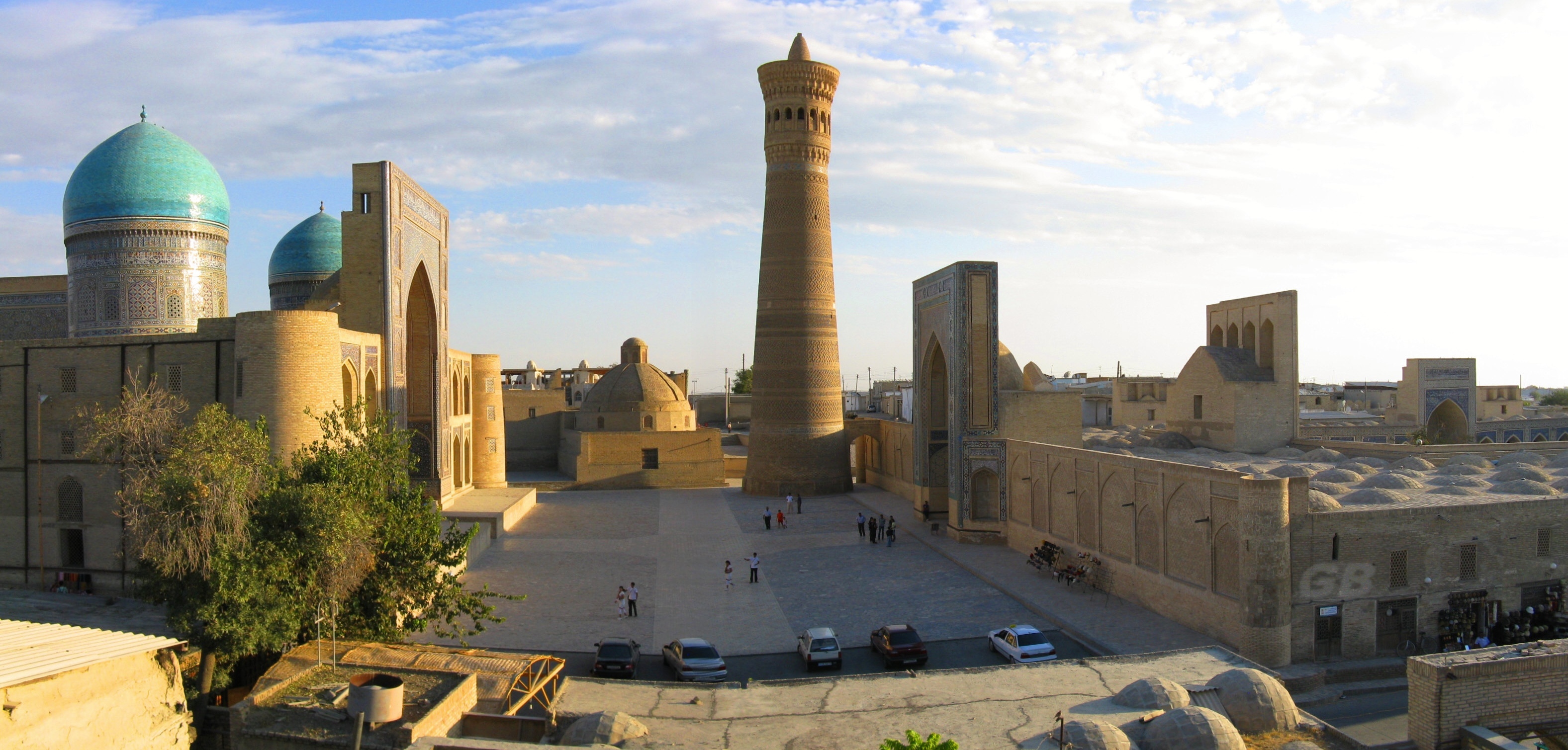
Why Bukhara is Perfect for Your Celebration
- UNESCO World Heritage old city provides an unmatched architectural backdrop for ceremonies and photography
- Intimate boutique hotels in restored caravanserais and merchant houses offer exclusive-use event spaces
- Spring and early autumn bring reliably mild, dry weather — ideal for outdoor courtyard celebrations
- Authentic Uzbek cuisine, live traditional music, and craft artisans add genuine cultural programming to events
- High-speed rail link to Tashkent and Samarkand makes multi-city Silk Road itineraries easy for guests
- Small-city scale means venues, accommodation, and attractions are all within walking distance in the old city

Compare Bukhara with Other Top Destinations
Frequently Asked Questions
Is Bukhara a good destination for an intimate wedding?
Yes. Bukhara is particularly well-suited to intimate destination weddings, typically for guest lists under 150 people. Its UNESCO-listed old city, restored caravanserai courtyards, and heritage boutique hotels create a genuinely extraordinary setting. The compact scale of the old city also makes group logistics straightforward, keeping the guest experience cohesive across ceremony, reception, and accommodation.
What is the best time of year to hold a celebration in Bukhara?
Spring (March, April, May) and early autumn (September, October) are the best periods. Temperatures are mild and conditions are dry, making outdoor courtyard events fully viable. Summer (June–August) brings extreme heat regularly exceeding 38°C, and winter (November–February) brings sub-zero nights — both seasons are poorly suited to outdoor celebrations.
How do international guests typically get to Bukhara?
Most international guests fly into Tashkent International Airport and then travel onward to Bukhara either by the high-speed Afrosiyob train (a comfortable 3–4 hour journey) or by domestic flight. Bukhara has its own international airport with some direct connections to Moscow, Istanbul, and regional hubs, but direct international options are limited, so a Tashkent transit is the most common route.
What kinds of event venues are available in Bukhara?
Bukhara's venue landscape is defined by restored caravanserais and traditional merchant courtyard houses converted into boutique hotels. These offer intimate courtyard ceremony spaces, rooftop terraces with old-city views, and small banquet halls with genuine historical character. The city does not have large-scale resort complexes or convention-style ballrooms — it is best suited to smaller, curated events rather than mass-scale productions.
Do guests need a visa to visit Uzbekistan for an event in Bukhara?
Uzbekistan has significantly liberalised its visa policy in recent years, offering visa-free or visa-on-arrival access to citizens of many countries, including most European nations, the UK, the US, and several Asian countries. However, visa requirements vary by nationality, so guests should verify their specific situation well in advance of travel. Working with a local event coordinator can help streamline group arrival logistics.
How large a guest group can Bukhara realistically accommodate for an event?
Bukhara's heritage venue inventory is generally best calibrated to events of up to 150–200 guests. Some properties can combine indoor and outdoor spaces to stretch capacity modestly beyond this, but very large guest lists of 300 or more will find the local venue options constraining. The destination is genuinely stronger for intimate, curated celebrations than for large-scale mass events.
What cultural experiences can be incorporated into an event programme in Bukhara?
Bukhara offers genuinely rich cultural programming options: traditional Uzbek and Tajik classical music ensembles (Shashmaqam), local craft artisans demonstrating silk weaving and ceramics, authentic Silk Road cuisine including plov, samsa, and regional sweets, and guided evening walks through the illuminated old city. These are living local traditions rather than tourist performances, and they add real cultural depth to event itineraries.
Is it easy to move around Bukhara as a group during an event?
Yes, relatively. The old city is compact and largely walkable, so guests staying in or near the historic centre can move between venues, accommodation, and landmarks on foot. For guests accommodated slightly further out, taxis and private transfers are readily available and inexpensive. The small city scale means group transport logistics are generally simpler here than in larger, more spread-out destinations.
Are local event vendors and caterers experienced with international celebrations?
Bukhara has a growing vendor ecosystem with meaningful experience serving international clients, particularly in catering, traditional music, and event coordination. Local Uzbek catering is a genuine strength. However, specialist services such as luxury floral design, large-scale AV production, and imported décor are more limited locally — couples planning elaborate productions should expect to source some vendors from Tashkent or internationally, and should plan lead times generously.
Can guests combine a Bukhara event with visits to other Silk Road cities?
Yes, and this is one of Bukhara's genuine advantages. The high-speed Afrosiyob train connects Bukhara to Samarkand (approximately 1.5 hours) and Tashkent (approximately 3–4 hours total), making multi-city Silk Road itineraries — Tashkent, Samarkand, Bukhara — straightforward and enjoyable for adventurous guest groups. Many couples use this as a draw to encourage guests to extend their trip into a broader Central Asian journey.
Is Bukhara safe for international guests attending a celebration?
Yes. Uzbekistan is consistently regarded as one of the safest countries in Central Asia for international visitors. Bukhara specifically has a long tradition of welcoming travellers rooted in its Silk Road history, and the city is generally calm, well-policed, and hospitable. Standard travel precautions apply, but safety is not typically a concern that event planners or guests need to weight heavily when considering this destination.

Ready to explore venues in Bukhara?
Bukhara: Destination Wedding & Cultural Event Venues on the Silk Road
◆Bukhara is best suited to intimate, culturally immersive celebrations — destination weddings, milestone anniversaries, and curated social gatherings — where the setting itself is the centrepiece. Its primary vibe is Cultural & Timeless: a UNESCO World Heritage old city of medieval madrasas, caravanserais, and minarets that has changed little in centuries. The best seasons are spring (March–May) and early autumn (September–October), when temperatures are mild and outdoor courtyard events are fully viable. Accessibility is moderate — Bukhara has its own international airport and a high-speed rail connection to Tashkent, though direct international flight options are limited and most guests will transit through Tashkent or another regional hub. The destination suits smaller, curated guest lists rather than large-scale mass events.
Bukhara at a Glance
| Attribute | Detail |
|---|---|
| Best For | Intimate destination weddings, anniversary celebrations, cultural social gatherings, heritage-themed events |
| Primary Vibe | Cultural & Timeless |
| Other Vibes | Romantic, Exotic, Boutique, Historically Immersive |
| Best Season | Spring (Mar, Apr, May, Sep, Oct) |
Why Choose Bukhara?
- Unrivalled architectural backdrop: The old city's Kalon Minaret, Poi Kalon complex, Lyabi-Hauz pool, and dozens of intact medieval structures provide ceremony and photography settings that simply cannot be replicated elsewhere in the world.
- Boutique exclusivity: Many of Bukhara's finest hotels occupy restored caravanserais and merchant courtyard houses, offering intimate, exclusive-use event spaces with genuine historical character rather than generic ballroom settings.
- Authentic cultural programming: Traditional Uzbek music ensembles, Shashmaqam classical performances, local craft artisans, and authentic plov and Silk Road cuisine can be woven directly into event programming — not as tourist add-ons but as living local traditions.
- Compact, walkable old city: Venues, accommodation, and key landmarks are concentrated within a small, walkable area, making group logistics straightforward and reducing the need for extensive guest transport between ceremony, reception, and hotel.
- Multi-destination Silk Road itinerary potential: The high-speed Afrosiyob rail service connects Bukhara to Samarkand and Tashkent, making it easy for guests to extend their trip into a broader Central Asian journey — a genuine draw for internationally-minded guest groups.
- Genuine safety and hospitality: Uzbekistan consistently ranks as one of the safest countries in Central Asia for international visitors, and Bukhara's hospitality culture — rooted in centuries of welcoming Silk Road travellers — translates naturally into warm, attentive event service.
Which Celebrations Work Best in Bukhara?
- Intimate destination weddings: Bukhara is particularly well-suited to smaller weddings — typically under 150 guests — where the couple wants the destination itself to be the defining experience. Courtyard ceremonies against medieval architecture create images and memories that a conventional hotel ballroom cannot match.
- Anniversary and milestone celebrations: The city's romantic, timeless atmosphere makes it an exceptional setting for significant anniversaries, vow renewals, or landmark birthday celebrations where the event is designed to feel genuinely extraordinary.
- Cultural and heritage-themed social gatherings: Corporate retreats, alumni reunions, or private group celebrations with a cultural travel dimension fit naturally into Bukhara's identity — the city itself becomes the programme.
- Pre-wedding and post-wedding events: Mehendi evenings in a caravanserai courtyard, welcome dinners beside the Lyabi-Hauz pool, or farewell brunches in a heritage riad-style property all work exceptionally well as satellite events around a main ceremony held here or in a nearby Silk Road city.
Venues & Event Spaces
Bukhara's event venue landscape is defined by heritage boutique properties rather than large-scale resort complexes. The most distinctive spaces are restored caravanserais — historic merchant inns built around central courtyards — which have been sensitively converted into hotels and event venues. These courtyard spaces, often with traditional iwan archways, decorative tilework, and mature trees, are ideal for ceremonies and intimate receptions of up to 150–200 guests.
Beyond caravanserai-style properties, the city offers traditional merchant house hotels with rooftop terraces overlooking the old city skyline, small banquet halls within heritage hotels, and semi-open garden spaces. The Lyabi-Hauz area — a historic pool surrounded by mulberry trees and medieval buildings — provides a uniquely atmospheric backdrop for outdoor evening events, subject to local permissions.
For larger gatherings, some properties can combine indoor and outdoor spaces to accommodate expanded guest counts, though Bukhara's venue inventory is genuinely better calibrated to intimate and mid-size events than to very large-scale productions. Couples or planners expecting a grand ballroom for 500+ guests should factor this into their planning from the outset.
Best Time to Celebrate
The curated best seasons — spring (March, April, May) and early autumn (September, October) — reflect Bukhara's continental climate in its most hospitable form. During these windows, daytime temperatures typically range from the mid-teens to the high twenties Celsius, evenings are pleasantly cool, and rainfall is low. Spring additionally brings flowering apricot and almond trees across the region, adding natural colour to outdoor settings. September and October offer the added benefit of harvest season, when local markets overflow with pomegranates, figs, and grapes — a genuine sensory backdrop for events.
The summer months (June through August) are genuinely challenging: temperatures regularly exceed 38°C in July and August, making outdoor daytime events uncomfortable or unsafe, and even evening events can feel oppressively warm. Air conditioning in heritage properties varies in effectiveness, and the heat significantly limits the range of outdoor programming that can be offered.
Winter (November through February) brings the opposite extreme: sub-zero overnight temperatures, occasional snow, and a stark, quiet city that, while beautiful in its own way, is poorly suited to outdoor celebrations. Many boutique properties reduce staffing and services in the low season, which can affect event catering and coordination quality. March can still carry late-winter cold snaps, so early spring events should build in contingency for cooler evenings.
Getting There & Local Connectivity
Bukhara is served by Bukhara International Airport (BHK), located approximately 5 km from the old city centre — a short taxi or transfer ride. The airport handles a modest number of international routes, with connections to Moscow, Istanbul, and a handful of other regional hubs, as well as frequent domestic flights to Tashkent. Most international guests will find it most practical to fly into Tashkent International Airport and then either take the high-speed Afrosiyob train (approximately 1.5 hours to Samarkand, then onward to Bukhara — total journey roughly 3–4 hours) or connect via a domestic flight.
The high-speed rail connection is a genuine asset: the Afrosiyob service is comfortable, punctual, and scenic, and it makes Bukhara genuinely accessible from Tashkent without the need for a domestic flight. For groups arriving together, coordinating a train transfer from Tashkent can be an enjoyable part of the guest experience rather than a logistical burden.
Within Bukhara itself, the old city is compact and largely walkable for guests staying in or near the historic centre. Taxis and private transfers are readily available and inexpensive for guests whose accommodation is slightly further out. The city does not have a metro system, but the small scale means this is rarely a constraint for event groups.
Local Vendor & Hospitality Ecosystem
Bukhara has a well-established hospitality tradition rooted in centuries of welcoming travellers, and this translates into genuinely warm, attentive service at its better hotels and restaurants. The city's tourism infrastructure has grown steadily since Uzbekistan liberalised its visa regime, and local vendors — caterers, florists, musicians, photographers, and event coordinators — have developed meaningful experience working with international clients.
Traditional Uzbek catering is a particular strength: plov (the national rice dish), samsa, shashlik, and an array of dried fruits, nuts, and sweets can be presented at a level of quality and authenticity that adds real cultural value to event menus. Local musicians specialising in traditional Uzbek and Tajik classical forms are available for ceremony and reception entertainment.
That said, the vendor ecosystem is smaller and less specialised than in major South Asian or European wedding destinations. International-standard floral design, large-scale AV production, and luxury décor rental are more limited locally, and couples planning elaborate productions may need to bring some specialist vendors from Tashkent or internationally. Lead times for coordination and logistics should be planned generously, and working with a local event coordinator who has established supplier relationships is strongly advisable.
Pros & Things to Consider
Why Bukhara Works Well
- Genuinely unique, UNESCO-listed architectural setting that no other destination can replicate
- Intimate scale suits smaller, curated guest lists exceptionally well
- Authentic cultural programming — music, cuisine, craft — is readily available and of genuine quality
- Very safe destination with a welcoming, hospitable local culture
- Compact old city makes group logistics simple and keeps the guest experience cohesive
- High-speed rail to Tashkent and Samarkand enables multi-city Silk Road itineraries for adventurous guest groups
- Spring and autumn seasons offer reliably pleasant, dry weather for outdoor events
Things to Consider
- International flight connectivity is limited — most guests will require a transit stop, typically Tashkent, adding travel time and complexity
- Venue capacity is generally suited to smaller events; very large guest lists (300+) will find the local inventory constraining
- Specialist event vendors (luxury décor, large-scale AV, international-standard floral design) are limited locally and may need to be sourced from Tashkent or abroad
- Summer heat (June–August) is extreme and effectively rules out outdoor daytime events during those months
- Currency, language, and logistical differences from South Asian or European destinations mean more advance planning is required for international guest groups
- Some heritage properties have physical constraints (narrow doorways, uneven historic floors, limited lift access) that may affect accessibility for guests with mobility needs
When Bukhara May Not Be the Right Fit
- Very large guest lists: If your celebration requires venues comfortably accommodating 300 or more guests under one roof, Bukhara's boutique heritage inventory is unlikely to meet that need without significant compromise.
- Summer events: Couples with fixed June, July, or August dates should seriously consider whether the extreme heat — regularly above 38°C — is compatible with their vision for outdoor ceremonies or daytime events.
- Guests with limited international travel experience or complex visa situations: While Uzbekistan has simplified its visa regime considerably, the multi-leg journey and unfamiliar logistics may be a genuine barrier for some guest groups, particularly older or less mobile guests.
- Events requiring large-scale production infrastructure: If the event design calls for elaborate stage builds, large LED walls, extensive imported décor, or a full international vendor team, the logistical complexity of bringing that infrastructure to Bukhara may outweigh the destination's advantages over more production-ready cities.