
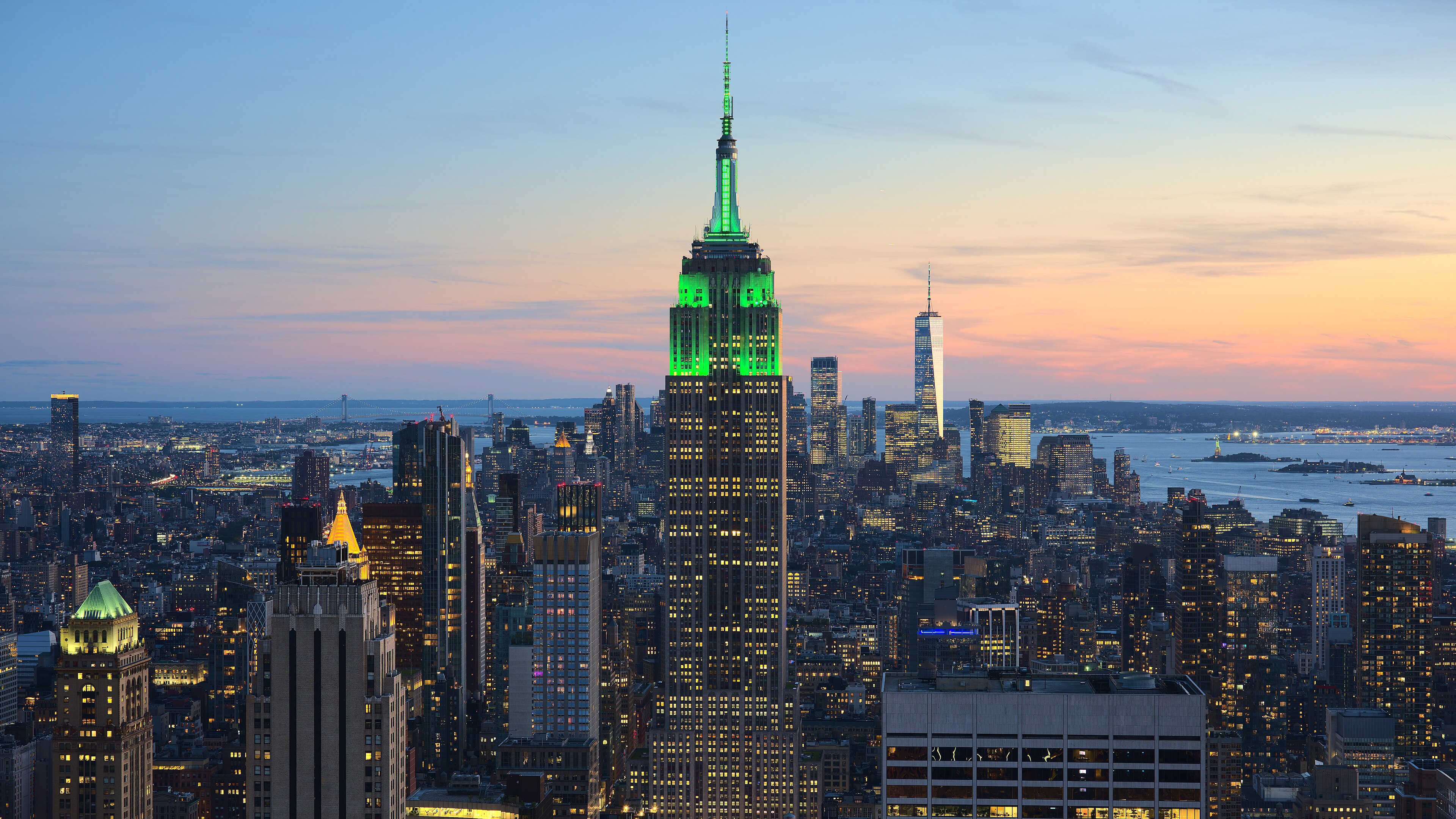
Why New York City is Perfect for Your Celebration
- Unrivalled venue diversity — rooftop terraces, historic ballrooms, waterfront spaces, and contemporary loft studios all within one city
- World-class hospitality with globally recognised hotel brands and experienced event management professionals
- Three major international airports make it one of the most accessible destinations on earth for guests flying from anywhere
- Central Park, the Hudson River waterfront, and the Manhattan skyline provide extraordinary natural and architectural backdrops
- Spring season (Apr–Jun, Sep–Oct) offers mild, photogenic weather perfectly suited to outdoor ceremonies and receptions
- A mature, competitive vendor ecosystem covering florals, catering, entertainment, photography, and décor at every scale
Compare New York City with Other Top Destinations
Frequently Asked Questions
Is New York City a good destination for a wedding?
Yes, particularly for couples who want a sophisticated, urban celebration with iconic visual settings. New York City suits weddings ranging from intimate ceremonies in Central Park to large formal receptions in historic hotel ballrooms. It works especially well when the couple wants a destination that guests will genuinely want to travel to, and where the city itself is part of the experience.
What is the best time of year to hold a wedding or event in New York City?
April through June and September through October are the strongest months. These spring and early autumn windows offer mild temperatures, manageable rainfall, and the city's most visually compelling seasonal character — cherry blossoms in April and May, and rich autumn foliage in October. July and August bring oppressive heat and humidity, while December through February carries winter cold and potential snow disruption.
How easy is it for guests to travel to New York City for an event?
Very easy by most standards. Three major international airports — JFK, LaGuardia, and Newark Liberty — serve the metropolitan area, offering direct connections from a wide range of global origins. Guests travelling from the US East Coast can also reach the city by Amtrak rail via Penn Station. The city's scale of accommodation means housing a large, dispersed guest list is generally straightforward.
What kinds of venues are available for events in New York City?
The range is exceptionally broad. Options include grand historic hotel ballrooms, rooftop terraces with skyline views, Hudson River waterfront spaces, Central Park outdoor settings, converted industrial lofts in Brooklyn, and contemporary event spaces across all five boroughs. The city suits both formal, traditional celebrations and more contemporary, design-forward events depending on the venue type chosen.
How large a guest list can New York City venues realistically accommodate?
The city's venue inventory spans a very wide range. Intimate ceremonies can be held for groups of 20–50 guests in boutique spaces or outdoor settings, while the largest hotel ballrooms and convention facilities can accommodate several hundred to over a thousand guests for seated dinners or receptions. Mid-size celebrations of 100–400 guests are particularly well-served by the existing inventory.
Is New York City suitable for corporate events and conferences?
Yes, it is one of the world's strongest corporate event destinations. The city's concentration of large hotel convention facilities, flexible event spaces, and its status as a global business hub make it a natural fit for product launches, leadership summits, incentive programmes, and large-scale conferences. The vendor ecosystem for corporate production — audio-visual, catering, event management — is fully mature and highly competitive.
What is the local vendor and hospitality ecosystem like for event planning?
Exceptionally well-developed. New York City hosts thousands of events annually, producing a deep community of experienced wedding planners, event designers, caterers, florists, photographers, and entertainment professionals. Specialists in specific cultural wedding traditions, corporate event formats, and large-scale festival production are all generally available. The quality ceiling for event production is genuinely very high.
What are the main logistical challenges of hosting an event in New York City?
Traffic congestion in Midtown Manhattan is the most consistent practical challenge — road journey times are unpredictable, and event schedules should build in buffer time. Outdoor events in public spaces like Central Park require formal permits with meaningful lead times. The city's density and scale can also be disorienting for first-time visitors, making clear guest logistics communication more important than in smaller destinations.
Can guests move around easily between accommodation and event venues?
Generally yes. The subway operates around the clock and covers Manhattan and the outer boroughs extensively. Taxi and rideshare services are abundant. For coordinated group movements — shuttle buses between a hotel block and a venue — experienced local operators are readily available. The main caveat is Midtown traffic, which can make road-based transfers slower than expected during peak hours.
Is October a good month for an outdoor wedding or event in New York City?
Yes, October is widely considered one of the best months for outdoor events in New York City. Temperatures are typically comfortable, days are often clear and dry, and the city's autumn foliage — particularly in Central Park — provides a genuinely spectacular seasonal backdrop. It is consistently among the most popular months for outdoor ceremonies and receptions, so early venue and vendor booking is advisable.
What makes New York City distinctive as a destination wedding location compared to a traditional resort destination?
New York City offers something fundamentally different from a resort destination: the city itself is the experience. Guests are not contained within a single property but have access to world-class dining, cultural institutions, entertainment, and iconic landmarks. This makes the destination genuinely compelling for guests to travel to, and creates a richer surrounding programme — but it also means the event requires more active logistics coordination than a self-contained resort setting.
Are there outdoor ceremony options in New York City, and how do they work?
Yes. Central Park is the most iconic outdoor ceremony setting, with designated areas available for permitted events — the permitting process involves a formal application and should be initiated well in advance of the event date. Rooftop spaces, waterfront promenades, and the grounds of certain cultural institutions also offer outdoor options. Spring and early autumn are the most reliable seasons for outdoor ceremonies given the city's climate.

Ready to explore venues in New York City?
New York City: Destination Wedding & Event Venues Guide
◆New York City is one of the world's most capable event destinations, strongest for weddings, corporate events, milestone celebrations, and large-scale festivals. Its primary vibe is chic and cosmopolitan — defined by an iconic skyline, world-class hospitality infrastructure, and a vendor ecosystem that operates at genuine global scale. The best season to plan is spring, covering April through June and September through October, when temperatures are mild and the city's parks and outdoor spaces are at their most photogenic. Accessibility is exceptional, with three major international airports and a dense accommodation market spanning every tier. It is, however, a high-cost destination by most international standards, and that character should be factored into planning from the outset.
New York City at a Glance
| Category | Detail |
|---|---|
| Best For | Weddings, Corporate Events, Milestone Celebrations, Festivals |
| Primary Vibe | Chic & Cosmopolitan |
| Other Vibes | Urban & Electric, Iconic & Cultural, Sophisticated & Modern |
| Best Season | Spring (Apr, May, Jun, Sep, Oct) |
Why Choose New York City?
- Unmatched venue diversity: From landmarked Gilded Age ballrooms and rooftop terraces with panoramic skyline views to Hudson River waterfront spaces, converted industrial lofts in Brooklyn, and Central Park's natural grandeur — no other city offers this breadth of event settings within a single metropolitan area.
- Global accessibility for guests: Three major international airports — JFK, LaGuardia, and Newark Liberty — serve New York City, making it reachable from virtually any origin point worldwide. Guests arriving from different continents can typically find direct or single-connection flights, reducing travel friction significantly for a dispersed guest list.
- A fully mature hospitality and vendor ecosystem: New York City hosts thousands of events annually at every scale. The result is a deep, competitive market of experienced wedding planners, event designers, caterers, florists, photographers, and entertainment professionals who are accustomed to executing complex, high-expectation events.
- Iconic visual backdrops: The Manhattan skyline, Central Park's seasonal landscapes, the Brooklyn Bridge, and the Hudson River waterfront provide backdrops that are immediately recognisable and genuinely spectacular — a meaningful differentiator for couples and planners who want imagery that stands apart.
- World-class dining and entertainment infrastructure: New York City's restaurant and entertainment scene means that pre- and post-event programming — rehearsal dinners, welcome parties, farewell brunches — can be planned at an exceptionally high standard without leaving the city.
- Year-round hotel inventory at scale: The city's accommodation market is among the largest in the world, meaning even a large guest list can be housed within a short distance of the event venue, with options across multiple tiers to suit different guests' preferences.
Which Celebrations Work Best in New York City?
- Weddings: New York City suits couples who want a sophisticated, urban celebration with genuine visual drama. Central Park ceremonies, rooftop receptions overlooking the skyline, and historic ballroom dinners are all genuinely achievable here. The city works particularly well for intimate to mid-size weddings where the venue itself carries significant character, and for larger celebrations where the couple wants a destination that guests will genuinely want to travel to.
- Corporate events and conferences: New York City is one of the world's premier corporate event destinations. Its concentration of major hotel ballrooms, dedicated conference centres, and flexible event spaces — combined with the city's status as a global business hub — makes it a natural fit for product launches, leadership summits, incentive programmes, and large-scale conferences.
- Milestone celebrations (anniversaries, landmark birthdays, reunions): The city's combination of world-class dining, entertainment, and iconic settings makes it a compelling choice for significant personal milestones. A 50th birthday dinner at a storied Manhattan venue, or a family reunion centred on the city's cultural institutions, carries a weight and memorability that is difficult to replicate elsewhere.
- Festivals and cultural events: New York City's infrastructure — outdoor spaces, permitting experience, vendor depth, and audience draw — makes it well-suited to festival-format events, cultural showcases, and large public celebrations, particularly during the spring and early autumn seasons when outdoor conditions are most reliable.
Venues & Event Spaces
New York City's event venue landscape is genuinely one of the most diverse in the world. At the luxury end, the city is home to a significant number of grand historic hotels with dedicated ballroom facilities capable of hosting formal seated dinners and receptions at scale. These properties typically offer full in-house catering, dedicated event coordination teams, and the kind of architectural grandeur — ornate ceilings, marble lobbies, period detailing — that requires little additional décor investment to feel exceptional.
Beyond traditional hotel ballrooms, the city offers a wide range of alternative venue typologies. Rooftop spaces across Manhattan and Brooklyn provide skyline views that are among the most photographed in the world, and are particularly well-suited to cocktail receptions and smaller ceremonies during the spring and early autumn seasons. Waterfront venues along the Hudson River and in areas such as DUMBO in Brooklyn offer a different visual register — open, airy, and with the Manhattan skyline as a backdrop rather than a surrounding.
The outer boroughs, particularly Brooklyn and Queens, have developed a strong inventory of converted industrial and warehouse spaces that suit couples and planners looking for a more contemporary, design-forward aesthetic. These spaces typically offer greater flexibility in terms of layout, catering arrangements, and décor customisation than more traditional hotel venues.
For outdoor ceremonies specifically, Central Park is the city's most iconic setting, with several designated areas available for permitted events. The park's seasonal character — cherry blossoms in April and May, rich foliage in October — aligns well with the curated best season for events. Other outdoor options include rooftop gardens, waterfront promenades, and the grounds of certain cultural institutions.
Corporate and conference-format events are served by a combination of large hotel convention facilities, purpose-built conference centres, and flexible co-working and event spaces that have expanded significantly across the city in recent years.
Best Time to Celebrate
The curated best season for events in New York City covers April through June and September through October — broadly the spring and early autumn windows. These months share a common character: temperatures are generally mild and comfortable (typically ranging from around 10°C to 24°C), rainfall is moderate and manageable, and the city's parks and outdoor spaces are at their most visually compelling.
April and May bring the city's most celebrated seasonal transformation. Central Park's cherry blossoms typically peak in late April, and the general greening of the city's trees and parks creates a softness and colour that is genuinely distinctive. Temperatures are comfortable for outdoor ceremonies without the humidity that arrives later in summer.
June sits at the edge of the best window. Early June retains the pleasant character of late spring, but by mid-to-late June, temperatures and humidity begin to climb toward summer levels. Events planned for June are generally best scheduled earlier in the month.
September and October are widely considered the strongest months of the year for New York City events. The summer heat and humidity have typically eased by early September, and October in particular offers the city's famous autumn foliage — warm amber and red tones across Central Park and the broader urban landscape — combined with reliably clear, dry days and comfortable temperatures. October is consistently among the most popular months for outdoor ceremonies and receptions.
Why other seasons are less ideal: July and August bring oppressive heat and high humidity, with temperatures regularly exceeding 30°C and a heavy, uncomfortable quality to the air that makes outdoor events genuinely challenging and can affect guest comfort significantly. November through March brings the full character of a northeastern winter — temperatures frequently below freezing, the possibility of significant snowfall, and the logistical disruptions that winter weather can cause for guests travelling from elsewhere. March can be particularly unpredictable, with late cold snaps and variable conditions that make outdoor planning unreliable. These months are not impossible for events — indoor venues are fully operational year-round — but they require contingency planning and carry meaningful weather risk for any outdoor component.
Getting There & Local Connectivity
New York City's accessibility is among its strongest practical assets as an event destination. Three major airports serve the metropolitan area, offering an exceptionally wide range of direct international and domestic connections. Guests arriving from different parts of the world can typically reach the city with minimal connection complexity, and the volume of flights means that scheduling flexibility is generally high.
Within the city, the public transit network — the subway system in particular — is extensive and operates around the clock, covering Manhattan and extending into Brooklyn, Queens, the Bronx, and Staten Island. For event groups, the subway is a practical option for guests moving between accommodation and venues in Manhattan, though it requires some orientation for first-time visitors. Taxi and rideshare services are abundant across all five boroughs and are generally the most convenient option for groups moving together, particularly for evening events.
For larger groups requiring coordinated transport — shuttle buses between a hotel block and a venue, for example — the city's event logistics infrastructure is well-developed, and experienced local operators are accustomed to managing group movements at scale. Traffic congestion, particularly in Midtown Manhattan, is a genuine planning consideration: journey times by road can vary significantly depending on time of day, and event schedules should account for this, particularly for guests arriving from airports during peak hours.
Penn Station, located in Midtown Manhattan, provides Amtrak rail connections to major East Coast cities including Boston, Philadelphia, and Washington D.C., making New York City accessible by train for guests based along the northeastern corridor — a meaningful option for reducing the airport-related logistics burden for a portion of a guest list.
Local Vendor & Hospitality Ecosystem
New York City's vendor and hospitality ecosystem is, by most measures, the most developed of any city in the United States and among the strongest globally. The sheer volume of events hosted in the city annually — across weddings, corporate functions, cultural events, and private celebrations — has produced a deep, competitive, and highly experienced professional community.
Wedding and event planners operating in New York City are generally accustomed to managing complex logistics: multi-venue celebrations, large international guest lists, tight urban timelines, and the permitting and coordination requirements that come with using the city's public spaces. The depth of the market means that planners with genuine specialisation — in South Asian weddings, in corporate incentive events, in festival-format productions — are typically available.
Catering in New York City reflects the city's extraordinary culinary diversity. Whether a celebration calls for a formal French-influenced dinner service, a contemporary American tasting menu, or cuisine reflecting a specific cultural tradition, the city's catering and restaurant community can generally accommodate it at a high standard. Many of the city's major event venues operate their own in-house catering at a level that would be considered exceptional in most other markets.
Floral design, photography, entertainment, audio-visual production, and décor are all served by large, competitive professional communities. The concentration of creative talent in New York City — drawn by the city's broader arts and design industries — means that the quality ceiling for event production is genuinely very high.
Pros & Things to Consider
Why New York City Works Well
- Exceptional global accessibility via three major international airports, making it genuinely convenient for guests travelling from multiple countries or regions
- Unmatched venue diversity — from Gilded Age ballrooms and rooftop terraces to waterfront spaces and contemporary lofts — across all five boroughs
- A fully mature, deeply experienced vendor and hospitality ecosystem capable of executing events at any scale and complexity
- Iconic visual settings — Central Park, the Manhattan skyline, the Brooklyn Bridge, the Hudson River — that provide genuinely distinctive backdrops
- Spring and early autumn seasons offer reliably pleasant weather with strong visual character (cherry blossoms, autumn foliage) that enhances outdoor events
- World-class dining, entertainment, and cultural programming available for pre- and post-event activities, making the destination genuinely compelling for guests to travel to
- Large hotel inventory means even substantial guest lists can be accommodated in close proximity to event venues
Things to Consider
- New York City is a high-cost destination across virtually every event category — venue hire, catering, accommodation, and vendor fees all reflect the city's cost of living and the premium that comes with its global profile
- Summer heat and humidity (July–August) make outdoor events genuinely uncomfortable and require careful contingency planning; winter months carry meaningful weather disruption risk
- Traffic congestion in Midtown Manhattan is a persistent logistical challenge — journey times by road are unpredictable, and event schedules need to build in meaningful buffer time
- Permitting for outdoor events in public spaces such as Central Park involves a formal application process with lead times and restrictions that require early planning
- The city's scale and density can feel overwhelming for guests who are unfamiliar with it — orientation support and clear logistics communication are more important here than in smaller, more contained destinations
- Noise, crowds, and the general intensity of urban life are constant features of the environment — couples or planners seeking privacy, seclusion, or a quiet natural setting will find New York City a poor fit
When New York City May Not Be the Right Fit
- Guests with limited international travel experience or complex visa requirements: While the city is globally accessible by air, US visa requirements can be a meaningful barrier for guests from certain countries, and the immigration process at major US airports can be time-consuming. If a significant portion of the guest list faces these challenges, a destination with simpler entry requirements may serve the group better.
- Couples or planners prioritising seclusion, natural landscapes, or a quiet retreat character: New York City is fundamentally an urban, high-density environment. It offers no meaningful access to secluded natural settings, private beachfronts, or the kind of quiet, immersive landscape experience that some couples specifically seek for a destination wedding. A coastal, mountain, or countryside destination would be a more appropriate fit for that vision.
- Events planned for July or August with a significant outdoor component: The summer heat and humidity in New York City are genuinely challenging for outdoor events. If the celebration's design depends heavily on outdoor spaces — a garden ceremony, an alfresco reception — and the dates are fixed in midsummer, a destination with more reliably comfortable summer conditions would be a stronger choice.
- Very large celebrations requiring a single, self-contained resort or estate setting: While New York City has large hotel ballrooms capable of hosting substantial guest counts, it does not offer the kind of single-property, fully self-contained resort experience — where all guests stay, dine, and celebrate within one property's grounds — that some destination wedding formats specifically require. Destinations with large resort complexes or palace properties would better serve that model.