
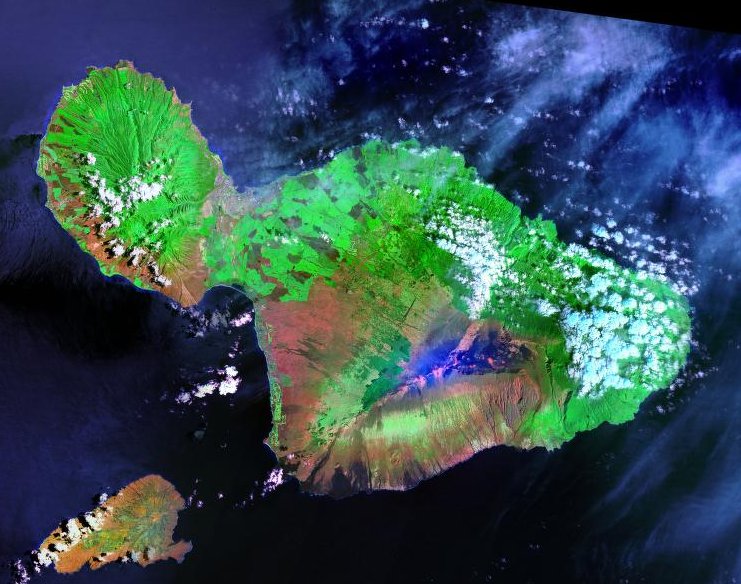
Why Maui is Perfect for Your Celebration
- World-class oceanfront resort venues with dedicated wedding and event teams
- Iconic sunset backdrops over the Pacific — among the most photographed in the world
- Dry season (Apr–Oct) offers consistently sunny, calm weather ideal for outdoor ceremonies
- Diverse settings: beachfront, cliffside, upcountry gardens, and lush tropical estates
- Mature destination wedding vendor ecosystem — florists, photographers, caterers, and officiants all highly experienced
- Natural attractions (Haleakalā, Road to Hana, snorkeling) double as guest experiences around the event

Compare Maui with Other Top Destinations
Frequently Asked Questions
Is Maui a good destination for a wedding?
Yes. Maui is widely regarded as one of the world's premier destination wedding locations. The island combines dramatic natural scenery — oceanfront beaches, volcanic backdrops, tropical gardens — with a mature resort infrastructure and an experienced local vendor ecosystem. It is particularly well-suited to intimate ceremonies, mid-size destination weddings, and multi-day celebration events where the destination itself is a meaningful part of the experience.
What is the best time of year to hold a wedding or event in Maui?
The dry season, April through October, is the recommended window for outdoor events. During these months, Maui's leeward resort areas — Wailea and Kaanapali — experience minimal rainfall, calm ocean conditions, and consistent sunshine. April, May, September, and October offer excellent weather with slightly less peak-season competition for venue dates. June through August is the driest period but also the most in-demand, so early booking is essential.
How do guests typically get to Maui for a destination event?
Guests fly into Kahului Airport (OGG), Maui's main commercial airport. Direct flights are available from several US mainland cities including Los Angeles, San Francisco, Seattle, and others. International guests typically connect through a US West Coast hub or Honolulu. Once on the island, there is no rail service — rental cars, resort shuttles, and rideshare services are the primary transport options, and private group shuttles are commonly arranged for event guests.
What kinds of venues are available for events in Maui?
Maui's venue landscape is primarily resort-based, with large oceanfront properties in Wailea and Kaanapali offering dedicated ceremony lawns, covered pavilions, ballrooms, and private beach areas. Beyond the major resorts, options include upcountry estate settings near Kula and Makawao, boutique garden venues in Paia, and private villa rentals suited to smaller, exclusive gatherings. Most venues are designed with outdoor ceremonies in mind, with indoor backup options available.
How many guests can Maui venues realistically accommodate?
Maui's larger resort properties can comfortably accommodate receptions of several hundred guests, with some properties capable of hosting 500 or more. Intimate ceremonies of 10–50 guests are equally well-supported, with many venues and officiants specializing in small, personalized events. Very large-scale events of 300+ guests requiring a single venue and multiple simultaneous function spaces may find the island's inventory more limiting than purpose-built large-scale wedding destinations.
Is Maui suitable for an intimate elopement as well as a larger wedding?
Yes. Maui is one of the most popular elopement destinations in the United States. Hawaii's marriage licensing process is straightforward, and many local officiants and boutique planners specialize in small, highly personalized ceremonies at scenic locations — beaches, cliffside gardens, upcountry hillsides — with minimal logistical complexity. The island's natural beauty makes even a two-person ceremony feel genuinely special.
What should guests expect when traveling to Maui for an event?
Guests should plan for a meaningful travel commitment — roughly five to six hours from the US West Coast, longer from the East Coast or internationally. Once on the island, the experience is generally seamless: English is the primary language, the infrastructure is excellent, safety is very high, and the island's natural attractions (beaches, snorkeling, scenic drives) make the trip worthwhile beyond the event itself. Rental cars or group shuttles are recommended for getting around.
How experienced are Maui's local vendors with destination weddings?
Very experienced. Maui has hosted destination weddings for decades, producing a deep and specialized vendor community — wedding planners, photographers, florists, caterers, officiants, and entertainment providers — all highly practiced in the specific logistics of island events. Resort properties typically have in-house event teams, and a strong independent vendor community serves couples who prefer a more boutique approach. Finding qualified professionals is not a concern on Maui.
Are there good guest activities and experiences around a Maui event?
Yes, and this is one of Maui's genuine strengths as a destination. Guests can enjoy world-class snorkeling and diving, the Road to Hana scenic drive, Haleakalā National Park (including sunrise tours), whale watching during winter months, a thriving food and beverage scene, and numerous beach and water sports. The destination itself is a compelling reason for guests to attend, which typically improves RSVP rates for destination events.
Do I need permits to hold an outdoor ceremony on a beach in Maui?
Generally, yes. Many of Maui's beaches and outdoor public spaces require permits for organized events, and the requirements vary by location and event size. Working with an experienced local wedding planner or coordinator who is familiar with Maui's permitting process is strongly recommended — they can identify appropriate locations, manage the application process, and ensure compliance well in advance of the event date.
How far in advance should I book a venue for a Maui wedding or event?
For events during the peak dry season — particularly June through August — booking 12 to 18 months in advance is advisable for the most sought-after resort properties and dates. Shoulder months within the dry season (April, May, September, October) offer somewhat more flexibility, but popular venues still fill up quickly. For winter-month events, lead times can be shorter, though weather flexibility planning is important.
What makes Maui different from other tropical island wedding destinations?
Maui's combination of factors is genuinely distinctive: a seven-month dry season, a world-class resort infrastructure with experienced dedicated event teams, extraordinary natural variety (ocean, volcano, upcountry, rainforest) within a single island, and a deeply mature vendor ecosystem built specifically around destination weddings. The island also benefits from US legal and logistical frameworks, which simplifies marriage licensing and vendor contracting for couples based in the United States.

Ready to explore venues in Maui?
Maui: Destination Wedding & Event Venues in Hawaii
◆Maui is one of the world's most sought-after destination wedding and celebration locations, combining a genuinely romantic tropical setting with a mature, well-resourced hospitality industry. The island's primary strengths are its oceanfront resort venues, iconic Pacific sunsets, and a dry season (April through October) that delivers consistently sunny, calm conditions ideal for outdoor ceremonies and receptions. It suits intimate elopements, mid-size destination weddings, honeymoon extensions, and milestone social celebrations particularly well. Guests traveling from the continental United States will find direct flight options from several major cities, while international guests typically connect through a US hub. The overall experience skews toward the premium end of the market, reflecting the island's world-class resort infrastructure.
Maui at a Glance
| Category | Detail |
|---|---|
| Best For | Destination Weddings, Honeymoons, Intimate Celebrations, Social Milestone Events |
| Primary Vibe | Romantic & Dreamy |
| Other Vibes | Tropical, Luxurious, Adventurous, Serene |
| Best Season | Dry Season (Apr, May, Jun, Jul, Aug, Sep, Oct) |
Why Choose Maui?
- Unrivaled natural scenery: Maui offers a rare combination of white-sand beaches, volcanic crater landscapes at Haleakalā, lush upcountry hillsides, and dramatic sea cliffs — giving event photographers and guests an extraordinary visual environment that few island destinations can match.
- World-class resort infrastructure: The Wailea and Kaanapali resort corridors host some of the Pacific's most celebrated luxury properties, each with dedicated event teams, purpose-built ceremony lawns, and large-scale banquet facilities capable of handling everything from an intimate gathering of 30 to a reception of several hundred.
- Mature destination wedding vendor ecosystem: Maui has decades of experience hosting destination weddings, which means florists, photographers, officiants, caterers, entertainment providers, and wedding planners are all highly practiced in the specific logistics of island events — including managing guests arriving from multiple time zones and coordinating across resort properties.
- Extended dry season: Seven months of reliably dry, sunny weather (April through October) gives couples and planners a wide scheduling window without the uncertainty of monsoon or storm seasons that affect many tropical destinations.
- Built-in guest experience: Beyond the event itself, Maui offers guests world-class snorkeling, whale watching (seasonal), the Road to Hana, Haleakalā sunrise tours, and a thriving food and beverage scene — making the trip genuinely memorable for attendees, not just the couple.
- Diverse venue settings within a single island: Within roughly an hour's drive, planners can access beachfront resort lawns in Wailea, clifftop gardens in Kapalua, upcountry estate settings near Kula, and intimate boutique properties in Paia — offering meaningful variety without requiring guests to travel between islands.
Which Celebrations Work Best in Maui?
- Destination Weddings: Maui is purpose-built for this. The combination of dramatic natural backdrops, experienced resort event teams, and a wide range of ceremony settings — from barefoot beach ceremonies to formal garden receptions — makes it one of the most complete destination wedding environments in the world. Both intimate ceremonies and larger multi-day celebrations are well supported.
- Honeymoons & Romantic Getaways: The island's romantic character extends naturally into post-wedding stays. Couples frequently combine their ceremony with an extended honeymoon, taking advantage of the island's spa culture, private beach access, and fine dining without needing to travel further.
- Milestone Social Celebrations (Anniversaries, Birthdays, Vow Renewals): Maui's resort properties are well-equipped for private dining events, sunset cocktail receptions, and curated group experiences that suit significant personal milestones. The setting adds genuine emotional weight to these occasions.
- Intimate Elopements: For couples seeking a private, legally recognized ceremony with minimal guest logistics, Maui offers a streamlined process through Hawaii's marriage licensing system, and many resorts and independent officiants specialize in small, highly personalized ceremonies at scenic locations across the island.
- Corporate Retreats & Incentive Events: While primarily known for weddings, Maui's larger resort properties have substantial meeting and event infrastructure, making it a viable choice for premium corporate incentive travel and executive retreat programs where the destination itself is part of the reward.
Venues & Event Spaces
Maui's event venue landscape is dominated by large oceanfront resort properties, particularly concentrated in the Wailea area on the island's southwest coast and the Kaanapali corridor on the west coast. These resorts typically offer multiple event spaces within a single property — outdoor ceremony lawns positioned for sunset views, covered pavilions for weather flexibility, grand ballrooms for formal receptions, and private beach areas for cocktail hours. Many properties have dedicated on-site wedding and event coordinators who manage vendor relationships, permitting, and day-of logistics.
Beyond the major resort corridors, Maui also has a growing selection of boutique and independent venues: upcountry estate properties set among lavender farms and eucalyptus groves near Kula and Makawao, intimate garden venues in the historic town of Paia on the north shore, and private villa rentals that can be configured for small, exclusive gatherings. Outdoor ceremony settings — whether on a beach, a cliffside, or a hillside with ocean views — are a defining feature of Maui events, and most venues are designed with this in mind. Indoor backup options are generally available at resort properties for weather contingencies, though the dry season significantly reduces the likelihood of needing them.
Best Time to Celebrate
The curated best season for Maui events is the Dry Season: April through October. During these months, the island's leeward (west and south) coasts — where the majority of resort venues are located — experience minimal rainfall, calm ocean conditions, and consistent sunshine. Temperatures are warm but generally comfortable for outdoor events, typically ranging from the mid-20s to low 30s Celsius, with trade winds providing natural cooling during afternoon and evening hours.
April and May are particularly pleasant: the island is less crowded than peak summer, trade winds are steady, and the landscape is still green from winter rains. June through August represent the peak of the dry season and also the peak of tourist season, meaning venues and accommodations book up well in advance — early planning is essential for summer events. September and October offer a slightly quieter window with excellent weather and somewhat more availability, making them strong choices for couples who want dry-season conditions without peak-season competition for dates.
November through March is Maui's wetter, windier season. While it rarely rains continuously, the north and west shores can experience significant swells, and rainfall is more frequent and less predictable across the island. Winter months (December through February) also bring humpback whale season, which is a spectacular natural attraction for guests but coincides with the less reliable weather window. Events planned during this period should have robust indoor backup arrangements and should account for the possibility of wind affecting outdoor setups. This is why November through March falls outside the curated best season for celebrations.
Getting There & Local Connectivity
Maui is served by Kahului Airport (OGG), the island's primary commercial airport, located near the island's central isthmus. Direct flights are available from several major US mainland cities including Los Angeles, San Francisco, Seattle, Denver, and Phoenix, among others. International guests traveling from outside the United States will typically connect through a West Coast hub or Honolulu. Flight times from the US West Coast are approximately five to six hours; from the East Coast, roughly ten to eleven hours with a connection.
Once on the island, there is no rail service — ground transportation relies entirely on road travel. Rental cars are the most practical option for guests who want flexibility, and the island's main resort areas (Wailea, Kaanapali, Kapalua) are well-served by resort shuttles and taxi/rideshare services. For event groups, private shuttle arrangements between the airport, accommodations, and event venues are a common and well-supported logistical solution. Travel times between the major resort areas and the airport range from approximately 30 minutes (Wailea) to 45–60 minutes (Kaanapali and Kapalua), which is manageable for group coordination but worth factoring into arrival and departure day schedules. The Road to Hana on the island's east coast is a popular guest excursion but is a full-day commitment and not practical for event-day logistics.
Local Vendor & Hospitality Ecosystem
Maui has one of the most developed destination wedding vendor ecosystems in the United States. Decades of hosting international destination weddings have produced a deep bench of experienced professionals across every category: wedding planners and coordinators who specialize in multi-day destination events, photographers and videographers with extensive experience shooting in Maui's specific light conditions (particularly the golden hour before Pacific sunsets), florists who work with both imported and locally grown tropical blooms, and caterers who can deliver both Hawaiian-influenced menus and more internationally familiar cuisine.
The island's resort properties are a significant part of this ecosystem — many have in-house catering, décor, and coordination teams that can handle the full scope of an event without requiring extensive external vendor sourcing. For couples who prefer to work with independent vendors, there is a well-established community of boutique specialists who work across multiple venues and bring a more personalized approach. Hawaii's marriage licensing process is straightforward for both US residents and international couples, and many local officiants are experienced in guiding couples through the administrative requirements efficiently. Overall, the vendor ecosystem is a genuine strength of Maui as an event destination — it is not a place where couples need to worry about finding qualified professionals.
Pros & Things to Consider
Why Maui Works Well
- Consistently beautiful natural scenery that requires minimal additional décor to create a stunning event environment
- Seven-month dry season gives planners a wide, reliable scheduling window
- World-class resort properties with experienced, dedicated event teams and purpose-built ceremony spaces
- Mature, deep vendor ecosystem across all event categories — florists, photographers, caterers, officiants, entertainment
- Strong built-in guest experience — the destination itself is a draw, making attendance more appealing for guests traveling from afar
- Excellent safety record and well-developed tourism infrastructure make group logistics manageable
- Hawaii's marriage licensing process is relatively streamlined for both domestic and international couples
Things to Consider
- Travel cost and distance for guests: Maui is a genuine long-haul destination for most guests, particularly those traveling from outside the US West Coast. Flight costs, accommodation, and the overall trip investment are significant, and some guests may be unable to attend regardless of their desire to do so.
- Peak season booking pressure: June through August is both the driest and the most popular period — venues and accommodations at desirable properties can book out a year or more in advance, and last-minute planning during this window is genuinely difficult.
- Island logistics for large groups: While individual resort properties can accommodate large guest counts, coordinating a very large group (200+ guests) across multiple accommodation properties and managing inter-venue transport requires careful advance planning and a dedicated logistics coordinator.
- No rail connectivity: The absence of public rail or mass transit means all guest movement relies on road transport — rental cars, shuttles, or rideshares. For guests unfamiliar with driving on the island, or for events where guests are expected to consume alcohol, shuttle arrangements are essential and add a logistical layer.
- Environmental sensitivity: Maui's natural environment is protected in many areas, and certain beach and outdoor locations require permits for events. Working with an experienced local planner who understands permitting requirements is important for avoiding last-minute complications.
When Maui May Not Be the Right Fit
- Guests with limited travel budgets or international travel constraints: If a significant portion of the guest list faces visa complications for US entry, or if the overall travel cost to Hawaii is prohibitive for key attendees, a destination closer to the guest base may serve the group better.
- Very large-scale events (300+ guests) requiring a single venue: While Maui's larger resort properties can accommodate substantial guest counts, the island's venue inventory is not designed for the very largest-scale South Asian wedding formats or events requiring multiple simultaneous large function spaces across several days. Destinations with purpose-built convention-scale wedding infrastructure may be more practical at that scale.
- Events planned for the November–March window with a strong preference for outdoor settings: If an outdoor ceremony and reception are non-negotiable and the only available dates fall in the wetter winter months, the weather uncertainty on Maui during that period is a genuine risk that a more reliably dry destination might avoid.
- Couples seeking a culturally immersive heritage or historical venue experience: Maui's event venues are predominantly resort and nature-based. Couples specifically seeking a palace, a centuries-old heritage property, or a deeply historical architectural setting will find that Maui's strengths lie elsewhere — in natural beauty and resort luxury rather than built heritage.