
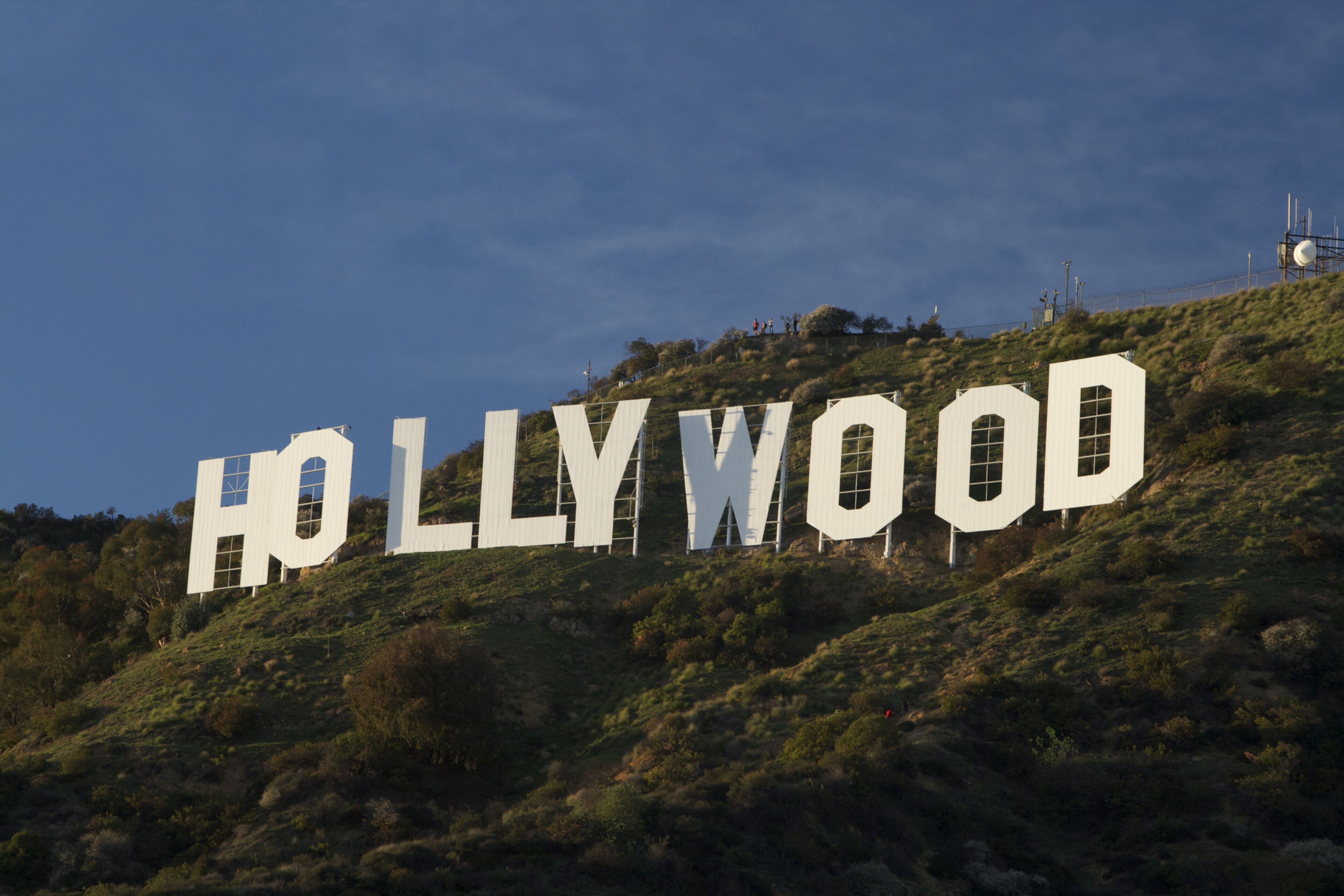
Why Los Angeles is Perfect for Your Celebration
- Extraordinary venue diversity — from Malibu beachfront estates to Beverly Hills ballrooms and Downtown rooftop terraces
- World-class hospitality with a deep roster of luxury and boutique hotels capable of hosting large guest blocks
- Mature, highly professional event vendor ecosystem — top-tier florists, caterers, AV, and entertainment readily available
- Excellent international air connectivity via LAX, making it easy for guests arriving from across the US and abroad
- Ideal spring and early-fall weather (Apr–Jun, Sep–Oct) with low rainfall and comfortable temperatures for outdoor events
- Iconic cinematic backdrops — Pacific coastline, Hollywood Hills, and urban skylines create naturally stunning event photography
Compare Los Angeles with Other Top Destinations
Frequently Asked Questions
Is Los Angeles a good destination for a wedding?
Yes. Los Angeles is particularly well-suited to destination weddings that prioritize glamour, visual impact, and venue diversity. The city offers beachfront, garden estate, luxury hotel ballroom, and rooftop settings within a single metropolitan area, supported by a world-class vendor ecosystem and excellent international guest accessibility via LAX. The spring and early-fall windows provide reliably favorable outdoor weather.
What is the best time of year to hold an event in Los Angeles?
April through June and September through October are the strongest windows. These months offer mild temperatures, very low rainfall, and comfortable humidity — ideal for outdoor ceremonies and receptions. October is particularly favored by local planners for its clear skies and warm evenings. July and August bring peak heat and tourist crowds, while December through February carries a modest but real risk of rain.
How easy is it for international guests to travel to Los Angeles?
Very easy for most markets. Los Angeles International Airport (LAX) is one of the world's busiest and most connected airports, with direct flights from major cities across North America, Europe, Asia-Pacific, and Latin America. Domestic US guests can reach LA from virtually any American city with same-day travel. The main exception is guests from countries where US visa access is restricted, which can create attendance barriers.
What kinds of venues are available for events in Los Angeles?
Los Angeles offers an unusually broad range — luxury hotel ballrooms in Beverly Hills and Downtown, beachfront resort properties in Santa Monica and Malibu, private garden estates in Bel-Air and the Hollywood Hills, rooftop terraces in West Hollywood and Downtown, and creative loft spaces in the Arts District. This diversity means the aesthetic and scale of an event can be tailored very widely within a single destination.
How large a guest list can Los Angeles venues realistically support?
The city's venue inventory comfortably supports events ranging from intimate gatherings of 50 guests to large celebrations of 1,000 or more. Major hotel properties in Downtown and Beverly Hills have ballroom capacities well into the hundreds, while private estate venues typically suit more intimate groups of 50–300. The hotel accommodation inventory is large enough to support substantial out-of-town guest blocks.
Is local transport easy for event guests once they arrive in Los Angeles?
It requires planning. LA is a car-dependent city, and public transit does not serve most key event neighborhoods well. For destination events, dedicated shuttle or coach transfers between hotels and venues are standard practice and well-supported by a large local ground transportation industry. Ride-share services are widely available for smaller guest movements. Planners should build generous travel time buffers into event schedules given the city's traffic.
How developed is the event vendor ecosystem in Los Angeles?
Exceptionally developed. Decades of high-profile entertainment industry events have produced a deep local pool of experienced event designers, florists, caterers, AV and production specialists, and entertainment agencies. Sourcing specialist vendors for complex, high-production events — including bespoke entertainment, specialist cuisine catering, and large-scale floral and lighting design — is significantly easier here than in most other cities.
Are there good options for multi-day wedding or event programs in Los Angeles?
Yes. LA's breadth of dining, leisure, and entertainment options makes it well-suited to multi-day programs. Guests can be hosted across spa days in Beverly Hills, beach experiences in Malibu or Santa Monica, private dining events, and city tours — all within the same metropolitan area. The city's hospitality infrastructure handles multi-day group programs routinely and professionally.
What are the main logistical challenges of planning an event in Los Angeles?
The primary challenges are traffic management, geographic spread, and permit requirements. LA's traffic is genuinely demanding, and underestimating transfer times between hotels and venues is a common planning error. The city's size means guests staying in different areas can feel disconnected. Outdoor events in certain locations also require advance permits and must comply with noise ordinances and end-time restrictions — manageable with an experienced local planner.
Is Los Angeles suitable for corporate events and conferences?
Yes. LA is a strong choice for corporate gatherings, product launches, and incentive travel programs. The city's international profile, proximity to the entertainment and technology industries, and strong hotel conference infrastructure make it credible and attractive for client-facing or employee events. Large convention-scale facilities exist alongside boutique hotel spaces for smaller executive gatherings, and the vendor ecosystem handles high-production corporate events routinely.
What should I know about the June Gloom phenomenon if planning a coastal event?
June Gloom refers to a marine layer that can produce overcast morning conditions along the LA coast — particularly in Santa Monica and Malibu — during June. It typically burns off by midday or early afternoon. For outdoor coastal ceremonies planned in June, scheduling the ceremony for early afternoon or later generally avoids the overcast window. It is not a rain event and does not typically affect inland venues.

Ready to explore venues in Los Angeles?
Los Angeles: Destination Wedding & Event Venues in California
◆Los Angeles is a premier destination for weddings, corporate events, milestone parties, and large-scale celebrations, defined by a chic, cosmopolitan character and an extraordinary diversity of venue types — from beachfront estates in Malibu and Santa Monica to rooftop terraces in Downtown LA and garden properties in Beverly Hills and Bel-Air. The city's spring and early-fall windows (April through June, and September through October) offer reliably mild, low-humidity weather ideal for outdoor events. Guest accessibility is among the highest of any global event destination, with Los Angeles International Airport serving direct routes from virtually every major city worldwide. The local hospitality and vendor ecosystem is deeply mature, making high-production events straightforward to execute at scale.
Los Angeles at a Glance
| Category | Detail |
|---|---|
| Best For | Destination Weddings, Corporate Events, Milestone Parties, Social Celebrations |
| Primary Vibe | Chic & Cosmopolitan |
| Other Vibes | Glamorous, Beachfront, Cinematic, Creative |
| Best Season | Spring (Apr, May, Jun, Sep, Oct) |
Why Choose Los Angeles?
- Unmatched venue diversity: Los Angeles offers a genuinely rare range of event settings within a single metropolitan area — Pacific-facing beachfront properties in Santa Monica and Malibu, intimate garden estates in Bel-Air and Beverly Hills, high-rise ballrooms in Downtown, and creative industrial loft spaces in Arts District neighborhoods. Few cities globally can match this breadth within a single event destination.
- Cinematic backdrops built in: The Hollywood Hills, Pacific coastline, and iconic urban skyline provide naturally dramatic photography settings that require minimal additional décor investment to look exceptional — a genuine advantage for couples and planners prioritizing visual impact.
- World-class international connectivity: Los Angeles International Airport (LAX) is one of the busiest airports in the world, with direct connections from major cities across North America, Europe, Asia, and beyond. Guests traveling from virtually anywhere can reach LA without a connecting flight, which meaningfully reduces travel friction for destination events.
- A deeply mature event vendor ecosystem: Decades of hosting high-profile entertainment industry events have produced a local vendor market — florists, caterers, AV and production companies, entertainment agencies, and event designers — that operates at a consistently high professional standard. Sourcing specialist vendors for complex, high-production events is significantly easier here than in most other cities.
- Favorable spring and early-fall weather windows: April through June and September through October deliver reliably mild temperatures, very low rainfall, and comfortable humidity levels — conditions that make outdoor ceremonies and receptions genuinely practical rather than weather-dependent gambles.
- Large-scale accommodation inventory: The city's hotel stock is extensive enough to accommodate large guest blocks across multiple properties in close proximity, which is a practical necessity for destination events where guests are traveling from out of town and need coordinated accommodation.
Which Celebrations Work Best in Los Angeles?
- Destination Weddings: LA is particularly well-suited to destination weddings for couples who want a glamorous, high-production celebration with strong visual impact. The combination of beachfront, garden, and urban venue options means the aesthetic can be tailored widely — from intimate garden ceremonies in Bel-Air to large ballroom receptions in Beverly Hills or Downtown. The city's entertainment industry heritage also means that live music, performance, and creative production elements are unusually easy to source locally.
- Corporate Events & Conferences: Los Angeles is a natural fit for corporate gatherings, product launches, and incentive travel programs. The city's international profile, strong hotel conference infrastructure, and proximity to the entertainment and technology industries make it a credible and attractive choice for companies wanting a high-impact venue for client-facing or employee events. Large convention-scale facilities exist alongside boutique hotel event spaces for smaller executive gatherings.
- Milestone Parties & Social Celebrations: Landmark birthdays, anniversaries, and social celebrations benefit from LA's strong hospitality culture and the city's general orientation toward experiential, high-quality entertainment. Rooftop venues, private dining rooms, and exclusive-use estate properties are all readily available for private social events at various scales.
- Pre-Wedding & Multi-Day Celebrations: The city's breadth of dining, entertainment, and leisure options — from spa retreats in Beverly Hills to beach days in Malibu — makes it well-suited to multi-day wedding programs where guests are expected to be entertained across several days, not just the wedding day itself.
Venues & Event Spaces
Los Angeles offers one of the most varied event venue landscapes of any city in the world. Broadly, planners can choose from several distinct venue categories:
- Luxury hotel ballrooms and event suites: The city's five-star and four-star hotel properties — concentrated in Beverly Hills, Downtown, West Hollywood, and Santa Monica — offer large, professionally managed ballroom and banquet spaces with full in-house catering, accommodation blocks, and dedicated event coordination teams. These are typically the most logistically straightforward option for large guest lists.
- Beachfront and coastal properties: Santa Monica and Malibu offer resort-style properties with direct Pacific Ocean access, suitable for outdoor ceremonies on the sand or terrace receptions with ocean views. These venues are particularly popular for spring and early-fall events when coastal weather is at its most reliable.
- Private estates and garden properties: The hillside neighborhoods of Bel-Air, Beverly Hills, and the Hollywood Hills contain a number of private estate properties available for exclusive-use event hire. These tend to offer a more intimate, residential feel with lush garden settings and city or canyon views.
- Rooftop and urban event spaces: Downtown Los Angeles and West Hollywood have a growing inventory of rooftop terraces and contemporary event spaces that suit cocktail receptions, corporate parties, and modern-aesthetic weddings with skyline backdrops.
- Creative and non-traditional spaces: The Arts District and surrounding neighborhoods offer converted warehouse and loft spaces that suit couples or planners looking for a more industrial-chic or creative aesthetic, often with significant flexibility for custom production and décor.
Best Time to Celebrate
The curated best season for events in Los Angeles is Spring (April, May, June, September, and October). Here is why each part of that window works, and what makes the remaining months less ideal:
- April and May are widely considered the most reliably pleasant months for outdoor events in LA. Temperatures are comfortably warm without being hot, rainfall is minimal, and the landscape — particularly in hillside and garden settings — is at its greenest following the winter rain season. These months are strongly preferred for outdoor ceremonies and garden receptions.
- June is generally excellent, though the coastal areas of Santa Monica and Malibu can experience a marine layer phenomenon (locally called "June Gloom") in the mornings, which typically burns off by midday. For afternoon and evening events, June is reliably clear and warm.
- September and October represent the other peak window. Summer heat has eased, the marine layer is gone, and temperatures are warm and stable. October in particular is often cited by local event planners as the single best month for outdoor events — clear skies, warm evenings, and low humidity. The Santa Ana wind events that occasionally affect the region in late October and November are worth monitoring but are not a consistent annual disruption.
- July and August are the peak summer months and bring the highest temperatures, particularly in inland areas. Coastal areas remain more moderate, but the city is at its most crowded with tourists, accommodation is at peak demand, and the heat can make outdoor daytime events uncomfortable. These months are generally less preferred for large outdoor celebrations.
- November through March brings cooler evenings, the city's modest but real rainy season (concentrated in December through February), and occasional Santa Ana wind events in November. While many days remain pleasant, the unpredictability of rainfall makes outdoor event planning riskier, and evening temperatures can be cool enough to require heating for outdoor receptions.
Getting There & Local Connectivity
Los Angeles International Airport (LAX) is one of the world's most connected airports, serving direct routes from major cities across North America, Europe, Asia-Pacific, Latin America, and the Middle East. For guests traveling domestically within the United States, multiple airlines operate frequent daily services from virtually every major American city, making same-day arrival practical for most guests. International guests from key markets — the UK, Australia, Japan, India, and major European cities — generally have direct flight options without requiring a connection.
Within the city, local transportation for event groups requires planning. Los Angeles is a car-dependent city by design, and while the Metro rail network has expanded significantly in recent years, it does not yet provide comprehensive coverage of the key event neighborhoods (Beverly Hills, Bel-Air, Malibu, and many hotel corridors are not well-served by public transit). For destination events, planners typically arrange dedicated shuttle or coach transfers between hotels and venues, which is standard practice and well-supported by a large local ground transportation industry. Ride-share services are widely available and reliable across the city, which helps for smaller guest movements. Union Station in Downtown LA serves Amtrak long-distance rail and Metrolink regional rail, useful for guests traveling from San Diego, Santa Barbara, or other Southern California cities.
Local Vendor & Hospitality Ecosystem
Los Angeles has one of the most developed event vendor ecosystems of any city in the world, shaped by decades of high-profile entertainment industry events, award ceremonies, and large-scale corporate productions. This translates into practical advantages for event planners:
- Event design and production: The city has a deep pool of experienced event designers, florists, lighting and AV specialists, and production companies accustomed to working at high-profile, high-budget events. Creative and technical execution standards are generally very high.
- Catering: LA's diverse culinary culture means catering options span an unusually wide range of cuisines and styles, from formal plated dinners to elaborate food-station concepts. The city's restaurant and hospitality industry is large enough that sourcing specialist catering for any dietary requirement or cultural cuisine is straightforward.
- Entertainment: Given the city's entertainment industry concentration, sourcing live music, DJs, performers, and bespoke entertainment experiences is significantly easier and more varied here than in most other event destinations.
- Accommodation coordination: The hotel inventory is large enough that even very large guest blocks (200+ rooms) can typically be accommodated within a single property or across two adjacent properties, which simplifies logistics considerably.
- Event planning professionals: LA has a large community of experienced destination wedding and event planners who specialize in managing the city's specific venue landscape, permit requirements, and vendor relationships — a meaningful advantage for out-of-town couples or corporate clients unfamiliar with the local market.
Pros & Things to Consider
Why Los Angeles Works Well
- Exceptional venue diversity across coastal, garden, urban, and estate settings within a single metropolitan area
- Among the strongest international guest accessibility of any event destination globally, via LAX
- Reliably favorable weather during the curated spring and early-fall windows
- Deeply mature, high-quality event vendor and hospitality ecosystem
- Cinematic, naturally photogenic backdrops that elevate event photography without additional investment
- Extensive accommodation inventory capable of supporting large guest blocks
- Strong leisure and entertainment options for multi-day event programs
Things to Consider
- Traffic and ground logistics: Los Angeles traffic is genuinely challenging, particularly during peak hours. Guest transfers between hotels and venues require careful scheduling and dedicated transport — underestimating travel times is a common planning error that can disrupt event timelines.
- Scale of the city: LA's geographic spread means that guests staying in different parts of the city (e.g., Santa Monica vs. Downtown) may feel quite disconnected from each other. Centralizing accommodation near the venue is important for group cohesion.
- Permit and regulatory requirements: Outdoor events in certain locations — particularly beach venues, hillside estates, and public-adjacent spaces — may require specific permits, noise ordinance compliance, and end-time restrictions. These are manageable with an experienced local planner but require advance planning.
- June Gloom on the coast: Couples planning coastal ceremonies in June should be aware of the marine layer phenomenon that can produce overcast morning conditions, and should schedule ceremonies for early afternoon or later to ensure clear skies.
- Peak season demand: The curated best-season months (particularly September and October) are in high demand across the city's top venues and hotels. Booking lead times of 12–18 months are common for premium properties during these windows.
When Los Angeles May Not Be the Right Fit
- Guests with limited US visa access: For events where a significant portion of the guest list faces US visa challenges — common for guests from certain South Asian, African, or Middle Eastern countries — the visa requirement can create meaningful attendance barriers that a destination in a more visa-accessible country would not.
- Very small, intimate gatherings seeking seclusion: LA is a large, busy metropolitan city. Couples seeking a genuinely remote, secluded, or nature-immersive setting — a private island, a mountain retreat, or a rural countryside estate — will find the city's urban energy and scale works against that atmosphere, even at its most private estate properties.
- Events requiring a single walkable venue-accommodation hub: Because LA is car-dependent and geographically spread, events where guests are expected to move freely on foot between their hotel and the venue, or between multiple event locations, are logistically difficult. A more compact city would serve that need better.
- Outdoor events planned for December through February: While LA winters are mild by global standards, the city's modest rainy season falls in these months, and the unpredictability of rainfall makes outdoor event planning genuinely riskier. Couples with a strong preference for outdoor ceremonies and no contingency indoor option should consider the curated spring or early-fall windows instead.