
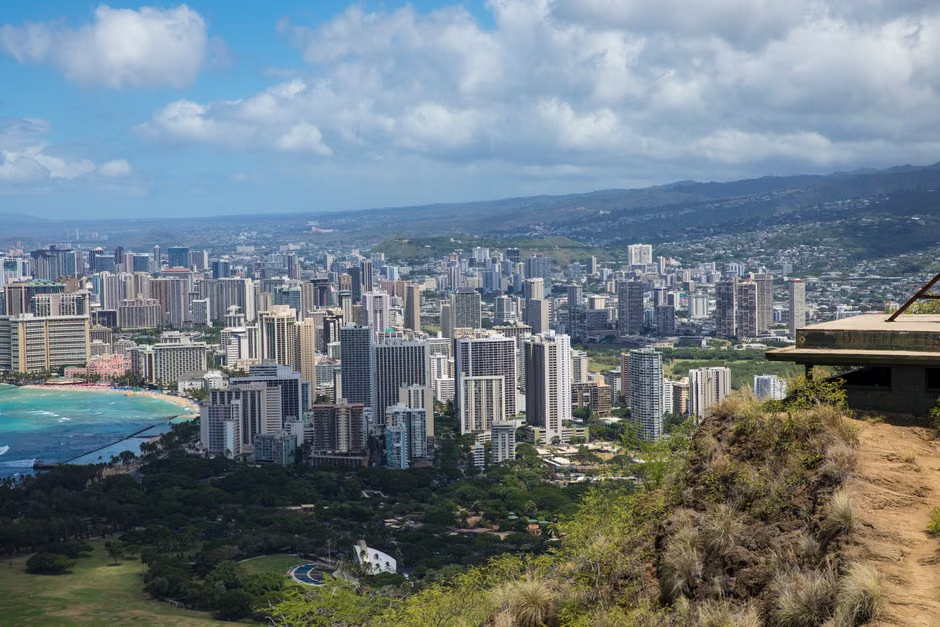
Why Honolulu / Oahu is Perfect for Your Celebration
- World-class beachfront and oceanview resort venues with dedicated event infrastructure
- Iconic natural backdrops — Diamond Head, Waikiki Beach, and lush Ko Olina lagoons
- Dry season (Apr – Oct) delivers consistently sunny skies ideal for outdoor ceremonies
- Mature destination-wedding vendor ecosystem: florists, photographers, caterers, and planners with deep island expertise
- Rich Hawaiian cultural elements — lei ceremonies, hula, and luau traditions — add authentic, memorable touches
- Excellent international air connectivity makes guest travel straightforward from the US mainland and Asia-Pacific
Top Venues in Honolulu / Oahu
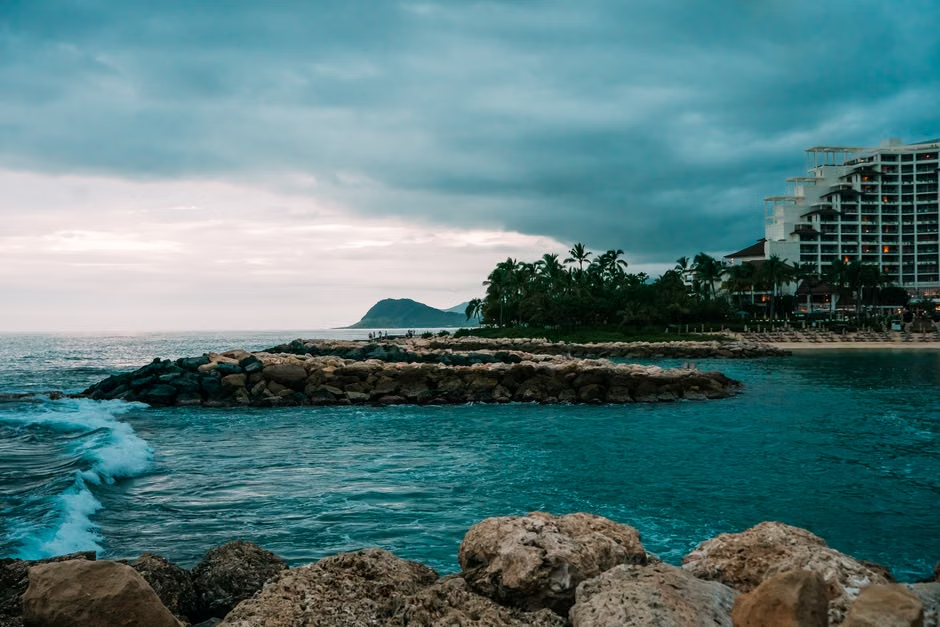
JW Marriott Ihilani Resort & Spa at Ko Olina
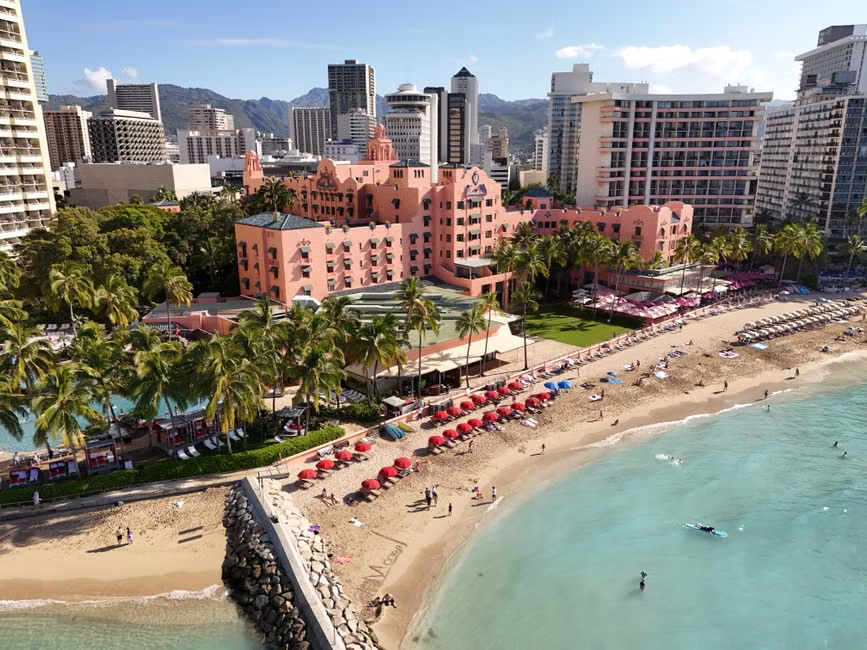
The Royal Hawaiian, a Luxury Collection Resort
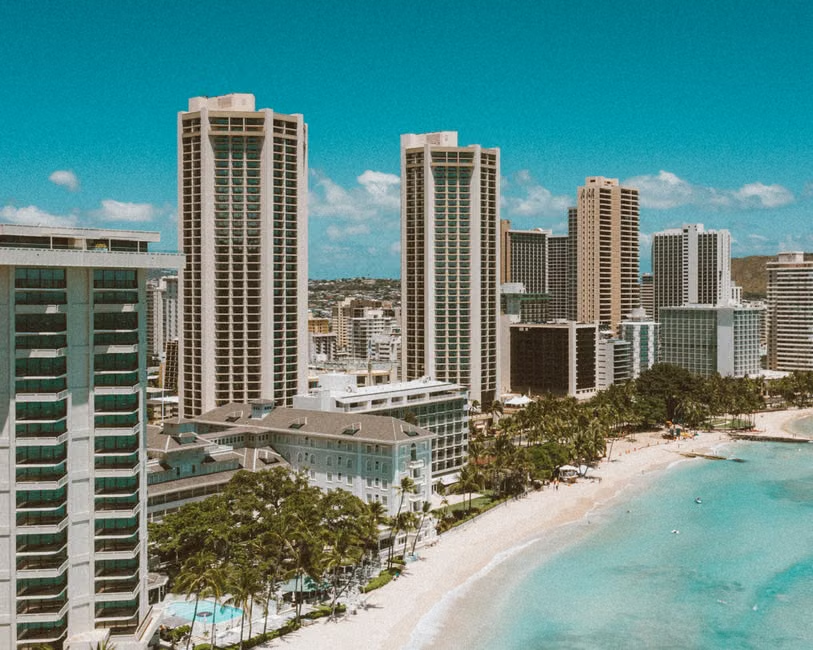
Halekulani Hotel
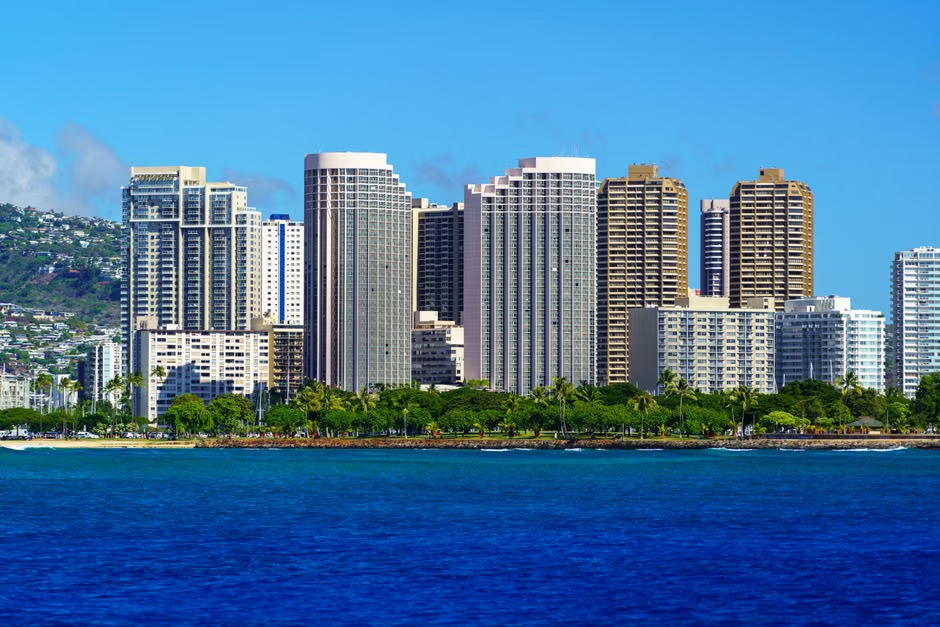
Moana Surfrider, A Westin Resort & Spa
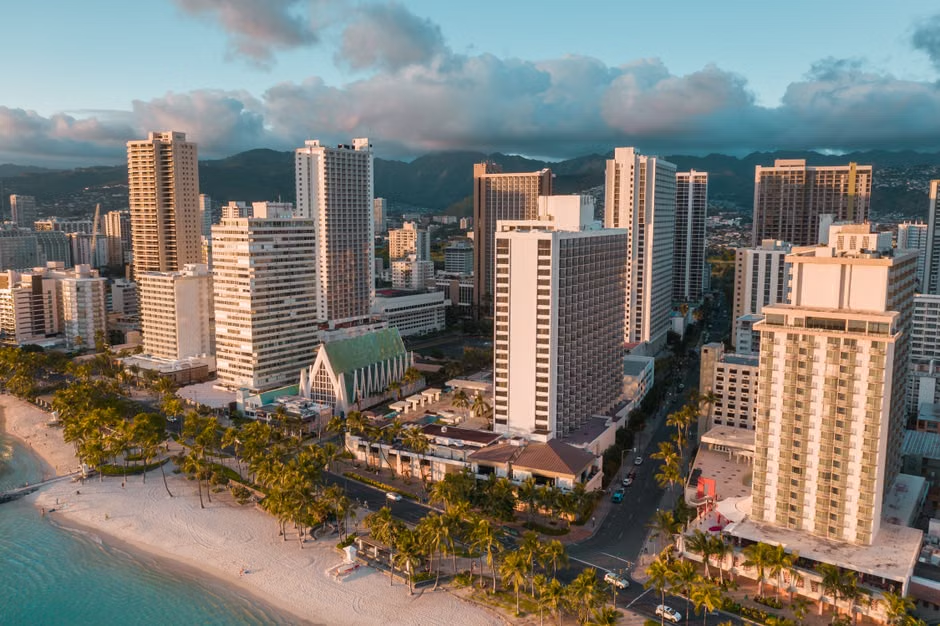
Sheraton Waikiki
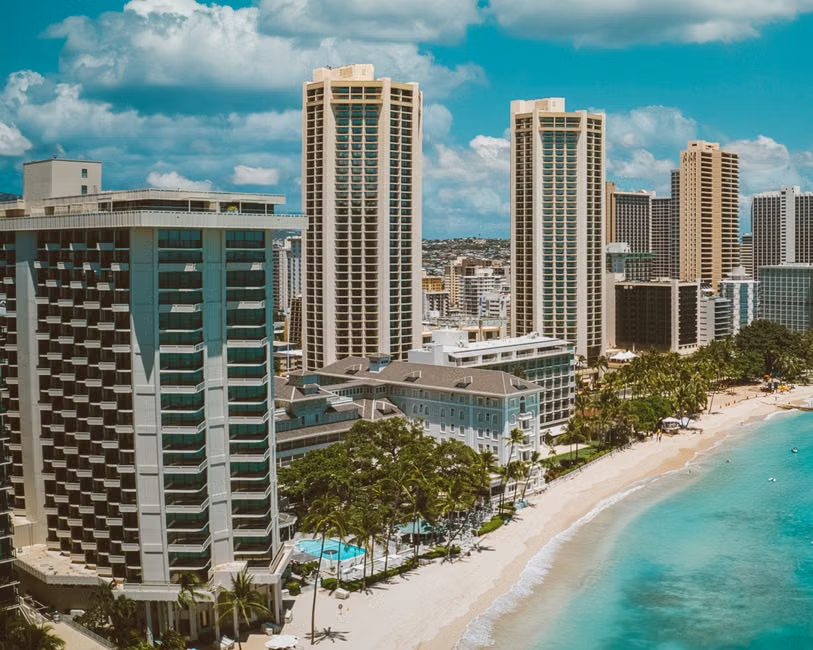
Prince Waikiki
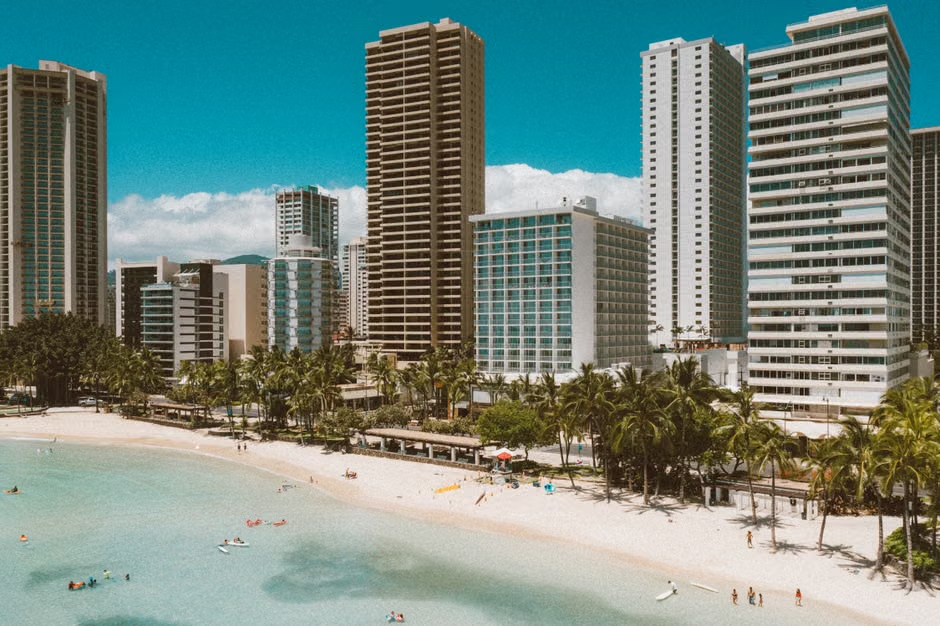
Embassy Suites by Hilton Waikiki Beach Walk
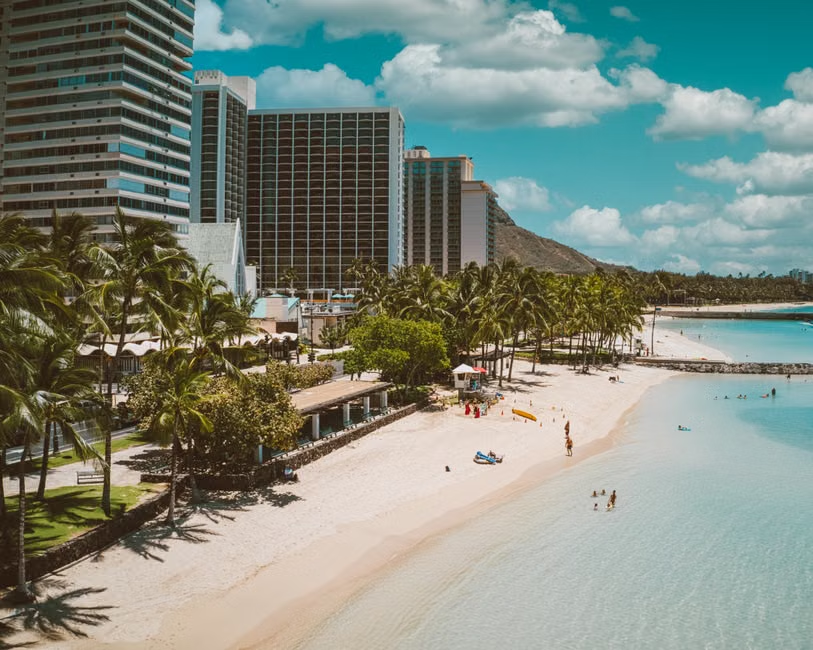
Waikiki Sand Villa Hotel
Compare Honolulu / Oahu with Other Top Destinations
Frequently Asked Questions
Is Honolulu / Oahu a good destination for a wedding?
Yes. Honolulu and Oahu are among the most established destination-wedding locations in the United States, offering a combination of beachfront resort venues, iconic Pacific Ocean scenery, rich Hawaiian cultural traditions, and a highly experienced local wedding vendor ecosystem. The destination is particularly well-suited to couples whose guests are traveling from the US mainland or Asia-Pacific.
What is the best time of year to hold a wedding or celebration in Oahu?
The dry season — April through October — is the recommended window. These months deliver the most consistent sunshine, lowest rainfall, and calmest ocean conditions, which are all important for outdoor beachfront ceremonies. April, May, September, and October offer dry-season reliability with slightly lower resort occupancy than the peak summer months of June through August.
How do guests typically travel to Honolulu for a destination event?
Most guests arrive via Daniel K. Inouye International Airport (HNL), which receives direct flights from major US mainland cities and international services from Japan, South Korea, Australia, and New Zealand. Guests from India or Europe typically connect through a US West Coast hub or an Asian gateway. The airport is approximately 10 km from Waikiki, making arrival transfers straightforward.
What kinds of venues are available for weddings and events on Oahu?
Oahu offers beachfront ceremony lawns, oceanview ballrooms, tropical garden pavilions, poolside event decks, and lagoon-side terraces — primarily within large resort properties in Waikiki and Ko Olina. A smaller number of historic estate and cultural venues provide more intimate, heritage-character alternatives. Most major resort properties can host both ceremony and reception on-site.
How many guests can Oahu venues realistically accommodate?
Oahu's resort properties range from intimate settings suitable for 20–50 guests up to large ballrooms and outdoor lawns that can comfortably host 500–800 guests for a seated dinner. The island's largest resort complexes can support multi-day celebrations with several hundred attendees. Very large events of 1,000 or more guests may find the local venue inventory more limiting.
What Hawaiian cultural elements can be incorporated into a wedding or celebration?
Couples can integrate traditional lei greeting ceremonies, hula performances, Hawaiian chant (oli) blessings, slack-key guitar music, and luau-style receptions. Licensed cultural practitioners and entertainment companies specializing in these elements are readily available through local planners and resort event teams, and they are experienced in incorporating these traditions respectfully into destination celebrations.
Is local transport easy to arrange for a wedding guest group on Oahu?
Yes. Chartered shuttle buses, private van transfers, and limousine services are all readily available through local operators experienced in wedding logistics. For multi-venue itineraries — such as a ceremony at one location and a reception at another — pre-arranged group transport is strongly recommended, as Honolulu's road network can experience significant congestion during peak hours.
How experienced is the local vendor ecosystem for destination weddings?
Very experienced. Honolulu has been a destination-wedding hub for decades, producing a deep pool of specialists including destination-wedding planners, tropical florists using local Hawaiian blooms, caterers skilled in multi-cultural menus, and photographers who specialize in Oahu's golden-hour beach light. Resort properties also typically have in-house event teams that can coordinate the majority of vendor relationships.
Are there any permits required for a beach wedding ceremony in Hawaii?
Yes. Public beach ceremonies in Hawaii require permits from the state or county, and there are restrictions on amplified sound, certain décor types, and guest numbers at public beach locations. Resort-owned beachfront areas operate under their own rules. Couples should factor permit application timelines into their planning schedule and work with a local planner familiar with the current requirements.
What makes Oahu different from other tropical island wedding destinations?
Oahu combines a genuinely mature luxury resort infrastructure with authentic Hawaiian cultural traditions — lei ceremonies, hula, luau — that are specific to this place and not replicable elsewhere. The island also benefits from exceptional international air connectivity and a seven-month dry season, giving it a practical logistical advantage over many other tropical island destinations that have shorter reliable-weather windows or more limited flight access.
Is Honolulu / Oahu suitable for a honeymoon extension after the wedding?
Yes, and it is a common choice. Many couples hold their ceremony and reception on Oahu and then extend their stay for a honeymoon, taking advantage of the island's spa resorts, snorkeling, scenic coastal drives, and fine dining. The seamless transition from wedding to honeymoon on the same island eliminates additional travel and allows guests to depart while the couple continues their celebration.

Ready to explore venues in Honolulu / Oahu?
Honolulu / Oahu: Destination Wedding & Celebration Venues in Hawaii
◆Honolulu and Oahu are among the world's most established destination-wedding locations, combining a mature luxury resort infrastructure with iconic Pacific Ocean scenery, a rich Hawaiian cultural tradition, and outstanding international air connectivity. The destination suits romantic weddings, honeymoon extensions, anniversary celebrations, and milestone birthday events particularly well. Its dry season (April through October) delivers reliably sunny conditions ideal for outdoor ceremonies. Guests traveling from the US mainland, Japan, Australia, and other Asia-Pacific origins benefit from direct flight access through one of the Pacific's busiest international airports. The overall hospitality ecosystem is highly developed, with experienced local vendors across every event category.
Honolulu / Oahu at a Glance
| Category | Detail |
|---|---|
| Best For | Destination Weddings, Honeymoon Celebrations, Anniversary Events, Milestone Birthdays |
| Primary Vibe | Romantic & Dreamy |
| Other Vibes | Tropical, Luxurious, Culturally Rich, Relaxed Island Elegance |
| Best Season | Dry Season (Apr, May, Jun, Jul, Aug, Sep, Oct) |
Why Choose Honolulu / Oahu?
- Unmatched natural scenery: Diamond Head crater, Waikiki's golden shoreline, the Ko Olina lagoons, and the lush Koolau mountain range provide a diversity of dramatic, photogenic backdrops that few island destinations can match.
- World-class resort infrastructure: Oahu hosts a dense concentration of internationally branded luxury and upper-upscale resorts with purpose-built event spaces, dedicated wedding coordinators, and large-scale banquet capacity — making it genuinely capable of hosting everything from intimate elopements to multi-day celebrations for several hundred guests.
- Authentic Hawaiian cultural integration: Lei greeting ceremonies, hula performances, traditional Hawaiian chants, and luau-style receptions are all readily available through experienced local cultural practitioners, giving events a distinctive, place-specific character that guests remember long after the celebration.
- Excellent international air connectivity: Daniel K. Inouye International Airport (HNL) receives direct flights from dozens of US mainland cities, as well as from Japan, South Korea, Australia, New Zealand, and other Pacific destinations, making guest logistics straightforward for internationally dispersed families.
- Mature, specialized vendor ecosystem: Honolulu has decades of experience as a destination-wedding hub, meaning local florists, photographers, caterers, officiants, and event planners are highly practiced in managing the specific demands of destination celebrations — including multi-day itineraries, group dining, and outdoor contingency planning.
- Extended dry season: Seven consecutive months of predominantly dry, sunny weather (April through October) give couples and planners a wide, flexible booking window for outdoor ceremonies and receptions without the anxiety of monsoon or storm-season risk.
Which Celebrations Work Best in Honolulu / Oahu?
- Destination Weddings: Oahu is arguably the most established destination-wedding island in the United States. Beachfront ceremonies at sunset, garden pavilion receptions, and oceanview ballroom dinners are all well-supported by the local resort and vendor infrastructure. The combination of natural beauty, cultural richness, and logistical ease makes it particularly compelling for couples whose guests are traveling from multiple countries.
- Honeymoon Extensions: Many couples choose to extend their celebration into a honeymoon on the same island, taking advantage of the resort amenities, spa culture, snorkeling, and scenic drives around Oahu — making the transition from wedding to honeymoon seamless and cost-efficient in terms of travel.
- Anniversary Celebrations: The romantic, dreamy atmosphere of Honolulu — ocean sunsets, tropical gardens, candlelit resort dining — makes it a natural fit for milestone anniversary renewals and intimate anniversary dinners, particularly for couples who honeymooned in Hawaii and wish to return.
- Milestone Birthday Events: Oahu's resort properties offer private event spaces, poolside parties, and group dining experiences that translate well to significant birthday celebrations. The island's leisure activities — surfing lessons, catamaran cruises, luau evenings — provide natural group programming around the main event.
- Corporate Retreats & Incentive Events: Honolulu's conference-capable resort properties, combined with the aspirational appeal of Hawaii as a reward destination, make it a strong choice for corporate incentive groups and executive retreats, particularly for companies with US or Asia-Pacific operations.
Venues & Event Spaces
Oahu's event venue landscape is dominated by large beachfront and oceanview resort properties, most of which have dedicated wedding and events departments with multiple indoor and outdoor spaces on a single property. Typical venue types include:
- Beachfront ceremony lawns: Open-air grass or sand settings directly adjacent to the ocean, designed specifically for sunset ceremonies with unobstructed Pacific views.
- Oceanview ballrooms: Large, climate-controlled indoor ballrooms with floor-to-ceiling windows or terrace access, capable of accommodating seated dinners for several hundred guests.
- Garden pavilions and courtyards: Tropical garden settings within resort grounds, often featuring koi ponds, palm groves, and floral landscaping that reduce the need for additional décor.
- Poolside and lagoon-side event decks: Semi-outdoor event terraces overlooking resort pools or the man-made Ko Olina lagoons, popular for cocktail receptions and rehearsal dinners.
- Historic estate and cultural venues: A smaller number of historic properties and cultural centers around Oahu offer more intimate, heritage-character settings for couples seeking something beyond the standard resort format.
- Private beach and yacht charters: For very small, intimate ceremonies, private beach permits and chartered sailing vessels provide an alternative to resort-based events.
The concentration of event-capable properties is highest in the Waikiki corridor and the Ko Olina resort district on the west coast, with additional options in the Kahala neighborhood east of Waikiki. Most properties can accommodate both the ceremony and reception on-site, which simplifies logistics for guests.
Best Time to Celebrate
The curated best season for Honolulu and Oahu is the Dry Season: April through October. During these months, the island experiences its lowest average rainfall, the calmest ocean conditions, and the most consistent sunshine — all of which are critical for outdoor beachfront ceremonies and garden receptions. Trade winds during this period keep temperatures comfortable despite the tropical latitude, typically ranging from the mid-20s to low 30s Celsius, making extended outdoor events genuinely pleasant rather than oppressively hot.
April and May are particularly appealing for couples who want dry-season reliability without the peak summer crowds of June through August. September and October extend the dry window while offering slightly quieter resort occupancy compared to the summer peak, which can translate to greater venue flexibility.
The months of November through March represent the wetter season on Oahu. While Hawaii's rainfall is rarely the sustained, all-day monsoon pattern seen in some Asian destinations, the winter months bring higher frequency of rain showers, stronger trade-wind swells on the north shore, and occasional Kona storm systems that can bring prolonged overcast and wet conditions. For outdoor ceremonies and receptions — which are central to the Oahu wedding experience — this seasonal variability introduces meaningful risk. Indoor contingency planning becomes more important, and some beachfront ceremony setups may need to be relocated or rescheduled. For these reasons, November through March is generally considered less ideal for destination events, particularly those with significant outdoor components.
Getting There & Local Connectivity
Honolulu is served by Daniel K. Inouye International Airport, one of the busiest airports in the Pacific and the primary gateway to the Hawaiian Islands. The airport receives direct flights from major US mainland hubs including Los Angeles, San Francisco, Seattle, New York, and Chicago, as well as international services from Japan, South Korea, Australia, New Zealand, and Canada. For guests traveling from India or Europe, connections are typically made through a US West Coast hub or a Tokyo/Seoul gateway, adding a connecting leg but remaining manageable for a destination event.
The airport sits approximately 10 kilometers from downtown Honolulu and Waikiki, making the arrival transfer relatively quick. Guests staying at Ko Olina on the west coast should anticipate a longer transfer of roughly 40–50 minutes depending on traffic, which is worth communicating clearly in guest travel briefings.
Within Oahu, local transport for event groups is primarily handled through chartered shuttle buses, private van transfers, and limousine services — all of which are readily available through local operators experienced in wedding and event logistics. Ride-share services operate across the island. The Honolulu Rail Transit system, currently under phased expansion, serves urban corridors but is not yet a primary tool for resort-to-resort group movement. For multi-venue itineraries — such as a ceremony at one resort and a reception at a cultural site — pre-arranged group transport is strongly recommended to keep timing predictable.
Local Vendor & Hospitality Ecosystem
Honolulu and Oahu have one of the most developed destination-wedding vendor ecosystems in the United States. Decades of hosting international couples have produced a deep bench of specialists across every event category:
- Wedding planners and coordinators: Many local planners specialize exclusively in destination weddings and are experienced in managing the specific challenges of coordinating vendors, permits, and guest logistics for internationally dispersed families.
- Floral and décor: Hawaii's own tropical flora — orchids, plumeria, bird of paradise, anthuriums — gives local florists a distinctive, place-specific palette that is both beautiful and cost-efficient compared to importing exotic blooms.
- Catering and cuisine: Oahu's culinary scene blends Hawaiian, Japanese, Korean, Filipino, and American influences, giving caterers a rich repertoire for multi-course wedding menus. Farm-to-table sourcing from local producers is well-established.
- Photography and videography: The island's scenery has attracted a large community of professional wedding photographers, many of whom specialize in the golden-hour light conditions of Oahu's west-facing beaches.
- Cultural practitioners: Licensed officiants, hula troupes, Hawaiian chant practitioners, and luau production companies are all readily available and experienced in integrating cultural elements respectfully into non-Hawaiian couples' celebrations.
- Entertainment and activities: From fire knife dancers and slack-key guitar musicians to catamaran sunset cruises and surf lessons for guest groups, the local entertainment and activity vendor market is extensive.
Resort properties in Waikiki and Ko Olina typically have in-house event teams that can coordinate the majority of vendor relationships, which simplifies planning for couples who prefer a single point of contact. Independent planners are equally capable of assembling bespoke vendor teams for couples who want more customization.
Pros & Things to Consider
Why Honolulu / Oahu Works Well
- Exceptional natural scenery — ocean, mountains, and tropical gardens — provides a ready-made, photogenic setting that requires minimal additional décor investment.
- A long, reliable dry season (seven months) gives couples a wide booking window with low weather risk for outdoor events.
- Outstanding international air connectivity makes guest travel feasible from the US mainland, Asia-Pacific, and beyond.
- A highly mature, specialized destination-wedding vendor ecosystem means couples benefit from experienced professionals who have managed the specific challenges of this type of event many times before.
- Rich Hawaiian cultural traditions — lei ceremonies, hula, luau, traditional chants — add authentic, memorable elements that distinguish an Oahu celebration from a generic resort wedding anywhere in the world.
- Large resort properties can accommodate both ceremony and reception on-site, simplifying logistics and reducing guest transport requirements.
Things to Consider
- Travel distance for some guest groups: For families based in India, the Middle East, or continental Europe, reaching Honolulu requires a long-haul journey with at least one connection, which may be a barrier for older or less mobile guests.
- Peak-season resort occupancy: June through August is both the dry season and the peak summer holiday period for US mainland families, meaning resort availability can be constrained and advance booking lead times are longer than at less popular destinations.
- Permit requirements for beach ceremonies: Public beach ceremonies in Hawaii require permits from the state or county, and there are restrictions on certain types of décor, amplified sound, and guest numbers at public beach locations. Resort-owned beachfront areas have their own rules. Couples should factor permit timelines into their planning schedule.
- Island-wide traffic: Honolulu's road network, particularly the H-1 freeway corridor, experiences significant congestion during morning and evening peak hours. Multi-venue event itineraries that require guest transport across the island should build in generous travel time buffers.
- Typhoon and storm season awareness: While Hawaii is not in the primary Pacific typhoon belt, tropical storms and hurricanes do occasionally affect the islands, particularly in late summer and early autumn. Travel insurance and venue cancellation policies are worth reviewing carefully for events planned in August through October.
When Honolulu / Oahu May Not Be the Right Fit
- Guests with very limited international travel capacity: If a significant portion of the guest list is elderly, has mobility challenges, or is unlikely to undertake a long transoceanic journey, a destination closer to the majority of guests may serve the group better.
- Very large celebrations requiring 1,000+ guests: While Oahu's largest resort properties can accommodate substantial events, the island's venue inventory is not designed for the scale of very large South Asian wedding celebrations that routinely host 1,000 to 2,000 guests across multiple days. Couples planning at that scale may find the local infrastructure limiting.
- Couples prioritizing heritage or palace-style settings: Oahu's venue character is predominantly tropical resort and beachfront. Couples whose vision centers on historic palaces, royal forts, or old-world heritage architecture will find the local inventory does not strongly match that aesthetic.
- Events planned during the wetter winter months with a strong outdoor focus: If the event date is fixed in November through March and the ceremony or reception is primarily outdoor, the higher rainfall probability during this period introduces meaningful risk that may not align with the couple's expectations for a guaranteed sunny celebration.