
Why Scottish Highlands is Perfect for Your Celebration
- Iconic castle and estate venues set against dramatic Highland scenery
- Long summer daylight hours (up to 18+ hours) create magical golden-hour celebrations
- Deep Scottish cultural traditions — kilts, bagpipes, ceilidh dancing — add authentic character
- Exceptional privacy and exclusivity at remote estate buyouts
- World-class whisky distilleries and local produce for bespoke Highland dining experiences
- Genuinely unique, once-in-a-lifetime setting that guests will remember for decades

Compare Scottish Highlands with Other Top Destinations
Frequently Asked Questions
Is the Scottish Highlands a good destination for a wedding?
Yes, strongly so — particularly for couples who want a dramatic, distinctive setting rather than a conventional venue. The Highlands offer castle and estate venues with exclusive-use options, extraordinary summer scenery, and deeply authentic Scottish cultural traditions. It is especially well-suited to destination weddings where the location itself is a central part of the experience, and where guests are travelling specifically for the event.
What is the best time of year to hold a celebration in the Scottish Highlands?
May through September is the recommended window. June and July offer the longest daylight hours — sometimes exceeding 18 hours — which is a genuine practical and aesthetic advantage for outdoor ceremonies and evening events. September is increasingly popular as midge activity decreases and early autumn colour arrives. October through April brings short days, difficult road conditions, and limited venue availability.
How many guests can Highland venues typically accommodate?
Most Highland castle and estate venues are calibrated for intimate to mid-sized celebrations — typically between 20 and 120 guests for a seated dinner, with some larger properties and hotel function suites in Inverness accommodating up to 200–250. The region is not well-suited to very large events of 300 or more guests, as the venue inventory at that scale is limited.
How do guests get to the Scottish Highlands for an event?
The main gateway is Inverness Airport (INV), with connections from London, Edinburgh, Glasgow, and select European cities. Rail is also practical — ScotRail connects Inverness to Edinburgh and Glasgow in around 3–3.5 hours, and the Caledonian Sleeper runs overnight from London. Once in Inverness, guests travelling to remote estate venues will need organised private transfers, as public transport in rural Highland areas is very limited.
Do I need to arrange transport for guests once they arrive in the Highlands?
Yes — this is one of the most important logistical elements of a Highland event. Experienced Highland planners routinely arrange dedicated coach or minibus transfers from Inverness as a standard part of the event programme. Guests who drive should be briefed on road conditions.
What kinds of venues are available for events in the Scottish Highlands?
The dominant venue type is the castle or country house estate, most of which offer exclusive-use hire, on-site accommodation, and grounds suitable for outdoor ceremonies. Highland lodges and sporting estates suit smaller, more rustic celebrations. In Inverness itself, established hotel properties offer ballrooms and function suites for more conventional event formats. Marquee installations on private estate grounds are also common and well-supported by local suppliers.
What is the midge situation, and how does it affect outdoor events?
Midges — tiny biting insects — are a genuine practical consideration for outdoor Highland events, particularly from late June through August in still, humid conditions near water. They are most active at dawn and dusk. Experienced Highland event planners account for this by timing outdoor elements appropriately, providing midge repellent for guests, and ensuring covered or indoor alternatives are available. May and September typically see lower midge activity.
How far in advance should I book a Highland venue and suppliers?
For peak summer weekends (June–August), the most sought-after castle estates typically book out 12–24 months in advance for Saturday dates. Specialist suppliers — photographers, ceilidh bands, florists — with strong Highland experience also fill their calendars early. Planning with at least 12–18 months of lead time is strongly recommended. Working with less than 9 months for a peak-season date significantly limits your options.
Can the Scottish Highlands accommodate a multi-day celebration?
Yes — and this is one of the region's genuine strengths. Many Highland castle and estate venues are designed around the multi-day exclusive-use model, with on-site accommodation, catering, and grounds that allow a full wedding weekend or extended celebration without guests needing to leave the property. This format — arrival day, celebration day, recovery day — is common and well-supported by local hospitality teams.
What Scottish cultural elements can be incorporated into a Highland celebration?
Authentically and extensively. Live bagpipers for the ceremony arrival, a ceilidh band for evening dancing, Highland dress (kilts) for the wedding party, locally distilled whisky for a tasting experience, and menus built around Highland game, salmon, and Scottish produce are all genuinely embedded in local event culture — not tourist affectations. Local suppliers specialising in each of these elements are experienced and plentiful.
Is the Scottish Highlands suitable for a corporate retreat or incentive event?
Yes, particularly for senior leadership retreats and incentive travel programmes where genuine disconnection and team experience are the goals. The combination of remote estate accommodation, outdoor activities (fishing, stalking, hiking, whisky distillery tours), and high-quality private dining creates a setting that is difficult to replicate in an urban environment. The Highlands are a well-established choice for this format among UK and European corporate planners.
What should I know about weather contingency planning for a Highland event?
It is essential. Even in summer, rain, wind, and low cloud can arrive with little warning in the Highlands — no outdoor element should be planned without a covered or indoor alternative. Most experienced Highland estate venues have marquee infrastructure, covered terraces, or indoor ceremony spaces specifically for this purpose. Planners who treat the outdoor setting as the primary plan and the indoor option as a last resort are well-prepared; those who have no contingency at all are taking a significant risk.

Ready to explore venues in Scottish Highlands?
Scottish Highlands: Destination Wedding & Celebration Venues in Scotland
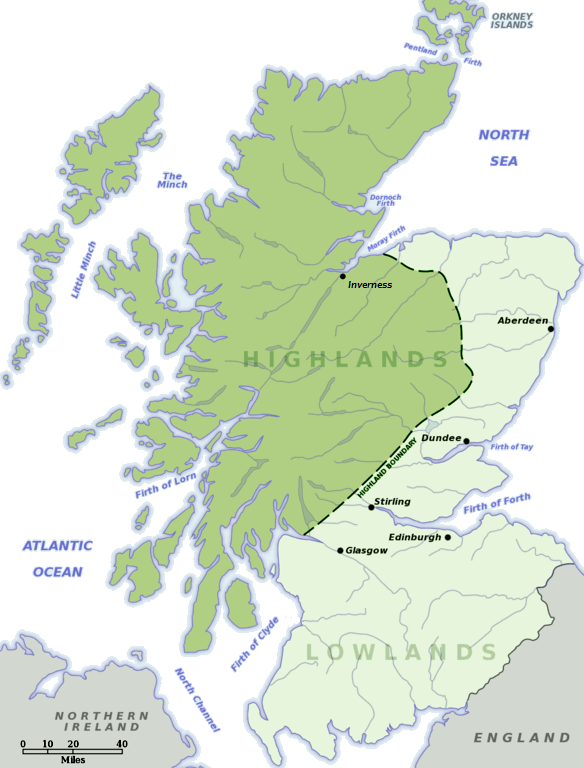
◆The Scottish Highlands are best suited to couples and event planners seeking a genuinely dramatic, adventurous, and deeply atmospheric setting — think ancient castles, private lochside estates, and sweeping mountain glens. The primary vibe is Adventurous & Thrilling, making it particularly well-matched to destination weddings, elopements, milestone private celebrations, and corporate retreats that benefit from exclusivity and natural grandeur. The best season runs from May through September, when daylight is long, landscapes are accessible, and weather — while never guaranteed — is at its most cooperative. Accessibility is moderate: Inverness serves as the main hub, with onward travel to many venues requiring private transfers. The Highlands suit those prioritising uniqueness and experience over urban convenience.
Scottish Highlands at a Glance
| Category | Detail |
|---|---|
| Best For | Destination Weddings, Elopements, Private Milestone Celebrations, Corporate Retreats |
| Primary Vibe | Adventurous & Thrilling |
| Other Vibes | Romantic & Intimate, Heritage & Cultural, Wild & Scenic |
| Best Season | Summer (May, Jun, Jul, Aug, Sep) |
Why Choose Scottish Highlands?
- Unrivalled scenic drama: The Highlands offer a landscape — ancient castles reflected in dark lochs, heather-covered moorland, and mist-draped mountain ranges — that is genuinely difficult to replicate anywhere else in the world. This scenery becomes the event's backdrop in a way that no purpose-built venue can manufacture.
- Exclusive-use estate and castle venues: A significant number of Highland properties operate on a full buyout model, meaning your celebration occupies the entire estate. This level of privacy and personalisation is a defining strength of the region and is particularly rare at this scale in other European destinations.
- Extraordinary summer daylight: During June and July, the Highlands experience near-continuous twilight, with usable natural light extending well past 10 pm. This creates genuinely magical conditions for outdoor ceremonies, photography, and evening celebrations that simply cannot be replicated in lower-latitude destinations.
- Deep cultural authenticity: Scottish traditions — Highland dress, live bagpipes, ceilidh dancing, locally distilled whisky, and game-focused menus — are not tourist affectations here but genuinely embedded in local hospitality culture. Events can draw on these elements in a way that feels earned rather than staged.
- Mature estate hospitality infrastructure: Many Highland castle and country house properties have been hosting private celebrations for decades. Their staff, kitchens, and event coordination experience are specifically calibrated to the demands of multi-day destination events, not just overnight stays.
- Genuine remoteness as a feature: For groups who want guests to be fully present — away from city distractions, fully immersed in the event — the Highlands' geographic separation from urban centres is an asset rather than a drawback.
Which Celebrations Work Best in Scottish Highlands?
- Destination Weddings: The Highlands are among the most sought-after destination wedding locations in the UK and Europe. The combination of castle venues, dramatic outdoor ceremony settings, and the ability to host multi-day celebrations across an entire private estate makes this a natural fit for couples who want their wedding to feel like a genuine event rather than a single-day function.
- Elopements & Intimate Ceremonies: The region's landscape — particularly around Glencoe, Loch Ness, and the Isle of Skye's fringes — is exceptionally well-suited to very small, intimate ceremonies. Many local registrars and celebrants are experienced with outdoor and non-traditional settings, and the scenery does the work that a large guest list might otherwise be expected to provide.
- Milestone Private Celebrations: Significant birthdays, anniversaries, and family reunions benefit from the Highlands' exclusive-use estate model. A group of 20–80 guests can take over an entire property, creating a shared experience that a city hotel simply cannot replicate.
- Corporate Retreats & Leadership Events: The combination of physical remoteness, outdoor activity options (stalking, fishing, hiking, whisky tours), and high-quality estate accommodation makes the Highlands a strong choice for senior leadership retreats and incentive travel programmes where the goal is genuine disconnection and team cohesion.
- Photography & Film-Inspired Celebrations: For couples or planners whose vision is heavily driven by visual storytelling — editorial-style photography, cinematic video — the Highland landscape provides a backdrop that is consistently extraordinary across the summer season.
Venues & Event Spaces
The Scottish Highlands' venue landscape is dominated by castle and country house estates, the majority of which operate on an exclusive-use or semi-exclusive basis. These properties typically combine ceremony spaces (often a grand hall, a chapel, or a designated outdoor setting), dining rooms or marquee-ready grounds, and on-site accommodation for guests — making them genuinely self-contained event destinations.
Beyond the castle tier, the region offers traditional Highland lodges and sporting estates, which suit smaller, more rustic celebrations and are particularly popular for multi-day retreats. In and around Inverness, there are also hotel ballrooms and function suites within established four-star properties, which provide more conventional event infrastructure and are better suited to larger guest lists that require significant accommodation blocks nearby.
Outdoor ceremony spaces are a genuine feature of Highland events — lochside lawns, walled gardens, and open moorland settings are regularly used for ceremonies during the summer months, though responsible planners always arrange covered contingency options given the region's changeable weather. Marquee installations on private estate grounds are common and well-supported by local suppliers.
The overall venue inventory is smaller in total number than a major city destination, but the quality and distinctiveness of individual properties is exceptionally high. Availability at the most sought-after castle estates during peak summer weekends books out well in advance — typically 12–24 months ahead for Saturday dates.
Best Time to Celebrate
The curated best season for the Scottish Highlands is Summer: May, June, July, August, and September. This window is the clear choice for several concrete reasons beyond simply "better weather."
May and June offer the most dramatic daylight extension — in mid-June, sunset in the northern Highlands occurs after 10:30 pm, and true darkness barely arrives. Landscapes are vivid green following spring growth, and midges (the region's notorious biting insects) are typically less intense in May before populations peak in July and August.
July and August are the warmest months, with average daytime temperatures reaching 17–19°C in good conditions. These are the most popular months for Highland events and the most reliably accessible for guests travelling from outside Scotland. The trade-off is that midge activity peaks during this period, particularly in still, humid conditions near water — a genuine practical consideration for outdoor ceremonies.
September is increasingly popular among experienced Highland planners. Midge populations decline sharply, the landscape takes on early autumnal colour, and the summer crowds thin. Temperatures remain workable for outdoor elements, and many venues offer greater availability than in peak July–August.
The months October through April present significant challenges: daylight drops to as few as 7 hours in December, many rural roads become difficult or impassable in snow and ice, some estate venues close entirely for the winter season, and the combination of cold, wind, and rain makes outdoor elements largely impractical. While a small number of venues do host winter celebrations — particularly around Hogmanay (New Year) — these require very careful logistical planning and are not representative of the Highland event experience at its strongest.
Getting There & Local Connectivity
By air: Inverness Airport (INV) is the primary gateway to the Highlands, with direct connections from London, Edinburgh, Glasgow, Amsterdam, and a small number of other European cities. Flight frequency is moderate rather than extensive — guests travelling from outside the UK will typically connect through a major hub. The airport is compact and efficient, and the journey into Inverness city centre takes under 15 minutes.
By rail: Inverness Railway Station is served by ScotRail services from Edinburgh and Glasgow (journey times of approximately 3–3.5 hours), and by the Caledonian Sleeper overnight service from London Euston — a genuinely enjoyable travel experience that many guests find adds to the Highland adventure. Rail is a practical and comfortable option for guests travelling from central Scotland or London.
Local transport: This is the most important logistical consideration for Highland events. Once guests arrive in Inverness, onward travel to estate venues — which may be 30 minutes to over an hour away on single-track roads — almost always requires organised private transfers. Public transport in rural Highland areas is limited and not reliable for event logistics. Experienced Highland event planners routinely arrange dedicated coach or minibus transfers from Inverness as a standard part of the event programme. Guests should be advised not to rely on taxis or rideshare services outside of Inverness itself.
For guests driving, the A9 and A82 are the main arterial routes into the Highlands from the south, and road conditions are generally good in summer. Parking at estate venues is typically ample.
Local Vendor & Hospitality Ecosystem
The Scottish Highlands have a well-established, if geographically dispersed, event vendor ecosystem. The region's long history as a destination for private celebrations — particularly among UK and international couples — means that specialist suppliers in photography, floristry, catering, and event styling are genuinely experienced with Highland-specific conditions and venues.
Catering is a particular strength: Highland estates typically work with either in-house kitchen teams or a small roster of trusted outside caterers who understand the logistical demands of cooking for large groups in remote locations. Local produce — Highland beef, venison, salmon, game, and an extraordinary range of Scottish cheeses and whiskies — gives Highland menus a genuine sense of place that is difficult to replicate.
Entertainment suppliers — ceilidh bands, bagpipers, Highland dancers — are plentiful and of high quality, and many have extensive experience performing at destination events for international guests who may be encountering these traditions for the first time.
The main ecosystem limitation is scale and lead time. Because the total number of events hosted in the Highlands is smaller than in a major city, the pool of available suppliers on any given date is finite. For peak summer weekends, securing preferred photographers, florists, and entertainment acts requires booking well in advance — often 12–18 months ahead for the most in-demand suppliers. Last-minute planning is genuinely more difficult here than in an urban destination with a larger vendor base.
Pros & Things to Consider
Why Scottish Highlands Works Well
- Genuinely world-class, irreplaceable scenic backdrop for ceremonies and photography
- Exclusive-use estate model delivers privacy and personalisation at a level rare in other destinations
- Extraordinary summer daylight hours extend the usable event day significantly
- Deep, authentic Scottish cultural traditions enrich the guest experience organically
- Experienced estate hospitality teams accustomed to multi-day destination events
- Very safe, politically stable destination with no significant guest safety concerns
- Strong rail connection from London via the Caledonian Sleeper adds a memorable travel element
Things to Consider
- Weather is genuinely unpredictable even in summer — rain, wind, and low cloud can arrive with little warning, and outdoor elements always require a covered contingency plan
- Midges (tiny biting insects) are a real practical issue from late June through August, particularly near water and in still conditions — outdoor evening events need to account for this
- Remote venue logistics require organised group transfers; guests cannot simply make their own way to many estate venues without a car
- Venue and supplier availability at peak summer weekends is limited and books out very early — this destination rewards early planning and penalises late decisions
- Guest list size is naturally constrained by the intimate scale of most Highland estate venues; very large celebrations (200+ guests) have fewer suitable venue options
- International flight connectivity through Inverness is limited; guests from outside the UK will almost always need a connecting flight, adding travel complexity
When Scottish Highlands May Not Be the Right Fit
- Very large guest lists: If your celebration requires accommodating 200 or more guests under one roof with on-site accommodation for all, the Highland estate inventory is unlikely to meet that need comfortably. The region's venues are predominantly calibrated for intimate to mid-sized groups.
- Guests with significant mobility or travel limitations: Remote estate venues accessed via single-track roads, with uneven outdoor terrain, can present genuine challenges for elderly guests or those with mobility needs. The travel journey itself — particularly for international guests requiring multiple connections — is longer and more complex than a city destination.
- Outdoor-focused plans with no weather contingency: If the entire event concept depends on outdoor settings with no covered alternative, the Scottish Highlands' genuinely unpredictable summer weather makes this a high-risk approach. Any outdoor Highland event plan should have a robust indoor or covered backup.
- Late-stage planning timelines: If you are working with less than 9–12 months of lead time for a peak summer date, the most desirable castle estates and specialist suppliers may already be fully booked. This destination strongly favours early planners.