
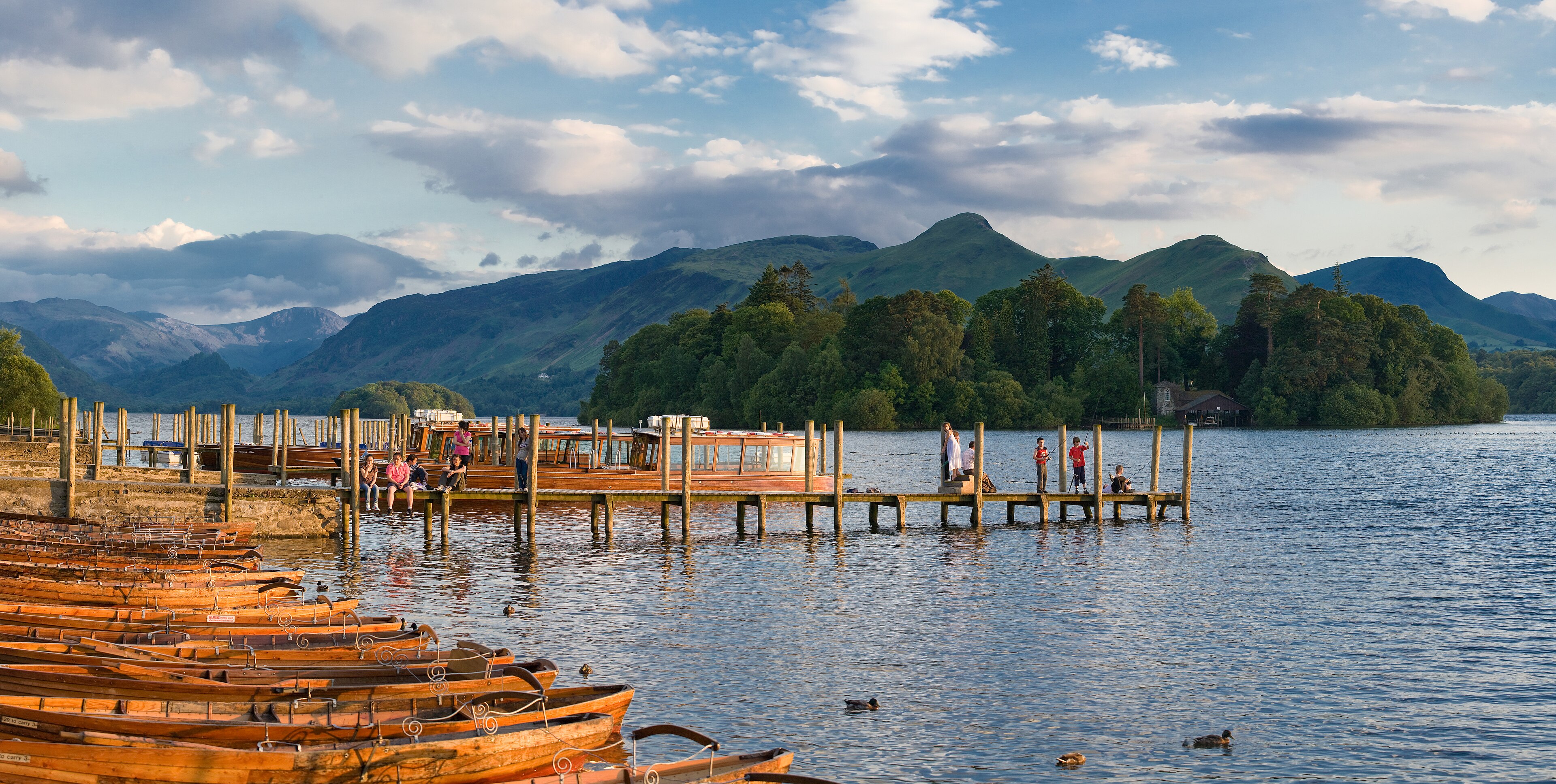
Why Lake District is Perfect for Your Celebration
- Dramatic lakeside and fell scenery provides a naturally stunning backdrop for ceremonies and photography
- Rich stock of historic country house hotels and manor houses purpose-suited to exclusive-use weddings
- UNESCO World Heritage status and Wordsworth literary heritage lend genuine cultural prestige
- Summer months (May–Sep) offer long daylight hours ideal for outdoor receptions and evening celebrations
- Intimate scale of the region suits smaller, exclusive guest lists seeking privacy and seclusion
- Strong local hospitality tradition with experienced wedding coordinators and regional catering suppliers

Compare Lake District with Other Top Destinations
Frequently Asked Questions
Is the Lake District a good destination for a wedding?
Yes, particularly for intimate weddings of up to around 100 guests. The Lake District offers a combination of dramatic natural scenery, exclusive-use country house hotels, and a mature local wedding supplier ecosystem that makes it one of England's most distinctive rural wedding destinations. It suits couples who prioritise scenery, privacy, and a sense of place over large-scale production.
What guest group sizes can Lake District venues realistically support?
Most Lake District venues are best suited to groups of 20–150 guests. The region's country house hotels and manor properties typically have a natural capacity ceiling in this range, and many offer exclusive-use arrangements that work well for smaller parties. Events requiring 200 or more guests under one roof will find the local venue stock limiting.
What is the best time of year to plan a celebration in the Lake District?
May through September is the recommended window. This period offers the longest daylight hours — midsummer evenings stay light past 9pm — the warmest and most stable weather, and the best conditions for outdoor ceremonies and receptions. May, June, and September are particularly well-balanced, combining good weather with slightly lower visitor congestion than the July–August peak.
How do guests typically travel to the Lake District for an event?
Most guests arrive by rail via Oxenholme Lake District station on the West Coast Main Line, with direct services from London, Manchester, and Edinburgh. International guests typically fly into Manchester Airport and travel onward by rail or private transfer. Journey times from London are around three hours by train. Private coach or minibus hire is strongly recommended for moving groups around locally once they arrive.
What kinds of venues are available for events in the Lake District?
The venue landscape is dominated by independently-operated country house hotels and manor houses, many offering exclusive-use arrangements. There are also converted barn and farmstead venues for more relaxed celebrations, and a smaller number of larger hotel properties with dedicated function suites. Outdoor ceremony spaces — lakeside lawns, walled gardens, fell-view terraces — are a particular feature of the better-equipped properties.
How should we handle accommodation for a large guest group across the Lake District?
For larger groups, accommodation will typically be spread across multiple properties in different villages or areas of the park. Planning guest transfers between accommodation, ceremony, and reception venues is essential — private coach or minibus hire is the most practical solution. Booking accommodation well in advance is critical, particularly for summer dates when the region is at its busiest.
What is the local vendor and catering ecosystem like for events?
The Lake District has a well-developed events ecosystem built on decades of high-end tourism. Most country house venues have experienced in-house wedding coordinators and established relationships with local suppliers. Cumbrian food provenance is a genuine strength — regional ingredients including Herdwick lamb and locally-sourced produce are widely available and add authenticity to event catering.
Do we need a weather contingency plan for an outdoor ceremony?
Yes, always. Even in the best summer months, the Lake District's weather is famously changeable — a dry morning can give way to rain by afternoon. Any outdoor ceremony or reception plan should have a credible indoor alternative confirmed in advance. Most experienced local venues will have contingency arrangements built into their event packages as standard.
Is the Lake District suitable for corporate retreats and team events?
Yes. The region's ability to offer genuine disconnection from urban environments, combined with outdoor activity options — walking, sailing, cycling, and fell experiences — and well-equipped country house meeting spaces, makes it a strong choice for leadership retreats and incentive travel programmes for smaller groups, typically up to around 80–100 participants.
What makes the Lake District distinctive compared to other rural English wedding destinations?
Its UNESCO World Heritage status, the scale and drama of its landscape — glacial lakes, open fells, ancient woodland — and its deep literary and cultural heritage set it apart. Few rural English destinations offer the same combination of internationally recognised natural scenery, a mature exclusive-use venue tradition, and a strong regional food identity, all within three hours of London by rail.
How is mobile and internet connectivity for guests staying in the Lake District?
Connectivity is good in the main towns such as Windermere, Ambleside, and Keswick, but can be limited or patchy in more remote valleys and fell-side locations. For event coordination purposes, it is worth confirming connectivity at your specific venue in advance, and ensuring that any time-sensitive communication plans account for potential signal gaps in rural areas.

Ready to explore venues in Lake District?
Lake District: Destination Wedding & Celebration Venues in Cumbria
◆The Lake District in Cumbria, England, is best suited to intimate, nature-immersed weddings and small milestone celebrations where scenery and exclusivity matter more than scale. Its primary character is wild and romantic — fells, lakes, and historic country houses — and it suits weddings, anniversary celebrations, and small corporate retreats particularly well. The best season runs from May through September, when daylight is long and outdoor events are genuinely viable. Accessibility is moderate: guests can reach the region by rail via the West Coast Main Line or by road from Manchester, though rural roads and limited local transport require careful group logistics planning.
Lake District at a Glance
| Category | Detail |
|---|---|
| Best For | Intimate Weddings, Anniversary Celebrations, Corporate Retreats, Elopements |
| Primary Vibe | Nature & Wilderness |
| Other Vibes | Romantic, Heritage, Countryside Luxury |
| Best Season | Summer (May, Jun, Jul, Aug, Sep) |
Why Choose Lake District?
- Unmatched natural scenery: England's largest national park offers a backdrop of glacial lakes, dramatic fells, and ancient woodland that no purpose-built venue can replicate — ceremony and reception photography here is genuinely distinctive.
- Exclusive-use country house hotels: A strong tradition of smaller, independently-run country house hotels means many properties can be taken over entirely by a wedding party, providing privacy and a cohesive guest experience that larger urban hotels rarely offer.
- UNESCO World Heritage status: Designated in 2017, the Lake District's cultural landscape carries genuine international prestige, adding a layer of significance to events held here beyond simple scenic beauty.
- Literary and cultural heritage: Associations with Wordsworth, Beatrix Potter, and the Romantic movement give the destination a cultural depth that resonates with guests who value place and story alongside scenery.
- Mature local hospitality sector: Decades of high-end tourism have produced a well-developed ecosystem of experienced event coordinators, specialist caterers, florists, and photographers who understand the specific demands of rural celebration logistics.
- Genuine seclusion: For couples or planners seeking an event that feels removed from everyday life — where guests are genuinely immersed in a place rather than simply attending a function — the Lake District's geography delivers that naturally.
Which Celebrations Work Best in Lake District?
- Intimate weddings (up to 100 guests): The Lake District is particularly well-suited to smaller wedding parties. Most country house venues have a natural capacity ceiling that actually works in favour of couples wanting an exclusive, personal atmosphere rather than a large-scale production.
- Elopements and micro-weddings: The region's scenery, combined with the availability of small, high-quality properties that cater to very small parties, makes it one of England's stronger destinations for couples planning a ceremony with only their closest circle.
- Anniversary and milestone celebrations: The combination of romantic scenery, fine dining traditions, and spa facilities at many properties makes the Lake District a natural fit for significant personal milestones — landmark birthdays, ruby or golden anniversaries, and similar occasions.
- Corporate retreats and team events: The region's ability to offer genuine disconnection from urban environments, combined with outdoor activity options (walking, sailing, cycling) and well-equipped country house meeting spaces, suits leadership retreats and incentive travel programmes for smaller groups.
- Photography and creative events: The landscape's dramatic seasonal character — particularly in summer and early autumn — makes it a sought-after backdrop for editorial shoots, brand activations, and creative industry gatherings where visual environment is central to the brief.
Venues & Event Spaces
The Lake District's venue landscape is dominated by independently-operated country house hotels and manor houses, many of which offer exclusive-use arrangements for weddings and private events. These properties typically combine historic architecture — stone-built houses, original fireplaces, panelled dining rooms — with contemporary hospitality standards including spa facilities and fine dining. Outdoor ceremony spaces are a particular strength: lakeside lawns, walled gardens, and fell-view terraces are common features at the better-equipped properties.
Beyond the country house tier, the region also offers converted farmsteads and barn venues that suit more relaxed, rustic celebrations, as well as a smaller number of larger hotel properties with dedicated function suites capable of accommodating wedding breakfasts and evening receptions for groups of 100–200 guests. Truly large-scale events (300+ guests) are not well-served by the existing venue stock — the region's rural character and planning constraints mean that very large purpose-built event spaces are largely absent.
Outdoor ceremonies on private grounds, lakeside jetties, and fell-side locations are popular in summer, though all outdoor plans require contingency arrangements given the Lake District's famously changeable weather even in its best months.
Best Time to Celebrate
The curated best season for events in the Lake District runs from May through September, and this reflects genuine practical advantages rather than simply warmer temperatures. Daylight hours are at their longest — midsummer evenings remain light until well past 9pm, which transforms outdoor receptions and allows for extended golden-hour photography that is simply not possible at other times of year. Temperatures in this window typically range from around 12°C to 20°C, which is comfortable for outdoor ceremonies without the heat stress that warmer climates can create.
May and June are particularly appealing: visitor numbers are building but have not yet reached the August peak, meaning roads and local services are less congested, and accommodation is somewhat easier to secure across a large guest group. July and August are the warmest and most reliably dry months statistically, though they are also the busiest for general tourism, which can affect road access and local supplier availability. September retains good weather and light while crowds begin to thin — it is often considered the most balanced month for event planning in the region.
Outside this window, the Lake District's weather becomes a genuine operational challenge for events. October brings beautiful autumn colour but also rapidly shortening days and increasing rainfall. November through March is characterised by frequent heavy rain, cold temperatures, limited daylight, and the possibility of snow on higher ground — outdoor elements become impractical, and the emotional atmosphere of the destination shifts considerably. April can be pleasant but is unpredictable, and the Easter period brings significant tourist congestion that can complicate group logistics.
Getting There & Local Connectivity
The Lake District is accessible from the UK's major cities by both rail and road, though neither route is entirely straightforward for large groups. The primary rail gateway is Oxenholme Lake District station on the West Coast Main Line, which receives direct services from London Euston, Manchester Piccadilly, and Edinburgh — journey times from London are typically around three hours. From Oxenholme, guests connect onward by local train to Windermere or by taxi and private transfer to other parts of the national park.
For international guests, Manchester Airport is the most practical air gateway, with road and rail connections into the Lake District taking approximately 90 minutes to two hours depending on the specific destination within the park. Newcastle Airport and Leeds Bradford Airport are secondary options for guests travelling from the north or east of England.
Local movement within the Lake District requires careful planning for event groups. The region's road network consists largely of narrow, single-track lanes that become congested during peak summer months. Private coach or minibus hire is strongly recommended for transferring guests between accommodation, ceremony venues, and reception spaces — relying on individual car hire or taxis for a large group is logistically complex and environmentally impactful. Some lakeside venues offer boat transfers, which can serve as both a practical transport solution and a memorable guest experience in their own right.
Local Vendor & Hospitality Ecosystem
The Lake District has a well-established hospitality and events ecosystem built on decades of high-end leisure tourism. Most of the region's country house hotels employ dedicated wedding coordinators with deep knowledge of local suppliers, venue-specific logistics, and the particular challenges of rural event planning — including weather contingency, generator backup for outdoor events, and managing guest transfers on narrow roads.
Local catering is a genuine strength: Cumbria has a strong food provenance culture, with regional specialities including Herdwick lamb, Cumbrian air-dried meats, and locally-sourced fish from the lakes themselves. Many venues work with suppliers who can build menus around this regional identity, which adds authenticity to the dining experience for guests.
Specialist wedding photographers, florists, and entertainment providers based in or regularly working in the Lake District are plentiful, and the region's scenic character means that creative suppliers are actively drawn to work here. For very large or highly bespoke events, some specialist suppliers may need to be brought in from Manchester, Leeds, or further afield, but the core vendor ecosystem is mature enough to support most standard event requirements without significant difficulty.
Pros & Things to Consider
Why Lake District Works Well
- Genuinely world-class natural scenery that elevates every aspect of event photography and guest experience
- Strong tradition of exclusive-use country house hospitality, well-suited to private celebrations
- Long summer daylight hours create extended windows for outdoor ceremonies and receptions
- Mature local vendor ecosystem with experienced wedding and event specialists
- UNESCO World Heritage status and cultural heritage add prestige and narrative to events held here
- Genuine seclusion and disconnection from urban environments — guests feel they have truly arrived somewhere special
Things to Consider
- Weather is changeable even in summer — outdoor plans always require a credible indoor contingency, which adds planning complexity and sometimes cost
- Venue capacity ceilings are relatively low; the region is not well-suited to large-scale events of 200+ guests without significant logistical compromise
- Rural road network becomes congested in peak summer months, making guest transfers slower and more complex than in urban destinations
- International guests face a multi-leg journey (flight to Manchester or another UK hub, then onward by rail or road) that adds travel time and potential friction
- Accommodation stock across a large guest group can be spread across multiple properties in different villages, requiring careful coordination of transfers and timings
- Mobile phone and internet connectivity is limited in some of the more remote valleys, which can affect real-time event coordination and guest communication
When Lake District May Not Be the Right Fit
- Large guest lists (200+): If your event requires a single venue capable of accommodating a very large number of guests under one roof, the Lake District's country house and rural venue stock is unlikely to meet that need comfortably — a city with purpose-built event infrastructure would serve better.
- Events planned outside May–September: If your preferred dates fall in the autumn or winter months, the Lake District's weather, short daylight hours, and reduced outdoor viability make it a significantly less compelling choice — the destination's strongest assets are largely seasonal.
- Guests with limited mobility or travel flexibility: The rural road network, multi-leg journey requirements, and dispersed accommodation options can create genuine difficulty for guests with mobility challenges or those unable to manage complex travel arrangements.
- Couples or planners prioritising urban energy and nightlife: The Lake District's character is quiet, rural, and nature-focused. If the vision for an event includes late-night entertainment, a vibrant local social scene, or easy access to city-centre amenities, this destination will feel limiting rather than liberating.