
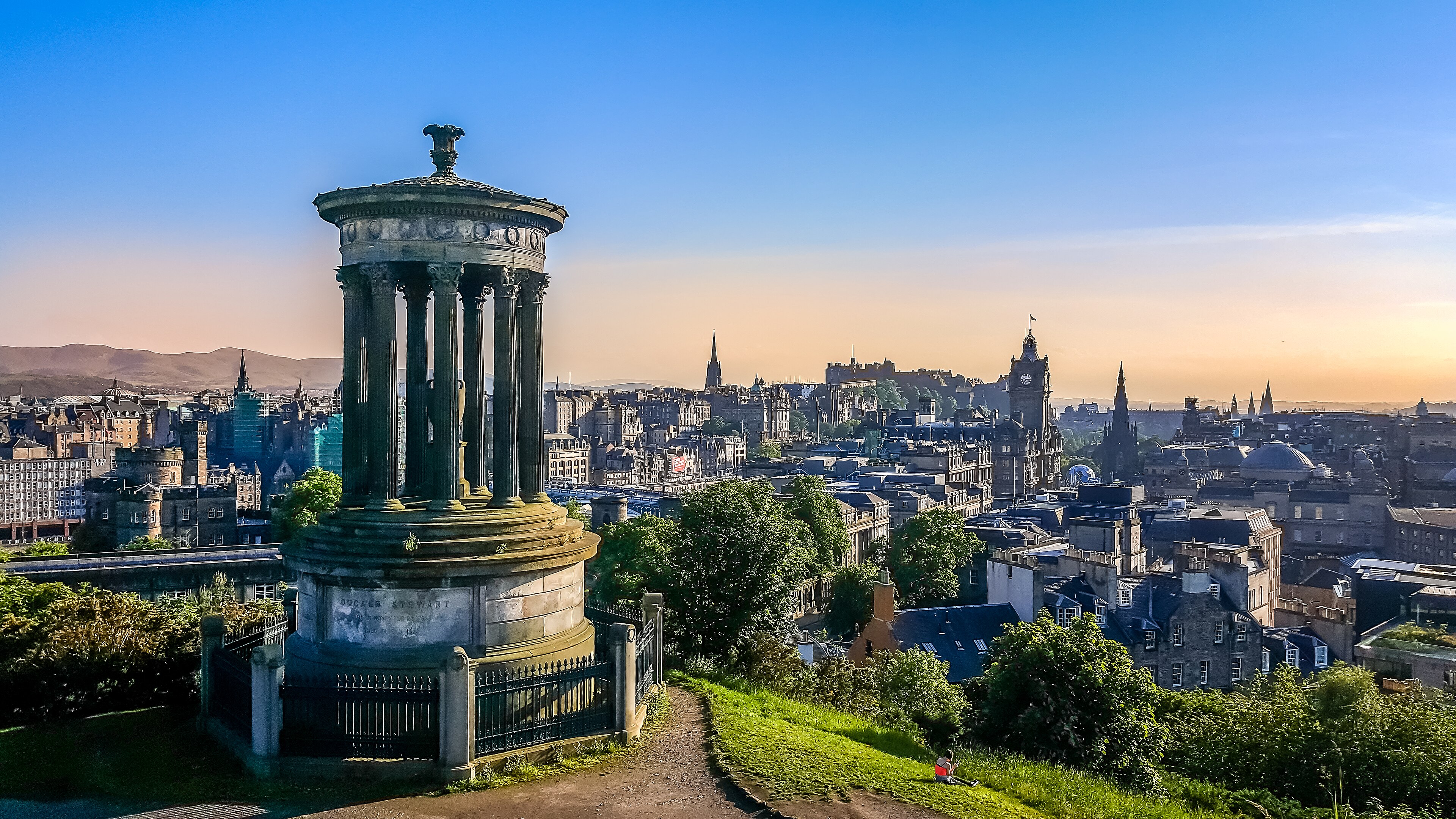
Why Edinburgh is Perfect for Your Celebration
- Iconic castle and historic venue settings unmatched in the UK
- Long summer days (May–Sep) provide extended golden-hour photography windows
- World-class hospitality infrastructure with luxury hotels and country house estates
- Edinburgh Airport offers direct international and domestic connections for guests
- A mature, professional events and wedding vendor ecosystem with experienced local suppliers
- The Edinburgh Festival season (August) creates a uniquely vibrant city atmosphere for celebrations

Top Venues in Edinburgh
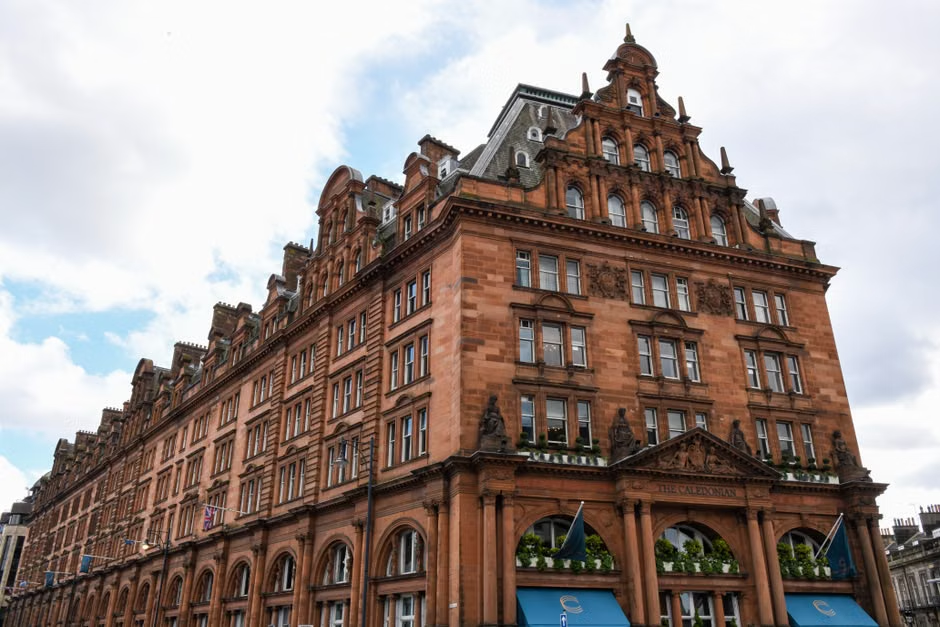
The Caledonian, A Waldorf Astoria Hotel
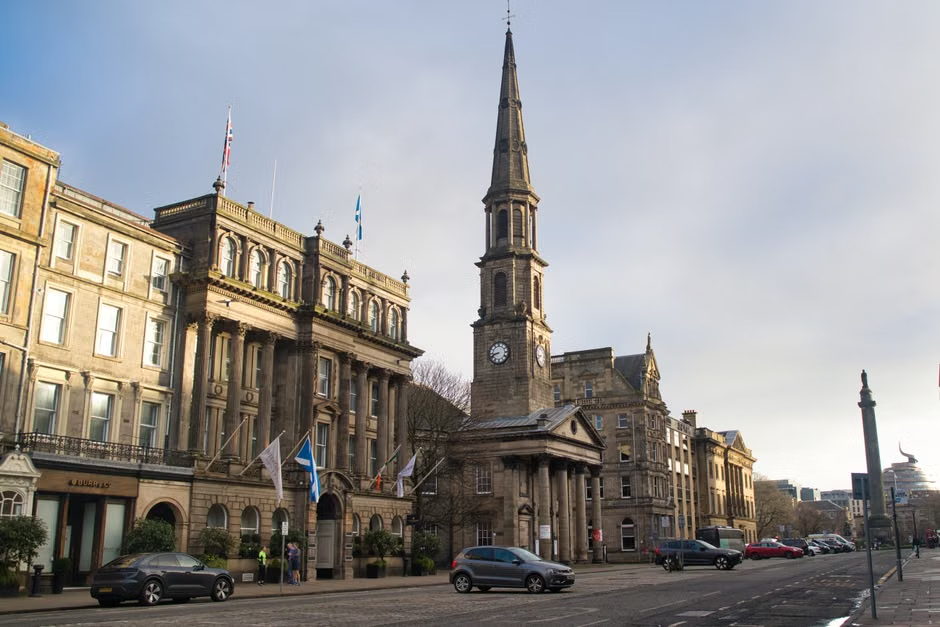
InterContinental Edinburgh The George
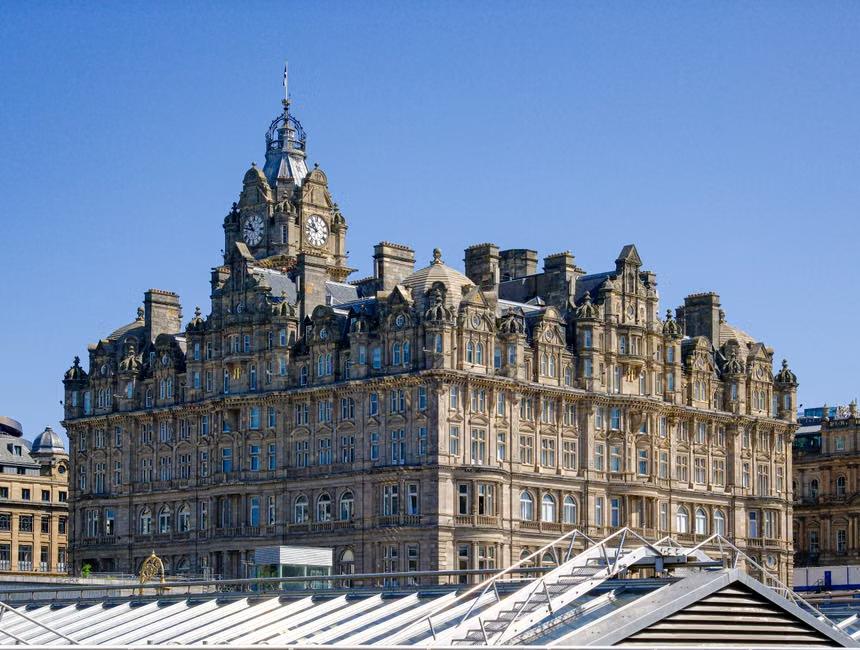
Radisson Collection Hotel, Royal Mile Edinburgh
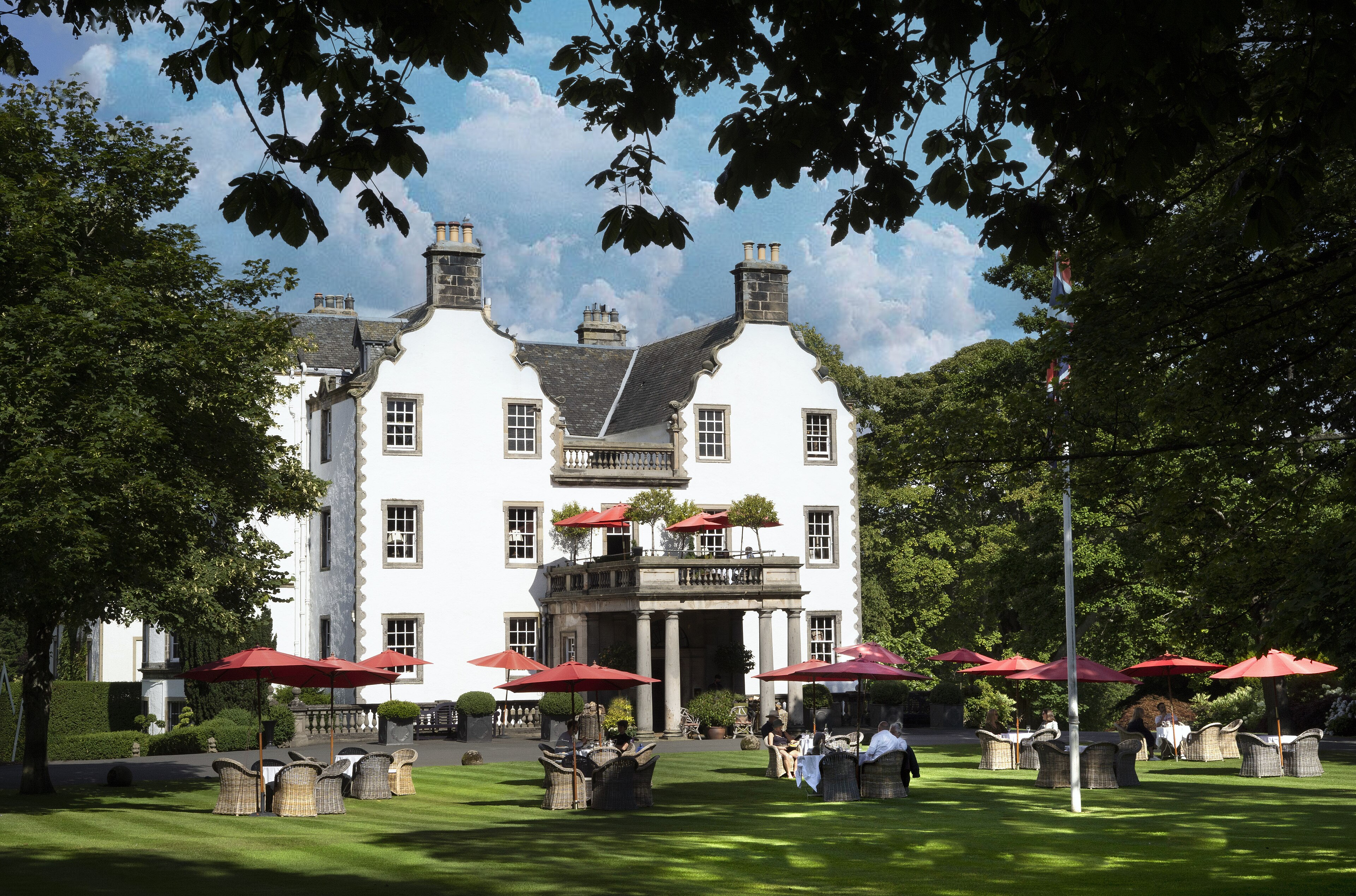
Prestonfield House
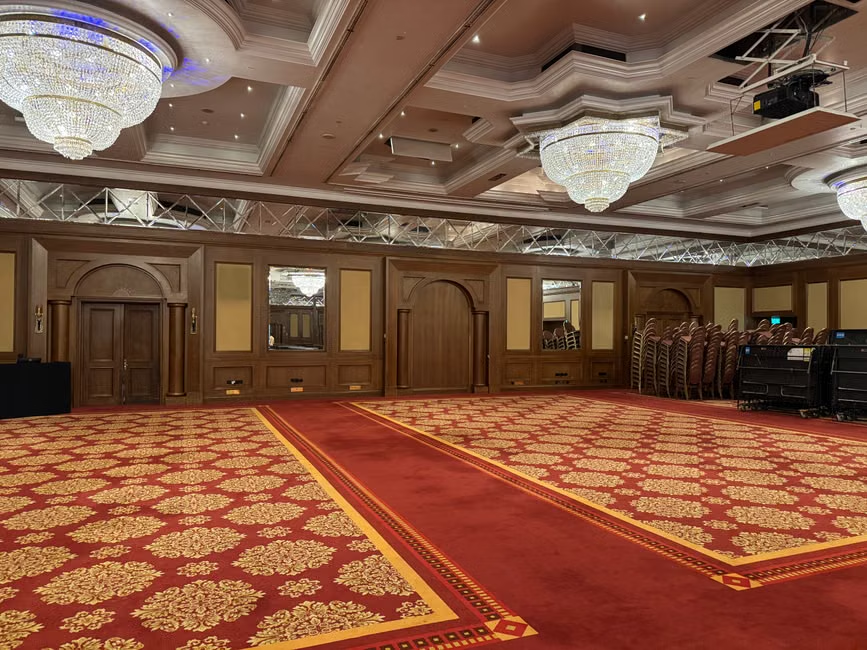
Dalmahoy Hotel & Country Club
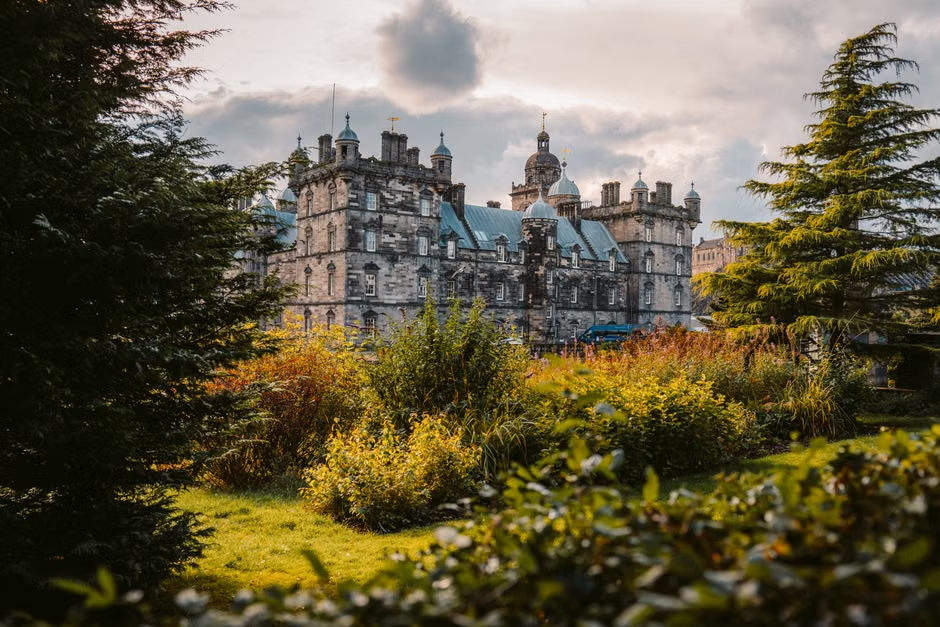
Marriott Edinburgh
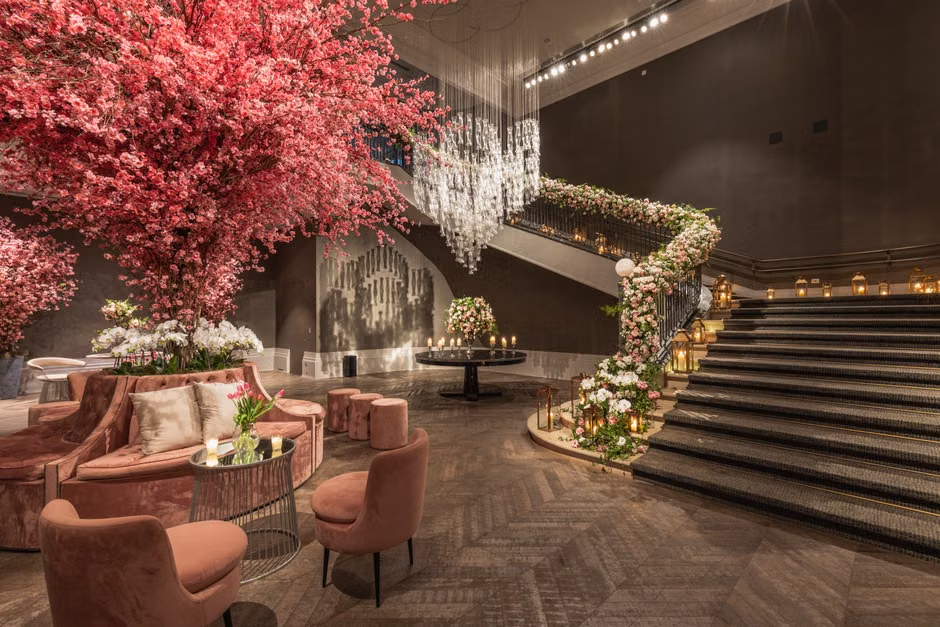
Apex Waterloo Place Hotel
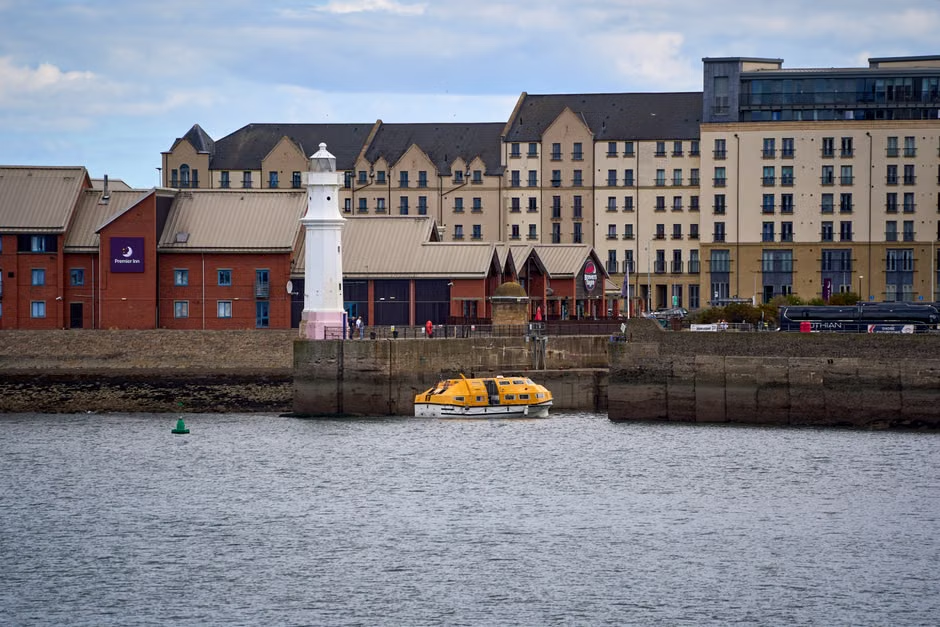
Holiday Inn Edinburgh
Compare Edinburgh with Other Top Destinations
Frequently Asked Questions
Is Edinburgh a good destination for a wedding?
Yes. Edinburgh is particularly well-suited to destination weddings that prioritise historic character, architectural drama, and cultural richness. The city offers a wide range of ceremony and reception venues — from castle great halls and Georgian townhouses to luxury hotel ballrooms and country house estates — and has a mature, experienced wedding vendor community. It works best for couples planning events between May and September.
What guest group sizes can Edinburgh venues realistically accommodate?
Edinburgh's venue inventory comfortably supports intimate gatherings of 20–50 guests through to larger celebrations of 300–500 guests. Several of the city's larger hotel ballrooms and country house estates can accommodate up to 400–500 guests for a seated dinner. Very large events of 600 or more guests in a single distinctive space may find the options more limited, and early booking is essential for the most sought-after properties.
What is the best time of year to plan a celebration in Edinburgh?
May through September is the strongly recommended window. This period offers Edinburgh's warmest temperatures, its longest daylight hours — often extending past 10 pm in June and July — and the most reliable conditions for outdoor or semi-outdoor elements. August adds the dimension of the Edinburgh Festival season. The winter months (November through March) are cold, dark, and wet, making outdoor events impractical and limiting the overall experience.
How do guests typically travel to Edinburgh for an event?
Most guests arrive via Edinburgh Airport, which has direct connections from across the UK, Europe, and North America, located approximately 13 km from the city centre with a direct tram link. Domestic guests frequently use Edinburgh Waverley railway station, which has direct services from London (around 4.5 hours), Glasgow (under an hour), and other major UK cities. Both options make Edinburgh straightforward to reach for most guest groups.
What kinds of venues are available for events in Edinburgh?
Edinburgh offers a genuinely diverse range: landmark luxury hotels with dedicated ballrooms, historic castle and great hall spaces, Georgian assembly rooms and townhouse conversions, Victorian civic buildings, and country house estates on the city's outskirts. There are also options for outdoor garden ceremonies and private walled garden settings during the summer months. The variety means the city suits both intimate and large-format events across different aesthetic preferences.
How easy is it for a large guest group to get around Edinburgh once they arrive?
Relatively straightforward. Edinburgh's Old Town and New Town are compact and largely walkable, meaning guests staying centrally can often move between venues on foot. The city has a good bus network and a tram line connecting the airport to the centre. For guests staying at country house estates outside the city, private coach or minibus hire is the standard approach and is well-supported by local operators.
Is Edinburgh well set up for corporate events and conferences?
Yes. Edinburgh is one of the UK's leading conference cities and has a well-developed infrastructure for corporate events — large hotel event suites, dedicated conference facilities, and historic halls suitable for everything from board retreats to multi-day industry conferences. The city's experienced events ecosystem, strong connectivity, and range of team-experience options (whisky tours, highland excursions, cultural programming) make it a strong choice for incentive travel and corporate gatherings.
What makes Edinburgh's local vendor ecosystem suited to events?
Edinburgh's long history as a major festival and conference city has produced a deep pool of experienced event professionals — planners, caterers, florists, photographers, and AV specialists — who are specifically accustomed to working in heritage-listed environments with complex licensing requirements. Scottish produce (seafood, game, whisky) gives catering a distinctive local character. Working with a local planner who has existing venue relationships is strongly advisable, particularly for heritage spaces.
Does the Edinburgh Festival season affect event planning in August?
Yes, in both positive and practical ways. August is Edinburgh's most vibrant month, and groups can incorporate festival performances, the Royal Edinburgh Military Tattoo, or Fringe events into their celebration programme. However, August is also the city's busiest period — venue and accommodation availability is at its most competitive, and lead times of 12–18 months are not unusual for the most sought-after spaces. Early planning is essential for August events.
Are outdoor ceremonies and receptions viable in Edinburgh?
Yes, but with appropriate contingency planning. During May through September, outdoor ceremonies and garden receptions are genuinely viable — the long daylight hours are a particular asset. However, Edinburgh's weather is changeable even in summer, and temperatures rarely exceed 20°C. Any outdoor event format should have a covered or indoor backup option. Outdoor events outside the May–September window carry significant weather risk and are generally not recommended without full indoor contingency.
What is the general accessibility and safety character of Edinburgh for international guests?
Edinburgh is a very safe, well-organised city with strong tourist infrastructure and English as the primary language, making it straightforward for international guests to navigate independently. The city centre is well-lit, well-policed, and accustomed to large volumes of international visitors year-round. Healthcare, transport, and communication infrastructure are all to a high standard, and the city consistently ranks among the UK's safest and most liveable urban destinations.

Ready to explore venues in Edinburgh?
Edinburgh: Destination Wedding & Event Venues in Scotland's Historic Capital
◆Edinburgh is one of the UK's strongest destinations for culturally rich, heritage-driven celebrations — weddings, milestone events, corporate gatherings, and festival-aligned occasions. Its primary vibe is Cultural & Timeless, anchored by medieval castle settings, Georgian architecture, and a deeply embedded arts and hospitality culture. The best season runs from May through September, when long daylight hours and the city's warmest temperatures make outdoor and semi-outdoor events genuinely viable. Edinburgh is well-connected internationally via its own airport and a major rail hub, and its hospitality infrastructure spans luxury landmark hotels to characterful country house estates — making it accessible and practical for both domestic and international guest groups.
Edinburgh at a Glance
| Category | Detail |
|---|---|
| Best For | Destination Weddings, Corporate Events, Milestone Celebrations, Festival-Themed Gatherings |
| Primary Vibe | Cultural & Timeless |
| Other Vibes | Dramatic & Scenic, Heritage & Grand, Intimate & Romantic |
| Best Season | Summer (May, Jun, Jul, Aug, Sep) |
Why Choose Edinburgh?
- Unrivalled historic venue diversity: Edinburgh offers a genuinely rare concentration of castles, Georgian townhouses, Victorian railway hotels, and country house estates within a compact, navigable city — a range of settings that few European cities can match in a single destination.
- Extended summer daylight: During the peak season, Edinburgh enjoys daylight well into the evening (often past 10 pm in June and July), giving outdoor ceremonies, garden receptions, and photography sessions a dramatically extended golden hour that is simply not available in lower-latitude destinations.
- Mature, professional events ecosystem: As a major international conference and festival city, Edinburgh has a deep bench of experienced wedding planners, event caterers, florists, photographers, and AV specialists who are accustomed to working in complex, heritage-listed environments.
- Strong international and domestic connectivity: Edinburgh Airport serves direct routes from across Europe, North America, and the Middle East, while Edinburgh Waverley is one of the UK's busiest rail stations, making it straightforward for guests travelling from London, Glasgow, Manchester, and beyond.
- The Edinburgh Festival context: For events planned around August, the city's world-famous festival season creates an extraordinary ambient energy — street performances, cultural programming, and a cosmopolitan atmosphere that adds a unique dimension to any celebration held during that period.
- Compact, walkable city centre: Unlike sprawling event destinations, Edinburgh's Old Town and New Town are genuinely walkable, meaning guests can move between ceremony venues, reception spaces, and accommodation without relying heavily on private transport.
Which Celebrations Work Best in Edinburgh?
- Destination Weddings: Edinburgh's castle backdrops, historic chapels, and grand hotel ballrooms make it a compelling choice for couples seeking a setting with genuine architectural drama. The city suits both intimate ceremonies of 20–50 guests and larger celebrations of several hundred, with venue options across both scales.
- Corporate Events & Conferences: Edinburgh is one of the UK's leading conference cities, with a well-developed infrastructure of large hotel event suites, dedicated conference centres, and historic halls that can accommodate everything from board-level retreats to multi-day industry conferences.
- Milestone Celebrations (Anniversaries, Landmark Birthdays): The city's heritage venues lend themselves naturally to significant personal milestones — a 50th anniversary dinner in a Georgian townhouse or a landmark birthday celebration in a Victorian hotel ballroom carries a weight and atmosphere that a generic event space cannot replicate.
- Festival-Themed Gatherings: Groups visiting during August can weave the Edinburgh Festival Fringe, the Edinburgh International Festival, or the Royal Edinburgh Military Tattoo into their event programme, creating a multi-day celebration experience that extends well beyond the event itself.
- Incentive Travel & Group Experiences: Edinburgh's combination of whisky distillery tours, highland excursions, castle visits, and world-class dining makes it a strong incentive travel destination for corporate groups seeking a culturally immersive reward experience.
Venues & Event Spaces
Edinburgh's venue landscape is genuinely diverse and spans several distinct architectural and experiential categories. At the top end, the city has a strong collection of landmark luxury hotels — grand Victorian and Edwardian railway hotels on Princes Street, Georgian townhouse conversions in the New Town, and purpose-built five-star properties — all of which offer dedicated ballrooms, private dining rooms, and outdoor terraces suitable for ceremonies and receptions.
Beyond the hotel sector, Edinburgh has a significant stock of historic and heritage event spaces: medieval great halls, Georgian assembly rooms, Victorian civic buildings, and private members' clubs, many of which are available for exclusive hire. These spaces offer a level of architectural character that is difficult to replicate in purpose-built venues.
On the city's outskirts and within the broader 30 km radius, country house estates and castle properties provide a more secluded, exclusive-use option — particularly well-suited to multi-day wedding weekends where guests stay on-site. These properties typically offer landscaped grounds, private chapels or ceremony spaces, and accommodation for a core guest group.
For outdoor celebrations, Edinburgh's public parks and gardens — including the grounds of Holyrood Palace and several private walled gardens — can be incorporated into event programmes during the summer months, though outdoor-only events always carry some weather contingency risk even in the peak season.
Best Time to Celebrate
The curated best season for Edinburgh is Summer: May, June, July, August, and September. This window is the clear practical choice for several concrete reasons beyond simply "the weather is nicer."
From May through September, Edinburgh experiences its longest days — June and July in particular offer near-continuous daylight from around 4:30 am to past 10 pm, which is transformative for outdoor photography, garden receptions, and evening events that benefit from natural light. Temperatures during this period typically range from around 12°C to 19°C, which is genuinely comfortable for outdoor use with appropriate planning, though a light layer is always advisable for evening events.
August carries the additional dimension of the Edinburgh Festival season, which brings the city to its most vibrant and cosmopolitan. This is a significant draw for event groups who want to build a wider cultural programme around their celebration — though it also means the city is at its busiest, and venue and accommodation availability should be secured well in advance.
The months outside this window present meaningful practical challenges. October and November see rapidly shortening days, increasing rainfall, and cooling temperatures that make outdoor elements unreliable. December through February is Edinburgh's harshest period — temperatures regularly approach or fall below freezing, daylight is limited to roughly 7–8 hours, and wind and rain are frequent. March and April can offer occasional pleasant days but remain unpredictable, with late frosts possible into April. None of these months are impossible for indoor-only events, but they require full contingency planning and significantly limit the outdoor and semi-outdoor options that make Edinburgh's summer celebrations so distinctive.
Getting There & Local Connectivity
Edinburgh Airport (EDI) sits approximately 13 km west of the city centre and is Scotland's busiest airport, serving direct routes from across the UK, Europe, North America, and the Middle East. For international guests, this is a significant practical advantage — most major European cities have direct connections, and transatlantic guests can typically reach Edinburgh with a single connection via London, Amsterdam, or Dublin at most.
Edinburgh Waverley, the city's main railway station, is located in the heart of the city centre and is one of the UK's most connected rail hubs. Direct services run to London King's Cross (approximately 4.5 hours on the fastest services), Glasgow Central (under an hour), Manchester, and other major UK cities. For domestic guests, the train is often the most convenient option, arriving directly in the city centre without the need for onward transfers.
Within the city, Edinburgh is served by an extensive bus network, a tram line connecting the airport to the city centre and Newhaven, and a well-developed taxi and private hire sector. For event groups, the compact nature of the Old Town and New Town means that many guests can walk between key locations — ceremony venues, reception spaces, and hotels — without requiring organised transport. For guests staying at country house estates outside the city, private coach or minibus hire is the standard approach and is well-catered for by local operators.
Local Vendor & Hospitality Ecosystem
Edinburgh's status as a major international conference city and one of the UK's most visited tourist destinations has produced a deep and experienced hospitality and events ecosystem. The city has a well-established community of wedding planners and event coordinators who are specifically experienced in working with heritage-listed buildings, complex licensing requirements, and multi-day event formats.
Catering in Edinburgh is genuinely strong, with a range of options from in-house hotel catering teams at the luxury end to independent caterers specialising in Scottish produce — game, seafood, whisky pairings, and contemporary Scottish cuisine are all well-represented. Florists, photographers, videographers, and entertainment providers are plentiful and accustomed to working in the city's distinctive architectural environments.
For international couples or event planners based outside Scotland, Edinburgh's vendor community is generally experienced in working with remote clients and managing logistics for guests arriving from multiple countries. The city's long history as a festival and conference destination means that suppliers are typically well-organised, professionally insured, and familiar with the specific requirements of large-group events.
One practical consideration is that heritage venue licensing can add complexity to event planning — many of Edinburgh's most characterful spaces have specific restrictions on noise, timing, décor, and catering arrangements that require careful coordination. Working with a local planner who has existing relationships with these venues is strongly advisable.
Pros & Things to Consider
Why Edinburgh Works Well
- Exceptional concentration of heritage and luxury venues within a compact, walkable city
- Long summer daylight hours create genuinely extended windows for outdoor events and photography
- Strong international airport and major rail hub make guest travel straightforward from most UK and European origins
- A mature, professional events and wedding vendor ecosystem with deep experience in heritage environments
- The August festival season adds a unique cultural dimension unavailable in most other destinations
- Compact city centre means guests can stay, celebrate, and explore without heavy reliance on private transport
- Scottish cuisine, whisky culture, and highland excursion options provide distinctive guest experiences beyond the event itself
Things to Consider
- Weather unpredictability even in summer: Edinburgh's summer is the best it gets, but temperatures rarely exceed 20°C and rain is always possible — outdoor-only event formats carry real risk without a covered contingency plan.
- Heritage venue complexity: Many of the most desirable spaces are listed buildings with restrictions on noise curfews, décor, open flames, and catering arrangements that can limit creative flexibility and require experienced local coordination.
- August demand and availability: The festival season makes August Edinburgh's most vibrant month, but also its most competitive for venue and accommodation availability — lead times of 12–18 months are not unusual for the most sought-after spaces during this period.
- Cost character: Edinburgh is a premium UK destination, and its most distinctive venues reflect that — event budgets need to account for a higher baseline than many comparable UK cities outside London.
- Limited large-scale outdoor infrastructure: Unlike some purpose-built resort destinations, Edinburgh does not have large dedicated outdoor event grounds with permanent infrastructure — very large outdoor events require significant temporary structure investment.
When Edinburgh May Not Be the Right Fit
- Outdoor-focused events in autumn or winter: If the event concept depends heavily on outdoor ceremonies, garden receptions, or alfresco dining, and the dates fall outside May–September, Edinburgh's climate makes this genuinely unreliable — a destination with a longer outdoor-friendly season would serve better.
- Very large guest lists requiring a single venue: Edinburgh's heritage venues are characterful but not always large — groups requiring a single space for 600 or more guests in a distinctive setting may find the local inventory limiting compared to purpose-built resort destinations.
- Guests with very limited UK or European travel access: While Edinburgh Airport is well-connected, guests travelling from South or Southeast Asia, Africa, or South America will typically face at least one connection and a longer overall journey than they would to a destination with more direct long-haul routes.
- Couples or planners seeking a warm, sun-guaranteed Mediterranean or tropical atmosphere: Edinburgh's appeal is cultural, dramatic, and historic — it does not offer the guaranteed sunshine, warmth, and beach-adjacent settings that some event formats specifically require.