
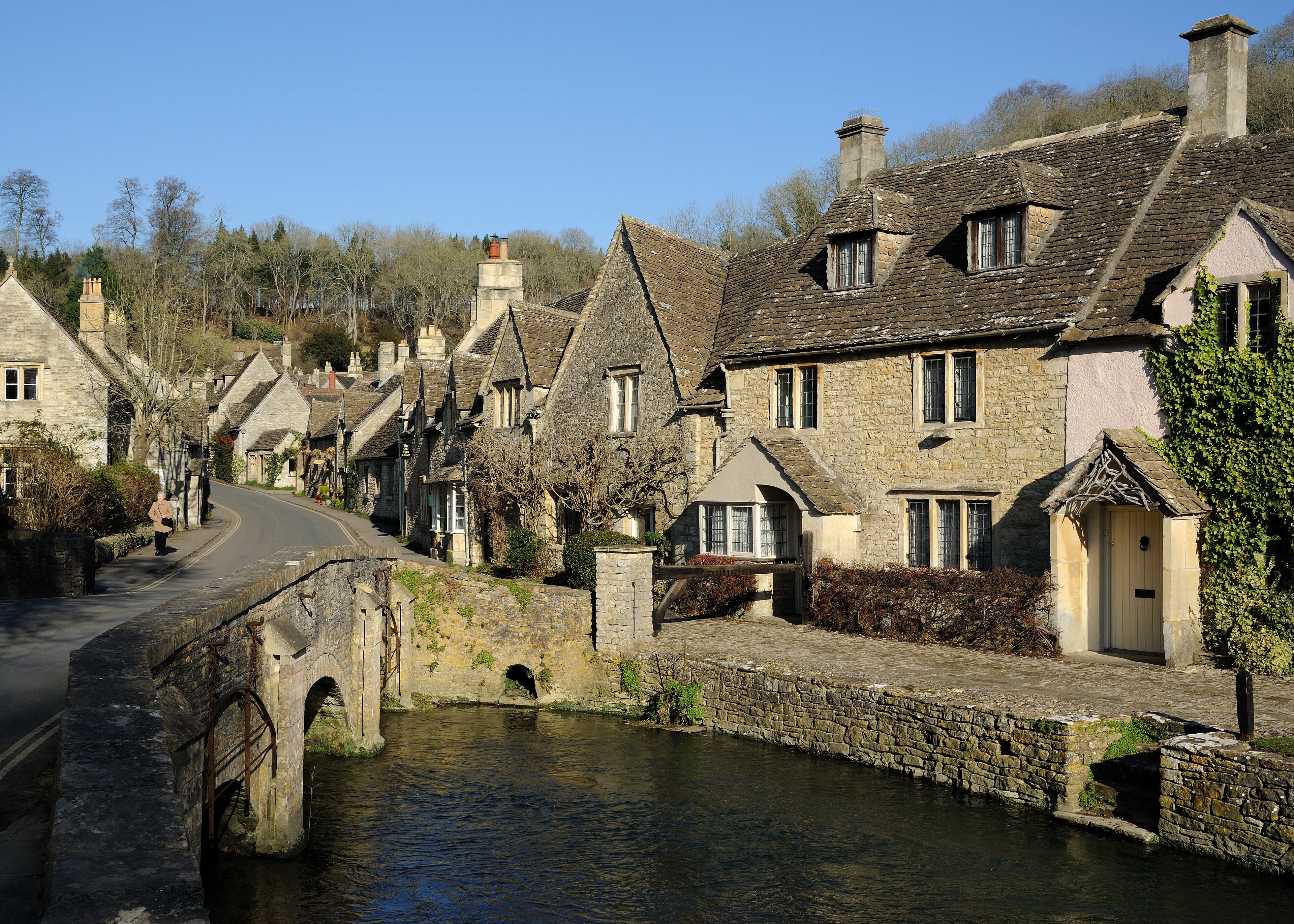
Why Cotswolds is Perfect for Your Celebration
- Abundance of historic manor houses and country house hotels purpose-built for weddings
- Stunning natural scenery — wildflower meadows, dry-stone walls, and manicured estate gardens — at peak beauty May–September
- Intimate, private venue settings ideal for exclusive-use celebrations
- Rich heritage architecture provides a naturally photogenic backdrop without additional décor
- Strong local vendor ecosystem: experienced wedding caterers, florists, and planners based in the region
- Excellent rail links from London Paddington (under 2 hours) make guest travel straightforward

Compare Cotswolds with Other Top Destinations
Frequently Asked Questions
Is the Cotswolds a good destination for a wedding?
Yes, strongly so. The Cotswolds is one of England's most established countryside wedding destinations, offering a high concentration of exclusive-use manor houses, country house hotels, and converted barn venues set within protected rural landscape. It is particularly well-suited to intimate and mid-size weddings of 40–200 guests seeking a romantic, heritage-rich setting with mature local vendor support.
What size of guest list can Cotswolds venues realistically accommodate?
Most Cotswolds venues are designed for guest lists of 40–200 people. A smaller number of larger estate venues can accommodate up to 250–300 guests with marquee additions. The region is not well-suited to very large celebrations of 300 or more guests under a single roof — couples with guest lists at that scale should consider whether the local inventory genuinely meets their needs.
What is the best time of year to hold a wedding or celebration in the Cotswolds?
May through September is the curated best season. Long daylight hours (sunset as late as 9:30 pm in June), wildflower meadows in full bloom, and warm enough temperatures for outdoor ceremonies make this window the most practical and visually rewarding. August books up earliest; May, June, and September offer comparable conditions with slightly less competition for venue availability.
How do guests get to the Cotswolds for a wedding?
By rail, direct trains from London Paddington reach Moreton-in-Marsh in approximately 90 minutes — the most practical station for the northern and central Cotswolds. By air, Birmingham Airport is the closest major airport, typically 45–60 minutes by road. London Heathrow is also commonly used by international guests, around 90 minutes by road depending on traffic.
Do guests need a car to get around the Cotswolds during a wedding weekend?
In practice, yes — or they need to be part of an organised group transfer. The Cotswolds is a rural region with limited public transport between villages. Pre-arranged coaches or minibuses between the train station, guest accommodation, and the venue are standard practice for wedding groups and are strongly recommended to avoid guests being stranded.
What kinds of venues are available for events in the Cotswolds?
The region offers historic manor houses and country house hotels (many Grade I or II listed), converted barn venues on rural estates, boutique village hotels, and properties with licensed outdoor ceremony spaces in walled or landscaped gardens. Exclusive-use buyouts — where a couple takes over the entire property — are widely available and particularly popular for wedding weekends.
Can a large wedding party all stay together near the venue?
Yes, this is very well-catered for in the Cotswolds. Many venues offer on-site accommodation for a core group, and the region has a mature self-catering cottage rental market where clusters of cottages can be block-booked to house a larger party within walking distance of the venue. This house-party model is one of the Cotswolds' genuine strengths for wedding weekends.
How far in advance should we book a Cotswolds wedding venue?
For a summer Saturday at a popular venue, 12–18 months in advance is typical and often necessary. The most sought-after manor houses and country house hotels fill their peak-season dates quickly. Booking a Friday or Sunday event, or targeting May or September rather than July–August, can open up availability at shorter notice — sometimes 6–9 months ahead.
Is the Cotswolds suitable for non-wedding celebrations like anniversaries or private parties?
Yes. Country house hotels and manor venues in the Cotswolds regularly host milestone anniversary dinners, birthday celebrations, and private social weekends for groups of 20–100 guests. The exclusive-use model suits these occasions well, and many properties offer spa facilities and outdoor activities that make a multi-day private retreat genuinely enjoyable for the whole group.
What should we know about weather when planning an outdoor ceremony in the Cotswolds?
Even in summer, the Cotswolds can experience cool evenings and sudden showers — this is England, and weather guarantees are not possible. Any outdoor ceremony or garden reception should have a covered contingency plan, whether a permanent structure, a marquee, or an indoor backup space. Most experienced Cotswolds venues will insist on this and can advise on appropriate solutions.
Is there a strong local wedding vendor network in the Cotswolds?
Yes. Decades of sustained wedding tourism have produced a well-developed local ecosystem of florists, photographers, caterers, musicians, and event planners who are experienced specifically with Cotswolds venues. Many venues maintain preferred supplier lists of trusted local professionals, which can simplify planning considerably — particularly for couples organising from outside the UK.

Ready to explore venues in Cotswolds?
Cotswolds: Destination Wedding & Countryside Event Venues in England
◆The Cotswolds is England's premier rural wedding and celebration destination, best suited to intimate, romantic, and heritage-focused events. Its primary strength lies in exclusive-use manor houses, country house hotels, and converted estate venues set within protected countryside — making it particularly well-matched to weddings, anniversary celebrations, and private social gatherings. The best season runs from May through September, when long daylight hours and warm temperatures make outdoor ceremonies and garden receptions genuinely practical. Accessibility from London by rail is straightforward, though local movement within the region requires pre-arranged coaches or car hire. The destination sits at a premium cost tier relative to most UK alternatives.
Cotswolds at a Glance
| Category | Detail |
|---|---|
| Best For | Weddings, Anniversary Celebrations, Intimate Social Gatherings, Elopements |
| Primary Vibe | Romantic & Dreamy |
| Other Vibes | Heritage, Countryside Elegance, Intimate & Private |
| Best Season | Summer (May, Jun, Jul, Aug, Sep) |
Why Choose Cotswolds?
- Unmatched heritage venue density: The Cotswolds has one of the highest concentrations of licensed wedding manor houses and country house hotels of any rural region in England, many offering exclusive-use buyouts that give couples complete privacy across the entire property.
- Naturally photogenic landscape: Honey-coloured limestone architecture, dry-stone walls, wildflower meadows, and manicured estate gardens provide a backdrop that requires minimal additional styling — the scenery does the work across every season, but especially in summer bloom.
- Intimate scale: Most venues are designed for guest lists of 40–200, making the Cotswolds particularly well-suited to celebrations where quality of experience matters more than sheer scale. This is not a destination for 500-person banquets, but for events where every detail is felt.
- Mature local vendor ecosystem: Decades of high-demand wedding tourism have produced a well-developed network of local florists, caterers, photographers, and event planners who are experienced specifically with Cotswolds venues and their logistical quirks.
- Strong rail connectivity from London: Direct trains from London Paddington reach Moreton-in-Marsh in approximately 90 minutes, making the region genuinely accessible for guests travelling from the capital without needing to fly or drive long distances.
- Protected landscape status: The Cotswolds Area of Outstanding Natural Beauty (AONB) designation means the landscape is legally protected from overdevelopment, preserving the rural character that makes it so appealing — guests are unlikely to find the scenery compromised by industrial or commercial sprawl.
Which Celebrations Work Best in Cotswolds?
- Weddings: The Cotswolds is arguably England's most iconic countryside wedding destination. The combination of exclusive-use manor houses, licensed outdoor ceremony spaces, and romantic garden settings makes it a natural fit for couples seeking a timeless, heritage-rich backdrop. Both civil ceremonies and religious blessings are well-catered for across the region.
- Anniversary & Milestone Celebrations: The region's country house hotels are well-practised at hosting private dining events, weekend house-party-style gatherings, and milestone birthday or anniversary celebrations for groups of 20–100 guests. The exclusive-use model suits these occasions particularly well.
- Elopements & Micro-Weddings: For couples wanting an intimate ceremony with fewer than 30 guests, the Cotswolds offers a number of smaller licensed venues and boutique manor properties that specialise in micro-weddings, often with dedicated packages that include accommodation for the whole party.
- Private Social Gatherings & Retreats: Corporate retreats, family reunions, and private social weekends are a growing use of Cotswolds venues, particularly those offering spa facilities, outdoor activities, and self-contained accommodation — allowing a group to arrive Friday and leave Sunday without needing to leave the estate.
Venues & Event Spaces
The Cotswolds venue landscape is dominated by historic manor houses and country house hotels, many of which are Grade I or Grade II listed buildings with origins dating to the 16th–18th centuries. These properties typically offer a combination of formal reception rooms, private dining spaces, and licensed outdoor ceremony areas within walled or landscaped gardens.
Beyond the classic manor format, the region also has a strong supply of converted barn venues — often attached to working farms or rural estates — which offer a more relaxed, rustic aesthetic while still providing professional event infrastructure including catering kitchens, dedicated bridal suites, and on-site accommodation for guests.
Smaller boutique hotels and inn-style properties in villages such as Burford, Broadway, and Bourton-on-the-Water provide options for more intimate gatherings, typically accommodating up to 50–80 guests for a seated dinner. These properties are particularly popular for rehearsal dinners, post-wedding brunches, or smaller anniversary events.
Outdoor spaces — including walled kitchen gardens, ha-ha terraces, and open parkland — are a genuine feature of many Cotswolds venues, though all outdoor events should be planned with a covered contingency given the region's changeable weather, even in summer.
Best Time to Celebrate
The curated best season for the Cotswolds runs from May through September, and this reflects genuine practical advantages rather than simply mild temperatures. During these months, daylight extends well into the evening (sunset as late as 9:30 pm in June and July), making outdoor ceremonies and garden receptions viable at times that feel naturally celebratory rather than rushed. Wildflower meadows and estate gardens are at their most visually striking from late May through July, and the risk of frost or ground saturation — which can make outdoor setups impractical — is at its lowest.
August is the peak month for both tourism and weddings in the region, which means venues book up earliest and the surrounding villages are at their most lively. Couples planning an August event should expect to secure their venue 12–18 months in advance. May, June, and September offer a slightly quieter experience with comparable weather, and September in particular brings a warm, golden quality to the landscape that many photographers consider the most flattering light of the year.
October brings genuine autumn colour — copper beeches, turning chestnuts, and misty mornings — which has aesthetic appeal, but evening temperatures drop sharply and rainfall increases, making outdoor elements increasingly risky without substantial covered infrastructure. It sits outside the curated best season for good reason.
November through February presents the most significant challenges: short days (sunset as early as 4:00 pm in December), frequent rain, occasional frost and fog, and the closure or reduced operation of some smaller venues. While a small number of venues do host winter weddings with log fires and candlelit interiors, this is a niche choice that requires careful planning and a genuine preference for the aesthetic over outdoor flexibility.
March and April are transitional months — daffodils and early blossom can be beautiful, but cold snaps and heavy spring showers remain common, and the landscape has not yet reached the lush green fullness that defines the Cotswolds at its best.
Getting There & Local Connectivity
The Cotswolds is well-connected to London and the wider UK by rail. Moreton-in-Marsh is the most centrally useful station for the northern Cotswolds, with direct services from London Paddington taking approximately 90 minutes. Other stations serving the edges of the region include Kingham, Charlbury, and Cheltenham Spa, depending on which part of the Cotswolds a venue is located in.
For guests travelling by air, Birmingham Airport (BHX) is the most practical option for the northern and central Cotswolds, typically 45–60 minutes by road. London Heathrow (LHR) is also commonly used, particularly for international guests, and is approximately 90 minutes by road from the central Cotswolds — though this journey is heavily traffic-dependent, especially on summer weekends.
Once guests arrive in the region, local transport requires active planning. The Cotswolds is a rural area with limited public bus services between villages, and most venues are not within walking distance of a train station. For wedding groups, pre-arranged coach or minibus transfers between the station, accommodation, and venue are strongly recommended and are standard practice among local event planners. Guests who prefer independence will need to hire cars, and parking at most manor venues is generally ample.
Local Vendor & Hospitality Ecosystem
The Cotswolds has one of the most developed wedding and events vendor ecosystems of any rural region in England, built over decades of sustained demand from both domestic and international couples. Local florists are particularly strong, with many specialists in garden-style and wildflower arrangements that complement the regional aesthetic. Catering at the higher end is generally handled in-house by the country house hotels, which typically employ executive chefs with fine-dining backgrounds.
Independent wedding planners and coordinators based in the region are experienced with the specific logistical challenges of rural events — including supplier access to remote venues, marquee installation on uneven ground, and coordinating guest transport across dispersed accommodation. Many venues have preferred supplier lists that include trusted local photographers, musicians, and florists, which can simplify the planning process considerably.
Accommodation for guests is generally well-distributed across the region, with a mix of rooms within the venue itself, nearby boutique hotels, and self-catering cottages that can be block-booked for a wedding weekend. The cottage rental market in the Cotswolds is particularly mature, and it is common for wedding parties to book an entire hamlet or cluster of cottages to house their guests within walking distance of the venue.
Pros & Things to Consider
Why Cotswolds Works Well
- Exceptional density of heritage manor and country house venues with genuine character and history
- Exclusive-use venue model is widely available, offering privacy and flexibility for the whole event
- Mature, experienced local vendor network reduces planning risk
- Naturally beautiful landscape minimises the need for extensive external décor
- Strong rail access from London makes guest travel manageable without flying
- Self-catering cottage clusters allow large guest groups to stay together in a village setting
Things to Consider
- Rural transport logistics: Guests without cars will need organised transfers — this adds a layer of coordination and cost that urban destinations do not require.
- Weather unpredictability: Even in summer, the Cotswolds can experience cool evenings and sudden showers. Outdoor ceremonies should always have a covered contingency plan.
- Venue capacity limits: Most Cotswolds venues are designed for intimate to mid-size events. Couples expecting to host 300 or more guests will find the local venue inventory genuinely limited at that scale.
- High demand in peak season: The most sought-after venues book up 12–18 months in advance for summer Saturdays. Flexibility on day of the week (Friday or Sunday events) can open up availability significantly.
- Premium cost tier: The Cotswolds sits at the higher end of UK destination wedding costs, reflecting both the quality of venues and the strong demand. This is not a destination where budget options are plentiful.
When Cotswolds May Not Be the Right Fit
- Very large guest lists: If your celebration requires a seated dinner for 300 or more guests under one roof, the Cotswolds venue inventory will struggle to accommodate this comfortably. The region's strengths lie in intimate and mid-size events, not large-scale banquets.
- Guests with limited mobility or no driving ability: The rural nature of the region means that guests who cannot drive and are not part of an organised transfer group may find getting between venues, accommodation, and villages genuinely difficult. This is worth considering carefully if a significant portion of your guest list falls into this category.
- Autumn or winter outdoor events: If outdoor ceremonies or garden receptions are central to your vision and you cannot be flexible on season, the Cotswolds outside of May–September carries a meaningful risk of cold, rain, and short days that could compromise the experience.
- International guests with complex travel needs: While London Heathrow is reachable, guests flying in from outside Europe face a multi-leg journey (international flight + transfer to London + onward rail or road to the Cotswolds) that can be tiring. Destinations with a direct international airport nearby may serve a globally-dispersed guest list more comfortably.