
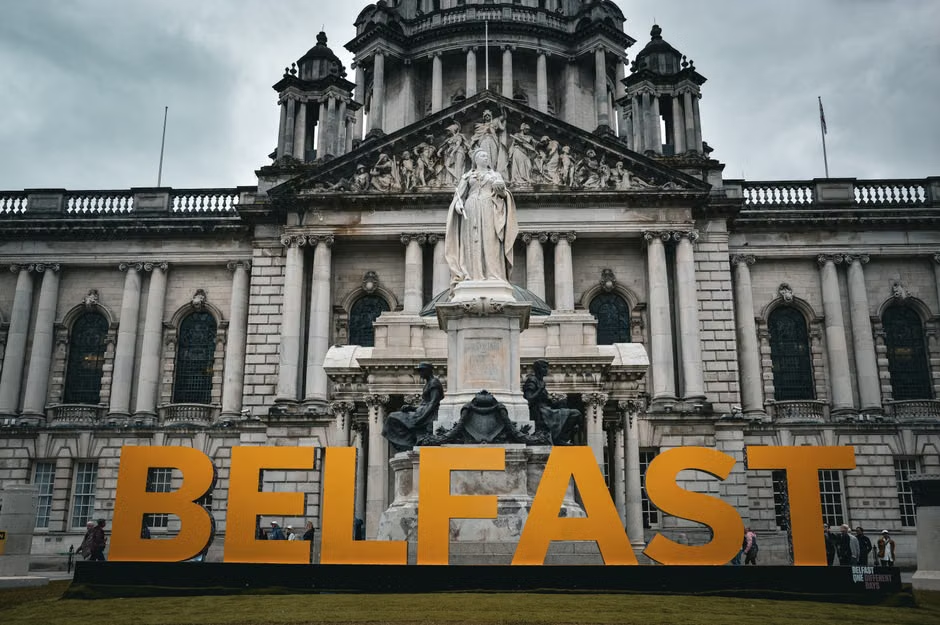
Why Belfast / Northern Ireland is Perfect for Your Celebration
- Unique heritage venues — restored Victorian mills, Gothic halls, and Georgian manor houses unavailable elsewhere
- Dramatic coastal and countryside backdrops including the Causeway Coast and Mourne Mountains within easy reach
- Two international airports with direct routes from London, Dublin, New York, and major European cities
- Long summer daylight (up to 17 hours in June/July) ideal for outdoor ceremonies and evening receptions
- Mature, professional events and hospitality industry with experienced local caterers, florists, and planners
- Compact geography means guests can easily combine a city celebration with scenic day trips along the Antrim coast

Top Venues in Belfast / Northern Ireland
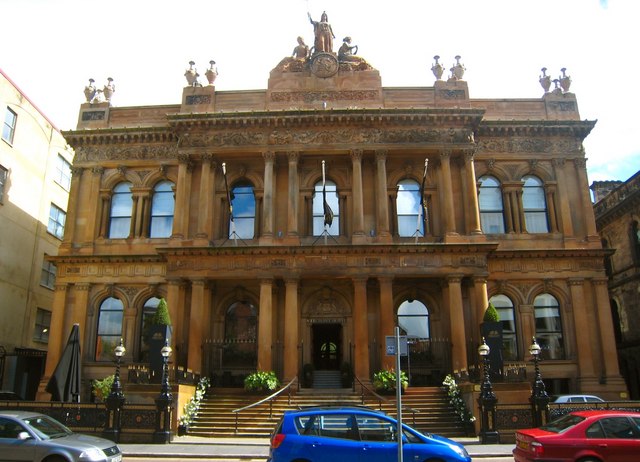
The Merchant Hotel
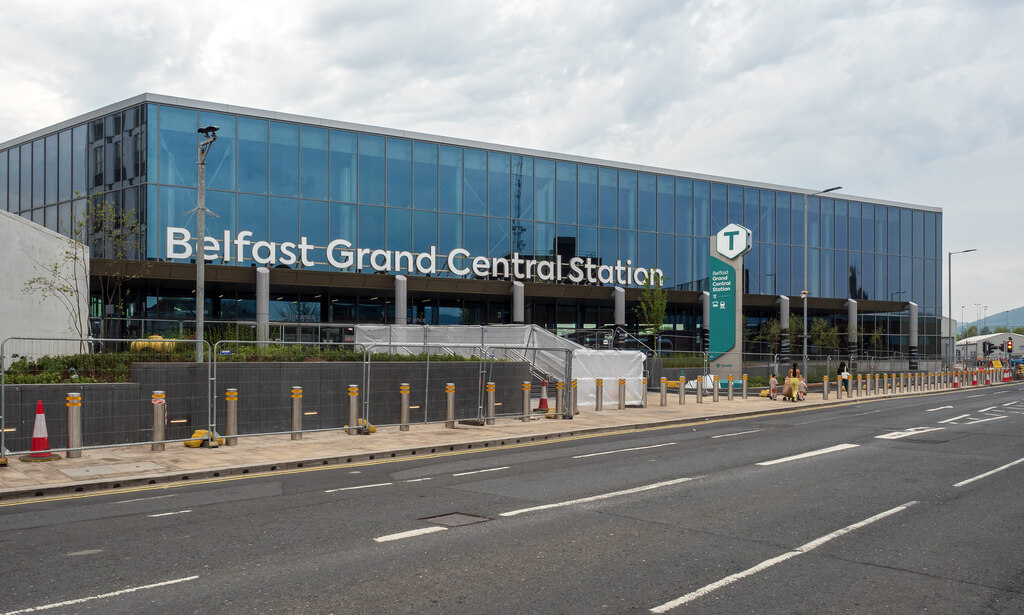
Grand Central Hotel Belfast
Culloden Estate & Spa
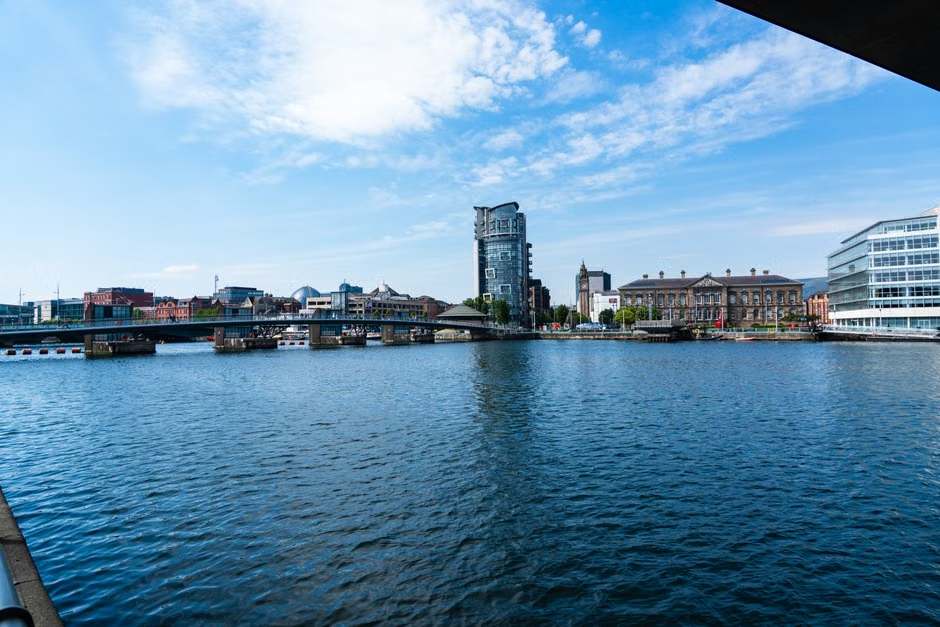
Crowne Plaza Belfast
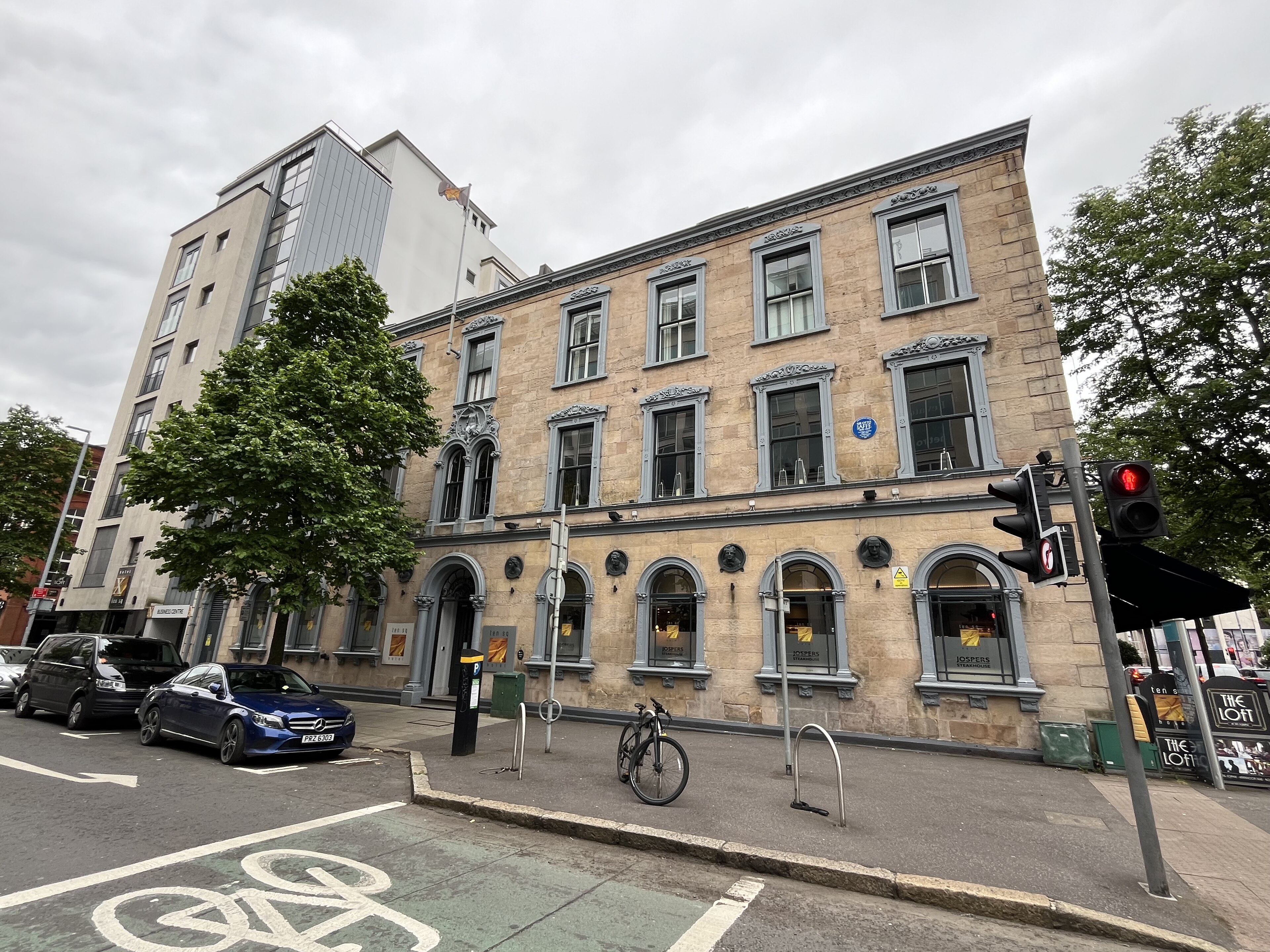
Hilton Belfast
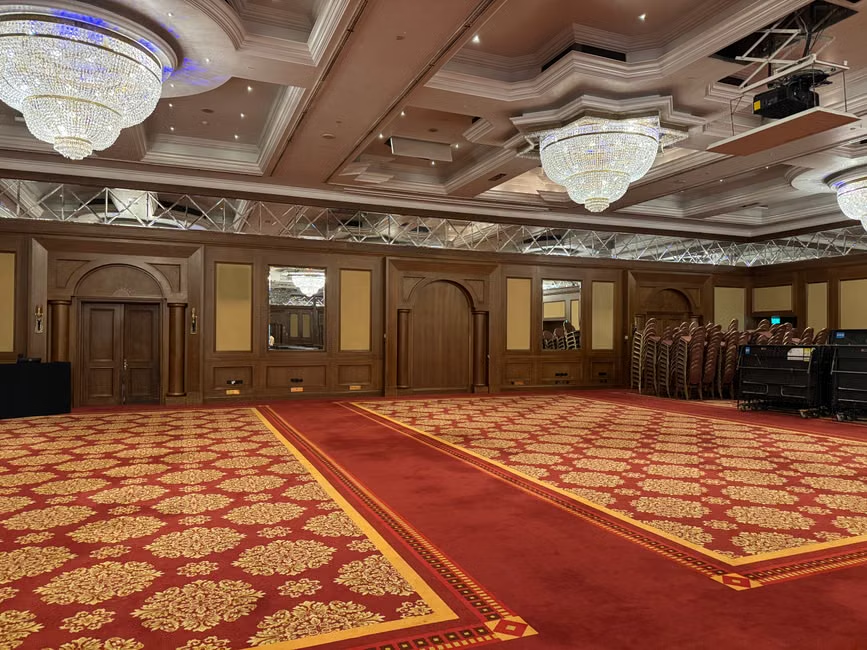
Stormont Hotel
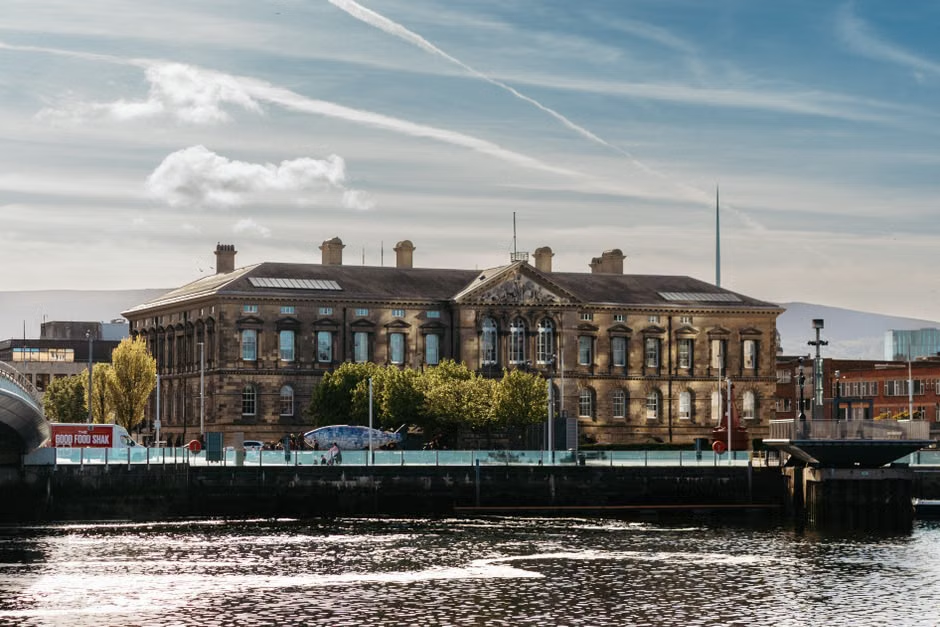
Malone Lodge Hotel
Holiday Inn Belfast
Compare Belfast / Northern Ireland with Other Top Destinations
Frequently Asked Questions
Is Belfast / Northern Ireland a good destination for a wedding?
Yes. Belfast and Northern Ireland are particularly well-suited to weddings that prioritise genuine heritage character, dramatic scenery, and a warm, hospitable atmosphere. The region offers a range of venue types — from restored Victorian buildings in the city to exclusive-use manor estates in the countryside — and a mature local events industry experienced in handling both intimate and larger celebrations.
What is the best time of year to hold a wedding or event in Northern Ireland?
May through September is the recommended window. This period offers the mildest temperatures, the lowest rainfall probability, and — crucially — up to 17 hours of daylight in June and July, making outdoor ceremonies and evening receptions genuinely practical. October through April brings significantly higher rainfall, strong winds, and very short daylight hours that make outdoor events difficult to plan reliably.
How do guests get to Belfast for a destination event?
Belfast is served by two airports: George Best Belfast City Airport (approximately 5 km from the city centre, with frequent UK and Irish routes) and Belfast International Airport (approximately 30 km out, with broader European and some transatlantic connections). Guests from Dublin and the Republic of Ireland can also travel by rail on the Enterprise service in approximately two hours, making Belfast highly accessible from multiple directions.
What size of guest group can Belfast venues realistically accommodate?
Most established Belfast venues comfortably accommodate between 100 and 400 guests for a seated dinner or reception. Some of the larger heritage and hotel spaces can stretch to 500–600 guests for standing receptions or gala formats. For very large events of 600 or more guests at a single site, options become more limited and early planning is essential to secure the right space.
What kinds of venues are available for events in Belfast and Northern Ireland?
The region offers a genuinely diverse range: restored Victorian heritage buildings, Titanic-era industrial spaces in the Titanic Quarter, contemporary hotel ballrooms, Georgian manor houses with formal gardens, converted barn and farmhouse venues in the countryside, and coastal estate properties available for exclusive hire. Both city-centre and rural/coastal settings are well-represented, giving planners real choice across different aesthetics.
Is outdoor entertaining realistic for a summer event in Northern Ireland?
Yes, but with caveats. Summer daylight is exceptional — up to 17 hours in late June — and temperatures are mild. However, rain is possible on any day even in July and August, and temperatures rarely exceed 20°C. All outdoor event plans in Northern Ireland should include a robust covered contingency. Heated marquees and covered terraces are standard practice at experienced local venues.
How easy is it for a large guest group to get around once they arrive in Belfast?
The city centre is compact and walkable between most central hotels and venues. For events at countryside or coastal locations, coach hire is the standard and most practical solution — local operators are experienced in event logistics. Taxi and private hire services are plentiful in the city. Guests should not rely on public transport for rural or coastal venues, as coverage outside Belfast is limited.
How developed is the local wedding and events vendor industry in Northern Ireland?
Quite well-developed. Belfast's events industry has grown significantly over the past two decades, supported by major international conferences, tourism growth, and the region's profile as a filming location. Local caterers, florists, photographers, AV specialists, and event planners are experienced with international clients and multi-day productions. For highly specialist or niche requirements, some suppliers may need to be sourced from Dublin or the UK mainland.
Can guests combine a Belfast event with sightseeing in Northern Ireland?
Yes, and this is one of the destination's genuine strengths. The Causeway Coast, Giant's Causeway, Glens of Antrim, Strangford Lough, and the Mourne Mountains are all within 60–90 minutes of Belfast city centre. Many couples build pre-wedding excursions or post-event guest experiences around these locations, which adds significant value for international guests making the journey.
Is Belfast a safe destination for international guests attending an event?
Yes. Belfast is generally considered a very safe city for visitors. It has a well-established tourism infrastructure, a welcoming local culture, and standard UK public safety standards. As with any city, normal awareness in unfamiliar areas is sensible, but international guests attending events in Belfast's established hotel and venue districts typically report feeling very comfortable and well-looked-after.
What makes Northern Ireland distinctive as an event destination compared to a generic city hotel setting?
The combination of genuine historical venue character, extraordinary natural scenery within easy reach, and a local culture with deep traditions of hospitality and storytelling gives Northern Ireland a distinctiveness that is difficult to replicate in a standard urban hotel setting. Venues here carry real provenance — industrial heritage, Georgian estate history, Victorian civic grandeur — rather than a designed-for-events aesthetic, which tends to create more memorable guest experiences.

Ready to explore venues in Belfast / Northern Ireland?
Belfast / Northern Ireland: Destination Wedding & Event Venues Guide
◆Belfast and Northern Ireland are strongest for culturally rich, heritage-led celebrations — weddings, corporate events, and milestone gatherings that benefit from genuinely distinctive venues, dramatic scenery, and a mature hospitality industry. The primary vibe is Cultural & Timeless: think restored Victorian linen mills, Georgian manor estates, Gothic revival architecture, and clifftop coastal settings. The curated best season runs from May through September, when daylight stretches to 17 hours and outdoor events become reliably practical. The destination is well-connected via two airports and a solid rail network, making it accessible for UK, Irish, and international guests. It suits small-to-medium guest groups particularly well, though the city's larger hotel ballrooms can accommodate several hundred guests.
Belfast / Northern Ireland at a Glance
| Category | Detail |
|---|---|
| Best For | Weddings, Corporate Events, Milestone Celebrations, Cultural Festivals |
| Primary Vibe | Cultural & Timeless |
| Other Vibes | Coastal & Scenic, Heritage & Historic, Intimate & Characterful |
| Best Season | Summer (May, Jun, Jul, Aug, Sep) |
Why Choose Belfast / Northern Ireland?
- Genuinely unique venue stock: Restored Victorian linen mills, Titanic-era industrial heritage buildings, Georgian manor houses, and Gothic revival halls give Belfast a venue character that is difficult to replicate elsewhere in the British Isles.
- Extraordinary natural backdrops within easy reach: The Causeway Coast, the Glens of Antrim, Strangford Lough, and the Mourne Mountains are all within 60–90 minutes of the city, offering spectacular settings for pre-wedding shoots, guest excursions, and outdoor ceremonies.
- Excellent international air access: George Best Belfast City Airport serves frequent UK and Irish routes, while Belfast International Airport connects to a wide range of European and transatlantic destinations, making guest travel straightforward from most major cities.
- Long summer daylight hours: June and July bring up to 17 hours of usable daylight, enabling outdoor ceremonies in the early evening, extended golden-hour photography, and al fresco receptions that simply aren't possible in most other seasons.
- Mature, professional events industry: Belfast has hosted major international conferences, film productions, and large-scale cultural events for decades. The local ecosystem of caterers, florists, photographers, AV specialists, and event planners is experienced, well-resourced, and accustomed to working with international clients.
- Compact, navigable geography: The city centre is walkable, and the wider region is compact enough that guests staying in Belfast can easily reach countryside or coastal venues without overnight stays, simplifying logistics for multi-day celebrations.
Which Celebrations Work Best in Belfast / Northern Ireland?
- Weddings: The combination of heritage venues, dramatic scenery, and a warm, hospitality-focused local culture makes Northern Ireland particularly well-suited to weddings — especially those seeking a setting with genuine historical character rather than a generic luxury resort backdrop. Both intimate ceremonies of 30–50 guests and larger receptions of 300–500 guests are well-supported by the local venue and accommodation inventory.
- Corporate Events & Conferences: Belfast has invested significantly in its conference infrastructure over the past two decades. The city's central hotels offer well-equipped meeting and banquet facilities, and the broader destination provides a compelling backdrop for incentive travel programmes and leadership retreats that benefit from cultural richness and memorable experiences.
- Cultural Festivals & Milestone Celebrations: Northern Ireland's strong tradition of music, storytelling, and communal celebration makes it a natural fit for anniversary galas, significant birthday events, and cultural festivals. The summer calendar is already rich with established festivals, and the local events industry is experienced in producing large-scale outdoor and indoor cultural programming.
- Engagement Parties & Pre-Wedding Events: The region's coastal and countryside settings — particularly along the Antrim coast and around Strangford Lough — lend themselves beautifully to smaller, more intimate pre-wedding gatherings where the scenery itself becomes part of the experience.
Venues & Event Spaces
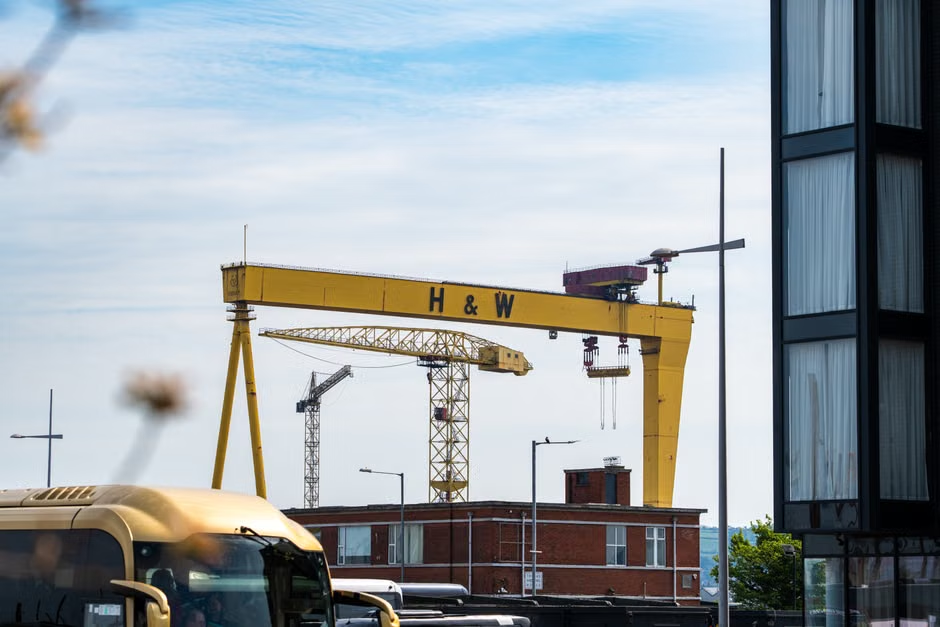
Belfast and Northern Ireland offer a genuinely diverse range of event spaces across different architectural styles and settings. In the city itself, guests can choose from grand Victorian-era heritage buildings that have been sensitively restored for modern events use, contemporary hotel ballrooms with full AV and catering infrastructure, and intimate Georgian townhouse venues suited to smaller gatherings. The Titanic Quarter — the historic shipbuilding district — contains several large-scale event spaces with striking industrial heritage character, capable of hosting several hundred guests for gala dinners and receptions.
Beyond the city, the countryside and coastal areas offer manor houses and estate properties with formal gardens, often available for exclusive-use hire. These typically suit smaller guest lists and provide a more private, immersive experience. Converted barn and farmhouse venues are also available across County Down and County Antrim, offering a relaxed rural aesthetic that contrasts with the city's more formal heritage spaces. Outdoor ceremony spaces — clifftop, lakeside, and within walled gardens — are available at a number of estate properties, though all outdoor plans in Northern Ireland should have a robust indoor contingency given the climate's unpredictability even in summer.
Best Time to Celebrate
The curated best season for Belfast and Northern Ireland runs from May through September, and this recommendation is grounded in several concrete factors beyond simply "the weather is nicer."
May and June offer rapidly lengthening days, fresh green landscapes following spring growth, and generally lower rainfall than the autumn and winter months. Temperatures typically range from around 12°C to 18°C — cool by many standards, but comfortable for outdoor ceremonies when guests dress appropriately, and genuinely pleasant for walking between venues or exploring the coastline.
July and August represent the peak of the Northern Irish summer. Daylight extends to 17 hours in late June and remains generous through August, making evening outdoor receptions practical in a way that is simply impossible in other seasons. These months also coincide with the region's busiest cultural calendar, with music festivals, arts events, and community celebrations adding to the atmosphere for guests who arrive early or stay on after the event.
September offers a useful shoulder period: the summer crowds begin to thin, accommodation availability improves, the landscape takes on early autumnal colour, and temperatures remain mild enough for outdoor use in the first half of the month.
The months from October through April present genuine challenges for event planning in Northern Ireland. Rainfall is significantly higher, winds can be strong — particularly on coastal sites — and daylight is severely limited (as few as 7–8 hours in December). Outdoor ceremonies and receptions become impractical without substantial temporary structure investment, and the landscape, while dramatic, loses much of the lush green character that makes summer events so photogenic. These months are not impossible for indoor-only events in well-equipped city venues, but they are not recommended for celebrations that depend on outdoor elements or scenic backdrops.
Getting There & Local Connectivity
Belfast is served by two airports, giving guests a meaningful choice of routes. George Best Belfast City Airport sits approximately 5 km from the city centre and handles frequent services from London, Manchester, Edinburgh, and Dublin, making it the most convenient option for guests travelling from within the UK and Ireland. Belfast International Airport, located approximately 30 km northwest of the city, handles a broader range of European routes and some transatlantic services, and is the primary gateway for guests travelling from further afield.
For guests travelling overland, Belfast is well-connected by rail to Dublin (approximately 2 hours on the Enterprise service), making it accessible from the Republic of Ireland without flying. Within Northern Ireland, rail services connect Belfast to Derry/Londonderry, Bangor, Larne, and the north coast, though coverage of rural areas is limited and guests attending events outside the city will generally need road transport.
Within Belfast itself, the city is compact and walkable between most central venues and hotels. For groups moving between the city and countryside or coastal venues, coach hire is the most practical solution and is readily available from local operators experienced in event logistics. Taxi and private hire services are plentiful in the city. Driving on the left (UK standard) applies throughout Northern Ireland, which is relevant for international guests considering self-drive options.
Local Vendor & Hospitality Ecosystem
Belfast's hospitality and events industry has matured significantly over the past two decades, driven by growth in tourism, major international conferences, and the global profile generated by the city's association with cultural exports including the Game of Thrones filming locations across Northern Ireland. This has created a vendor ecosystem that is genuinely experienced in handling international clients, multi-day events, and large-scale productions.
Local catering is a particular strength: Northern Ireland has a well-regarded food culture built around quality local produce — seafood from the coast, beef and lamb from the countryside, and a growing craft food and drink scene that gives caterers strong raw material to work with. Wedding and event catering at the region's established venues is generally of a high standard, and bespoke menus drawing on local provenance are a genuine differentiator for events held here.
Florists, photographers, videographers, and entertainment providers in Belfast are experienced in working across the full range of venue types — from city-centre hotel ballrooms to remote coastal estates — and many have portfolios that include international destination weddings and large corporate productions. Event planners and coordinators with specific expertise in destination weddings for diaspora families (particularly Irish-American and British-Indian communities) are increasingly active in the market.
One practical consideration: for very large events requiring specialist décor, lighting rigs, or entertainment infrastructure not commonly stocked locally, some suppliers may need to be sourced from Dublin or mainland UK, which adds a logistical layer. This is rarely a barrier but is worth factoring into planning timelines.
Pros & Things to Consider
Why Belfast / Northern Ireland Works Well
- Genuinely distinctive heritage venue stock with real historical character — not generic luxury
- Exceptional summer daylight hours enabling outdoor ceremonies and extended evening receptions
- Strong international air connectivity via two airports, with direct routes from major UK, Irish, and European cities
- Mature, professional events industry with experienced local vendors across all key disciplines
- Dramatic natural scenery — coastline, mountains, loughs — within easy reach of the city for guest experiences
- English-speaking destination with a warm, hospitable local culture that makes international guests feel genuinely welcome
- Compact geography simplifies multi-venue logistics for multi-day celebrations
Things to Consider
- Weather unpredictability even in summer: Even in July and August, rain is possible on any given day. Outdoor events require robust contingency planning and ideally a covered backup space — this is not optional in Northern Ireland's climate.
- Cool temperatures: Even at the height of summer, temperatures rarely exceed 20°C. Guests expecting a warm Mediterranean-style outdoor celebration may find the climate requires adjustment — heated marquees, wraps, and careful timing of outdoor elements are standard practice.
- Limited venue scale for very large events: While the city's larger hotels and heritage spaces can accommodate several hundred guests, Northern Ireland does not have the same density of very large-scale dedicated wedding venues as some other UK or European destinations. Groups of 500+ may find options more limited.
- Rural venue accessibility: Some of the most scenic estate and coastal venues are not easily reached by public transport, requiring coordinated coach or minibus logistics for guests — an added planning layer that should be budgeted for in time and coordination effort.
- Specialist supplier sourcing: For highly bespoke décor, large-scale floral installations, or niche entertainment acts, some suppliers may need to be brought in from Dublin or the UK mainland, adding lead time and logistical complexity.
When Belfast / Northern Ireland May Not Be the Right Fit
- Outdoor-focused celebrations planned outside May–September: If the event concept depends heavily on outdoor ceremonies, garden receptions, or scenic coastal settings, planning outside the summer window carries a high risk of weather disruption that is difficult to mitigate without significant infrastructure investment.
- Very large guest lists (600+): The local venue inventory, while strong in character and quality, does not easily support very large-scale events at a single site. Couples or planners requiring a single venue for 600 or more guests may find the options limited compared to larger metropolitan destinations.
- Guests travelling from long-haul destinations without direct connections: While Belfast International Airport handles some transatlantic routes, guests travelling from South Asia, Southeast Asia, or other long-haul origins will typically need to connect through London, Dublin, or another European hub, adding travel time and complexity that may deter some attendees.
- Events requiring a warm, sun-guaranteed climate as a core feature: If the destination's appeal is primarily about guaranteed sunshine, warm evenings, and a Mediterranean or tropical atmosphere, Northern Ireland is genuinely not the right fit — its beauty is of a cooler, greener, more dramatic kind, and that distinction matters for guest experience.