
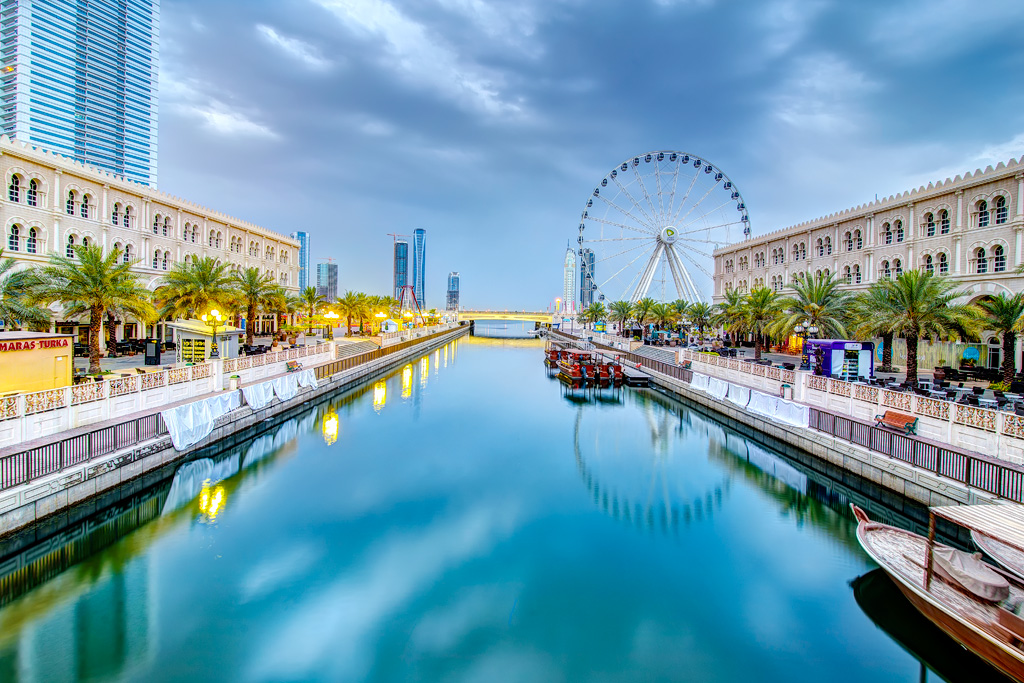
Why Sharjah is Perfect for Your Celebration
- Home to UNESCO-recognised heritage districts and world-class Islamic arts museums, offering a genuinely unique cultural backdrop
- Sharjah's strict cultural character ensures a dignified, family-friendly atmosphere well-suited to traditional and conservative celebrations
- Sharjah International Airport (SHJ) connects directly to dozens of international cities, making guest travel straightforward
- Waterfront venues along the Khalid Lagoon and Al Majaz Waterfront provide scenic outdoor event settings during the cool season
- Proximity to Dubai (approx. 20–30 minutes by road) expands accommodation and vendor options significantly for event planners
- A growing inventory of 4-star and 5-star hotel ballrooms and banquet facilities capable of hosting mid-to-large scale events
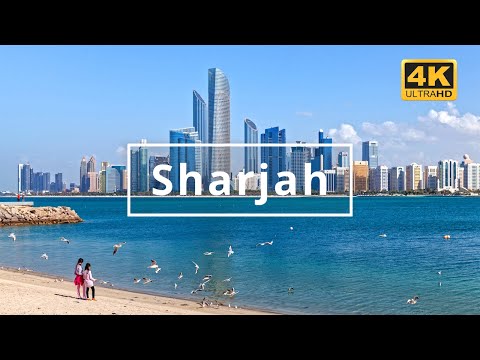
Top Venues in Sharjah
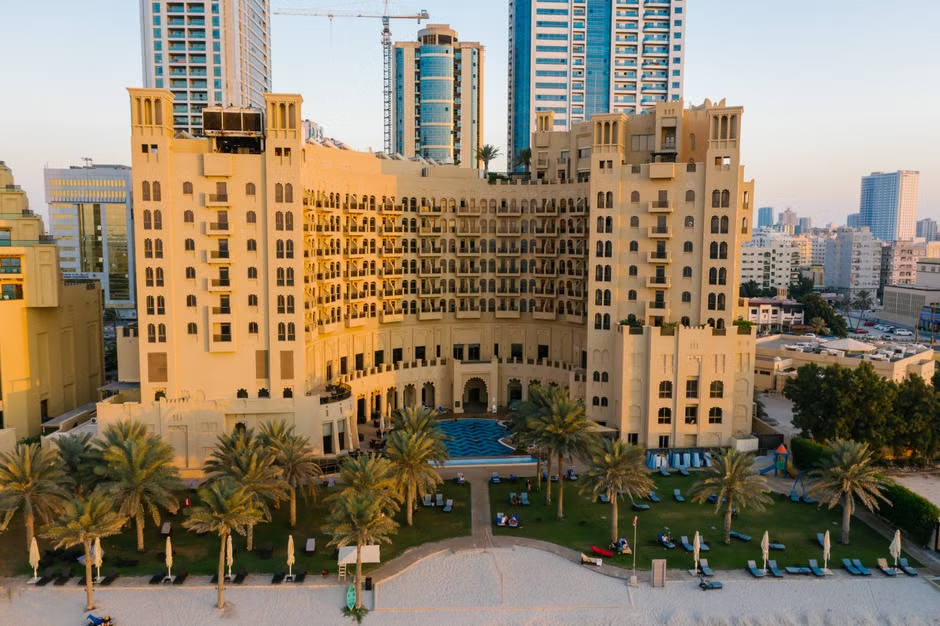
Sheraton Sharjah Beach Resort & Spa
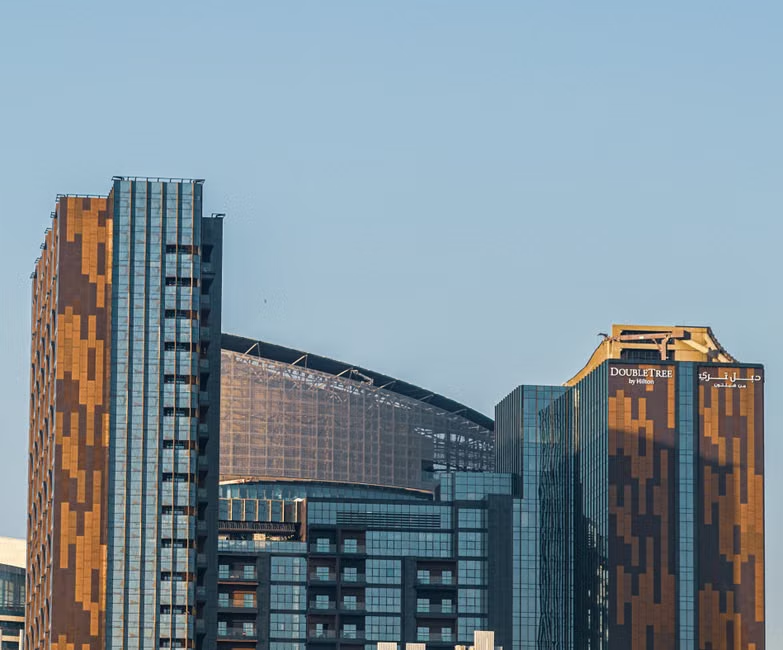
DoubleTree by Hilton Sharjah Waterfront Hotel & Residences
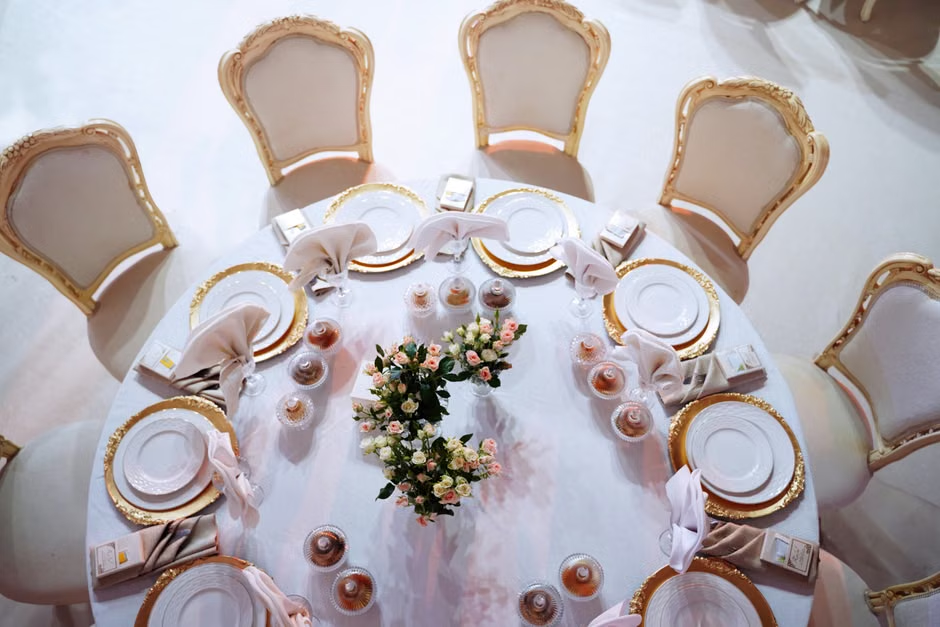
Centro Sharjah by Rotana
Compare Sharjah with Other Top Destinations
Frequently Asked Questions
Is Sharjah a good destination for a traditional or Islamic wedding?
Yes, particularly so. Sharjah's alcohol-free, culturally conservative environment aligns naturally with traditional Islamic and South Asian wedding values. The emirate's heritage character, family-friendly atmosphere, and experienced hotel event teams make it one of the more genuinely fitting Gulf destinations for ceremonies where cultural authenticity and a dignified setting are priorities.
What is the best time of year to hold a wedding or event in Sharjah?
November through March is the optimal window. Temperatures during these months are mild and comfortable — typically 18°C to 28°C — making both indoor and outdoor event elements practical. The summer months (June–September) should be avoided for any outdoor component due to extreme heat exceeding 40°C, and April–May carry rising temperatures that limit outdoor options.
How easy is it for international guests to reach Sharjah?
Very straightforward for most international guests. Sharjah International Airport (SHJ) connects directly to dozens of cities across South Asia, the Middle East, East Africa, and Europe. Guests flying into Dubai International Airport (DXB) can also reach Sharjah venues in approximately 20–40 minutes by road, effectively providing two major international gateways.
What kinds of event venues are available in Sharjah?
Sharjah offers beach resort ballrooms with outdoor lawns, city hotel banquet halls, heritage spaces in the Heart of Sharjah district, waterfront public event areas along Khalid Lagoon, and the large-scale Sharjah Expo Centre for very large gatherings. The range covers intimate cultural settings through to mid-to-large formal banquet configurations.
Can Sharjah accommodate a large guest list for a wedding?
Yes, for mid-to-large events. Several established beach resorts and city hotels have ballrooms and combined indoor-outdoor spaces capable of hosting several hundred guests comfortably. For very large events requiring multiple simultaneous grand spaces, planners should assess the specific venue inventory carefully, as Sharjah's scale ceiling is somewhat more limited than Dubai's.
Is alcohol available at events in Sharjah?
No. Sharjah is an alcohol-free emirate — the sale and public consumption of alcohol is prohibited throughout the emirate. This is a firm regulatory constraint, not a venue-by-venue policy. Events where alcohol service is a core requirement should be planned in a different emirate.
What is the local transport situation for guests once they arrive in Sharjah?
Taxis, Careem, and Uber operate throughout Sharjah. For large guest groups, dedicated coach or minibus transfers between the airport, hotels, and event venues are the standard approach and are well-supported by local transport companies. Planners should build buffer time into schedules for the Sharjah–Dubai road corridor, which can experience significant peak-hour congestion.
How developed is Sharjah's wedding and event vendor ecosystem?
Mature and well-suited to multicultural events. South Asian and Arabic catering at large-scale wedding volumes is particularly well-established, reflecting the emirate's large expatriate community. Event decoration, lighting, and audio-visual production vendors are available locally, and Dubai-based specialists can be engaged for more niche requirements without significant logistical difficulty.
Are there cultural or regulatory considerations event planners should be aware of in Sharjah?
Yes. Beyond the alcohol prohibition, Sharjah enforces conservative public dress codes and has specific regulations around mixed-gender public events and certain entertainment formats. All event formats — including music, performance, and guest interaction — should be reviewed against local guidelines early in the planning process, ideally with a locally experienced event coordinator.
Is Sharjah suitable for festival-format or large cultural celebration events?
Yes. The emirate actively hosts major public festivals including the Sharjah International Book Fair and Sharjah Light Festival, and its public infrastructure — waterfront promenades, heritage squares, and the Expo Centre — is genuinely equipped for large-scale festival-format events. The cultural and institutional character of the city adds credibility to arts, heritage, and community celebration formats.
How safe is Sharjah as a destination for guests travelling from abroad?
Very safe. Sharjah consistently ranks among the safest cities in the world by crime rate. Public infrastructure is well-maintained, emergency services are responsive, and the regulatory environment is stable and predictable. Guests travelling alone, including women, generally report a high sense of security throughout the emirate.

Ready to explore venues in Sharjah?
Sharjah: Destination Wedding & Cultural Event Venues in the UAE
◆Sharjah is the UAE's designated Cultural Capital of the Arab World and a strong choice for weddings, festivals, social galas, and corporate celebrations that benefit from a heritage-rich, dignified Arabian setting. Its primary vibe is Cultural & Timeless — anchored by Islamic arts institutions, historic Heart of Sharjah district, and a scenic lagoon waterfront. The ideal season runs from November through March, when temperatures are genuinely comfortable for both indoor and outdoor events. Sharjah International Airport (SHJ) provides direct international connectivity, and the emirate's road links to Dubai mean the wider UAE hospitality ecosystem is readily accessible. The destination suits mid-to-large guest groups and carries a generally upscale character.
Sharjah at a Glance
| Attribute | Detail |
|---|---|
| Best For | Weddings, Festivals & Cultural Galas, Social Celebrations, Corporate Events |
| Primary Vibe | Cultural & Timeless |
| Other Vibes | Waterfront, Heritage, Arabian Elegance |
| Best Season | Cool / Mild Season (Jan, Feb, Mar, Nov, Dec) |
Why Choose Sharjah?
- Authentic Arabian cultural identity: Sharjah holds UNESCO recognition for its cultural heritage and is home to over a dozen museums, the Heart of Sharjah heritage district, and the Sharjah Art Foundation — giving events a genuinely distinctive, non-generic backdrop that few Gulf cities can match.
- Waterfront event settings: Al Majaz Waterfront along Khalid Lagoon offers scenic outdoor spaces with city skyline views, particularly atmospheric during the cool season months when evening temperatures are mild and pleasant.
- Family-friendly and culturally conservative environment: Sharjah's strict adherence to Islamic values makes it particularly well-suited to traditional, family-oriented celebrations where a dignified, alcohol-free atmosphere is preferred or required.
- Strong international air connectivity: Sharjah International Airport (SHJ) is a major hub for Air Arabia and connects directly to cities across South Asia, the Middle East, Africa, and Europe — making it straightforward for international guests to arrive without routing through Dubai.
- Proximity to Dubai's extended ecosystem: Approximately 20–30 minutes by road from central Dubai, Sharjah-based events can draw on Dubai's vast vendor, entertainment, and accommodation network when local capacity needs supplementing.
- Established hotel banquet infrastructure: A growing tier of 4-star and 5-star beach resorts and city hotels provides well-equipped ballrooms, outdoor lawns, and dedicated event coordination teams experienced in handling multi-day celebrations.
Which Celebrations Work Best in Sharjah?
Weddings (Traditional & Islamic): Sharjah's cultural character makes it especially fitting for traditional Islamic weddings and South Asian ceremonies where family values, modesty, and a heritage-rich setting are priorities. The emirate's alcohol-free policy aligns naturally with many communities' celebration preferences, and hotel venues are well-practised in managing large family gatherings across multiple days.
Festivals & Cultural Galas: The emirate actively hosts large-scale cultural festivals — including the Sharjah International Book Fair and Sharjah Light Festival — and its public event infrastructure (open plazas, waterfront promenades, heritage squares) is genuinely suited to festival-format celebrations with a cultural or artistic theme.
Social Celebrations (Milestone Events, Reunions, Anniversaries): The combination of scenic waterfront settings, quality hotel banquet facilities, and a safe, family-friendly environment makes Sharjah a comfortable choice for milestone birthday celebrations, family reunions, and anniversary galas, particularly for guest groups travelling from South Asia or the wider Arab world.
Corporate & Institutional Events: Sharjah's convention and meeting infrastructure, combined with its positioning as a cultural and educational hub (home to the University of Sharjah and several international institutions), makes it a credible venue for corporate conferences, award ceremonies, and institutional galas that benefit from a culturally prestigious setting.
Venues & Event Spaces
Sharjah's event venue landscape spans several distinct categories, each suited to different celebration styles and guest sizes.
- Beach resort ballrooms and outdoor lawns: Several beachfront properties along the Sharjah coastline offer large indoor ballrooms alongside manicured outdoor lawn spaces — particularly effective for evening receptions during the cool season, with sea breezes and open skies as a natural backdrop.
- City hotel banquet halls: Mid-to-large city hotels in the Al Majaz and Corniche areas provide purpose-built banquet halls with flexible configurations, capable of accommodating seated dinners, stage setups, and multi-function event flows across several hundred guests.
- Heritage and cultural spaces: The Heart of Sharjah district and associated cultural institutions offer atmospheric settings for smaller, more intimate gatherings — particularly suited to events where the architectural and historical character of the space is itself part of the experience.
- Waterfront public and semi-public spaces: Al Majaz Waterfront and the Khalid Lagoon promenade area are used for large-scale outdoor events and festivals, with the emirate's event management authorities experienced in permitting and managing public celebrations in these zones.
- Dedicated event centres: Sharjah Expo Centre is a large-scale convention and exhibition facility capable of hosting very large events, trade shows, and multi-day festivals — a meaningful option for organisers needing significant floor area and technical infrastructure.
Best Time to Celebrate
The cool and mild season — January, February, March, November, and December — is the clear optimal window for events in Sharjah. During these months, daytime temperatures typically range from approximately 18°C to 28°C, and evenings are genuinely comfortable, making outdoor receptions, garden ceremonies, and waterfront gatherings practical and enjoyable rather than merely tolerable.
This season also coincides with Sharjah's own cultural calendar peak — the Sharjah Light Festival typically falls in February, and the broader UAE events season runs through these months — meaning vendor availability, floral supply chains, entertainment acts, and hospitality staffing are all at their most robust and experienced.
April and May represent a transitional period where temperatures begin climbing past 35°C and humidity starts building — outdoor elements become increasingly uncomfortable, and the risk of a genuinely hot event day rises sharply. These months are workable for fully indoor events but require careful contingency planning for any outdoor component.
June through September should be avoided for any event with outdoor elements. Temperatures regularly exceed 40°C, humidity is high, and the combination creates conditions that are genuinely unsafe for prolonged outdoor exposure, particularly for elderly guests or children. Even indoor-only events during this period face logistical challenges as many residents and vendors travel abroad during the summer months, reducing local capacity and responsiveness.
October is a transitional month — temperatures begin easing from summer peaks but remain warm enough (typically 30–36°C) that outdoor events are still uncomfortable. It is generally considered a shoulder month rather than a reliable event window, and planners should treat it with caution rather than assuming it carries the same character as November.
Getting There & Local Connectivity
By air: Sharjah International Airport (SHJ) is the emirate's own international gateway and one of the busiest airports in the region by passenger volume, primarily through Air Arabia's extensive low-cost network. It connects directly to dozens of cities across South Asia (India, Pakistan, Bangladesh, Sri Lanka), the Middle East, East Africa, and Europe — making it genuinely convenient for international guest groups, particularly those travelling from the Indian subcontinent. The airport sits approximately 8–10 km from the city centre, making transfers quick and straightforward.
By road from Dubai: Dubai International Airport (DXB), one of the world's busiest airports, is accessible from Sharjah in approximately 20–40 minutes by road depending on traffic — and the Emirates Road and Sheikh Mohammed Bin Zayed Road provide multiple routing options. Guests flying into Dubai can reach Sharjah venues without difficulty, effectively doubling the air access options available to event organisers.
Local transport: Sharjah does not have its own metro system, but the emirate is well-served by taxis, ride-hailing apps (Careem, Uber), and private car hire. For large guest groups, dedicated coach or minibus transfers between the airport, hotels, and event venues are the standard and most practical approach — local transport companies are experienced in managing group movements for weddings and corporate events. Traffic on the Sharjah–Dubai border corridor can be heavy during peak hours, so scheduling guest transfers with buffer time is advisable.
Local Vendor & Hospitality Ecosystem
Sharjah's vendor ecosystem is mature and well-suited to mid-to-large scale events, particularly those with a South Asian, Arab, or multicultural character. The emirate has a large and long-established South Asian expatriate community, which means caterers specialising in Indian, Pakistani, and Bangladeshi cuisine — including large-scale wedding catering — are plentiful and experienced. Arabic and Levantine catering is equally well-represented.
Event decoration, floral design, lighting, and audio-visual production vendors are available locally, with many having worked extensively on large hotel ballroom events and outdoor festival setups. The proximity to Dubai means that for highly specialised requirements — bespoke couture, international entertainment acts, or niche technical production — Dubai-based vendors can be engaged without significant logistical difficulty.
Hotel event teams at Sharjah's established properties are generally experienced in managing multi-day celebrations, coordinating between in-house catering and external vendors, and navigating the emirate's specific regulatory requirements (including the alcohol-free environment, which shapes how beverage service and entertainment are structured). Planners new to the UAE market should engage a locally experienced event coordinator early in the process to navigate permitting, vendor licensing, and venue-specific protocols efficiently.
Pros & Things to Consider
Why Sharjah Works Well
- Genuine cultural and heritage identity — not a generic Gulf city backdrop
- Alcohol-free environment is a positive feature for many traditional and religious celebrations
- Excellent international air access via SHJ, particularly for South Asian guest groups
- Scenic waterfront settings along Khalid Lagoon and the Corniche during the cool season
- Strong South Asian and Arab catering ecosystem — large-scale wedding catering is well-established
- Very safe destination with low crime and well-maintained public infrastructure
- Proximity to Dubai expands vendor, entertainment, and accommodation options significantly
Things to Consider
- Alcohol-free emirate: Sharjah prohibits the sale and public consumption of alcohol — this is a genuine constraint for celebrations where alcohol service is expected or culturally important to the guest group. Events requiring a licensed bar must be reconsidered or relocated.
- Strict cultural codes: Public dress codes, entertainment restrictions (certain music formats, mixed-gender public events), and behavioural norms are more conservative than in Dubai or Abu Dhabi. Event planners must ensure all entertainment and event formats comply with local regulations.
- Summer months are genuinely unusable for outdoor events: The June–September heat is not merely uncomfortable — it is a real operational constraint that eliminates outdoor event options entirely and reduces vendor availability.
- Traffic congestion on the Dubai–Sharjah corridor: The road connecting Sharjah to Dubai is one of the most congested in the UAE during peak hours. Guest transfers and vendor logistics must account for significant potential delays, particularly for morning or early evening event timings.
- Venue scale ceiling: While Sharjah has solid mid-to-large event infrastructure, very large-scale celebrations requiring multiple simultaneous grand ballrooms or extensive outdoor estate grounds may find the local inventory more limited than in Dubai or Abu Dhabi.
When Sharjah May Not Be the Right Fit
- Events where alcohol service is essential: If the celebration format requires a licensed bar or open alcohol service, Sharjah's emirate-wide prohibition makes it the wrong venue — a neighbouring emirate would be more appropriate.
- Outdoor events planned for April through October: The heat and humidity during these months make outdoor ceremonies, garden receptions, or open-air dinners genuinely impractical and potentially unsafe. If the event concept is fundamentally outdoor-focused and the date falls in this window, a different destination or season should be considered.
- Very large-scale events requiring extensive multi-venue estate infrastructure: Celebrations requiring a sprawling private estate, multiple grand outdoor lawns, or a very high total guest count across simultaneous spaces may find Sharjah's current venue inventory insufficient — the emirate's event infrastructure, while solid, does not yet match the sheer scale available in Dubai.
- Guest groups with limited international flight options to SHJ: While SHJ has strong South Asian and Middle Eastern connectivity, guests travelling from North America, East Asia, or parts of Europe may find routing through Dubai (DXB) more practical — if the majority of the guest list faces a difficult connection to SHJ specifically, the airport proximity advantage diminishes.