
Why Al Ain is Perfect for Your Celebration
- UNESCO World Heritage status lends authentic cultural prestige to any celebration
- Lush oasis gardens and historic fort backdrops offer unique, photogenic settings unavailable in coastal UAE cities
- Cooler winter temperatures (Jan–Mar, Nov–Dec) make outdoor ceremonies genuinely comfortable
- International-standard hotel properties with dedicated banquet and event facilities
- Relaxed, family-friendly city atmosphere well-suited to multi-day celebration itineraries
- Proximity to Dubai and Abu Dhabi allows guests to combine a city stay with an Al Ain event

Compare Al Ain with Other Top Destinations
Frequently Asked Questions
Is Al Ain a good destination for a wedding celebration?
Yes, particularly for couples seeking a culturally distinctive and serene setting. Al Ain's UNESCO World Heritage status, oasis gardens, and historic fort landscapes provide a backdrop unlike any other UAE city. It suits intimate to mid-sized weddings well, especially those planned during the cool winter months when outdoor ceremonies are genuinely comfortable.
What is the best time of year to hold an event in Al Ain?
January, February, March, November, and December are the recommended months. During this cool season, temperatures are mild enough for outdoor ceremonies and garden receptions. The summer months (June–September) bring extreme heat that makes outdoor events impractical, and April–May sees rapidly rising temperatures that are also best avoided for outdoor programming.
How do guests typically travel to Al Ain?
Most international guests arrive via Dubai International Airport or Abu Dhabi International Airport and travel to Al Ain by road — a journey of approximately 90 minutes to two hours. Al Ain also has its own international airport with limited direct routes, primarily serving regional destinations. There is no railway connection, so all guest travel is road-based.
What size of guest group can Al Ain venues realistically accommodate?
Al Ain's hotel properties are generally well-suited to events in the 100–500 guest range. Several internationally branded hotels have dedicated ballrooms and outdoor lawns capable of hosting mid-sized celebrations comfortably. Very large events exceeding 500 guests may find the local venue inventory more constrained and may need to plan across multiple spaces.
What kinds of event spaces are available in Al Ain?
Al Ain offers a mix of indoor hotel ballrooms, outdoor garden lawns, poolside terraces, and mountain-view resort settings near Jebel Hafeet. The city also has standalone banquet halls for more locally-oriented events. The oasis gardens and fort surroundings, while not private event venues, provide exceptional backdrops for photography and cultural programming.
Can guests easily get around Al Ain once they arrive?
Al Ain is a spread-out city, so coordinated coach or minibus transfers are the practical norm for event groups moving between hotels, venues, and cultural sites. Ride-hailing services are available for individual guests. The road infrastructure within the city is of a high standard, but independent navigation without a vehicle is limited.
What makes Al Ain culturally distinctive as an event destination?
Al Ain is the UAE's only UNESCO World Heritage-listed city, recognised for its ancient falaj irrigation systems, historic forts, and lush oasis gardens. This gives events here an authentic cultural dimension — traditional Emirati entertainment such as Al Ayyala music, falconry displays, and camel experiences are more readily and authentically available here than in the coastal cities.
Is Al Ain suitable for corporate retreats and team events?
Yes. The combination of international hotel meeting facilities, a calm and distraction-free city environment, and unique cultural excursion options — including fort tours, camel farms, and Jebel Hafeet drives — makes Al Ain a practical and memorable corporate retreat destination, particularly for groups wanting a culturally immersive experience alongside their programme.
What is the local vendor and catering ecosystem like for events in Al Ain?
Al Ain's hotel properties have experienced in-house event teams, and Abu Dhabi-based vendors — including catering companies, floral designers, and audio-visual specialists — regularly service Al Ain events. Emirati cultural entertainment is particularly well-sourced locally. For highly specialist or large-scale production needs, supplementing with Abu Dhabi or Dubai vendors is standard practice.
Is Al Ain safe for international guests attending a celebration?
Yes. Al Ain consistently ranks among the safest cities in the UAE and the wider Gulf region. Public infrastructure is well-maintained, and the city has a strong community-oriented character. International guests, including families with children and elderly attendees, generally find Al Ain a very comfortable and secure destination.
Are outdoor events and garden ceremonies feasible in Al Ain?
Yes, but only during the cool season (November through March). During these months, evening temperatures are genuinely pleasant and outdoor ceremonies are comfortable without heavy cooling infrastructure. Outside this window — particularly June through September — extreme heat makes outdoor events largely impractical, and even April and May require careful planning for any outdoor elements.

Ready to explore venues in Al Ain?
Al Ain: Destination Wedding & Cultural Event Venues in the UAE
◆Al Ain is the UAE's only UNESCO World Heritage-listed city and Abu Dhabi Emirate's primary inland destination, best suited to cultural celebrations, festivals, social gatherings, and intimate weddings that benefit from a heritage-rich, tranquil setting. Its primary vibe is Cultural & Timeless, shaped by ancient falaj irrigation systems, historic forts, and lush oasis gardens. The destination is most practical during the cool winter months (January–March and November–December), when outdoor events are genuinely comfortable. Guests typically arrive via Dubai or Abu Dhabi by road, or through Al Ain's own international airport, which has limited but growing connectivity. The city's hospitality infrastructure includes several internationally branded properties capable of hosting events of varying scales.
Al Ain at a Glance
| Category | Detail |
|---|---|
| Best For | Cultural Celebrations, Festivals & Social Events, Intimate Weddings, Corporate Retreats |
| Primary Vibe | Cultural & Timeless |
| Other Vibes | Serene, Heritage-Rich, Desert Oasis |
| Best Season | Cool / Mild Season (Jan, Feb, Mar, Nov, Dec) |
Why Choose Al Ain?
- UNESCO World Heritage status: Al Ain's oases, falaj systems, and historic forts — including Al Jahili Fort and Al Ain Oasis — provide a genuinely rare, culturally prestigious backdrop that no other UAE city can replicate.
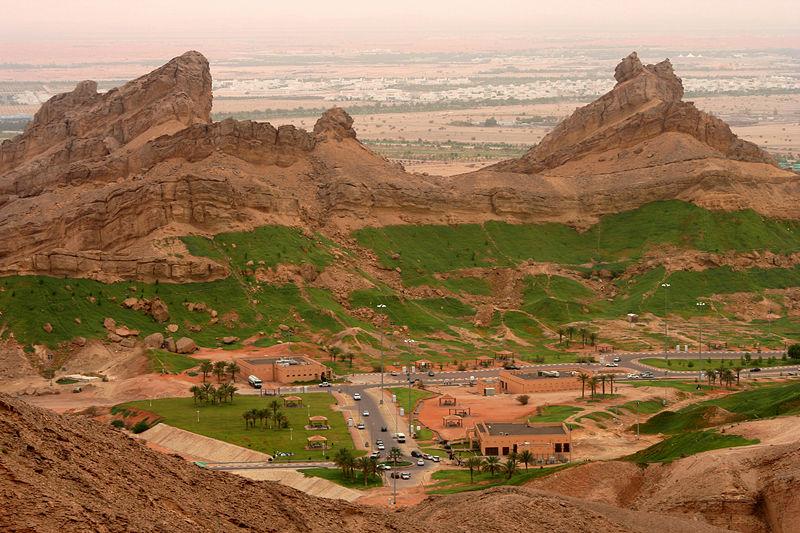
- Distinctive natural scenery: The dramatic Jebel Hafeet mountain, rising over 1,200 metres at the city's edge, and the surrounding desert landscape offer photogenic outdoor settings that are unusual within the Gulf region.
- Cooler inland climate in winter: Al Ain's inland position means winter temperatures are noticeably cooler than coastal UAE cities, making outdoor ceremonies and evening receptions genuinely pleasant from November through March.
- International-standard hotel infrastructure: The city hosts several internationally branded properties with dedicated ballrooms, outdoor lawns, and event coordination teams experienced in managing multi-day celebrations.
- Relaxed, family-friendly atmosphere: Unlike the high-energy coastal resort cities, Al Ain's pace is calmer and more community-oriented, which suits multi-generational family gatherings and celebrations where guests want to explore cultural sites between events.
- Strategic road connectivity: Al Ain sits roughly equidistant between Dubai and Abu Dhabi, both reachable in under two hours by road, making it accessible for guests flying into either major hub.
Which Celebrations Work Best in Al Ain?
- Cultural & Heritage Celebrations: Al Ain's UNESCO-listed sites and Emirati cultural identity make it particularly well-suited to events that want to incorporate authentic local heritage — traditional music, falconry displays, and Emirati hospitality customs can all be woven into a celebration here in ways that feel genuinely rooted rather than staged.
- Festivals & Social Gatherings: The city's open spaces, oasis gardens, and hotel grounds are well-configured for large social events, community festivals, and multi-day gatherings. The Al Ain Zoo and public parks also provide unusual outdoor event settings for daytime programming.
- Intimate Weddings: Couples seeking a quieter, more culturally meaningful alternative to the large-scale resort weddings of Dubai or Abu Dhabi will find Al Ain's smaller hotel ballrooms and garden settings well-suited to guest lists in the 100–300 range.
- Corporate Retreats & Team Events: The combination of international hotel meeting facilities, unique cultural excursion options (fort tours, camel farms, falconry), and a distraction-free city environment makes Al Ain a practical and memorable corporate retreat destination.
Venues & Event Spaces
Al Ain's event venue landscape is anchored by its internationally branded hotel properties, which typically offer a combination of indoor ballrooms, outdoor garden lawns, and poolside terraces suitable for evening receptions. Several properties in the Jebel Hafeet foothills area offer elevated settings with mountain views, adding a scenic dimension uncommon in Gulf event venues. The city also has standalone banquet halls and community event spaces that cater to more locally-oriented celebrations.
For outdoor ceremonies, the cooler winter season unlocks the use of hotel gardens and open-air terraces that would be impractical in summer. The oasis gardens and fort surroundings, while not private event venues in the conventional sense, provide exceptional backdrops for photography and pre-event cultural programming. Event planners working in Al Ain generally have access to a growing ecosystem of local and Abu Dhabi-based vendors who can service events across the city's hotel properties.
Best Time to Celebrate
The Cool / Mild Season (January, February, March, November, and December) is the clear window for events in Al Ain. During these months, daytime temperatures typically range from the mid-teens to the mid-twenties Celsius, and evenings are genuinely comfortable — conditions that make outdoor ceremonies, garden receptions, and open-air dinners practical without requiring extensive cooling infrastructure.
January and February represent the peak of the cool season, with the most reliably mild temperatures and low humidity. March remains pleasant but begins to warm toward its end. November and December are excellent shoulder months — temperatures are dropping from the autumn heat, and the city has a festive atmosphere around UAE National Day (December 2nd), which can add a celebratory backdrop to events planned around that period.
The months to avoid are clear: April and May see temperatures climbing rapidly past 35°C, making outdoor events uncomfortable and logistically demanding. June through September brings extreme heat regularly exceeding 40°C, with outdoor events essentially impractical without significant air-conditioning infrastructure. October is a transitional month — temperatures are falling but remain warm enough that outdoor evening events require careful timing and cooling provisions. It is not a recommended primary window, though indoor events remain feasible throughout the year.
Getting There & Local Connectivity
Al Ain is served by Al Ain International Airport (AAN), located approximately 8 km from the city center. The airport handles a limited number of international routes, primarily to destinations within the Middle East and South Asia, which means most international guests will arrive via Dubai International Airport or Abu Dhabi International Airport and travel onward by road. Both journeys take approximately 90 minutes to two hours under normal traffic conditions, and the road infrastructure between all three cities is of a high standard.
There is no railway connection to Al Ain. The UAE's rail network (Etihad Rail) is still under development and does not currently serve Al Ain for passenger travel. This means all guest movement into and around the city is road-based. For event groups, this is generally manageable — coach transfers from Dubai or Abu Dhabi airports are a standard and well-established arrangement for events in Al Ain.
Within the city, Al Ain is relatively spread out, and guests will need private transfers or rental vehicles to move between hotels, event venues, and cultural sites. The city does have a public bus network, but for event groups, coordinated coach or minibus transfers are the practical norm. Ride-hailing services operate in Al Ain and provide a convenient option for individual guests.
Local Vendor & Hospitality Ecosystem
Al Ain's hospitality ecosystem is more developed than its relatively modest international profile might suggest. The city's internationally branded hotels employ experienced event coordination teams, and the Abu Dhabi Emirate's broader events industry — including catering companies, floral designers, entertainment providers, and audio-visual specialists — regularly services Al Ain events. Vendors based in Abu Dhabi city (approximately 160 km away) routinely travel to Al Ain for events, and the city has its own growing base of local suppliers.
Emirati cultural entertainment — including traditional music (Al Ayyala), falconry displays, and camel experiences — is more authentically and readily available in Al Ain than in the more internationally-oriented coastal cities, which is a genuine advantage for events that want to incorporate local cultural elements. Catering options range from international hotel banquet menus to specialist Emirati and Arabic cuisine providers.
The city's relatively smaller scale compared to Dubai or Abu Dhabi means that the vendor ecosystem, while competent, has less depth in highly specialist areas (bespoke luxury décor, very large-scale production, niche international cuisine). For events requiring highly specialist vendors, supplementing with Abu Dhabi or Dubai-based suppliers is standard practice and logistically straightforward.
Pros & Things to Consider
Why Al Ain Works Well
- Genuinely unique UNESCO World Heritage cultural setting unavailable elsewhere in the UAE
- Cooler winter climate makes outdoor events comfortable and visually beautiful
- International hotel properties with professional event infrastructure
- Authentic Emirati cultural experiences readily available for event programming
- Calmer, less commercialised atmosphere suits family-oriented and culturally-focused celebrations
- Strong road connectivity to Dubai and Abu Dhabi for guest transfers
- Very high safety standards and well-maintained public infrastructure
Things to Consider
- Al Ain International Airport has limited direct international routes — most guests will need to connect through Dubai or Abu Dhabi, adding travel time
- No railway connection means all guest logistics are road-dependent
- The city is more spread out than compact urban destinations, requiring coordinated transport for groups moving between venues and hotels
- The local vendor ecosystem, while capable, has less depth in highly specialist or luxury-production areas compared to Dubai or Abu Dhabi
- Summer months (June–September) make outdoor events essentially impractical, significantly narrowing the usable event calendar
- Al Ain's quieter nightlife and entertainment scene may not suit guest groups expecting a high-energy social programme beyond the event itself
When Al Ain May Not Be the Right Fit
- Very large-scale events (500+ guests): While Al Ain's hotels are capable, the city's venue inventory is more naturally suited to mid-sized events. Very large celebrations requiring multiple simultaneous large ballrooms or outdoor spaces may find the options more limited than in Abu Dhabi or Dubai.
- Events planned for summer months: If the event date falls between June and September, Al Ain's extreme heat makes outdoor elements impractical, and the destination's primary scenic and cultural advantages are largely inaccessible. An indoor-only summer event here loses much of what makes Al Ain distinctive.
- Guests with limited road travel tolerance: For international guests arriving at Dubai or Abu Dhabi airports who are elderly, travelling with very young children, or have mobility considerations, the additional 90–120 minute road transfer to Al Ain adds a layer of logistical complexity that a closer destination would avoid.
- Celebrations requiring a high-energy urban entertainment backdrop: Al Ain's character is calm, cultural, and family-oriented. Guest groups expecting a vibrant nightlife scene, extensive shopping, or a high-energy resort atmosphere as part of their overall experience will find the city's offering more limited in those respects.