
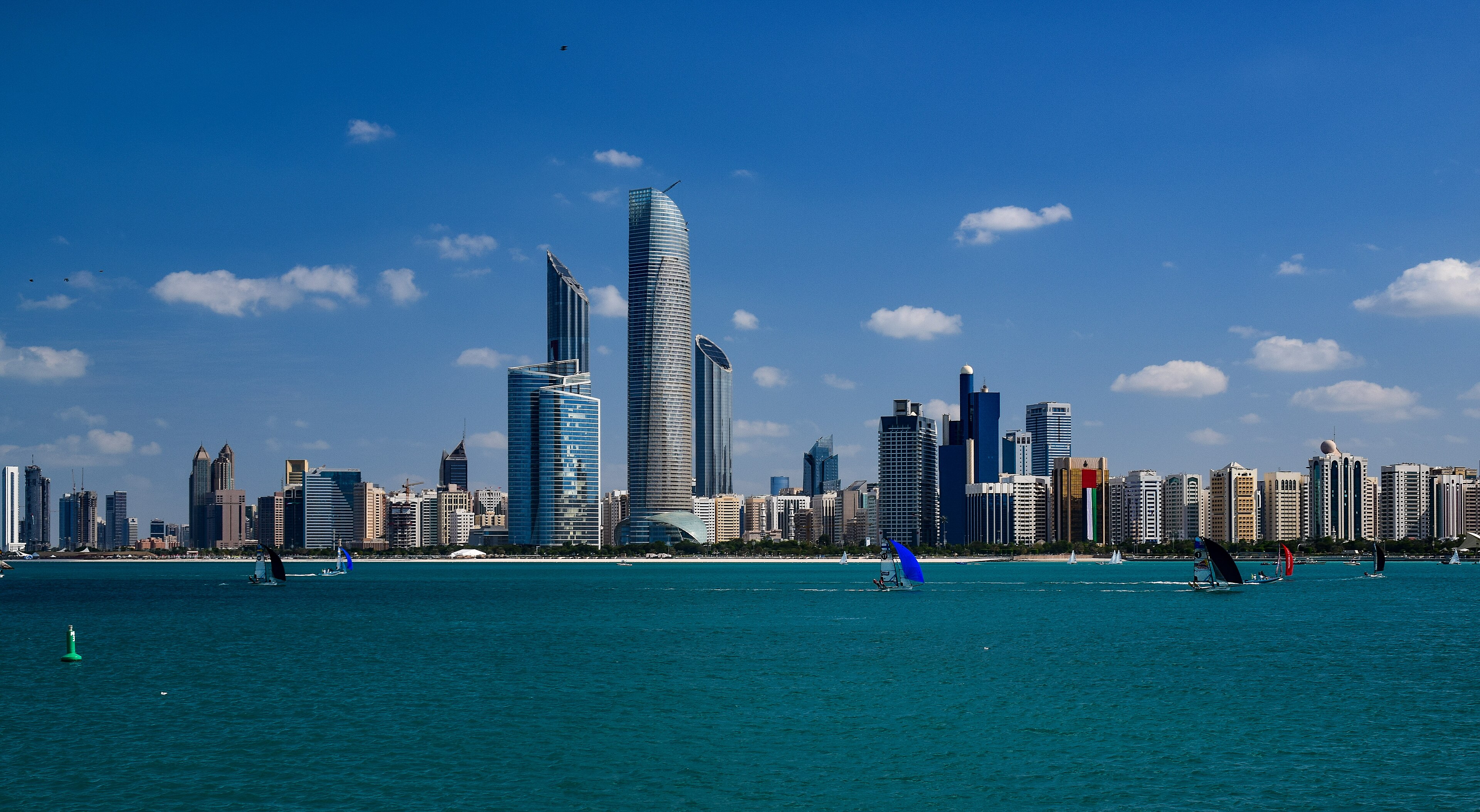
Why Abu Dhabi is Perfect for Your Celebration
- Home to some of the world's most iconic luxury resorts and grand ballrooms on the Arabian Gulf waterfront
- Abu Dhabi International Airport (AUH) offers direct connectivity from Europe, Asia, Africa, and the Americas — ideal for international guest lists
- Year-round indoor event infrastructure means celebrations are never weather-dependent when planned in the right season
- A mature, internationally experienced hospitality and events vendor ecosystem capable of handling large-scale, multi-day celebrations
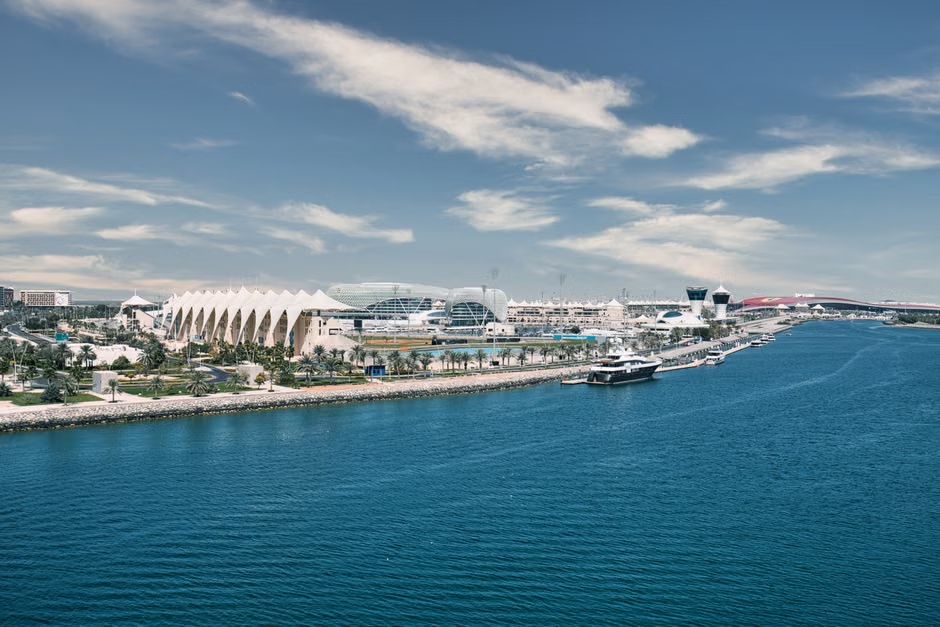
- Unique cultural backdrops — including the Sheikh Zayed Grand Mosque area and Yas Island — add a distinctive, memorable character to events
- Cool, dry winters (Nov–Mar) make outdoor beachfront and garden ceremonies genuinely comfortable and visually spectacular
Top Venues in Abu Dhabi
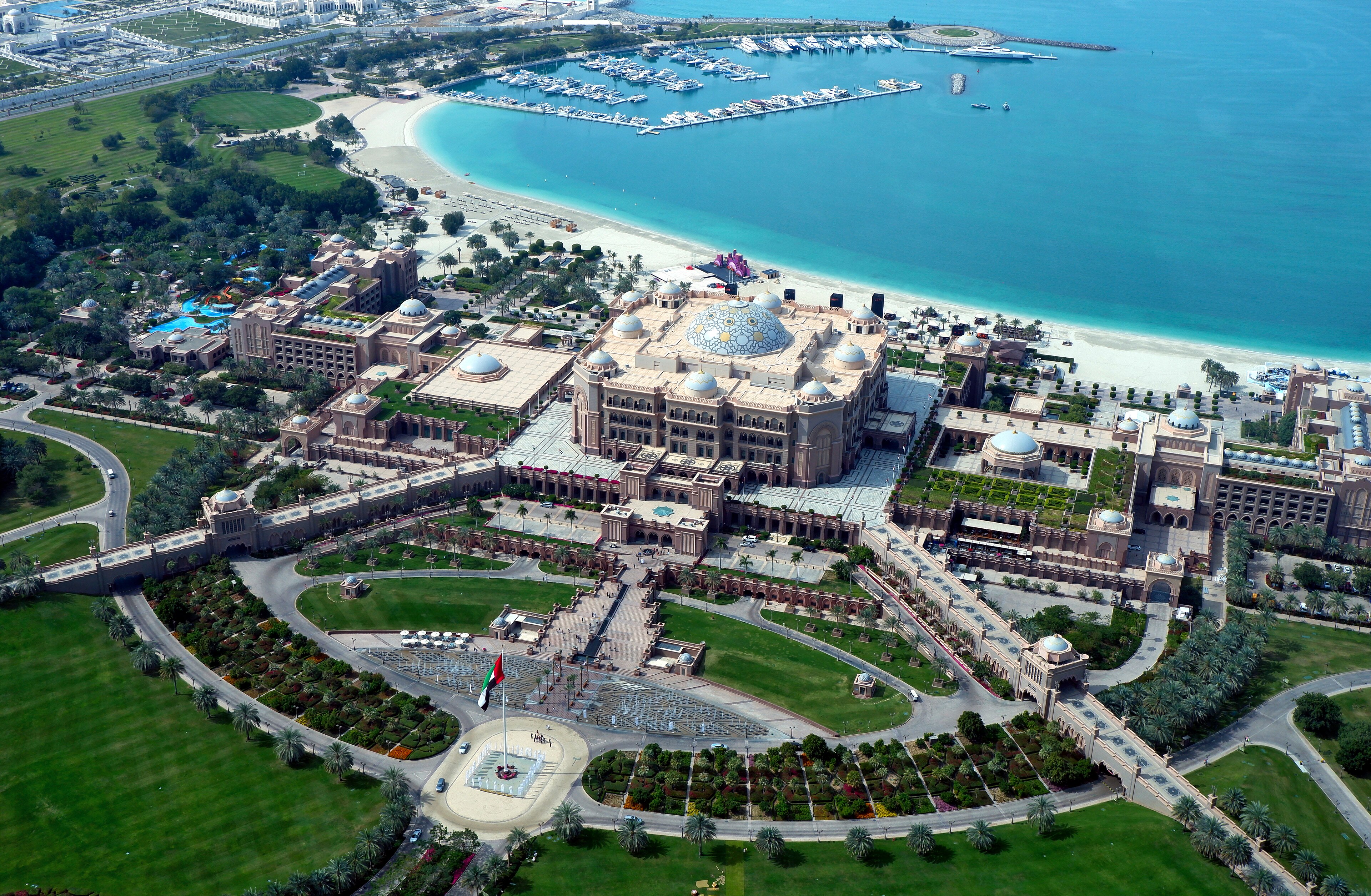
Emirates Palace Mandarin Oriental
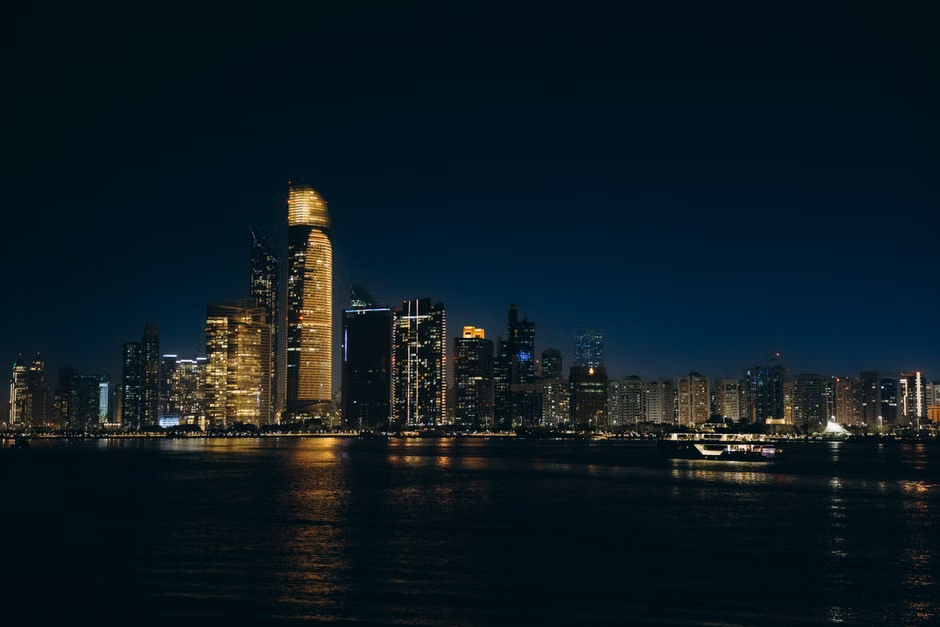
Four Seasons Hotel Abu Dhabi at Al Maryah Island
Jumeirah at Saadiyat Island Resort
Compare Abu Dhabi with Other Top Destinations
Frequently Asked Questions
Is Abu Dhabi a good destination for a large wedding with international guests?
Yes. Abu Dhabi is particularly well-suited to large destination weddings with international guest lists. Abu Dhabi International Airport (AUH) offers direct flights from most major global cities, and the city's luxury resort properties can accommodate both the event and guest accommodation under one roof — significantly simplifying logistics for families travelling from multiple countries.
What is the best time of year to hold a wedding or event in Abu Dhabi?
The best window is November through March — the Cool / Mild Season. Temperatures during these months typically range from around 18°C to 28°C with low humidity and clear skies, making outdoor ceremonies and garden receptions genuinely comfortable. April and May see rapidly rising heat, while June through September is too hot for meaningful outdoor programming.
What kinds of venues are available for events in Abu Dhabi?
Abu Dhabi offers grand ballrooms within luxury resort complexes, private beachfront and garden lawns, rooftop terraces with Arabian Gulf views, and contemporary event spaces on Yas Island. Most major properties offer multiple distinct spaces within a single complex, supporting multi-event formats — ceremonies, receptions, and ancillary functions — without guests needing to travel between venues.
How easy is it for guests to travel to Abu Dhabi for an event?
Very straightforward for most international guests. Abu Dhabi International Airport (AUH) is a major global hub with direct routes from Europe, South Asia, East Africa, and the Far East. Within the city, road infrastructure is modern and reliable, and group transport is easily arranged through the host property or a local event coordinator. There is currently no passenger rail service.
Can Abu Dhabi accommodate a multi-day wedding celebration with pre- and post-wedding events?
Yes. Abu Dhabi's large resort properties are well-configured for multi-day formats. A typical programme might include a welcome dinner, mehendi or sangeet evening, the main ceremony and reception, and a post-wedding brunch — all hosted across different spaces within the same property or across nearby venues on Saadiyat Island or Yas Island, with guests accommodated on-site throughout.
Is Abu Dhabi suitable for corporate galas and award ceremonies?
Yes. The city has a mature corporate events infrastructure — convention-grade ballrooms, professional AV and production teams, and experienced corporate hospitality operators. Abu Dhabi has hosted major international summits and large-scale corporate events for decades, and the local vendor ecosystem is accustomed to delivering events to international standards.
What should guests know about cultural norms when attending an event in Abu Dhabi?
Abu Dhabi is a conservative emirate. Within licensed hotel and resort venues, events generally proceed with considerable flexibility. Outside those premises — in public spaces, shopping areas, or during city tours — modest dress codes apply and public displays of affection should be avoided. Briefing guests in advance is advisable, particularly for those unfamiliar with UAE norms.
How large a guest list can Abu Dhabi venues realistically support?
Abu Dhabi's venue inventory comfortably supports events ranging from around 50 guests up to several thousand. The city's largest resort ballrooms can seat 1,000 or more guests for a formal dinner, and multiple properties can be coordinated for very large guest lists requiring distributed accommodation. The destination's strongest suit is mid-to-large scale luxury formats.
What leisure and entertainment options are available to keep guests engaged during a multi-day event?
Abu Dhabi offers a strong range of guest programming options — desert safari experiences, cultural visits to the Sheikh Zayed Grand Mosque precinct, the Saadiyat Island cultural district, Yas Island theme parks and the Formula 1 circuit, private yacht charters, and high-end dining. This variety makes it easy to build a compelling multi-day itinerary around the main event.
Do Abu Dhabi venues require advance booking for peak season events?
Yes. The November–March peak season is in high demand, particularly for weekends in December and January when the weather is at its most comfortable. Securing a venue 12–18 months in advance is advisable for large events during this window. The city's popularity as a corporate and social events destination means that prime dates at flagship properties fill early.
Is Abu Dhabi a practical choice for guests who need visa assistance?
The UAE has expanded its e-visa and visa-on-arrival programmes significantly, and guests from many nationalities can enter without advance visa arrangements. However, some nationalities still require advance visas, and this should be factored into early planning. Most luxury properties and experienced local event coordinators can provide guidance on the process for international guest groups.

Ready to explore venues in Abu Dhabi?
Abu Dhabi: Destination Wedding & Luxury Event Venues
◆Abu Dhabi is among the world's strongest destinations for luxury weddings, large-scale corporate galas, and high-profile social celebrations. Its primary vibe is unambiguously Luxury & Glamour — anchored by palatial waterfront resorts, grand ballrooms, and a hospitality infrastructure that routinely handles international events at scale. The cool, dry winter season (November through March) is the clear window for outdoor and hybrid events, while the city's world-class indoor venues make year-round planning viable. Abu Dhabi International Airport (AUH) provides direct connectivity from most major global cities, making it genuinely accessible for international guest lists. It is a premium-tier destination by nature.
Abu Dhabi at a Glance
| Attribute | Detail |
|---|---|
| Best For | Luxury Weddings, Corporate Galas, Social Celebrations, Destination Events |
| Primary Vibe | Luxury & Glamour |
| Other Vibes | Cosmopolitan, Waterfront, Grand & Opulent |
| Best Season | Cool / Mild Season (Jan, Feb, Mar, Nov, Dec) |
Why Choose Abu Dhabi?
- Unrivalled luxury venue inventory: Abu Dhabi hosts a dense concentration of internationally branded five-star resorts and palace-scale properties along the Corniche, Saadiyat Island, and Yas Island — offering grand ballrooms, private beach lawns, and rooftop terraces that few cities can match in sheer scale and finish.
- Exceptional international air connectivity: Abu Dhabi International Airport (AUH) is a major global hub served by Etihad Airways and dozens of international carriers, with direct routes from Europe, South Asia, East Africa, and the Far East — making it straightforward for guests travelling from multiple countries to converge on a single event.
- Mature, internationally experienced events ecosystem: The city has hosted state-level summits, Formula 1 after-parties, and large-scale destination weddings for decades. Local event management companies, caterers, florists, and AV specialists are accustomed to international standards and multi-day event formats.
- Distinctive cultural and architectural backdrops: The Sheikh Zayed Grand Mosque precinct, the Corniche waterfront skyline, and the Yas Island entertainment district provide visually iconic settings that give Abu Dhabi events a character that is genuinely difficult to replicate elsewhere.
- Safe, well-regulated environment: Abu Dhabi consistently ranks among the safest cities in the world, with low crime, reliable infrastructure, and a regulatory environment that gives event organisers and guests confidence — particularly relevant for large groups travelling internationally.
- Comfortable winter climate for outdoor events: Between November and March, daytime temperatures typically range from around 18°C to 28°C with low humidity and clear skies — genuinely comfortable conditions for outdoor ceremonies, garden receptions, and beachfront dinners.
Which Celebrations Work Best in Abu Dhabi?
Luxury Destination Weddings: Abu Dhabi is particularly well-suited to large, multi-day destination weddings where the couple wants a grand, internationally recognisable setting. The availability of palatial resort properties that can accommodate both the ceremony, reception, and guest accommodation under one roof simplifies logistics considerably for international families.
Corporate Galas & Award Ceremonies: The city's convention-grade ballrooms, professional AV infrastructure, and experienced corporate hospitality teams make it a natural fit for regional or global corporate events — annual galas, leadership summits, and product launches that require both scale and polish.
Social Milestone Celebrations: Milestone birthdays, anniversaries, and family reunion events benefit from Abu Dhabi's combination of luxury accommodation, diverse dining options, and leisure activities (desert experiences, cultural tours, theme parks on Yas Island) that keep guests engaged across a multi-day stay.
Pre-Wedding & Ancillary Events: The destination's resort infrastructure supports multi-event formats — mehendi evenings, sangeet nights, rehearsal dinners, and post-wedding brunches — across different venue spaces within the same property or across nearby properties, reducing guest travel between events.
Venues & Event Spaces
Abu Dhabi's event venue landscape is dominated by large-format luxury resort properties, most of which offer multiple distinct event spaces within a single complex — typically including a grand ballroom (capable of seating several hundred to over a thousand guests), outdoor beachfront or garden lawns, rooftop terraces with skyline or sea views, and smaller breakout rooms for ancillary functions. Waterfront properties along the Corniche and on Saadiyat Island are particularly sought after for their combination of indoor grandeur and outdoor scenic access.
Yas Island adds a different character — purpose-built entertainment and hospitality infrastructure with a more contemporary, high-energy feel, suited to corporate events and celebrations that want a modern, dynamic backdrop rather than a classical resort setting. The island's proximity to the Formula 1 circuit and major theme parks also gives it strong appeal for groups that want to combine an event with leisure programming.
Beyond the major resort properties, the city also has standalone banquet and convention facilities, cultural venues, and private yacht and dhow charter options for smaller, more intimate gatherings on the water. The general range of venue types means that events from 50 guests to several thousand can be accommodated, though the destination's strongest suit is mid-to-large scale luxury formats.
Best Time to Celebrate
The curated best season for Abu Dhabi events is the Cool / Mild Season: January, February, March, November, and December. During these months, daytime temperatures are typically in the range of 18°C to 28°C, humidity is low, and rainfall is minimal — conditions that make outdoor ceremonies, garden receptions, and beachfront dinners genuinely comfortable rather than merely tolerable. Evening temperatures in December and January can dip to around 14°C–16°C, which is worth factoring into dress codes and outdoor heating arrangements, but this is a manageable consideration rather than a deterrent.
The months of April and May represent a transitional shoulder period where temperatures begin climbing rapidly — daytime highs can reach 35°C+ by May — and humidity starts to build. Outdoor events become progressively less comfortable, and the risk of guests finding the heat unpleasant rises significantly. Indoor events remain viable, but the outdoor component that defines many Abu Dhabi celebrations becomes harder to execute well.
June through September should be avoided for any event with a meaningful outdoor component. Temperatures regularly exceed 40°C, humidity is high, and the combination creates conditions that are genuinely unsafe for prolonged outdoor exposure. Air-conditioned indoor venues remain functional, but the city's signature outdoor settings — beachfront lawns, garden terraces, rooftop spaces — are effectively off the table. The summer months also see reduced international visitor traffic, which can affect the availability and energy of the broader hospitality ecosystem.
October is a genuine shoulder month — temperatures begin to moderate from the summer peak, typically falling into the low-to-mid 30s°C by late October, and humidity eases. It is not as comfortable as the core winter season, but it is meaningfully better than the summer months and can work for events that are primarily indoors with limited outdoor exposure.
Getting There & Local Connectivity
Abu Dhabi International Airport (AUH) is the primary gateway and is served by Etihad Airways as its home carrier, alongside a wide range of international airlines. The airport handles a large volume of long-haul traffic and is well-equipped for group arrivals — multiple terminals, efficient immigration processing, and good ground transport links to the city centre. The airport sits approximately 30 km from the city centre, with the journey typically taking 30–40 minutes by road depending on traffic.
There is currently no passenger railway service in Abu Dhabi — the Etihad Rail national freight and passenger network is under development but not yet operational for passenger travel as of the time of writing. Road travel is the primary mode of inter-city movement, and the road network within Abu Dhabi is modern, well-maintained, and generally easy to navigate. For guests arriving from Dubai (approximately 130–150 km away), the Abu Dhabi–Dubai highway is a well-travelled route with regular taxi, private transfer, and coach options.
Within the city, group transport is typically handled through chartered coaches or private vehicle fleets arranged by the event organiser or the host property. Ride-hailing services are widely available and reliable for individual guests. Saadiyat Island and Yas Island — two of the most popular event locations — are both well-connected to the city centre by road, though guests staying on these islands will generally need organised transport for any off-property excursions.
Local Vendor & Hospitality Ecosystem
Abu Dhabi's vendor ecosystem for large-scale events is genuinely mature. The city has hosted international state events, major sporting occasions, and high-profile destination weddings for many years, and the local supply chain reflects this experience. Event management companies operating in Abu Dhabi are generally accustomed to multi-cultural briefs — including South Asian wedding formats, Western-style ceremonies, and hybrid corporate-social events — and many have in-house or long-standing relationships with specialist caterers, florists, lighting and AV teams, and entertainment providers.
Catering quality and variety is a particular strength. The city's cosmopolitan population and long history of international hospitality mean that specialist cuisine — including elaborate Indian wedding menus, Middle Eastern banquet formats, and international fusion options — is readily available at scale. Halal catering is the default across most venues, which simplifies planning for Muslim families and mixed-faith guest lists.
Floral and décor vendors in Abu Dhabi are experienced with large-format event styling, and the city's proximity to Dubai (a global events hub) means that specialist suppliers from across the region are accessible when local capacity is stretched. Entertainment options — from classical musicians and traditional performers to international DJs and live bands — are well-represented in the local market.
Pros & Things to Consider
Why Abu Dhabi Works Well
- One of the world's densest concentrations of large-format luxury resort venues in a single city
- Excellent international air connectivity makes it genuinely accessible for globally dispersed guest lists
- A mature, internationally experienced events and hospitality vendor ecosystem
- Very safe, well-regulated environment with reliable infrastructure
- Cool, dry winters provide genuinely comfortable outdoor event conditions from November through March
- Rich leisure and cultural programming (Yas Island, Saadiyat cultural district, desert experiences) keeps guests engaged across multi-day stays
- English is widely spoken across the hospitality sector, reducing communication friction for international planners
Things to Consider
- Premium cost tier: Abu Dhabi is an inherently high-cost destination — venue hire, accommodation, catering, and vendor fees all reflect the city's luxury positioning, and there is limited mid-market event infrastructure for those seeking a more modest scale.
- Alcohol regulations: Alcohol is available in licensed venues (hotels and resorts), but the regulatory environment around its service is more structured than in many Western destinations. Events held outside licensed premises cannot serve alcohol, which is a meaningful planning consideration for some celebrations.
- Summer months are genuinely limiting: The June–September heat is not merely uncomfortable — it is a real constraint on outdoor programming and can affect guest experience even in transit between air-conditioned spaces.
- No passenger rail connectivity: The absence of a functioning passenger rail network means all guest movement relies on road or air, which requires more active transport coordination for large groups than destinations with rail links.
- Cultural and dress code awareness: Abu Dhabi is a conservative emirate by regional standards. Public dress codes and behavioural norms apply outside hotel and resort premises, and event planners should brief guests accordingly — particularly for any off-site excursions or city tours.
- Visa requirements vary: Guests from some nationalities require advance visas to enter the UAE. While the UAE has expanded its visa-on-arrival and e-visa programmes significantly, this remains a logistical step that requires early attention for international guest lists.
When Abu Dhabi May Not Be the Right Fit
- Events planned for June through September: If the event date is fixed in the summer months and outdoor spaces are central to the vision — beach ceremonies, garden receptions, rooftop dinners — Abu Dhabi's extreme heat makes this genuinely impractical. A destination with a more temperate summer climate would serve the brief better.
- Intimate, small-scale gatherings seeking a quiet, private setting: Abu Dhabi's event infrastructure is optimised for scale and grandeur. Couples or families seeking a very small, low-key celebration in a secluded or rustic environment may find the city's dominant luxury-resort character more than they need, and a smaller or more nature-oriented destination may feel more fitting.
- Guest lists with significant travel constraints from specific regions: While AUH is well-connected globally, guests from certain regions may face limited direct routing or visa complexity that adds meaningful friction. If the majority of guests are travelling from a location with poor connectivity to Abu Dhabi, a destination closer to that guest base may reduce logistical burden.
- Events requiring a strong heritage or cultural-immersion character: Abu Dhabi's dominant event identity is modern luxury. While the city has genuine cultural assets, couples or planners specifically seeking a heritage palace setting, a centuries-old architectural backdrop, or a deeply rooted local cultural experience may find that other destinations deliver that character more authentically.