
Why Monastir is Perfect for Your Celebration
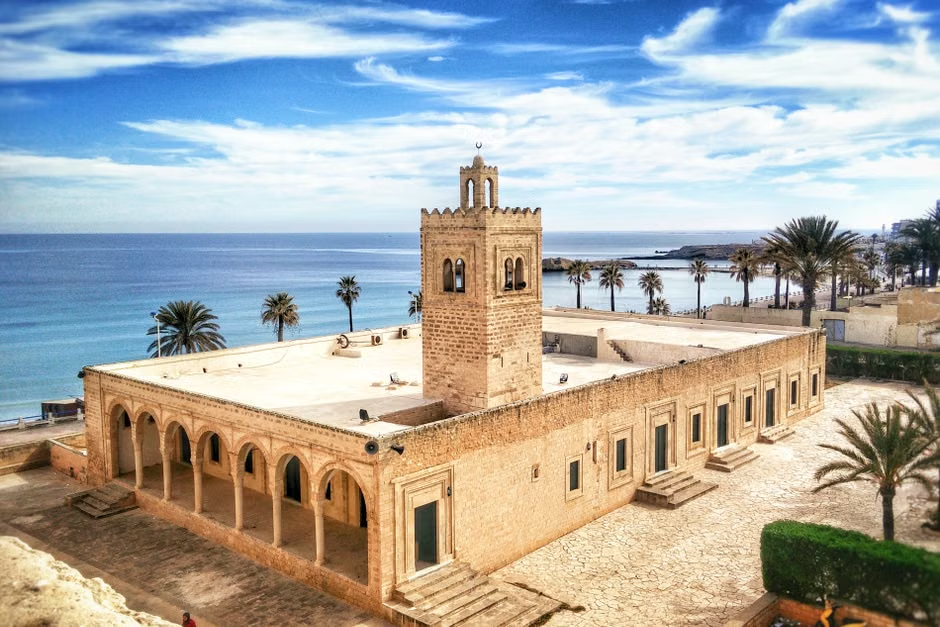
- Iconic ribat fortress and medina provide a genuinely historic, photogenic backdrop unavailable in generic resort cities
- Dedicated international airport (MIR) with direct charter and scheduled flights from Europe makes guest arrival straightforward
- Warm, reliably sunny summers (May–September) give outdoor coastal events long, stable days
- Established resort hotel strip along the marina offers a range of event-ready properties with banquet and outdoor lawn facilities
- Compact city layout means guests, venues, and the beach are all within easy reach of each other
- Authentic Tunisian cuisine and local hospitality traditions add a culturally distinctive flavour to catering and celebrations

Top Venues in Monastir
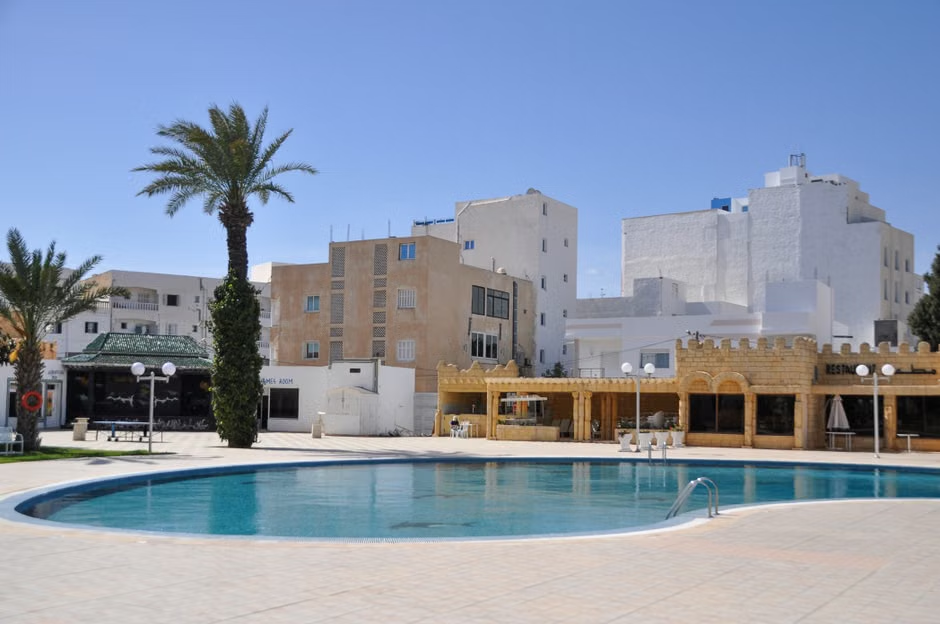
Regency Hotel & Spa Monastir
Compare Monastir with Other Top Destinations
Frequently Asked Questions
Is Monastir a good destination for a wedding?
Yes, particularly for intimate-to-mid-scale destination weddings. Monastir offers a genuinely distinctive combination of Mediterranean coastal scenery, historic heritage architecture (including the ancient ribat fortress), and resort hotel event spaces with outdoor terraces and garden lawns. It suits couples who want a culturally authentic backdrop rather than a generic resort setting, and who are planning for a guest group that is primarily Europe-based.
What guest group sizes can Monastir venues realistically support?
Most event-ready properties in Monastir comfortably accommodate groups in the range of 80 to around 400 guests, depending on the venue configuration chosen. Very large events exceeding 400–500 guests may find the local venue inventory stretched, as individual properties are mid-scale rather than convention-sized. For intimate gatherings of under 150 guests, the destination is particularly well-suited.
Which airport do guests fly into for Monastir?
Guests fly into Monastir Habib Bourguiba International Airport (MIR), which is located approximately 9 km from the city centre — a genuine convenience. The airport handles direct scheduled and charter flights from multiple European cities. Guests travelling from further afield typically connect through Tunis-Carthage International Airport or a European hub before arriving in Monastir.
What is the best time of year to plan a celebration in Monastir?
May through September is the clear best window. This period offers reliably warm, sunny weather with very low rainfall probability — ideal for outdoor coastal ceremonies and receptions. June and July provide the longest daylight hours. July and August are the hottest months, so midday outdoor events should be timed carefully; late afternoon and evening formats work best. Outside this window, cooler temperatures and increased rainfall make outdoor events less reliable.
What kinds of event spaces are available in Monastir?
Monastir's event spaces are primarily found within its marina-district and beachfront resort hotels, which typically offer indoor banquet halls, outdoor terraces, garden lawns, and poolside areas. The city's historic fabric — including the ribat courtyard and medina squares — can also serve as atmospheric settings for photography or cultural programme elements, though these require coordination with local authorities.
How easy is it for a large guest group to get around Monastir once they arrive?
Quite manageable. The city is compact, so taxis and small minibuses can move guests between the airport, hotels, heritage sites, and the marina without requiring a large coach fleet. For structured multi-day programmes, local event operators typically arrange dedicated shuttle services. The Métro du Sahel light rail also connects Monastir to Sousse and Mahdia for guests who want to explore the wider region.
How developed is the local wedding and event vendor ecosystem in Monastir?
The resort hotels are experienced at in-house event catering, décor, and basic audio-visual production, shaped by years of handling European package-holiday groups and growing destination wedding interest. For more specialised services — bespoke floristry, international-standard photography, or complex multi-day production — planners should expect to source vendors from Tunis or bring specialists from abroad, as the local specialist market is capable but not as deep as a major capital city.
Is Monastir suitable for a multi-day wedding programme?
Yes. The city's compact layout makes a multi-day programme genuinely practical — a welcome dinner in the medina, a ceremony by the marina, and a reception on a hotel terrace are all within easy reach of each other. The combination of beach leisure, cultural site visits, and resort amenities also gives guests a varied programme between formal events, which is a meaningful advantage for a multi-day celebration.
What makes Monastir culturally distinctive as a celebration destination?
Monastir's 8th-century ribat fortress, the mausoleum of Habib Bourguiba, and its whitewashed medina lanes give it a historic depth that is rare among Mediterranean coastal destinations. Tunisian cuisine — fresh seafood, harissa-spiced dishes, pastilla, and traditional sweets — adds a genuinely regional character to event catering. These elements together create a celebration that feels place-specific rather than interchangeable with a generic resort city.
Does Monastir work for non-wedding social celebrations like milestone birthdays or family reunions?
Yes. The destination's manageable scale, beach access, cultural sites, and resort hotel event spaces make it well-suited to social gatherings where the destination itself is part of the experience. A family reunion benefits from the mix of beach leisure, heritage excursions, and easy airport access all being concentrated in one compact location, reducing the logistical complexity that larger or more spread-out destinations can create.
Are there any important practical considerations specific to planning an event in Monastir?
A few worth noting: halal catering is the default across most properties, so planners requiring non-halal menus or alcohol service should confirm arrangements with individual venues in advance. Midday outdoor events in July and August require shade and hydration planning given peak heat. And for guests outside Europe, multi-leg travel is the norm — factoring in travel fatigue for a large, geographically dispersed guest list is advisable when setting the event programme.

Ready to explore venues in Monastir?
Monastir: Destination Wedding & Event Venues on Tunisia's Mediterranean Coast
◆Monastir is a historic Mediterranean coastal city in eastern Tunisia, best suited to intimate-to-mid-scale weddings, social celebrations, and cultural events that benefit from a genuinely distinctive heritage backdrop and reliable summer sunshine. Its primary vibe is Cultural & Timeless — anchored by the ancient ribat fortress, medina lanes, and a working marina — rather than a purely resort-style destination. The summer months (May through September) are the clear planning window, offering long, warm, stable days ideal for outdoor coastal events. Guest accessibility is reasonable for European travellers via the city's own international airport, though guests travelling from South Asia or the Americas will typically require a connection.
Monastir at a Glance
| Attribute | Detail |
|---|---|
| Best For | Destination Weddings, Social Celebrations, Cultural Events, Intimate Gatherings |
| Primary Vibe | Cultural & Timeless |
| Other Vibes | Coastal, Heritage, Mediterranean Elegance |
| Best Season | Summer (May, Jun, Jul, Aug, Sep) |
Why Choose Monastir?
- Genuinely historic setting: The 8th-century ribat fortress and the medina's whitewashed lanes provide a photographic and atmospheric backdrop that purpose-built resort cities simply cannot replicate. Ceremonies and pre-wedding shoots here carry an authenticity that guests remember.
- Dedicated international airport within the city: Monastir Habib Bourguiba International Airport (MIR) sits approximately 9 km from the city centre and handles direct scheduled and charter flights from across Europe, making arrival logistics straightforward for a significant portion of international guest groups.
- Reliable summer climate for outdoor events: From May through September, Monastir enjoys consistently warm, low-humidity Mediterranean weather with very low rainfall probability — a genuine operational advantage for outdoor ceremonies, garden receptions, and marina-side dinners.
- Compact, walkable destination: The city's relatively small footprint means that heritage sites, the marina, beach, and hotel properties are all within easy reach of one another, reducing the logistical complexity of moving a guest group between ceremony, reception, and accommodation.
- Culturally distinctive catering and hospitality: Tunisian cuisine — harissa-spiced dishes, fresh seafood, pastilla, and traditional sweets — gives event catering a genuinely regional character that differentiates a Monastir celebration from a generic European or Middle Eastern resort event.
- Light rail connection to the wider region: The Métro du Sahel light rail links Monastir to Sousse (a larger city with additional accommodation and vendor options) and Mahdia, giving event planners flexibility to draw on a broader regional hospitality ecosystem without requiring private coach transfers for every movement.
Which Celebrations Work Best in Monastir?
- Destination Weddings: Monastir suits intimate-to-mid-scale weddings particularly well. The combination of a heritage backdrop, beachfront resort properties with outdoor lawns, and a warm summer climate creates the conditions for a multi-day wedding programme — welcome dinner in the medina, ceremony by the marina, reception on a hotel terrace — that feels genuinely place-specific rather than interchangeable.
- Social Celebrations (milestone birthdays, anniversaries, family reunions): The city's manageable scale and the variety of outdoor and indoor event spaces at its resort properties make it well-suited to social gatherings where the destination itself is part of the experience. A family reunion with a mix of ages benefits from the beach, the cultural sites, and the relatively easy airport access all being in one compact location.
- Cultural & Heritage Events: Groups with a specific interest in Islamic architecture, North African history, or Mediterranean culture will find Monastir's ribat, mausoleum of Habib Bourguiba, and medina genuinely engaging as event context — not just a backdrop but a programme element in their own right.
- Corporate Retreats & Incentive Groups: While not Monastir's primary identity, the city's resort hotel infrastructure, reliable summer weather, and combination of beach leisure with cultural excursions make it a workable choice for smaller corporate incentive groups seeking a less-visited Mediterranean alternative.
Venues & Event Spaces
Monastir's event venue landscape is anchored by its marina-district and beachfront resort hotels, which typically offer a combination of indoor banquet halls, outdoor terraces, garden lawns, and poolside spaces suitable for ceremonies and receptions. These properties generally cater to groups ranging from around 80 to 400 guests depending on the configuration chosen.
Beyond the hotel circuit, the city's historic fabric — the ribat courtyard, the medina's open squares, and the marina promenade — can serve as atmospheric settings for pre-event photography, welcome gatherings, or cultural programme elements, though formal event licensing for these public heritage spaces requires coordination with local authorities and is best handled through an experienced local event planner.
Outdoor lawn and terrace spaces are the most sought-after configurations during the summer season, and most resort properties have invested in these specifically to serve the destination wedding and social event market. Indoor ballroom capacity at individual properties is more modest than in a major capital city, which is worth factoring in for very large guest lists.
Best Time to Celebrate
The curated best season for Monastir is Summer: May, June, July, August, and September. This window is the clear operational sweet spot for outdoor coastal events for several concrete reasons:
- Rainfall is minimal: Monastir receives the vast majority of its annual precipitation between October and March. From May through September, rain during an outdoor event is genuinely unlikely rather than merely improbable — a meaningful operational distinction for event planning.
- Daylight hours are long: June and July in particular offer sunset times well into the evening, giving outdoor ceremonies and golden-hour photography a generous natural window without requiring artificial lighting from early afternoon.
- Sea temperatures are comfortable: For events incorporating beach or marina elements, the Mediterranean is warm enough for swimming and water activities from June through September, adding a leisure dimension to a multi-day guest programme.
- July and August are peak heat months: Temperatures can reach the low-to-mid 30s°C in July and August. Midday outdoor ceremonies during these months should be planned with shade, hydration, and timing in mind — late afternoon and evening events are generally more comfortable than noon ceremonies.
Outside this window, the picture changes meaningfully. October and November are transitional — temperatures are still mild and rainfall is beginning to increase, making them marginal rather than clearly suitable. December through February brings cool temperatures (sometimes dropping to the low teens), increased wind off the sea, and the highest rainfall probability of the year — outdoor events in this period carry real weather risk. March and April see improving temperatures but remain unpredictable, with occasional rain events that can disrupt outdoor plans.
Getting There & Local Connectivity
Monastir is served by its own dedicated international airport — Monastir Habib Bourguiba International Airport — located approximately 9 km from the city centre. This is a genuine operational advantage: guests do not need to travel through a distant capital city and then onward by road. The airport handles direct scheduled and charter services from multiple European cities, particularly from the UK, France, Germany, Italy, and Scandinavia, making it straightforwardly accessible for European guest groups.
Guests travelling from further afield — the Middle East, South Asia, or the Americas — will typically connect through Tunis-Carthage International Airport or a European hub. Travel time from Tunis to Monastir by road is roughly two hours, and the Métro du Sahel light rail also connects the two cities via Sousse, offering a lower-cost alternative for guests comfortable with public transport.
Within Monastir itself, the city is compact enough that taxis and small minibuses can move a guest group between the airport, hotels, heritage sites, and the marina without requiring a large private coach fleet. For larger groups, local event operators typically arrange dedicated shuttle services between accommodation and event venues, which is straightforward given the short distances involved.
Local Vendor & Hospitality Ecosystem
Monastir has a functioning local hospitality and event vendor ecosystem, shaped primarily by its long history as a European package-holiday destination and, more recently, by growing interest in destination weddings from North African diaspora communities in Europe. This means the city's resort hotels are generally experienced at handling event catering, décor setup, and basic audio-visual requirements in-house.
For more specialised wedding services — bespoke floral design, international-standard photography and videography, live entertainment beyond local musicians, or complex multi-day event production — planners should expect to either source vendors from Tunis (Tunisia's main event production hub) or bring specialists from abroad. The local vendor market is capable but not as deep or as competitive as that of a major capital city.
Tunisian catering is a genuine strength: fresh Mediterranean seafood, locally grown produce, and a rich tradition of celebratory cooking mean that food and beverage at a Monastir event can be both high-quality and authentically regional. Halal catering is the default and is handled with expertise; planners requiring non-halal menus should confirm arrangements with individual properties in advance.
Pros & Things to Consider
Why Monastir Works Well
- Own international airport with direct European connections simplifies guest arrival
- Genuinely historic heritage backdrop (ribat, medina, mausoleum) that is rare among Mediterranean coastal destinations
- Reliable, rain-free summer season gives outdoor event planning a high degree of weather confidence
- Compact city layout reduces inter-venue transfer complexity for multi-day programmes
- Authentic Tunisian cuisine and hospitality traditions add cultural distinctiveness to event catering
- Light rail connectivity to Sousse expands the regional accommodation and vendor pool
Things to Consider
- Venue capacity at individual properties is modest — very large guest lists (500+) may exceed what a single Monastir venue can comfortably accommodate
- Specialist wedding vendors (high-end floristry, international photographers, complex production) may need to be sourced from Tunis or abroad, adding logistical layers
- July and August midday heat requires careful event timing — noon outdoor ceremonies are not advisable without significant shade provision
- Guests from outside Europe face multi-leg journeys, which can affect attendance rates for a large, geographically dispersed guest list
- Non-halal catering and alcohol service require advance confirmation with individual properties and are not universally available across all venues
When Monastir May Not Be the Right Fit
- Very large-scale events (500+ guests): If your guest list significantly exceeds 400 people and you require a single venue to accommodate everyone under one roof, Monastir's current hotel inventory may not comfortably support that scale. A larger city with a convention-scale hotel would serve better.
- Guests primarily based in South Asia, the Gulf, or the Americas: While the airport is convenient for Europeans, guests travelling from these regions face multi-leg journeys. If the majority of your guest group is based far from Europe, the connectivity advantage largely disappears and a destination closer to your guests' home region may be more practical.
- Winter or early spring outdoor events: If your preferred dates fall between November and April and outdoor spaces are central to your event concept, Monastir's cooler, wetter off-season weather introduces real risk. The destination is genuinely seasonal, and pushing outside the May–September window for outdoor celebrations is not advisable.
- Couples seeking a purely contemporary, ultra-modern resort aesthetic: Monastir's strongest identity is cultural and historic. If the vision is a sleek, minimalist modern resort with no heritage character, a purpose-built resort destination elsewhere in the Mediterranean may be a better match for that specific aesthetic brief.