
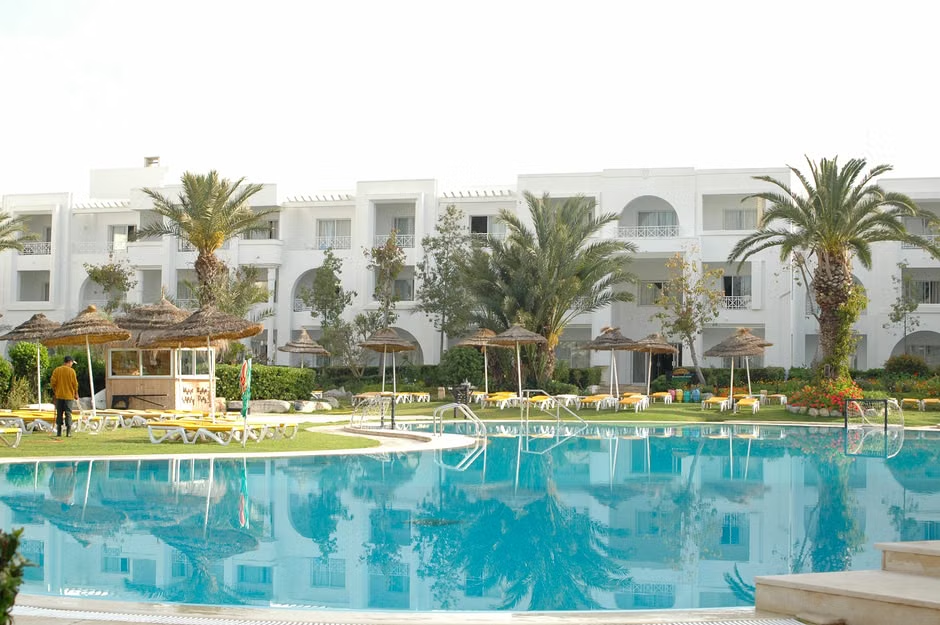
Why Hammamet is Perfect for Your Celebration
- Long Mediterranean coastline with pristine beaches ideal for outdoor ceremonies and sunset receptions
- Mature, internationally-oriented resort infrastructure with large banquet and event facilities
- Jasmine-scented medina and historic kasbah provide unique cultural backdrops for photography and pre-event experiences
- Reliable warm, dry weather from April through October — one of the longest usable outdoor event seasons in the region
- Experienced local hospitality and catering ecosystem accustomed to hosting international groups and celebrations
- Relatively accessible from European cities via Tunis-Carthage International Airport, making it practical for international guest lists

Top Venues in Hammamet
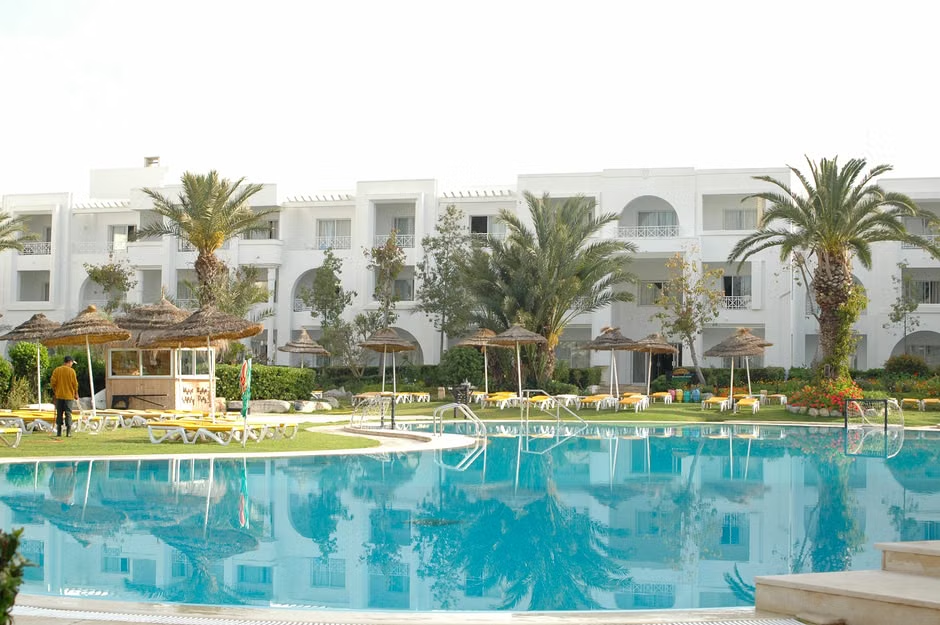
The Sindbad Hotel & Thalasso
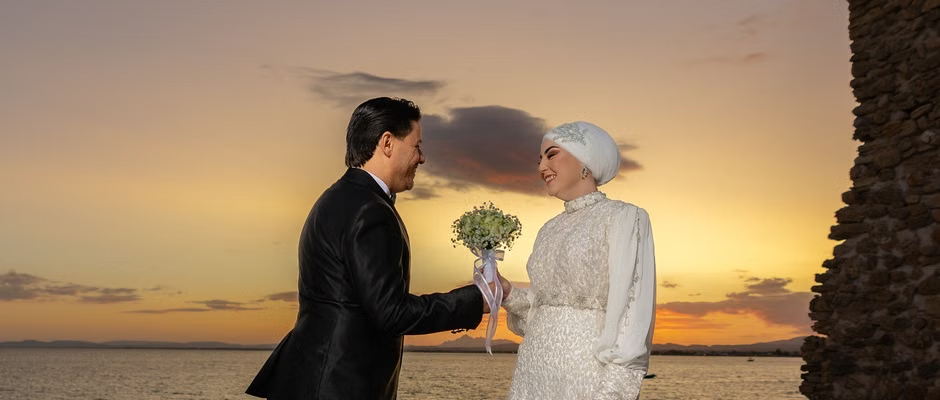
Hasdrubal Thalassa & Spa Hammamet
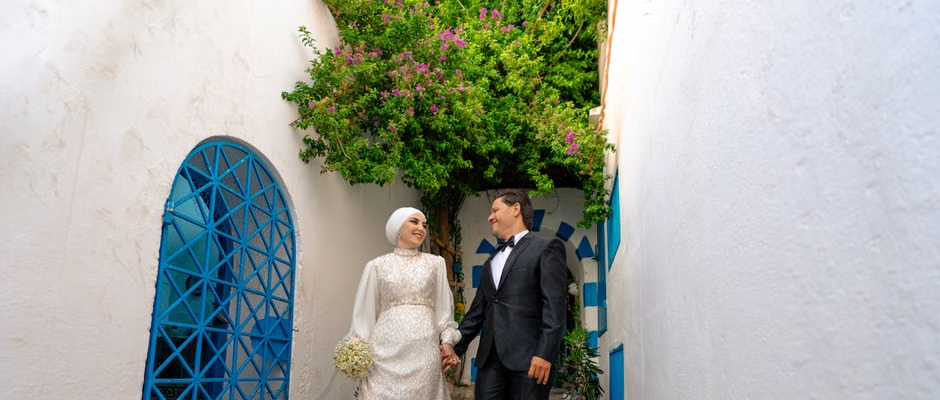
Hotel Phenicia Hammamet
Compare Hammamet with Other Top Destinations
Frequently Asked Questions
Is Hammamet a good destination for a wedding?
Yes. Hammamet is particularly well-suited to destination weddings for couples seeking a Mediterranean coastal setting with genuine cultural character. The combination of beachfront ceremony options, jasmine garden receptions, and a historic medina for pre-wedding events gives a multi-day wedding itinerary real variety. The destination's mature resort infrastructure and experienced international hospitality teams make the logistics of hosting a wedding group straightforward.
What is the best time of year to hold a celebration in Hammamet?
April through October is the recommended window. Spring (April–May) offers comfortable warmth, blooming jasmine, and lighter crowds. Peak summer (June–August) delivers reliably warm, dry evenings ideal for outdoor receptions. September and October are considered a sweet spot — warm sea temperatures, easing daytime heat, and reduced peak-season pressure on venues. November through March brings cooler, wetter conditions and reduced resort services, making outdoor events unreliable.
How do guests typically travel to Hammamet?
Most guests arrive via Tunis-Carthage International Airport (TUN), approximately 65 km north of Hammamet. The airport connects to major European, Middle Eastern, and North African cities. Transfer to Hammamet by road takes roughly 45–75 minutes. Private coach or minibus transfers are the standard arrangement for event groups and are routinely organised by local DMCs and resort concierge teams.
What kinds of event spaces are available in Hammamet?
Hammamet offers a range of event spaces including large beachfront resort ballrooms and banquet halls, outdoor garden lawns, pool terraces, and private beach sections. Smaller boutique properties and private villas near the medina suit intimate ceremonies. The Yasmine Hammamet marina district also provides event-capable restaurants and open-air venues for welcome dinners and informal group gatherings.
How large a guest group can Hammamet realistically accommodate?
Hammamet's larger resort properties can comfortably accommodate mid-to-large events — typically 150 to 500 guests — within a single property's event facilities and accommodation rooms. For very large events exceeding 500 guests requiring accommodation under one roof, early booking and potentially coordinating across two nearby properties is advisable. Smaller intimate celebrations of 30–80 guests are also well-served by boutique properties and private villas.
Is the local vendor ecosystem in Hammamet equipped for international events?
Generally yes, for core event needs. Resort catering teams are experienced with international menus and dietary requirements. Local transport, decoration, and logistics vendors are well-practised with international groups. For specialist creative services — bespoke floral design, high-end photography, live entertainment — planners often supplement with vendors from Tunis or abroad, a hybrid approach that is well-established and works smoothly in this destination.
What makes Hammamet distinctive compared to a generic beach resort destination?
Hammamet has genuine cultural depth beyond its beaches. The historic medina — one of Tunisia's best-preserved — and the adjacent kasbah overlooking the sea provide unique backdrops for photography and cultural welcome experiences. The destination is historically associated with jasmine cultivation, and many properties incorporate fragrant garden settings. This combination of coastal resort infrastructure and authentic North African cultural character sets it apart from purely resort-oriented destinations.
What is local transport like for guests once they arrive in Hammamet?
Within Hammamet, movement between the medina quarter, Hammamet Nord, and Yasmine Hammamet is straightforward by private vehicle or taxi. For event groups, private coach coordination between venues is standard and well-supported by local operators. Guests staying within a single large resort will find most event-related movement is on-property. The regional train connects to Tunis but has limited frequency and is not the primary option for group logistics.
Is Hammamet suitable for a birthday celebration or private group retreat?
Yes. Hammamet's resort infrastructure — large pool terraces, private beach sections, spa facilities, and banquet spaces — translates naturally to milestone birthday events and private group retreats. The warm-season climate makes outdoor evening parties consistently viable from April through October. The medina, Cap Bon peninsula day trips, and thalassotherapy spas also give multi-day group itineraries genuine variety beyond the resort grounds.
What languages are spoken in Hammamet's hospitality industry?
Arabic and French are the primary working languages of the local hospitality industry. Most resort event coordinators and senior hospitality staff also operate comfortably in English, which is an important practical consideration for international couples and planners. Some larger properties additionally have staff with Italian or German language capability, reflecting the destination's long history of European tourism.
Are there cultural or logistical considerations specific to planning an event in Hammamet?
Tunisia is a predominantly Muslim country, and while Hammamet's resort zone is internationally oriented and relaxed in atmosphere, planners should be aware that alcohol service, entertainment licensing, and public event permissions may involve local regulatory considerations — particularly for events held outside resort grounds. Working with an experienced local DMC or the resort's own event team is strongly recommended to navigate these practicalities smoothly.

Ready to explore venues in Hammamet?
Hammamet: Destination Wedding & Celebration Venues on Tunisia's Mediterranean Coast
◆Hammamet is Tunisia's most established coastal resort destination and one of the Mediterranean's stronger choices for destination weddings, milestone birthday celebrations, and private group events. Its primary vibe is romantic and dreamy — shaped by long sandy beaches, jasmine-scented gardens, whitewashed medina lanes, and a mature international resort infrastructure. The destination suits couples and planners seeking a warm, outdoor-friendly Mediterranean setting with genuine hospitality depth. The usable event season runs from April through October, giving one of the longest reliable outdoor windows in the region. Guests typically arrive via Tunis-Carthage International Airport, and the destination is particularly accessible for European and Middle Eastern guest lists.
Hammamet at a Glance
| Category | Detail |
|---|---|
| Best For | Destination Weddings, Birthday Celebrations, Private Group Retreats, Honeymoon Extensions |
| Primary Vibe | Romantic & Dreamy |
| Other Vibes | Coastal, Cultural, Relaxed Luxury |
| Best Season | Spring (Apr, May, Jun, Jul, Aug, Sep, Oct) |
Why Choose Hammamet?
- Long, reliable outdoor season: Hammamet's Mediterranean climate delivers warm, largely dry conditions from April through October — a seven-month window that gives planners genuine flexibility for outdoor ceremonies, garden receptions, and beachfront dinners without the monsoon or extreme-heat constraints that affect many other warm-weather destinations.
- Mature resort infrastructure: Yasmine Hammamet and Hammamet Nord together host a concentration of large international resort properties with dedicated event wings, outdoor lawns, and banquet facilities capable of handling mid-to-large guest groups. This is not a destination where event logistics need to be improvised.
- Distinctive cultural backdrop: The historic medina of Hammamet — one of the best-preserved in Tunisia — and the adjacent kasbah offer genuinely unique settings for pre-wedding photography, welcome dinners, and cultural experiences that guests from Europe or the Gulf are unlikely to have encountered before.
- Jasmine garden aesthetic: Hammamet is historically associated with jasmine cultivation, and many properties and private villas incorporate garden settings that lend a naturally romantic, fragrant atmosphere to evening events — a detail that distinguishes it from purely beach-resort destinations.
- Experienced international hospitality ecosystem: Decades of European tourism have produced a local hospitality and catering industry that is genuinely accustomed to international dietary requirements, multilingual service, and the logistical demands of group travel — a meaningful practical advantage for destination event planning.
- Accessible for international guests: Tunis-Carthage International Airport connects to a wide range of European, Middle Eastern, and North African cities, making Hammamet a realistic destination for guest lists drawn from multiple countries without requiring complex multi-leg journeys.
Which Celebrations Work Best in Hammamet?
Destination Weddings: Hammamet is particularly well-suited to destination weddings for couples who want a Mediterranean coastal setting with genuine cultural character rather than a generic beach resort. The combination of beachfront ceremony options, garden reception spaces, and a historic medina for pre-wedding events gives a multi-day wedding itinerary real variety and depth.
Milestone Birthday Celebrations: The destination's resort infrastructure — with large pool terraces, private beach sections, and banquet halls — translates naturally to milestone birthday events for groups of 50 to several hundred guests. The warm-season climate makes outdoor evening parties consistently viable.
Private Group Retreats & Pre-Wedding Celebrations: Hammamet's combination of spa resorts, beach access, and cultural day-trip options (the medina, nearby Nabeul pottery markets, Cap Bon peninsula) makes it a strong choice for multi-day pre-wedding retreats or bachelorette/bachelor group trips that want more than a single-venue experience.
Honeymoon Extensions: Couples who marry elsewhere and want a romantic Mediterranean extension — or who hold a small intimate ceremony locally and then transition into a honeymoon — find Hammamet's thalassotherapy spas, private beach access, and unhurried pace well-matched to that purpose.
Venues & Event Spaces
Hammamet's event venue landscape is dominated by large beachfront resort properties, particularly concentrated in the Yasmine Hammamet zone to the south and the older Hammamet Nord strip. These resorts typically offer a combination of indoor ballrooms or banquet halls, outdoor garden lawns, pool terraces, and private beach sections — giving planners genuine choice between fully sheltered, semi-open, and fully outdoor settings within a single property.
Beyond the major resorts, the destination also has a number of smaller boutique properties and private villas — particularly in and around the historic medina quarter — that suit intimate ceremonies or exclusive-use events for smaller guest counts. The medina itself, with its whitewashed walls, bougainvillea-draped lanes, and the kasbah overlooking the sea, functions as a distinctive backdrop for photography and cultural welcome experiences, even if formal event licensing within the medina's public spaces requires coordination with local authorities.
Yasmine Hammamet additionally features a purpose-built marina and entertainment district with event-capable restaurants and open-air venues, broadening the options for welcome dinners, farewell brunches, and informal group gatherings beyond the resort grounds themselves.
Best Time to Celebrate
The curated best season for Hammamet events runs from April through October — a span that covers both the shoulder warmth of spring and early autumn and the peak Mediterranean summer. Here is what each part of that window offers in practical terms:
- April – May (Spring): Temperatures are comfortably warm rather than hot (typically mid-20s°C), the landscape is green and jasmine is in bloom, and crowds are lighter than peak summer. This is arguably the most pleasant window for outdoor daytime events and multi-day itineraries where guests will be exploring the medina or Cap Bon.
- June – August (Peak Summer): Temperatures rise into the low-to-mid 30s°C during the day, but sea breezes along the coast moderate the heat considerably. Evening events are reliably warm and dry — ideal for outdoor receptions. This is the busiest period for the destination overall, so early booking of resort event spaces is important.
- September – October (Early Autumn): Sea temperatures remain warm from the summer, daytime heat eases, and the destination is less crowded. Many planners consider September and October the sweet spot — genuinely warm evenings, lower peak-season pressure on venues, and a golden-light quality that photographs exceptionally well.
The months November through March are outside the recommended window. Winter in Hammamet brings cooler temperatures (often 14–18°C by day), increased rainfall, and a significant reduction in resort services as many properties scale back operations for the low season. Outdoor ceremonies and garden receptions become unreliable, and the overall hospitality ecosystem operates at reduced capacity — making this period genuinely unsuitable for destination events that depend on outdoor spaces or full resort services.
Getting There & Local Connectivity
The primary gateway for guests travelling to Hammamet is Tunis-Carthage International Airport (TUN), located approximately 65 km north of Hammamet city center. The airport is well-connected to major European hubs (Paris, London, Frankfurt, Rome, Madrid, and others) as well as Middle Eastern and North African cities, making it a realistic arrival point for internationally diverse guest lists. Transfer time from the airport to Hammamet is typically 45–75 minutes by road depending on traffic, and private coach or minibus transfers are the standard arrangement for event groups — a straightforward logistical step that most local DMCs and resort concierge teams handle routinely.
Hammamet also has a regional railway station on the SNCFT network connecting it to Tunis, though train frequency is limited and the service is generally more practical for individual travellers than for coordinating large guest groups. Road transfer remains the dominant and most reliable mode for event logistics.
Within Hammamet itself, movement between the medina quarter, Hammamet Nord resort strip, and Yasmine Hammamet is straightforward by private vehicle or taxi. For groups staying within a single large resort, most event-related movement is on-property. For multi-venue itineraries — a medina welcome dinner followed by a resort ceremony, for example — private coach coordination is standard and well-supported by local operators.
Local Vendor & Hospitality Ecosystem
Hammamet's vendor ecosystem is meaningfully more developed than many comparable North African destinations, a direct result of its decades-long role as Tunisia's primary international tourism hub. Local catering teams at the major resorts are experienced with international menus, dietary requirements (including halal, vegetarian, and European preferences), and the service standards expected by guests from Europe and the Gulf.
Specialist wedding and event vendors — florists, decorators, photographers, entertainment coordinators — operate in and around Hammamet, though the depth of the specialist market is more limited than in a major metropolitan event hub. Planners working on larger or more complex events typically bring in key creative vendors (lead photographer, floral designer) from Tunis or internationally, while relying on local teams for catering, transport, and on-the-ground logistics. This hybrid approach is well-established and generally works smoothly.
Arabic and French are the working languages of the local hospitality industry, and most resort event coordinators also operate comfortably in English — an important practical consideration for international couples and planners.
Pros & Things to Consider
Why Hammamet Works Well
- One of the longest reliable outdoor event seasons in the Mediterranean region (April–October)
- Genuine cultural distinctiveness — the medina, kasbah, and jasmine garden aesthetic set it apart from generic beach resort destinations
- Large resort properties with dedicated event infrastructure capable of handling mid-to-large guest groups
- Internationally experienced hospitality teams accustomed to diverse guest requirements
- Good air connectivity from Europe and the Middle East via Tunis-Carthage International Airport
- A relaxed, unhurried pace that suits multi-day celebration itineraries
Things to Consider
- The specialist creative vendor market (bespoke floral design, high-end wedding photography, live entertainment) is thinner locally than in major metropolitan event cities — key vendors may need to be sourced from Tunis or abroad, adding coordination complexity
- Peak summer (July–August) sees the destination at its busiest, with higher demand on resort event spaces and accommodation — early booking is essential for this window
- Rail connectivity is limited in frequency and capacity, meaning large guest groups are almost entirely dependent on road transfers — this is manageable but requires logistical planning
- Winter months see a genuine reduction in resort services and outdoor event viability — the destination is not a year-round option in the way that some indoor-focused urban venues are
- Guests unfamiliar with North Africa may require more orientation and reassurance around travel logistics than for more familiar European destinations — clear guest communication and a reliable local DMC are important
When Hammamet May Not Be the Right Fit
- Winter or early spring events (November–March): If your event date falls outside the April–October window, Hammamet's outdoor-dependent venue landscape and reduced resort operations make it a poor match — a fully indoor urban venue in a year-round destination would serve better.
- Very large-scale events requiring metropolitan vendor depth: Events requiring a very large pool of specialist creative vendors (bespoke couture, large-scale production, niche entertainment) may find Hammamet's local market insufficient — a larger city with a deeper event industry would be more appropriate.
- Guest lists with difficult long-haul connectivity: While Hammamet is accessible from Europe and the Middle East, guests travelling from South or Southeast Asia, sub-Saharan Africa, or the Americas face multi-leg journeys through Tunis — if the majority of your guest list originates from those regions, a destination with more direct connectivity may reduce travel fatigue significantly.
- Couples seeking a purely urban, non-resort celebration: Hammamet's identity is fundamentally coastal and resort-oriented. Couples who want a city-centre cultural experience — rooftop venues, urban nightlife, museum settings — will find the destination's offering limited in that direction; a city like Tunis itself would be a better fit for that aesthetic.