
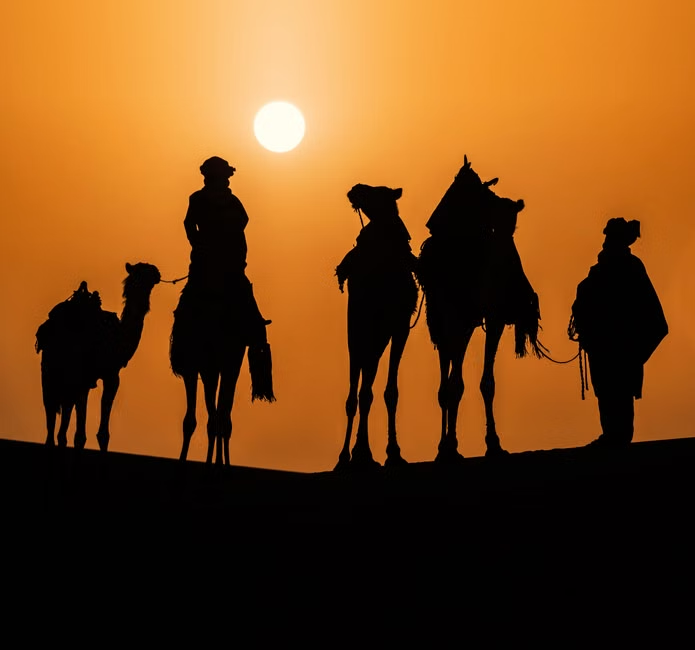
Why Douz / Sahara is Perfect for Your Celebration
- Dramatic Saharan dune landscapes provide a one-of-a-kind natural backdrop for ceremonies and events
- Authentic Berber hospitality and traditional desert camp culture create immersive guest experiences
- Unrivalled stargazing under some of North Africa's darkest, clearest night skies
- Camel treks, quad biking, and sandboarding offer built-in adventure activities for guests
- Cool, mild season (Oct–Mar) delivers comfortable outdoor temperatures perfect for evening celebrations
- Intimate scale of local hospitality properties suits small, exclusive, and private gatherings

Top Venues in Douz / Sahara
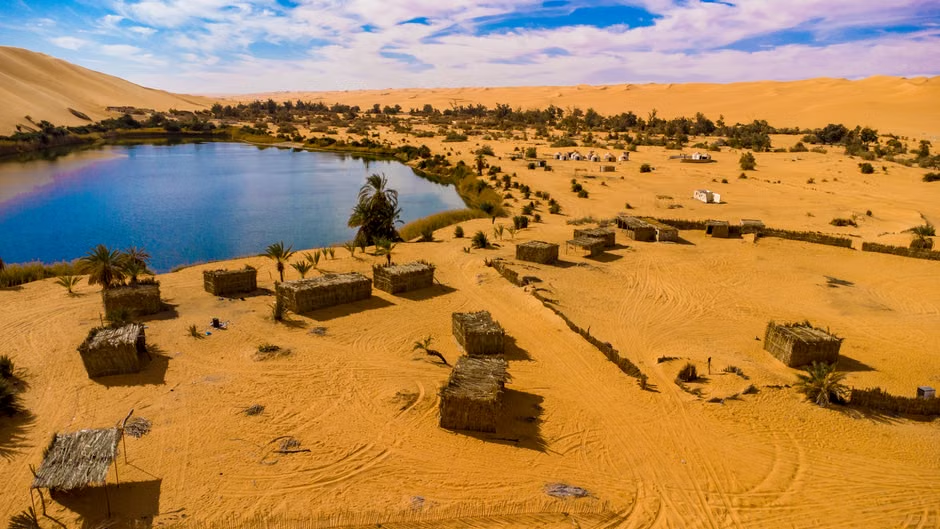
Sahara Douz Hotel
Compare Douz / Sahara with Other Top Destinations
Frequently Asked Questions
Is Douz / Sahara a good destination for a small, intimate wedding?
Yes, particularly for small guest groups of 20–80 people. Douz's dramatic Saharan dune landscape, Berber cultural traditions, and intimate hospitality scale make it an exceptional choice for couples seeking a genuinely unique, visually spectacular ceremony. The natural environment does much of the decorative work, and the exclusivity of the setting creates a deeply personal atmosphere that larger, more conventional venues rarely achieve.
What is the best time of year to hold an event in Douz?
The Cool / Mild Season — October through March — is the only genuinely suitable window for outdoor events. Daytime temperatures are comfortable (15°C–25°C), skies are clear, and evenings, while cool, are manageable with appropriate planning. April through September brings extreme heat regularly exceeding 40°C, which makes outdoor celebrations unsafe and should be avoided entirely for event planning purposes.
How do guests typically travel to Douz for an event?
Most guests fly into Tozeur–Nefta International Airport, approximately 100 km from Douz, then travel onward by road — roughly a 1.5 to 2-hour drive. Guests from outside Tunisia typically route through Tunis-Carthage International Airport and take a domestic connection or a longer overland journey. There is no railway service to Douz, so road transfers are the primary arrival method and should be arranged in advance for groups.
What kinds of event spaces are available in Douz?
The main options are traditional Berber-style desert camps (tented, lantern-lit, suited to intimate dinners and ceremonies), hotel garden terraces and courtyards, open dune locations accessed by 4x4 or camel for ceremonies, and smaller indoor banquet rooms within local hotels. There are no large convention centres or grand ballrooms — the destination's strength lies in its raw, natural outdoor settings rather than purpose-built event infrastructure.
How many guests can Douz realistically accommodate for an event?
Douz works best for groups up to around 80–100 guests. Beyond that, the local accommodation inventory becomes stretched and guests may need to be distributed across multiple properties, adding coordination complexity. The destination's intimate scale is genuinely one of its strengths — it suits exclusive, private gatherings rather than large-scale events requiring significant infrastructure.
Are local vendors and caterers available for events in Douz?
Local operators — desert camp organisers, camel handlers, traditional musicians, and Berber cuisine caterers — are experienced and professional. However, the formal event production ecosystem (florists, professional photographers, AV specialists, structured catering at scale) is thin. Most event planners source specialist vendors from Tunis or internationally and factor in the additional logistics. Traditional Berber catering is a genuine local strength and adds authentic cultural value.
What activities are available for guests attending a multi-day celebration in Douz?
Douz offers a strong built-in activity programme: camel trekking into the dunes, quad biking, sandboarding, guided sunrise and sunset dune walks, and stargazing under some of North Africa's clearest night skies. Traditional Berber music and craft experiences are also available locally. These activities reduce the need for external entertainment planning and give multi-day events a natural, immersive structure.
What is the night sky like in Douz, and can stargazing be incorporated into an event?
Exceptional. The absence of light pollution across the surrounding Saharan desert produces some of the clearest, most star-dense night skies in the Mediterranean and North African region. Stargazing is a natural post-dinner or post-ceremony activity and can be incorporated into event programmes with minimal additional planning — simply moving guests away from the town's ambient light is sufficient. This is one of Douz's most distinctive and memorable offerings.
Is Douz safe for international guests attending a wedding or event?
Generally yes. Douz is a well-established tourism destination within Tunisia, and the local population is accustomed to international visitors. Standard travel precautions apply, and guests should check their home country's current travel advisories for Tunisia before travelling. The desert environment itself requires sensible preparation — appropriate clothing for cold nights, sun protection, and hydration — but the destination is not considered high-risk for event tourism during the cool season.
How should local transport within Douz be arranged for an event group?
Dedicated coach or 4x4 transfers are the practical standard for event groups in Douz. Standard vehicles cannot access open dune venues, and coordinating individual guest transport in a remote desert town is impractical. Local operators experienced in desert group logistics are available and should be contracted well in advance. Building a clear transfer schedule into the event plan — particularly for dune-based ceremony locations — is essential for a smooth guest experience.
Does the limited mobile and internet connectivity in Douz affect event planning?
It can, particularly on event day itself. Mobile coverage in Douz town is generally functional, but drops significantly in the open desert. This affects real-time coordination between vendors, planners, and guests during dune-based activities or ceremonies. Most experienced local operators work around this through pre-agreed schedules and physical coordination rather than relying on live communication — but it is worth briefing all vendors and guests in advance so expectations are set correctly.

Ready to explore venues in Douz / Sahara?
Douz / Sahara: Desert Wedding & Event Destination in Tunisia
◆Douz, in Tunisia's Kebili Governorate, is the most accessible entry point to the Grand Erg Oriental — the vast Saharan dune sea of North Africa. Its primary strength is as an adventurous, experiential event destination suited to intimate desert weddings, milestone birthday gatherings, and small corporate retreats where the landscape itself is the main attraction. The vibe is Adventurous & Thrilling, shaped by golden dunes, Berber cultural traditions, and extraordinary night skies. The usable event season runs from October through March, when temperatures are mild enough for outdoor celebrations. Accessibility is limited — guests typically fly into Tozeur and travel onward by road — making this destination best suited to smaller, committed guest groups rather than large-scale events.
Douz / Sahara at a Glance
| Category | Detail |
|---|---|
| Best For | Intimate Desert Weddings, Adventure Birthdays, Social Gatherings, Experiential Corporate Retreats |
| Primary Vibe | Adventurous & Thrilling |
| Other Vibes | Romantic & Intimate, Cultural & Immersive, Off-the-Beaten-Path |
| Best Season | Cool / Mild Season (Jan, Feb, Mar, Oct, Nov, Dec) |
Why Choose Douz / Sahara?
- Unmatched natural scenery: The Grand Erg Oriental's towering sand dunes create a dramatic, cinematic backdrop that no purpose-built venue can replicate — ceremonies held at dusk or dawn against the dune horizon are genuinely extraordinary.
- Authentic Berber cultural immersion: Douz is a living Berber town with deep-rooted traditions in music, weaving, camel culture, and desert hospitality — guests experience something genuinely local rather than a staged resort version of it.
- Stargazing of exceptional quality: The absence of light pollution across the surrounding desert produces some of the clearest night skies in the Mediterranean region, making evening events and post-dinner stargazing a natural highlight.
- Built-in adventure activities: Camel trekking, quad biking, sandboarding, and guided dune walks give guests a full programme of activities beyond the event itself, particularly valuable for multi-day celebrations.
- Intimate and exclusive scale: The relatively small hospitality inventory in Douz naturally limits group sizes, which works strongly in favour of couples or hosts seeking a private, exclusive feel rather than a large, impersonal event.
- Genuinely rare and memorable: Very few destinations in the Mediterranean and North African region offer a true Saharan desert setting — choosing Douz gives guests an experience they are unlikely to have had before and unlikely to forget.
Which Celebrations Work Best in Douz / Sahara?
- Intimate Desert Weddings: Small ceremonies of 20–80 guests work particularly well here. The landscape provides natural grandeur without needing elaborate décor, and the intimacy of the setting suits couples who want something deeply personal and visually spectacular rather than a large traditional reception.
- Adventure Birthday Celebrations: Milestone birthdays — especially those with a travel-loving, experience-seeking guest group — translate exceptionally well to Douz. Multi-day programmes combining a celebration dinner with dune activities give guests a full, memorable experience.
- Social Gatherings & Group Retreats: Small friend or family groups looking for an unconventional destination to gather will find Douz rewarding. The shared novelty of the desert environment creates natural bonding and conversation in a way that a standard resort destination rarely does.
- Experiential Corporate Retreats: Teams seeking a genuinely different offsite environment — one that encourages reflection, disconnection from routine, and shared challenge — will find the Saharan setting and limited connectivity an asset rather than a drawback. Desert survival experiences, sunrise briefings on the dunes, and evening campfire sessions are all naturally available.
Venues & Event Spaces
Douz's event infrastructure is modest but characterful. The primary venue types available include:
- Desert camp setups: Traditional Berber-style tented camps, either permanent or temporarily erected on the dune edge, are the most iconic event space in the area. These range from basic to relatively comfortable, with carpeted interiors, lantern lighting, and low seating arrangements suited to intimate dinners and ceremonies.
- Hotel gardens and terraces: Several of the town's established hotels offer outdoor garden terraces and courtyard spaces that can be dressed for evening events. These provide a more structured setting with access to in-house catering and accommodation on the same property.
- Open dune locations: For ceremonies specifically, the open dune landscape itself — accessed by 4x4 or camel — serves as a natural venue. Sunset ceremonies on the dune crests are a popular choice, typically followed by a return to a camp or hotel for the reception.
- Indoor banquet rooms: A small number of hotel properties offer enclosed banquet or dining rooms suitable for evening meals and smaller receptions, providing a weather-secure option if needed.
It is worth noting that Douz does not have large-scale convention centres, grand ballrooms, or the kind of multi-function venue complexes found in major city destinations. The charm of the location lies precisely in its rawness and simplicity — event design here typically leans into the natural environment rather than working against it.
Best Time to Celebrate
The Cool / Mild Season (January, February, March, October, November, December) is the only genuinely suitable window for outdoor events in Douz. During these months, daytime temperatures typically range from around 15°C to 25°C, and evenings can drop to 8°C–12°C — cool but comfortable with appropriate clothing and heating provisions for outdoor dinners. The air is dry and clear, visibility across the dunes is excellent, and the risk of sandstorms, while never zero in a desert environment, is considerably lower than in the transitional months.
October and November offer the warmest evenings within the cool season and are particularly popular for events, as the days are still pleasantly warm and the nights have not yet turned cold. December through February can bring genuinely cold nights (occasionally below 5°C), which requires planning for guest comfort at outdoor events — fire pits, heated tents, and warm catering are standard considerations. March is a transitional month with rising daytime temperatures but still manageable evenings.
The months from April through May see temperatures climbing rapidly past 35°C, making outdoor events increasingly uncomfortable and logistically challenging. June through September brings extreme heat — regularly exceeding 40°C during the day and remaining above 25°C at night — which makes outdoor celebrations genuinely unsafe and is a hard period to avoid for any event with outdoor components. These summer months should be considered off-limits for event planning in Douz.
Getting There & Local Connectivity
Douz is a remote destination by any standard, and guest travel logistics require careful planning. The nearest commercial airport is Tozeur–Nefta International Airport, which is approximately 100 km from Douz town centre — roughly a 1.5 to 2-hour road journey depending on conditions. Tozeur has limited direct international connections, meaning most guests travelling from outside Tunisia will route through Tunis-Carthage International Airport and take a domestic connection or a longer overland journey of approximately 5–6 hours by road.
There is no railway service to Douz. Road access is the primary means of arrival, and the roads connecting Douz to the north are generally in reasonable condition, though the final approaches into the desert fringe can require 4x4 vehicles depending on the specific venue location chosen.
Within Douz itself, local transport options are limited. For event groups, the practical approach is to arrange dedicated coach or 4x4 transfers from the airport or from accommodation to event sites — particularly for dune-based venues that are not accessible by standard vehicles. Local operators experienced in desert logistics are available and accustomed to handling group movements, but this coordination needs to be built into the event plan well in advance.
Mobile connectivity in Douz town is generally functional on Tunisian networks, but coverage drops significantly once guests move into the open desert. This is often experienced as a feature rather than a problem — the disconnection is part of the appeal — but it is worth communicating clearly to guests and vendors in advance.
Local Vendor & Hospitality Ecosystem
Douz has a well-established local ecosystem for desert tourism and hospitality, built over decades of serving both domestic Tunisian visitors and international travellers attending the annual International Festival of the Sahara. This means that local operators — camel handlers, desert camp organisers, traditional musicians, and local catering providers — are genuinely experienced and professional within their specific domain.
However, the vendor ecosystem for formal event production — floral design, professional photography, structured catering at scale, audio-visual equipment, and event coordination — is considerably thinner than in a major city destination. Couples and event planners should expect to bring specialist vendors from Tunis or, in some cases, from abroad, and to factor in the logistics and additional planning time that entails.
Traditional Berber cuisine — including slow-cooked lamb, couscous, brik pastries, and mint tea service — is available locally at a high standard and adds genuine cultural authenticity to event catering. For more elaborate or internationally-styled menus, supplementing with outside catering expertise is advisable.
Accommodation capacity in Douz is limited. The town's hotels can comfortably house smaller groups, but a guest list exceeding 80–100 people will likely require accommodation to be spread across multiple properties, which adds a coordination layer to the event logistics.
Pros & Things to Consider
Why Douz / Sahara Works Well
- Genuinely unique, visually spectacular natural setting that requires minimal additional décor investment
- Authentic Berber cultural experiences — music, cuisine, camel culture — are naturally integrated into events
- Exceptional stargazing and night-sky quality for evening events and post-dinner experiences
- Intimate scale naturally creates an exclusive, private atmosphere for small guest groups
- Cool season (Oct–Mar) delivers comfortable, dry conditions well-suited to outdoor celebrations
- Built-in multi-day activity programme (dune treks, quad biking, sandboarding) reduces the need for external entertainment planning
Things to Consider
- Remote location means multi-leg travel for most guests — this is a genuine commitment and may deter some invitees
- Limited formal event production vendors locally — specialist suppliers typically need to be sourced from Tunis or internationally
- Accommodation capacity is modest; large guest lists will require multi-property coordination
- Desert conditions — wind, sand, and cold nights in winter — require contingency planning for outdoor events
- Mobile and internet connectivity is limited in the open desert, which affects real-time coordination on event day
- The cool season window is relatively narrow; dates outside October–March carry significant weather risk
When Douz / Sahara May Not Be the Right Fit
- Large guest lists (100+ guests): The local accommodation and venue inventory is not well-suited to events requiring large-scale infrastructure. Groups significantly above 80–100 guests will face real logistical challenges in housing and moving everyone comfortably.
- Guests with limited travel flexibility: If a significant portion of the guest list includes elderly guests, young children, or individuals with mobility considerations, the remote location, desert terrain, and multi-leg travel requirements may make Douz an impractical choice.
- Events planned outside October–March: Any event with substantial outdoor components planned between April and September faces extreme heat that makes guest comfort and safety a genuine concern — a different destination would serve those dates far better.
- Hosts requiring a full-service, plug-and-play event ecosystem: If the event plan depends on a mature local market of florists, photographers, AV specialists, and caterers who can be briefed and contracted locally, Douz will require significantly more remote coordination and logistics than a major city destination — and the margin for last-minute problem-solving is thinner.