
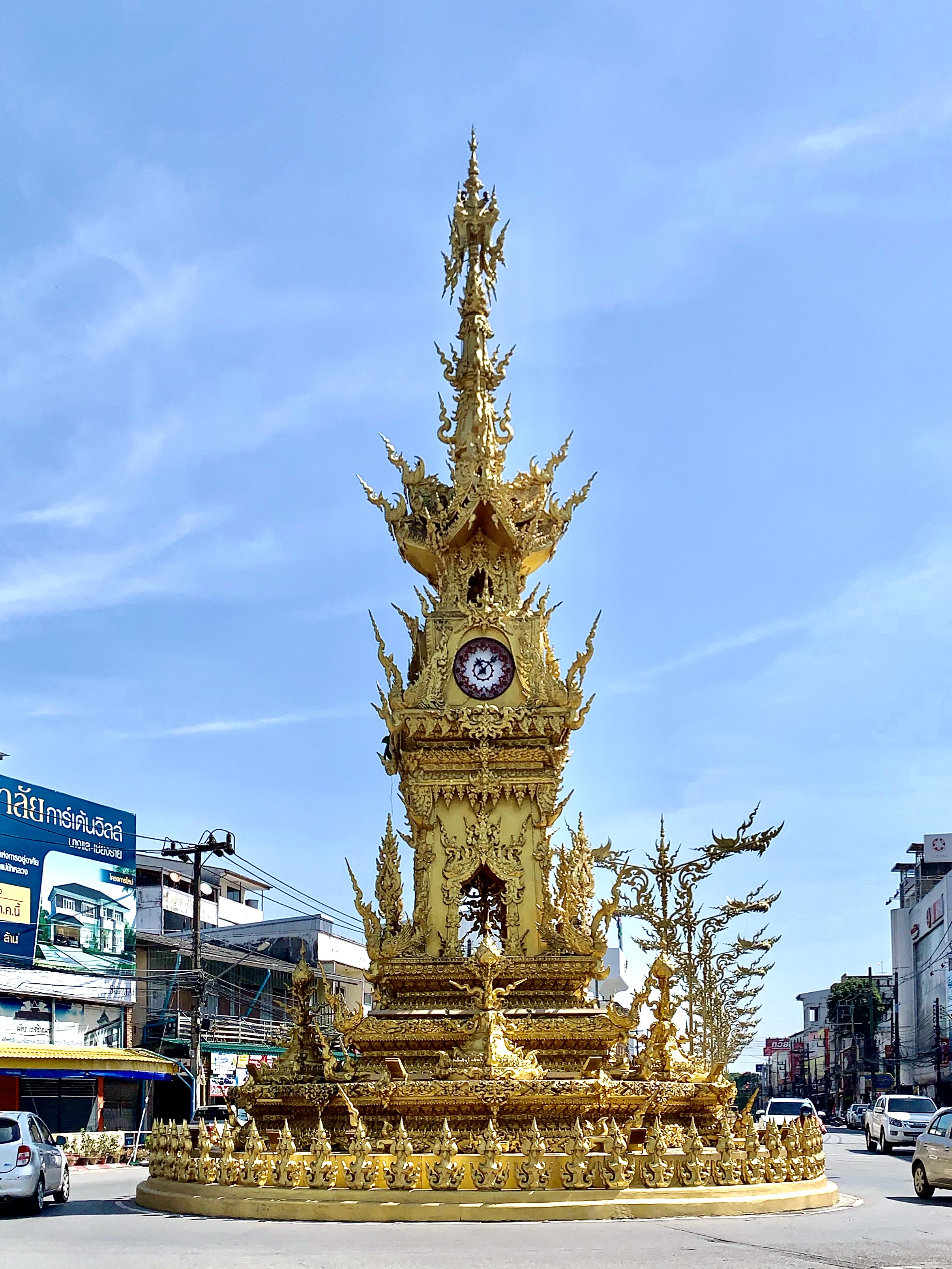
Why Chiang Rai is Perfect for Your Celebration
- Home to iconic landmarks like the White Temple (Wat Rong Khun) and Blue Temple, offering extraordinary photographic backdrops
- Cool, dry weather from November to February creates comfortable conditions for outdoor ceremonies and garden events
- Intimate boutique resorts and highland retreats provide a genuinely private, exclusive atmosphere for smaller celebrations
- Rich Lanna cultural heritage adds authentic local character — traditional ceremonies, crafts, and cuisine are readily available
- Less crowded than major Thai resort destinations, ensuring a more personal and unhurried event experience
- Strong local artisan and culinary scene supports bespoke event styling, local floral arrangements, and authentic Thai catering
Compare Chiang Rai with Other Top Destinations
Frequently Asked Questions
Is Chiang Rai a good destination for a wedding?
Yes, particularly for intimate destination weddings. Chiang Rai is well-suited to smaller celebrations — typically under 200 guests — where couples prioritise cultural authenticity, scenic beauty, and a genuinely exclusive atmosphere. The combination of Lanna heritage, highland landscapes, and boutique riverside resorts creates a setting that feels meaningfully distinctive rather than generic.
What is the best time of year to hold an event in Chiang Rai?
November through February is the optimal window. These cool, dry months offer comfortable daytime temperatures, minimal rainfall, and clear skies — ideal for outdoor ceremonies and receptions. January and February are the coolest months overall. March to May brings haze from agricultural burning, and June to October is the monsoon season — both periods are best avoided for outdoor event planning.
How many guests can venues in Chiang Rai realistically accommodate?
Most venues in Chiang Rai comfortably support events in the range of 50 to 250 guests. Boutique resorts and riverside properties are the primary event spaces, and while some can stretch to around 300 guests for larger setups, the destination is genuinely best suited to smaller, more intimate celebrations rather than very large-scale events.
What kinds of venues are available for events in Chiang Rai?
The venue landscape is dominated by boutique riverside resorts, highland retreat properties, and a small number of heritage-style Lanna properties. Most offer a mix of indoor banquet halls, outdoor garden lawns, and terrace spaces. Outdoor settings are a particular strength during the cool season, with river views and highland scenery providing naturally beautiful backdrops.
How do guests get to Chiang Rai for a destination event?
Chiang Rai is served by Mae Fah Luang – Chiang Rai International Airport, with regular domestic flights from Bangkok (approximately 1.5–2 hours) and Chiang Mai. International guests connect through Bangkok. There is no railway connection to Chiang Rai; road transfer from Chiang Mai (around 3 hours) is an alternative for guests already in northern Thailand. Advance group transfer coordination is recommended.
What is local transport like for a guest group once they arrive in Chiang Rai?
Private vehicle hire and chartered minibuses are the most practical options for moving groups between accommodation, venues, and attractions. The city's compact geography works in planners' favour — most key locations are within 20–30 minutes of one another. Ride-share and taxi infrastructure is less developed than in Bangkok or Chiang Mai, so pre-arranged group transfers are strongly advisable.
Can local vendors in Chiang Rai handle a full destination wedding or event?
For events that lean into local character — authentic Lanna catering, traditional floral arrangements, cultural performances — the local vendor ecosystem is genuinely capable and distinctive. For large-scale specialist production (major AV, luxury international-standard styling), planners may need to supplement with vendors from Chiang Mai or Bangkok. In-house resort event teams are experienced with destination weddings at the boutique scale.
What makes Chiang Rai culturally distinctive as an event destination?
Chiang Rai's Lanna heritage sets it apart — the White Temple (Wat Rong Khun), Blue Temple (Wat Rong Suea Ten), traditional northern Thai ceremonies, local artisan crafts, and authentic Lanna cuisine can all be genuinely integrated into event programming. This cultural depth is rooted rather than staged, giving celebrations here a character that is difficult to replicate in more generic resort destinations.
Is Chiang Rai suitable for corporate retreats or social gatherings beyond weddings?
Yes. Smaller corporate groups and social gatherings — milestone birthdays, family reunions, anniversary celebrations — are well served by Chiang Rai's boutique resort environment and rich cultural programming. Temple visits, hill tribe community experiences, tea plantation tours, and cooking classes provide genuine group activity options that add meaningful content to a retreat or celebration itinerary.
What should planners be aware of regarding the haze season in Chiang Rai?
From approximately March through May, agricultural burning across northern Thailand and neighbouring countries causes significant air quality deterioration in Chiang Rai. Visibility can be reduced, outdoor conditions become uncomfortable, and the haze can affect guest health — particularly for those with respiratory sensitivities. This period is genuinely unsuitable for outdoor events and is best avoided entirely when selecting event dates.
How far in advance should a destination event in Chiang Rai be planned?
Given the boutique scale of the local venue and vendor ecosystem, planning 9–18 months in advance is advisable for weddings and larger social events during the peak cool season (November–February). Popular riverside resort venues can book up well ahead during this window, and coordinating guest travel — particularly for international attendees requiring connecting flights — benefits from early communication.

Ready to explore venues in Chiang Rai?
Chiang Rai: Destination Wedding & Cultural Event Venues in Northern Thailand
◆Chiang Rai is best suited to intimate, culturally immersive celebrations — weddings, social gatherings, and festival-style events — where atmosphere and authenticity matter more than large-scale infrastructure. Its primary vibe is Cultural & Timeless, shaped by Lanna heritage, ancient temples, and highland landscapes. The destination is most accessible during the cool, dry season (November to February), when outdoor events are genuinely comfortable. Venue inventory skews toward boutique resorts and riverside retreats rather than large convention-style hotels, making it a stronger fit for guest lists under 300. International guests will typically connect through Bangkok or Chiang Mai, so travel planning requires a little more coordination than a gateway city.
Chiang Rai at a Glance
| Category | Detail |
|---|---|
| Best For | Intimate Weddings, Cultural Festivals, Social Gatherings, Milestone Celebrations |
| Primary Vibe | Cultural & Timeless |
| Other Vibes | Serene, Highland, Boutique, Scenic |
| Best Season | Cool / Mild Season (Jan, Feb, Nov, Dec) |
Why Choose Chiang Rai?
- Iconic cultural backdrops: The White Temple (Wat Rong Khun), Blue Temple (Wat Rong Suea Ten), and the broader Lanna temple landscape provide extraordinary, genuinely unique photographic settings that are difficult to replicate anywhere else in the world.
- Intimate scale and exclusivity: Chiang Rai's boutique resort ecosystem means events here feel personal and unhurried — guests are not sharing a sprawling convention hotel with multiple unrelated events simultaneously.
- Authentic Lanna cultural integration: Local artisans, traditional musicians, Lanna-style floral arrangements, and authentic northern Thai cuisine can be woven into event programming in ways that feel genuinely rooted rather than staged.
- Highland scenery and natural beauty: The surrounding hills, tea plantations, and the Mae Kok River create a naturally scenic environment that reduces the need for heavy artificial décor — the landscape does much of the work.
- Relatively uncrowded: Compared to Thailand's more heavily touristed destinations, Chiang Rai offers a quieter, more private atmosphere — particularly valuable for celebrations where guest experience and exclusivity are priorities.
- Compact city with manageable logistics: The city center, riverside resorts, and key landmarks are all within a short drive of one another, making guest movement between accommodation, ceremony, and reception venues straightforward.
Which Celebrations Work Best in Chiang Rai?
- Intimate destination weddings: Chiang Rai is particularly well-suited to smaller weddings — typically under 200 guests — where couples want a meaningful cultural setting, beautiful natural scenery, and a sense of genuine discovery rather than a well-worn resort circuit. The temple landscapes and riverside resorts provide ceremony and reception settings that feel genuinely special.
- Cultural festival events: The destination's Lanna heritage makes it a natural fit for festival-style celebrations — events that incorporate traditional Thai ceremonies, lantern releases, local craft markets, or cultural performances. These elements are available authentically here rather than as imported add-ons.
- Social gatherings and milestone celebrations: Milestone birthdays, anniversary celebrations, and family reunions benefit from Chiang Rai's combination of comfortable boutique accommodation, excellent local cuisine, and a relaxed pace that encourages genuine connection among guests.
- Corporate retreats with a cultural dimension: Smaller corporate groups seeking an off-the-beaten-path retreat with genuine cultural programming — temple visits, hill tribe community experiences, tea plantation tours — will find Chiang Rai a distinctive and memorable choice.
Venues & Event Spaces
Chiang Rai's event venue landscape is defined primarily by boutique riverside resorts and highland retreat properties, most of which offer a combination of indoor banquet halls, outdoor garden lawns, and terrace spaces overlooking the Mae Kok River or surrounding hills. Several properties feature dedicated event pavilions designed for ceremonies and receptions, with capacities generally ranging from intimate gatherings of 30–50 guests up to approximately 200–300 for larger celebrations.
Beyond the resort circuit, the city also has a small number of heritage-style properties — converted traditional Lanna structures and boutique guesthouses — that suit very intimate events or pre-wedding functions. For larger-scale events requiring convention-style infrastructure, the local inventory is more limited, and planners should assess available spaces carefully against their guest count and production requirements.
Outdoor spaces are a genuine strength of the destination during the cool season — garden ceremonies, riverside dinners, and open-air receptions under the stars are all genuinely viable and commonly arranged. The surrounding natural landscape — tea hills, river views, and temple silhouettes — means that outdoor settings here carry a visual quality that is difficult to manufacture artificially.
Best Time to Celebrate
The cool, dry season from November through February is the clear optimal window for events in Chiang Rai. During these months, daytime temperatures are typically comfortable — warm enough for outdoor celebrations without the oppressive heat of the pre-monsoon period — while evenings can be genuinely cool, particularly in December and January, adding a pleasant freshness to outdoor dinners and receptions. Rainfall is minimal, skies are generally clear, and the surrounding landscape is at its greenest following the monsoon.
November and December are particularly popular for events: the landscape is lush, the air quality is good, and the festive atmosphere of the broader holiday season adds a natural energy to celebrations. January and February are the coolest months and remain excellent for events, though January nights can be notably cool at higher elevations — worth factoring into outdoor evening planning.
March through May present a significant challenge: this is Chiang Rai's haze season, driven by agricultural burning across the region. Air quality can deteriorate substantially, with visibility reduced and outdoor conditions uncomfortable — a genuine concern for outdoor ceremonies and guest health. This period is best avoided for event planning.
June through October bring the monsoon season, with regular rainfall, high humidity, and the risk of flooding in lower-lying areas. While some indoor events can still be managed, outdoor celebrations are significantly disrupted, and the overall guest experience is less reliable. Shoulder months — particularly October and early November — can offer reasonable conditions as the monsoon recedes, but the safest planning window remains firmly within the November–February core season.
Getting There & Local Connectivity
Chiang Rai is served by Mae Fah Luang – Chiang Rai International Airport, located close to the city center, with regular domestic connections from Bangkok (both Suvarnabhumi and Don Mueang airports) and Chiang Mai. Flight times from Bangkok are approximately 1.5–2 hours, making the journey manageable for domestic guests. International guests will generally need to connect through Bangkok, which adds a leg to the journey — this is worth communicating clearly in guest travel briefings.
There is no railway connection to Chiang Rai; the nearest major rail hub is Chiang Mai, approximately three hours away by road. Road travel from Chiang Mai is a viable option for guests already in northern Thailand, with comfortable coach and private transfer services available. For event groups, coordinating airport transfers and local transport in advance is strongly recommended, as the local taxi and ride-share infrastructure is less developed than in Bangkok or Chiang Mai.
Within the city and its surroundings, private vehicle hire and chartered minibuses are the most practical transport solution for moving guest groups between accommodation, ceremony venues, and dining locations. The compact geography of the destination works in planners' favour — most key locations are within 20–30 minutes of one another, keeping logistics manageable even for larger groups.
Local Vendor & Hospitality Ecosystem
Chiang Rai has a growing but still developing event vendor ecosystem. The hospitality sector — particularly at the resort level — is experienced in handling destination weddings and private events, with in-house event teams at several properties capable of coordinating catering, décor, and basic production. Northern Thai cuisine is a genuine strength: local catering teams can deliver authentic Lanna menus that add real cultural character to event dining.
For more specialist requirements — large-scale floral installations, international-standard AV production, luxury wedding styling — planners may find it necessary to bring in vendors from Chiang Mai or Bangkok. The local florist and artisan community is talented and offers genuinely distinctive work rooted in northern Thai craft traditions, but the depth of the specialist vendor pool is smaller than in Thailand's major event hubs.
English proficiency in the hospitality sector is generally good at resort level, though it can be more variable among smaller local vendors — having a bilingual event coordinator or local liaison is a practical asset for complex productions. Overall, the ecosystem suits events that lean into local character and authenticity rather than requiring the full infrastructure of a major international event city.
Pros & Things to Consider
Why Chiang Rai Works Well
- Genuinely unique cultural and scenic backdrops — the White Temple, Blue Temple, and highland landscapes are visually extraordinary
- Intimate, boutique resort environment creates a naturally exclusive atmosphere for smaller celebrations
- Authentic Lanna cultural programming — traditional ceremonies, local cuisine, artisan crafts — available in a way that feels rooted rather than performed
- Cool-season weather (November–February) is genuinely comfortable for outdoor events, including evening receptions
- Compact city geography makes guest logistics manageable — venues, accommodation, and attractions are close together
- Less crowded than major Thai resort destinations, offering a more private and unhurried guest experience
Things to Consider
- Venue capacity is limited — the local inventory comfortably supports events up to approximately 200–300 guests; very large celebrations may find the available spaces constraining
- International guests face a multi-leg journey (international flight to Bangkok, then connecting domestic flight), which adds complexity and travel time
- The haze season (March–May) is a genuine planning risk — air quality can be poor enough to affect outdoor events and guest comfort significantly
- Specialist event vendors (large-scale AV, luxury styling, international-standard production) may need to be sourced from Chiang Mai or Bangkok, adding logistical coordination
- No railway access means all ground-based arrivals depend on road transfers, which requires advance coordination for larger guest groups
- Evening temperatures in December and January can be notably cool, particularly at higher elevations — outdoor evening events may require heating or guest comfort planning
When Chiang Rai May Not Be the Right Fit
- Very large guest lists: If your celebration requires venue capacity for 400 or more guests with full convention-style infrastructure, Chiang Rai's boutique resort inventory may not comfortably meet that need — a larger Thai event city would be a more practical choice.
- Events planned during the haze or monsoon season: If your dates fall between March and October — particularly March through May — the combination of agricultural haze, heat, and monsoon rains creates genuine risks for outdoor events and overall guest experience that are difficult to mitigate.
- Guests with limited travel flexibility: For a guest list that includes many elderly, very young, or mobility-limited guests who would find a multi-leg international journey and limited local transport infrastructure challenging, a more directly connected destination may serve them better.
- Events requiring large-scale specialist production: If your event vision depends heavily on large-format AV production, elaborate imported décor, or a deep bench of specialist vendors on the ground, the local ecosystem may require significant supplementation from outside the region — adding cost and coordination complexity that a more developed event hub would avoid.