
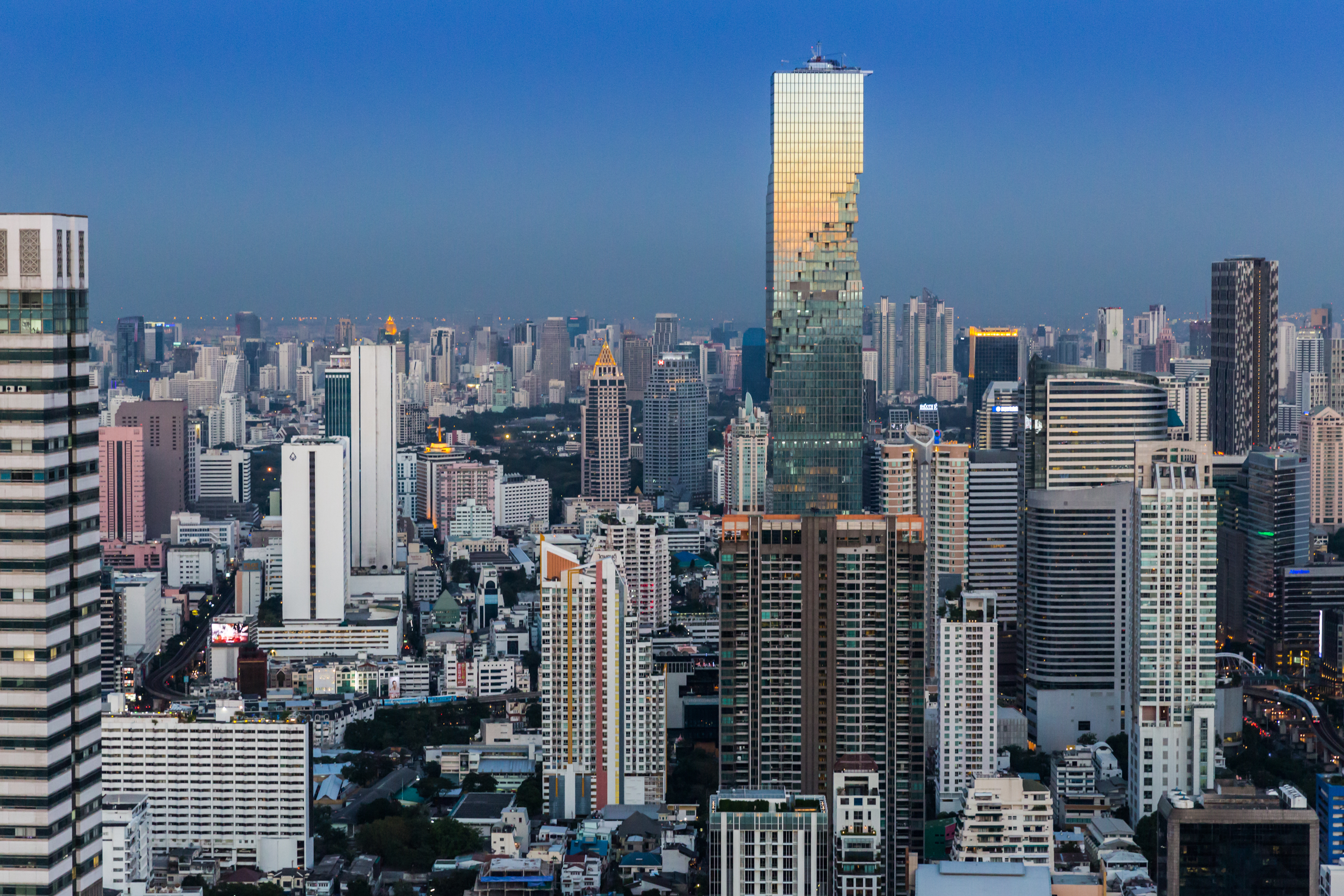
Why Bangkok is Perfect for Your Celebration
- World-class international hotels with dedicated grand ballrooms and event wings
- Riverside and rooftop venues offering dramatic Bangkok skyline backdrops
- Excellent direct flight connectivity from India, Europe, Australia, and the Middle East
- Mature, professional event vendor ecosystem — florists, caterers, AV, entertainment
- Rich Thai cultural experiences (temple visits, traditional performances, river cruises) for guest programmes
- Cool, dry weather from November to February makes outdoor celebrations genuinely comfortable
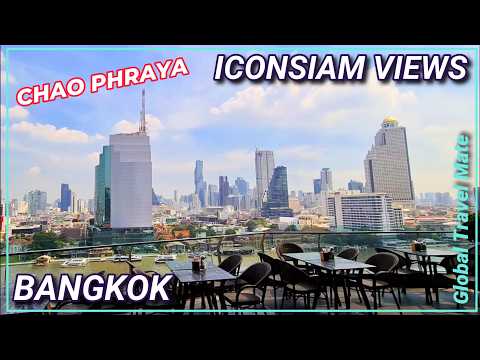
Top Venues in Bangkok
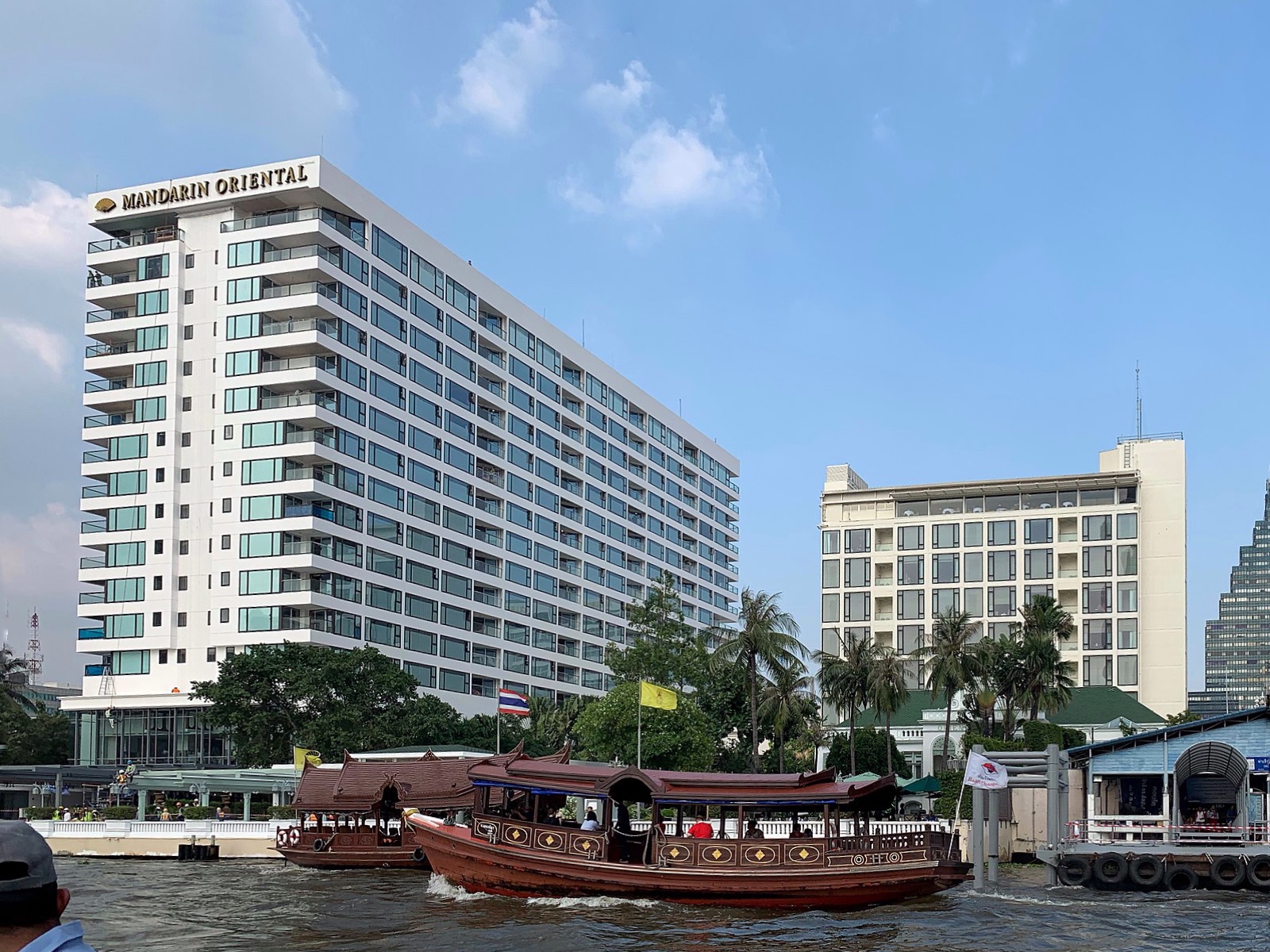
Mandarin Oriental Bangkok
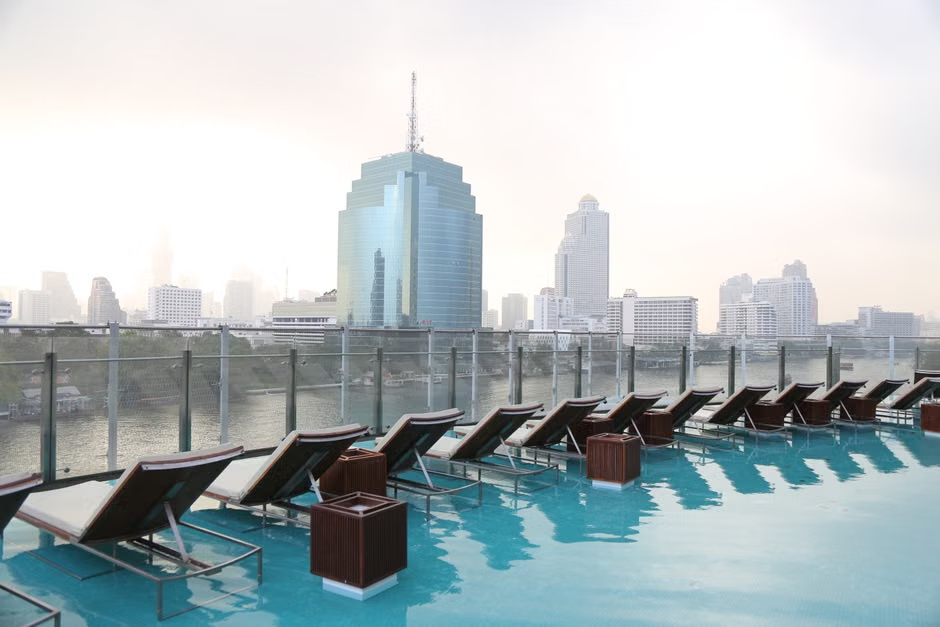
Renaissance Bangkok Ratchaprasong Hotel
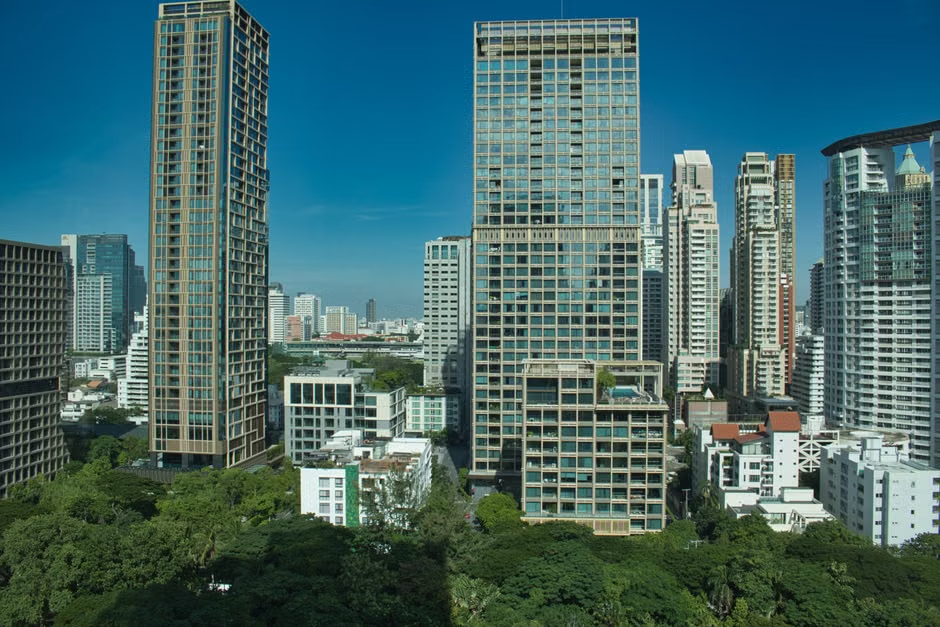
Capella Bangkok

Rosewood Bangkok
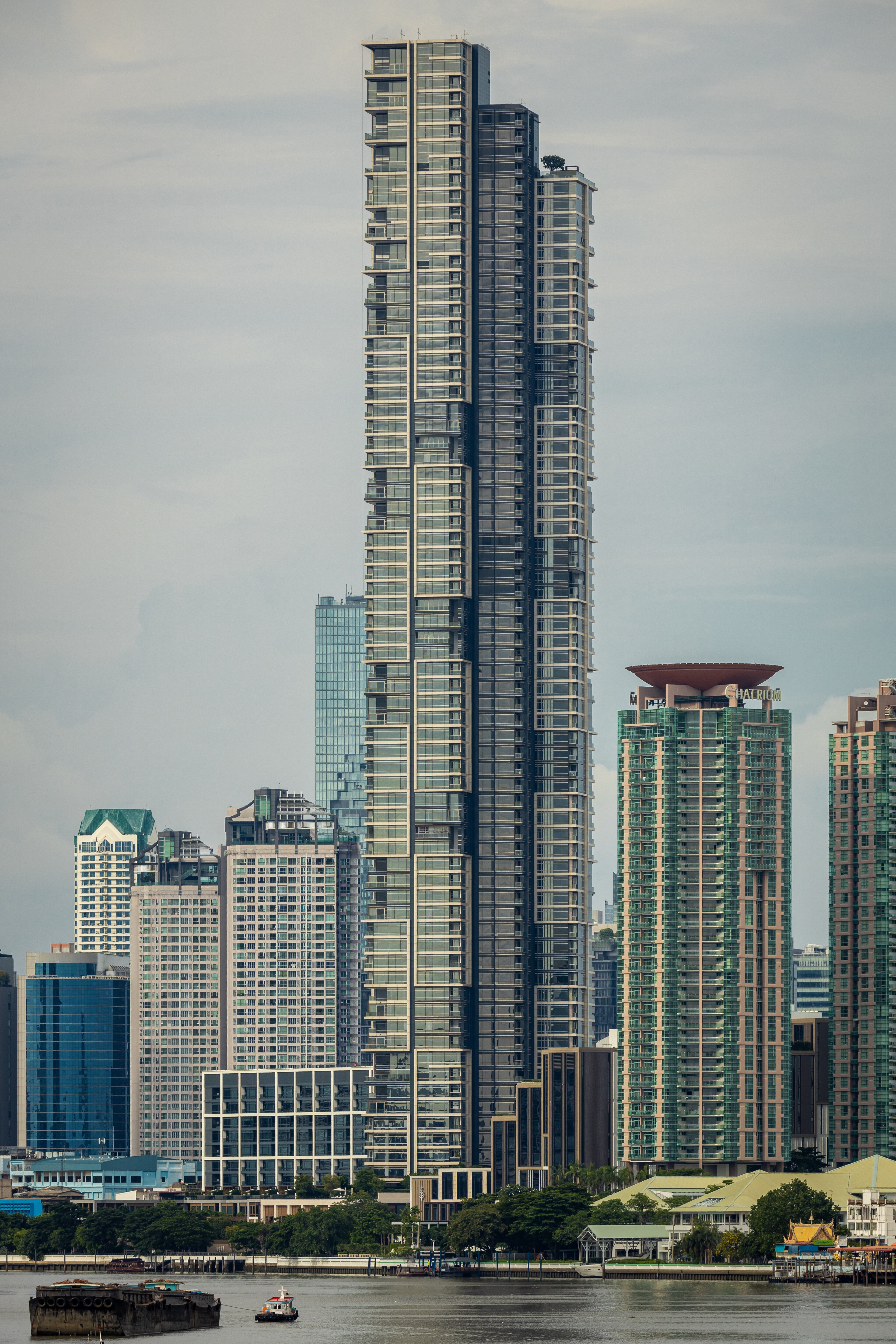
Four Seasons Hotel Bangkok at Chao Phraya River
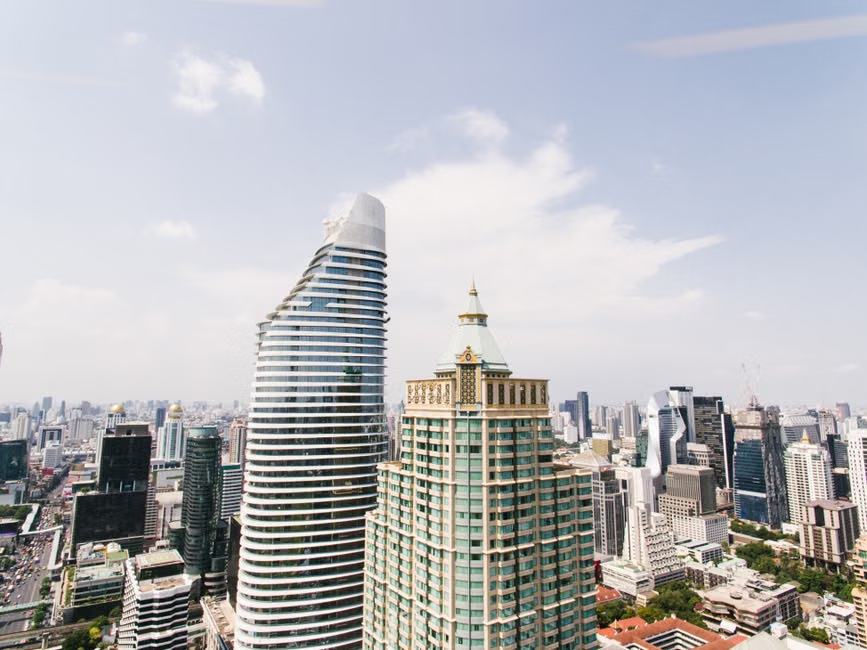
Waldorf Astoria Bangkok
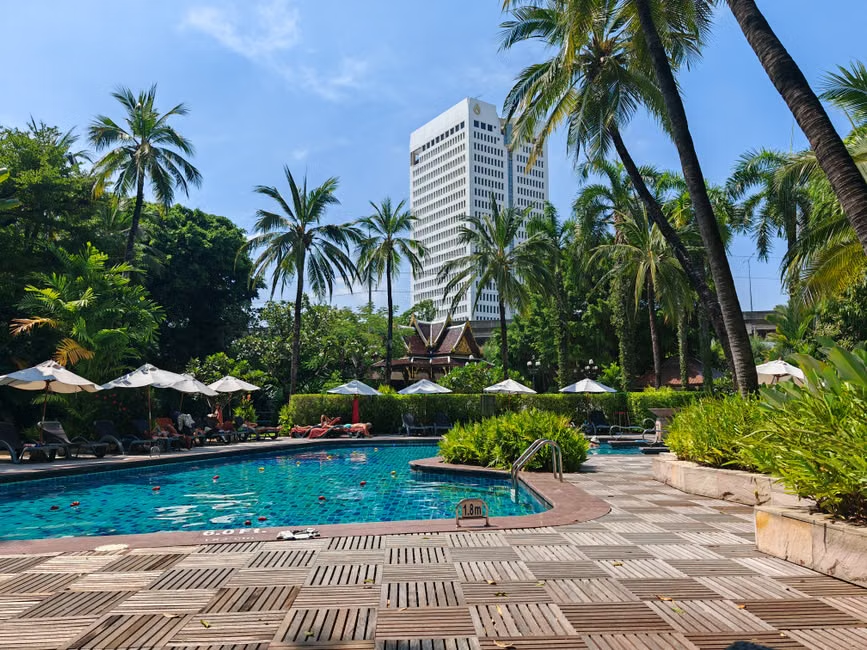
InterContinental Bangkok
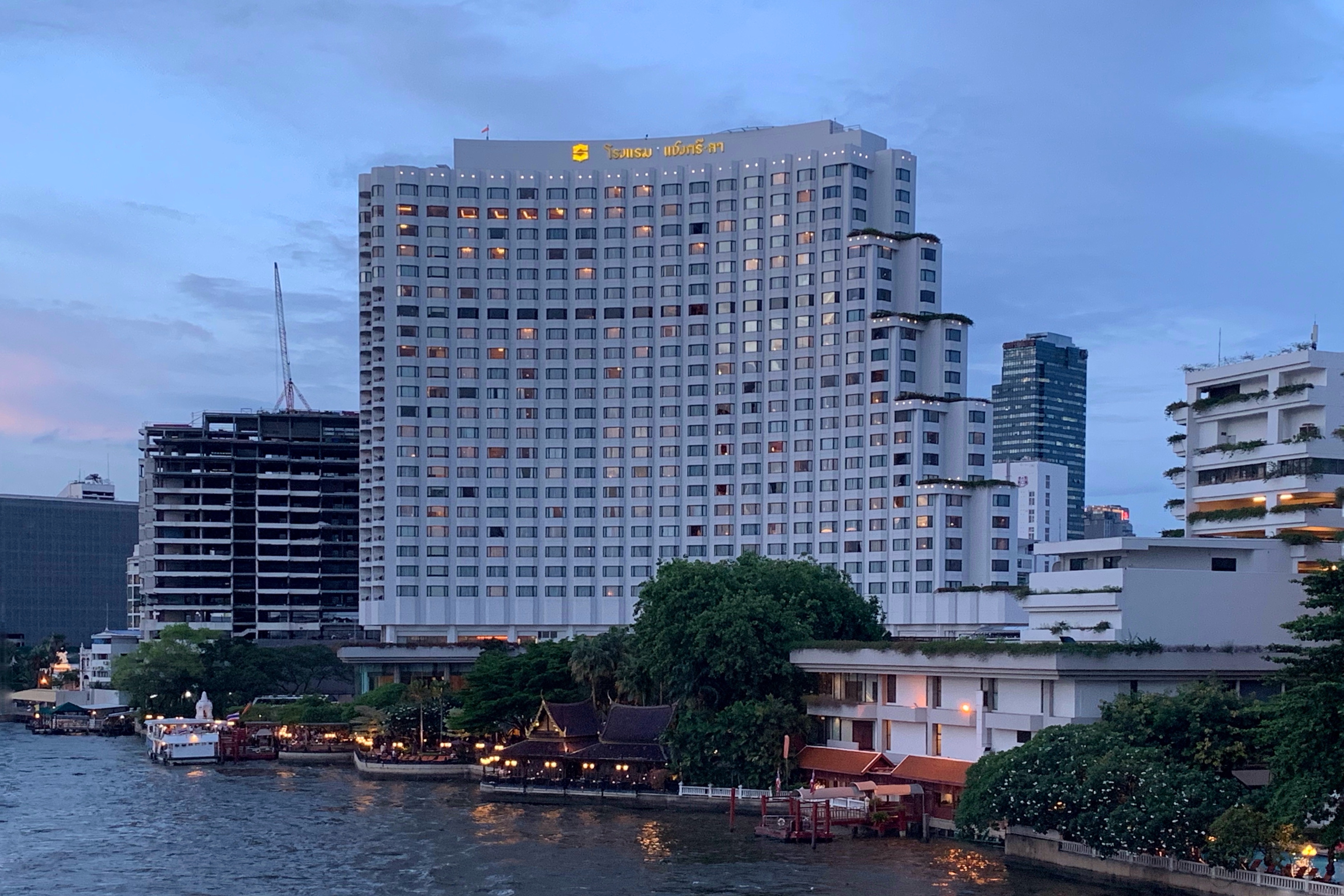
Shangri-La Bangkok

Centara Grand at CentralWorld
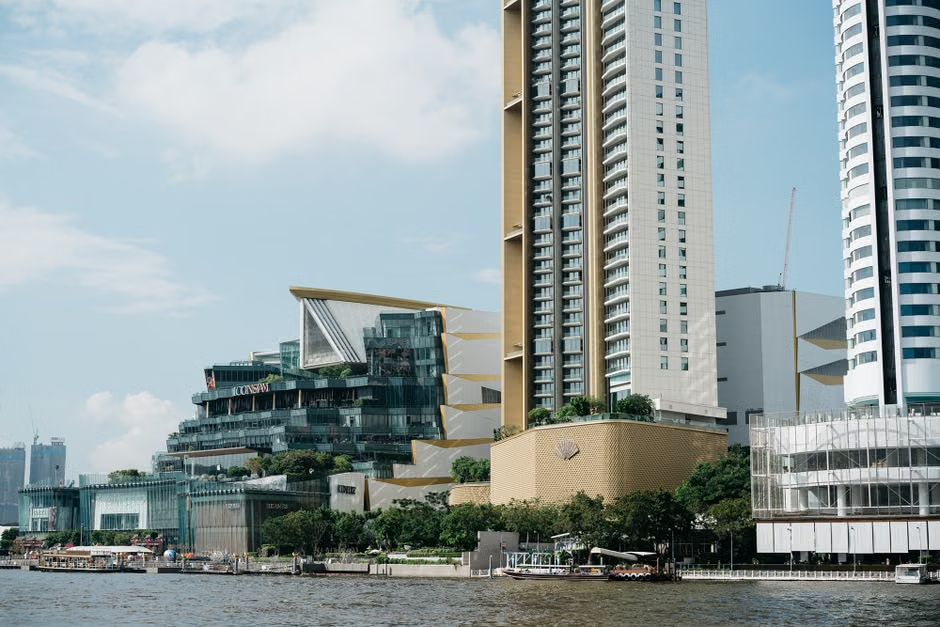
Banyan Tree Bangkok
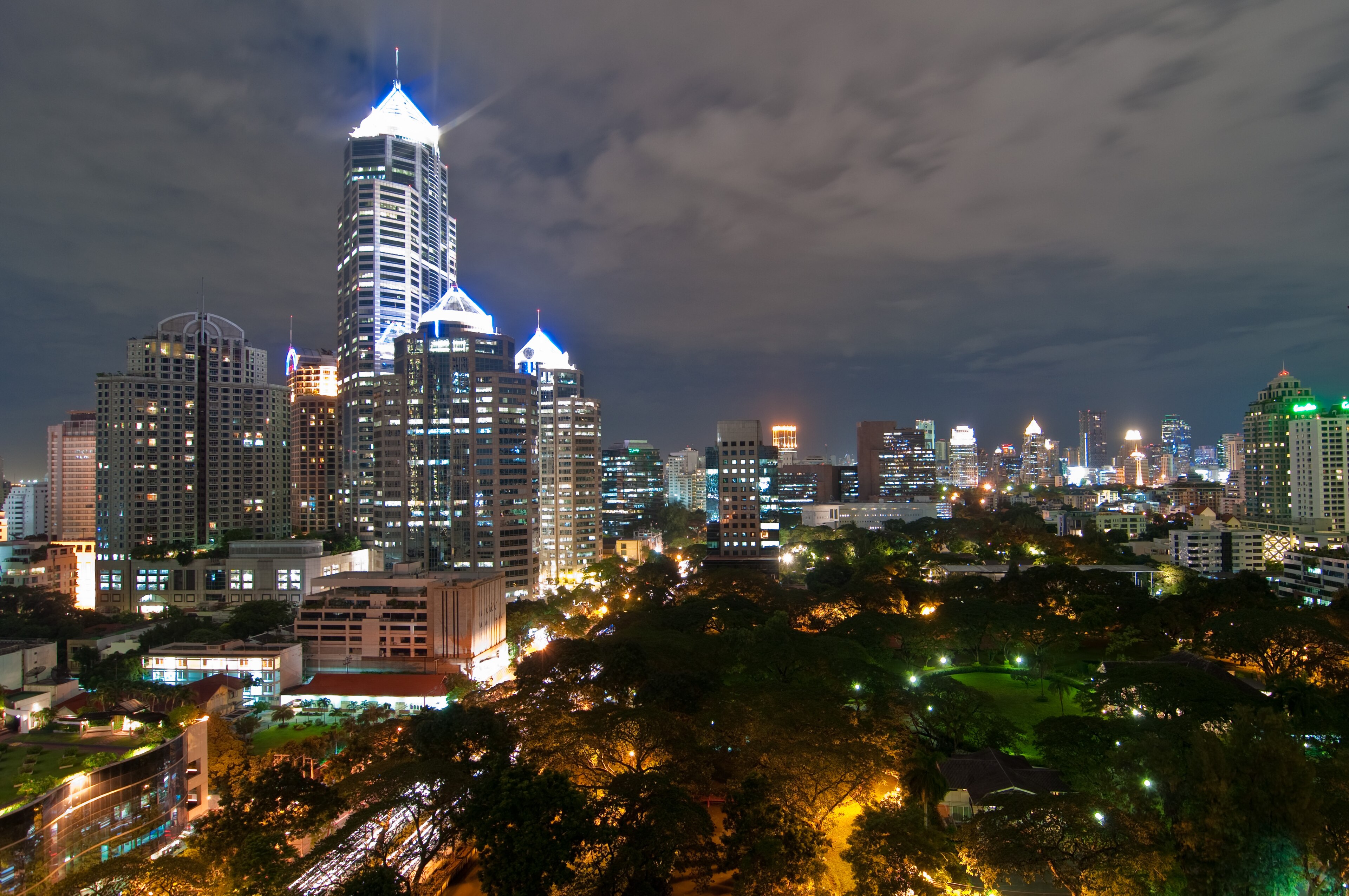
Conrad Bangkok
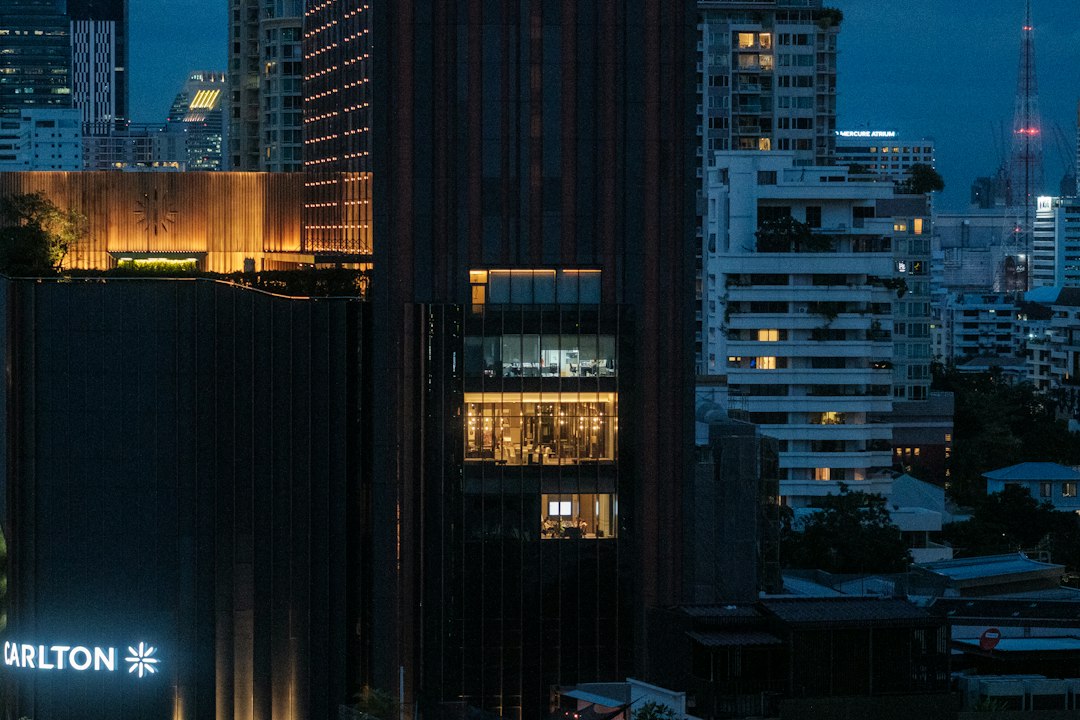
Hilton Bangkok Grande Asoke
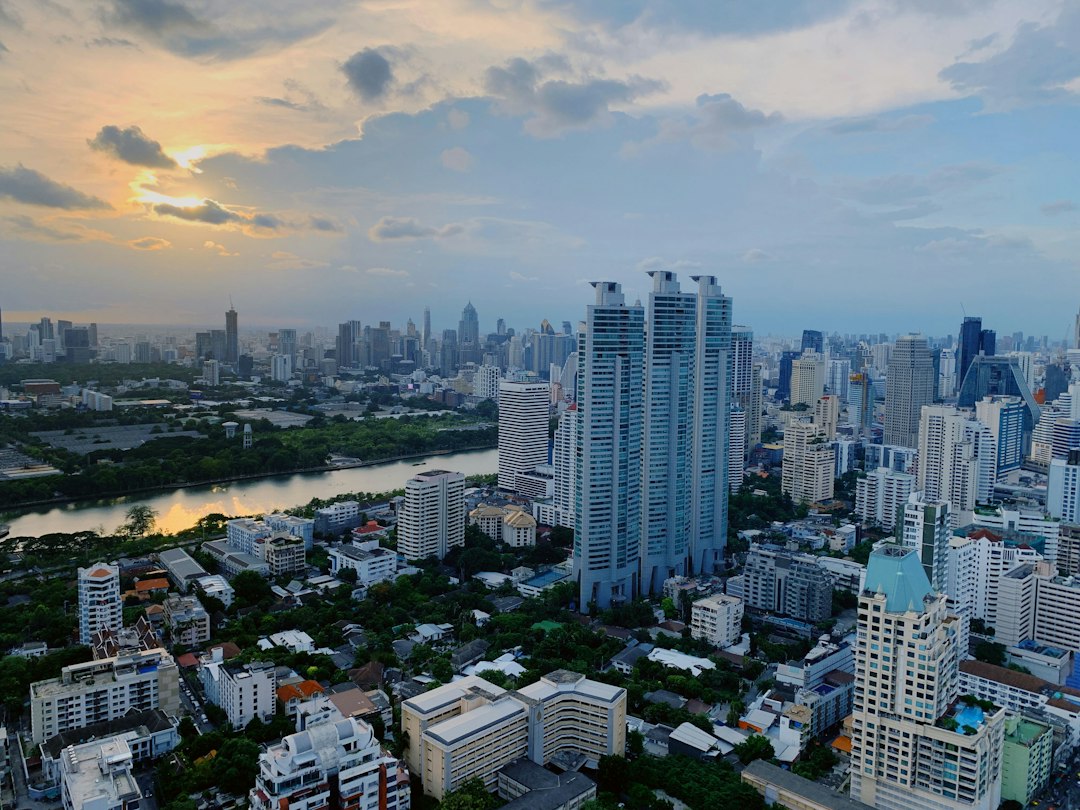
Le Méridien Bangkok
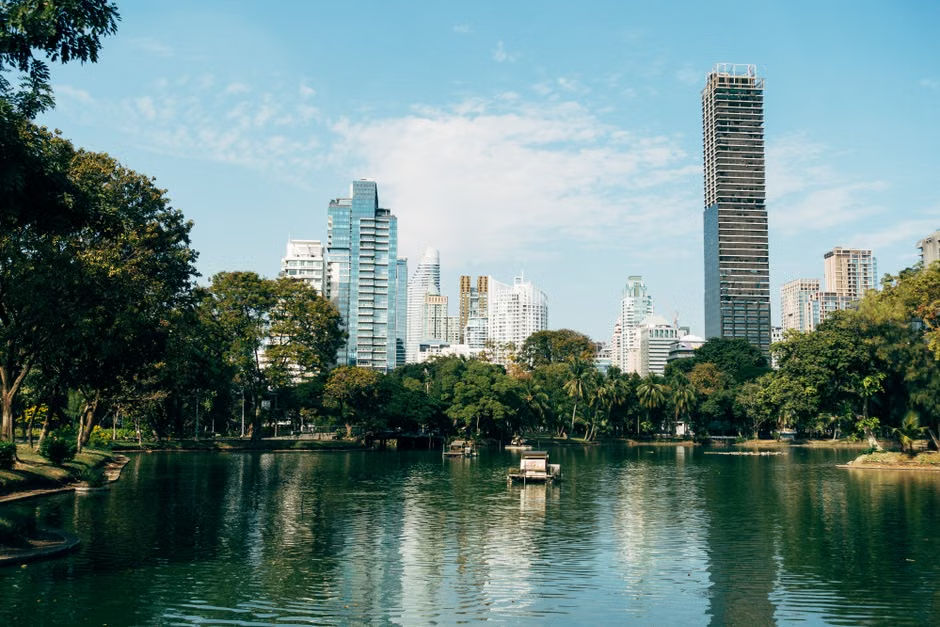
Crowne Plaza Bangkok Lumpini Park
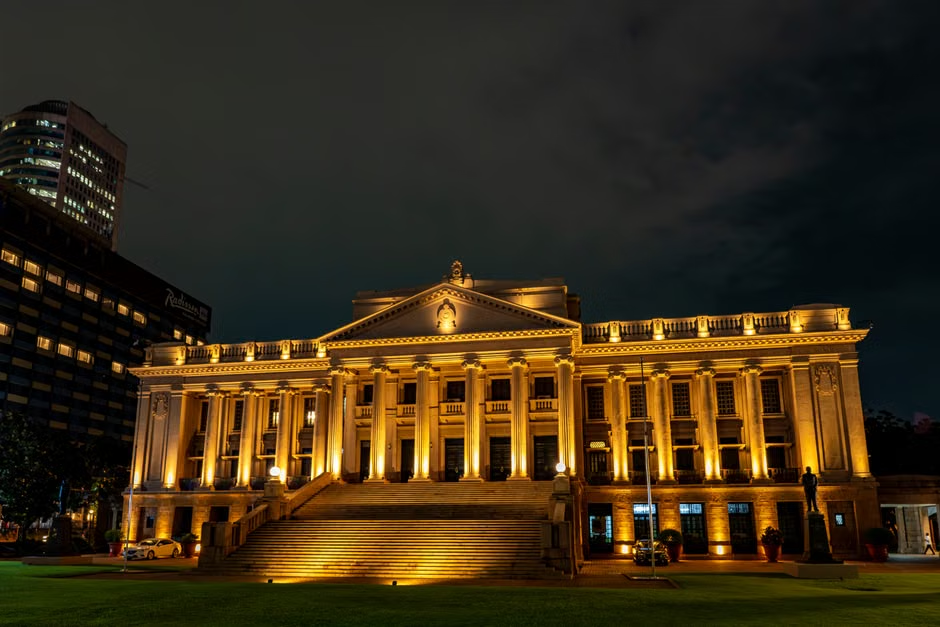
Radisson Blu Plaza Bangkok
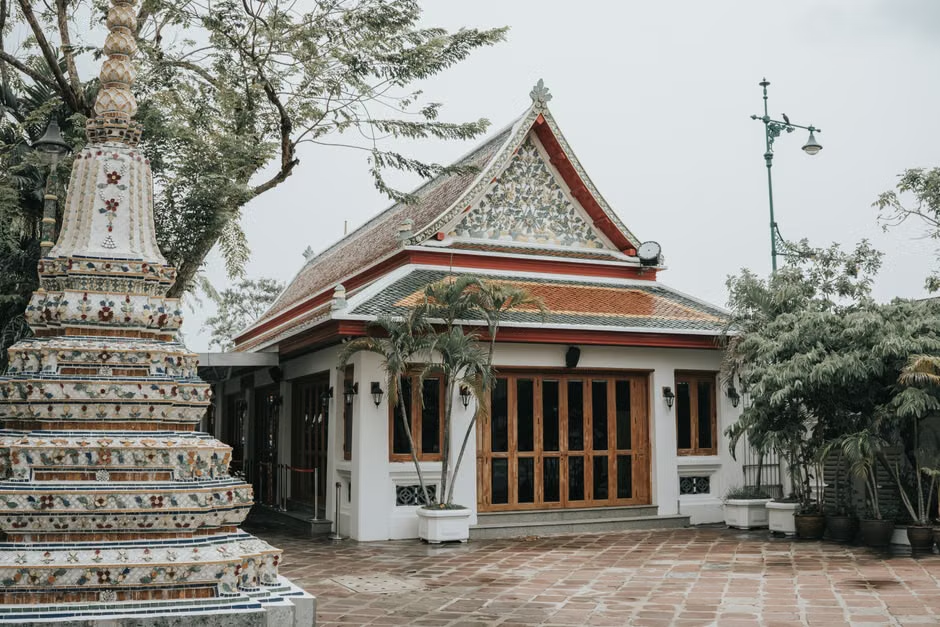
Amari Bangkok
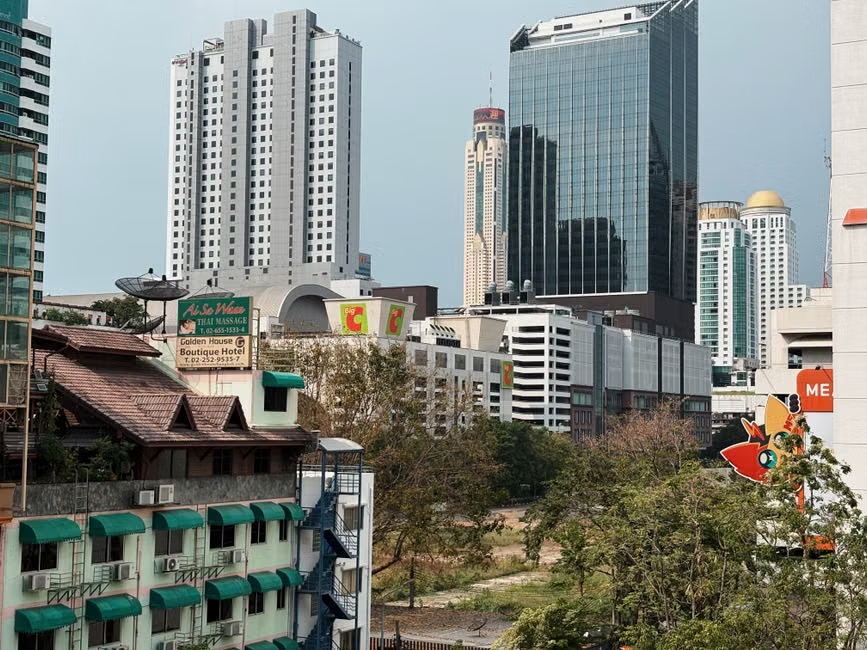
Ibis Styles Bangkok Sukhumvit Phra Khanong
Compare Bangkok with Other Top Destinations
Frequently Asked Questions
Is Bangkok a good destination for an international wedding?
Yes. Bangkok is one of Asia's strongest destination wedding locations, offering riverside luxury hotels, rooftop venues, and a mature wedding vendor ecosystem. Its excellent international air connectivity means guests from India, the Middle East, Europe, and Australia can typically reach the city with a direct or single-connection flight, making it genuinely accessible for a diverse international guest list.
What is the best time of year to hold an event in Bangkok?
January, February, November, and December — Bangkok's Cool / Mild Season — are the best months for events. Temperatures are more moderate, humidity drops, and rainfall is minimal, making outdoor ceremonies and receptions genuinely comfortable. The monsoon season (June–October) brings heavy rain and flooding risk, while March–May brings extreme heat, both of which make outdoor event elements difficult to manage.
How large a guest group can Bangkok venues realistically accommodate?
Bangkok can comfortably accommodate events ranging from intimate gatherings of 30–50 guests to large celebrations of 800–1,200 or more. Several major hotel properties have grand ballrooms and convention-scale facilities capable of hosting very large groups under one roof, while smaller riverside and boutique properties suit more intimate events. The city's venue range is genuinely broad across all scales.
Which airport do guests fly into for Bangkok events?
Most international guests arrive at Suvarnabhumi International Airport (BKK), Bangkok's primary hub, which is approximately 30 km from the city centre and served by direct flights from across Asia, India, the Middle East, Europe, and Australia. Don Mueang Airport (DMK) handles additional regional and low-cost carrier traffic and is also a practical arrival point for some guests.
What kinds of venues are available for events in Bangkok?
Bangkok offers a wide range of event spaces: grand ballrooms in international luxury hotels, riverside terraces and garden lawns along the Chao Phraya, rooftop venues with panoramic city skyline views, heritage-influenced properties in the Charoenkrung district, and convention-scale facilities for very large groups. Both indoor and outdoor settings are available, though outdoor venues are best reserved for the cool season months.
How easy is it to move a large guest group around Bangkok?
Manageable, with planning. Bangkok has a BTS Skytrain, MRT Metro, river ferries, and widely available taxis and ride-hailing apps. For large groups, dedicated coach transfers between hotels and venues are the most reliable option. Traffic congestion is a genuine challenge — particularly during peak hours — so transfer schedules should include generous time buffers to avoid delays affecting event timings.
Is Bangkok suitable for corporate events and conferences?
Yes. Bangkok is one of Asia's leading MICE destinations, with extensive experience hosting regional conferences, incentive trips, product launches, and leadership retreats. Major hotels offer purpose-built conference facilities, professional AV infrastructure, and experienced corporate event teams. International delegates find the city easy to reach and well-equipped for business-focused programming alongside leisure and cultural activities.
What cultural experiences can be incorporated into a Bangkok event programme?
Bangkok offers a rich range of guest experiences: traditional Thai classical dance performances, temple visits (including Wat Pho and Wat Arun), Chao Phraya river cruises, Thai cooking classes, street food tours, and spa experiences. These can be woven into welcome dinners, pre-wedding activities, or post-event leisure days, giving guests a genuinely memorable sense of place beyond the event itself.
How experienced are Bangkok's local vendors and event planners with international clients?
Very experienced. Bangkok has hosted international events for decades, and its vendor ecosystem — wedding planners, florists, caterers, AV specialists, and entertainment providers — is well-accustomed to working with international clients. English is widely spoken across the hospitality and event industry. Many major hotels also have dedicated in-house event teams capable of managing complex, multi-day programmes independently.
Can Bangkok accommodate a large guest list across multiple hotels?
Yes. Bangkok has a very large inventory of international-standard hotels across multiple neighbourhoods — Sukhumvit, Silom, Sathorn, Riverside, and Ratchadamri — meaning even very large guest lists can be accommodated across nearby properties without guests being spread impractically far apart. The city's transport network and ride-hailing availability make inter-hotel movement straightforward for guests.
Are there any visa considerations for guests attending an event in Bangkok?
Yes, and these should be checked early. Thailand has expanded its visa-free arrangements in recent years, and many nationalities — including Indian passport holders under recent policy changes — may enter without a visa for short stays. However, requirements vary by nationality and can change, so event planners should verify current Thai visa rules for their specific guest list origins well in advance of the event date.
What makes Bangkok's cool season particularly well-suited to outdoor event elements?
During November through February, Bangkok's temperatures are more moderate — typically in the high 20s°C — with significantly lower humidity and minimal rainfall compared to the rest of the year. This is the only window when outdoor ceremonies, garden receptions, and rooftop dinners are genuinely comfortable for guests in formal attire. Outside this season, heat, humidity, or monsoon rain make sustained outdoor events impractical.

Ready to explore venues in Bangkok?
Bangkok: Destination Wedding & Event Venues in Thailand
◆Bangkok is one of Asia's most capable and versatile event destinations, suited to destination weddings, corporate conferences, milestone parties, and large group celebrations. Its primary vibe is Vibrant & Festive — a city that combines grand riverside luxury, rooftop drama, and rich Thai cultural texture. The cool, dry months of January, February, November, and December are the clear best window for events, offering genuinely comfortable outdoor conditions. Bangkok is exceptionally well-connected internationally, with two major airports serving the city, and its mature hospitality and vendor ecosystem means event planning here is supported by deep professional infrastructure across all scales.
Bangkok at a Glance
| Category | Detail |
|---|---|
| Best For | Destination Weddings, Corporate Events, Milestone Parties, Group Celebrations |
| Primary Vibe | Vibrant & Festive |
| Other Vibes | Cosmopolitan, Culturally Rich, Riverside Grandeur |
| Best Season | Cool / Mild Season (Jan, Feb, Nov, Dec) |
Why Choose Bangkok?
- Exceptional venue diversity: Bangkok offers an unusually wide spectrum of event spaces — from grand ballrooms in iconic riverside hotels and rooftop terraces with skyline views, to garden lawns, floating venues on the Chao Phraya River, and contemporary convention centres. Few cities in Asia match this range within a single metropolitan area.
- World-class international connectivity: Suvarnabhumi International Airport (BKK) is one of Southeast Asia's busiest hubs, with direct flights from India, the Middle East, Europe, Australia, and across Asia. Don Mueang Airport (DMK) adds further low-cost carrier capacity. Guests from almost any origin can reach Bangkok with a single flight or at most one connection.
- Mature, professional event vendor ecosystem: Bangkok has decades of experience hosting large-scale international events. Wedding planners, event management companies, florists, AV specialists, catering teams, and entertainment providers are plentiful, experienced, and accustomed to working with international clients and multi-day event programmes.
- Rich Thai cultural programming for guest experiences: Beyond the event itself, Bangkok offers guests genuinely memorable experiences — temple visits, traditional Thai dance performances, river cruises, Thai cooking classes, and vibrant street food culture — making it a destination where guests feel they have truly travelled somewhere special.
- Excellent in-city mobility: The BTS Skytrain, MRT Metro, river ferries, and a well-developed taxi and ride-hailing network make moving large groups around the city practical and relatively straightforward, even for guests unfamiliar with the city.
- Festive, high-energy atmosphere: Bangkok's inherent energy — its illuminated skyline, vibrant nightlife, and celebratory street culture — amplifies the mood of any celebration, making events feel naturally festive without requiring extensive theming or artificial atmosphere-building.
Which Celebrations Work Best in Bangkok?
- Destination Weddings: Bangkok is particularly well-suited to destination weddings for couples who want a cosmopolitan, internationally accessible setting with genuine luxury. Riverside hotels offer dramatic ceremony backdrops along the Chao Phraya, while rooftop venues provide skyline settings that are hard to replicate elsewhere. The city's vendor depth means multi-day wedding programmes — welcome dinners, ceremonies, receptions, farewell brunches — can all be executed at a high standard.
- Corporate Events & Conferences: Bangkok is one of Asia's leading MICE (Meetings, Incentives, Conferences, Exhibitions) destinations. Large convention-capable hotels, professional AV infrastructure, and experienced corporate event teams make it a strong choice for regional conferences, incentive trips, product launches, and leadership retreats. International delegates find it easy to reach and comfortable to navigate.
- Milestone Parties & Celebrations: Significant birthdays, anniversaries, and family reunions translate well to Bangkok's setting. The city's range of venue sizes — from intimate private dining rooms to grand ballrooms accommodating over a thousand guests — means milestone events of almost any scale can be hosted appropriately.
- Group Incentive & Leisure Events: Bangkok's combination of luxury accommodation, cultural experiences, world-class dining, and entertainment makes it a compelling incentive travel destination. Groups can be kept engaged across multiple days with a genuinely varied programme that feels rewarding rather than generic.
Venues & Event Spaces
Bangkok's event venue landscape is among the most diverse in Southeast Asia. The city's riverside corridor — particularly along the Chao Phraya River — is home to some of its most iconic event properties, offering grand ballrooms, outdoor terraces, and private garden settings with river views. These riverside venues are particularly popular for wedding ceremonies and gala dinners, where the combination of water, city lights, and lush tropical landscaping creates a naturally dramatic setting.
Across the central business districts — Sukhumvit, Silom, Sathorn, Ratchadamri, and Ploenchit — a dense concentration of international luxury and upper-midscale hotels offer purpose-built event wings with pillarless ballrooms, pre-function foyers, and breakout rooms suited to both social and corporate events. Many of these properties have dedicated event coordination teams with experience managing multi-day programmes for international groups.
Beyond traditional hotel ballrooms, Bangkok also offers rooftop event spaces with panoramic city views, private villa-style settings in quieter residential areas, heritage-influenced properties in the older Charoenkrung district, and floating venue options on the river itself. For very large events, convention-scale facilities within major hotel complexes can accommodate several hundred to over a thousand guests under one roof. Outdoor garden and lawn settings are available at select properties, though these are best reserved for the cool season months when the climate genuinely supports extended outdoor use.
Best Time to Celebrate
The Cool / Mild Season — January, February, November, and December — is the clear optimal window for events in Bangkok. During these months, temperatures are more moderate by Bangkok's standards (typically in the high 20s°C during the day), humidity drops noticeably, and rainfall is minimal. This is the only period when outdoor event elements — garden ceremonies, rooftop receptions, riverside dinners — are genuinely comfortable for guests dressed in formal or semi-formal attire. The city is also at its most visually appealing during this window, with clearer skies and lower pollution levels.
March through May brings Bangkok's hottest and most uncomfortable conditions, with temperatures regularly exceeding 35–36°C and high humidity. Outdoor event elements become genuinely difficult to manage, and even indoor events require careful air-conditioning planning. This period is not recommended for events with significant outdoor components.
June through October is Bangkok's monsoon season. While rainfall is not constant, heavy downpours are frequent and can be intense, with some years bringing localised flooding in lower-lying parts of the city. Outdoor events carry real weather risk during this period, and even indoor events can be disrupted by transport delays caused by flooding. Event planners should treat this period as high-risk for any outdoor programming.
In practical terms, the cool season months — particularly November, December, and January — are when Bangkok's event calendar is at its busiest, and popular venues book up well in advance. Planning and confirming bookings six to twelve months ahead is advisable for events during this window.
Getting There & Local Connectivity
Bangkok is one of the best-connected cities in Asia for international arrivals. Suvarnabhumi International Airport serves as a major regional hub with direct routes from across South Asia, the Middle East, Europe, East Asia, and Australia. A second airport, Don Mueang, handles a significant volume of regional and low-cost carrier traffic, adding further flexibility for guests arriving from different origins. For Indian guests specifically, direct flights are available from multiple Indian cities, making Bangkok one of the more accessible international event destinations from the subcontinent.
Once in the city, Bangkok's public transport network is genuinely useful for event groups. The BTS Skytrain covers the main hotel and venue corridors along Sukhumvit, Silom, and Sathorn, while the MRT Metro extends coverage further. River ferries and express boats on the Chao Phraya provide a scenic and practical option for guests staying at or visiting riverside properties. Taxis and ride-hailing apps are widely available and affordable, though traffic congestion — particularly during peak hours — is a real consideration for scheduling transfers and guest movements. For large groups, dedicated coach transfers between hotels and venues are commonly arranged and are the most reliable option for keeping groups together on schedule.
Bangkok's main railway terminus, Hua Lamphong, connects the city to the broader Thai rail network, though for international event guests, air travel is the dominant mode of arrival. The Airport Rail Link connecting Suvarnabhumi to the city centre is a practical option for individual guests, while group airport transfers are typically handled by coach or van.
Local Vendor & Hospitality Ecosystem
Bangkok's event vendor ecosystem is one of the most developed in Southeast Asia, shaped by decades of hosting international conferences, incentive groups, and destination weddings. Wedding planners and event management companies with international experience are well-established in the city, and many major hotels have in-house event teams capable of managing complex, multi-day programmes without requiring extensive external coordination.
Floral design, catering, entertainment, and audio-visual production are all available at a high standard. Thai floral traditions — particularly the use of orchids, jasmine, and tropical blooms — lend a distinctive and genuinely beautiful character to event décor that is specific to this destination. Catering options range from traditional Thai banquet menus to international cuisine, and most major event hotels are experienced in accommodating diverse dietary requirements, including Indian vegetarian and Jain menus, which is particularly relevant for Indian destination wedding groups.
Entertainment options are broad: traditional Thai classical dance performances, live bands, DJ sets, fire shows, and cultural experiences can all be incorporated into event programmes. The city's hospitality workforce is generally experienced in working with international guests, and English is widely spoken across the hotel and event industry, reducing communication friction for non-Thai-speaking planners and guests.
Pros & Things to Consider
Why Bangkok Works Well
- Exceptional international air connectivity — guests from most major cities can reach Bangkok with ease
- One of Asia's deepest and most experienced event vendor ecosystems
- Wide range of venue types and sizes, from intimate riverside settings to grand convention-scale ballrooms
- Rich cultural programming options that make the destination genuinely memorable for guests
- Strong in-city transport infrastructure for moving groups between hotels and venues
- Cool season (Nov–Feb) offers genuinely comfortable outdoor event conditions
- Thai hospitality culture is warm, attentive, and well-regarded internationally
Things to Consider
- Traffic congestion: Bangkok's road traffic is notoriously heavy, particularly during morning and evening peak hours. Transfer timings between venues and hotels must be planned with significant buffer, and last-minute schedule changes can be difficult to manage.
- Monsoon season risk: Events planned outside the cool season window — particularly June through October — carry real weather risk for outdoor elements, and flooding in some city areas can disrupt transport.
- Heat and humidity outside cool season: Bangkok's climate for most of the year is genuinely hot and humid. Events with significant outdoor components should be firmly anchored in the November–February window.
- Visa requirements: Guests from different countries face varying visa requirements for Thailand. While Thailand has expanded its visa-free arrangements in recent years, event planners should verify current requirements for their specific guest list origins well in advance.
- Cultural sensitivities: Thailand has specific cultural norms around dress, behaviour near religious sites, and public conduct. Event programmes that incorporate temple visits or cultural experiences should be briefed carefully to ensure guests are respectful and appropriately dressed.
- Peak season venue availability: The cool season is Bangkok's busiest event period. Popular venues — particularly riverside luxury properties — can be heavily booked from November through February, and early confirmation (often 9–12 months ahead) is important for securing preferred dates.
When Bangkok May Not Be the Right Fit
- Outdoor-heavy events outside the cool season: If your event programme relies significantly on outdoor ceremonies, garden receptions, or rooftop dinners, and your dates fall between March and October, Bangkok's heat, humidity, and monsoon risk make it a genuinely difficult choice. A different destination or a fully indoor programme would be more reliable.
- Guests with very limited international travel experience: While Bangkok is well-connected and generally safe, the city's scale, traffic, language differences, and cultural unfamiliarity can be overwhelming for guests who rarely travel internationally. Events where a significant portion of the guest list has limited travel experience may benefit from a destination that requires less navigation.
- Very small, intimate gatherings seeking seclusion: Bangkok is a large, busy metropolis. Couples or hosts seeking a genuinely secluded, private, or remote setting — away from urban energy — will find Bangkok's character works against that goal. A quieter resort destination would be a better fit for events where privacy and seclusion are the primary priorities.
- Events requiring very specific religious or traditional Indian wedding infrastructure: While Bangkok's vendor ecosystem is mature and experienced, some highly specific requirements for traditional Indian wedding rituals — particular priests, specific regional catering traditions, or very large mandap structures — may require more coordination and importation of specialists than a domestic Indian destination would. This is manageable but adds planning complexity.