
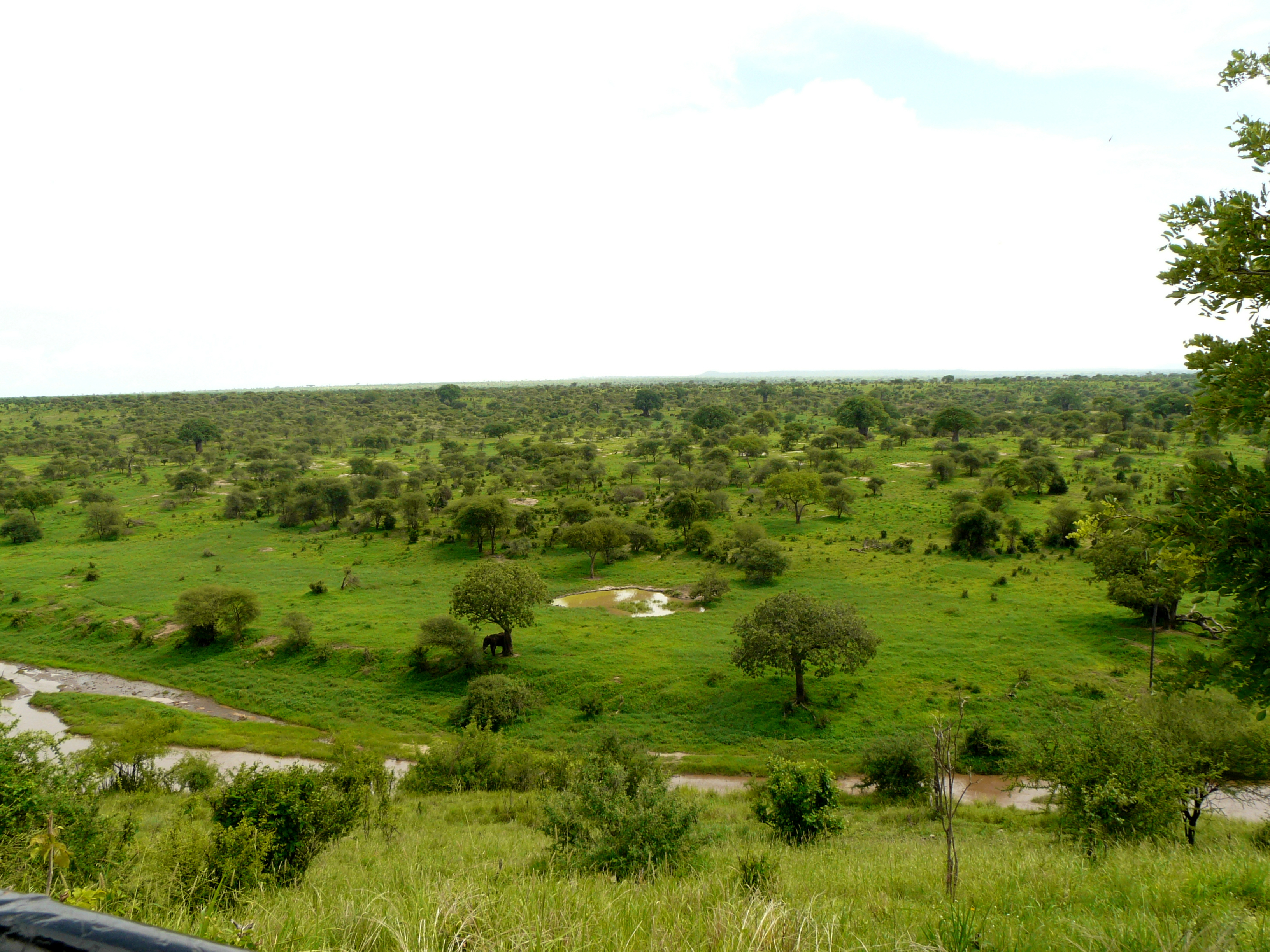
Why Tarangire is Perfect for Your Celebration
- One of Africa's densest elephant populations creates an unmatched natural spectacle as a living event backdrop
- Ancient baobab forests provide dramatic, photogenic settings unlike any conventional venue
- Exclusive-use luxury tented camps allow full buyout for private, intimate celebrations
- Dry season (Jun–Oct) delivers reliably clear skies and comfortable temperatures ideal for outdoor events
- Extremely low guest density ensures privacy and exclusivity that urban or resort destinations cannot match
- Proximity to Arusha and Kilimanjaro International Airport makes it accessible via light aircraft charter for small groups

Compare Tarangire with Other Top Destinations
Frequently Asked Questions
Is Tarangire a good destination for an intimate wedding or elopement?
Yes, particularly for micro-weddings and elopements. Tarangire's luxury tented camps offer exclusive-use buyouts for very small groups, and the baobab and savannah landscape provides a ceremony setting that is genuinely unlike any conventional venue. The destination suits couples who want the natural environment to be the centrepiece of their celebration rather than elaborate décor or large guest lists.
How many guests can realistically attend an event in Tarangire?
Most camps and lodges in and around Tarangire accommodate between 20 and 80 guests at full exclusive-use capacity. This makes the destination well suited to intimate celebrations but genuinely unsuitable for events requiring more than 80–100 guests in a single venue. Groups larger than this would need to split across multiple properties, which adds logistical complexity.
What is the nearest airport to Tarangire, and how do guests get there?
Kilimanjaro International Airport (JRO) is the primary international gateway, receiving flights from major hubs including Nairobi, Addis Ababa, and Amsterdam. Arusha Airport handles light aircraft and charters. From either point, guests reach Tarangire by road transfer (roughly two to three hours from Arusha) or by light aircraft charter to a nearby airstrip, which is faster for groups.
When is the best time of year to hold a celebration in Tarangire?
The dry season — June through October — is the only period genuinely recommended for planned celebrations. Rainfall is rare, temperatures are comfortable, and wildlife concentrations along the Tarangire River are at their peak, making game drives and outdoor events both reliable and spectacular. The long rains (March–May) and short rains (November–December) make outdoor events unpredictable and some camps close seasonally.
What kinds of event spaces are available in Tarangire?
Event spaces here are almost entirely within safari lodges and luxury tented camps rather than conventional venues. Typical settings include open-sided dining pavilions, outdoor bush dinner setups under acacia trees, elevated viewing decks, and riverside clearings. Exclusive-use camp buyouts are the standard model for private celebrations, giving full control over the space and schedule.
Can guests stay on-site during a celebration in Tarangire?
Yes. Exclusive-use buyouts of entire camps mean all guests stay within the same property, which is one of the destination's genuine strengths for group events. Accommodation is in luxury tented suites or treehouse-style units depending on the property. Because camp capacities are small, all guests are typically accommodated together, which enhances the shared experience.
What local vendors and services are available for events in Tarangire?
The lodges themselves handle most event requirements in-house — catering, basic décor, logistics, and game drive programming. Specialist vendors such as florists, audio-visual suppliers, and entertainment acts are generally sourced from Arusha and travel to the park. This works well for straightforward celebrations but requires advance planning for more complex production requirements.
Is Tarangire suitable for a birthday celebration or social group retreat?
Yes, and this is arguably where Tarangire is strongest. Milestone birthdays and small social group retreats fit the exclusive-use camp model very naturally. The combination of wildlife experiences, bush dinners, and sundowners creates a multi-layered programme that goes well beyond a conventional party, making the destination particularly memorable for groups seeking something genuinely different.
Do guests need a visa to travel to Tanzania for an event in Tarangire?
Most international visitors require a visa to enter Tanzania. An e-visa is available online in advance for citizens of many countries, and Tanzania also offers a visa on arrival at Kilimanjaro International Airport for eligible nationalities. Guests should check current requirements for their specific nationality well in advance of travel, as requirements can change.
What is connectivity and communication like for guests staying in Tarangire?
Mobile and internet connectivity is limited in Tarangire — this is a remote wilderness area and most camps offer only basic Wi-Fi, often restricted to communal areas. Guests should be prepared for limited connectivity during their stay. This is generally considered part of the experience rather than a drawback, but it is worth communicating clearly to guests who may need to remain reachable for work or family reasons.
Are park fees applicable for event guests visiting Tarangire?
Yes. All guests entering Tarangire National Park are subject to Tanzania National Parks (TANAPA) conservation fees, which apply per person per day. These fees are typically factored into lodge packages but should be confirmed and budgeted for during the planning process. Your lodge or ground operator will manage the logistics of fee payment on behalf of the group.

Ready to explore venues in Tarangire?
Tarangire: Wilderness Event & Celebration Destination Guide
◆Tarangire National Park in Tanzania's Manyara Region is best suited to small, intimate celebrations — particularly birthdays, social gatherings, and elopement-style events — where the setting itself is the centrepiece. The destination's primary vibe is nature and wilderness: ancient baobab forests, open savannah, and one of Africa's densest elephant populations define the experience. The dry season (June through October) is the only reliably suitable window for outdoor events. Accessibility is genuinely limited — guests must fly into Kilimanjaro International Airport or Arusha and transfer by road or light aircraft — making Tarangire best for small, committed guest groups rather than large-scale gatherings.
Tarangire at a Glance
| Attribute | Detail |
|---|---|
| Best For | Intimate Celebrations, Birthday & Social Events, Elopements, Wildlife-Themed Gatherings |
| Primary Vibe | Nature & Wilderness |
| Other Vibes | Exclusive, Romantic, Adventurous |
| Best Season | Dry Season (Jun, Jul, Aug, Sep, Oct) |
Why Choose Tarangire?
- Unrivalled natural spectacle: Tarangire hosts one of the highest concentrations of elephants in Africa, and the ancient baobab landscape is visually unlike any other event backdrop on the continent — photographs and memories here are genuinely irreplaceable.
- True exclusivity: Luxury tented camps and lodges within and around the park typically accommodate only 20–80 guests at full capacity, meaning an exclusive buyout is realistic and delivers a level of privacy that large resort destinations simply cannot offer.
- Dry-season reliability: From June through October, Tarangire experiences minimal rainfall, low humidity, and clear skies — conditions that make outdoor bush dinners, sundowner ceremonies, and open-air celebrations genuinely dependable.
- Immersive, curated hospitality: Safari lodges in this region are built around a culture of attentive, personalised service for small groups, which translates naturally into well-managed, detail-oriented event experiences.
- Proximity to broader Tanzania circuit: Guests combining a celebration here with a Serengeti or Ngorongoro extension find Tarangire a natural and logistically convenient anchor point in northern Tanzania's safari corridor.
- Minimal crowds: Even at peak season, Tarangire sees far fewer visitors than more famous parks, which means celebrations feel genuinely private rather than staged against a backdrop of other tourists.
Which Celebrations Work Best in Tarangire?
- Intimate birthday celebrations: The exclusive-use model of most camps makes milestone birthdays — particularly 30th, 40th, 50th — feel genuinely special. A small group of close friends or family in a private tented camp, with bush dinners and wildlife experiences woven into the programme, is a format Tarangire handles exceptionally well.
- Social gatherings and group retreats: Corporate or social groups seeking a genuinely different shared experience — away from conventional conference or resort settings — find the wilderness environment naturally conducive to connection and memorable shared moments.
- Elopements and micro-weddings: Couples wanting a ceremony with almost no guests, set against baobab trees and open savannah, will find Tarangire's lodges willing and experienced partners. The setting does the heavy lifting; elaborate décor is neither necessary nor particularly in keeping with the environment.
- Wildlife-themed celebrations: Any event where the natural world is intended to be a genuine part of the experience — not just a backdrop — suits Tarangire. Game drives, bush walks, and sundowners with elephant herds in view can be woven directly into an event programme in a way that feels authentic rather than staged.
Venues & Event Spaces
Tarangire's event infrastructure is built almost entirely around safari lodges and luxury tented camps rather than conventional banquet halls or purpose-built event venues. The typical setting is an open-sided mess tent or dining pavilion that can be dressed for a celebration, combined with outdoor bush dinner spaces set directly in the landscape — often under acacia trees or beside a dry riverbed. Exclusive-use buyouts of entire camps are the standard model for private celebrations, giving organisers full control over the space, schedule, and guest experience. Some properties offer elevated treehouse-style accommodation and communal areas that lend themselves naturally to intimate ceremony settings. Outdoor lawns and viewing decks overlooking the Tarangire River or surrounding plains provide natural ceremony and reception spaces that require minimal additional decoration. The scale of these venues is deliberately small — this is not a destination for events requiring large ballrooms, tiered seating for hundreds, or complex production infrastructure.
Best Time to Celebrate
The dry season — June through October — is the only period genuinely recommended for celebrations in Tarangire, and for concrete reasons beyond simply "good weather." During these months, the Tarangire River becomes one of the few reliable water sources in the region, drawing enormous concentrations of wildlife including elephants, zebra, wildebeest, and predators to the riverbanks. This means that wildlife viewing — a core part of any Tarangire event experience — is at its most spectacular precisely when outdoor conditions are also at their most reliable. Daytime temperatures are warm but not extreme (typically 22°C–30°C), evenings are cool and comfortable, and rainfall is rare enough that outdoor dinners and ceremonies can be planned with genuine confidence.
The short rains (November–December) bring unpredictable afternoon storms that make outdoor event planning unreliable and can render bush roads difficult. January and February are hotter and more humid, with occasional storms. The long rains (March through May) are the most challenging period: sustained rainfall makes many tracks impassable, some camps close entirely, and outdoor events become impractical. While the landscape is lush and green during the wet season and wildlife disperses more widely (making sightings less concentrated), this period is genuinely unsuitable for planned celebrations that depend on outdoor settings and reliable guest movement.
Getting There & Local Connectivity
Tarangire is accessed primarily via Kilimanjaro International Airport, which receives international flights from major hubs including Nairobi, Addis Ababa, Amsterdam, and Doha, among others. Arusha Airport, closer to the town of Arusha, handles light aircraft and charter flights and is a common staging point for guests already in northern Tanzania. From either airport, guests travel to Tarangire by road — typically a two-to-three-hour drive from Arusha — or by light aircraft charter to one of the small airstrips within or adjacent to the park, which significantly reduces transfer time for groups.
Local movement within and around Tarangire is almost entirely by 4WD safari vehicle. There is no public transport infrastructure relevant to event guests, and the distances between camps and the park entrance mean that all guest logistics — airport transfers, inter-camp movement, game drive vehicles — must be pre-arranged through the lodge or a specialist ground operator. For groups, this is typically managed as part of the camp's own event package, but it requires careful advance coordination, particularly for guests arriving on different flights or from different origins.
Local Vendor & Hospitality Ecosystem
Tarangire's hospitality ecosystem is mature within its niche — the lodges and camps operating here have long experience hosting small, high-expectation international guests and understand how to deliver a curated, detail-oriented experience. However, the vendor ecosystem for events specifically (florists, specialist caterers, entertainment, audio-visual production) is limited compared to urban or resort destinations. Most celebrations here rely on the lodge's own in-house team for catering, décor, and logistics, supplemented where necessary by suppliers based in Arusha, who can travel to the park for larger or more complex requirements.
The food and beverage offering at quality lodges is generally strong — bush dinners, sundowner setups, and bespoke menus are standard capabilities — but guests expecting the full range of a metropolitan catering market (specialist dietary menus, elaborate multi-course banquets, international cuisine variety) should discuss requirements in detail with the property well in advance. The strength of the ecosystem here is in immersive, nature-led hospitality rather than production-heavy event execution.
Pros & Things to Consider
Why Tarangire Works Well
- Genuinely unmatched natural setting — baobab forests and elephant herds create a backdrop no conventional venue can replicate
- Exclusive-use camp buyouts deliver real privacy and a fully personalised guest experience
- Dry season reliability means outdoor events can be planned with genuine confidence from June through October
- Small guest numbers are a feature, not a limitation — the intimacy is the point
- Lodges are experienced in managing international guests with high expectations for service and detail
- The destination naturally combines a celebration with a once-in-a-lifetime wildlife experience, giving guests a multi-layered trip rather than a single event
Things to Consider
- Accessibility is genuinely challenging — multi-leg international travel is required for most guests, and the final transfer to the park adds further time and complexity
- Guest capacity is hard-capped by the small size of available properties; events requiring more than 80–100 guests are not well served by the local inventory
- The specialist event vendor ecosystem (florists, AV, entertainment) is thin on the ground; complex production requirements need to be sourced from Arusha and planned well in advance
- Park fees and conservation levies apply to all guests entering Tarangire National Park, adding a layer of logistical and financial planning that does not exist at conventional event destinations
- The wilderness setting means certain guest comfort expectations (reliable mobile connectivity, air-conditioned spaces, urban-style amenities) will not be met — this is by design, but it is a genuine consideration for some guest profiles
When Tarangire May Not Be the Right Fit
- Large guest lists: If your celebration requires more than 80–100 guests in a single venue, Tarangire's lodge inventory cannot comfortably accommodate the group — a different destination with larger event infrastructure would serve you better.
- Wet season events: If your preferred dates fall between March and May (long rains) or November and December (short rains), outdoor events in Tarangire become genuinely unreliable and some camps may be closed entirely — a different season or destination is strongly advisable.
- Guests with limited travel flexibility: If a significant portion of your guest group has difficulty with long-haul international travel, multi-leg connections, or extended road transfers, the logistics of reaching Tarangire may create more stress than the destination's unique qualities can offset.
- Production-heavy events: If your celebration requires elaborate staging, large-scale audio-visual production, specialist entertainment, or a wide catering market, Tarangire's remote location and limited local vendor ecosystem will make execution significantly more complex and costly than at a well-connected urban or resort destination.