
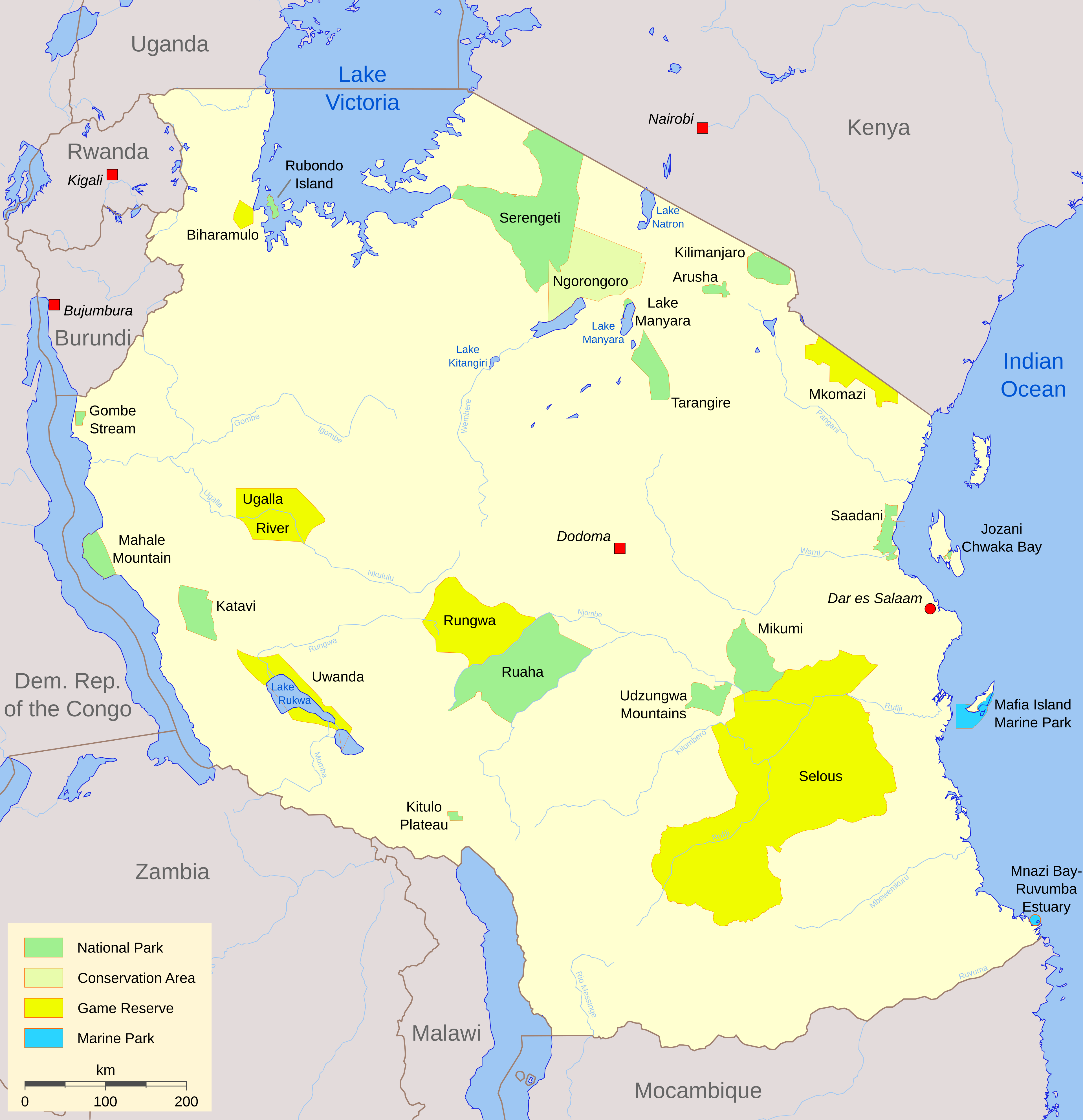
Why Serengeti is Perfect for Your Celebration
- Unrivalled natural backdrop — endless plains, dramatic skies, and the world's greatest wildlife spectacle
- Exclusive-use luxury tented camps and lodges offer genuine privacy for intimate celebrations
- Dry season (Jun–Oct) delivers clear skies, mild temperatures, and peak wildlife activity — ideal for outdoor events
- The Great Wildebeest Migration (Jul–Oct) provides a once-in-a-lifetime event backdrop found nowhere else
- Small guest groups are catered to with bespoke, highly personalised hospitality by specialist safari operators
- Stargazing, sundowner ceremonies, and bush dinners create naturally theatrical event moments

Compare Serengeti with Other Top Destinations
Frequently Asked Questions
Is the Serengeti a good destination for a wedding?
Yes, particularly for small, intimate weddings. The Serengeti is exceptionally well-suited to couples seeking an exclusive, nature-immersive ceremony with a guest list typically between 10 and 60 people. Luxury tented camps and safari lodges offer bespoke event coordination, exclusive-use bookings, and a natural backdrop — open plains, wildlife, and starlit skies — that is genuinely unlike any conventional wedding venue.
How many guests can realistically be accommodated for a Serengeti celebration?
Most individual camps and lodges comfortably accommodate between 20 and 80 guests for an exclusive-use event. The largest permanent lodge facilities can stretch to around 100 to 150 guests. For groups larger than this, combining multiple camps under a single operator's portfolio is possible but adds logistical complexity. The Serengeti is structurally best suited to intimate gatherings rather than large-scale events.
What is the best time of year to hold a celebration in the Serengeti?
June through October — the dry season — is the only reliably suitable window for outdoor events. Clear skies, mild temperatures, and minimal rainfall make outdoor ceremonies and bush dinners comfortable and visually spectacular. July through October additionally coincides with the Great Wildebeest Migration in the northern Serengeti, adding a once-in-a-lifetime experiential dimension to any celebration itinerary.
How do guests get to the Serengeti for an event?
Most guests fly internationally into Kilimanjaro International Airport near Arusha, Tanzania, or Nairobi's main international airport in Kenya, then transfer to the Serengeti via scheduled or chartered light aircraft to one of the park's internal airstrips — a flight of roughly one hour from Arusha. All ground transfers within the park are by four-wheel-drive safari vehicle arranged by the hosting property. There is no road or rail access suitable for event guest groups.
What kinds of venues and event spaces are available in the Serengeti?
Venues are exclusively safari lodges and luxury tented camps — there are no conventional banquet halls or purpose-built event centres. Event spaces include open-sided dining pavilions, viewing decks, and natural outdoor settings such as kopje outcrops, riverbanks, and acacia groves. All event infrastructure — catering, power, lighting, and décor — is managed entirely by the hosting property, as no external municipal services exist within the park.
Can guests stay together in one place, or will they be spread across multiple properties?
For groups up to roughly 80 guests, exclusive-use booking of a single camp or lodge is typically possible, keeping all guests together in one property. Larger groups may need to be split across two camps within the same operator's portfolio. Experienced Serengeti operators manage inter-camp transfers and shared event programming smoothly, but couples should discuss group accommodation logistics with their chosen property early in the planning process.
What is internet and phone connectivity like for guests during a Serengeti event?
Connectivity is limited. Most camps rely on satellite internet, which provides intermittent rather than reliable high-speed access. Mobile phone signal is generally absent within the park. Guests should be prepared for a genuinely off-grid experience — which many find adds to the sense of occasion — but couples should communicate this clearly to guests in advance, particularly those who may need to remain reachable for professional reasons.
How far in advance should we book a Serengeti celebration?
12 to 18 months in advance is strongly advisable for peak dry-season dates (July–October). Exclusive-use bookings at small luxury camps fill quickly, and logistical lead times for specialist supplies — floral design, bespoke décor, specialist catering items — are long given the remote location. Legal documentation requirements for ceremonies conducted by foreign nationals in Tanzania also require advance preparation.
Are there any legal requirements for holding a wedding ceremony in the Serengeti?
Yes. Tanzania has specific legal requirements for civil and religious ceremonies conducted by foreign nationals, including documentation, notice periods, and in some cases the involvement of a local registrar. Requirements vary depending on nationality and ceremony type. Couples should confirm the current requirements with their hosting operator and the relevant Tanzanian authorities well in advance — experienced Serengeti event operators are generally familiar with this process and can guide couples through it.
What group activities are available for guests attending a Serengeti celebration?
Game drives — including the possibility of witnessing the Great Wildebeest Migration during peak season — are the primary group activity, typically offered morning and evening. Bush walks with armed guides, sundowner excursions to scenic viewpoints, hot air balloon safaris (where available), and stargazing sessions are also commonly offered. These activities serve as natural, memorable group programming that requires no additional external organisation.
Is the Serengeti suitable for guests with mobility limitations?
Generally not ideal. The remote location requires multi-leg travel including light aircraft transfers and four-wheel-drive vehicle movement on unpaved tracks, which can be challenging for guests with significant mobility limitations or those requiring medical facilities nearby. Couples with guests in this situation should discuss specific needs directly with their chosen property — some lodges have more accessible facilities than others — and consider whether a more accessible destination might better serve their full guest group.

Ready to explore venues in Serengeti?
Serengeti: Destination Wedding & Exclusive Event Venues in Africa's Greatest Wilderness
◆The Serengeti is best suited to small, intimate, and highly exclusive celebrations — destination weddings, elopements, milestone anniversaries, and private corporate retreats — where the natural environment itself is the primary draw. Its vibe is wild, remote, and deeply immersive, set across Tanzania's vast open plains and acacia woodlands. The dry season (June through October) is the only reliably practical window for outdoor events, coinciding with the Great Wildebeest Migration. Guest travel is genuinely complex, requiring multi-leg journeys and specialist logistics, making this destination most appropriate for compact, well-resourced groups rather than large wedding parties.
Serengeti at a Glance
| Category | Detail |
|---|---|
| Best For | Intimate destination weddings, elopements, milestone celebrations, exclusive corporate retreats |
| Primary Vibe | Nature & Wilderness |
| Other Vibes | Exclusive, Romantic, Adventurous |
| Best Season | Dry Season (Jun, Jul, Aug, Sep, Oct) |
Why Choose Serengeti?
- Unmatched natural spectacle: The Serengeti's open plains, dramatic skies, and the annual Great Wildebeest Migration (peaking July–October) provide a living, breathing event backdrop that no constructed venue can replicate.
- Genuine exclusivity: Most luxury camps and lodges operate at small scale — typically 10 to 30 tents or rooms — meaning an exclusive-use booking effectively gives a group the entire property, with fully personalised service.
- Exceptional dry-season conditions: June through October brings reliably clear skies, mild daytime temperatures, low humidity, and concentrated wildlife activity — conditions that make outdoor ceremonies and bush dinners genuinely comfortable and visually spectacular.
- Mature luxury hospitality: Operators such as Four Seasons, Singita, andBeyond, and Nomad Tanzania have decades of experience delivering high-end, bespoke guest experiences in remote wilderness settings, with event coordination built into their offering.
- Unique ceremonial moments: Sundowner ceremonies on open kopjes, bush dinners under the Milky Way, and game-drive excursions as group activities create naturally theatrical, memorable event programming unavailable in any urban setting.
- Privacy and remoteness: The Serengeti's sheer scale and low visitor density (relative to its size) means celebrations feel genuinely private — there is no risk of a neighbouring resort's events intruding on your own.
Which Celebrations Work Best in Serengeti?
- Intimate destination weddings: The Serengeti is particularly well-suited to couples seeking a small, deeply personal ceremony — typically 10 to 60 guests — where the landscape itself is the centrepiece. Exclusive-use lodge bookings allow full customisation of décor, menus, and ceremony locations within the bush.
- Elopements and micro-weddings: For couples wanting just immediate family or a handful of witnesses, the Serengeti's remote camps offer an unparalleled sense of occasion without requiring large-scale event infrastructure.
- Milestone anniversaries and private celebrations: Landmark birthdays, anniversaries, and family reunion gatherings suit the Serengeti well — the shared experience of wildlife and wilderness creates a natural bonding context that a hotel ballroom cannot.
- Exclusive corporate retreats: Senior leadership retreats and incentive travel groups find the Serengeti's combination of remoteness, luxury, and shared adventure highly effective for team-building and strategic off-sites, particularly when the group is small enough to take over a single camp.
Venues & Event Spaces
The Serengeti's event venue landscape is defined almost entirely by its safari lodges and luxury tented camps rather than by conventional banquet halls or purpose-built event centres. Properties range from permanent lodge structures with open-sided dining pavilions and viewing decks to semi-permanent tented camps that relocate seasonally to follow wildlife movement. Outdoor spaces — open plains, rocky kopje outcrops, riverbanks, and acacia groves — serve as natural ceremony and dining venues, typically set up with bespoke furniture, lanterns, and floral arrangements sourced and transported by the hosting property.
Most venues operate at intimate scale, with total accommodation capacity ranging from roughly 20 to 150 guests depending on the property. Larger gatherings are generally accommodated by combining multiple camps under a single operator's portfolio, or by using the largest permanent lodge facilities. Event infrastructure — generators, satellite communications, catering kitchens, and cold-chain logistics — is managed entirely by the hosting property, as no external municipal infrastructure exists within the park. This means the quality and capability of the venue operator is the single most important factor in event planning here.
Best Time to Celebrate
The dry season, running from June through October, is the only period that reliably supports outdoor celebrations in the Serengeti. During these months, rainfall is minimal, daytime temperatures are comfortable (typically in the low-to-mid twenties Celsius), and the landscape takes on a golden, open character as grasses dry and thin — maximising visibility across the plains and concentrating wildlife around permanent water sources.
July through October specifically coincides with the peak of the Great Wildebeest Migration in the northern Serengeti and Grumeti River crossings, offering the possibility of witnessing one of nature's greatest events as part of a celebration itinerary. Evenings during the dry season are cool and clear, making starlit bush dinners and sundowner ceremonies genuinely comfortable and visually extraordinary.
The long rains (March through May) make large parts of the Serengeti's road network difficult or impassable, significantly limiting movement between camps and airstrips. Outdoor events during this period are unreliable, and some camps close entirely. The short rains (November, and sometimes into December) are less severe but still bring unpredictable afternoon showers that complicate outdoor event planning. January and February represent a shorter dry window — the calving season in the southern Serengeti — which is excellent for wildlife but logistically less straightforward for events, as some northern camps operate at reduced capacity and the migration spectacle is less dramatic than in the peak dry months.
Getting There & Local Connectivity
Reaching the Serengeti requires a multi-leg journey for virtually all guests. International arrivals typically land at Kilimanjaro International Airport near Arusha, Tanzania, or at Nairobi's Jomo Kenyatta International Airport in Kenya, both of which have good connections to major international hubs. From Arusha or Nairobi, guests transfer to the Serengeti via scheduled or chartered light aircraft, landing at one of several airstrips within the park — Seronera being the most central. Flight times from Arusha to Seronera are approximately one hour by light aircraft.
Road access from Arusha is possible but lengthy — typically six to eight hours on unpaved tracks — and is generally only used for ground-based safari itineraries rather than event guest transfers. Within the Serengeti itself, movement between camps and event locations is exclusively by four-wheel-drive safari vehicle, managed by the hosting property. There is no public transport, no taxi infrastructure, and no railway access of any kind within or near the park. For groups, this means all local logistics must be pre-arranged through the event operator, which experienced Serengeti camps handle as a standard part of their offering.
Local Vendor & Hospitality Ecosystem
The Serengeti's hospitality ecosystem is specialist and self-contained. Unlike urban event destinations, there is no independent local vendor market for florists, caterers, sound engineers, or décor suppliers operating within the park. All event services are sourced and managed by the hosting lodge or camp, typically drawing on supplier networks based in Arusha, Nairobi, or occasionally further afield for specialist requirements such as floral design or bespoke furniture.
The leading operators — particularly those affiliated with internationally recognised luxury brands — have well-established event coordination teams with experience managing destination weddings and private celebrations in remote settings. They handle everything from legal ceremony requirements (Tanzania has specific regulations around civil and religious ceremonies conducted by foreign nationals) to cold-chain catering, generator power, satellite communications, and guest transfers. This all-inclusive, operator-led model is both a strength and a constraint: it delivers a seamless, high-quality experience but limits the ability to bring in independent vendors or customise beyond what the operator can logistically support.
Couples and planners should engage their chosen property's event team early — ideally 12 to 18 months in advance for peak dry-season dates — as exclusive-use bookings at small camps fill quickly, and logistical lead times for specialist supplies are long.
Pros & Things to Consider
Why Serengeti Works Well
- Genuinely unrivalled natural backdrop — no constructed venue can match the scale and drama of the open Serengeti plains
- Exclusive-use camps deliver a level of privacy and personalisation rarely achievable at conventional event venues
- Dry season conditions (Jun–Oct) are reliably excellent for outdoor ceremonies and dining
- The Great Migration (Jul–Oct) adds a once-in-a-lifetime experiential dimension to any celebration itinerary
- Experienced luxury operators manage all logistics end-to-end, reducing the coordination burden on couples and planners
- Stargazing, game drives, and bush walks provide natural group programming that urban destinations cannot offer
Things to Consider
- Guest travel is genuinely complex and time-consuming — multi-leg journeys involving international flights, domestic connections, and light aircraft transfers are the norm, which can be a significant barrier for older guests or those with mobility limitations
- The destination is not suited to large guest lists — most properties comfortably accommodate 20 to 80 guests; larger groups require combining multiple camps, which adds logistical complexity
- Internet and mobile connectivity within the park is limited to satellite-dependent systems; guests should expect intermittent connectivity rather than reliable high-speed access
- All event services are operator-dependent — there is no independent vendor market, which limits customisation options compared to urban destinations
- The dry season window (Jun–Oct) is firm; events outside this period carry meaningful weather risk and potential access difficulties
- Legal requirements for ceremonies conducted by foreign nationals in Tanzania require advance planning and documentation — couples should confirm requirements with their operator and relevant authorities well in advance
When Serengeti May Not Be the Right Fit
- Large guest lists: Groups significantly exceeding 80 to 100 guests will find the Serengeti's accommodation and event infrastructure genuinely stretched — the destination is structurally designed for intimate gatherings, not large-scale weddings.
- Guests with limited travel flexibility: If a significant portion of the guest list includes elderly relatives, young children, or individuals with mobility challenges, the multi-leg journey and remote camp environment may create real difficulties that a more accessible destination would avoid.
- Events planned outside the dry season: Couples with fixed dates in the March–May rainy season, or who cannot commit to the June–October window, should seriously consider whether the Serengeti's weather and access risks are acceptable — outdoor events during the rains are genuinely unreliable.
- Those seeking urban amenities alongside their celebration: The Serengeti offers no shopping, nightlife, spa towns, or city-based cultural experiences adjacent to the event — guests whose enjoyment depends on access to urban amenities will find the remoteness a limitation rather than an asset.