
Why Ngorongoro is Perfect for Your Celebration
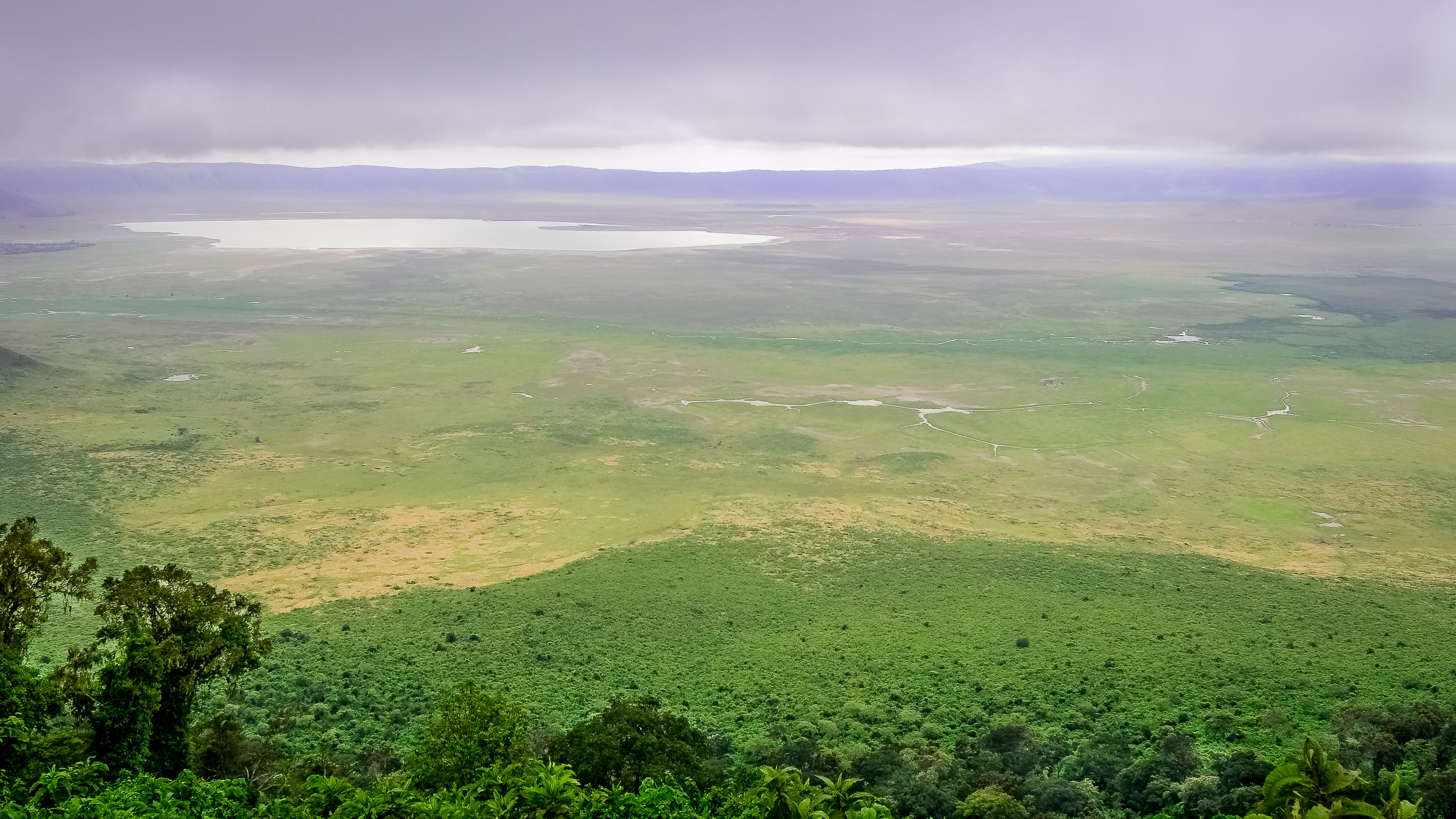
- The Ngorongoro Crater is one of the world's most dramatic natural amphitheatres — an unmatched backdrop for intimate ceremonies
- Exclusive crater-rim and highland lodges offer private, immersive settings rarely found at conventional event destinations
- Dry season (Jun–Oct) delivers reliably clear skies, cool temperatures, and peak wildlife activity ideal for outdoor celebrations
- Small, curated guest groups can enjoy near-exclusive access to lodge facilities and private game drives as part of the event experience
- UNESCO World Heritage Site status and Maasai cultural heritage add deep authenticity and storytelling to any celebration
- Tanzania's established safari hospitality industry means high-quality lodge catering, experienced event staff, and bespoke service for small groups
Compare Ngorongoro with Other Top Destinations
Frequently Asked Questions
Is Ngorongoro a good destination for a small, intimate wedding?
Yes, particularly so. Ngorongoro is among the strongest destinations in East Africa for intimate weddings of 20 to 80 guests. The crater-rim lodges offer private, curated settings where a small group can effectively take over a property, and the natural scenery provides a ceremony backdrop that is genuinely extraordinary. The destination is less well-suited to large weddings due to lodge capacity constraints.
How many guests can realistically be accommodated for an event in Ngorongoro?
Most individual lodges in the Ngorongoro Conservation Area comfortably accommodate between 30 and 120 guests for an event, depending on the property. Groups larger than 80–100 guests typically need to split across multiple lodges, which adds coordination complexity. Ngorongoro is genuinely best suited to smaller, more intimate celebrations rather than large-scale events.
What is the nearest airport to Ngorongoro, and how long does it take to get there?
Kilimanjaro International Airport (JRO) is the primary international gateway, located approximately 180 km from the Ngorongoro Conservation Area via Arusha. The road transfer from the airport to the crater rim typically takes three to four hours. Guests can also fly into Arusha Airport via domestic connections from Dar es Salaam to reduce road transfer time.
What is the best time of year to hold a celebration in Ngorongoro?
The dry season — June through October — is the strongly recommended window. Rainfall is minimal, daytime temperatures on the crater rim are comfortable, wildlife viewing is at its peak, and clear skies make evening events particularly atmospheric. The long rains (March–May) and the short rains (November) are the periods most likely to disrupt outdoor event plans.
What kinds of event spaces and venues are available in Ngorongoro?
Venues in Ngorongoro are exclusively safari lodges and highland camps within or adjacent to the conservation area. These offer indoor dining rooms with crater views, open-air terraces, and the possibility of private bush dinners on the crater rim or floor. There are no conventional banquet halls or urban event centres — the natural setting is the venue, and all spaces are intimate by design.
Can guests easily get around once they arrive in Ngorongoro?
Movement within the conservation area is by safari vehicle only — private cars are not permitted on the crater floor without a licensed guide and registered vehicle. For event groups, lodges and specialist operators coordinate vehicle fleets for all transfers. This requires advance planning, particularly for larger groups needing multiple vehicles simultaneously, but is a well-established part of how the destination operates.
Is there reliable internet and mobile connectivity in Ngorongoro?
Connectivity is limited and variable within the conservation area. Guests and planners should not rely on consistent data access for live-streaming, real-time coordination, or digital payment systems during the event. Some lodges offer satellite-based communication for essential operational needs. This is a genuine consideration for event planning and should be factored into communication strategies.
What makes the local hospitality and vendor ecosystem suited to events?
Tanzania's safari lodge industry has decades of experience serving international guests with high expectations. Established crater-rim lodges have in-house catering teams capable of delivering multi-course event meals in a remote setting. For broader vendor needs — floristry, entertainment, specialist décor — Arusha-based destination management companies (DMCs) are the practical route, as they have the conservation authority relationships and supply chain access that independent planning lacks.
Can Maasai cultural elements be incorporated into a celebration in Ngorongoro?
Yes. The Ngorongoro Conservation Area is co-managed with the Maasai community, and cultural performances, traditional blessings, and community visits can be incorporated into event programmes in a respectful and meaningful way. This is one of the destination's genuinely distinctive features — it is not a staged cultural show but an engagement with a living community that has deep ties to the land.
Is Ngorongoro suitable for a milestone birthday celebration?
Yes. A significant milestone birthday — 40th, 50th, 60th — gains a once-in-a-lifetime quality in Ngorongoro. Lodge buyouts for a long weekend, combined with game drives, crater descents, and cultural experiences, create a structured multi-day programme that keeps a small guest group engaged and creates lasting shared memories. The destination works best for groups of under 80 guests.
What should event planners know about conservation area regulations for events?
The Ngorongoro Conservation Area Authority (NCAA) regulates all activity within the conservation area, including events. Any infrastructure — marquees, temporary structures, amplified sound — must be low-impact and may require specific permits. Working with an Arusha-based DMC that has an established relationship with the NCAA is strongly advisable, as they understand the permitting process and can ensure the event plan is compliant from the outset.
How far in advance should a Ngorongoro event be planned?
Significantly further in advance than a conventional hotel destination — typically 12 to 18 months for a lodge buyout during peak dry season (June–October). Lodge inventory is small and demand from safari travellers is high during this window. Specialist vendors, DMC partnerships, and conservation authority permissions all require lead time. Last-minute planning is genuinely difficult and risks losing preferred properties entirely.

Ready to explore venues in Ngorongoro?
Ngorongoro: Destination Wedding & Wilderness Event Venues in Tanzania
◆Ngorongoro is best suited to small, intimate celebrations — destination weddings, milestone birthdays, and exclusive social gatherings — where the natural setting is the centrepiece rather than a backdrop. Its primary vibe is Nature & Wilderness: the world's largest intact volcanic caldera, Big Five wildlife, and sweeping highland scenery define every event held here. The dry season (June through October) is the clear window for outdoor events, offering reliable weather and peak wildlife activity. Accessibility is genuinely challenging — guests require long-haul international flights and multi-hour road transfers — and the lodge inventory is deliberately small-scale, making Ngorongoro a strong fit for groups of under 100 guests who prioritise exclusivity and experience over scale.
Ngorongoro at a Glance
| Attribute | Detail |
|---|---|
| Best For | Intimate Destination Weddings, Milestone Birthdays, Exclusive Social Gatherings, Honeymoon Extensions |
| Primary Vibe | Nature & Wilderness |
| Other Vibes | Exclusive & Intimate, Cultural Heritage (Maasai), Adventure |
| Best Season | Dry Season (Jun, Jul, Aug, Sep, Oct) |
Why Choose Ngorongoro?
- Unrivalled natural amphitheatre: The Ngorongoro Crater — a UNESCO World Heritage Site and one of the Seven Natural Wonders of Africa — provides a ceremony backdrop that no purpose-built venue can replicate. The caldera's 260 sq km floor, visible from crater-rim lodges, creates an immediate sense of scale and wonder.
- Genuine exclusivity: Lodge capacities are deliberately small, typically ranging from 20 to 120 guests per property. This means a celebration group can effectively take over a lodge, creating a private-resort atmosphere that larger, more commercial destinations cannot offer.
- Integrated wildlife experience: Game drives, guided crater descents, and Maasai cultural visits can be woven directly into a multi-day event programme, giving guests an experience that extends well beyond the ceremony itself.
- Established safari hospitality: Tanzania's safari lodge industry has decades of experience hosting international guests with high expectations. Crater-rim properties in particular are accustomed to delivering curated, high-quality food and beverage experiences in a remote setting.
- Maasai cultural authenticity: The Ngorongoro Conservation Area is co-managed with the Maasai community. Cultural performances, traditional blessings, and community visits can be incorporated into celebrations in a genuinely respectful and meaningful way.
- Dark skies and highland climate: At elevations of roughly 2,200–2,400 metres on the crater rim, nights are cool and skies are exceptionally clear during the dry season — making stargazing events and evening receptions under open skies a realistic and memorable option.
Which Celebrations Work Best in Ngorongoro?
- Intimate destination weddings: Ngorongoro is particularly well-suited to couples who want a small, deeply personal ceremony — typically 20 to 80 guests — where the landscape itself carries the emotional weight. Crater-rim lodges can facilitate outdoor ceremonies with panoramic views, followed by private dinners in lodge dining rooms or on open decks.
- Milestone birthday celebrations: A significant birthday — 40th, 50th, 60th — gains a genuinely once-in-a-lifetime quality when celebrated in the crater highlands. Lodge buyouts for a long weekend, combined with game drives and cultural experiences, create a structured programme that keeps guests engaged across multiple days.
- Exclusive social gatherings and retreats: Small corporate or social groups seeking a high-impact, off-grid retreat find Ngorongoro's combination of natural drama and lodge comfort well-matched to their needs. The remoteness itself becomes a feature — a genuine break from routine.
- Honeymoon extensions: While not a standalone event type, Ngorongoro is one of East Africa's most celebrated honeymoon destinations. Couples who marry elsewhere and extend into a Ngorongoro stay find the transition from ceremony to wilderness deeply satisfying.
Venues & Event Spaces
The venue landscape in Ngorongoro is defined entirely by its safari lodges and tented camps, all of which sit within or immediately adjacent to the Ngorongoro Conservation Area. There are no conventional banquet halls, standalone event centres, or urban hotel ballrooms here — the setting is the venue. Properties typically offer a combination of indoor dining rooms (often with floor-to-ceiling crater views), open-air decks and terraces, and the possibility of private bush dinners set up on the crater floor or in the highland meadows, subject to conservation authority permissions.
Outdoor ceremony spaces are generally grassed or natural-surface areas on the crater rim, with the caldera as the visual centrepiece. Marquee or tented structures can sometimes be arranged for larger groups, though the conservation area's regulations mean that any infrastructure must be temporary and low-impact. Indoor spaces are intimate by design — most lodge dining rooms seat between 30 and 80 guests comfortably — which reinforces the destination's suitability for smaller celebrations rather than large-scale events.
The highland camps further from the main crater rim offer an even more secluded setting, with tented accommodation and communal spaces that lend themselves to immersive, multi-day event programmes. These properties are particularly well-suited to groups who want the entire guest experience — accommodation, dining, and activities — to feel cohesive and curated.
Best Time to Celebrate
The dry season, running from June through October, is the strongly preferred window for events in Ngorongoro. During these months, rainfall is minimal, daytime temperatures on the crater rim are typically comfortable (roughly 18°C–25°C), and the crater floor's grasslands are at their most accessible. Wildlife concentrations are high, as animals gather around permanent water sources, making game drives a reliable and spectacular addition to any event programme. Evenings are cool to cold at altitude — guests should be prepared for temperatures dropping to 10°C or below after dark — which actually enhances the atmosphere for fireside dinners and stargazing.
The long rains (March through May) represent the most challenging period. Heavy, sustained rainfall makes crater-floor access difficult, unpaved roads can become impassable, and outdoor event setups are unreliable. The short rains (November) bring less severe but still unpredictable afternoon showers that can disrupt outdoor ceremonies. January and February offer a brief dry interlude but are characterised by hazy, dusty conditions and less predictable weather than the main dry season — they are workable but not ideal for events where outdoor aesthetics matter.
Getting There & Local Connectivity
The primary international gateway for Ngorongoro is Kilimanjaro International Airport (JRO), which receives direct flights from several major hubs including Nairobi, Addis Ababa, Amsterdam, and Doha. From the airport, the journey to the Ngorongoro Conservation Area gate passes through Arusha and takes approximately three to four hours by road, depending on conditions and the specific lodge destination within the conservation area.
There is no railway access to Ngorongoro, and no domestic airport within the conservation area itself, though light aircraft charters to Arusha Airport (ARK) can reduce the road transfer time for guests arriving from Dar es Salaam or other Tanzanian destinations. For event groups, coordinating a fleet of safari vehicles from Arusha is the standard approach — most lodges and specialist Tanzania event operators manage this as part of their group logistics service.
Within the conservation area, movement is by safari vehicle only. Private cars are not permitted on the crater floor without a licensed guide and registered vehicle. For event groups, this means all guest transfers — from lodge to ceremony site, from lodge to crater-floor activities — are managed through the lodge's own vehicle fleet or contracted safari operators. This is a logistical consideration that requires advance planning, particularly for larger groups where multiple vehicles need to be coordinated simultaneously.
Internet and mobile connectivity within the conservation area is limited and variable. Guests and planners should not rely on consistent data connectivity for live-streaming, real-time coordination, or digital payment systems during the event itself. Satellite-based communication is available at some lodges for essential operational needs.
Local Vendor & Hospitality Ecosystem
Ngorongoro's vendor ecosystem is specialised rather than broad. The lodges themselves are the primary hospitality providers, and most have in-house catering teams experienced in delivering multi-course dinners and event meals to international standards in a remote setting. Sourcing fresh produce involves supply chains from Arusha, and while quality is generally reliable at the established lodges, the range of cuisine styles is more limited than in a major city.
Specialist Tanzania event planners and destination management companies (DMCs) based in Arusha are the practical route to organising a celebration in Ngorongoro. These operators have established relationships with the conservation authority, understand the permitting requirements for events on the crater rim or floor, and can coordinate floristry, photography, entertainment, and cultural elements. Attempting to plan a Ngorongoro event without a local DMC is significantly more complex than at a conventional hotel destination.
Floristry and décor options are more limited than in urban event markets — elaborate floral installations requiring rare or imported blooms need to be planned well in advance and sourced through Arusha. Photography and videography professionals with genuine experience in the crater environment are available and in demand during peak season; early booking is advisable. Live music and entertainment can be arranged, with Maasai cultural performances being the most authentically local option.
Pros & Things to Consider
Why Ngorongoro Works Well
- Genuinely unmatched natural setting — the crater and highland scenery create ceremony photographs and memories that no urban or resort destination can replicate
- Small lodge scale naturally creates an exclusive, private-resort atmosphere for the entire guest group
- Multi-day event programmes are easy to build around game drives, crater descents, and Maasai cultural experiences
- Dry season weather is reliable, comfortable, and conducive to outdoor events
- Established safari hospitality industry means high service standards despite the remote location
- UNESCO World Heritage status and conservation context give the celebration a meaningful, purposeful dimension
Things to Consider
- Accessibility is genuinely demanding — most guests will require at least two flights and a multi-hour road transfer, which significantly raises the logistical and financial commitment for attendees
- Lodge capacities are small; groups larger than 80–100 guests will struggle to find a single property that can accommodate everyone comfortably, and splitting across multiple lodges adds coordination complexity
- Conservation area regulations restrict what can be built, installed, or altered for events — elaborate décor, large marquees, and amplified sound may face permitting constraints
- Internet and mobile connectivity is limited, which affects live-streaming, digital coordination, and guest communication during the event
- The vendor ecosystem is narrower than in a city — floristry, entertainment, and specialist suppliers need to be sourced and confirmed well in advance, often from Arusha
- Evening temperatures on the crater rim can drop significantly, requiring guests to be prepared with warm layers — this is a genuine comfort consideration for outdoor evening events
When Ngorongoro May Not Be the Right Fit
- Large guest lists (100+ guests): The lodge inventory in the conservation area is not designed for large-scale events. Groups significantly above 80–100 guests will find it difficult to source accommodation and event space within a single property or even within close proximity.
- Guests with limited international travel experience or mobility constraints: The long-haul journey, multi-hour road transfer on unpaved roads, and high-altitude setting can be genuinely taxing. Guests with significant mobility limitations or those unaccustomed to international travel may find the logistics stressful rather than exciting.
- Events planned during the long rains (March–May): Outdoor ceremonies and crater-floor activities become unreliable or impossible during the long rainy season. Groups with fixed dates in this window should consider whether the setting's appeal can be fully realised under those conditions.
- Couples or planners seeking a wide range of vendor options and urban amenities: If the vision for a celebration involves elaborate custom décor, a large roster of specialist vendors, or easy access to city-based services, Ngorongoro's remote, conservation-managed environment will feel constraining rather than liberating.