
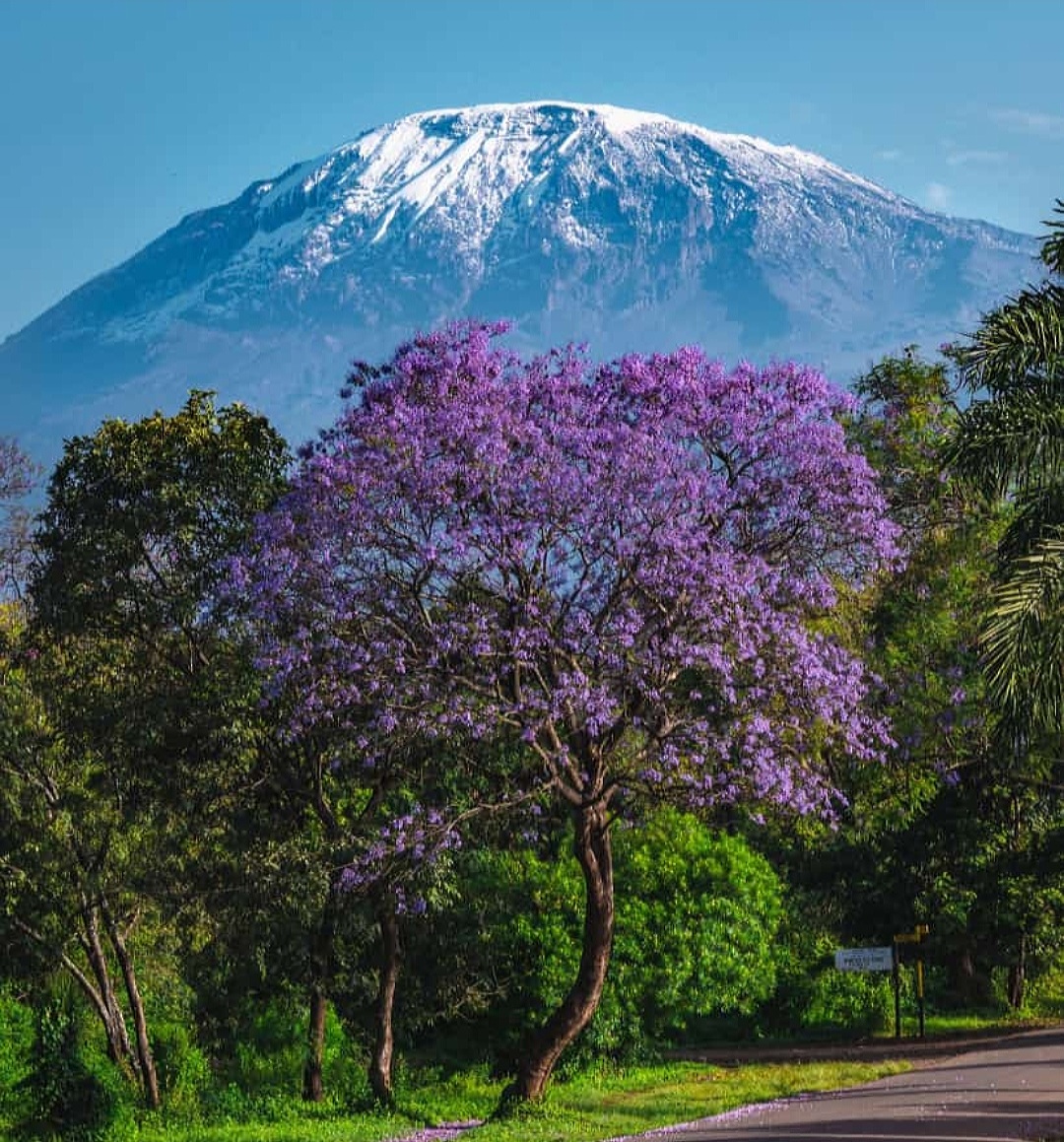
Why Kilimanjaro / Moshi is Perfect for Your Celebration
- Iconic Mount Kilimanjaro backdrop — the world's most recognisable freestanding mountain as your event scenery
- Unique coffee farm and estate venues offering intimate, nature-immersed celebration spaces
- Dry season (Jan–Feb, Jun–Sep) delivers reliably clear skies and crisp highland air ideal for outdoor ceremonies
- Proximity to Amboseli and Serengeti ecosystems allows seamless safari extensions for guests
- Warm Chagga hospitality tradition and a growing local events and hospitality industry
- Relatively uncrowded destination — events here feel genuinely exclusive and far from the ordinary
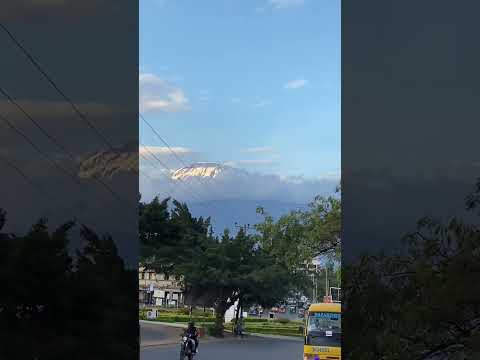
Top Venues in Kilimanjaro / Moshi
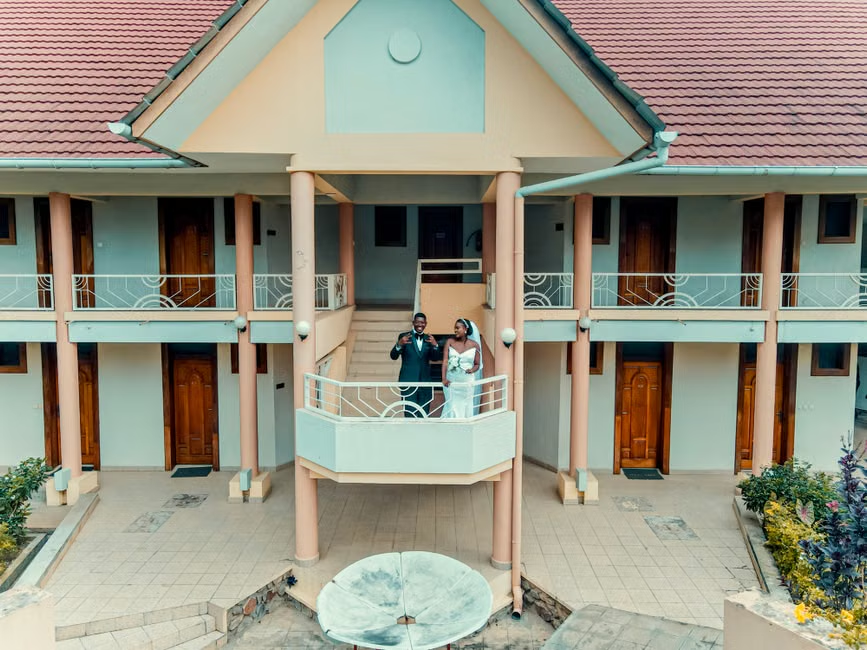
Kibo Palace Hotel
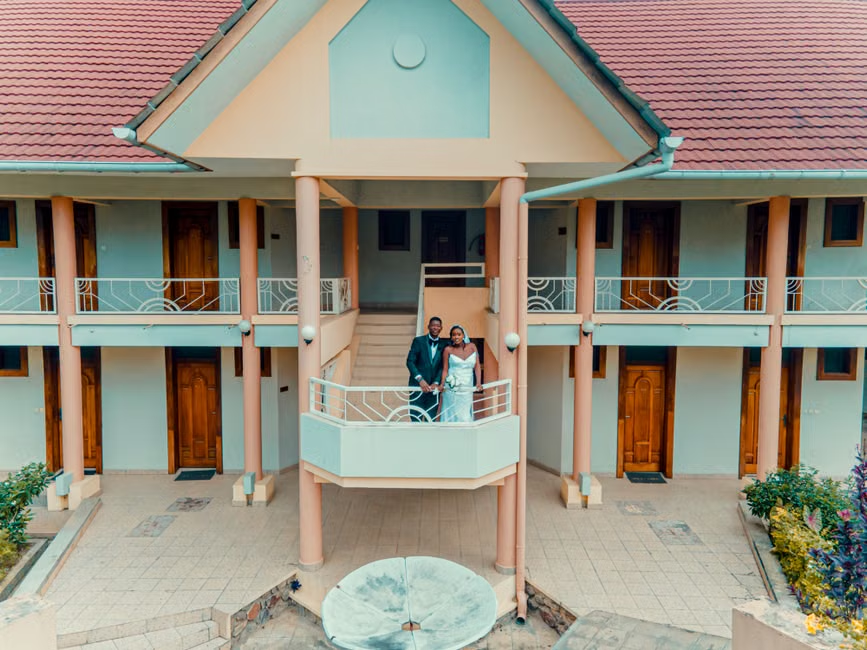
Kilimanjaro Wonders Hotel
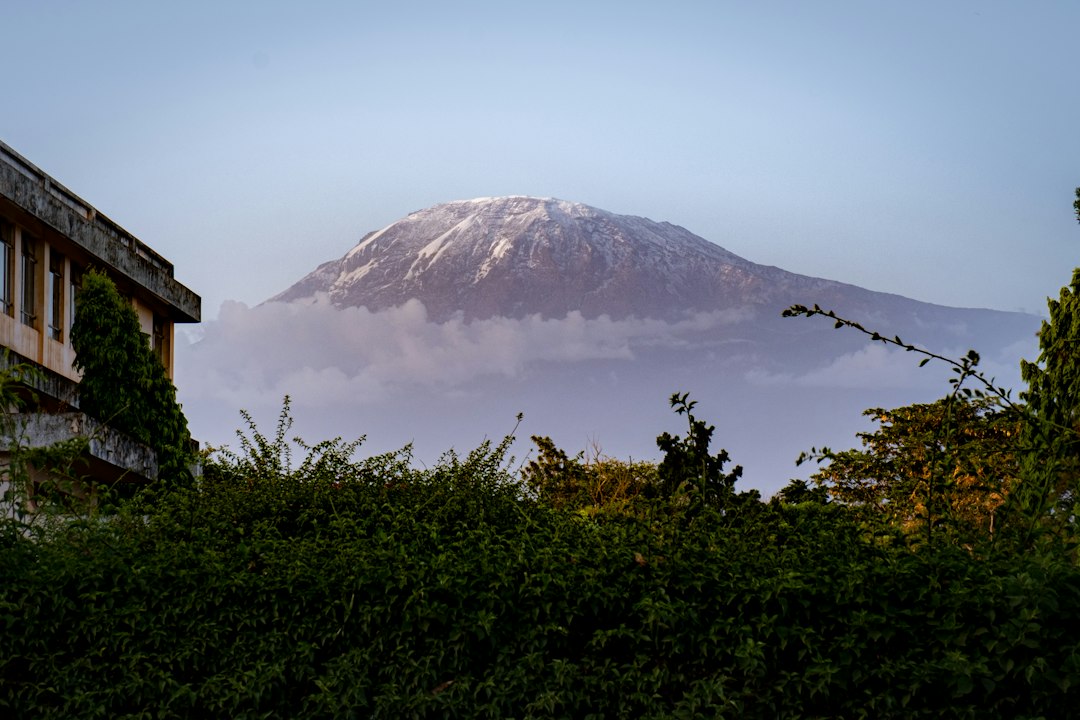
Aishi Machame Hotel
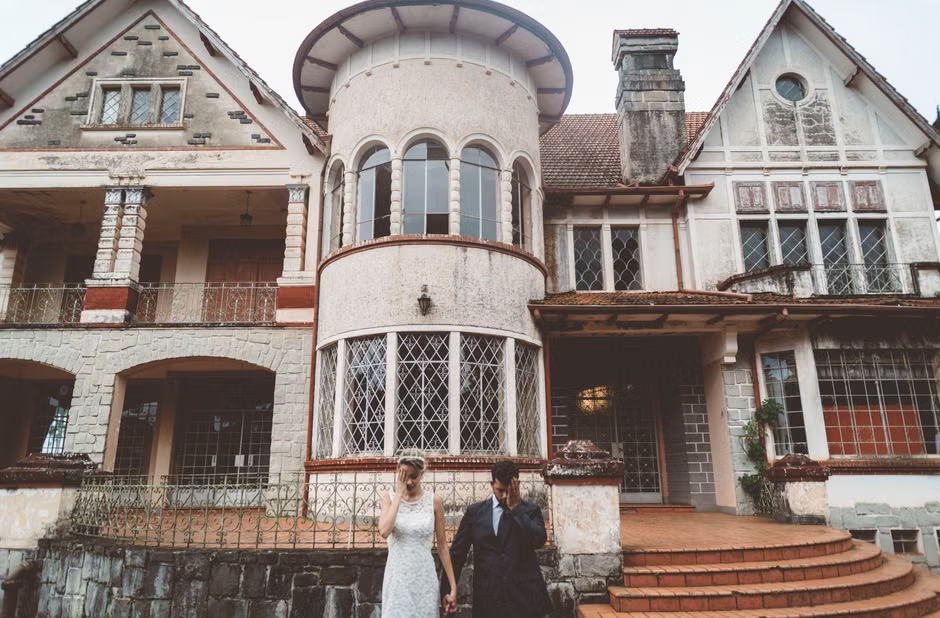
Springlands Hotel
Compare Kilimanjaro / Moshi with Other Top Destinations
Frequently Asked Questions
Is Kilimanjaro / Moshi a good destination for a wedding?
Yes, particularly for couples seeking an adventurous, nature-immersed celebration. The Mount Kilimanjaro backdrop, intimate coffee estate venues, and authentic Chagga cultural character make it genuinely distinctive. It suits small to mid-size destination weddings best — typically groups of up to around 150–200 guests — where the focus is on experience and exclusivity rather than large-scale production.
What is the best time of year to hold a celebration in Kilimanjaro / Moshi?
The dry season months — January, February, and June through September — are the strongest window. January and February offer the best mountain visibility, while June to September is the most reliably dry overall. These months deliver clear skies, comfortable highland temperatures, and the best conditions for outdoor ceremonies. March to May (Long Rains) and October to November (Short Rains) are best avoided for outdoor events.
How do guests get to Kilimanjaro / Moshi for a destination event?
The primary gateway is Kilimanjaro International Airport (JRO), which receives direct flights from several international hubs including Nairobi, Addis Ababa, Amsterdam, and Doha. Most guests from outside East Africa or Europe will need at least one connecting flight. From the airport, road transfers to Moshi town take approximately 45 minutes to an hour. Rail is not a practical option for most guests.
What kinds of venues are available for events in the Kilimanjaro / Moshi area?
The area offers coffee and spice estate venues with open lawns and mountain views, highland lodge resorts with both indoor and outdoor event spaces, and boutique heritage hotels in Moshi town. Outdoor garden and lawn settings are the dominant format for ceremonies. Most established venues can accommodate ceremonies, cocktail receptions, and seated dinners on a single site, though capacity varies.
How many guests can venues in Kilimanjaro / Moshi realistically accommodate?
Most event-capable venues in the area are best suited to groups of roughly 50 to 250 guests. The destination is oriented toward intimate to mid-size celebrations rather than very large events. For groups above 200–250, it may be necessary to split accommodation across multiple properties, which requires careful transport and logistics coordination.
Can guests combine a celebration in Moshi with a safari or other activities?
Yes — this is one of the destination's genuine strengths. Moshi sits within practical reach of Amboseli National Park and is a well-established staging point for Serengeti and Ngorongoro itineraries. Kilimanjaro's lower slopes also offer day treks and cultural walks. Many event planners build a 2–3 day activity programme around the core celebration, which guests typically find highly memorable.
What local vendors and services are available for events in Kilimanjaro / Moshi?
Established hotels and lodges have in-house catering and events teams experienced with international groups. General transport, local guides, and basic décor are available locally. However, specialist wedding vendors — bespoke floristry, high-end décor, professional photography, and entertainment — are more limited and are often sourced from Arusha or Nairobi. Longer lead times for vendor confirmation are advisable.
Is Kilimanjaro / Moshi suitable for a birthday celebration or non-wedding event?
Yes. The destination's adventure character — trekking, cultural tours, coffee farm experiences, and safari proximity — makes it particularly well-suited to milestone birthday celebrations where the host wants to offer guests a genuine experience. Small corporate retreats and incentive travel groups also find the highland lodge environment and activity options a strong fit.
What is the local transport situation for a group once guests arrive in Moshi?
Private minibus and 4WD transfers are the standard arrangement for groups, and most established event venues and hotels can coordinate this. Road conditions in Moshi town and on main routes are generally reasonable during dry season. Some estate and foothill venues require unpaved road access, so confirming vehicle requirements with your venue in advance is important for guest comfort.
Do guests need a visa to travel to Tanzania for an event in Kilimanjaro / Moshi?
Most international visitors require a visa to enter Tanzania. Tanzania operates an e-visa system that allows applications online in advance, which is the recommended route for event guests. Visa-on-arrival has also been available at Kilimanjaro International Airport, though requirements can change. Event planners should advise guests to check current requirements for their specific nationality well ahead of travel.
Is the mountain always visible during an outdoor ceremony in Moshi?
Not guaranteed, even in dry season. Kilimanjaro's summit is most reliably visible in the early morning and is frequently obscured by cloud in the afternoon. January and February generally offer the best visibility statistics. Experienced local event planners typically schedule outdoor ceremonies for morning or early afternoon to maximise the chance of a clear mountain backdrop.

Ready to explore venues in Kilimanjaro / Moshi?
Kilimanjaro / Moshi: Destination Wedding & Celebration Venues in Tanzania
◆Kilimanjaro / Moshi is Tanzania's premier mountain destination for adventurous, nature-immersed weddings and celebrations. The primary vibe is Adventurous & Thrilling — anchored by the world-famous silhouette of Mount Kilimanjaro and the lush highland coffee estates that surround Moshi town. It suits intimate destination weddings, milestone birthday celebrations, and small corporate retreats particularly well. The dry season months (January, February, June through September) are the clear window for outdoor events. Accessibility is moderate — Kilimanjaro International Airport receives international connections, though most guests will require at least one connecting flight. The destination is genuinely distinctive and relatively uncrowded, making events here feel exclusive.
Kilimanjaro / Moshi at a Glance
| Attribute | Detail |
|---|---|
| Best For | Destination Weddings, Birthday Celebrations, Adventure Retreats, Honeymoon Extensions |
| Primary Vibe | Adventurous & Thrilling |
| Other Vibes | Romantic & Scenic, Cultural & Authentic, Intimate & Exclusive |
| Best Season | Dry Season (Jan, Feb, Jun, Jul, Aug, Sep) |
Why Choose Kilimanjaro / Moshi?
- Unrivalled natural backdrop: Mount Kilimanjaro — Africa's highest peak and the world's tallest freestanding mountain — provides a genuinely iconic, once-in-a-lifetime visual centrepiece for ceremonies and photographs that no constructed venue can replicate.
- Coffee estate and highland farm venues: The Kilimanjaro foothills are blanketed in working coffee and banana plantations, many of which offer intimate, garden-style event spaces with a deeply local character that is entirely unique to this region.
- Authentic Chagga cultural experience: The Chagga people of the Kilimanjaro slopes have a rich tradition of hospitality, music, and ceremony that can be woven meaningfully into a celebration, giving events here a cultural depth that purely resort-based destinations rarely offer.
- Safari and adventure extensions: Moshi sits within easy reach of Amboseli National Park (across the Kenyan border) and is a practical staging point for Serengeti and Ngorongoro itineraries, allowing guests to combine a celebration with a genuine East African safari experience.
- Exclusivity and low event density: Unlike heavily marketed wedding destinations, Kilimanjaro / Moshi sees relatively few destination events, meaning venues are rarely double-booked and the local hospitality industry can give individual groups focused, personalised attention.
- Mild highland climate in dry season: At roughly 800–900 metres above sea level, Moshi enjoys a noticeably cooler and more comfortable climate than coastal Tanzania, making outdoor daytime events genuinely pleasant during the dry months rather than uncomfortably hot.
Which Celebrations Work Best in Kilimanjaro / Moshi?
- Destination Weddings: The combination of dramatic mountain scenery, intimate estate venues, and a genuinely remote-feeling setting makes Kilimanjaro / Moshi particularly well-suited to couples who want their wedding to feel like a true adventure rather than a conventional hotel ballroom event. Outdoor garden ceremonies with Kilimanjaro as a backdrop are among the most photographically striking in East Africa.
- Milestone Birthday Celebrations: The destination's adventure character — trekking, cultural tours, coffee farm walks, and safari day trips — makes it an excellent fit for landmark birthdays (30th, 40th, 50th) where the host wants to offer guests an experience, not just a party. The relatively compact local hospitality scene means a group can effectively take over a property for a fully immersive celebration.
- Honeymoon Stays & Post-Wedding Retreats: Couples who marry elsewhere in Tanzania or East Africa frequently extend to Moshi and the Kilimanjaro foothills for a romantic, highland honeymoon experience that contrasts beautifully with a coastal or safari honeymoon.
- Small Corporate Retreats & Team Events: The combination of highland lodge accommodation, team trekking experiences on Kilimanjaro's lower slopes, and a focused, distraction-free environment makes Moshi a credible choice for small leadership retreats and incentive travel groups seeking something genuinely memorable.
Venues & Event Spaces
The Kilimanjaro / Moshi area offers a range of venue types that reflect its highland, agricultural, and adventure character. Coffee and spice estate venues are among the most distinctive — working farms with open lawns, mature shade trees, and mountain views that lend themselves naturally to outdoor ceremonies and garden receptions. Highland lodge resorts in and around Moshi town provide more conventional event infrastructure, including indoor banquet halls, outdoor terraces, and accommodation blocks that can house a full guest group on-site. Boutique heritage hotels in Moshi town itself offer a more intimate, character-rich setting for smaller celebrations, often with colonial-era architecture and well-maintained gardens. For larger groups, some properties can combine their indoor and outdoor spaces to accommodate ceremonies, cocktail hours, and seated dinners across a single site. Outdoor lawn and garden spaces are the dominant format for ceremonies, and most established venues have experience managing the logistics of open-air events in the highland climate.
Best Time to Celebrate
The dry season months — January, February, and June through September — are the clear optimal window for events in Kilimanjaro / Moshi, and for specific reasons beyond simply "less rain."
During January and February, the short dry spell between Tanzania's two rainy seasons delivers reliably clear skies and, crucially, the best statistical chance of Kilimanjaro's summit being visible and unobscured by cloud — a significant factor for couples whose ceremony photographs depend on the mountain backdrop. Temperatures are mild and comfortable for outdoor events.
The June to September window corresponds to Tanzania's long dry season and is generally considered the most reliable period overall. Mountain visibility is consistently good, afternoon cloud build-up is minimal, and the highland air is crisp and fresh. This period also aligns with the peak of the East African safari season, making it easier for guests to combine a celebration with a wildlife experience.
March through May brings the Long Rains — the heaviest and most sustained rainfall of the year. Outdoor events become genuinely difficult to manage, mountain views are frequently obscured for days at a time, and some access roads to estate venues in the foothills can become challenging. This period is strongly inadvisable for outdoor celebrations.
October and November bring the Short Rains — lighter and less predictable than the Long Rains, but still capable of disrupting outdoor events with afternoon downpours. Mountain visibility is reduced. December sits in a transitional period and can be workable, but carries more weather uncertainty than the core dry season months.
Getting There & Local Connectivity
Kilimanjaro International Airport (JRO) is the primary gateway, located approximately 45 km from Moshi town. It receives direct international flights from several major hubs including Nairobi, Addis Ababa, Amsterdam, and Doha, among others, making it reasonably accessible for international guests — though most travellers from outside East Africa or Europe will require at least one connection. The airport is shared between Moshi and Arusha, and both towns are served by road transfer from the terminal.
Rail connectivity is limited — Moshi has a railway station, but passenger services are infrequent and not a practical option for most event guests. Road travel is the dominant mode for local movement, and the main roads connecting the airport, Moshi town, and the foothills venues are generally in reasonable condition during the dry season. For groups, private minibus or 4WD transfers are the standard and most comfortable arrangement.
Within the destination, distances between accommodation, ceremony venues, and activity sites are generally manageable — most key locations sit within a 20–30 km radius of Moshi town. However, some estate and lodge venues in the higher foothills require unpaved road access, and coordinating group transport across multiple vehicles is an important logistical consideration for event planners.
Local Vendor & Hospitality Ecosystem
Moshi has a growing but still developing events and hospitality ecosystem. The town's long history as a trekking and tourism hub means there is a solid foundation of accommodation providers, local guides, transport operators, and catering businesses with experience serving international visitors. Several established hotels have dedicated events teams and can manage end-to-end event logistics for groups of moderate size.
For specialist wedding services — florists, bespoke décor, professional photography, live entertainment — the local supply is more limited than in a major metropolitan destination. Many couples and event planners working in Kilimanjaro / Moshi bring in specialist vendors from Arusha, Nairobi, or Dar es Salaam, which is a common and well-understood practice in the local industry. Advance planning and vendor confirmation timelines should be longer than for a more established event city.
Catering quality at the established hotels and lodges is generally strong, with good access to fresh highland produce, locally grown coffee, and East African cuisine. International menu options are available at most event-capable properties. The Chagga cultural tradition also provides a rich source of local musicians, dancers, and ceremonial elements that can be incorporated into celebrations authentically.
Pros & Things to Consider
Why Kilimanjaro / Moshi Works Well
- Genuinely iconic and unique natural setting — Mount Kilimanjaro as a ceremony backdrop is unmatched in East Africa
- Intimate, exclusive feel — low event density means venues and staff can focus fully on your group
- Mild, comfortable highland climate during dry season — more pleasant for outdoor events than coastal or lowland alternatives
- Rich cultural dimension — Chagga hospitality, local music, and coffee farm experiences add authentic depth to celebrations
- Strong adventure and activity programme for guests — trekking, cultural tours, safari extensions keep guests engaged beyond the event itself
- Growing international air connectivity through Kilimanjaro International Airport makes the destination increasingly accessible
Things to Consider
- Specialist wedding vendors (bespoke floristry, high-end décor, professional entertainment) are limited locally and often need to be sourced from Arusha or Nairobi, adding logistical complexity and lead time
- Most international guests will require at least one connecting flight, which increases travel time and cost compared to more centrally located destinations
- Mountain visibility is weather-dependent even in dry season — cloud cover can obscure Kilimanjaro's summit, particularly in the afternoon, and this cannot be guaranteed for ceremony timing
- Venue capacity for very large guest lists (300+) is limited — the destination is best suited to intimate to mid-size groups rather than large-scale weddings
- Some estate and foothill venues require 4WD access on unpaved roads, which requires careful transport planning for guests who may not be accustomed to this
- Internet and mobile connectivity, while good in Moshi town, can be limited at more remote lodge and estate venues — worth confirming in advance for any event requiring reliable streaming or communications
When Kilimanjaro / Moshi May Not Be the Right Fit
- Large-scale weddings (300+ guests): The local venue inventory is oriented toward intimate to mid-size groups. Couples expecting a very large guest list may find that no single venue can comfortably accommodate the full event, and splitting guests across multiple properties adds logistical complexity.
- Guests with limited international travel flexibility: If a significant portion of the guest list faces difficulty obtaining Tanzanian visas, has limited access to connecting flights, or is uncomfortable with long-haul travel, the destination's relative remoteness becomes a meaningful barrier to attendance.
- Events planned during the Long Rains (March–May): Couples with fixed dates in this window should seriously consider whether the risk of sustained rainfall, poor mountain visibility, and difficult road conditions to estate venues is acceptable for an outdoor-focused celebration.
- Couples requiring a full-service, one-stop wedding industry: Those who need a dense local ecosystem of specialist vendors — bespoke couture, large-scale floral installations, professional AV production, multiple entertainment acts — will find the local supply thinner than in a major event city, and the coordination overhead of importing vendors from elsewhere may not suit their planning style or timeline.