
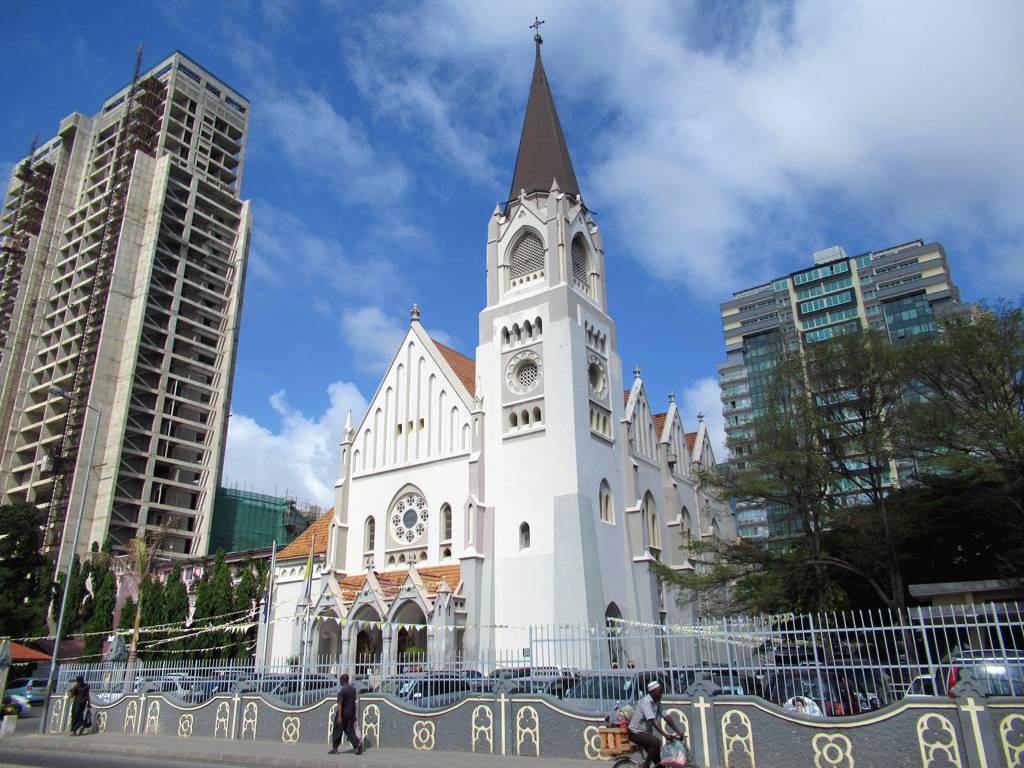
Why Dar es Salaam is Perfect for Your Celebration
- Beachfront and ocean-view venues along the Indian Ocean coastline create naturally dramatic event backdrops
- Established international hotel brands provide reliable luxury hospitality and in-house event management
- Julius Nyerere International Airport connects directly to major African, Middle Eastern, and European hubs
- Rich Swahili cultural elements — cuisine, music, décor — add authentic local character to celebrations
- Dry season months (Jan, Feb, Jun–Sep) offer reliably low rainfall and comfortable outdoor event conditions
- A mature local vendor ecosystem covers catering, florals, entertainment, and event production for large gatherings
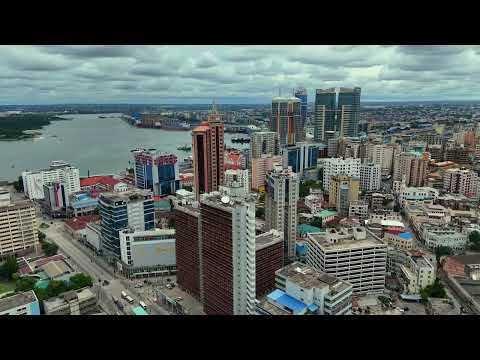
Compare Dar es Salaam with Other Top Destinations
Frequently Asked Questions
Is Dar es Salaam a good destination for a wedding?
Yes. Dar es Salaam is particularly well-suited to destination weddings that prioritise a coastal, cosmopolitan setting. The city offers beachfront and ocean-view venues, international hotel infrastructure, and authentic Swahili cultural elements — including cuisine, music, and décor — that give celebrations a genuinely distinctive East African character. The dry season months provide reliable outdoor event conditions.
What is the best time of year to hold a wedding or event in Dar es Salaam?
The best time is the dry season: January, February, and June through September. These months have significantly reduced rainfall and lower humidity, making outdoor ceremonies and receptions far more reliable. June through September is generally the most consistent window. March through May (long rains) and October through November (short rains) are best avoided for events with outdoor components.
How do international guests get to Dar es Salaam?
Most guests arrive via Julius Nyerere International Airport, located approximately 12 km from the city centre. It receives direct flights from major African hubs (Nairobi, Addis Ababa, Johannesburg), as well as connections through Dubai, Doha, and Amsterdam, among others. For guests from multiple countries, the airport's connectivity is generally adequate, though some origins will require a connecting flight.
What kinds of venues are available for events in Dar es Salaam?
The city offers beachfront resort venues with outdoor lawns and ocean-view pavilions, international hotel ballrooms suited to larger receptions, and boutique hotel settings in upscale neighbourhoods like Masaki and Oyster Bay for more intimate gatherings. Corporate events are well-served by purpose-built conference facilities within major hotels. Most venues have indoor alternatives for weather contingency.
How large a guest list can Dar es Salaam venues realistically accommodate?
The city's major hotel venues can typically accommodate receptions of 200–500 guests in a single space, with some properties able to host larger numbers across combined indoor and outdoor areas. For more intimate events of 50–150 guests, the boutique and peninsula-area properties are particularly well-suited. Very large single-space events above 500 guests may find the local inventory more limited.
Is accommodation readily available for a large guest group?
Yes, generally. Dar es Salaam has a range of international hotel properties across multiple tiers, concentrated in the city centre, Masaki, and Oyster Bay areas. For large groups, it is advisable to block-book rooms well in advance — particularly during the peak dry season months of July and August — as the city also hosts significant business travel demand year-round.
What is local transport like for guests once they arrive?
Within the city, private hire vehicles, hotel shuttles, and chartered minibuses are the practical options for event group transport. Dar es Salaam's road network can experience significant congestion, particularly during peak hours, so dedicated transport arrangements and carefully scheduled guest transfers are strongly advisable. The key event neighbourhoods are spread along the coastline, so transfer times should be built into event day timelines.
Is Dar es Salaam suitable for corporate retreats and conferences?
Yes. The city's international hotel brands offer dedicated conference facilities with business-grade AV infrastructure and experienced corporate event teams. As Tanzania's commercial capital, Dar es Salaam is already familiar to many regional business travellers, which reduces logistical friction for corporate groups. The dry season months are particularly comfortable for multi-day retreats with outdoor team activities.
What makes the local vendor ecosystem suited to events?
Dar es Salaam has a mature local events industry by East African standards, shaped partly by the city's large expatriate and diplomatic community. Independent vendors cover wedding coordination, floral design, photography, entertainment (including traditional Swahili performers), and event décor. Local caterers are a particular strength, offering Swahili coastal cuisine alongside international menu options. Engaging a local coordinator with established supplier relationships is advisable for complex events.
Do guests need visas to travel to Tanzania for an event?
Visa requirements vary by nationality. Many nationalities can obtain a visa on arrival or an e-visa in advance through Tanzania's official immigration process. However, requirements differ significantly by passport, and some guests may need to apply well in advance. Event planners should communicate visa requirements to guests early and allow sufficient lead time, particularly for guests from countries without straightforward visa-on-arrival access.
Can Dar es Salaam be combined with other Tanzania destinations for a destination wedding trip?
Yes, and this is a genuine strength of the destination. Zanzibar — a world-renowned beach and cultural destination — is accessible by a short flight or ferry from Dar es Salaam, making it a natural extension for a honeymoon or guest leisure days. Tanzania's northern safari circuit (Serengeti, Ngorongoro) is also accessible via connecting flights from Julius Nyerere International Airport, enabling combined event-and-safari itineraries.
What should I be aware of when planning an outdoor event in Dar es Salaam?
Even during the dry season, Dar es Salaam is a tropical coastal city with warm temperatures and ambient humidity. Daytime outdoor events should account for heat management — shading, cooling stations, and timing ceremonies for the cooler morning or evening hours. All outdoor events should have a credible indoor or covered contingency plan, and event planners should confirm venue contingency arrangements explicitly during the booking process.

Ready to explore venues in Dar es Salaam?
Dar es Salaam: Destination Wedding & Corporate Event Venues in Tanzania
◆Dar es Salaam is Tanzania's largest city and primary commercial hub, positioned on the Indian Ocean coast with a distinctly cosmopolitan, chic character. It suits destination weddings, corporate retreats, and social celebrations particularly well, offering a combination of beachfront resort venues, international hotel infrastructure, and authentic Swahili cultural experiences. The dry season months — January, February, and June through September — provide the most reliable outdoor event conditions. Internationally, the city is accessible via Julius Nyerere International Airport, which connects to major African, Middle Eastern, and European hubs, making it a practical choice for guests travelling from multiple countries.
Dar es Salaam at a Glance
| Attribute | Detail |
|---|---|
| Best For | Destination Weddings, Corporate Events, Social Celebrations, Honeymoons |
| Primary Vibe | Chic & Cosmopolitan |
| Other Vibes | Coastal, Culturally Rich, Vibrant |
| Best Season | Dry Season (Jan, Feb, Jun, Jul, Aug, Sep) |
Why Choose Dar es Salaam?
- Indian Ocean beachfront settings: The city's coastline — particularly around Msasani Peninsula, Oyster Bay, and the Kivukoni waterfront — provides naturally dramatic, photogenic backdrops that few East African cities can match for event aesthetics.
- Established international hospitality brands: Dar es Salaam hosts properties from globally recognised hotel groups, meaning event management standards, catering quality, and guest accommodation are reliably consistent with international expectations.
- Authentic Swahili cultural integration: Couples and event planners can draw on a genuinely distinctive local culture — Swahili cuisine, taarab music, traditional décor motifs — to create celebrations that feel rooted in place rather than generic.
- Strong air connectivity for international guests: Julius Nyerere International Airport receives direct flights from Nairobi, Addis Ababa, Dubai, Doha, Amsterdam, and several other major hubs, making it one of the more accessible East African cities for a multi-national guest list.
- Mature local vendor ecosystem: As Tanzania's commercial capital, Dar es Salaam has a well-developed network of event caterers, florists, entertainment providers, audio-visual companies, and wedding planners experienced in handling large-scale events.
- Scalable venue options: From intimate boutique settings on the Msasani Peninsula to large ballrooms and outdoor lawns at major waterfront hotels, the city can accommodate a wide range of guest counts and event formats.
Which Celebrations Work Best in Dar es Salaam?
- Destination Weddings: The combination of ocean views, luxury resort infrastructure, and rich cultural elements makes Dar es Salaam particularly well-suited to couples seeking a distinctive East African wedding experience. Beachfront ceremonies at sunset, followed by receptions in open-air pavilions, are a signature format here.
- Corporate Retreats & Conferences: The city's international hotel brands offer dedicated conference facilities, reliable AV infrastructure, and experienced corporate event teams. Its position as a regional business hub means many attendees may already have professional familiarity with the city, reducing logistical friction.
- Social Celebrations (Milestone Birthdays, Anniversaries): Smaller, high-quality social events benefit from the city's restaurant scene, rooftop venues, and boutique hotel settings — particularly in the Oyster Bay and Masaki neighbourhoods, which have a relaxed, upscale character.
- Honeymoons & Post-Wedding Stays: Dar es Salaam serves as an excellent base or transit point for couples combining a wedding with a broader East African honeymoon — Zanzibar is a short ferry or flight away, and safari destinations in Tanzania are accessible from the same airport.
Venues & Event Spaces
Dar es Salaam's event venue landscape is anchored by its beachfront and waterfront properties, which typically offer a combination of indoor ballrooms, outdoor lawns, and open-sided pavilions overlooking the Indian Ocean. These settings are particularly popular for wedding ceremonies and evening receptions, where the ocean breeze and coastal light create a naturally atmospheric environment.
Beyond the waterfront, the city's upscale residential and diplomatic neighbourhoods — particularly Masaki, Oyster Bay, and Msasani — host a range of boutique hotels and standalone event spaces suited to more intimate gatherings. These areas have a quieter, garden-like character that contrasts with the busier city centre, and are often preferred for events where privacy and a relaxed pace are priorities.
For larger corporate events and conferences, the city's major international hotels provide purpose-built conference centres with breakout rooms, business-grade AV equipment, and dedicated event coordination teams. Several of these properties can accommodate plenary sessions for several hundred delegates alongside concurrent smaller sessions.
Outdoor event formats — garden receptions, beach ceremonies, rooftop dinners — are genuinely viable during the dry season months, and many venues are specifically designed to take advantage of the coastal setting. During the rainy seasons, most venues have covered or fully indoor alternatives that maintain the event's quality without relying on outdoor conditions.
Best Time to Celebrate
The curated best season for events in Dar es Salaam is the Dry Season: January, February, and June through September. These months share a common characteristic — significantly reduced rainfall, lower relative humidity compared to the rest of the year, and generally clear skies — all of which are directly relevant to event planning.
January and February fall within the short dry period between the two rainy seasons. Temperatures are warm (typically in the high 20s to low 30s Celsius), and while humidity is present year-round in a coastal tropical city, these months see far fewer rain disruptions than the surrounding periods. They are particularly suitable for outdoor ceremonies and evening receptions.
June through September represent the longer, more pronounced dry season (the kiangazi). This is generally considered the most reliable window for outdoor events — rainfall is minimal, temperatures are slightly cooler than the January–February period (often in the mid-to-high 20s), and the ocean breeze is consistent. This stretch is widely regarded as the most comfortable time of year in Dar es Salaam for both guests and event logistics.
March through May bring the long rains (masika), which are the most significant rainy season in the Dar es Salaam calendar. Rainfall can be heavy and sustained, outdoor events face genuine disruption risk, and humidity is at its highest. This period is generally not recommended for events with significant outdoor components.
October and November bring the short rains (vuli), which are typically less intense than the long rains but still represent a meaningful increase in rainfall and humidity. Events during this period require robust contingency planning for outdoor elements.
December is transitional — the short rains typically ease, but conditions can be variable, and it does not carry the same reliability as the core dry season months. It can work for events with strong indoor backup options.
Getting There & Local Connectivity
Julius Nyerere International Airport is the primary gateway for guests travelling to Dar es Salaam, located approximately 12 km from the city centre. It receives direct international flights from a range of African capitals, as well as connections through major Middle Eastern and European hubs, making it accessible for guests travelling from within Africa, from Europe, and from South Asia or the Gulf region via connecting flights.
For guests travelling domestically within Tanzania, the airport also handles domestic routes to Zanzibar, Kilimanjaro, Arusha, and other Tanzanian cities, which is relevant for events where some guests may be arriving from other parts of the country or combining the event with a broader Tanzania itinerary.
Rail connectivity exists but is limited in practical terms for event guest travel — the railway network serves longer upcountry routes rather than functioning as a convenient intercity passenger service for event guests. Most guests will arrive by air or road.
Within the city, local transport for event groups typically relies on private hire vehicles, hotel shuttles, and chartered minibuses. Dar es Salaam's road network can experience significant congestion, particularly during peak hours, so event logistics — including guest transfers between accommodation and venues — benefit from careful scheduling and dedicated transport arrangements. The city's geography, with key event neighbourhoods (Masaki, Oyster Bay, Kivukoni) spread along the coastline, means that transfer times between areas should be factored into event day timelines.
Local Vendor & Hospitality Ecosystem
As Tanzania's commercial capital and largest city, Dar es Salaam has a well-established hospitality and events industry. International hotel brands operating in the city bring with them standardised event management processes, in-house catering teams, and relationships with trusted local suppliers — which provides a reliable baseline for event quality even for planners who are new to the destination.
Beyond the hotels, the city has a growing independent vendor community covering wedding planning and coordination, floral design, photography and videography, entertainment (including live bands, DJs, and traditional Swahili cultural performers), and event décor. The presence of a large expatriate and diplomatic community has historically driven demand for high-quality event services, which has contributed to a more sophisticated vendor market than might be expected in a city of this size in the region.
Swahili cuisine is a genuine strength — local caterers can offer menus that blend coastal East African flavours (seafood, coconut-based dishes, spiced rice preparations) with international options, giving events a distinctive culinary character. For events with specific dietary requirements or international cuisine preferences, the city's international hotels are generally well-equipped to accommodate these.
It is worth noting that vendor availability and quality can vary, and for large or complex events, engaging a local event coordinator with established supplier relationships is strongly advisable. Lead times for booking preferred vendors during peak dry season months (particularly July and August) should be factored into planning timelines.
Pros & Things to Consider
Why Dar es Salaam Works Well
- Genuine coastal beauty — Indian Ocean waterfront settings are a strong, authentic draw for destination events
- International hotel infrastructure provides reliable event management, accommodation, and catering at scale
- Good international air connectivity through Julius Nyerere International Airport for multi-national guest lists
- Authentic Swahili cultural elements add distinctive local character that generic event destinations cannot replicate
- Dry season (Jan, Feb, Jun–Sep) offers reliably low rainfall and comfortable outdoor event conditions
- Proximity to Zanzibar and Tanzania's safari circuit makes it a natural anchor for extended destination event itineraries
Things to Consider
- Urban traffic congestion can be significant, and guest transfer logistics between venues and accommodation require careful planning and dedicated transport
- The rainy seasons (Mar–May and Oct–Nov) are genuinely disruptive for outdoor events and should be avoided for celebrations with significant outdoor components
- Humidity is present year-round as a coastal tropical city — even in the dry season, guests unaccustomed to tropical climates may find the heat and humidity notable, particularly for daytime events
- Visa requirements for Tanzania vary by nationality, and some guests may require advance visa arrangements — this adds a logistical layer for international guest lists that planners should communicate early
- While the vendor ecosystem is mature by regional standards, it may not yet match the depth and specialisation available in more established global destination wedding markets
When Dar es Salaam May Not Be the Right Fit
- Events planned during March–May or October–November: If dates are fixed within the long or short rainy seasons and the event has significant outdoor components, the risk of disruption is genuine and meaningful — a destination with a more forgiving climate calendar may be a better fit.
- Guests with very limited international travel experience or complex visa situations: Tanzania's visa requirements and the multi-leg journeys required from some origins (particularly parts of Asia or the Americas without direct connections) can add friction for guests who are not frequent international travellers.
- Very large events (500+ guests) requiring a single, purpose-built mega-venue: While the city has scalable options, guests requiring a single venue with very high capacity in a single space may find the local inventory less suited than larger, more established MICE destinations.
- Couples or planners seeking a heritage or palace-style aesthetic: Dar es Salaam's event character is primarily coastal, modern, and cosmopolitan — it does not offer the historic palace or fort venues associated with some other destination wedding markets. Those seeking that specific aesthetic would be better served by a different destination.