
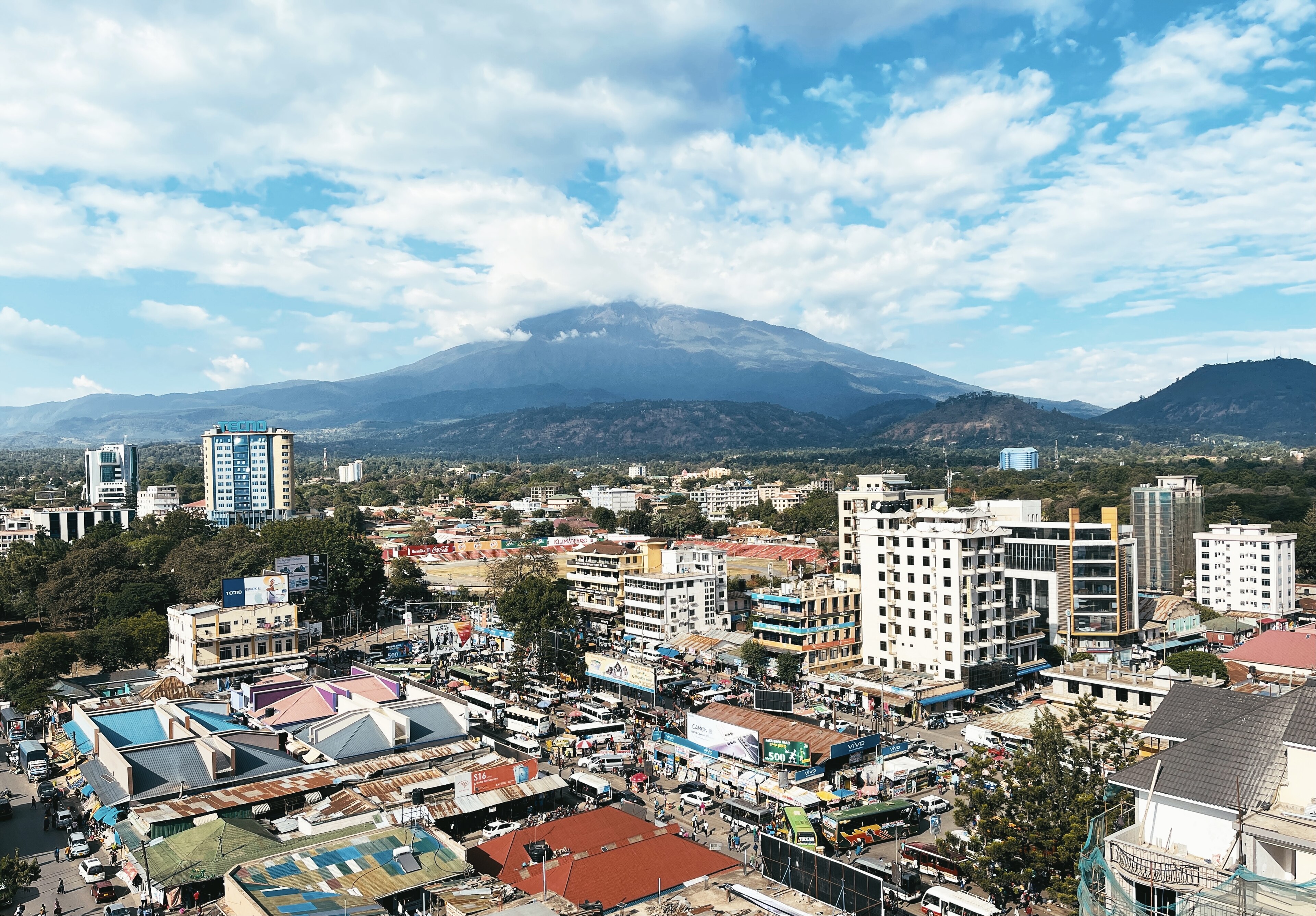
Why Arusha is Perfect for Your Celebration
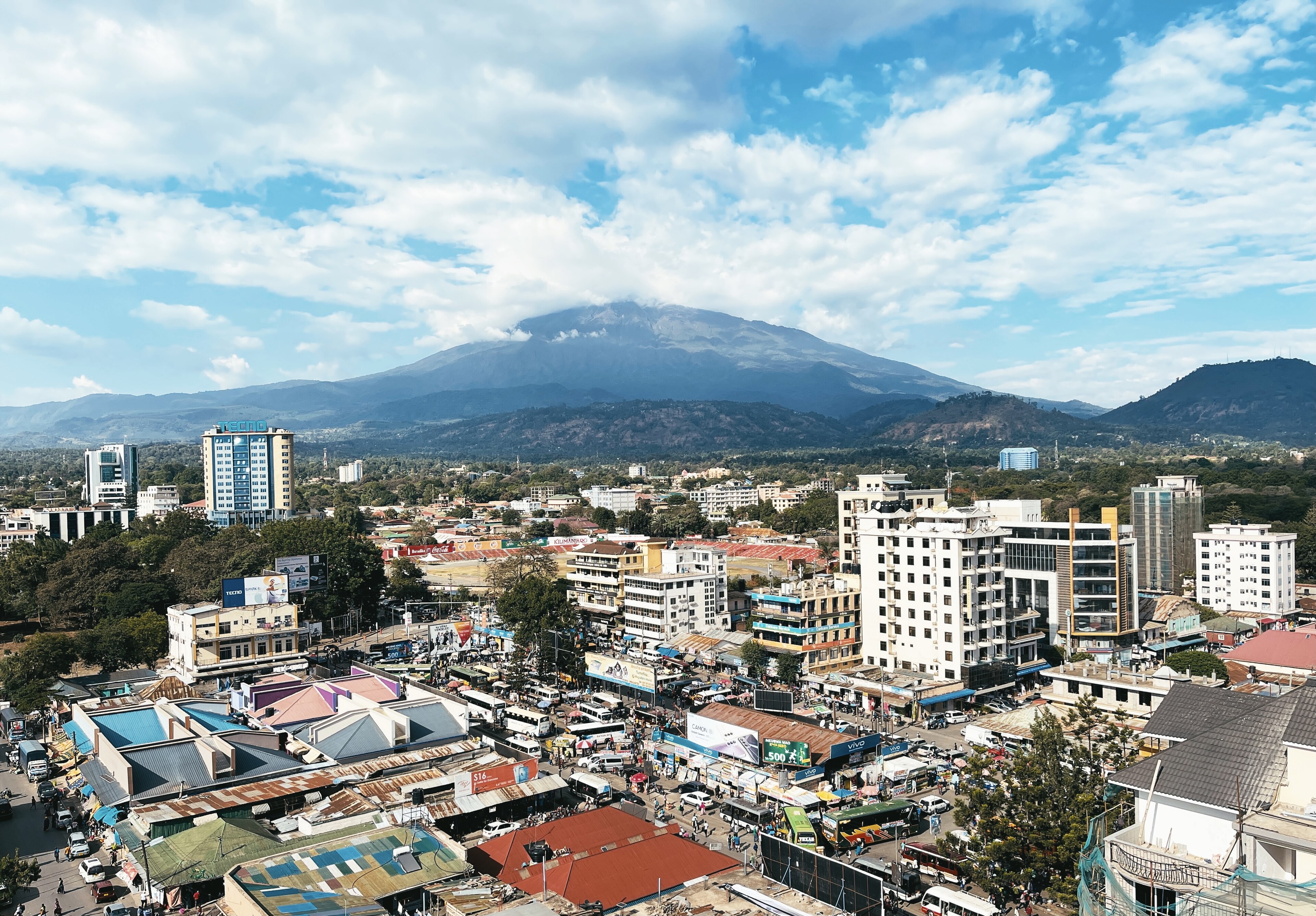
- Dramatic highland and savannah backdrops unique to East Africa — Mount Meru and Kilimanjaro visible on clear days
- Dry season (Jan, Feb, Jun–Sep) delivers reliably clear skies and comfortable temperatures for outdoor celebrations
- Well-developed international tourism infrastructure with experienced event and hospitality professionals
- Kilimanjaro International Airport (JRO) receives direct flights from major African hubs and select international routes
- Combines a destination wedding with once-in-a-lifetime safari experiences for guests
- Cosmopolitan city character with a range of upscale lodges, tented camps, and resort-style properties
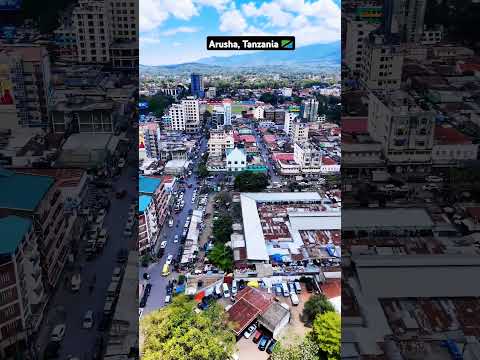
Top Venues in Arusha
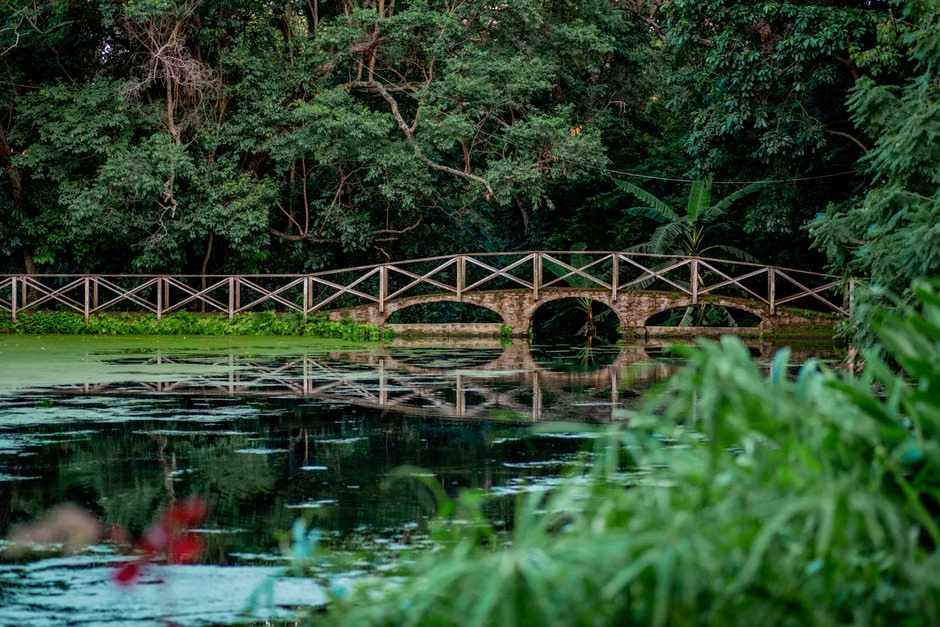
Arusha Coffee Lodge
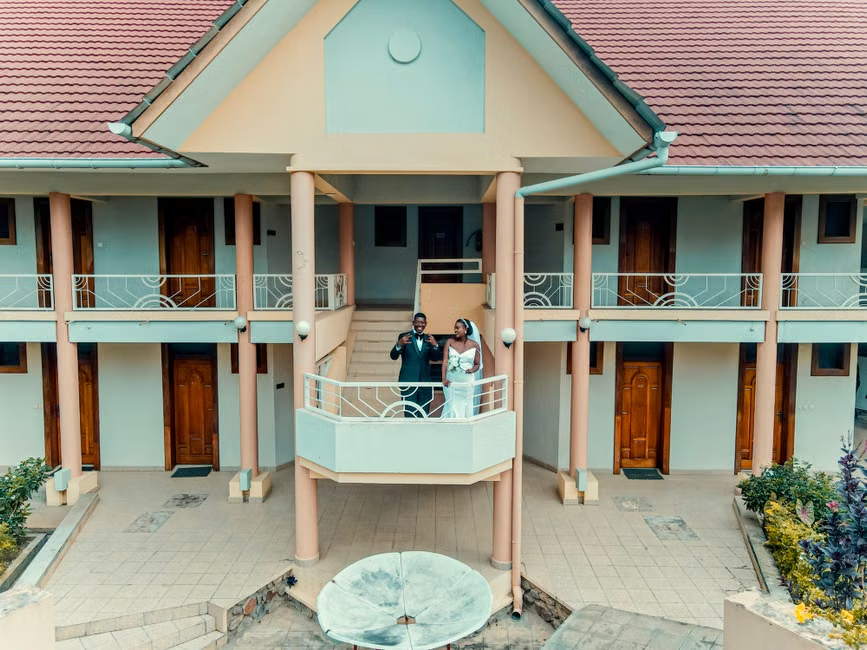
Kibo Palace Hotel
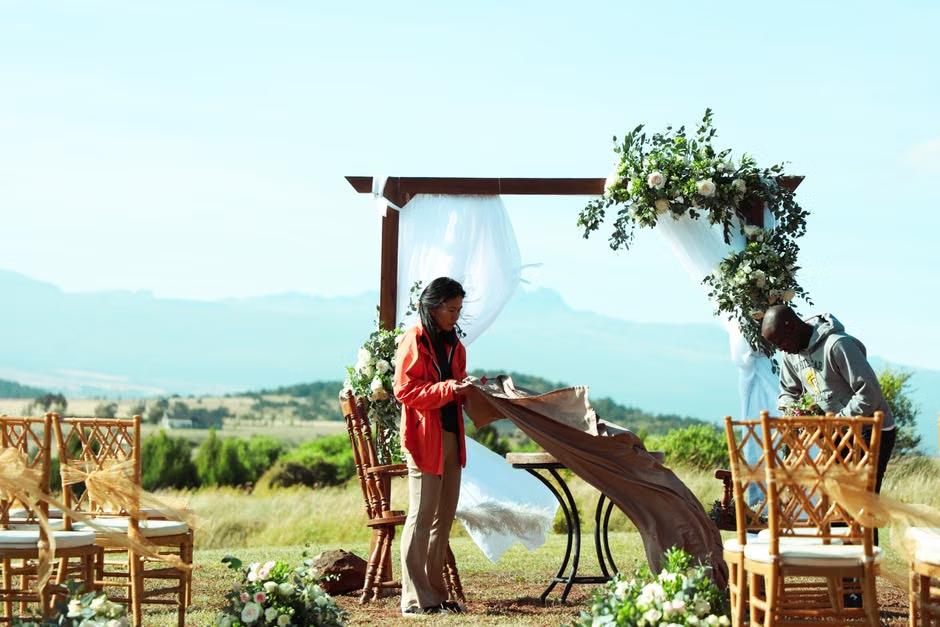
Ngurdoto Mountain Lodge
Arusha Hotel
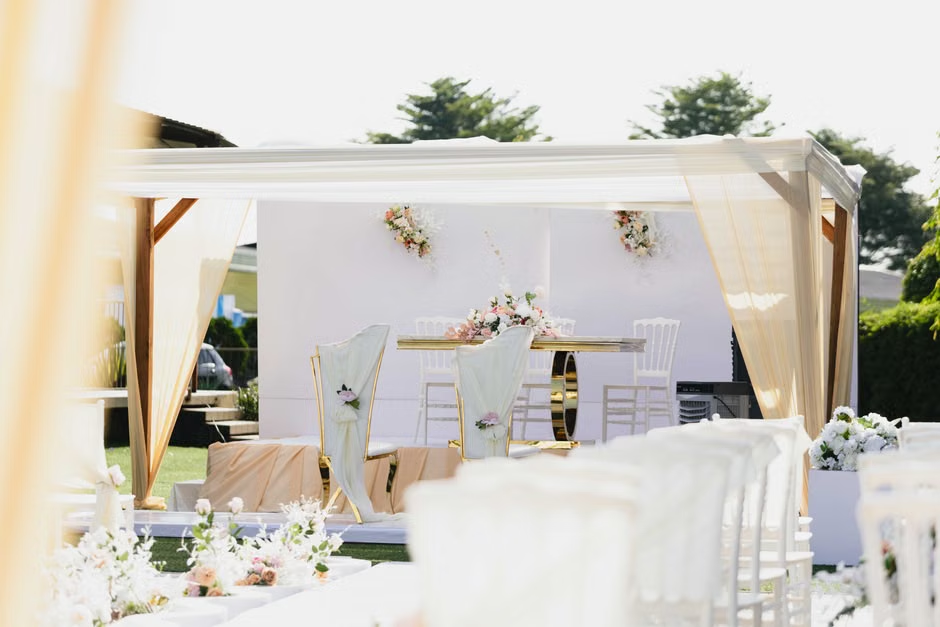
Mount Meru Hotel
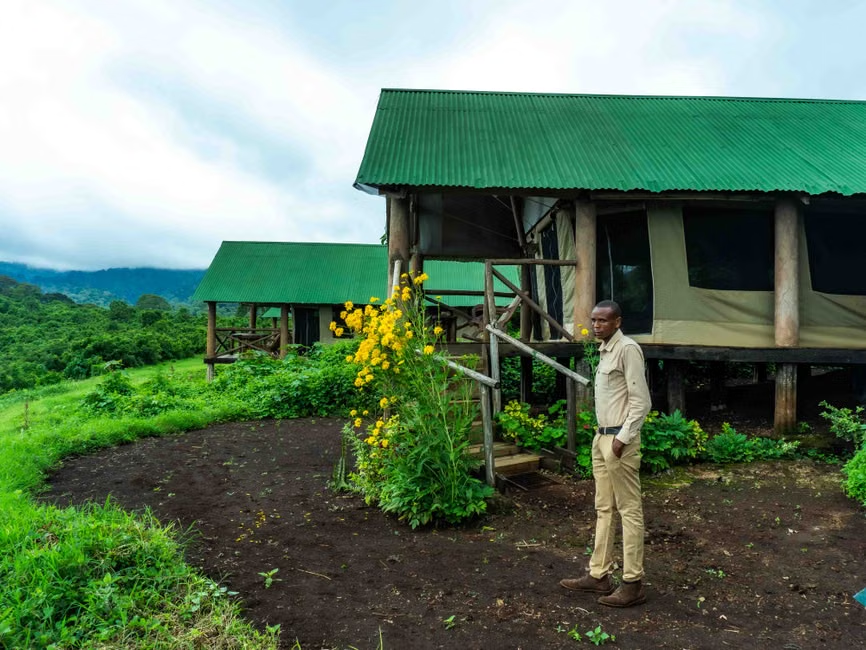
Ilboru Safari Lodge
Compare Arusha with Other Top Destinations
Frequently Asked Questions
Is Arusha a good destination for a wedding?
Yes. Arusha is particularly well-suited to destination weddings, especially for couples seeking a dramatic, one-of-a-kind setting. The combination of highland scenery, safari proximity, and mature lodge hospitality creates an immersive multi-day experience for guests. It works best for intimate to mid-size weddings where the setting itself is central to the celebration.
What is the best time of year to hold an event in Arusha?
The best periods are January–February and June–September — Arusha's two dry seasons. These months offer reliably clear skies, comfortable highland temperatures, and minimal rainfall, making outdoor events genuinely practical. June through September is the longer and more popular window; January–February offers lush post-rain greenery alongside clear skies.
How do guests get to Arusha for a destination event?
Most guests arrive via Kilimanjaro International Airport (JRO), approximately 46 km from the city center, which receives direct flights from Nairobi, Dar es Salaam, Zanzibar, and select international routes including Amsterdam. Many international guests connect through Nairobi. There is no passenger railway; road transfers are the standard mode of local movement.
What kinds of venues are available for events in Arusha?
Arusha offers lodge-style estate venues set within coffee plantations and highland gardens, tented camp-style properties near Arusha National Park, and full-service city hotels with conventional banquet and conference facilities. Outdoor ceremony lawns and garden settings are a consistent strength across most venue types during the dry season.
How large a guest list can Arusha realistically accommodate?
Most of Arusha's most distinctive lodge and estate venues are best suited to guest lists of 50–200 people. Larger city hotels can accommodate events of 200–350 guests. For very large events exceeding 400 guests requiring on-site accommodation, the local inventory becomes more limited and early planning is essential.
Can guests extend their trip with a safari after the event?
Yes — this is one of Arusha's strongest advantages as an event destination. The city is the gateway to the Serengeti, Ngorongoro Crater, Tarangire, and Lake Manyara. Most lodges and local operators can arrange safari extensions seamlessly, making the trip a full East African experience rather than just a ceremony.
What is the local vendor and catering ecosystem like in Arusha?
Arusha has a well-developed hospitality ecosystem shaped by decades of high-end safari tourism. In-house catering teams at upscale properties are experienced with international guests and multi-course event dining. Local florists benefit from proximity to Kenya's flower industry. Highly specialized production vendors may need to be sourced from Nairobi, so early planning is advisable.
Are there any visa or health requirements guests should know about?
Yes. Most international visitors require a Tanzanian visa, which is available on arrival or as an e-visa for many nationalities. Yellow fever vaccination certificates are required for travelers arriving from yellow fever-endemic countries. Event planners should communicate these requirements clearly to guests well in advance to avoid complications on arrival.
What is the climate like in Arusha, and how does elevation affect events?
Arusha sits at approximately 1,400 metres above sea level, giving it a mild highland climate year-round — typically 15°C to 28°C. Evenings can be noticeably cool, particularly in July and August. This makes the city far more comfortable for outdoor events than lower-altitude East African destinations, but guests should be advised to bring a light layer for evening celebrations.
How easy is it to move a large group around Arusha during an event?
Group movement relies entirely on road transfers — there is no rail or metro system. Most lodges and hotels arrange airport transfers as standard, and local operators can coordinate fleets of minibuses or safari vehicles for multi-venue events. Road conditions within the city are generally good; some lodge access roads may require 4WD vehicles during or just after the rainy season.
Is Arusha safe for international guests attending a celebration?
Generally yes. Arusha is considered one of Tanzania's safer cities, with a long history of hosting international tourists, diplomats, and business travelers. Standard travel precautions apply — guests should use reputable transfer services, avoid displaying valuables in public, and follow guidance from their accommodation. Most upscale properties have their own security arrangements.

Ready to explore venues in Arusha?
Arusha: Destination Wedding & Event Venues in Tanzania
◆Arusha is Tanzania's premier destination for cosmopolitan, safari-infused celebrations — a highland city with a chic, international character that suits destination weddings, milestone birthdays, and private corporate retreats. Its dry seasons (January–February and June–September) deliver reliably clear skies and comfortable temperatures, making outdoor events genuinely practical. Kilimanjaro International Airport provides the primary international access point, and the city's well-developed tourism infrastructure — built around decades of safari and diplomatic hospitality — supports events ranging from intimate lodge gatherings to larger resort-style celebrations. Guests should plan for international travel, but the payoff is a setting unlike almost anywhere else in the world.
Arusha at a Glance
| Category | Detail |
|---|---|
| Best For | Destination Weddings, Milestone Birthdays, Private Retreats, Corporate Events |
| Primary Vibe | Chic & Cosmopolitan |
| Other Vibes | Wilderness & Adventure, Highland Serenity, Cultural Richness |
| Best Season | Dry Season (Jan, Feb, Jun, Jul, Aug, Sep) |
Why Choose Arusha?
- Unmatched natural scenery: Mount Meru rises directly above the city, and on clear dry-season days, Kilimanjaro is visible on the horizon — a backdrop that no purpose-built event venue can replicate.
- Safari integration: Arusha sits at the gateway to the Serengeti, Ngorongoro Crater, Tarangire, and Lake Manyara — guests can combine a wedding weekend with a genuine East African safari, making the trip a full experience rather than just a ceremony.
- Mature international hospitality infrastructure: Decades of high-end safari tourism have produced a local hospitality ecosystem accustomed to international guests, dietary diversity, and logistically complex group travel.
- Cosmopolitan city character: As the seat of the East African Community and a long-standing diplomatic hub, Arusha has a genuinely international feel — multilingual staff, international cuisine, and a level of urban sophistication uncommon in cities of its size.
- Venue diversity: From intimate coffee-estate lodges and tented bush camps to full-service city hotels with banquet capacity, the destination offers meaningful variety across event styles and guest sizes.
- Dry-season reliability: Two distinct dry windows — January to February and June to September — give event planners genuine scheduling flexibility with predictable, photogenic weather.
Which Celebrations Work Best in Arusha?
- Destination Weddings: Arusha is particularly well-suited to couples seeking a dramatic, one-of-a-kind setting. Lodge and estate venues offer privacy, scenic grandeur, and the kind of immersive atmosphere that transforms a wedding into a multi-day experience for guests.
- Milestone Birthdays & Anniversaries: The combination of safari access, highland scenery, and upscale lodge hospitality makes Arusha an excellent choice for significant personal celebrations where the experience itself is the gift.
- Private Corporate Retreats: The city's diplomatic infrastructure, reliable international connectivity, and range of conference-capable properties make it a credible choice for executive retreats and incentive travel programs that want to combine business with an extraordinary environment.
- Intimate Gatherings & Elopements: Smaller guest lists are particularly well-served here — many of the most distinctive properties are boutique lodges that excel at personalised, high-touch experiences for groups of 20–80 guests.
Venues & Event Spaces
Arusha's event venue landscape is shaped by its safari tourism heritage. The most distinctive properties are lodge-style resorts and estate venues set within coffee plantations, highland gardens, or on the edges of national park buffer zones — these typically offer outdoor ceremony lawns, covered pavilions, and intimate indoor dining spaces that blend naturally with the surrounding landscape.
Within the city itself, several full-service hotels provide conventional banquet halls, conference rooms, and poolside event spaces capable of accommodating larger guest lists. These are better suited to events where urban convenience — proximity to the airport, shopping, and city services — matters more than wilderness immersion.
A growing number of tented camp-style venues in the Usa River corridor (east of the city, toward Arusha National Park) offer a more adventurous aesthetic — permanent luxury tents, open-air dining under canvas, and fire-lit evening settings that are genuinely dramatic. These work especially well for multi-day wedding weekends where guests are accommodated on-site.
Outdoor spaces — lawns, terraces, and garden settings — are a consistent strength across most venue types, and the dry-season climate makes alfresco events reliably practical during the best months.
Best Time to Celebrate
The curated best season for Arusha events is the Dry Season: January, February, June, July, August, and September. These months share two key qualities: minimal rainfall and clear skies that showcase the highland scenery at its most dramatic.
January and February fall within the short dry window between the short rains (October–November) and the long rains (March–May). Temperatures are warm and pleasant, vegetation is lush from the preceding rains, and the landscape is photogenic without being parched. This window is popular for couples who want greenery alongside clear skies.
June through September is the longer, more reliable dry season — the classic East African safari high season. Skies are consistently clear, temperatures are mild (particularly July and August, which can feel cool in the evenings at Arusha's elevation of roughly 1,400 metres), and wildlife viewing in nearby parks is at its peak. This is the most popular window for destination events, and venue availability should be secured well in advance.
March, April, and May bring the long rains — persistent, heavy rainfall that makes outdoor events genuinely risky, renders some lodge access roads difficult, and reduces the visual appeal of the landscape for photography. These months are best avoided for outdoor celebrations.
October and November bring the short rains — typically afternoon and evening showers rather than all-day downpours, but still unpredictable enough to complicate outdoor event planning. December is a transitional month that can be workable but is not classified within the curated best season.
Getting There & Local Connectivity
Kilimanjaro International Airport (JRO) is the primary gateway, located approximately 46 km east of Arusha city center. It receives direct flights from Nairobi (Kenya Airways, multiple daily), Dar es Salaam, Zanzibar, and select international routes including Amsterdam (KLM). Most international guests will connect through Nairobi's Jomo Kenyatta International Airport or Addis Ababa, making the total journey time from Europe or Asia typically 10–16 hours depending on origin.
Arusha also has a smaller domestic airstrip — Arusha Airport — closer to the city center, which handles light aircraft and charter flights to safari destinations. This is particularly useful for guests extending their trip into the national parks.
There is no passenger railway service to Arusha. Road travel is the standard mode of local movement. The Arusha–Nairobi highway is well-traveled and served by reliable coach services, making overland arrival from Nairobi (approximately 4–5 hours) a practical option for some guests.
Within the city and surrounding areas, private vehicle hire and organized transfers are the norm for event groups. Most lodges and hotels arrange airport transfers as standard. For multi-venue or multi-day events, coordinating a fleet of minibuses or safari vehicles is straightforward through established local operators. Road conditions within the city are generally good; some lodge access roads in the Usa River area may require 4WD vehicles during or immediately after the rainy season.
Local Vendor & Hospitality Ecosystem
Arusha's vendor ecosystem is meaningfully more developed than most East African cities of comparable size, primarily because decades of high-end safari tourism have created sustained demand for quality catering, floristry, event logistics, and hospitality management.
Catering and cuisine reflect the city's international character — Swahili, East African, Indian, and continental European cuisines are all well-represented, and most upscale properties have in-house culinary teams experienced in multi-course event dining for international guests.
Event coordination is available through both hotel in-house teams and independent local planners who specialize in destination weddings and corporate events. The safari tourism industry has produced a generation of logistics professionals comfortable managing complex group itineraries, which translates well to event planning.
Floristry and décor benefit from Tanzania's proximity to Kenya's famous flower-growing industry — fresh flowers are generally available and of good quality. Local artisans also produce distinctive Maasai-inspired décor elements that can add genuine cultural character to an event aesthetic.
That said, highly specialized vendors — bespoke lighting designers, large-scale AV production companies, or niche international caterers — may need to be sourced from Nairobi or further afield, which adds logistical complexity and lead time. Early planning and vendor confirmation are more important here than in a major metropolitan event hub.
Pros & Things to Consider
Why Arusha Works Well
- Genuinely extraordinary natural setting — highland scenery, volcanic peaks, and safari proximity create a backdrop that is difficult to replicate anywhere else
- Dry-season weather is reliably pleasant and photogenic, with comfortable temperatures and clear skies
- Mature international hospitality infrastructure accustomed to high-expectation guests
- Strong integration of event and safari experiences — guests can extend their trip meaningfully
- Cosmopolitan city character with multilingual staff and international cuisine options
- Venue diversity from intimate boutique lodges to larger city hotels suits a range of event scales
Things to Consider
- International travel is required for most guests — journey times from Europe, Asia, or the Americas are significant, and connecting flights through Nairobi add complexity
- No railway connectivity; all ground movement relies on road transfers, which require coordination for large groups
- Highly specialized event vendors may need to be sourced from Nairobi, requiring longer lead times and more complex logistics
- Rainy seasons (March–May and October–November) are genuinely disruptive to outdoor events — scheduling flexibility is important
- Venue capacity at the most distinctive lodge-style properties is typically limited to smaller guest lists; very large events (300+ guests) have fewer suitable options
- Tanzania visa requirements and health documentation (including yellow fever vaccination for some travelers) add an administrative layer for international guests
When Arusha May Not Be the Right Fit
- Very large guest lists: If your event requires accommodating 400 or more guests in a single venue with on-site accommodation, Arusha's most distinctive properties will likely fall short — the lodge and boutique resort inventory is better calibrated to intimate and mid-size events.
- Guests with limited international travel capacity: If a significant portion of your guest list faces difficulty obtaining Tanzanian visas, affording long-haul flights, or managing multi-leg journeys, the logistical barrier may reduce attendance in ways that affect the event meaningfully.
- Events planned during the long rains (March–May): If your dates are fixed within this window, the risk of persistent rainfall disrupting outdoor elements is real and should be weighed carefully — a destination with a more forgiving climate in those months may serve you better.
- Events requiring highly specialized production: Large-scale AV production, bespoke lighting design, or niche international catering that cannot be sourced locally will require importing vendors from Nairobi or beyond — if production complexity is central to your event vision, a destination with a deeper local vendor pool may reduce risk and cost.