
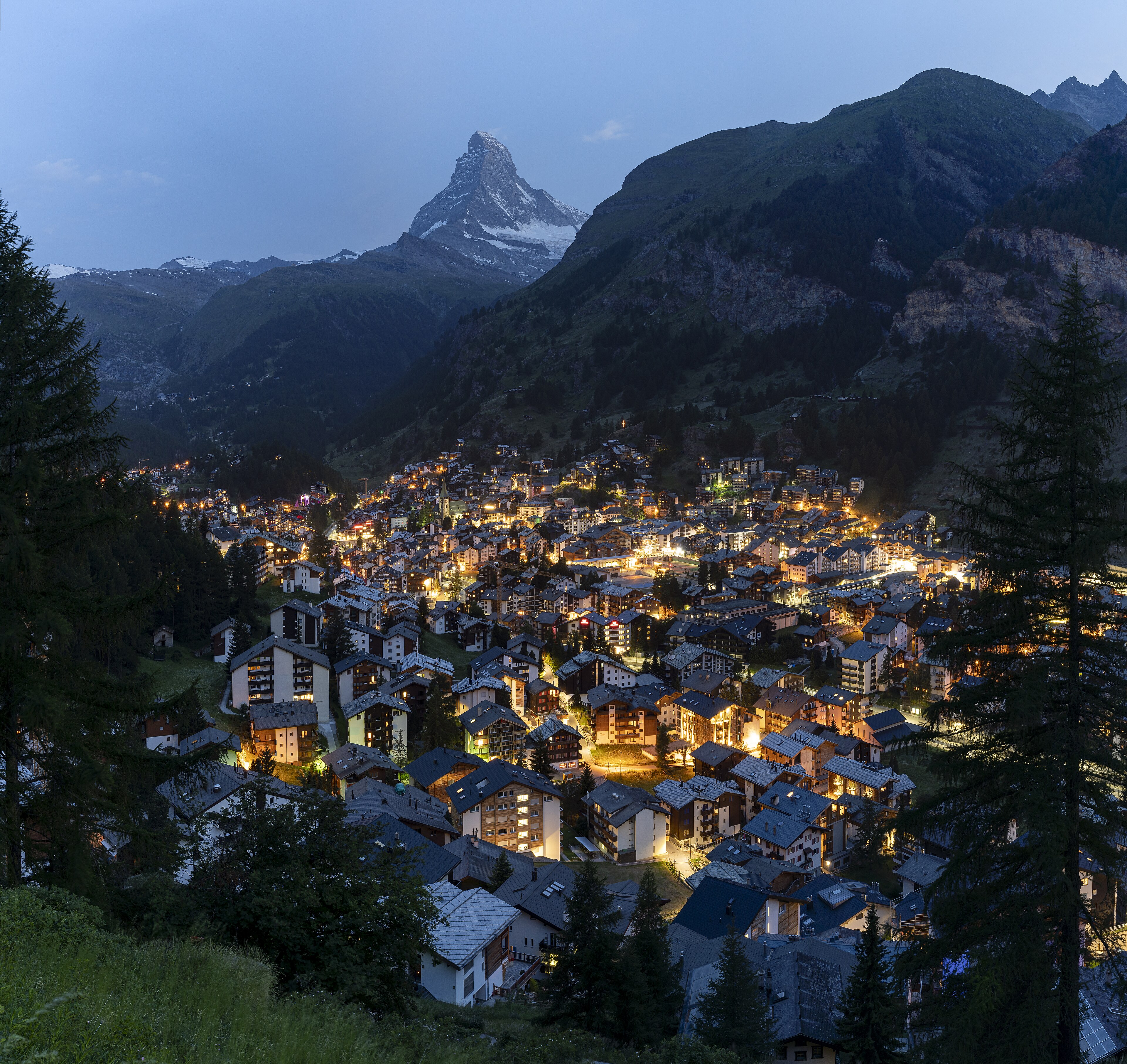
Why Zermatt is Perfect for Your Celebration
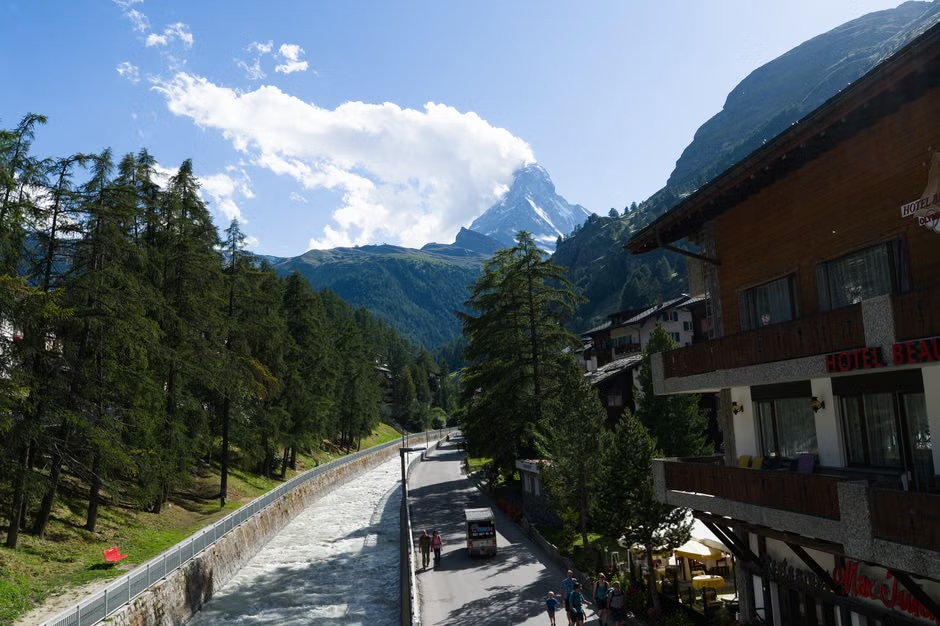
- Iconic Matterhorn backdrop — one of the world's most recognisable mountain settings for ceremony photography
- Car-free village creates an exclusive, pedestrian-friendly atmosphere ideal for private celebrations
- World-class luxury hotels and mountain chalets with dedicated event and banquet facilities
- Summer season (Jun–Sep) offers long daylight hours, clear skies, and accessible high-altitude terraces
- Highly developed Swiss hospitality ecosystem with experienced event planners and premium catering
- Unique adventure add-ons — glacier excursions, cable car rides, and alpine hikes for guest experiences

Top Venues in Zermatt
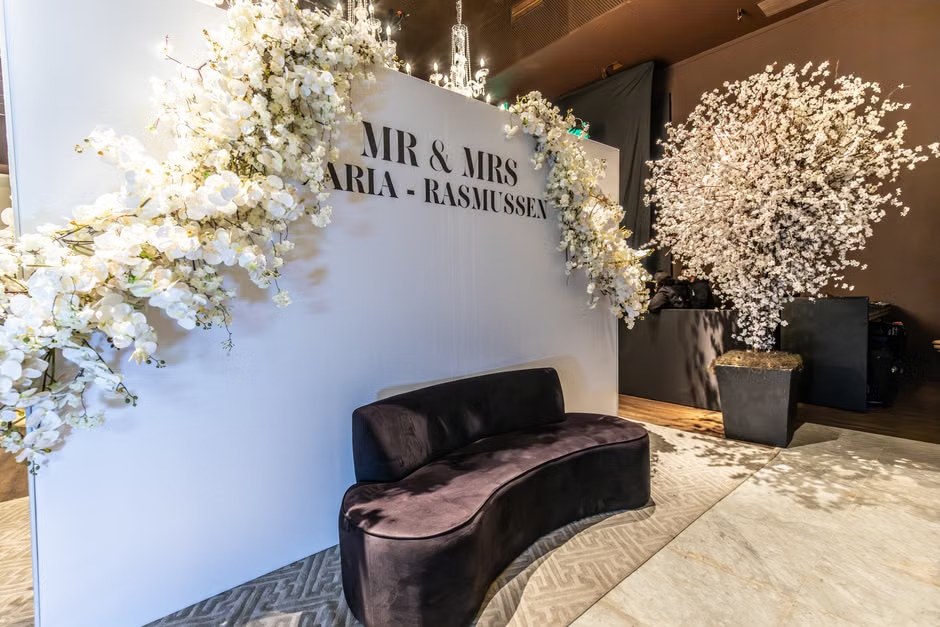
The Omnia
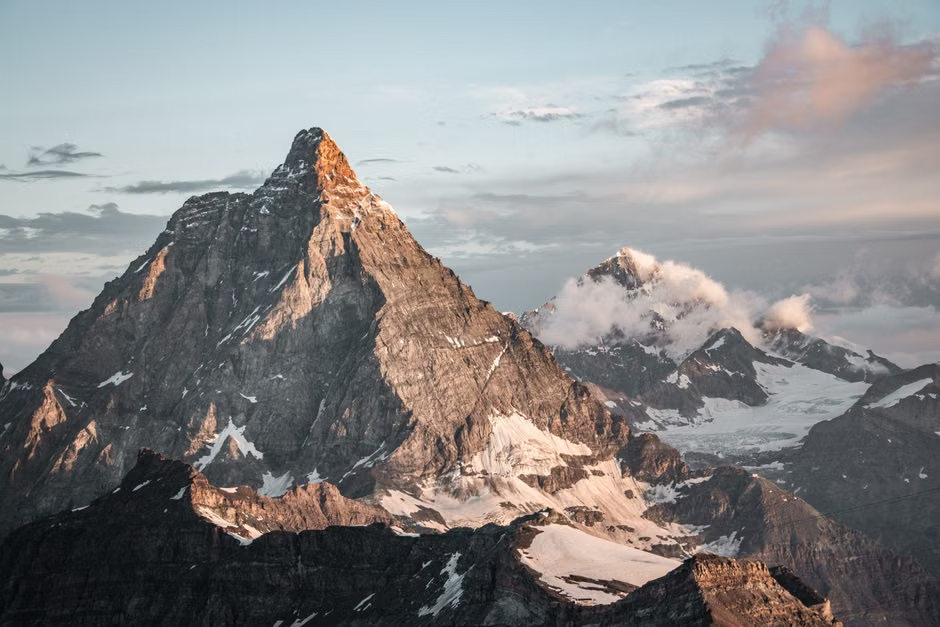
Mont Cervin Palace
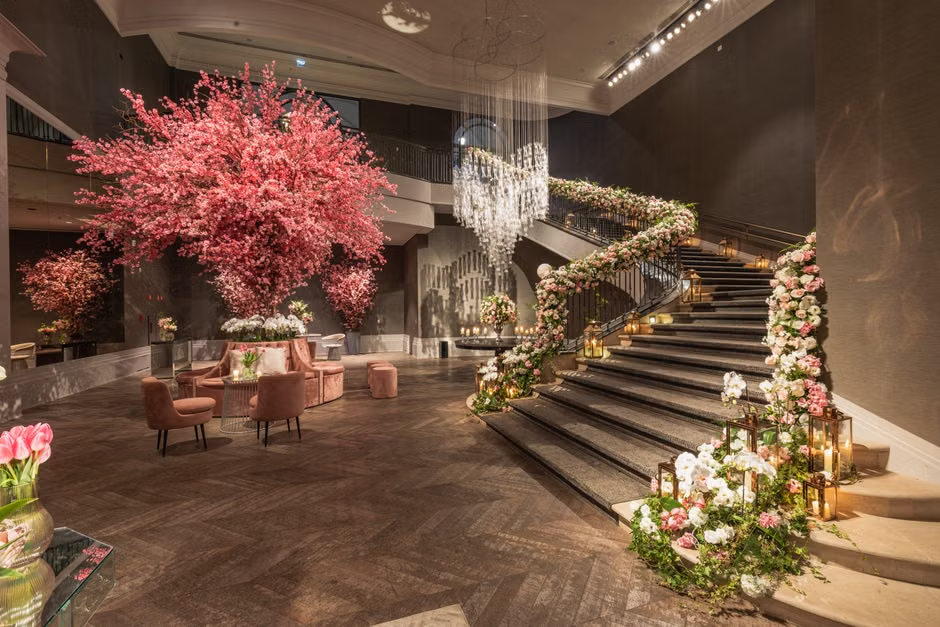
Grand Hotel Zermatterhof
Hotel Daniela
Hotel Weisshorn Zermatt
Compare Zermatt with Other Top Destinations
Frequently Asked Questions
Is Zermatt a good destination for a wedding?
Yes, particularly for intimate, high-end weddings. Zermatt is especially well-suited to smaller celebrations — typically under 150 guests — where the Matterhorn backdrop, luxury alpine venues, and the village's exclusive car-free atmosphere create a genuinely distinctive experience. It is less suited to large-scale weddings requiring very high guest capacity, but for couples prioritising scenery, privacy, and Swiss hospitality quality, it is among Europe's strongest destination wedding options.
What guest group sizes can Zermatt venues realistically support?
Most Zermatt event venues comfortably accommodate groups of 50 to 200 guests. The village's compact, boutique character means very large events — above 200 to 250 guests — may face constraints on space and accommodation availability. The destination is genuinely strongest for intimate to mid-sized celebrations where quality of experience matters more than raw capacity.
How do guests get to Zermatt for a destination event?
All guests arrive by train — Zermatt has no road access for private vehicles. The main approach is via the Matterhorn Gotthard Bahn from Visp or Brig, which connect to the broader Swiss rail network. Geneva and Zurich are the primary international gateway airports, each with reliable onward rail connections. The full journey from either airport to Zermatt village typically takes around two to three hours and involves at least one train change.
What is the best time of year to plan a celebration in Zermatt?
June through September is the optimal window. During these months, the full cable car network is operational, alpine trails are accessible, daylight hours are long, and the hospitality ecosystem is at its most complete. Outside this window — particularly November through April — many venues and services operate on reduced schedules oriented toward ski tourism, and the infrastructure for private celebrations is considerably thinner.
What kinds of event spaces are available in Zermatt?
Zermatt offers a range of alpine event spaces: luxury hotel banquet rooms and private dining salons, outdoor terraces with direct Matterhorn views (particularly popular for summer ceremonies and cocktail receptions), traditional Swiss chalet-style private venues, and high-altitude mountain restaurant spaces accessible by cable car. The overall inventory is boutique in scale, reflecting the village's compact, car-free character.
How should we handle accommodation for a large guest group in Zermatt?
Because Zermatt is a compact village, guest groups typically spread across multiple hotels within easy walking distance of each other. Early booking is strongly recommended — the village has a finite accommodation inventory and summer is peak season. Most luxury and upper-midscale properties are experienced at handling group room blocks for destination events, and the village's walkable geography means guests at different hotels are rarely more than ten to fifteen minutes apart on foot.
What makes Zermatt's hospitality ecosystem well-suited to destination events?
Zermatt's hospitality ecosystem reflects decades of high-end international tourism. Luxury hotels maintain experienced in-house event planning teams, Swiss catering standards are generally very high, and the village's fine dining scene means food and beverage quality is a genuine strength. For specialist requirements beyond the local ecosystem's scope, vendors from Zurich or Geneva can be brought in via rail — a model that experienced Zermatt event coordinators are well-practised at managing.
Can guests enjoy activities beyond the main event during a Zermatt celebration?
Yes — this is one of Zermatt's strongest practical advantages as a destination. During summer, guests can access glacier excursions, cable car ascents to high-altitude viewpoints, alpine hiking at all difficulty levels, mountain biking, and scenic village walks. This makes it straightforward to build a genuinely memorable multi-day celebration itinerary that extends well beyond the core event itself.
Is Zermatt suitable for a birthday celebration or anniversary event?
Yes. Milestone birthday gatherings and anniversary celebrations are a natural fit for Zermatt's character — particularly for groups who value experience, scenery, and adventure over conventional ballroom-style events. The combination of dramatic alpine scenery, fine dining, and distinctive guest activities makes a multi-day Zermatt celebration genuinely memorable for these occasion types.
What should event planners know about the logistics of organising in Zermatt?
The key logistical consideration is the mandatory rail-only access — all guests, vendors, and equipment arrive by train. This requires clear guest communication and ideally a coordinated group travel plan. Within the village, logistics are actually simplified by the compact, walkable geography. Swiss rail reliability makes the journey predictable, and Zermatt's experienced event coordinators are well-versed in managing the hybrid local-and-imported vendor model that the destination's boutique ecosystem requires.

Ready to explore venues in Zermatt?
Zermatt: Destination Wedding & Alpine Event Venues in Switzerland
◆Zermatt is a car-free alpine village in the Swiss canton of Valais, best known as the gateway to the Matterhorn — one of the world's most photographed mountain peaks. As an event destination, it is strongest for small-to-medium, high-end celebrations: intimate weddings, milestone birthday gatherings, and exclusive corporate retreats where dramatic scenery and privacy matter more than large-scale capacity. The primary vibe is adventurous and thrilling, layered with genuine Swiss luxury. The ideal season runs from June through September, when mountain access is at its fullest and weather is reliably pleasant. Guest travel requires planning — all arrivals are by train, with no road access — making it best suited to groups comfortable with a scenic but multi-leg journey.
Zermatt at a Glance
| Attribute | Detail |
|---|---|
| Best For | Intimate Weddings, Milestone Birthdays, Luxury Retreats, Adventure Celebrations |
| Primary Vibe | Adventurous & Thrilling |
| Other Vibes | Romantic, Exclusive, Scenic, Intimate |
| Best Season | Summer (Jun, Jul, Aug, Sep) |
Why Choose Zermatt?
- The Matterhorn as a living backdrop: No constructed venue element can replicate the visual impact of the Matterhorn rising behind a ceremony terrace or reception lawn — it is a genuinely singular scenic asset that makes event photography extraordinary.
- Car-free exclusivity: Zermatt's pedestrian-only streets and electric vehicle policy create a naturally quiet, unhurried atmosphere that larger, road-accessible resort towns cannot replicate. Guests move on foot, by horse-drawn carriage, or by small electric taxi — an experience that itself becomes part of the celebration.
- Mature luxury hospitality infrastructure: Despite its small size, Zermatt supports a well-developed hospitality ecosystem with multiple internationally recognised luxury properties, experienced event coordinators, and high-quality Swiss catering standards.
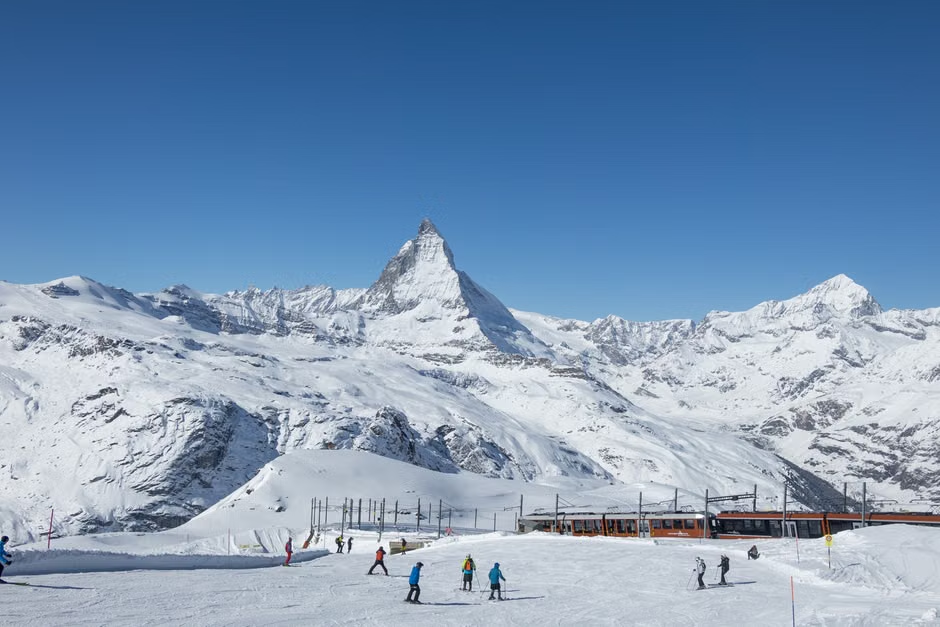
- Adventure programming for guests: The destination offers a genuinely distinctive range of guest experiences — glacier excursions, cable car ascents to Europe's highest viewpoints, alpine hiking, and in winter, world-class skiing — making it easy to build a multi-day celebration itinerary that goes well beyond the event itself.
- Privacy and containment: Because Zermatt is geographically contained and accessible only by rail, the village has a natural sense of enclosure that suits private, exclusive events. Guest groups tend to stay within the same compact area, which simplifies logistics and creates a cohesive celebration atmosphere.
- Swiss reliability: Switzerland's reputation for precision, quality, and service consistency extends directly to its event industry. Vendors, venues, and transport operators in Zermatt generally operate to very high standards of reliability — a meaningful practical advantage for destination event planning.
Which Celebrations Work Best in Zermatt?
- Intimate Destination Weddings: Zermatt is particularly well-suited to smaller weddings — typically under 150 guests — where the emphasis is on atmosphere, scenery, and a curated guest experience rather than large-scale production. The Matterhorn setting, luxury chalet venues, and mountain terrace ceremony spaces make it one of Europe's most distinctive wedding backdrops.
- Milestone Birthday Celebrations: The combination of adventure activities, fine dining, and dramatic scenery makes Zermatt an excellent choice for significant birthday gatherings — particularly for guests who value experience over conventional ballroom-style events. A multi-day alpine birthday retreat is a natural fit for the destination's character.
- Luxury Corporate Retreats and Team Events: Zermatt's contained geography, high-quality meeting facilities within its luxury hotels, and strong adventure programming make it a compelling choice for executive retreats, incentive travel groups, and team-building events that benefit from an extraordinary setting.
- Anniversary and Vow Renewal Celebrations: The romantic and dramatic alpine environment, combined with the intimacy of the village, suits smaller anniversary gatherings and vow renewal ceremonies particularly well — especially for couples who want something genuinely memorable rather than a conventional hotel ballroom setting.
Venues & Event Spaces
Zermatt's event venue landscape is defined by its alpine character. The most prominent event spaces are found within the village's luxury and upper-midscale hotels, which typically offer a combination of indoor banquet rooms, private dining salons, and — crucially — outdoor terraces with direct Matterhorn views. These terraces are among the most sought-after ceremony and cocktail reception spaces in the Alps during the summer season.
Beyond hotel venues, the destination offers mountain restaurant spaces accessible by cable car at higher altitudes, providing genuinely unique high-altitude dining and celebration settings. Traditional Swiss chalet-style properties, some of which operate as private event venues, add a heritage dimension to the available inventory. Outdoor alpine meadow settings, particularly at lower elevations around the village perimeter, are used for ceremony setups during the summer months when ground conditions allow.
It is worth noting that Zermatt's venue capacity is naturally limited by the village's compact size and its car-free, low-density character. This is a destination that excels at intimate, curated events rather than large-scale productions requiring multiple simultaneous ballrooms or very high guest counts. Groups planning events for more than 200–250 guests should assess venue availability carefully during the planning phase.
Best Time to Celebrate
The real curated best season for Zermatt is Summer: June, July, August, and September. This window is the clear optimal period for events for several concrete reasons beyond simply "the weather is nice."
During these months, the high-altitude cable car network — including access to the Klein Matterhorn glacier area — is fully operational, meaning guests can experience the destination's most dramatic viewpoints as part of their visit. Alpine hiking trails at all difficulty levels are accessible and snow-free at lower elevations. Daylight hours are long (often 15–16 hours in June and July), which gives outdoor ceremonies and receptions a generous natural light window. The Matterhorn itself is most reliably visible and photogenic in summer, with clear skies more frequent than in transitional seasons.
Hotel and hospitality operations are at their fullest during summer, with the widest range of restaurants, event services, and vendor availability. This is also when the village's outdoor character — its pedestrian streets, flower-lined chalets, and mountain meadows — is at its most appealing.
Why other seasons are less ideal: November through April brings heavy snowfall, extreme cold at altitude, and significantly reduced hospitality operations — many restaurants, smaller hotels, and event-specific services either close entirely or operate on reduced winter schedules oriented toward ski tourism rather than celebrations. While Zermatt is a world-class ski resort in winter, the infrastructure and vendor ecosystem for weddings and private events is considerably thinner outside the summer season. October is a shoulder month with rapidly dropping temperatures, early snowfall risk at higher elevations, and the beginning of the hospitality wind-down — manageable for some events but with meaningfully reduced options compared to peak summer.
Getting There & Local Connectivity
Zermatt is one of the few major European resort destinations with no road access — private cars are prohibited from entering the village. All guests arrive by train, which is both a logistical consideration and, for many, a highlight of the experience. The primary rail approach is via the Matterhorn Gotthard Bahn from Visp or Brig, both of which connect to the main Swiss rail network. Geneva and Zurich are the two primary international gateway airports, each offering onward rail connections that, while scenic, involve multiple legs and typically two to three hours of travel time from the airport to Zermatt village.
Within the village, movement is on foot, by horse-drawn carriage, or by small electric taxis and hotel shuttles. For a celebration group, this actually simplifies local logistics considerably — there is no need to arrange coach transfers between a hotel and a venue across a city, as virtually everything within Zermatt is walkable or a short electric vehicle ride away. The compact geography means guests staying at different properties are rarely more than ten to fifteen minutes apart on foot.
For guests arriving from outside Europe, the multi-leg journey (international flight → Swiss airport → main rail network → Matterhorn Gotthard Bahn → Zermatt) requires clear communication and ideally a coordinated group travel plan. Event planners working in Zermatt are generally experienced at helping groups navigate this, and the Swiss rail system's reliability makes the journey predictable even if it is not the simplest.
Local Vendor & Hospitality Ecosystem
Zermatt's vendor ecosystem is small in absolute terms — this is a village, not a city — but it is well-developed relative to its size, reflecting decades of high-end international tourism. The luxury hotels maintain in-house event planning teams with genuine experience in destination weddings and private celebrations, and they typically work with a curated network of local and regional suppliers for floristry, photography, entertainment, and specialist catering.
Swiss catering standards are generally very high, and Zermatt's restaurant and hospitality scene — which includes multiple fine dining establishments — means that food and beverage quality for events is a genuine strength. Local specialities, including Swiss alpine cuisine and an excellent regional wine and cheese culture, can be meaningfully incorporated into event menus in ways that feel authentic rather than generic.
For elements that the local ecosystem does not cover in-house — large-scale production, specialist entertainment, or very specific décor requirements — it is common and practical to bring in vendors from Zurich, Geneva, or other Swiss cities. The rail access that brings guests in also brings vendors and equipment, and experienced Zermatt event coordinators are accustomed to managing this kind of hybrid local-and-imported vendor model.
Pros & Things to Consider
Why Zermatt Works Well
- Genuinely singular scenic setting — the Matterhorn backdrop is irreplaceable and immediately elevates any event's visual impact
- Car-free village creates a naturally exclusive, pedestrian-friendly atmosphere that guests consistently find memorable
- High Swiss hospitality standards mean service quality and reliability are generally excellent
- Summer season offers long daylight hours, clear skies, and full access to the destination's most dramatic high-altitude experiences
- Compact geography simplifies on-the-ground logistics for guest groups once they arrive
- Strong adventure programming options make multi-day celebration itineraries easy to build and genuinely distinctive
Things to Consider
- No road access means all guests must travel by train — this adds complexity and time to the journey, particularly for international guests unfamiliar with Swiss rail connections
- Venue capacity is naturally limited; Zermatt is not well-suited to very large events (typically above 200–250 guests) without careful advance planning and potential compromise on space
- Switzerland is among Europe's higher-cost destinations, and Zermatt specifically — as a premium alpine resort — sits at the upper end of that range across accommodation, catering, and services
- The best season is a relatively narrow four-month window; events outside June–September face significantly reduced hospitality operations and less predictable weather
- The local vendor ecosystem, while high quality, is smaller than in a major city — specialist requirements may need to be sourced from elsewhere in Switzerland
When Zermatt May Not Be the Right Fit
- Large guest lists: If your celebration involves more than 200–250 guests and requires multiple large event spaces operating simultaneously, Zermatt's compact, boutique venue inventory may not comfortably accommodate the scale without significant compromise.
- Guests with limited mobility or travel flexibility: The mandatory multi-leg train journey, combined with the village's hilly terrain and pedestrian-only character, can be genuinely challenging for guests with mobility limitations or those who find complex rail itineraries difficult to navigate independently.
- Events planned outside the summer window: If your preferred dates fall between November and May, Zermatt's event hospitality ecosystem is considerably thinner, many properties operate on reduced or winter-sport-focused schedules, and the outdoor elements that define the destination's appeal are largely inaccessible.
- Celebrations requiring a large, diverse urban vendor ecosystem: If your event vision depends on a wide local pool of specialist vendors — large-scale production companies, diverse entertainment options, extensive décor suppliers — a major European city destination will offer more depth and competition in the local market than Zermatt's village-scale ecosystem can provide.