
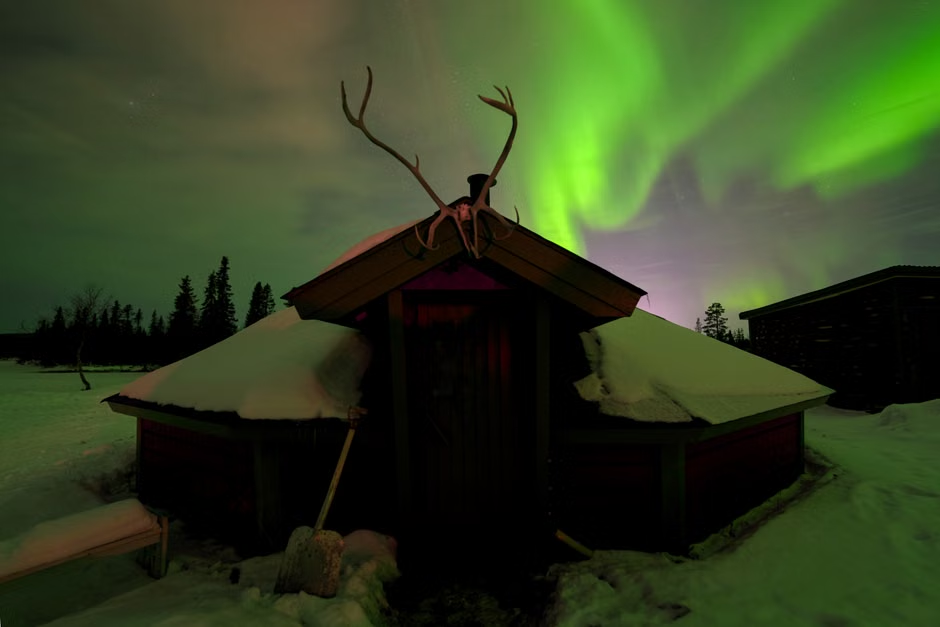
Why Swedish Lapland / Kiruna is Perfect for Your Celebration
- Home to the world-famous Icehotel in Jukkasjärvi — a genuinely one-of-a-kind celebration venue rebuilt entirely from ice each winter
- Northern Lights (Aurora Borealis) are visible on clear nights from December through March, creating an unmatched natural backdrop
- Sámi cultural experiences — reindeer ceremonies, joik music, and indigenous traditions — add deep authenticity to celebrations
- Complete seclusion and privacy in the Arctic wilderness, ideal for intimate elopements and exclusive small-group events
- Unique guest experiences built into the itinerary: dog-sledding, snowmobile safaris, ice fishing, and husky farm visits
- Winter season (Dec–Mar) delivers reliable snow cover, frozen lake landscapes, and the magical blue-hour Arctic light
Top Venues in Swedish Lapland / Kiruna
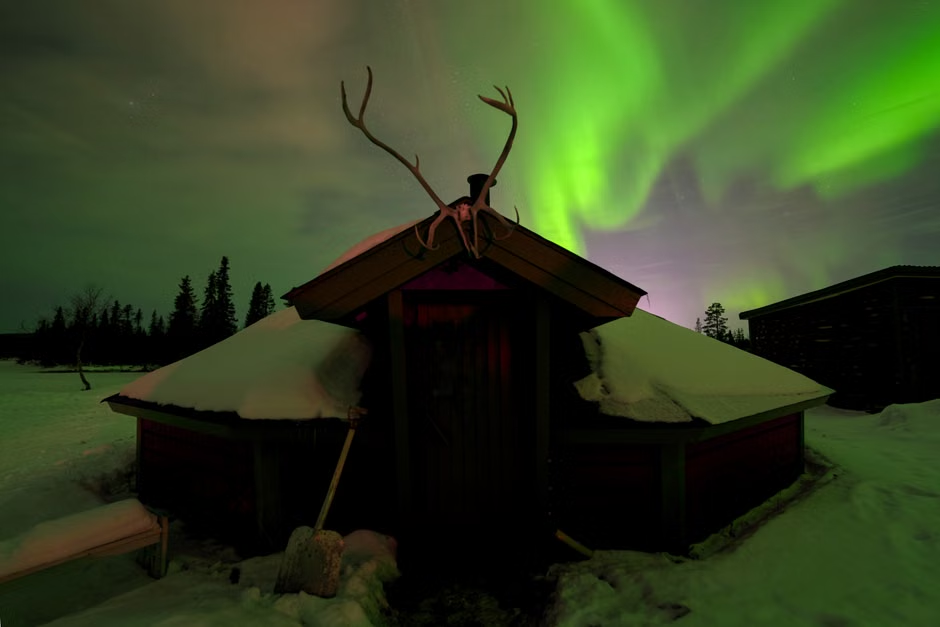
Icehotel
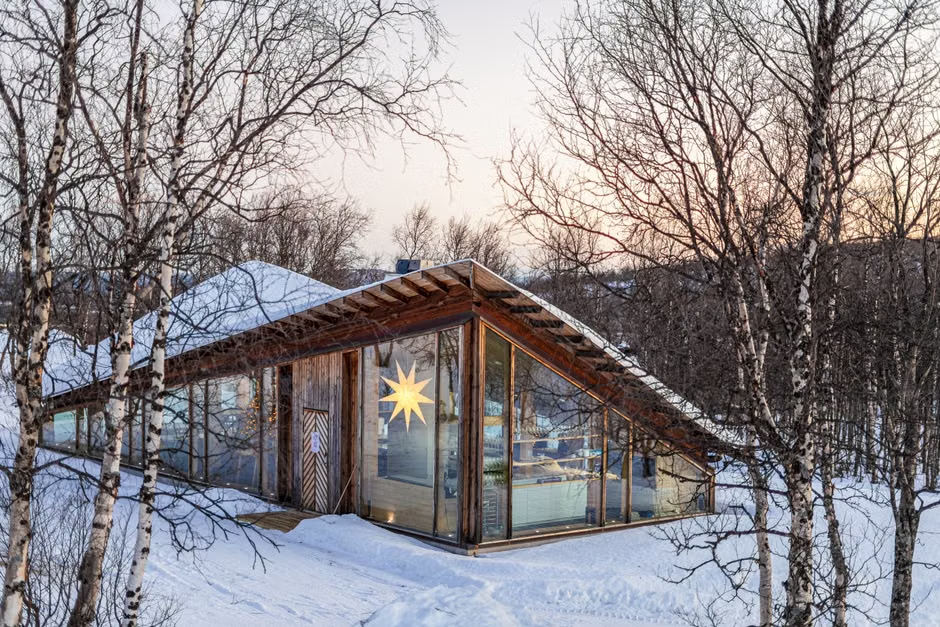
Camp Ripan
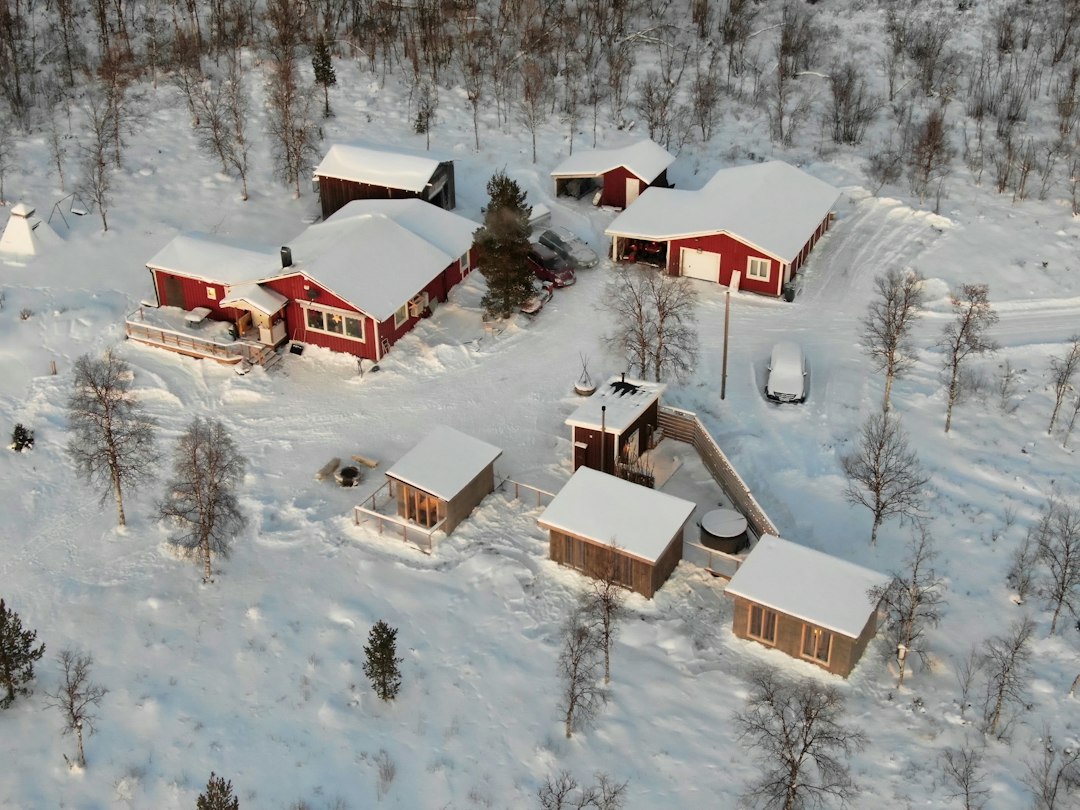
Scandic Kiruna
Compare Swedish Lapland / Kiruna with Other Top Destinations
Frequently Asked Questions
Is Swedish Lapland / Kiruna a good destination for a wedding?
Yes, particularly for intimate winter weddings of under 50 guests. Swedish Lapland is genuinely exceptional for couples who want a ceremony defined by natural drama — the Northern Lights, frozen lakes, and Arctic wilderness — rather than a conventional ballroom setting. The region's leading properties have well-developed wedding coordination experience, and the Sámi cultural context adds authentic depth that is entirely specific to this place.
How many guests can venues in Swedish Lapland / Kiruna realistically accommodate?
Most event spaces in the region comfortably accommodate between 20 and 100 guests, with the most iconic Arctic venues best suited to groups of 50 or fewer. The destination is not designed for large-scale celebrations — its strength is intimacy and exclusivity. Couples planning for more than 80–100 guests should carefully verify capacity with their chosen property well in advance.
What is the best time of year to hold a celebration in Swedish Lapland / Kiruna?
December through March is the only period that delivers the defining Arctic experiences — reliable snow cover, frozen lake landscapes, and aurora borealis visibility. This window also coincides with the dramatic polar twilight in December and January, which produces extraordinary natural light for photography. The rest of the year either lacks snow entirely or has unpredictable early-season conditions.
How do guests get to Kiruna for an event?
Kiruna has its own regional airport with scheduled connections to Stockholm Arlanda and, seasonally, other Scandinavian cities. Most international guests fly to Stockholm and take a connecting domestic flight — roughly four to five hours total from central Europe. An overnight sleeper train from Stockholm is also a comfortable alternative, arriving in approximately 17–18 hours. Early booking is essential during peak winter season.
What kinds of venues are available for events in Swedish Lapland / Kiruna?
Venues here are Arctic lodges, wilderness resorts, and experience-led properties that integrate the natural environment directly into the event. Expect ice ceremony rooms, lakeside pavilions in frozen birch forest, glass-roofed aurora-viewing cabins, and heated outdoor ceremony structures — not ballrooms or palace halls. The character is consistently intimate, nature-immersed, and boutique rather than large-scale or formal.
Can the Northern Lights be guaranteed as part of a celebration in Kiruna?
No. Aurora borealis sightings depend on clear skies and solar activity, neither of which can be guaranteed. December through March offers the best statistical chance of visibility, and Kiruna's location well above the Arctic Circle puts it in a strong aurora zone. Couples should plan for the possibility of cloud cover and treat a sighting as a wonderful bonus rather than a certainty.
What guest activities are available around a celebration in Swedish Lapland?
The region offers a genuinely rich activity programme that becomes part of the celebration experience: dog-sledding, snowmobile safaris, reindeer sleigh rides, ice fishing, husky farm visits, and Sámi-guided wilderness experiences are all available in winter. These activities are a major reason couples choose this destination — they turn a wedding weekend into a full Arctic adventure that guests remember independently of the ceremony itself.
How should we handle accommodation for a guest group in Kiruna?
Accommodation capacity in the region is limited, and the most sought-after properties fill quickly during peak winter season. Groups should book accommodation as a block well in advance — ideally 9–12 months ahead — and work with their chosen venue's event coordinator to arrange coordinated transfers from the airport or station. Spreading guests across multiple properties is common and manageable with pre-arranged local transport.
Is Swedish Lapland / Kiruna suitable for guests who are not used to extreme cold?
It requires preparation. Temperatures regularly fall below -20°C in the peak winter months, and outdoor ceremony moments — however brief — demand appropriate Arctic clothing. Reputable properties provide detailed guest guidance on what to wear and ensure heated spaces are available between outdoor moments. Guests with significant cold sensitivity or mobility limitations should be considered carefully when choosing this destination.
What makes the local hospitality and vendor ecosystem suited to events in Swedish Lapland?
The region's leading properties have refined their event offerings over many years and operate as near-complete packages — in-house event coordinators, local photographers specialising in aurora and snow landscapes, caterers drawing on northern Swedish and Sámi culinary traditions, and established relationships with activity providers. The vendor pool is small but genuinely specialised, and working closely with the chosen venue's team is the most effective planning approach.
Is Swedish Lapland / Kiruna a good fit for an elopement or micro-wedding?
Yes — it is arguably one of the world's strongest destinations for elopements and micro-weddings. The combination of extreme natural beauty, complete privacy, and venues that specialise in small, bespoke experiences makes it ideal for couples who want a ceremony that is entirely about the two of them. Several properties offer dedicated elopement packages including officiant coordination, wilderness photography, and private Arctic dining.

Ready to explore venues in Swedish Lapland / Kiruna?
Swedish Lapland / Kiruna: Arctic Destination Weddings & Celebration Venues
◆Swedish Lapland, centred on Kiruna in northern Sweden, is best suited to intimate winter weddings, elopements, and small-group celebrations where the natural environment is the primary draw. The destination's defining character is raw Arctic wilderness — frozen lakes, boreal forests, the Northern Lights, and Sámi cultural heritage — rather than large-scale banquet infrastructure. Events here work best from December through March, when reliable snow cover and aurora visibility are at their peak. Accessibility requires planning: Kiruna is served by a small regional airport and overnight rail from Stockholm, making it a deliberate journey for most guests. This is a high-experience, boutique destination, not suited to large guest lists or guests seeking conventional ballroom-style celebrations.
Swedish Lapland / Kiruna at a Glance
| Category | Detail |
|---|---|
| Best For | Intimate weddings, elopements, honeymoon extensions, small milestone celebrations |
| Primary Vibe | Nature & Wilderness |
| Other Vibes | Cultural & Indigenous Heritage, Seclusion & Privacy, Adventure & Experiential |
| Best Season | Winter (Jan, Feb, Mar, Dec) |
Why Choose Swedish Lapland / Kiruna?
- The Icehotel in Jukkasjärvi — rebuilt entirely from ice and snow each winter, this is one of the world's most genuinely singular celebration venues, offering ice ceremony rooms, warm suites, and an Arctic riverside setting that no conventional venue can replicate.
- Northern Lights as a natural backdrop — from December through March, the aurora borealis is visible on clear nights above Kiruna, providing a celestial ceremony backdrop that couples travel from across the world to experience.
- Sámi cultural depth — the indigenous Sámi people have called this region home for thousands of years; reindeer herding ceremonies, traditional joik music, and Sámi-guided wilderness experiences give celebrations here a cultural authenticity that is entirely specific to this place.
- Complete privacy and seclusion — the low population density and vast wilderness mean that even a modest resort or lodge can offer a level of exclusivity and quiet that is genuinely rare, making it ideal for couples who want their event to feel entirely their own.
- Built-in guest experiences — dog-sledding, snowmobile safaris, ice fishing, husky farm visits, and reindeer sleigh rides are all available as guest activities, turning a wedding weekend into a full Arctic adventure that guests remember independently of the ceremony itself.
- Reliable winter conditions — the subarctic climate ensures consistent snow cover and frozen lake surfaces throughout the best season, meaning the landscape that drew couples to this destination in the first place is dependably present during the event.
Which Celebrations Work Best in Swedish Lapland / Kiruna?
- Intimate winter weddings: The destination is most naturally suited to small ceremonies of under 50 guests, where the wilderness setting, bespoke venue experiences, and logistical constraints all align. A ceremony on a frozen lake or inside an ice chapel is a genuinely achievable and well-supported option here.
- Elopements and micro-weddings: For couples who want a ceremony that is entirely about the two of them — with perhaps a handful of witnesses — Swedish Lapland offers unmatched drama and privacy. Several properties specialise in elopement packages with officiant coordination, photography in the wilderness, and private dining.
- Honeymoon extensions: Many couples use Kiruna as a post-wedding destination in its own right, spending several nights in an ice suite or a glass-roofed cabin designed for aurora viewing. The region's hospitality infrastructure is well-calibrated for romantic two-person experiences.
- Small milestone celebrations: Significant birthdays, anniversaries, or retirement celebrations for a close group of friends or family work well here, particularly when the group is adventurous and values shared experiences — a dog-sled excursion or a night under the aurora — over formal banquet settings.
Venues & Event Spaces
The venue landscape in Swedish Lapland is deliberately small-scale and experience-led. The most distinctive spaces are Arctic lodges and wilderness resorts that integrate the natural environment directly into the event — think ceremony rooms constructed from ice and snow, lakeside pavilions surrounded by frozen birch forest, and glass-roofed cabins designed for aurora viewing. Some properties offer dedicated event coordination for small weddings, including access to outdoor ceremony sites on frozen lakes or in forest clearings, with heated tents or indoor backup spaces for the reception. There are no large convention-style banquet halls or palace venues in this region; the entire character of the destination is intimate and nature-immersed. Couples should expect venues that accommodate between 20 and 150 guests at the upper end, with the most iconic spaces being best suited to groups of 50 or fewer. Outdoor ceremony spaces are genuinely usable in winter with proper preparation — heated structures, appropriate guest attire guidance, and experienced local coordinators who understand Arctic event logistics are all part of what the better properties here offer.
Best Time to Celebrate
The real curated best season — Winter (December, January, February, March) — is the only period when Swedish Lapland delivers the experiences that define it as a destination. During these months, snow cover is reliable, frozen lakes are safe for outdoor ceremonies and activities, and the aurora borealis is visible on clear nights. The polar night (when the sun does not rise above the horizon) peaks in December and early January, creating a dramatic blue-hour twilight that lasts for several hours each day and produces extraordinary photography conditions. By February and March, daylight returns gradually, offering a balance of snow, aurora potential, and more manageable temperatures.
The rest of the year presents significant challenges for events. April and May bring snowmelt and muddy, transitional terrain — the landscape loses its defining character and outdoor spaces become impractical. June, July, and August bring the midnight sun, which is a remarkable natural phenomenon in its own right but fundamentally changes the destination's character: there is no snow, no aurora, and the wilderness looks and feels entirely different. These months attract hikers and nature tourists but are not suited to the Arctic winter wedding experience. September through November sees the return of darkness and eventually snow, but conditions are unpredictable and early-season snow cover is not guaranteed — making event planning for this window higher-risk than the confirmed winter months.
Getting There & Local Connectivity
Kiruna is served by its own regional airport, which operates scheduled flights connecting to Stockholm Arlanda and, seasonally, to a small number of other Scandinavian cities. For most international guests, the journey involves a flight to Stockholm followed by a connecting domestic flight to Kiruna — a total travel time of roughly four to five hours from central Europe, and considerably longer from outside Europe. The airport's small scale means flight frequency is limited, and guests should book well in advance, particularly during the peak winter season when demand from aurora tourists is high.
An alternative for guests travelling from Stockholm is the overnight sleeper train, which runs on the Malmbanan line and arrives in Kiruna after approximately 17–18 hours. This is a genuinely comfortable and scenic option for guests who prefer not to fly, and it has the advantage of arriving in the morning ready for the day's activities. However, it requires careful coordination with event timing.
Once in Kiruna, local transport for a group requires pre-arranged transfers. There is no meaningful public transport network connecting the town to the wilderness lodges and resorts that host most events. Reputable properties in the region typically offer coordinated airport and station transfers as part of their event packages, and this should be confirmed during planning. Snowmobile and reindeer-sled transfers between venues are available and can be incorporated as guest experiences in their own right.
Local Vendor & Hospitality Ecosystem
The hospitality ecosystem in Swedish Lapland is small but genuinely specialised. The region's leading properties have years of experience hosting Arctic weddings and small celebrations, and their in-house teams typically include event coordinators who understand the specific logistical demands of winter ceremonies — from managing guest warmth during outdoor moments to coordinating with local Sámi guides and activity providers. The vendor community is tight-knit: local photographers who specialise in aurora and snow landscape work, florists who work with winter botanicals and ice installations, and caterers who draw on northern Swedish and Sámi culinary traditions (reindeer, Arctic char, cloudberries, and foraged ingredients) are all available, though the pool is smaller than in a major city destination.
Couples planning events here should expect to work closely with their chosen property's in-house team rather than assembling an entirely independent vendor list from scratch. Most of the better venues operate as near-complete event packages, which simplifies planning but also means less flexibility for couples who want to bring in entirely external suppliers. International wedding planners with Nordic experience can be a valuable bridge for couples based outside Sweden.
Pros & Things to Consider
Why Swedish Lapland / Kiruna Works Well
- Genuinely unmatched natural drama — the Northern Lights, frozen lakes, and snow-covered wilderness create a backdrop that no constructed venue can replicate
- High memorability for guests — the combination of a unique setting and built-in Arctic activities means guests remember the event as a complete experience, not just a ceremony
- Strong privacy and exclusivity — small venue capacities and remote locations mean events here feel genuinely private
- Experienced local hospitality for Arctic events — the region's leading properties have refined their event offerings over many years and understand the specific demands of winter celebrations
- Sámi cultural integration adds authentic depth that is entirely specific to this place and cannot be replicated elsewhere
Things to Consider
- Accessibility is genuinely challenging — multi-leg journeys, limited flight frequency, and high winter demand mean guest travel requires careful coordination and early booking
- Venue capacity is limited — this destination cannot comfortably support large weddings; guest lists above 80–100 will find the local infrastructure stretched
- Weather is extreme — temperatures regularly fall below -20°C, which requires specific guest preparation (appropriate clothing, heated spaces between outdoor moments) and adds logistical complexity
- The vendor pool is small — couples who want a wide choice of independent florists, caterers, or entertainment providers will find fewer options than in a major city destination
- The destination is strongly seasonal — outside the December–March window, the defining experiences are simply not available, leaving very little flexibility on timing
- Aurora sightings are never guaranteed — clear skies are needed, and cloud cover can obscure the lights entirely; couples should plan for this possibility rather than treating it as a certainty
When Swedish Lapland / Kiruna May Not Be the Right Fit
- Large guest lists: If your celebration involves more than 80–100 guests, the local venue inventory will struggle to accommodate everyone comfortably in a single space, and accommodation for a large group across the limited local properties requires very early planning and may not be feasible at all for very large events.
- Guests with limited mobility or cold sensitivity: The Arctic environment — extreme cold, uneven snow and ice surfaces, and the physical demands of outdoor activities — is genuinely challenging for guests who have mobility limitations or who are not comfortable in very cold conditions. This is not a destination where those guests can easily opt out of the environment.
- Couples wanting a conventional ballroom or palace-style celebration: There are no grand ballrooms, heritage palaces, or large banquet halls in this region. If the vision is a formal, large-scale reception in an ornate interior, Swedish Lapland is the wrong destination entirely.
- Tight timelines or last-minute planning: The combination of limited flight seats, small venue capacities, and high winter demand from aurora tourists means that events here require significantly more lead time than a city destination — attempting to plan a Kiruna celebration with less than 9–12 months' notice in the peak season is likely to result in unavailability at the most sought-after properties.