
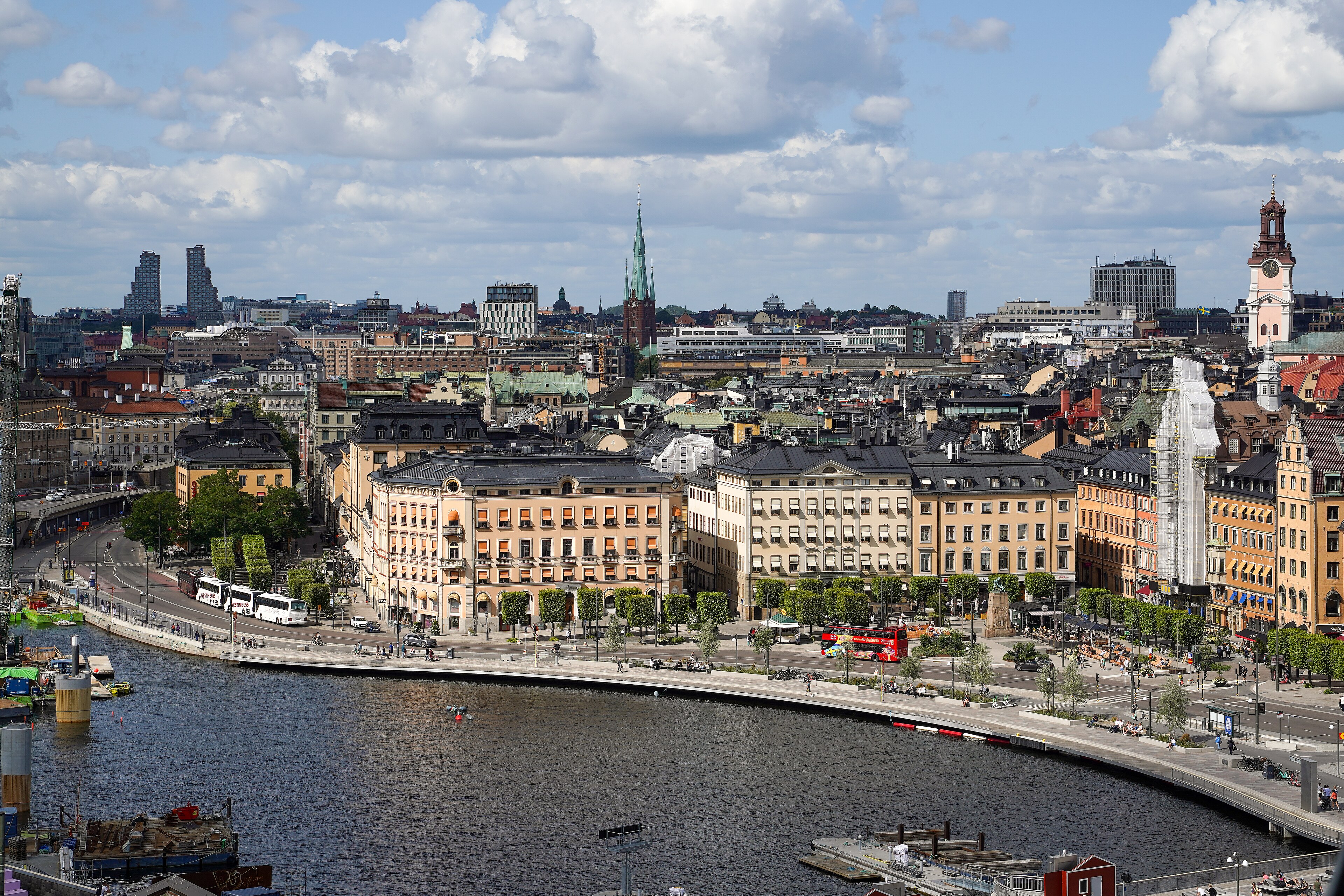
Why Stockholm is Perfect for Your Celebration
- Iconic waterfront venues and island settings unique to Stockholm's archipelago geography
- Exceptional long summer daylight (up to 18+ hours) creates magical, extended celebration atmospheres
- World-class Scandinavian hospitality with highly professional event and catering infrastructure
- Rich architectural mix — from 17th-century Gamla Stan to sleek contemporary event spaces
- Excellent international air connectivity via Arlanda Airport, making guest travel straightforward
- Strong local vendor ecosystem for Nordic-themed décor, gourmet catering, and bespoke event design
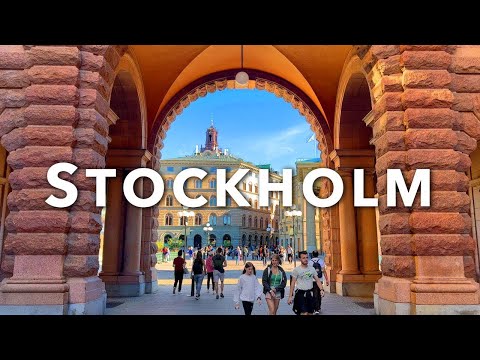
Top Venues in Stockholm
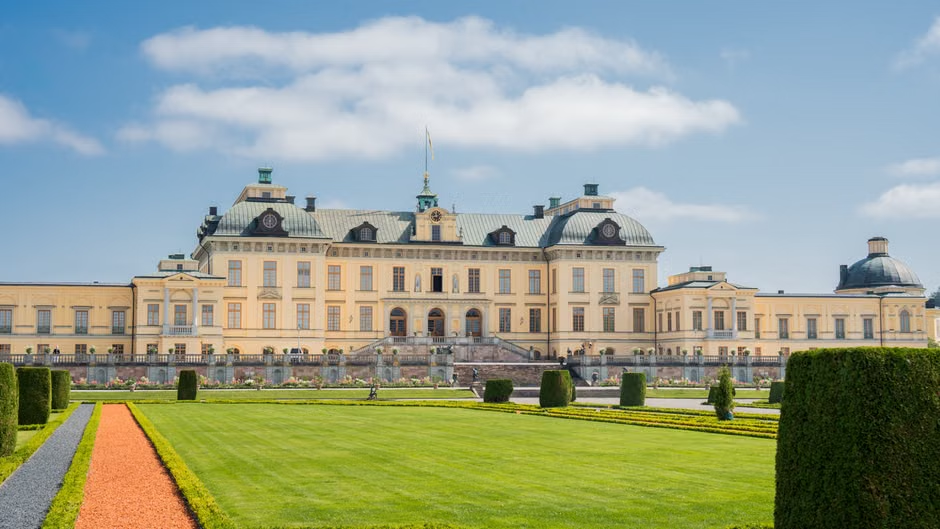
Radisson Blu Royal Viking Hotel Stockholm
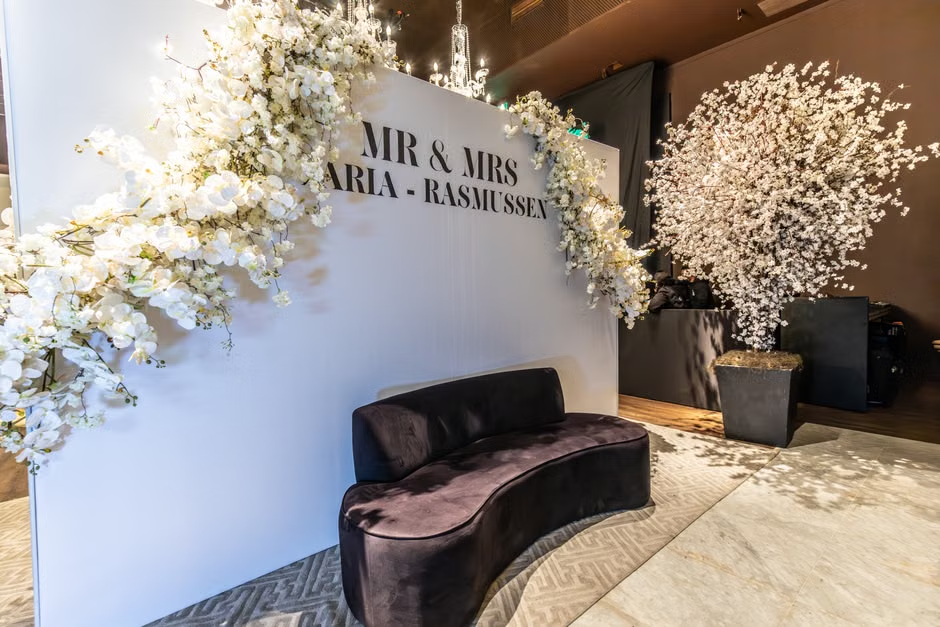
At Six
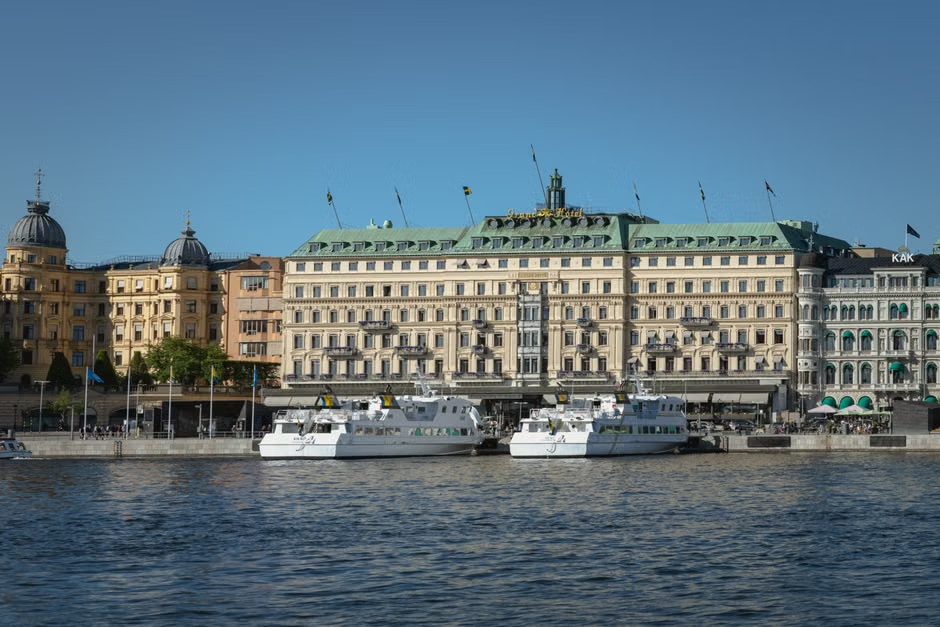
Berns Hotel
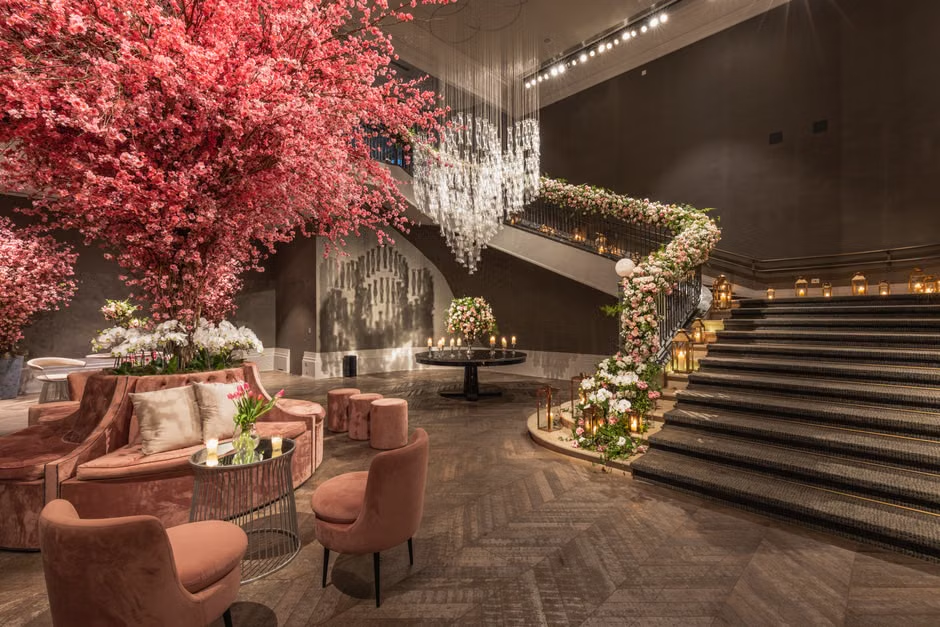
Lydmar Hotel
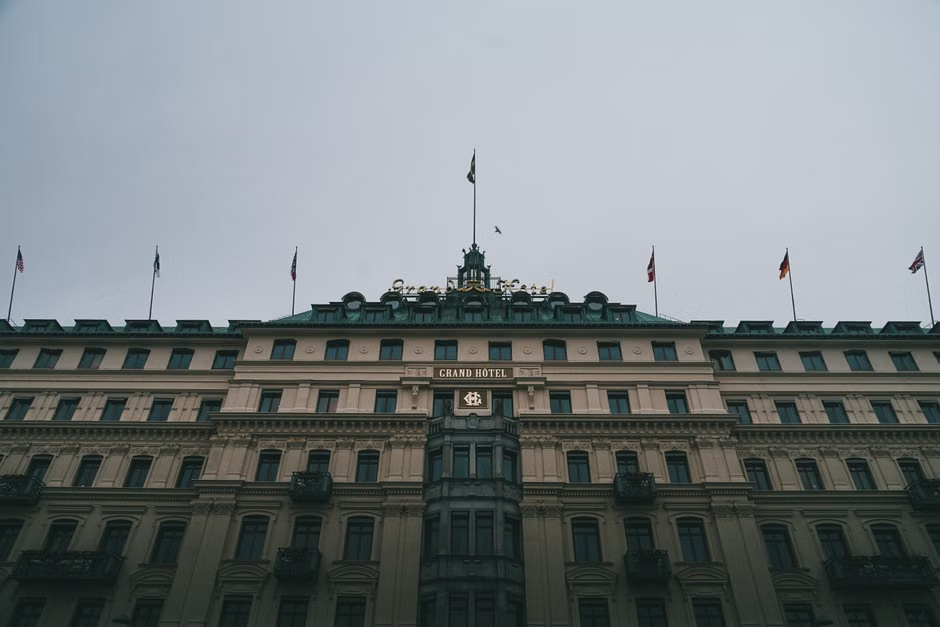
Scandic Grand Central Stockholm
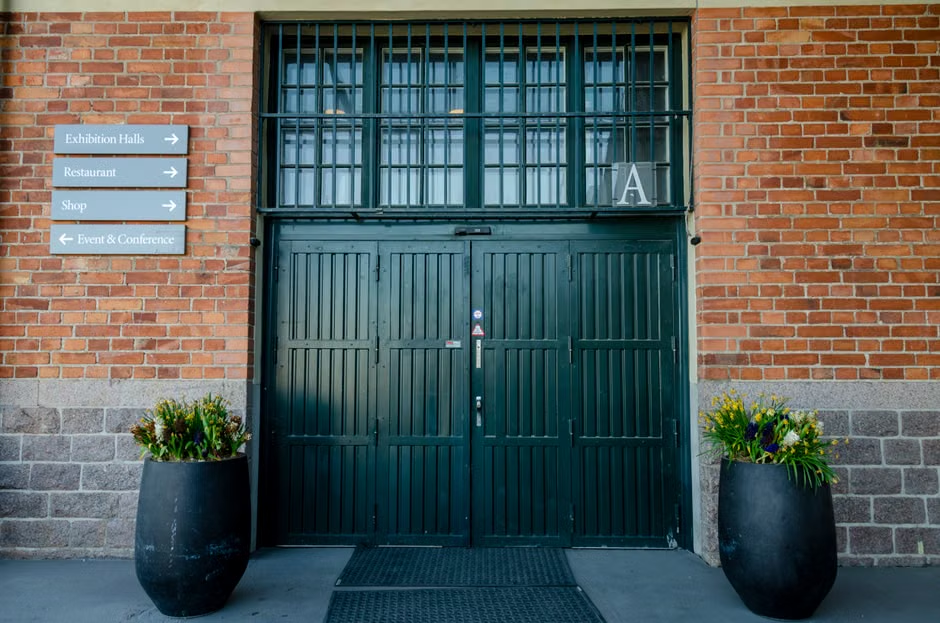
Hilton Stockholm Slussen
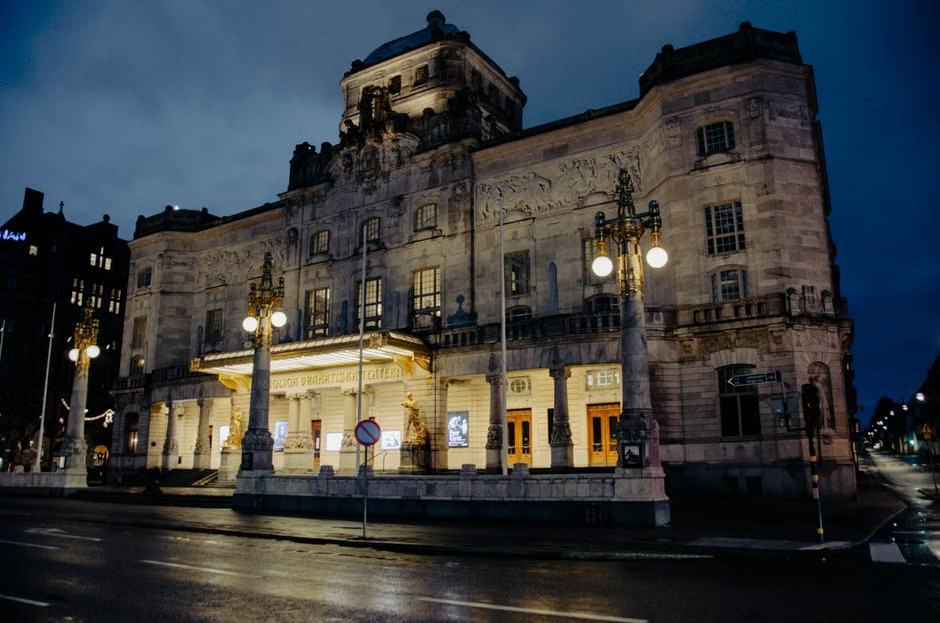
Scandic Anglais
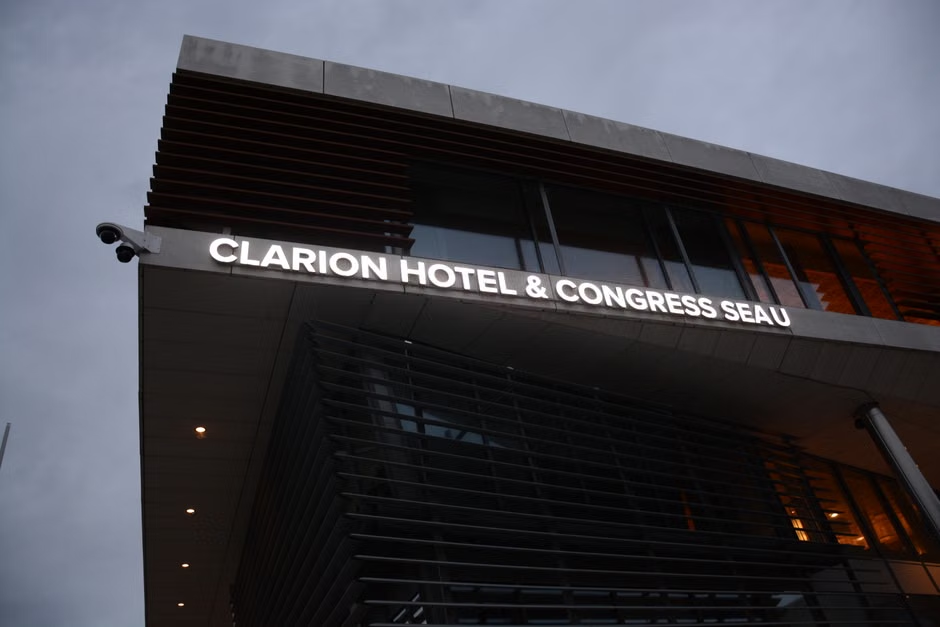
Clarion Hotel Sign
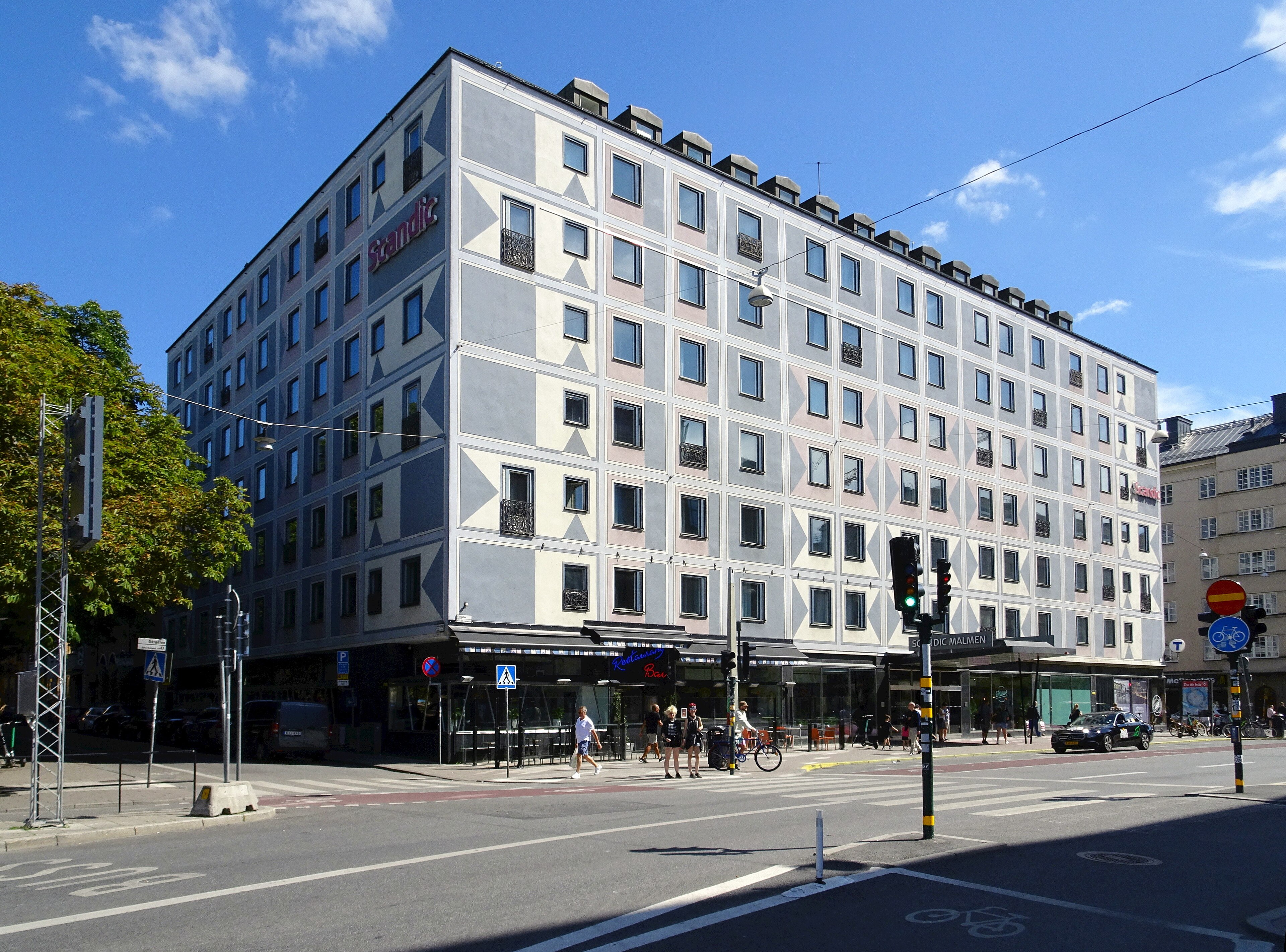
Scandic Malmen
Compare Stockholm with Other Top Destinations
Frequently Asked Questions
Is Stockholm a good destination for an international wedding?
Yes, particularly for couples seeking a sophisticated, design-forward European setting with genuinely distinctive waterfront and heritage venues. Stockholm suits intimate-to-medium-scale weddings where atmosphere and quality take priority. Its excellent international airport connectivity makes guest travel manageable, though guests traveling from long-haul origins such as South Asia should factor in the journey length and premium accommodation costs.
What is the best time of year to hold a wedding or event in Stockholm?
Summer — June, July, and August — is the clear best season. Temperatures are comfortable, outdoor venues are fully viable, and Stockholm's extraordinary long daylight hours (up to 18–19 hours in June and July) create a uniquely atmospheric setting for celebrations. Outside this window, outdoor events become increasingly impractical, and winter requires a fully indoor approach.
How many guests can Stockholm venues realistically accommodate?
Stockholm's venue range covers intimate gatherings of 20–50 guests through to large-format events of several hundred or more. The city's most distinctive spaces — waterfront heritage venues, archipelago properties, and Gamla Stan locations — are generally best suited to groups of up to 300–500. For very large single-space requirements above that, purpose-built conference hotels offer the most capacity.
How do guests typically travel to Stockholm for an event?
Most international guests arrive via Stockholm Arlanda Airport, approximately 40 km north of the city center, which has direct connections to major European, North American, and Asian hubs. A high-speed rail link connects the airport to Stockholm Central Station in around 20 minutes. Guests traveling within Scandinavia can also reach Stockholm comfortably by high-speed train.
What kinds of venues are available for events in Stockholm?
Stockholm offers genuine variety: grand waterfront heritage hotels with ballrooms, sleek contemporary design hotels, intimate Gamla Stan (Old Town) historic spaces, archipelago island venues accessible by boat, museum and cultural institution hire for gala evenings, and large-format conference hotels for corporate events. The waterfront and island settings are particularly distinctive and not easily replicated in other European cities.
Is Stockholm suitable for corporate events and conferences?
Yes, strongly so. Stockholm has a long-established reputation as a corporate event destination, with mature conference infrastructure, experienced event management companies, strong technical production vendors, and excellent international air connectivity. The city regularly hosts major international summits, product launches, and incentive travel programs, and the local hospitality sector is well-practiced with multilingual corporate groups.
How easy is it for guests to get around Stockholm once they arrive?
Very easy. Stockholm's public transport network — metro, trams, buses, and commuter rail — is extensive, reliable, and English-signposted throughout. Most major venues and hotels are within a compact central area, making shuttle logistics straightforward. In summer, boat transfers between islands and archipelago venues are a practical and popular option that adds an experiential dimension to guest movement.
How far in advance should we book venues and vendors for a Stockholm event?
For peak summer dates (particularly July and early August), booking 12–18 months in advance is genuinely advisable, not just a standard recommendation. Stockholm's most distinctive venues and top-tier vendors are in high demand during the short summer season, and last-minute availability is limited. Autumn and spring dates offer more flexibility, though outdoor viability is reduced in those periods.
What is the local vendor and catering quality like in Stockholm?
Generally excellent. Stockholm's catering scene is internationally recognized, and both hotel in-house teams and independent caterers typically operate to a high standard. The city has strong floral, décor, photography, and entertainment vendor networks, many with specific experience handling international client groups. The dominant aesthetic tends toward Nordic minimalism — natural materials, seasonal botanicals, clean design — which suits the destination's character well.
Is Stockholm safe for international guests attending a wedding or event?
Yes. Stockholm consistently ranks among the world's safest cities. For event planners, this means reliable vendor commitments, predictable logistics, and a guest experience free from significant safety concerns. English is effectively a second language across the hospitality and service sector, which further reduces friction for international guests unfamiliar with Swedish.
Can Stockholm accommodate a Midsommar-themed or Nordic-themed celebration?
Yes, and this is one of Stockholm's genuine strengths. The city's own Midsommar festival in late June creates a ready-made cultural backdrop for themed celebrations. Local vendors are experienced in delivering authentic Nordic-themed décor, menus, and entertainment. A private Midsommar party or Nordic gala dinner in Stockholm benefits from genuine cultural context rather than a constructed theme imposed on an unrelated setting.
What should we be aware of when planning a winter event in Stockholm?
Winter events in Stockholm require a fully indoor approach. Temperatures regularly fall below freezing from November through March, daylight is extremely limited (as few as 6–7 hours in December), and outdoor elements are essentially impractical. That said, Stockholm's winter aesthetic — snow, candlelit interiors, Nordic hygge — can suit a specific type of intimate indoor celebration, provided the guest group is comfortable with cold-weather travel and the event design is built entirely around indoor spaces.

Ready to explore venues in Stockholm?
Stockholm: Destination Wedding & Corporate Event Venues in Scandinavia
◆Stockholm is one of Northern Europe's strongest destinations for weddings, corporate events, and cultural festivals, combining a chic, cosmopolitan character with genuinely distinctive waterfront and heritage settings. The city's primary appeal lies in its unique island geography, long summer daylight hours, and a mature hospitality infrastructure that handles international groups with ease. Summer (June through August) is the clear peak season for outdoor and semi-outdoor celebrations. Guest travel is straightforward via a major international airport and excellent rail connections. The destination sits at a premium cost tier relative to many European alternatives, which is a genuine planning consideration.
Stockholm at a Glance
| Category | Detail |
|---|---|
| Best For | Destination Weddings, Corporate Events, Festivals & Cultural Celebrations, Intimate Gatherings |
| Primary Vibe | Chic & Cosmopolitan |
| Other Vibes | Nordic Heritage, Waterfront Elegance, Design-Forward |
| Best Season | Summer (Jun, Jul, Aug) |
Why Choose Stockholm?
- Unmatched island and waterfront settings: Stockholm's geography — fourteen islands connected by bridges and waterways — creates a naturally dramatic backdrop that few European cities can replicate. Boat transfers between venues, waterside ceremony spaces, and archipelago excursions are genuinely practical here, not just aspirational.
- Extraordinary summer daylight: During June and July, Stockholm experiences up to 18–19 hours of usable daylight. This fundamentally changes the rhythm of an event — outdoor dinners at 10 pm in natural light, golden-hour photography that lasts for hours, and a general sense of abundance that guests consistently find memorable.
- Mature, internationally experienced hospitality sector: Stockholm regularly hosts major international conferences, state events, and high-profile private celebrations. The local hotel, catering, and event management ecosystem is accustomed to multilingual, multi-cultural guest groups and operates to consistently high standards.
- Architectural and venue diversity: The city offers a genuine range — from 17th-century Gamla Stan (Old Town) buildings and royal palace-adjacent spaces to sleek, award-winning contemporary event venues. This means the aesthetic of a celebration can be tailored meaningfully, rather than defaulting to a single dominant venue type.
- Excellent international accessibility: Stockholm Arlanda Airport is one of Scandinavia's busiest international hubs, with direct connections to major cities across Europe, North America, and Asia. Guests arriving from diverse origins can typically reach Stockholm with a single flight or at most one connection.
- Safety and infrastructure reliability: Stockholm consistently ranks among the world's safest and most liveable cities. For event planners, this translates to reliable vendor commitments, predictable logistics, and a guest experience free from the safety concerns that can complicate celebrations in some other international destinations.
Which Celebrations Work Best in Stockholm?
- Destination Weddings: Stockholm suits couples seeking a sophisticated, design-conscious European wedding with a genuinely distinctive natural setting. The combination of waterfront ceremony options, heritage architecture in Gamla Stan, and world-class catering makes it particularly well-suited to intimate-to-medium-scale weddings where quality and atmosphere take priority.
- Corporate Events and Conferences: The city has a long-established reputation as a corporate event destination. Large conference hotels with integrated event infrastructure, strong AV and technical vendor networks, and easy international guest travel make Stockholm a natural fit for product launches, leadership summits, and incentive travel programs.
- Cultural Festivals and Themed Celebrations: Stockholm's own strong festival culture — particularly around Midsommar in late June — creates a ready-made atmosphere for themed celebrations. Private Midsommar parties, Nordic-themed gala dinners, and cultural immersion events align naturally with what the city does best in summer.
- Milestone Celebrations and Private Gatherings: Significant birthdays, anniversaries, and family reunions benefit from Stockholm's combination of intimate boutique hotel spaces, private dining rooms in heritage buildings, and archipelago boat experiences. The city handles smaller, high-quality private events as capably as large-scale ones.
Venues & Event Spaces
Stockholm's venue landscape is genuinely diverse across several distinct categories. Grand heritage hotels in the central waterfront area offer ballrooms and banquet spaces with views over the water and the Royal Palace, combining historic grandeur with modern event services. Contemporary design hotels — a category Stockholm excels in — provide sleek, minimalist spaces that suit corporate launches and fashion-forward celebrations equally well.
Archipelago and waterfront venues are among Stockholm's most distinctive offerings: private islands, historic manor houses accessible by boat, and waterside pavilions that are simply not available in landlocked cities. These spaces are particularly sought after for summer weddings and exclusive corporate retreats. Gamla Stan (Old Town) venues — cellars, guild halls, and historic courtyard spaces within the medieval island — offer an intimate, atmospheric alternative for smaller gatherings that want genuine historical character.
For larger-scale events, Stockholm has purpose-built conference and exhibition centers with integrated hotel accommodation, capable of handling several hundred to over a thousand guests under one roof. The city also has a strong tradition of museum and cultural institution hire — several of Stockholm's world-class museums offer private evening hire for gala dinners and receptions, providing a backdrop that is both culturally significant and visually striking.
Best Time to Celebrate
The real curated best season — Summer (June, July, August) — is the clear, unambiguous choice for outdoor and semi-outdoor celebrations in Stockholm, and for good reason. Average temperatures during this period typically range from around 17°C to 25°C, which is genuinely comfortable for outdoor ceremonies, garden receptions, and boat events. More significantly, the extended daylight — Stockholm sits at roughly 59° North latitude — means that natural light persists well into the evening, creating a photographic and atmospheric quality that is essentially unique to high-latitude summer destinations.
June is particularly popular for weddings, partly because it coincides with the culturally significant Midsommar period (late June), which adds a layer of local festivity to any celebration. July is the warmest month on average and sees the highest concentration of leisure travel, meaning guest accommodation should be secured well in advance. August remains excellent for events and begins to see slightly more availability as the peak tourist season eases toward its end.
Autumn (September–October) can offer pleasant conditions for indoor-focused events — the foliage is attractive and temperatures are still manageable in September — but outdoor viability drops noticeably, daylight shortens rapidly, and the risk of cold, wet weather increases. Winter (November–March) is genuinely challenging for most celebration formats: temperatures regularly fall below freezing, daylight is extremely limited (as few as 6–7 hours in December), and outdoor elements are essentially impractical. Winter does offer a specific aesthetic — snow, candlelit interiors, Nordic hygge — that suits a small subset of events, but it requires fully indoor planning and a guest group comfortable with cold-weather travel. Spring (April–May) is transitional: temperatures are still cool and unpredictable, but daylight is returning and the city begins to feel alive again. It can work for indoor events but is generally considered a shoulder period rather than a primary celebration season.
Getting There & Local Connectivity
Stockholm Arlanda Airport, located approximately 40 km north of the city center, is the primary international gateway and one of Scandinavia's busiest airports. It handles direct flights from major hubs across Europe, North America, and Asia, making it genuinely accessible for international guest groups. A high-speed rail link (the Arlanda Express) connects the airport to Stockholm Central Station in approximately 20 minutes, which is unusually convenient for a major international airport and significantly reduces the logistical friction of guest arrivals.
Stockholm Central Station is the hub of Sweden's national rail network, with high-speed services connecting Stockholm to Gothenburg, Malmö, and onward to Copenhagen and Oslo. For guests traveling within Scandinavia, rail is a comfortable and practical option. Within the city itself, Stockholm's public transport network — metro, trams, buses, and commuter rail — is extensive, reliable, and easy to navigate even for first-time visitors. English signage is standard throughout the network.
For event groups, the city's compact geography (most major venues and hotels are within a relatively small central area) means that shuttle logistics between accommodation and event venues are generally straightforward. Boat transfers between islands and archipelago venues are a practical and popular option in summer, adding an experiential dimension to guest movement that most cities cannot offer. Taxis and ride-share services are widely available and reliable.
Local Vendor & Hospitality Ecosystem
Stockholm's vendor ecosystem for events is mature, internationally oriented, and generally operates to high standards. The city has a well-established network of event management companies, many of whom specialize in international client groups and are experienced in coordinating multilingual, multi-cultural celebrations. Catering quality is a particular strength: Stockholm's food scene is internationally recognized, and the city's catering vendors — from hotel in-house teams to independent caterers — typically offer a level of culinary sophistication that matches the destination's premium positioning.
Floral and décor vendors in Stockholm tend toward a distinctly Nordic aesthetic — clean lines, natural materials, seasonal botanicals — which suits the destination's design-forward character well. Couples or planners seeking a more maximalist or non-Nordic aesthetic will find capable vendors, but may need to work more deliberately to source specific styles. Photography and videography vendors are plentiful and generally experienced with the specific challenges and opportunities of Nordic light — particularly the long golden hours of summer, which require a different approach than shooting in more southerly latitudes.
Entertainment and music vendors are strong, reflecting Stockholm's well-known music industry heritage. Technical production vendors for corporate events are particularly well-developed, given the city's long history as a conference destination. One practical note: vendor lead times in Stockholm, particularly for peak summer dates, can be longer than in some other European cities — early booking is genuinely advisable, not just a standard recommendation.
Pros & Things to Consider
Why Stockholm Works Well
- Genuinely unique waterfront and island venue options unavailable in most European cities
- Exceptional summer daylight creates a celebration atmosphere that is difficult to replicate elsewhere
- Very high safety standards and reliable infrastructure reduce planning risk
- Excellent international air connectivity makes guest travel manageable from diverse origins
- Mature, professional event vendor ecosystem with strong experience handling international groups
- Architectural diversity allows meaningful aesthetic customization across heritage, contemporary, and natural settings
- English is effectively a second language across the hospitality sector, eliminating most communication barriers
Things to Consider
- Stockholm sits at a premium cost tier — accommodation, catering, and vendor services are generally priced at the higher end of the European spectrum, which is a real planning factor for budget-sensitive events
- The best season is narrow: outside June–August, outdoor event viability drops significantly, and winter celebrations require a fully indoor approach and a guest group comfortable with cold, dark conditions
- Peak summer demand is high — popular venues and hotels book up well in advance, and last-minute planning for July or early August events is genuinely difficult
- Guests traveling from South Asia, Southeast Asia, or other long-haul origins will typically face a significant journey, which can affect attendance rates for large guest lists drawn from those regions
- The Nordic aesthetic that defines much of Stockholm's venue and vendor landscape is distinctive but specific — couples or planners seeking a very different visual style may need to invest more effort in customization
When Stockholm May Not Be the Right Fit
- Large South Asian or destination wedding guest lists: If the majority of guests are traveling from India, Pakistan, or other South Asian countries, the long-haul journey to Stockholm — combined with the premium cost of accommodation — can significantly reduce attendance and add logistical complexity that a closer European or Asian destination would avoid.
- Outdoor-focused events outside summer: Any celebration that depends on outdoor ceremony or reception spaces should be planned exclusively for June–August. Attempting an outdoor event in autumn or spring carries a genuine risk of cold, wet, or dark conditions that would compromise the experience.
- Very large-scale celebrations requiring extensive venue capacity: While Stockholm has strong large-format conference infrastructure, the city's most distinctive and sought-after venues — waterfront heritage spaces, archipelago properties, Gamla Stan locations — are generally better suited to intimate-to-medium-scale events. Groups requiring very large single-space capacity may find the options more limited than in purpose-built convention cities.
- Events where a warm, tropical, or sun-guaranteed climate is central to the concept: Stockholm's summer is genuinely pleasant but not reliably hot or guaranteed sunny. Couples or planners for whom a warm, Mediterranean or tropical climate is non-negotiable will find a more consistent match elsewhere in Southern Europe or beyond.