
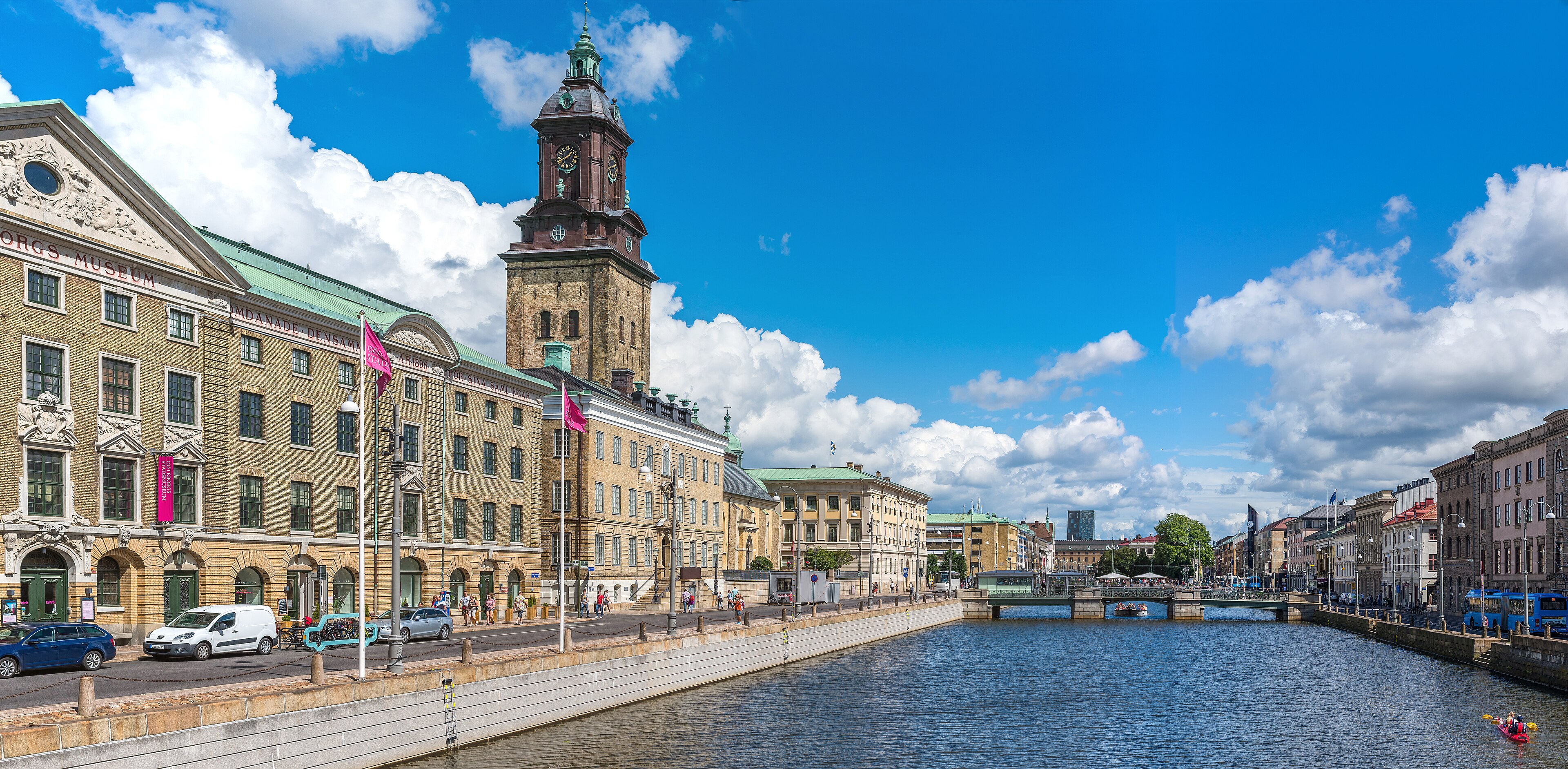
Why Gothenburg is Perfect for Your Celebration
- Long summer days with up to 18 hours of daylight create a magical, extended atmosphere for outdoor celebrations
- Compact, walkable city centre makes guest logistics and venue-hopping straightforward
- Strong Scandinavian design culture means venues, catering, and décor are consistently high quality
- Excellent rail and air connectivity from across Europe and Scandinavia for international guest lists
- Diverse venue mix from historic waterfront warehouses and archipelago islands to sleek modern event halls
- Mature hospitality and events industry with experienced local vendors, caterers, and planners
Compare Gothenburg with Other Top Destinations
Frequently Asked Questions
Is Gothenburg a good destination for a wedding?
Yes, particularly for smaller, design-led weddings. Gothenburg suits intimate ceremonies and receptions that prioritise atmosphere, Scandinavian aesthetics, and waterfront or archipelago settings. It is less well-suited to very large traditional weddings, as the local venue inventory is not primarily oriented toward guest lists above 400–500. Couples who value quality, design, and a cosmopolitan setting over grand scale will find it genuinely rewarding.
What is the best time of year to hold an event in Gothenburg?
Summer — June, July, and August — is clearly the best period. These months offer the warmest temperatures (typically 18°C–24°C), up to 18 hours of daylight, and the most reliable conditions for outdoor events. June is generally the most stable weather-wise. Events outside this window, particularly between November and February, face cold, dark conditions that significantly limit outdoor options and overall atmosphere.
How do guests typically get to Gothenburg for an event?
Most international guests arrive via Gothenburg Landvetter Airport (GOT), approximately 25 km from the city centre, with regular coach connections. Guests from Stockholm, Malmö, or Copenhagen can travel by high-speed rail directly to Gothenburg Central Station, which is centrally located. Rail is a genuinely competitive option for Scandinavian guests, with journey times of roughly two to three hours from those cities.
What kinds of venues are available for events in Gothenburg?
Gothenburg offers a genuinely varied mix: converted waterfront warehouses, archipelago island settings accessible by ferry, contemporary conference and banquet halls at the Swedish Exhibition & Congress Centre, boutique design hotel event spaces, historic civic buildings, and outdoor waterfront terraces. This range suits corporate events, festivals, intimate weddings, and social celebrations across different scales and aesthetics.
How large a guest group can Gothenburg realistically accommodate for an event?
The city comfortably handles events from small intimate gatherings of 20–30 up to large corporate conferences and festivals of 1,000 or more, particularly at the Swedish Exhibition & Congress Centre. For weddings specifically, the sweet spot is typically 50–300 guests, where the local venue and accommodation inventory is most naturally suited. Very large wedding guest lists above 400–500 may find options more constrained.
Is Gothenburg well-suited to corporate events and conferences?
Yes — this is arguably Gothenburg's strongest event category. The city has hosted major international events and trade fairs for decades, producing a professional, experienced events industry. Large-format conference facilities, strong AV and logistics vendors, excellent European connectivity, and a business culture aligned with high professional standards make it a natural choice for corporate conferences, incentive travel, and product launches.
What is the local transport situation like for a group of guests once they arrive?
Very manageable. Gothenburg's city centre is compact and served by one of Sweden's most extensive tram networks, supplemented by buses and taxis. Most hotels, venues, and restaurants in the central districts are within a short tram ride or walk of each other. For archipelago venues, regular public ferries and private charter options operate from the city centre, making island settings accessible without complex logistics.
How good is the catering and hospitality quality for events in Gothenburg?
Exceptionally strong. Gothenburg has a higher concentration of Michelin-starred restaurants per capita than almost any other Scandinavian city, and this quality extends into event catering. The emphasis on locally sourced seafood, seasonal Nordic ingredients, and contemporary presentation is a genuine differentiator. English is universally spoken in the hospitality industry, and Swedish vendors are known for professionalism and reliability.
Can guests easily find accommodation near event venues in Gothenburg?
Generally yes. The city centre has a solid range of hotels across quality tiers, concentrated in and around the Avenyn, city centre, and Swedish Exhibition & Congress Centre areas. For large events, early booking is advisable — particularly in summer, when the city's own festival and tourism calendar competes for accommodation. The compact geography means most central hotels are within easy reach of the main event districts.
Is Gothenburg safe for international guests attending an event?
Yes. Gothenburg is consistently rated among the safer European cities for visitors. Infrastructure is reliable, public transport is well-organised, and the hospitality industry is accustomed to international guests. Standard urban awareness is always sensible, but the city presents no particular safety concerns for event guests, including those travelling in large groups or arriving late after evening events.
Are outdoor events and ceremonies practical in Gothenburg?
Yes, but only reliably during the summer season (June–August). The long daylight hours and warm temperatures of this period make outdoor waterfront ceremonies, garden receptions, and archipelago events genuinely spectacular. Outside this window — particularly from October through April — cold temperatures, limited daylight, and frequent rain make outdoor event planning risky and generally inadvisable without robust contingency arrangements.

Ready to explore venues in Gothenburg?
Gothenburg: Destination Wedding & Event Venues in Sweden
◆Gothenburg is Sweden's second-largest city and one of Scandinavia's most capable event destinations, particularly well-suited to corporate events, festivals, intimate weddings, and social celebrations that benefit from a chic, cosmopolitan atmosphere. The city's primary strength lies in its combination of excellent European connectivity — via Gothenburg Landvetter Airport and direct high-speed rail links — a mature hospitality industry, and a distinctive Scandinavian design sensibility that elevates every aspect of event production. Summer (June through August) is the clear peak season, delivering long daylight hours and the warmest, most outdoor-friendly conditions. The general cost character is in line with Western European city destinations — not budget-tier, but offering strong value relative to the quality of venues and services available.
Gothenburg at a Glance
| Attribute | Detail |
|---|---|
| Best For | Corporate Events, Festivals, Intimate Weddings, Social Celebrations |
| Primary Vibe | Chic & Cosmopolitan |
| Other Vibes | Waterfront & Coastal, Scandinavian Contemporary, Cultural & Creative |
| Best Season | Summer (Jun, Jul, Aug) |
Why Choose Gothenburg?
- Extraordinary summer daylight: During June and July, Gothenburg enjoys up to 18 hours of natural light per day, creating an extended, luminous atmosphere for outdoor ceremonies, waterfront dinners, and evening receptions that simply cannot be replicated in most other European cities.
- Diverse and distinctive venue landscape: The city offers a genuinely varied mix of event spaces — from converted historic waterfront warehouses and archipelago island settings to sleek contemporary conference centres and boutique design hotels — giving planners real creative flexibility across different event formats and scales.
- Mature, professional events industry: Gothenburg has hosted major international events including the Eurovision Song Contest and numerous large-scale trade fairs, meaning the local vendor, catering, AV, and logistics ecosystem is experienced, reliable, and accustomed to demanding international standards.
- Excellent multi-modal connectivity: Gothenburg Landvetter Airport connects the city to major European hubs, while Gothenburg Central Station sits on the high-speed rail corridor linking Stockholm, Malmö, and Copenhagen — making it straightforward for guests arriving from across Scandinavia and Europe.
- Compact, walkable city centre: The central districts are navigable on foot or by the city's efficient tram network, reducing the logistical complexity of moving large guest groups between accommodation, ceremony, and reception venues.
- Strong Scandinavian design culture: Gothenburg's deep roots in design, architecture, and culinary innovation mean that event aesthetics, catering quality, and venue presentation are consistently high — a genuine differentiator for couples and planners who prioritise visual and experiential quality.
Which Celebrations Work Best in Gothenburg?
- Corporate Events & Conferences: Gothenburg is arguably its strongest in this category. The city's large-scale convention infrastructure, experienced event management industry, and central European connectivity make it a natural fit for international conferences, product launches, incentive travel programmes, and corporate retreats. The Swedish business culture — punctual, design-conscious, and hospitality-focused — aligns well with high-expectation corporate clients.
- Festivals & Large-Scale Cultural Events: The city has a long track record of hosting major public and private festivals, particularly in summer when outdoor spaces along the waterfront and in the city's parks become genuinely spectacular event environments. Music festivals, food and drink events, and cultural celebrations all find a natural home here.
- Intimate Weddings & Elopements: While Gothenburg's venue inventory is not oriented toward very large traditional weddings, it is particularly well-suited to smaller, design-led ceremonies — especially those seeking a Scandinavian aesthetic, waterfront backdrop, or archipelago island setting. Couples who prioritise atmosphere and quality over scale will find the city rewarding.
- Social Celebrations & Milestone Events: Anniversary dinners, significant birthday celebrations, and private social gatherings benefit from Gothenburg's restaurant and hospitality scene, which is among the strongest in Scandinavia and offers a range of private dining and exclusive-hire options.
Venues & Event Spaces
Gothenburg's event venue landscape is genuinely diverse for a city of its size. The waterfront and harbour areas offer converted industrial and warehouse spaces that combine historic character with contemporary interiors — a format that has become closely associated with the city's event identity. The Swedish Exhibition & Congress Centre district provides large-format conference and banquet halls capable of accommodating several hundred to over a thousand guests, making it the natural hub for major corporate and trade events.
Boutique design hotels in the Avenyn and city centre districts offer more intimate ballroom and private dining settings, typically suited to gatherings of 50 to 300 guests. The archipelago — a network of islands accessible by short ferry from the city — provides genuinely unique outdoor ceremony and reception settings, particularly popular for summer weddings seeking a coastal, natural backdrop without leaving the greater Gothenburg area. Historic buildings, including repurposed maritime and civic structures, add a layer of heritage character that complements the city's otherwise contemporary feel. Outdoor lawns, rooftop terraces, and park settings are also available and particularly usable during the summer peak season.
Best Time to Celebrate
The curated best season for Gothenburg is Summer (June, July, August), and this classification is well-grounded in the city's actual climate and event calendar. During these months, average daytime temperatures typically range from around 18°C to 24°C — warm enough for outdoor events without the extreme heat that can complicate large gatherings in more southerly destinations. The extended daylight is the defining feature: outdoor ceremonies and receptions can run well into the evening in natural light, creating an atmosphere that is genuinely difficult to achieve elsewhere in Europe.
June is generally the most reliable month in terms of weather stability, with July being the warmest. August remains excellent but can see slightly more variable conditions toward the end of the month as the season begins to shift. The summer period also coincides with Gothenburg's most active cultural and festival calendar, meaning the city has an energetic, celebratory atmosphere that enhances the guest experience.
The rest of the year presents meaningful challenges for outdoor or large-scale events. September and October can still offer mild days but are increasingly unpredictable, with rain and cooling temperatures making outdoor planning risky. November through February brings very cold conditions, limited daylight (as few as 7 hours in December), and a general atmosphere that is not conducive to the kind of celebratory outdoor events Gothenburg does best. March and April are transitional months — occasionally pleasant but frequently cold and wet, with no reliable outdoor window. May can be a reasonable shoulder option for indoor-focused events, but it does not offer the daylight or warmth of the summer peak.
Getting There & Local Connectivity
Gothenburg is well-connected by both air and rail, making it accessible for guests arriving from across Europe and Scandinavia. Gothenburg Landvetter Airport (GOT) is the primary international gateway, located approximately 25 km east of the city centre and served by a regular airport coach service into the city. The airport handles direct routes from major European hubs, making it a practical entry point for international guests.
For guests travelling within Scandinavia or from continental Europe, Gothenburg Central Station (Göteborg C) is a major node on the Swedish and Nordic rail network, with frequent high-speed services to Stockholm (approximately three hours), Malmö (approximately two and a half hours), and onward connections to Copenhagen. This makes rail a genuinely competitive option for guests from these cities, reducing the need for domestic flights.
Within the city, Gothenburg operates one of Sweden's most extensive tram networks, supplemented by buses and a well-functioning taxi and ride-share ecosystem. For event groups, the compact geography of the central districts means that most hotels, venues, and restaurants are within a short tram ride or walk of one another — a significant logistical advantage when coordinating large guest groups across multiple event days. For archipelago excursions or island venue access, regular public ferry services operate from the city centre, and private charter options are available for event groups.
Local Vendor & Hospitality Ecosystem
Gothenburg's vendor and hospitality ecosystem is one of its genuine strengths as an event destination. The city has a long history of hosting major international events — including large-scale trade fairs at the Swedish Exhibition & Congress Centre and high-profile cultural events — which has produced a professional class of event planners, caterers, AV specialists, florists, and logistics providers who are experienced with demanding international briefs.
The culinary scene is particularly strong: Gothenburg has a higher concentration of Michelin-starred restaurants per capita than almost any other Scandinavian city, and this quality filters through into event catering, with a strong emphasis on locally sourced seafood, seasonal Nordic ingredients, and contemporary presentation. For couples and planners who prioritise food and beverage quality as a central element of the event experience, this is a meaningful advantage.
English is universally spoken in the hospitality and events industry, removing the language barrier that can complicate planning in some European destinations. Swedish vendors generally operate to high standards of punctuality, transparency, and professionalism — qualities that reduce the coordination friction common in less mature event markets. The main practical consideration is that the vendor ecosystem, while high-quality, is sized for a mid-large European city rather than a major global event hub, meaning very large or highly specialised requirements may need to draw on suppliers from Stockholm or internationally.
Pros & Things to Consider
Why Gothenburg Works Well
- Exceptional summer daylight creates a uniquely atmospheric setting for outdoor and waterfront events
- Mature, professional events industry with experience handling international and large-scale briefs
- Strong culinary culture and high-quality catering options rooted in Nordic seafood and seasonal produce
- Excellent multi-modal connectivity by air and high-speed rail from across Europe and Scandinavia
- Compact city centre simplifies guest logistics and reduces transfer times between venues
- Genuinely diverse venue mix — waterfront, archipelago, contemporary, and heritage — within a small geographic area
- Very safe, well-organised city with reliable infrastructure and English-speaking hospitality professionals
Things to Consider
- The strong seasonal dependency means that events outside June–August face significantly less favourable conditions, particularly for anything with an outdoor component
- The venue inventory, while diverse, is not oriented toward very large traditional weddings — guest lists above 400–500 may find options more limited than in larger European event cities
- Gothenburg does not have a significant 5-star luxury hotel presence in the traditional sense; the upper tier of the market is well-served by high-quality 4-star properties, but guests expecting a classic grand luxury hotel experience may need to adjust expectations
- As a Western European city destination, the overall cost character — accommodation, catering, venue hire, and vendor fees — is meaningfully higher than destinations in Southern or Eastern Europe
- Flights from outside Europe or Scandinavia typically require a connection, which adds travel time for guests arriving from further afield
When Gothenburg May Not Be the Right Fit
- Very large traditional weddings: Couples planning a wedding with a guest list significantly above 400–500, or those seeking the grand ballroom scale of a major international hotel, may find Gothenburg's venue inventory limiting compared to larger European event cities.
- Events planned outside the summer window: Any celebration with a significant outdoor component planned between October and May faces a genuinely high risk of cold, dark, or wet conditions — Gothenburg's climate is not forgiving outside its summer peak, and this is a real planning risk rather than a minor inconvenience.
- Guests travelling from outside Europe with limited connection options: For a guest list drawn primarily from Asia, the Americas, or other long-haul origins, the lack of direct long-haul flights into Gothenburg Landvetter means additional connection time and complexity that may make a more globally connected hub city a more practical choice.
- Celebrations requiring a warm-weather winter or dry-season alternative: Gothenburg has no meaningful dry or warm season outside summer — couples or planners seeking a reliable warm-weather destination for a winter or spring event will find this city a poor fit and should consider destinations with a more favourable year-round climate.