
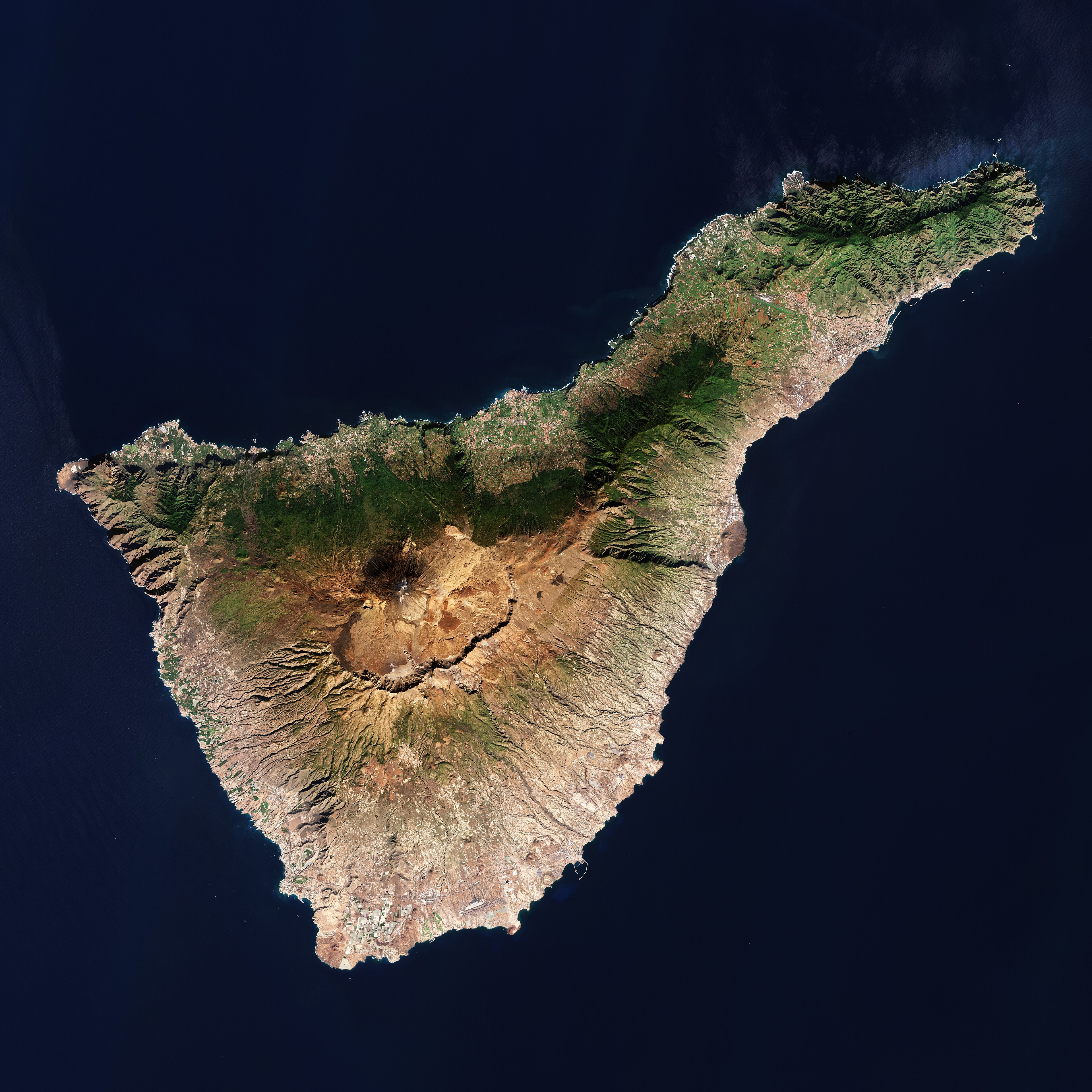
Why Tenerife is Perfect for Your Celebration
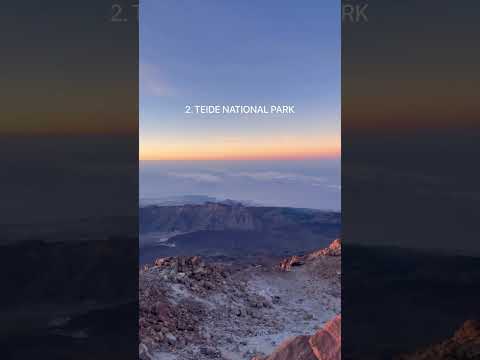
- Dramatic volcanic scenery — including Mount Teide, Spain's highest peak — provides an unmatched natural backdrop for ceremonies and photography
- Year-round mild Atlantic climate with the curated best season (Mar–May, Sep–Nov) offering comfortable outdoor conditions and fewer crowds
- Mature international hospitality infrastructure with luxury resorts, boutique hotels, and dedicated event spaces across the island
- Direct flight connections from across Europe make guest travel straightforward, with no long-haul requirement for most European attendees
- Diverse venue settings — clifftop terraces, tropical garden estates, beachfront lawns, and historic fincas — suit a wide range of celebration styles
- Strong local vendor ecosystem for catering, florals, entertainment, and event production, shaped by decades of high-volume international tourism
Top Venues in Tenerife
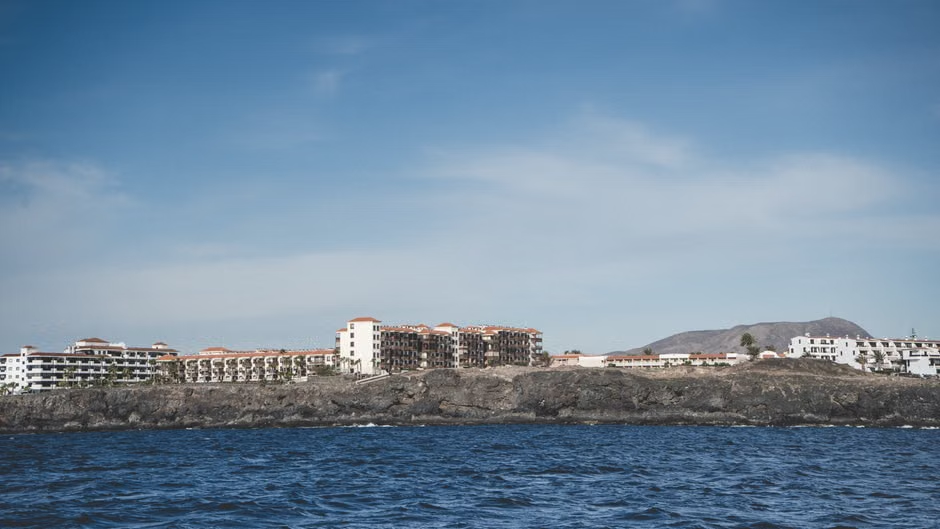
Royal Hideaway Corales Resort
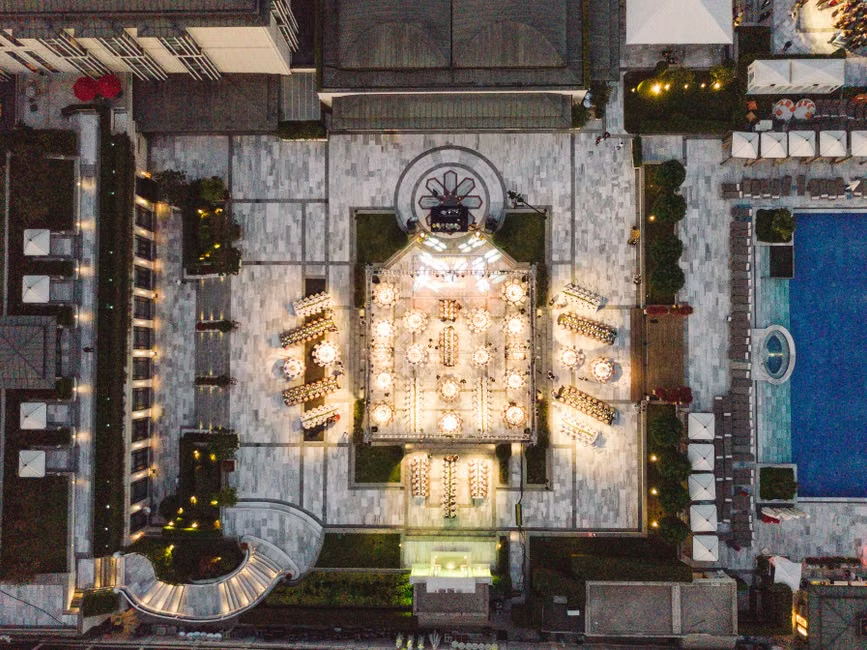
Gran Hotel Bahía del Duque Resort
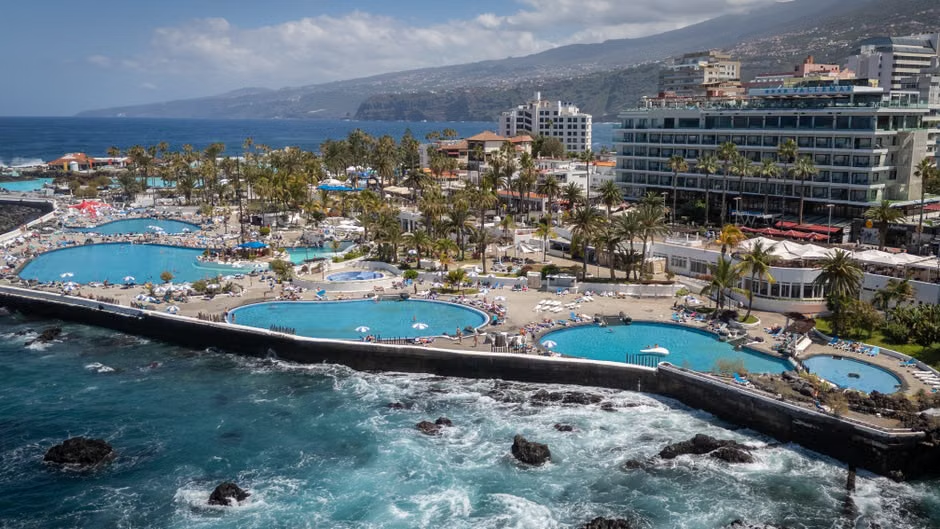
Hotel Jardines de Nivaria
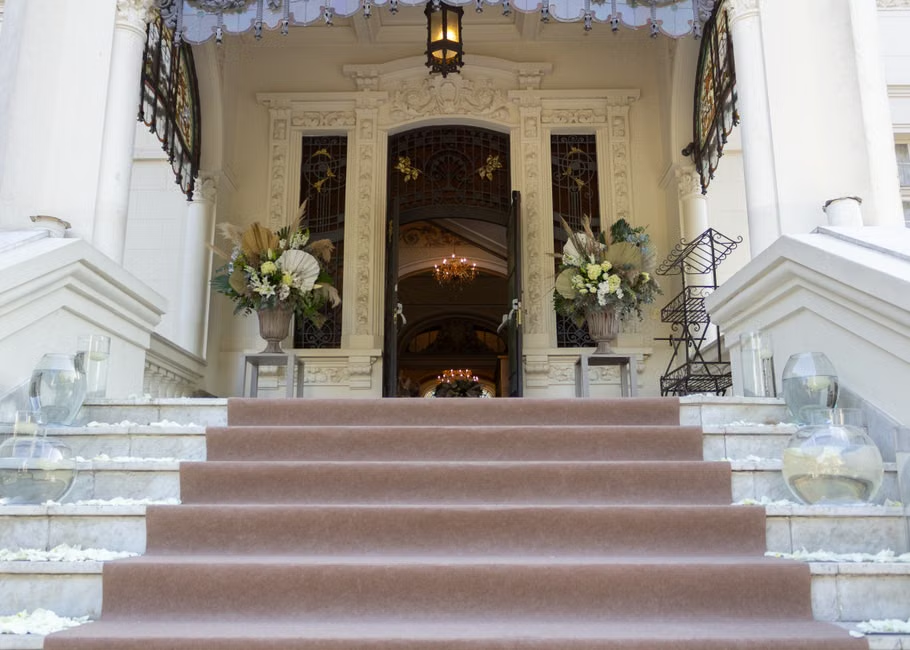
Iberostar Grand El Mirador
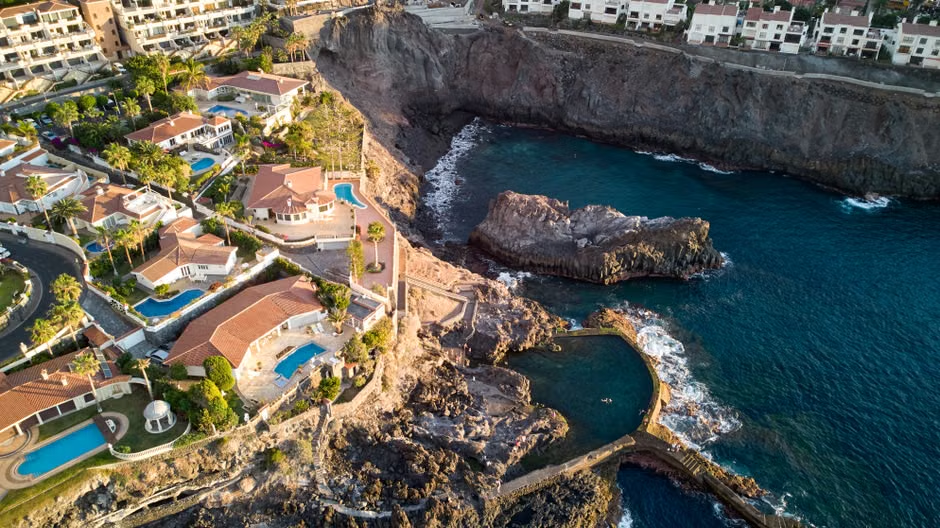
Vincci Selección La Plantación del Sur
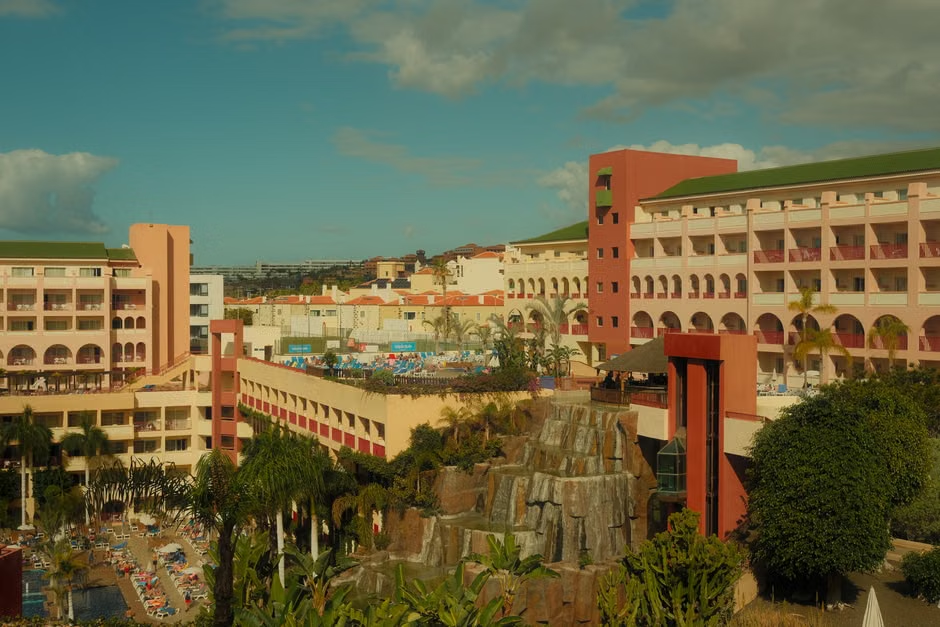
Hotel Botánico & The Oriental Spa Garden
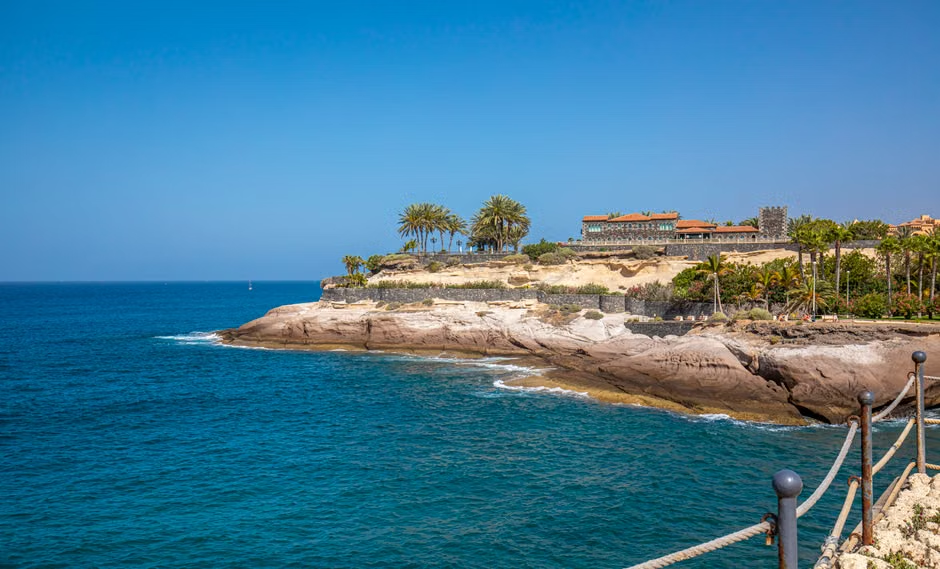
Meliá Hacienda del Conde
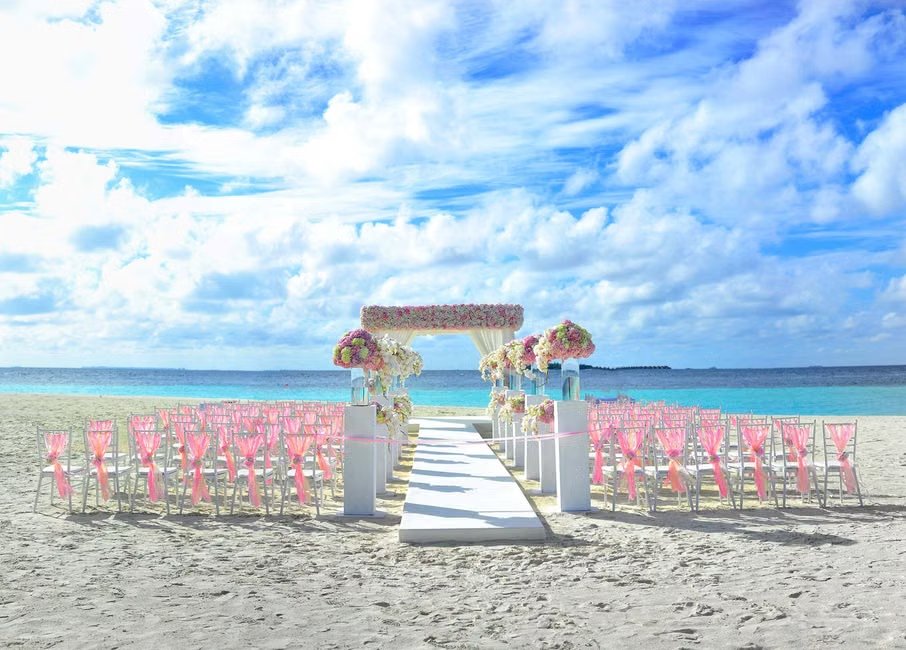
Iberostar Selection Anthelia
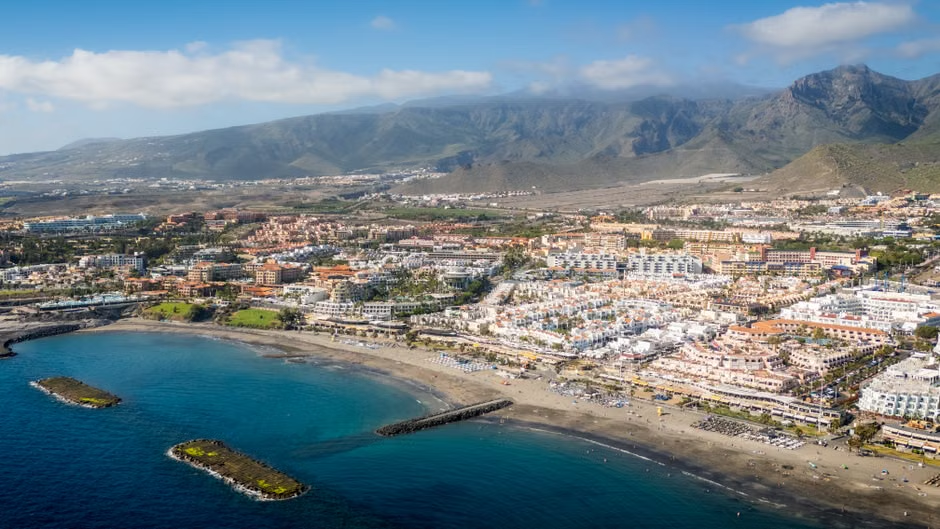
Hotel Riu Palace Tenerife
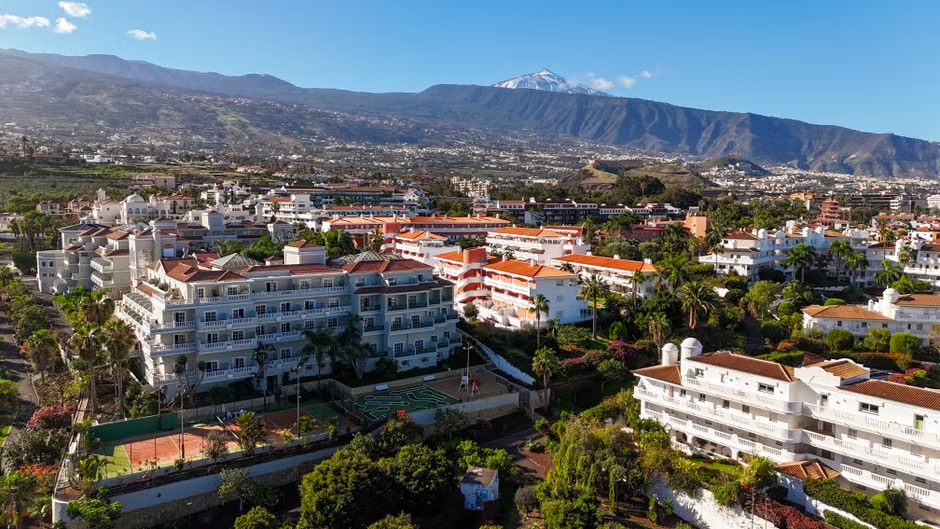
Bahia Principe Sunlight Tenerife
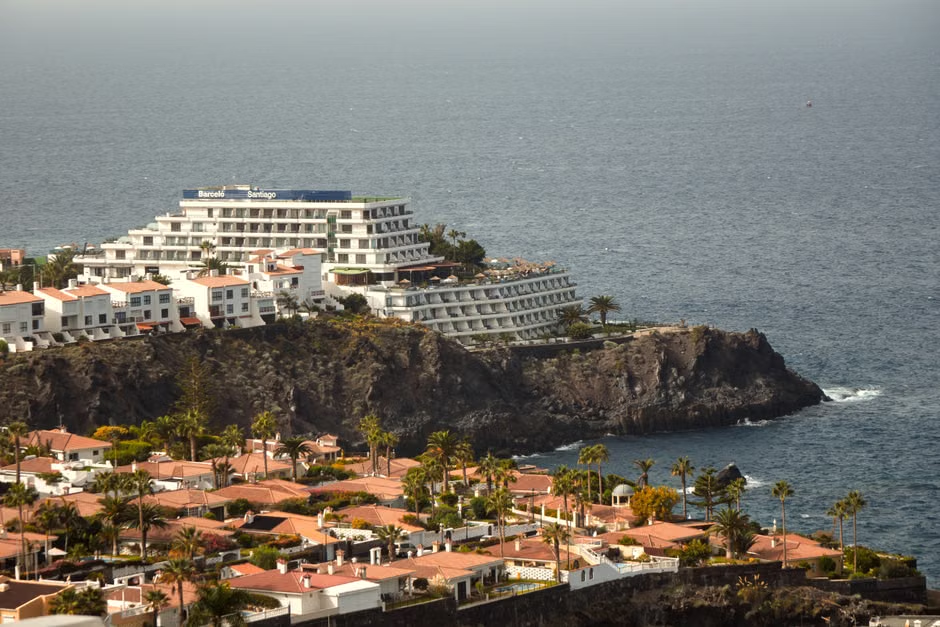
Barceló Santiago
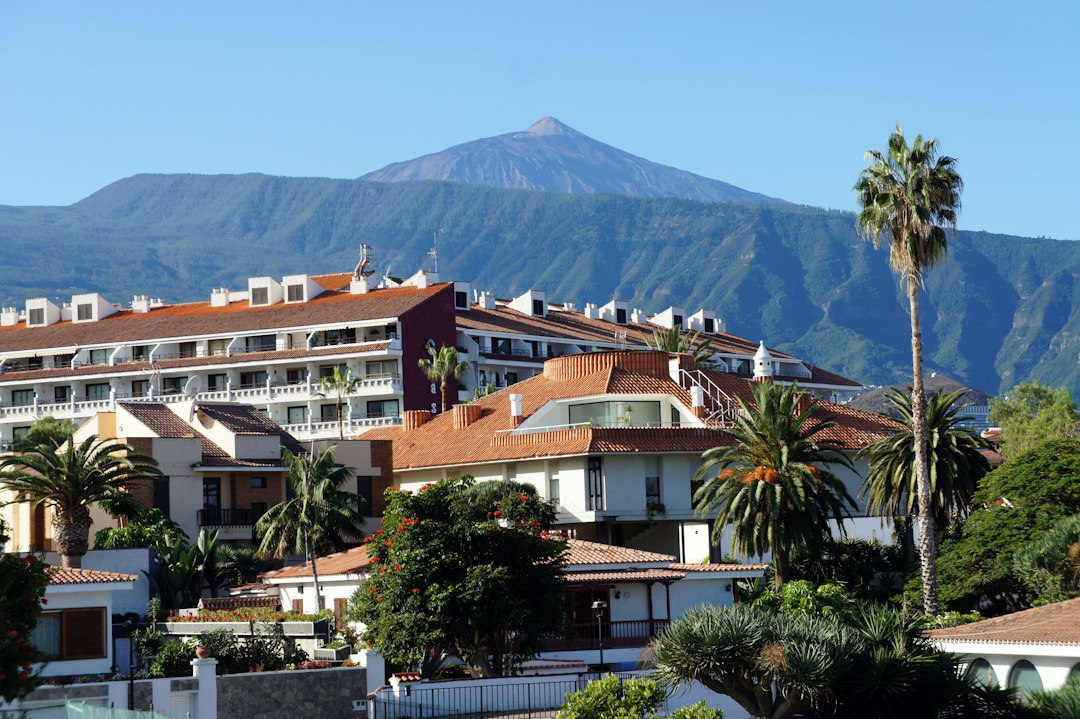
Hotel Tigaiga
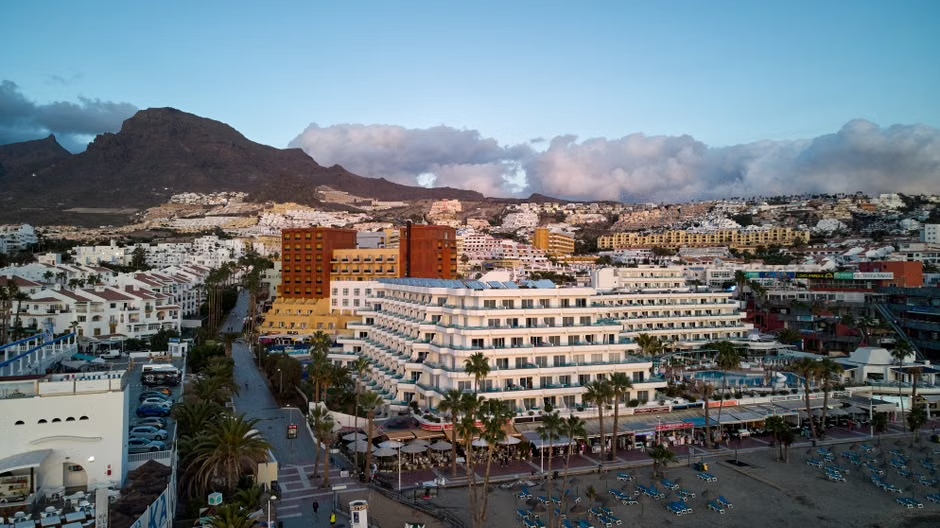
Hotel Reverón Plaza
Compare Tenerife with Other Top Destinations
Frequently Asked Questions
Is Tenerife a good destination for a wedding?
Yes. Tenerife is particularly well-suited to destination weddings for European couples, offering a combination of dramatic natural scenery — volcanic landscapes, ocean terraces, and tropical gardens — with a mature resort infrastructure and experienced local wedding coordinators. Civil ceremonies are legally available for international couples, and many resort properties have dedicated wedding teams who manage the full event from arrival to reception.
What guest group sizes can Tenerife venues realistically support?
Tenerife's venue landscape comfortably supports celebrations ranging from intimate gatherings of 20–30 guests in boutique finca estates up to large resort events of 300–500 guests across combined indoor and outdoor spaces. The island's major resort properties in Costa Adeje are best equipped for larger guest counts, while the northern and interior regions suit smaller, more exclusive celebrations.
Which airports serve Tenerife, and how easy is it for guests to get there?
Tenerife has two international airports: Tenerife South (TFS), the primary gateway for leisure and event travel with direct routes from most major European cities, and Tenerife North (TFN), which handles inter-island and some mainland Spanish connections. For European guests, direct flights are widely available, making arrival logistics straightforward. Private coach transfers from TFS to the main resort areas typically take under 20 minutes.
What is the best time of year to hold a celebration in Tenerife?
The curated best season covers spring (March, April, May) and autumn (September, October, November). Both windows offer mild daytime temperatures, lower humidity than summer, reduced tourist density, and stable outdoor conditions. Spring is particularly pleasant for garden settings, while September and October benefit from the warmest sea temperatures of the year. Summer brings heat and peak crowds; winter carries a higher risk of Atlantic storms.
What kinds of venues are available for events in Tenerife?
Tenerife offers a broad range of event spaces: large resort ballrooms and outdoor terraces in the southern resort zone, clifftop and beachfront ceremony spaces with Atlantic ocean views, historic colonial fincas and rural estates in the interior and north, and boutique hotel gardens suited to exclusive-use events. The variety means the island can accommodate both large resort-style celebrations and more intimate, characterful gatherings.
How do guests get around Tenerife once they arrive?
There is no island-wide rail network, so group transport relies on private coach or minibus hire, which is well-organised and widely available. The island's main motorway connects the southern resort zone to the north efficiently. For events where guests are concentrated in one resort area, internal logistics are simple; for events drawing guests from multiple accommodation bases, coordinated coach transfers are the standard approach.
How developed is the local wedding and events vendor ecosystem in Tenerife?
Tenerife's vendor ecosystem is well-developed by Atlantic island standards, shaped by decades of international tourism and a growing destination-wedding segment. Local wedding planners, caterers, florists, photographers, and audio-visual providers are experienced in working with international couples. English is widely spoken within the hospitality and events sector, and many suppliers are accustomed to managing non-Spanish-speaking clients.
Can accommodation for a large guest group be arranged close to the event venue?
Yes, particularly in the southern resort clusters around Costa Adeje and Playa de las Américas, where a high concentration of hotels at multiple tiers sits within a short transfer distance of the main event venues. For very large groups, it is common to block-book rooms across two or three adjacent properties, with coordinated shuttle transfers between accommodation and the event space.
Is Tenerife suitable for a corporate retreat or incentive event?
Yes. The island's larger resort properties offer conference and meeting facilities alongside strong team-building activity options — hiking Mount Teide, whale-watching excursions, water sports, and wine-tasting experiences. The combination of structured work sessions and genuinely memorable shared activities makes Tenerife a credible choice for corporate groups seeking a destination that goes beyond a standard conference hotel environment.
What makes Tenerife distinctive as a celebration destination compared to a mainland city?
Tenerife's primary distinction is its natural setting: the volcanic landscape of Mount Teide, Atlantic ocean views, black-sand beaches, and tropical garden environments create a visual backdrop that is genuinely difficult to replicate in a mainland urban venue. For couples or planners whose vision centres on dramatic natural scenery combined with resort-quality hospitality, the island offers a combination that few European destinations can match.
Are there outdoor ceremony spaces available, and how weather-dependent are they?
Outdoor ceremony spaces — clifftop terraces, beachfront lawns, garden courtyards, and poolside platforms — are widely available and are among Tenerife's strongest venue assets. Weather dependence is low during the curated best season (March–May and September–November), when conditions are generally stable. Winter months (December–February) carry a higher risk of Atlantic wind and rain, and indoor contingency arrangements are advisable for events planned in that window.
Is Tenerife a practical choice if most of my guests are travelling from the UK?
Yes, it is one of the most practical European island destinations for UK-based guest lists. Direct flights operate from a wide range of UK airports — including London Gatwick, Manchester, Birmingham, Edinburgh, and Bristol — to Tenerife South (TFS), with flight times of approximately four hours. The volume and frequency of routes means guests have genuine flexibility in travel dates and departure points.

Ready to explore venues in Tenerife?
Tenerife: Destination Wedding & Celebration Venues in the Canary Islands
◆Tenerife is the largest of Spain's Canary Islands and one of Europe's most accessible destination-wedding and celebration locations, combining dramatic volcanic scenery — centred on Mount Teide — with a mature resort hospitality infrastructure and a genuinely mild Atlantic climate. The island suits outdoor ceremonies, intimate garden weddings, milestone birthday celebrations, and corporate retreats particularly well. Its curated best season runs across spring and autumn (March–May and September–November), when temperatures are comfortable and crowds are thinner. Guests from across Europe can reach Tenerife via direct flights, making group logistics straightforward. The island's hospitality ecosystem is well-developed, with a strong base of international-standard venues and local vendors experienced in event production.
Tenerife at a Glance
| Category | Detail |
|---|---|
| Best For | Destination Weddings, Milestone Birthdays, Private Celebrations, Corporate Retreats |
| Primary Vibe | Nature & Wilderness |
| Other Vibes | Coastal Luxury, Romantic, Scenic & Dramatic |
| Best Season | Cool / Mild Season (Mar, Apr, May, Sep, Oct, Nov) |
Why Choose Tenerife?
- Unmatched natural scenery: Mount Teide — a UNESCO World Heritage Site and Spain's highest peak — provides a genuinely singular backdrop that no purpose-built venue can replicate. Volcanic rock formations, black-sand beaches, and laurel forest valleys give photographers and event designers an extraordinary range of settings within a compact island.
- Diverse venue landscape: From clifftop terraces and beachfront lawns to historic colonial fincas, tropical garden estates, and purpose-built resort event spaces, Tenerife offers a breadth of venue types that suits intimate ceremonies of 30 guests as well as large celebrations of several hundred.
- Excellent European accessibility: Two international airports — Tenerife South (TFS) and Tenerife North (TFN) — receive direct flights from the UK, Germany, Scandinavia, the Netherlands, and most major European hubs, making it one of the most straightforwardly reachable island destinations in the Atlantic for a European guest list.
- Mature hospitality and vendor ecosystem: Decades of high-volume international tourism have produced a well-developed local industry of caterers, florists, entertainment providers, photographers, and event coordinators who are experienced in working with international couples and planners.
- Year-round mild climate with a clear best window: The island's Atlantic position keeps temperatures moderate throughout the year, and the spring and autumn shoulder seasons offer particularly comfortable outdoor conditions — warm enough for evening receptions without the intensity of peak summer heat.
- Accommodation range for all guest groups: The island's resort clusters — particularly around Costa Adeje and Puerto de la Cruz — offer a concentration of accommodation options at multiple tiers, making it practical to house a large guest group within a short transfer distance of the event venue.
Which Celebrations Work Best in Tenerife?
Destination Weddings: Tenerife is particularly well-suited to destination weddings for European couples seeking a scenic, accessible island setting. The combination of outdoor ceremony spaces — garden terraces, clifftop platforms, beachfront lawns — with full-service resort infrastructure means couples can host both the ceremony and reception in one location without complex logistics. The island's legal framework for civil ceremonies is navigable for international couples, and many resorts have dedicated wedding coordinators.
Milestone Birthday Celebrations: The island's resort and villa infrastructure makes it a natural fit for significant birthday gatherings — 30th, 40th, 50th, and beyond — where a group of friends or family wants to combine a celebration with a short break. Private dining terraces, pool events, and chartered boat experiences are all readily available.
Private Group Celebrations & Anniversaries: Tenerife's range of boutique hotels, private villa estates, and exclusive-use resort spaces suits couples or families marking anniversaries or other personal milestones in a setting that feels genuinely special rather than generic.
Corporate Retreats & Incentive Events: The island's conference facilities within larger resort properties, combined with its strong team-building activity offering — hiking Teide, whale-watching, water sports — make it a credible choice for corporate groups seeking a destination that balances work sessions with memorable shared experiences.
Venues & Event Spaces
Tenerife's event venue landscape is shaped primarily by its resort hotel infrastructure, which is concentrated in the south of the island around Costa Adeje and Playa de las Américas, and in the north around Puerto de la Cruz. Within these clusters, large resort properties typically offer a combination of indoor ballrooms or banquet halls, outdoor terraces with ocean or garden views, and poolside event spaces that can be configured for ceremonies, receptions, or both.
Beyond the resort sector, the island has a number of historic colonial-era fincas and rural estates — particularly in the interior and northern regions — that provide a more intimate, characterful setting for smaller celebrations. These properties often feature traditional Canarian architecture, courtyard gardens, and vineyard or orchard surroundings that contrast with the more polished resort aesthetic of the south.
Clifftop and coastal venues are a particular strength of Tenerife's offering: several properties sit on elevated positions above the Atlantic, providing ceremony spaces where the ocean forms a natural horizon backdrop. Beachfront lawns and pier-adjacent terraces are also available, particularly in the southern resort zone.
For larger celebrations requiring significant guest capacity, the island's major resort properties can typically accommodate several hundred guests across combined indoor and outdoor spaces. For more intimate gatherings of under 80 guests, the boutique hotel and finca sector provides a wider range of exclusive-use options where the entire property can be taken over for the event.
Best Time to Celebrate
The curated best season for events in Tenerife covers two distinct windows: spring (March, April, May) and autumn (September, October, November). Both periods share the same core advantages: daytime temperatures that are warm but not oppressive, lower humidity than the summer months, reduced tourist density compared to peak season, and generally stable weather with low rainfall probability.
In spring, the island's vegetation is at its most lush following winter rains, which benefits garden and outdoor settings aesthetically. Temperatures typically sit in the low-to-mid twenties Celsius during the day, dropping to comfortable evening levels that suit outdoor receptions without requiring guests to dress heavily. Flight availability is good and accommodation is more accessible than in summer.
In autumn, particularly September and October, the island retains the warmth of summer without the peak-season crowds. Sea temperatures are at their highest of the year, which is relevant for any water-based activities or beach elements of a celebration. October and November can occasionally bring Atlantic weather systems that produce short rain periods, but these are generally brief and the overall conditions remain favourable for outdoor events.
Summer (June–August) is less ideal for outdoor celebrations primarily because of heat intensity during midday and early afternoon hours, combined with the island's highest tourist density, which affects accommodation availability and the general atmosphere of resort areas. Evening events remain pleasant, but the logistical pressure of peak season — on accommodation, transfers, and vendor availability — makes planning more complex.
Winter (December–February) brings cooler evenings and a higher probability of Atlantic storms, particularly in January and February. While daytime temperatures remain mild by northern European standards, the risk of wind and rain disrupting outdoor setups is meaningfully higher than in the spring and autumn windows. Indoor venues remain fully viable, but couples planning outdoor ceremonies should factor in contingency arrangements.
Getting There & Local Connectivity
Tenerife is served by two international airports. Tenerife South Airport (TFS), located in the south of the island, is the primary gateway for leisure and event travel, with the highest volume of direct international routes — particularly from the UK, Germany, the Netherlands, and Scandinavia. It sits approximately 60 km from the capital Santa Cruz de Tenerife but is significantly closer to the main resort areas of Costa Adeje and Playa de las Américas, which are the most common event venue clusters. Tenerife North Airport (TFN), closer to Santa Cruz and Puerto de la Cruz, handles a mix of inter-island and some mainland Spanish routes, and is more relevant for guests arriving via Madrid or Barcelona.
For groups, the standard arrival-to-venue transfer is by private coach or minibus, which is well-organised and widely available through local transfer operators. Journey times from TFS to Costa Adeje are typically under 20 minutes, making the logistics of collecting a large guest group from the airport and delivering them to a resort venue straightforward.
Within the island, there is no island-wide rail network. A tram system (MetroTenerife) connects Santa Cruz and La Laguna in the north, but this is not relevant for most event guests staying in the southern resort zone. Road infrastructure is generally good, and the island's main motorway (TF-1) connects the south to the north efficiently. For groups, private coach hire is the standard and most practical solution for moving guests between accommodation, venues, and activities.
Local Vendor & Hospitality Ecosystem
Tenerife's vendor ecosystem is among the most developed of any Atlantic island destination, shaped by decades of high-volume international tourism and a growing segment of destination weddings and private events. Local wedding planners and event coordinators with experience managing international couples — including navigating Spanish civil ceremony requirements — are well-established, particularly in the Costa Adeje area.
Catering quality is generally strong, with a mix of resort in-house catering teams and independent caterers who can deliver both Spanish and international menus. The island's own culinary identity — drawing on Canarian cuisine, fresh Atlantic seafood, and local wines from the Tacoronte-Acentejo and Abona denominations — gives event menus a genuine local character that guests typically find distinctive and memorable.
Floristry, entertainment, photography, and audio-visual production are all well-represented locally. The concentration of international events over many years means that local suppliers are generally accustomed to working with non-Spanish-speaking couples and planners, and English is widely spoken within the hospitality and events sector. For very large or highly bespoke productions, some couples choose to bring in specialist suppliers from mainland Spain or the UK, which is logistically feasible given the island's flight connectivity.
Pros & Things to Consider
Why Tenerife Works Well
- Genuinely dramatic natural scenery — volcanic landscapes, ocean views, and lush gardens — that elevates event photography and guest experience without requiring elaborate decoration
- Excellent direct flight connectivity from across Europe, making it one of the most accessible island destinations for a mixed European guest list
- A mature, internationally-experienced hospitality and vendor ecosystem that reduces planning risk for couples organising from abroad
- A wide range of venue types — from large resort ballrooms to intimate finca courtyards — that suit different guest counts and celebration styles
- Mild year-round climate with a clearly defined best season that offers comfortable outdoor conditions across two separate windows (spring and autumn)
- Strong accommodation concentration in resort clusters, making it practical to house a large guest group within a short distance of the event venue
Things to Consider
- The island's most popular resort areas (Costa Adeje, Playa de las Américas) are heavily touristic environments — couples seeking complete privacy or an exclusively intimate atmosphere may find the surrounding resort density less suited to their vision than a more secluded destination
- Peak summer (June–August) brings significant tourist volume that affects accommodation availability, transfer logistics, and the general character of resort areas — events planned in this window require earlier booking lead times and more careful logistical management
- Winter Atlantic weather (December–February) introduces a meaningful risk of wind and rain for outdoor setups; contingency indoor arrangements are advisable for any event planned in these months
- Guests travelling from outside Europe — particularly from Asia, the Americas, or the Middle East — face a longer journey with likely connections, which may affect attendance rates for a globally dispersed guest list
- The island's road-based internal transport means that groups spread across multiple accommodation properties in different areas of the island require coordinated coach logistics, which adds a layer of planning complexity for very large events
When Tenerife May Not Be the Right Fit
- Guests primarily travelling from outside Europe: While Tenerife is exceptionally accessible for European guests, those flying from Asia, North America, or the Middle East will typically face a multi-leg journey. If a significant portion of the guest list is non-European, a destination with broader intercontinental connectivity may serve the group better.
- Couples seeking a heritage or cultural immersion setting: Tenerife's primary strength is natural and coastal scenery rather than historic architecture or deep cultural heritage in the way that, for example, a mainland Spanish city might offer. Couples whose vision centres on centuries-old palaces, cathedrals, or UNESCO old-town settings may find the island's venue character less aligned with that aesthetic.
- Very large celebrations requiring a single venue of 600+ guests: While the island's larger resort properties can accommodate substantial guest counts, the very largest event formats — requiring a single contiguous space for 600 or more guests — may find the local venue inventory limiting compared to purpose-built convention or banquet facilities in major mainland cities.
- Events requiring strict outdoor certainty in winter months: Couples with a non-negotiable outdoor ceremony planned between December and February should be aware that Atlantic weather systems can bring wind and rain with limited advance notice. If an outdoor setting is essential and no indoor fallback is acceptable, the spring or autumn windows are strongly preferable.