
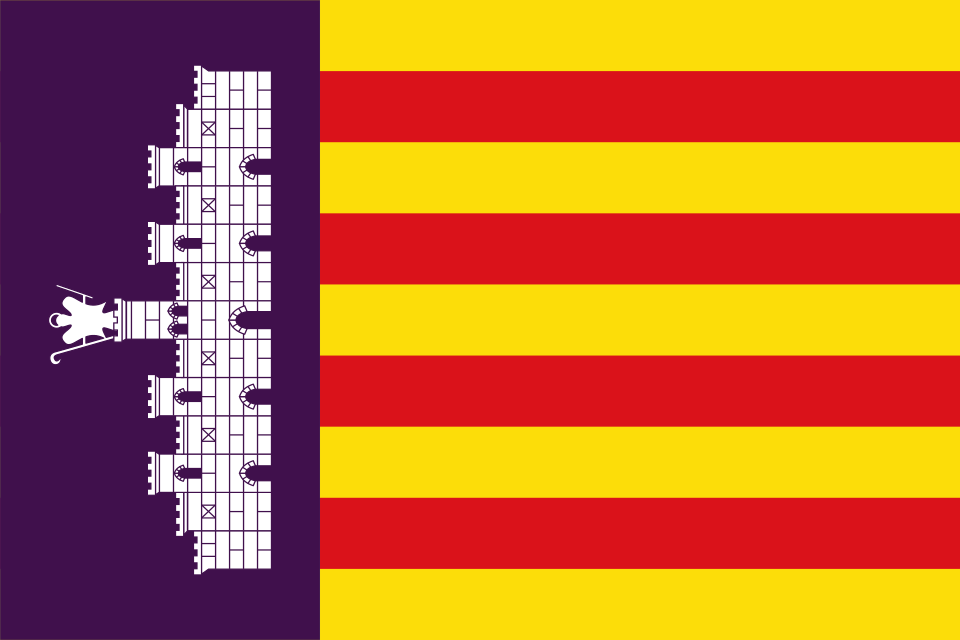
Why Mallorca is Perfect for Your Celebration
- Diverse venue portfolio — from centuries-old stone fincas and hilltop estates to beachfront resorts and boutique luxury hotels
- Exceptional Mediterranean light and scenery providing a naturally photogenic backdrop for every celebration
- Mature, internationally experienced wedding and events vendor ecosystem with multilingual professionals
- Palma de Mallorca Airport (PMI) offers direct connections from across Europe, making guest travel straightforward
- Long summer season (May–September) delivers reliably warm, dry weather ideal for outdoor ceremonies and receptions
- Island exclusivity and privacy — many fincas and estates can be hired exclusively, creating a true destination-event atmosphere
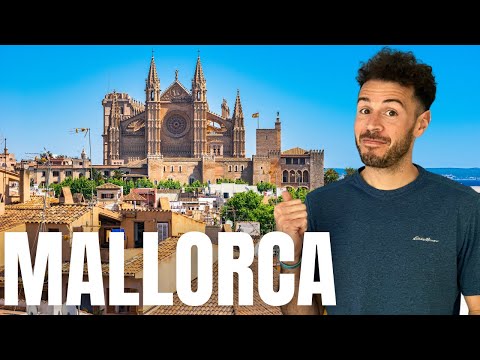
Compare Mallorca with Other Top Destinations
Frequently Asked Questions
Is Mallorca a good destination for a wedding?
Yes. Mallorca is one of Europe's most established destination-wedding locations, with a mature vendor ecosystem, diverse venue portfolio — from exclusive-use stone fincas to clifftop luxury resorts — and reliable summer weather from May through September. The island's romantic Mediterranean scenery and strong air connectivity from across Europe make it particularly well-suited to couples planning an international celebration.
What is the best time of year to hold a wedding or event in Mallorca?
May through September is the curated best season. May, June, and September are especially popular with planners — warm and sunny but less intensely hot than July and August, with the island feeling slightly less crowded. July and August are reliable but require events to be scheduled for late afternoon or evening to avoid peak daytime heat. November through April brings cooler, wetter conditions and reduced venue availability.
How easy is it for international guests to reach Mallorca?
Very easy for European guests. Palma de Mallorca Airport (PMI) offers direct flights from most major European cities, including the UK, Germany, the Netherlands, Scandinavia, and France. Most European guests can reach the island on a single direct flight. Guests travelling from outside Europe will typically need to connect through a mainland European hub, which adds travel time.
What kinds of venues are available for weddings and events in Mallorca?
Mallorca offers a genuinely diverse range — traditional stone fincas (rural estates) available for exclusive hire, clifftop and hillside resort hotels with sea views, historic palaces and townhouses in Palma's old city, and contemporary beachfront resorts. Outdoor terraces, garden lawns, and poolside spaces are a defining feature of the island's event offer, well-suited to the reliable summer climate.
How large a guest group can Mallorca realistically accommodate for an event?
Most of Mallorca's most distinctive venues — particularly fincas and boutique estate hotels — are best suited to events of up to around 150–300 guests. Larger resort and palace properties can accommodate groups of 400 or more. For very large events (500+ guests), the island's venue inventory becomes more limited, and a mainland European city venue may offer more flexibility.
Can guests find accommodation easily near event venues in Mallorca?
Generally yes. Mallorca has an extensive accommodation inventory — hotels, boutique guesthouses, and private villa rentals — across all parts of the island. Even large guest groups can typically be housed within a reasonable distance of the event venue. Villa rental is particularly popular for wedding groups wanting to keep the party together in a private residential setting.
How do guests get around the island once they arrive?
Private hire vehicles and minibuses are the most practical solution for event groups, particularly for venues in the rural interior or on the northern coast. The island's road network is generally good, though some finca access roads are narrow. Palma is well-served by taxis. The island's rail network connects Palma to a few inland towns but is not a practical primary option for groups moving between dispersed event locations.
Is the local wedding and events vendor ecosystem in Mallorca well-developed?
Yes. Mallorca has been a significant destination-wedding market for over two decades, producing a deep and internationally experienced supplier base — including multilingual wedding planners, specialist caterers drawing on strong local produce, floral designers, photographers, and entertainment professionals. Most established vendors are experienced in managing international guest groups and multi-day event programmes.
What makes Mallorca particularly suited to romantic celebrations like weddings and anniversaries?
The island's combination of dramatic natural scenery — cliffside sunsets, turquoise coves, golden Mediterranean light, and historic stone architecture — creates a naturally romantic atmosphere that is difficult to replicate artificially. Many venues offer exclusive-use hire, adding a sense of privacy and occasion. The island's overall vibe is consistently described as Romantic and Dreamy, which aligns naturally with milestone celebrations.
Are there options for corporate retreats and incentive events in Mallorca, not just weddings?
Yes. Mallorca's luxury finca and boutique hotel inventory, combined with its easy accessibility from major European business hubs, makes it a credible choice for high-end corporate retreats, leadership off-sites, and incentive travel programmes — particularly those seeking a relaxed, scenic, and experiential environment rather than a conventional conference-centre setting.
What should I be aware of when planning an outdoor event in Mallorca in July or August?
July and August are reliably sunny and dry, but daytime temperatures regularly exceed 30°C, which can be uncomfortable for guests during outdoor ceremonies. Experienced Mallorca planners typically schedule ceremonies and receptions for late afternoon (from around 6–7pm onwards) to take advantage of the cooler evening temperatures and the island's famous golden-hour light. Shade, fans, and chilled refreshments are standard provisions for daytime elements.
How far in advance should I book a venue in Mallorca for a summer wedding?
For the most sought-after finca and boutique estate venues during the peak May–September season, booking 12–18 months in advance is strongly advisable — and some of the most popular exclusive-use properties are taken even earlier. July and August dates at premium venues are particularly competitive. Booking earlier also gives more time to navigate any legal requirements for civil ceremonies.

Ready to explore venues in Mallorca?
Mallorca: Destination Wedding & Event Venues in the Balearic Islands
◆Mallorca is one of Europe's most established destination-wedding and private-event locations, combining a reliably warm Mediterranean summer season (May through September) with an exceptionally diverse venue portfolio — from centuries-old stone fincas and hilltop estates to cliffside luxury hotels and beachfront resorts. The island's primary vibe is Romantic & Dreamy, making it particularly well-suited to weddings, honeymoon-adjacent celebrations, anniversary events, and intimate corporate retreats. Palma de Mallorca Airport (PMI) offers direct connections from most major European cities, making guest logistics straightforward. The local hospitality and vendor ecosystem is mature, multilingual, and internationally experienced.
Mallorca at a Glance
| Category | Detail |
|---|---|
| Best For | Destination Weddings, Honeymoon Celebrations, Anniversary Events, Intimate Corporate Retreats |
| Primary Vibe | Romantic & Dreamy |
| Other Vibes | Scenic & Coastal, Heritage & Cultural, Relaxed Luxury |
| Best Season | Summer (May, Jun, Jul, Aug, Sep) |
Why Choose Mallorca?
- Unmatched venue diversity: Mallorca offers a genuinely rare range of event spaces — exclusive-use stone fincas in the interior, clifftop estates overlooking the sea, grand historic palaces in Palma's old town, and contemporary beachfront resorts — all within a single island, meaning couples and planners can find a setting that precisely matches their vision without compromise.
- Exceptional natural scenery: The combination of the UNESCO-listed Serra de Tramuntana mountain range, dramatic limestone cliffs, turquoise coves, and the warm golden light characteristic of the western Mediterranean creates a naturally photogenic environment that reduces the need for heavy décor investment — the landscape does much of the work.
- Reliable summer weather: The May–September window delivers consistently warm, dry, and sunny conditions with very low rainfall probability, making outdoor ceremonies and al-fresco receptions genuinely dependable rather than a weather gamble.
- Mature international vendor ecosystem: Mallorca has hosted destination weddings and high-profile private events for decades. The island has a well-developed network of multilingual wedding planners, florists, caterers, photographers, and entertainment professionals who are experienced in managing international guest groups and complex multi-day event programmes.
- Strong air connectivity: Palma de Mallorca Airport (PMI) is one of Spain's busiest airports, with direct seasonal and year-round routes from the UK, Germany, Scandinavia, the Netherlands, France, and beyond — meaning guests from across Europe can typically reach the island with a single direct flight.
- Island exclusivity and privacy: Many of Mallorca's finest fincas and boutique estate hotels offer full exclusive-use hire, allowing a wedding or celebration group to take over an entire property — creating a genuinely private, immersive experience that is difficult to replicate in a city hotel setting.
Which Celebrations Work Best in Mallorca?
- Destination Weddings: Mallorca is arguably the most established destination-wedding location in the western Mediterranean. The combination of exclusive-use fincas, luxury resort ceremony spaces, and a deep local vendor network means the island can support everything from an intimate 30-person garden ceremony to a multi-day celebration for several hundred guests. Civil and symbolic ceremonies are both well-catered for, and the island's legal framework for international marriages is well understood by local planners.
- Anniversary & Vow Renewal Celebrations: The island's romantic, scenic character — cliffside sunsets, private pool terraces, candlelit historic courtyards — makes it a natural fit for milestone anniversary events and vow renewals, particularly for couples who want a meaningful, experience-led celebration rather than a conventional banquet.
- Honeymoon-Linked Celebrations: Many couples extend their wedding weekend into a longer honeymoon stay on the island, or use Mallorca as the base for a post-wedding celebration trip with close family. The island's range of luxury boutique hotels and spa resorts supports this well.
- Intimate Corporate Retreats & Incentive Events: Mallorca's luxury finca and boutique hotel inventory, combined with its accessibility from major European business hubs, makes it a credible choice for high-end corporate retreats, leadership off-sites, and incentive travel programmes — particularly those seeking a relaxed, scenic environment rather than a conventional conference-centre setting.
- Private Birthday & Milestone Celebrations: The island's exclusive-use venue options and strong catering infrastructure make it well-suited to significant private birthday parties and milestone celebrations for groups travelling together from across Europe.
Venues & Event Spaces
Mallorca's event venue landscape is one of the most varied of any Mediterranean island destination. The dominant and most distinctive venue type is the traditional Mallorcan finca — a rural stone estate, typically set among olive groves, almond trees, or vineyards in the island's interior or on its hillsides. Many of these have been sensitively converted into exclusive-use event properties with outdoor ceremony terraces, swimming pools, and catering facilities, while retaining their original architectural character. They range from intimate properties suited to small gatherings to larger estates capable of hosting several hundred guests.
In and around Palma, the island's capital, the venue offer shifts toward grand historic palaces and townhouses within the UNESCO-listed old city, contemporary luxury hotels overlooking the marina, and elegant resort properties along the bay. These suit couples and planners who want the convenience of an urban setting with strong accommodation infrastructure nearby.
Along the northern and western coastline — particularly around Sóller, Deià, and the Formentor peninsula — clifftop and hillside resort hotels offer dramatic sea views and a more secluded, boutique atmosphere. These locations are particularly popular for ceremonies timed to coincide with the island's famous sunsets.
Outdoor spaces — terraced gardens, poolside lawns, clifftop platforms, and vineyard settings — are a defining feature of Mallorca's event offer, and the reliable summer climate means they can be used with confidence throughout the peak season. Indoor ballrooms and covered terraces are also available at larger resort and palace properties for groups requiring air-conditioned or weather-protected spaces.
Best Time to Celebrate
The curated best season for events in Mallorca is Summer: May, June, July, August, and September. This window aligns with the island's Mediterranean climate at its most reliable and event-friendly.
- May and June are widely considered the sweet spot by experienced Mallorca planners — temperatures are warm (typically 22–28°C) but not oppressively hot, the island is in full bloom, and the peak tourist crowds of high summer have not yet arrived, meaning venues, accommodation, and local services are somewhat easier to secure and the island feels less congested.
- July and August bring the hottest conditions (regularly 30°C and above) and the island's peak tourist season. Outdoor daytime events require careful timing — ceremonies and receptions are typically scheduled for late afternoon and evening to take advantage of the long golden-hour light and cooler temperatures. Accommodation demand is at its highest during this period.
- September is an excellent month for events — temperatures begin to ease slightly from the August peak, the sea remains warm, and the island transitions toward a quieter, more relaxed atmosphere as the main tourist season winds down. Many planners consider September the most comfortable month for guests.
- October is a genuine shoulder month — generally acceptable weather with mild temperatures, but the risk of early autumn storms and rain increases meaningfully, and some venues and hospitality operations begin to reduce their seasonal service. It is not included in the curated best season for this reason.
- November through February brings cool, wet, and sometimes stormy conditions. Many of the island's finca venues and boutique resort hotels close entirely or operate on a very limited basis. Outdoor events are not reliably feasible, and the overall hospitality infrastructure is significantly reduced.
- March and April see the island beginning to reopen, but weather remains unpredictable — cool evenings, occasional heavy rain, and variable conditions make outdoor event planning unreliable. These months are not recommended for events that depend on outdoor spaces.
Getting There & Local Connectivity
By air: Palma de Mallorca Airport (PMI) is the island's primary international gateway and one of the busiest airports in Spain. It handles a very high volume of direct seasonal and year-round routes from across Europe — including the UK, Germany, the Netherlands, Scandinavia, France, Switzerland, and beyond — making it genuinely easy for international guest groups to reach the island without connecting flights. The airport sits approximately 8 km from Palma city centre, and transfers to most parts of the island take between 20 minutes and just over an hour depending on the venue's location.
By sea: Mallorca is also accessible by ferry from Barcelona, Valencia, and other mainland Spanish ports, as well as from Ibiza and Menorca. For guests travelling from mainland Spain, the ferry is a practical option, though journey times are significantly longer than flying.
Local transport: Once on the island, private hire vehicles and minibuses are the most practical solution for moving a wedding or event group between accommodation, ceremony venues, and reception spaces — particularly for finca venues in the rural interior or on the northern coast, which are not served by public transport. The island's road network is generally good, though some rural finca access roads are narrow. Palma itself is well-served by taxis and ride-hailing services. The island's rail network connects Palma to a handful of inland towns (Inca, Manacor, Sa Pobla) but is not a practical primary transport solution for event groups moving between dispersed locations.
Local Vendor & Hospitality Ecosystem
Mallorca's wedding and events vendor ecosystem is among the most developed of any Mediterranean island destination. The island has been a significant destination-wedding market for well over two decades, and this longevity has produced a deep, competitive, and internationally oriented supplier base.
Wedding planners and coordinators based on the island typically have extensive experience managing international guest groups, navigating local legal requirements for civil and symbolic ceremonies, and coordinating multi-day event programmes across multiple venues. Many are fluent in English, German, and other European languages, which is a practical advantage for couples and guests arriving from across the continent.
Catering on the island draws on a strong local food culture — Mallorcan cuisine features high-quality local produce including olive oil, almonds, seafood, and cured meats — and many venues work with established catering partners who can deliver both traditional Mallorcan menus and international cuisine to a high standard. Fine dining and creative catering are well-represented.
Floral design, photography, entertainment, and décor are all well-served by specialist suppliers who work regularly with destination events. The island's natural scenery means that floral and décor briefs often lean into the Mediterranean landscape rather than working against it, which tends to produce strong results.
Accommodation infrastructure is extensive — Mallorca has a very large hotel and villa rental inventory across all parts of the island, meaning that even large guest groups can typically be accommodated within a reasonable distance of the event venue. Villa rental is particularly popular for wedding groups who want to keep the party together in a private residential setting.
Pros & Things to Consider
Why Mallorca Works Well
- Genuinely diverse venue portfolio spanning exclusive-use fincas, clifftop resorts, historic palaces, and beachfront hotels — something for a wide range of event styles and guest counts
- Reliable, warm, and dry summer season (May–September) that makes outdoor ceremonies and receptions dependable
- Excellent air connectivity from across Europe, with direct routes from most major cities making guest travel straightforward
- Mature, multilingual, internationally experienced vendor and hospitality ecosystem
- Strong accommodation inventory — large guest groups can typically be housed on or near the island without difficulty
- Natural scenery (mountains, cliffs, coves, golden light) that creates a photogenic backdrop with relatively little additional investment
- Island setting creates a natural sense of occasion and destination — guests feel they have genuinely travelled somewhere special
Things to Consider
- Peak-season demand: July and August are the island's busiest tourist months — popular venues book up well in advance (often 12–18 months ahead for the most sought-after fincas), accommodation prices are at their highest, and the island can feel crowded in tourist areas.
- Daytime heat in high summer: July and August temperatures regularly exceed 30°C, which can be uncomfortable for guests during outdoor daytime events. Ceremonies and receptions typically need to be scheduled for late afternoon or evening, which constrains the day's timeline.
- Rural venue access: Many of the island's most distinctive finca venues are reached via narrow rural roads that require careful logistics planning for large guest groups, catering vehicles, and equipment deliveries.
- Seasonality of the venue and hospitality offer: A significant portion of Mallorca's event venues and boutique hotels operate on a seasonal basis and are closed or operating at reduced capacity outside the May–October window — limiting options for off-season events.
- Legal complexity for civil ceremonies: Couples wishing to hold a legally binding civil ceremony in Mallorca face administrative requirements that vary depending on nationality. Working with an experienced local planner who understands the current legal framework is strongly advisable.
When Mallorca May Not Be the Right Fit
- Off-season events requiring full venue and hospitality availability: If your event date falls between November and March, Mallorca's seasonal venue and hotel closures significantly limit the available options — a year-round destination may serve you better.
- Very large-scale events (500+ guests): While Mallorca has some larger resort properties, the island's most distinctive and sought-after venues — particularly the finca and boutique estate category — are generally better suited to events up to around 200–300 guests. Groups significantly larger than this may find the local venue inventory constraining.
- Guests travelling from outside Europe: For a guest list drawn primarily from outside Europe (e.g. North America, Asia, the Middle East), Mallorca's connectivity advantage largely disappears — most non-European guests will need to connect through a mainland European hub, adding significant travel time and complexity.
- Events requiring a large, purpose-built conference or convention facility: Mallorca's event offer is strongest in the boutique, experiential, and luxury-residential categories. Couples or planners needing a large, purpose-built convention centre with extensive breakout rooms and technical infrastructure will find the island's offer limited compared to major mainland European cities.