
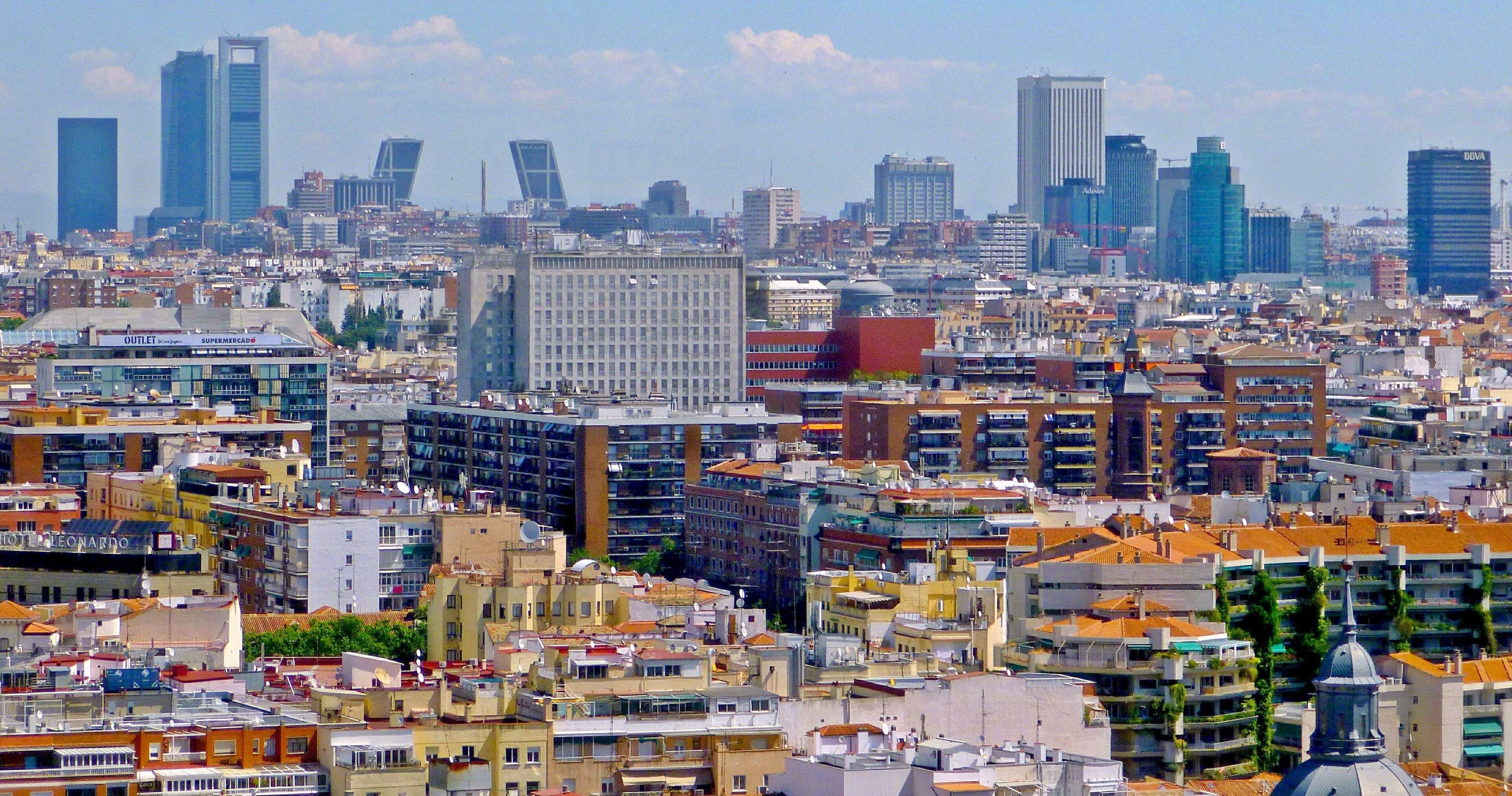
Why Madrid is Perfect for Your Celebration
- One of Europe's best-connected cities — direct flights from across Asia, Americas, Middle East and all of Europe
- Diverse venue portfolio spanning historic royal palaces, grand hotel ballrooms, and contemporary event spaces
- World-renowned gastronomy and catering culture, with Michelin-starred chefs and premium banquet expertise
- Mild, sunny spring and early-autumn weather perfectly suited to outdoor ceremonies and garden receptions
- Mature, professional event vendor ecosystem — florists, photographers, AV, entertainment and planners all locally available
- Vibrant city life ensures guests enjoy a full cultural experience beyond the event itself
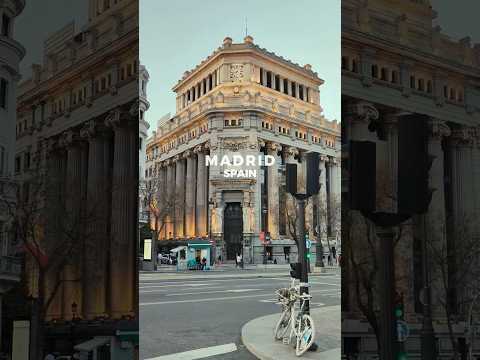
Compare Madrid with Other Top Destinations
Frequently Asked Questions
Is Madrid a good destination for a wedding?
Yes. Madrid is particularly well-suited to destination weddings seeking a grand, cosmopolitan European setting. The city offers palatial hotel ballrooms, historic event spaces, and garden terraces, supported by a mature wedding vendor ecosystem. The spring season (April, May, June) and early autumn (September, October) provide reliably mild, sunny weather ideal for outdoor ceremonies and receptions.
What guest group sizes can Madrid venues realistically accommodate?
Madrid's venue supply comfortably handles a wide range — from intimate gatherings of 50 guests in private dining rooms or boutique hotel salons, up to large-scale events of 500 to 2,000 guests in the city's major conference hotels and dedicated event palaces. The city is particularly strong for medium-to-large events in the 100–600 guest range.
How easy is it for international guests to reach Madrid?
Very easy. Adolfo Suárez Madrid–Barajas Airport is one of Europe's principal hubs, with direct long-haul routes from North America, Latin America, Asia, the Middle East, and all of Europe. Most international guests can reach Madrid on a single direct flight. The airport is well-connected to the city centre by metro, suburban rail, and private transfers.
What is the best time of year to hold an event in Madrid?
April, May, June, September, and October are the strongest months. Temperatures are mild (typically 15°C–25°C), skies are generally clear, and the city is at its most vibrant. July and August bring extreme heat (regularly above 35°C) that makes outdoor events impractical, while November through March is cold and grey with limited outdoor viability.
What kinds of venues are available for events in Madrid?
Madrid offers a genuinely diverse range: grand historic hotel ballrooms along Paseo del Prado and the Castellana, dedicated congress and event palaces for large corporate formats, rooftop terraces with city skyline views, private restaurant dining rooms for intimate dinners, and historic fincas (country estates) on the city's outskirts for a more garden-party aesthetic.
How do guests get around Madrid once they arrive?
Madrid has an extensive, reliable metro system that covers most of the city. For event groups, private coach transfers between hotels and venues are standard and well-supported locally. Taxis and ride-hailing services are widely available. Many key venues along the Castellana and Prado corridors are within walking distance of major hotels, simplifying day-of logistics.
Is the local vendor and catering ecosystem strong enough for a large destination event?
Yes. Madrid regularly hosts major international conferences, diplomatic events, and high-profile private celebrations, so the local vendor ecosystem — caterers, florists, AV and production companies, entertainment agencies, and bilingual wedding planners — is mature and experienced at scale. Spanish gastronomy is a particular strength, with premium local produce and catering expertise that genuinely differentiates the food and beverage experience.
Can guests travelling from other Spanish cities reach Madrid easily?
Yes. Madrid is Spain's central high-speed rail hub. Guests from Barcelona, Seville, Valencia, Málaga, and Bilbao can reach Madrid Puerta de Atocha or Chamartín stations in two to three hours via the AVE network — often more convenient than flying for domestic legs. This makes Madrid particularly accessible for events with a mixed Spanish and international guest list.
Is Madrid suitable for corporate conferences and incentive events?
Yes, strongly so. Madrid is one of Europe's leading MICE destinations. Large conference hotels near Barajas and along the Castellana offer extensive meeting and ballroom capacity for hundreds to thousands of delegates. The city's cultural richness — museums, gastronomy, flamenco, nightlife — makes it an effective incentive destination where the city itself becomes part of the programme.
What makes Madrid distinctive compared to other European event destinations?
Madrid combines palatial architectural grandeur with a genuinely cosmopolitan, living-city energy that purpose-built resort destinations cannot replicate. Its gastronomy is among Europe's strongest, its connectivity is exceptional, and the spring and early-autumn climate is reliably good. The city suits events where the destination itself is meant to impress guests, not merely serve as a backdrop.
Are there outdoor event options in Madrid, and when do they work best?
Yes. Rooftop terraces, hotel garden courtyards, and historic fincas on the city's outskirts all offer outdoor event settings. These work best in April, May, June, September, and October, when temperatures are comfortable and rainfall is low. Outdoor events in July and August are generally inadvisable due to extreme heat, and winter months are too cold for outdoor receptions.

Ready to explore venues in Madrid?
Madrid: Destination Wedding & Event Venues in Spain's Capital
◆Madrid is Spain's capital and one of Europe's most capable destination-event cities, best suited to weddings, corporate conferences, gala dinners, and large-scale festivals. Its primary vibe is chic and cosmopolitan — grand boulevards, palatial hotel ballrooms, and a world-class culinary scene define the experience. The ideal season runs through spring and early autumn (April, May, June, September, October), when temperatures are mild and the city is at its most vibrant. Adolfo Suárez Madrid–Barajas Airport offers direct connections from virtually every major global city, making guest travel straightforward. The city's hospitality infrastructure is mature and extensive, spanning multiple tiers of accommodation and a deep pool of professional event vendors.
Madrid at a Glance
| Aspect | Detail |
|---|---|
| Best For | Destination Weddings, Corporate Events, Gala Dinners, Festivals & Cultural Celebrations |
| Primary Vibe | Chic & Cosmopolitan |
| Other Vibes | Grand & Palatial, Culturally Rich, Urban Sophisticated |
| Best Season | Spring (Apr, May, Jun, Sep, Oct) |
Why Choose Madrid?
- Unmatched international connectivity: Adolfo Suárez Madrid–Barajas Airport is one of Europe's busiest hubs, with direct long-haul routes from Asia, the Americas, the Middle East, and across Europe — making it genuinely easy for a globally dispersed guest list to converge.
- Palatial and heritage venue diversity: Madrid offers a rare concentration of grand historic hotels, royal-adjacent palaces, and landmark event spaces along iconic addresses such as Paseo del Prado and Paseo de la Castellana — venues that carry genuine architectural prestige rather than generic ballroom character.
- World-class gastronomy: Spain's culinary reputation is among the strongest globally, and Madrid specifically hosts a dense ecosystem of Michelin-starred restaurants, premium catering houses, and celebrated chefs who regularly work large-format events — food and beverage quality is a genuine differentiator here.
- Mature professional event vendor ecosystem: The city supports a full-service event industry — specialist wedding planners, high-end florists, international-standard AV and production companies, luxury transport providers, and entertainment agencies — all operating at a scale appropriate for large destination events.
- High-speed rail connectivity within Spain: For guests travelling from Barcelona, Seville, Valencia, or other Spanish cities, the AVE high-speed rail network makes Madrid easily reachable in two to three hours, reducing the need for domestic flights and simplifying multi-city guest logistics.
- Rich cultural programme for guests: The Prado Museum, Reina Sofía, Thyssen-Bornemisza, Retiro Park, and a thriving nightlife and dining scene mean guests have a genuinely compelling destination experience beyond the event itself — an important factor for multi-day celebrations.
Which Celebrations Work Best in Madrid?
- Destination Weddings: Madrid's palatial hotel ballrooms, garden terraces, and historic venues provide a genuinely grand setting for weddings of 50 to several hundred guests. The city's cosmopolitan character suits couples seeking European sophistication rather than a rustic or beach aesthetic, and the vendor ecosystem is well-equipped for multi-day wedding programmes including pre-wedding dinners and post-wedding brunches.
- Corporate Conferences and Incentive Events: Madrid is one of Europe's leading MICE (Meetings, Incentives, Conferences, Exhibitions) destinations. Large conference hotels near Barajas and along the Castellana corridor offer extensive meeting room and ballroom capacity, and the city's connectivity makes it practical for international delegate travel. Incentive groups benefit from the city's cultural richness as a backdrop for team experiences.
- Gala Dinners and Award Ceremonies: The combination of grand hotel dining rooms, rooftop terraces with city skyline views, and a strong catering culture makes Madrid particularly well-suited to formal gala formats. The city's after-dinner entertainment scene — flamenco shows, jazz venues, private club hire — extends the event experience naturally.
- Festivals and Cultural Celebrations: Madrid's own calendar of festivals (San Isidro in May, Veranos de la Villa in summer) creates a festive city atmosphere that complements privately organised cultural celebrations. Outdoor event spaces in and around the city's parks and historic squares are well-used for festival-format gatherings during the spring and early-autumn windows.
- Milestone Private Celebrations: Significant birthdays, anniversaries, and family reunions benefit from Madrid's combination of luxury accommodation, fine dining, and cultural programming — the city can absorb a large private group while still offering a genuinely curated, non-generic experience.
Venues & Event Spaces
Madrid's event venue landscape is one of the most varied in Europe. At the top end, the city's grand historic hotels — several of which occupy landmark early-twentieth-century buildings along Paseo del Prado and the Castellana — offer palatial ballrooms, ornate salons, and manicured garden terraces capable of hosting ceremonies and receptions simultaneously. These properties typically combine accommodation, catering, and event management under one roof, which simplifies logistics for destination groups.
Beyond the grand hotels, Madrid has a strong supply of dedicated event palaces and congress centres, particularly suited to large corporate formats. Rooftop terraces have become a popular format for cocktail receptions and smaller ceremonies, offering views across the city's distinctive skyline. Historic fincas (country estates) on the outskirts of the city — within comfortable driving distance — provide a more rural, garden-party aesthetic for couples who want greenery and open sky without leaving the Madrid region. Private dining rooms within the city's top restaurants are well-used for intimate rehearsal dinners and post-event lunches. The overall supply of event space is genuinely deep, meaning availability is rarely a constraint except during peak conference season in autumn.
Best Time to Celebrate
The curated best season for Madrid events is Spring (April, May, June) and early Autumn (September, October), and the reasoning is specific rather than generic.
During April and May, Madrid enjoys daytime temperatures typically in the range of 15°C to 22°C, with long daylight hours, low rainfall, and the city's parks and gardens in full bloom — conditions that are genuinely ideal for outdoor ceremonies, garden receptions, and rooftop cocktail events. June extends this window, though temperatures begin climbing toward the upper twenties by late June, which can make midday outdoor events less comfortable.
September and October represent the other strong window. The intense summer heat has passed, temperatures settle back into the 18°C–25°C range, and the city returns to full operational energy after the August slowdown (many Madrileños leave the city in August, which can affect vendor and restaurant availability). October in particular offers reliably clear skies and comfortable evenings.
July and August are genuinely problematic for outdoor events: temperatures regularly exceed 35°C and can reach 40°C during heat waves, making outdoor ceremonies uncomfortable or impractical. August also sees reduced local vendor availability as the city partially empties. Indoor, air-conditioned events remain feasible but lose the outdoor dimension that makes Madrid's spring season so appealing.
November through March brings cold, grey conditions — temperatures can drop to near or below freezing overnight, and while Madrid is not a wet city by northern European standards, winter days are often overcast. Outdoor events are generally not viable, and the city's character is considerably less vibrant than in spring. Corporate indoor events can work year-round, but destination weddings and festival-format celebrations are strongly better served by the spring and early-autumn windows.
Getting There & Local Connectivity
Adolfo Suárez Madrid–Barajas Airport is one of Europe's principal aviation hubs, handling direct routes from major cities across North America, Latin America, Asia, Africa, the Middle East, and all of Europe. For an international guest list, this is a genuine advantage — most guests can reach Madrid on a single direct flight rather than requiring a connection. The airport sits approximately 12–15 km from the city centre and is connected by metro (Line 8), suburban rail (Cercanías), and a well-organised taxi and private transfer network, making the arrival experience straightforward for groups.
Within Spain, the AVE high-speed rail network makes Madrid the country's central rail hub. Guests travelling from Barcelona, Seville, Valencia, Málaga, or Bilbao can reach Madrid Puerta de Atocha or Madrid Chamartín stations in two to three hours, often finding rail more convenient than flying for domestic legs. This is particularly useful for Spanish-based guests attending a destination event in Madrid.
Within the city, Madrid's metro system is extensive, reliable, and easy to navigate — one of the better urban transit networks in Europe. For event groups, private coach transfers between hotels and venues are standard practice and well-supported by local transport companies. Taxis and ride-hailing services are widely available. For guests staying at hotels along the Castellana or near Paseo del Prado, many of the city's key event venues are within walking distance or a short taxi ride, which simplifies day-of logistics considerably.
Local Vendor & Hospitality Ecosystem
Madrid's event vendor ecosystem is mature, professional, and internationally experienced. The city regularly hosts large-scale international conferences, diplomatic events, and high-profile private celebrations, which means local vendors — caterers, florists, AV and production companies, entertainment agencies, and wedding planners — are accustomed to working at a high standard and at scale.
Catering is a particular strength: Madrid's food culture is deeply embedded, and the city's catering companies draw on Spain's exceptional produce — Iberian charcuterie, fresh seafood, premium wines from Rioja, Ribera del Duero, and beyond — to deliver banquet menus that are genuinely distinctive rather than generic hotel fare. Many of the city's grand hotels operate their own in-house catering at a very high level, while independent catering companies can be brought in for external venues.
Floral and décor vendors in Madrid are well-versed in both classic European wedding aesthetics and contemporary design-led event styling. Entertainment options are broad — flamenco performers, classical ensembles, jazz bands, and international DJs are all readily bookable. English-language communication with vendors is generally reliable at the upper end of the market, though working with a local bilingual event planner is advisable for non-Spanish-speaking clients to ensure smooth coordination across all suppliers.
Pros & Things to Consider
Why Madrid Works Well
- Exceptional international flight connectivity makes guest travel genuinely easy from most parts of the world
- Deep supply of grand, architecturally significant venues — not just generic hotel ballrooms
- World-class gastronomy and catering culture is a genuine event differentiator
- Mature, full-service event vendor ecosystem capable of handling large and complex programmes
- Rich cultural offering keeps guests engaged across multi-day celebrations
- Spring and early-autumn weather is reliably mild and sunny — genuinely good for outdoor events
- High-speed rail connectivity within Spain simplifies domestic guest travel
Things to Consider
- Summer heat (July–August) is intense and can make outdoor events impractical — the season window is real and should be respected in planning
- Madrid is a major European capital, and event costs — venue hire, catering, accommodation — reflect that; this is not a budget-friendly destination by European standards
- August vendor availability can be reduced as the city partially empties for summer holidays — events planned in August may face more limited supplier options
- The city's urban character means there is limited access to natural landscapes (beaches, mountains, vineyards) within the immediate city centre — guests seeking a rural or nature-immersed setting will need to travel to the outskirts
- Peak conference season in autumn (September–November) means competition for large venue blocks can be significant — early booking is advisable for autumn events
When Madrid May Not Be the Right Fit
- Outdoor-focused summer events: If the event concept depends on outdoor ceremonies or garden receptions in July or August, Madrid's extreme summer heat makes this genuinely uncomfortable and potentially impractical — a coastal or higher-altitude Spanish destination would serve better in those months.
- Intimate, rural or nature-immersed celebrations: Couples seeking a vineyard, mountain, or beachside setting as the primary aesthetic will find Madrid's urban character a poor match — the city excels at grand and cosmopolitan, not rustic or natural.
- Very small, private gatherings on a modest scale: Madrid's venue infrastructure is optimised for medium-to-large events; very small intimate gatherings (under 20–30 guests) may find the city's grand hotel settings feel oversized and impersonal relative to what a smaller boutique destination could offer.
- Guests with very limited European travel experience or visa complexity: While Schengen visa access is broad, guests from certain regions may face more complex visa processes for Spain — for a guest list with significant representation from countries with restricted Schengen access, the administrative burden is worth factoring into the destination decision.