
Why Gran Canaria is Perfect for Your Celebration
- Dramatic volcanic landscapes — dunes, cliffs, and crater valleys — provide genuinely unique outdoor ceremony backdrops
- Year-round mild Atlantic climate with the best conditions in spring and autumn shoulder seasons
- Excellent direct flight connections from across Europe make guest travel straightforward
- Diverse venue types from beachfront resort terraces to rural finca estates in the interior
- Well-established tourism and hospitality infrastructure supports large group logistics
- Island exclusivity and scenic variety give celebrations a destination-feel without extreme remoteness
Compare Gran Canaria with Other Top Destinations
Frequently Asked Questions
Is Gran Canaria a good destination for a wedding?
Yes. Gran Canaria is particularly well-suited to destination weddings, especially for couples with a pan-European guest list. The island offers a genuine range of venue types — beachfront resort terraces, rural finca estates, and historic city properties — combined with excellent air connectivity from across Europe, a mild climate, and a mature local wedding coordination industry experienced with international couples.
What is the best time of year to hold a wedding or celebration in Gran Canaria?
The spring months (March, April, May) and autumn months (September, October, November) are the strongest planning windows. Temperatures are comfortably mild, tourist density is lower than peak season, and outdoor event conditions are generally more stable. July and August bring higher heat and significant tourist congestion, while December–February can bring cooler evenings and occasional Atlantic winds.
How easy is it for guests to travel to Gran Canaria for an event?
Very straightforward for European guests. Gran Canaria Airport (LPA) receives direct flights from the UK, Germany, the Netherlands, Scandinavia, and most major Spanish cities, with typical flight times of two to four hours from northern Europe. Non-European guests will generally need a connecting flight, which adds travel complexity for those origin markets.
What kinds of venues are available for events in Gran Canaria?
The island offers a genuine range: large beachfront resort complexes with dedicated banqueting suites and outdoor terraces in the south (Maspalomas, Meloneras, San Agustín), boutique marina-side properties in Puerto de Mogán, historic colonial hotel ballrooms and rooftop terraces in Las Palmas, and rural finca estates in the volcanic interior. Outdoor ceremony spaces are a defining feature across all zones.
How many guests can Gran Canaria venues realistically accommodate?
The larger resort complexes in the southern corridor can comfortably accommodate events of 200–600 guests across indoor and outdoor spaces. Boutique and rural properties are better suited to intimate gatherings of 30–150 guests. Very large-scale events of 500 or more guests may find the local inventory more limiting and require careful venue selection.
Is there a railway or metro system for moving guests around the island?
No. Gran Canaria has no railway network. All guest transport is by road — coaches, minibuses, and taxis. The road network is generally good, and distances within the southern resort corridor are manageable, but groups split across different areas of the island (particularly between Las Palmas in the north and the southern resorts) will need dedicated transport arrangements.
What is the local vendor and catering ecosystem like for events?
Well-developed. Decades of high-volume international tourism have produced an experienced hospitality industry with specialist destination wedding planners, multilingual event coordinators, established catering teams, and local floral suppliers. Many vendors are accustomed to working with international clients and can incorporate local Canarian cuisine and flora into event styling.
Can international couples hold a legal civil ceremony in Gran Canaria?
Yes, civil ceremonies are legally possible in Gran Canaria for international couples, though the administrative requirements vary by nationality and require advance coordination with local civil registry authorities. Symbolic ceremonies are also widely available and involve fewer administrative steps. A local wedding planner with experience in international civil ceremonies is strongly recommended to manage the paperwork process.
What makes Gran Canaria's scenery distinctive as an event backdrop?
The island's volcanic origin creates a genuinely unusual landscape — the Maspalomas sand dunes, dramatic coastal cliffs, the Roque Nublo volcanic formation, and lush interior ravines all provide ceremony and photography backdrops that are difficult to replicate elsewhere in Europe. This natural drama is the island's primary visual identity and a key reason couples choose it over more conventional beach destinations.
Are there any weather risks that event planners should be aware of?
The main weather consideration is the calima — a hot, dusty wind from the Sahara that can occasionally affect the island with reduced visibility and elevated temperatures. It is unpredictable and can occur in any season, though it is more common in winter and early spring. Outdoor events should always have a contingency plan, and the shoulder seasons (spring and autumn) generally offer the most stable conditions.
Is Gran Canaria suitable for corporate retreats and incentive events, not just weddings?
Yes. The island's combination of strong air connectivity, established resort conference facilities (particularly in Las Palmas and the southern resort corridor), and a wide range of leisure activities — boat trips, dune excursions, coastal hiking — makes it a credible incentive-travel and corporate retreat destination for European-based companies seeking an island setting with genuine programme depth.

Ready to explore venues in Gran Canaria?
Gran Canaria: Destination Wedding & Celebration Venues on a Spanish Atlantic Island
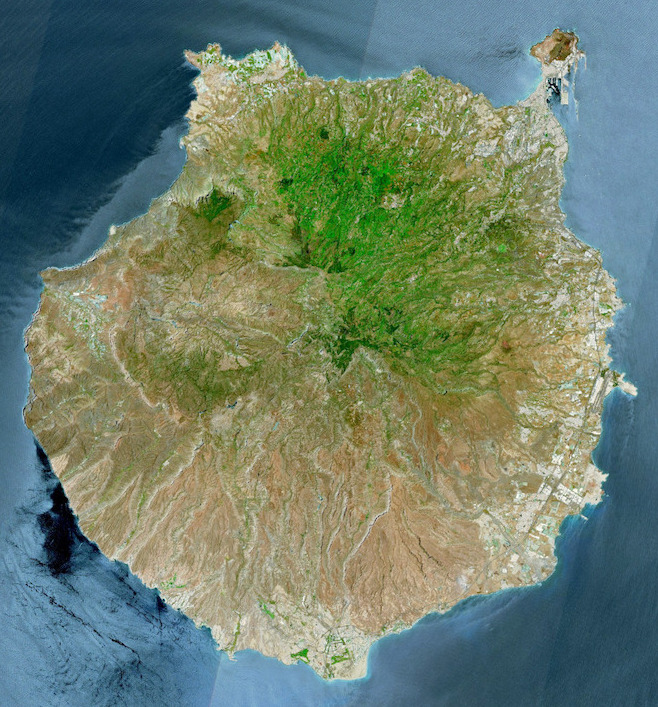
◆Gran Canaria is a Spanish island in the Atlantic Ocean, part of the Canary Islands, and one of Europe's most accessible island destinations for weddings, milestone birthdays, and private group celebrations. Its primary character is Nature & Wilderness — volcanic dunes, dramatic ravines, Atlantic cliffs, and lush interior valleys — combined with a well-developed resort infrastructure along its southern coast. The island suits intimate destination weddings, milestone birthday gatherings, and corporate retreats particularly well. The best planning window is the cool, mild shoulder seasons of spring and autumn (March–May and September–November). Guest travel is straightforward, with direct flights from most major European cities into Gran Canaria Airport.
Gran Canaria at a Glance
| Category | Detail |
|---|---|
| Best For | Destination Weddings, Milestone Birthdays, Private Group Celebrations, Corporate Retreats |
| Primary Vibe | Nature & Wilderness |
| Other Vibes | Beachfront & Coastal, Resort & Leisure, Scenic & Dramatic |
| Best Season | Cool / Mild Season (Mar, Apr, May, Sep, Oct, Nov) |
Why Choose Gran Canaria?
- Genuinely dramatic natural scenery: The Maspalomas dunes, the Roque Nublo volcanic formation, and the deep Mogán valley ravines provide ceremony and photography backdrops that are difficult to replicate on the European mainland.
- Exceptional European air connectivity: Gran Canaria Airport (LPA) receives direct flights from the UK, Germany, Scandinavia, the Netherlands, and most major Spanish cities, making it one of the most reachable island destinations in the Atlantic for a pan-European guest list.
- Diverse venue landscape: The island offers a genuine range — large beachfront resort complexes in the south, boutique clifftop properties, rural finca estates in the interior, and historic colonial-era buildings in Las Palmas — meaning different event scales and aesthetics are all genuinely catered for.
- Mild year-round climate with a reliable shoulder season: Unlike many European destinations that are either too hot in summer or too cold in winter for outdoor events, Gran Canaria's Atlantic position keeps temperatures moderate, with spring and autumn offering the most comfortable outdoor conditions.
- Mature hospitality and event services ecosystem: Decades of high-volume international tourism have produced a well-developed local vendor network — catering, floral, entertainment, and event coordination services are widely available and experienced with international clients.
- Island exclusivity without extreme remoteness: Guests experience the genuine sense of travelling somewhere special, while still benefiting from reliable infrastructure, good medical facilities, and familiar European standards of service.
Which Celebrations Work Best in Gran Canaria?
Destination Weddings: Gran Canaria is particularly well-suited to couples seeking a scenic European island setting with genuine natural drama. Beachfront ceremonies at sunset, outdoor receptions on resort terraces overlooking the Atlantic, and intimate finca weddings in the interior valleys are all realistic options. The island's accessibility from across Europe makes it practical for mixed-nationality guest lists.
Milestone Birthday Celebrations: The island's resort infrastructure handles group bookings well, and the combination of leisure activities — beaches, boat trips, dune excursions — gives a multi-day birthday celebration genuine programme depth beyond the event itself.
Private Group Retreats & Corporate Events: Gran Canaria's established conference and events facilities, particularly in the Las Palmas area and the larger southern resort complexes, make it a credible choice for corporate groups seeking an incentive-travel or team-event destination with strong leisure appeal.
Anniversary & Vow Renewal Celebrations: The island's romantic coastal scenery and boutique accommodation options make it a natural fit for smaller, intimate anniversary events where atmosphere and setting matter more than scale.
Venues & Event Spaces
Gran Canaria's event venue landscape divides broadly into three geographic zones, each with a distinct character:
- Southern resort corridor (Maspalomas, Playa del Inglés, San Agustín, Meloneras): This is the island's primary event hub, home to large resort complexes with dedicated banqueting suites, outdoor terraces, pool-deck event spaces, and beachfront lawns. These properties are purpose-built for group hospitality and can accommodate weddings and celebrations ranging from intimate gatherings to several hundred guests.
- Puerto de Mogán and the southwest coast: A quieter, more boutique zone with smaller resort properties and marina-side venues. Better suited to intimate celebrations where privacy and scenery take priority over scale.
- Las Palmas de Gran Canaria (the capital): The island's historic city offers a different aesthetic — colonial architecture, rooftop terraces, and heritage hotel ballrooms. This zone suits couples or planners who want an urban, culturally textured setting rather than a pure beach-resort experience.
- Rural interior (Tejeda, Mogán valley, Agaete): Traditional Canarian finca estates and rural properties in the volcanic interior offer genuinely distinctive outdoor ceremony spaces surrounded by almond groves, pine forests, and crater landscapes. These venues typically suit smaller, more intimate gatherings and require more logistical planning for guest transport.
Across all zones, outdoor ceremony spaces — terraces, gardens, clifftop platforms, and beachfront lawns — are a defining feature of Gran Canaria's event offering, and the island's mild climate makes outdoor setups viable for much of the year.
Best Time to Celebrate
The cool, mild season spanning March–May and September–November represents the strongest planning window for events in Gran Canaria, for several concrete reasons:
- Temperature comfort: Daytime temperatures in these months typically sit in the low-to-mid twenties Celsius — warm enough for outdoor ceremonies and receptions without the heat stress that can affect guests and catering logistics in peak summer.
- Lower tourist density: The island's peak tourist season runs from late December through January (northern European winter escape) and July–August (summer holidays). Shoulder-season events benefit from less congested airports, more venue availability, and a generally calmer atmosphere.
- Stable weather windows: Spring and autumn on Gran Canaria are characterised by settled Atlantic weather with low rainfall probability in the south of the island, making outdoor event planning more reliable than in the wetter northern months.
- Photography conditions: The softer light of spring and autumn mornings and evenings is generally more flattering for outdoor ceremony and portrait photography than the harsh midday sun of high summer.
June–August brings higher temperatures (occasionally exceeding 30°C in the south), significantly higher tourist volumes, and peak pricing across accommodation and services — all of which add logistical complexity to event planning. December–February is the island's other busy tourist period, with cooler evenings and occasional strong Atlantic winds (the calima, a Saharan dust wind, can also occur in winter and early spring) that can affect outdoor setups. Neither period is impossible for events, but both require more contingency planning than the shoulder seasons.
Getting There & Local Connectivity
Gran Canaria Airport (LPA), located approximately 18 km south of Las Palmas, is one of Spain's busiest airports and receives a high volume of direct international flights, particularly from the UK, Germany, the Netherlands, Scandinavia, and other European markets. For most European guests, Gran Canaria is reachable on a direct flight of two to four hours, which significantly reduces the travel burden compared to long-haul island destinations.
The island has no railway network — all ground transport is by road. For event groups, this means relying on coaches, minibuses, and taxis to move guests between the airport, accommodation, and event venues. The road network is generally good, and the distances between the main resort areas in the south and the airport are manageable. However, groups staying in the rural interior or the northern coast should factor in longer transfer times, particularly during peak traffic periods.
Within the southern resort corridor, most venues, accommodation, and beaches are within short driving distance of each other, which simplifies multi-day event logistics. Las Palmas, in the north, is approximately 50–60 km from the southern resorts — a journey of around 45–60 minutes by road — so events split between the capital and the south require deliberate transport planning.
Local Vendor & Hospitality Ecosystem
Gran Canaria's vendor ecosystem is one of its genuine strengths as an event destination. Decades of high-volume international tourism — the island receives several million visitors annually — have produced a mature, experienced hospitality industry accustomed to serving international clients with diverse requirements.
- Catering and food & beverage: The island has a well-developed catering sector, with resort properties typically offering in-house banqueting teams experienced in large-scale event service. Local Canarian cuisine — fresh seafood, papas arrugadas, mojo sauces — can be incorporated into event menus alongside international options.
- Wedding and event coordination: A number of specialist destination wedding planners and event coordinators operate on the island, many with multilingual capability (Spanish, English, German) given the international client base.
- Floral and décor: Local floral suppliers are well-established, and the island's own subtropical flora — bird of paradise flowers, tropical palms, bougainvillea — can be incorporated into event styling in ways that reinforce the island's natural character.
- Entertainment and experiences: Local entertainment options — live music, flamenco, traditional Canarian folk performances, boat charters, dune excursions — give event planners genuine programme-building material for multi-day celebrations.
- Legal and administrative: Civil and symbolic wedding ceremonies for international couples are both available on the island, though legal requirements for civil ceremonies vary by nationality and require advance coordination with local authorities.
Pros & Things to Consider
Why Gran Canaria Works Well
- Genuinely dramatic and varied natural scenery — volcanic, coastal, and rural — that gives events a distinctive visual identity
- Excellent European air connectivity, making it practical for pan-European guest lists
- Mild year-round climate with a reliable, comfortable shoulder season in spring and autumn
- Mature resort infrastructure with experienced event teams and good group accommodation capacity
- Strong local vendor ecosystem — catering, coordination, floral, and entertainment services are well-developed
- Island setting creates a genuine sense of occasion and destination without extreme remoteness or travel complexity
- Diverse venue types across different zones of the island suit a range of event scales and aesthetics
Things to Consider
- No railway network: All guest transport is by road, which requires deliberate coach and transfer planning for larger groups, particularly if guests are spread across different accommodation areas.
- Peak season congestion: July–August and the Christmas–January period bring very high tourist volumes that affect airport wait times, road traffic, and the general atmosphere — events during these windows require more logistical buffer.
- Calima wind events: The island occasionally experiences the calima, a hot, dusty wind from the Sahara, which can affect outdoor events with reduced visibility, elevated temperatures, and fine dust. These events are unpredictable and can occur in any season, though they are more common in winter and early spring.
- Rural interior logistics: Finca and rural venue events, while scenically distinctive, require more complex guest transport arrangements and may have limited on-site accommodation, requiring guests to stay elsewhere and be transferred.
- North–south divide: The island's north (Las Palmas) and south (Maspalomas/Playa del Inglés) are meaningfully different in character and are not within easy walking or short taxi distance of each other — events that try to combine both zones need careful transport planning.
- Language: While English and German are widely spoken in the tourist south, events involving local administrative processes (civil ceremony paperwork, permits) will require Spanish-language coordination or a local planner who can manage this.
When Gran Canaria May Not Be the Right Fit
- Very large-scale celebrations (500+ guests): While the island has resort properties capable of handling substantial guest numbers, the largest-scale Indian wedding formats or very large corporate galas may find the local venue inventory limiting compared to purpose-built convention destinations on the mainland.
- Guests travelling from outside Europe: For guest lists that are primarily based in Asia, the Americas, or the Middle East, Gran Canaria's Atlantic island location adds significant travel time and connection complexity compared to a destination closer to those origin markets.
- Outdoor events planned for peak summer (July–August): Couples or planners committed to outdoor daytime ceremonies during these months should be aware that heat and tourist congestion are at their peak — a different season or a destination with a more temperate summer would serve outdoor-focused events better.
- Celebrations requiring a strong cultural or heritage narrative: Gran Canaria's primary identity is natural and coastal rather than deeply historical or culturally layered in the way that, for example, a mainland European heritage city might be. Couples or planners for whom a rich architectural or cultural backdrop is central to the event concept may find the island's offering less suited to that specific brief.